
If your bird suddenly can't fly or has stopped flying, the first thing to figure out is whether this happened all at once or gradually, because that single distinction shapes everything you do next. A bird that crashed into a window ten minutes ago and can't take off needs a different response than one that's been flying less and less over the past few weeks. Either way, a bird that can't fly is telling you something is wrong, and most causes (injury, illness, weakness, or pain) can get worse quickly if ignored.
Why Can’t My Bird Fly? Quick Triage and Next Steps

Marcus Chen
27 Apr 2026
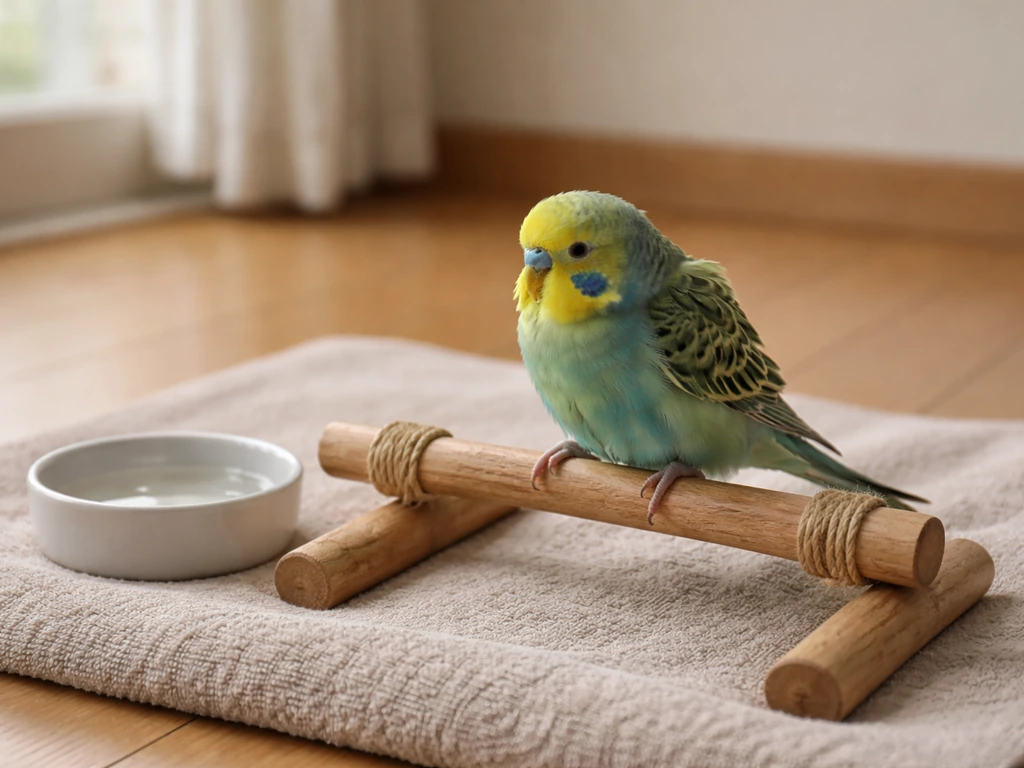
First, decide: is this an emergency right now?
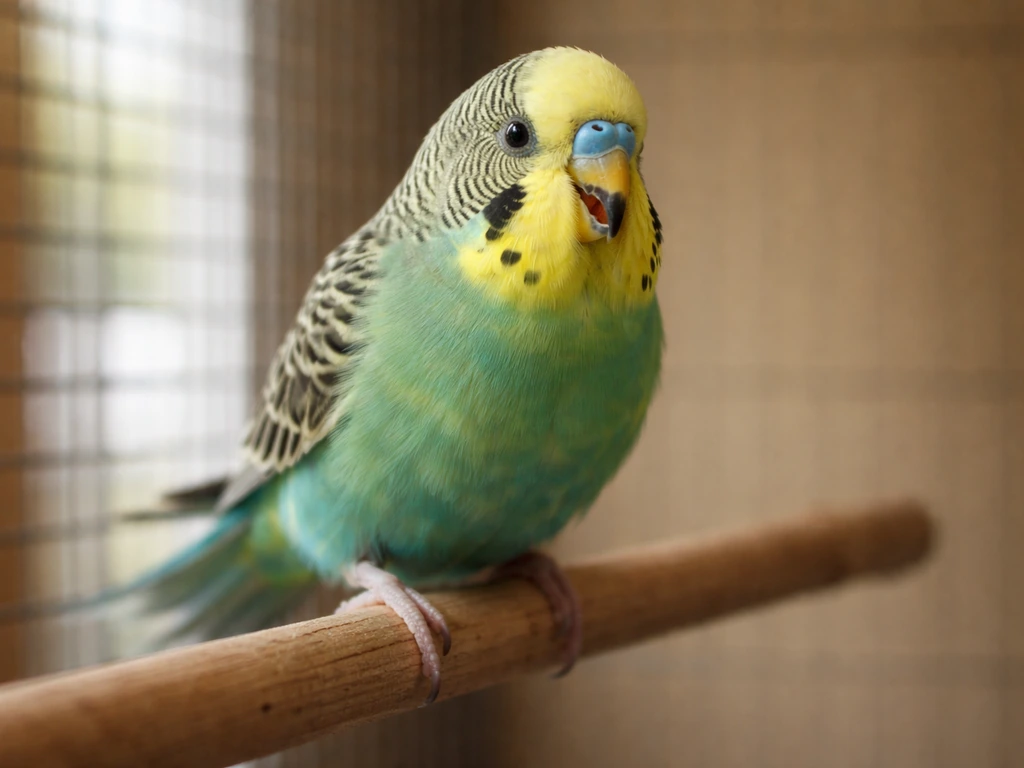
Run through this quick mental checklist before anything else. You're looking for signs that your bird needs help today, not tomorrow.
- Open-mouth breathing or labored breathing at rest: this is an emergency
- Tail bobbing rhythmically with every breath: this is an emergency
- Bleeding from a wing, feather shaft, or anywhere on the body: this is an emergency
- Cannot stand up, keeps falling, or is lying on the cage floor: this is an emergency
- Sudden paralysis or limpness in the legs or wings: this is an emergency
- Head tilt, twitching, circling, or seizure-like movements: this is an emergency
- Gradual decline in flying over days or weeks, eating and breathing normally: urgent but not a five-minute crisis
If any of the first six signs are present, stop reading, call an avian vet right now, and keep the bird warm and still while you arrange transport. If you're in the gradual-decline category, you still need a vet visit soon, but you have time to observe carefully, do some basic home checks, and prepare for that appointment.
The most common reasons pet birds stop flying
There's a fairly predictable list of culprits, and understanding them helps you narrow things down before you even pick up the phone.
Injury to the wing, shoulder, or body
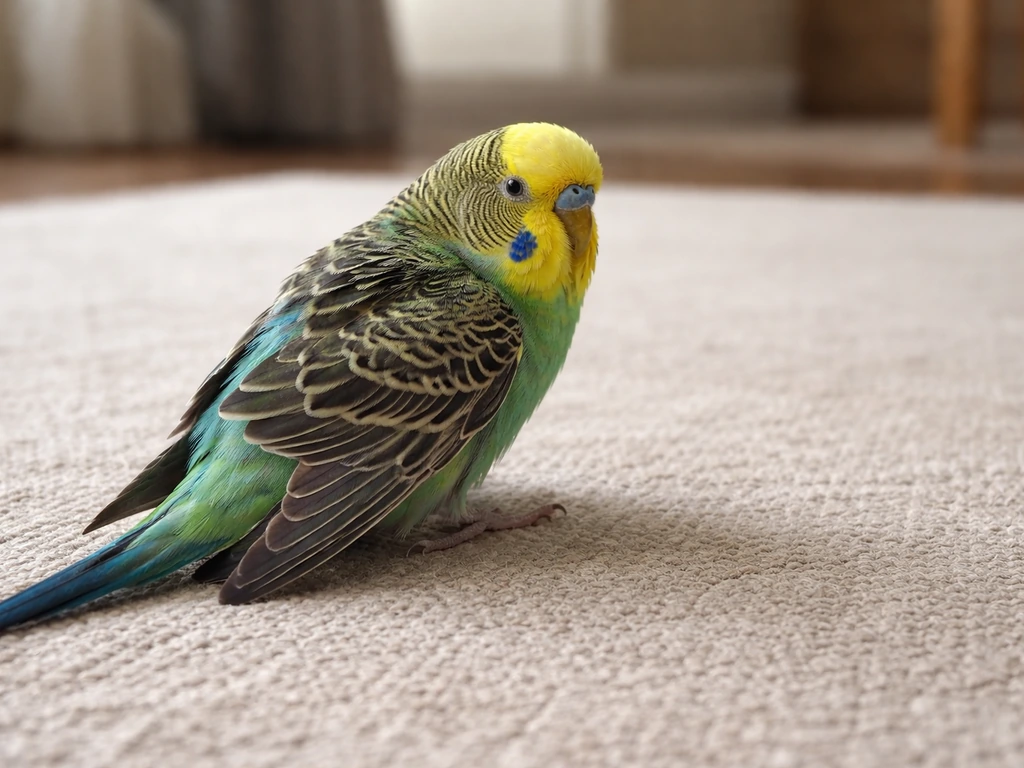
This is the most obvious cause and often the most visible. Ceiling fans are a genuinely common source of wing injuries in pet birds. Flying into windows, mirrors, or walls can fracture a wing or bruise a shoulder badly enough to ground a bird immediately. You might notice one wing held lower than the other, or a wing that droops or hangs oddly. The bird may flinch or react when the area near the wing is approached, even if you're not touching it.
Pain from any source
Birds are wired to hide pain because showing weakness in the wild is dangerous. If your bird is hiding, it's often a sign of pain, illness, or stress, so look closely at other symptoms and seek an avian vet when needed why is my bird hiding. If your question is specifically about why a bird might not fly away and instead stays grounded or stays put, it usually points back to the same causes of flight loss like pain, illness, or wing injury why is my bird hiding. By the time a bird is obviously struggling, the pain is usually significant. Foot or leg pain (from bumblefoot, a sprain, or an injury to the keel) can make a bird reluctant to launch into flight. Even pain in a completely unrelated area, like an internal problem or skin irritation, can cause a bird to simply stop flying.
Illness and infection
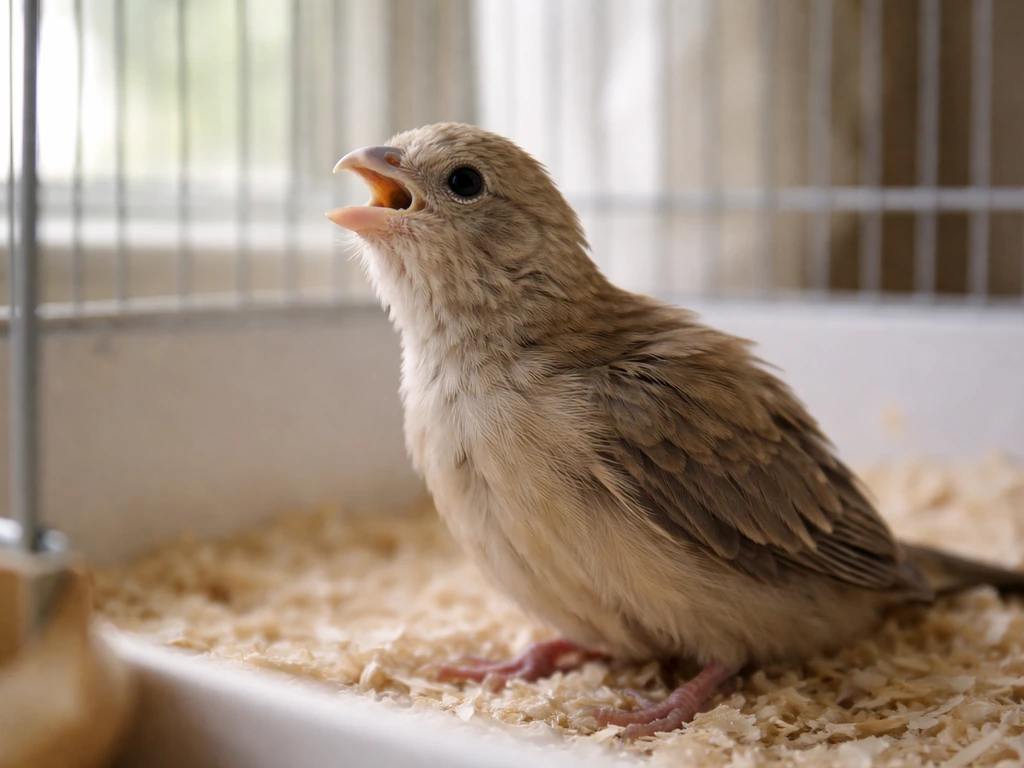
Respiratory infections are a big one. A bird fighting a lung or air sac infection doesn't have the oxygen delivery to power flight, so it stops trying. You'll often see other signs alongside the grounding: fluffed feathers, lethargy, reduced appetite, or abnormal breathing sounds. Bacterial, viral, and fungal infections can all affect the respiratory tract, and birds with respiratory illness should be separated from other birds and seen by a vet promptly.
Neurological problems
Neurological causes are less common but more alarming. Viral CNS infections can cause ataxia and leg weakness that progresses toward paralysis. Toxin exposure, including avian botulism from contaminated food or water, can cause a flaccid, progressive paralysis that starts in the legs and moves upward through the body. Chemical fume exposure from things like non-stick cookware, aerosol sprays, cleaning products, or candles can cause rapid respiratory and neurological collapse in birds, whose respiratory tracts are extremely sensitive to airborne chemicals.
Weakness, dehydration, and muscle deconditioning
Obesity is one of the most commonly seen nutritional problems in companion birds, often caused by a sedentary lifestyle and a seed-heavy diet. A bird that has been living in a small cage with clipped wings for a long time can genuinely lose the muscle mass needed to sustain flight. Dehydration from illness or heat stress also causes rapid physical weakness. These birds often look physically normal but just don't have the energy or muscle to get airborne.
Feather and skin problems
Damaged, missing, or malformed flight feathers make flight mechanically impossible, not a health crisis in itself but worth understanding. Mite infestations, like knemidokoptic mange (scaly face and leg disease), damage feather follicles and the surrounding skin and can affect how feathers grow and function. Stress bars, broken blood feathers, or heavy feather loss can all reduce a bird's lift capacity.
Home checks you can do safely right now
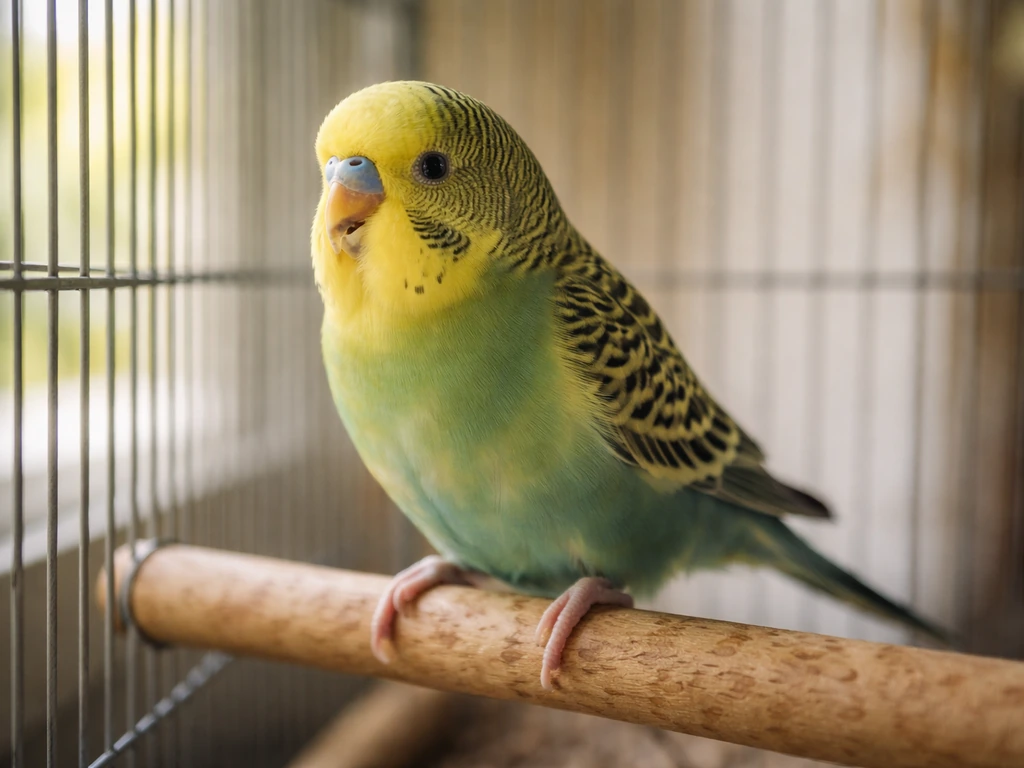
Do these checks by watching your bird, not by handling it. If your bird is flying away from you, start by reviewing this checklist so you can spot whether the behavior is linked to pain, illness, or stress why does my bird fly away from me. If your bird is facing away from you, it can also be a clue about stress, pain, or illness, and it helps to review the signs that point to those causes why is my bird facing away from me. Handling a sick or injured bird adds stress and can make things worse. You want to observe from a few feet away and let the bird show you what it's doing.
- Watch the breathing: Is the tail bobbing rhythmically with each breath? Is the beak open at rest? Are you hearing wheezing, clicking, or squeaking sounds? Is the neck extended as if the bird is straining to get air? Any of these is a red flag.
- Check posture: Is the bird fluffed up and sitting hunched at the bottom of the cage or on a low perch? Fluffing is how birds conserve heat when they feel sick. Is the bird leaning to one side?
- Look at the wings from a distance: Is one wing held lower than the other? Does one wing droop or hang loosely? Can the bird fold both wings neatly against its body?
- Watch balance and movement: Can the bird perch normally, grip with both feet, and move around the cage? Stumbling, falling off perches, head tilting, or twitching points toward a neurological problem.
- Check the droppings: Unusual color (very dark, bright green, or red), watery droppings, or a change in volume can confirm something systemic is going on.
- Look at feathers and skin: Are flight feathers present, intact, and not broken? Is there any crusty buildup around the face, beak, or legs that might suggest mites or infection?
- Assess appetite: Is your bird eating and drinking? A bird that has stopped going to the food dish is sick until proven otherwise.
Matching what you see to likely problems
Here's a quick-reference table to connect specific signs to the category of problem they most likely point toward.
| What you observe | Most likely category | Urgency |
|---|---|---|
| Open-mouth breathing, tail bobbing, wheezing, neck extended | Respiratory illness or fume/toxin exposure | Emergency — vet now |
| Sudden paralysis or flaccid limbs, starting in legs | Neurological (toxin, viral CNS infection) | Emergency — vet now |
| Head tilt, twitching, circling, falling off perch | Neurological problem | Emergency — vet now |
| Bleeding from wing or feather | Injury, broken blood feather | Emergency — vet now |
| One wing drooping, held lower, flinches near wing | Wing or shoulder injury | Urgent — vet today or tomorrow |
| Fluffed, lethargic, reduced appetite, quiet | Illness (infection, pain, general malaise) | Urgent — vet soon |
| Gradual flight reduction, poor feather condition, no other signs | Feather damage, muscle weakness, or mites | Non-emergency but vet visit warranted |
| Overweight, low-activity history, weak launch attempts | Obesity and muscle deconditioning | Non-emergency but needs management |
What to do for your bird today
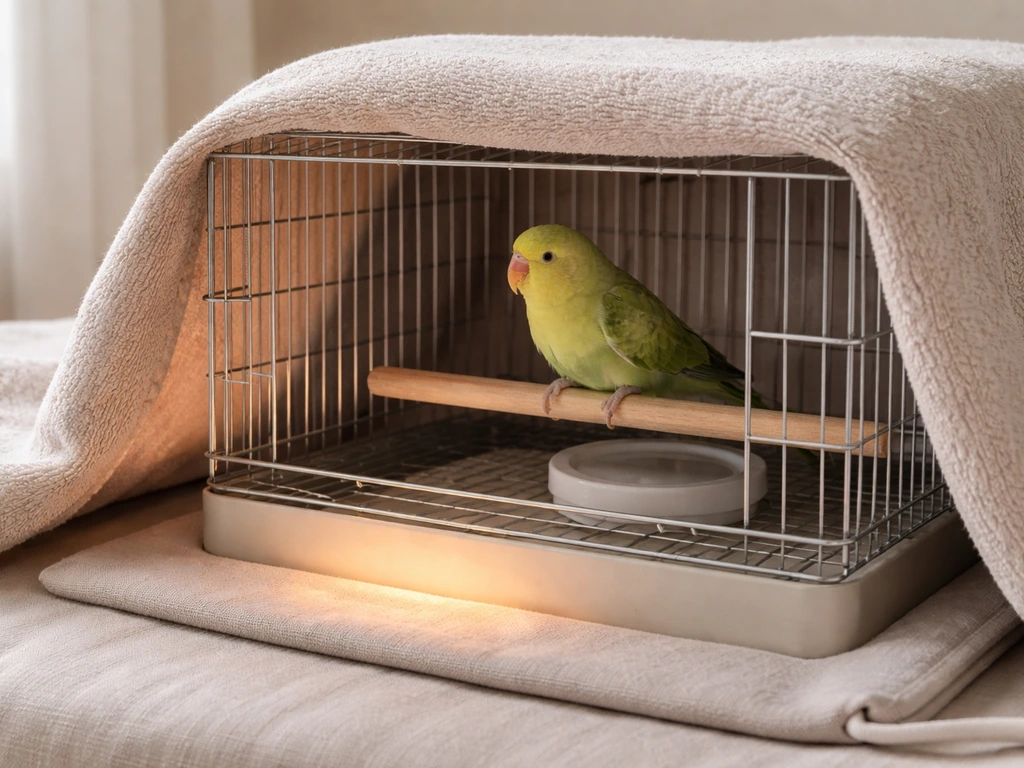
While you're figuring out your next step, focus on making your bird comfortable and safe. The goal right now is to reduce stress and energy expenditure, not diagnose or treat.
Warmth first
Birds have high metabolic rates and body temperatures that typically run between 103 and 106°F. When a bird is sick or injured, it burns a huge amount of energy just maintaining that temperature. Move the bird to a warm, quiet spot. CDC advises that pet birds need to be housed in a warm, draft-free location Move the bird to a warm, quiet spot.. The target environment temperature is around 85 to 90°F (29 to 32°C). You can use a heating pad on low under half the cage, a heat lamp positioned at a safe distance, or a warm room. Make sure the bird can move away from the heat source if it gets too warm.
Lower the perches or remove them
A bird that can't fly is a bird that can fall. If your bird is trying to escape the cage, it can also be a sign of stress, fear, pain, or illness, so it's worth investigating alongside its overall behavior why is my bird trying to escape. Remove high perches and put food and water on the cage floor or at a very low level so the bird doesn't have to climb or jump to reach them. Pad the cage floor with a soft towel if the bird is weak or unsteady.
Keep things quiet and minimize handling
Stress makes everything worse for a sick bird, and handling a bird that's already compromised can push it into respiratory or cardiac distress. Cover three sides of the cage to reduce visual stimulation. Keep the room quiet, away from other pets, children, and heavy foot traffic. Only handle the bird if it's absolutely necessary (like to move it or check for active bleeding). Sometimes a bird turning its back can be a sign that it is stressed, in pain, or uncomfortable, so it helps to look for other body-language clues too why does my bird turn his back to me.
Make sure food and water are accessible
Hydration and nutrition matter a lot. If your bird is eating and drinking, that's a positive sign. Offer familiar, easy-to-eat foods at the lowest possible point in the cage. Don't try to force-feed or give supplements without veterinary guidance.
What to avoid
- Don't let the bird free-roam the house unsupervised when it can't fly, falls become serious injuries
- Don't try to 'exercise' the wings or encourage flight attempts
- Don't use aerosol sprays, scented candles, air fresheners, or cook with non-stick cookware near a sick bird
- Don't give human medications or over-the-counter bird remedies without vet approval
- Don't assume the bird is 'just tired' and wait several days before seeking help
When you need an avian vet urgently, and what to tell them
If you saw any of the emergency signs listed at the top, stop reading this and call now. For everyone else, here's the clearer line: any bird that can't fly and also shows lethargy, fluffing, appetite loss, abnormal droppings, or abnormal breathing needs an avian vet visit within 24 hours, not next week. SpectrumCare also urges urgent evaluation when tail bobbing happens along with concerning breathing signs, such as open-mouth breathing and wheezing or clicking abnormal breathing needs an avian vet visit within 24 hours. Birds deteriorate fast once they start showing signs.
When you call, give the vet this information upfront: your bird's species, age, and weight if you know it; when you first noticed the problem; whether the loss of flight was sudden or gradual; any other symptoms you've observed (breathing, posture, droppings, appetite, behavior); any recent changes in the home (new products, cooking fumes, new food, other sick animals); and whether your bird has been around other birds recently. The more specific you are, the faster they can prioritize your appointment and prepare for the visit.
At the clinic, expect the vet to examine the bird physically, possibly take X-rays to check for fractures or internal issues, run blood work, and potentially culture any discharge. For respiratory symptoms, imaging and cultures are standard tools. Try to bring a fresh dropping sample if possible, as it helps with diagnosis considerably.
Preventing this from happening again
Make the cage setup safer
Perch placement matters more than most owners realize. Use perches of varying diameters so the feet get a proper workout and don't develop pressure sores. Avoid slippery perches that make gripping difficult, especially for older or heavier birds. Place perches at different heights but not so high that a fall becomes a serious injury. Keep the area below high perches clear of hard objects and water dishes.
Remove household hazards
Ceiling fans are responsible for a surprising number of bird injuries and should always be off when your bird is out of the cage. Open windows and doors are the other major hazard: a bird that flies into a window hard enough can sustain a skull fracture or severe wing injury. Use window stickers or screens, and establish a rule about doors when the bird is out. Keep chemical fumes out of the bird's environment entirely: non-stick cookware, aerosol products, scented candles, gasoline, cleaning sprays, and perfumes all carry real risk given how sensitive birds' respiratory systems are.
Diet and weight management
Obesity is common in companion birds that eat mainly seeds and don't get much flight time. A well-rounded diet that includes pellets, fresh vegetables, and limited seeds goes a long way toward maintaining a healthy body weight and keeping flight muscles functional. If your bird is visibly overweight or has been sedentary for years, ask your avian vet about a safe weight management plan before trying to push it into more activity.
Regular wellness checks
Annual or biannual avian vet visits catch problems before they become crises. A bird that gets checked regularly will have baseline bloodwork and weight on file, which makes it much easier to detect early decline. Between visits, keep a simple log of your bird's weight (a kitchen gram scale works perfectly), droppings appearance, appetite, and behavior. Changes in those four things often appear before any dramatic symptom does, and catching them early gives you and your vet a real head start.
FAQ
My bird can still flap but cannot get airborne. Is that still an emergency?
Yes. Partial flight ability can still reflect acute injury, pain, respiratory compromise, or weakness that can worsen quickly. If you notice lethargy, labored or noisy breathing, appetite reduction, or abnormal droppings along with the inability to lift off, treat it as urgent and seek an avian vet within 24 hours. If it happened suddenly after a fall, even without other symptoms, it still needs prompt evaluation.
Could my bird’s wings be “clipped” and that’s why it won’t fly?
Clipped wings reduce flight distance, but a normally clipped bird should still be able to move and perform short flaps. If your bird is completely grounded, seems uncomfortable when climbing, or shows drooping, asymmetry between wings, or trouble using its legs, assume there is an additional issue such as injury, pain, illness, or weakness and get it checked. Re-clipping should only be done based on an exam and proper wing trim guidance.
How can I tell if this is more likely pain versus breathing trouble when I can’t do an exam?
Pain clues include guarding a limb or wing, reacting strongly when you approach one area, reluctance to perch, or favoring one side. Breathing trouble clues include fluffed feathers, open-mouth breathing, tail bobbing, stretched neck, abnormal sounds, and reduced appetite. If you see breathing signs, don’t wait to “see if it improves,” contact an avian vet right away.
My bird is having trouble perching and climbing. Does that automatically mean a leg problem?
Not automatically. Weakness from illness, internal problems, or neurological toxin exposure can affect balance, and respiratory fatigue can also make climbing difficult. However, if the bird cannot grip, sits more than usual, has swelling or unusual posture in a foot, or shows signs of bumblefoot or a sprain, prioritize an urgent leg and neurological assessment by an avian vet.
Can stress alone stop my bird from flying?
Stress can contribute, especially by suppressing appetite or worsening pain and breathing symptoms, but it usually is not the only cause when a bird cannot fly. If the bird is also fluffed, not eating, breathing abnormally, or has abnormal droppings, assume there is an underlying medical problem and get avian care promptly.
What should I avoid doing at home while waiting for the vet?
Avoid force-feeding, giving human medications, attempting to “check” the wings by frequent handling, and using heating that is too hot without a way for the bird to move away. Also avoid exercise attempts, long periods without warmth, and letting the bird jump from elevated perches. Handling a sick or injured bird can increase stress and raise the risk of respiratory or cardiac deterioration.
Is it okay to test flight ability by letting my bird jump or fly a short distance?
No. If your bird is grounded, testing flights can trigger a fall, worsen an injury, or accelerate fatigue from illness. Instead, restrict access to height, place food and water low on the cage floor, and observe behavior from a few feet away until the vet can determine the cause.
My bird is trying to escape or panicking. Does that change what I should do first?
Yes. Panicked or frantic behavior can mean fear, pain, or illness. Reduce triggers immediately by covering three sides of the cage, keeping the room quiet, turning off potential hazards like fans, and minimizing handling. Make sure food and water are easy to reach at ground level, but still seek veterinary evaluation if the bird is grounded or showing any illness signs.
What information should I prepare before calling an avian vet?
Have the bird’s species, age, and weight ready if known, the exact timeline (first noticed and whether it was sudden or gradual), and a brief symptom list focused on breathing, posture (sitting vs crouching), droppings, appetite, and behavior. Also note any home changes in the past several days, including new cookware, aerosols, candles, cleaning products, perfumes, and whether other birds are ill.
Should I separate my bird from other birds while waiting for care?
If there is any concern for respiratory illness, discharge, lethargy, or suspected infection, separate the bird to reduce spread and allow accurate observation. Keep supplies separate, wash hands before and after, and avoid sharing water or food containers.
If the vet suspects a fracture, what at-home care can reduce complications before the visit?
Keep the bird warm and still, remove high perches, and place food and water low so it does not need to climb. Do not attempt to splint or massage a suspected injury. Provide a calm environment (quiet room, reduced visual stimulation) and limit handling to only what is necessary to move the bird or manage active bleeding.
My bird’s droppings look abnormal. Does that matter if the main issue is flying?
Yes. Abnormal droppings combined with inability to fly can indicate systemic illness, dehydration, infection, or medication effects. This combination is one reason avian vets prioritize the visit timeline, and it helps them choose diagnostics like blood work and imaging sooner.
When should I call immediately versus waiting to schedule?
Call immediately if the bird cannot fly and also shows lethargy, appetite loss, abnormal droppings, abnormal breathing, or rapid decline. If the bird is only gradually less capable over weeks, it still needs prompt avian evaluation, but you may have a short window to observe and prepare without emergency-level urgency. Sudden change always tilts toward immediate care.
Can old age or arthritis be the reason my bird won’t fly?
Possible, especially if the bird is older and seems uncomfortable when climbing or perching. Still, age-related stiffness does not rule out infection, injury, neurological causes, or respiratory disease. If the bird is suddenly grounded or has breathing or appetite changes, treat it as medical emergency rather than “just arthritis.”
Does weight management or diet matter if my bird can’t fly right now?
Diet matters, but only after the acute cause is assessed. In the short term, focus on warmth, easy access to food, hydration, and minimizing stress. If weakness is related to obesity or low muscle conditioning, a vet can guide a safe plan later, but attempting to “fix fitness” while the bird is ill or injured can delay diagnosis.
Next Articles
Why Is My Bird Making Whimpering Noises? What to Check
Find reasons for whimpering bird noises, quick home checks, and red flags for urgent vet care plus tracking tips.
Why Does My Bird Make Crunching Noises? Causes and What to Do
Learn why your bird crunches, spot normal beak chewing vs breathing or crop issues, and what to do next.
Why Do Guinea Pigs Make Bird Noises? Listen and Look
Learn why guinea pigs make bird like chirps and whistles, how to spot normal vs stress or illness, and when to see a vet