
Your bird is hiding because of one of two broad reasons: something in its environment is stressing it out, or it isn't feeling well. The tricky part is that birds are prey animals hardwired to hide weakness, so a sick bird and a scared bird can look almost identical from the outside. The good news is that a quick, systematic look at a handful of signs will almost always tell you which one you're dealing with.
Why Is My Bird Hiding? Causes, Checklist, and Next Steps

Marcus Chen
18 May 2026
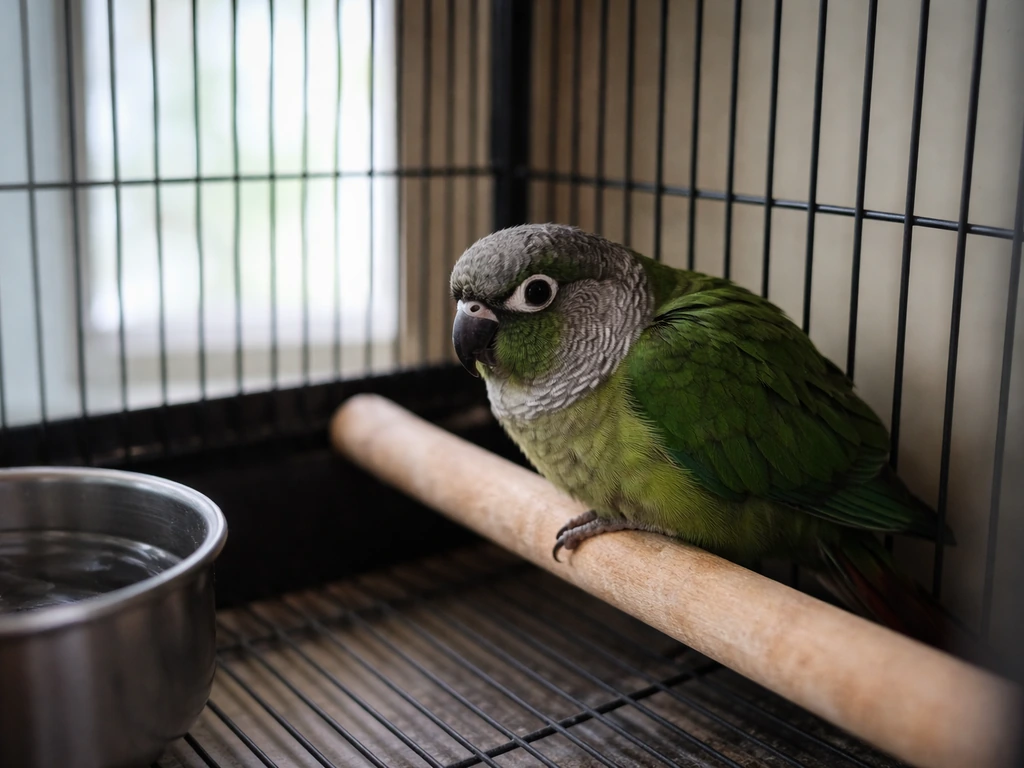
Common reasons a pet bird hides
Most hiding behavior falls into a few predictable categories. Running through each one will help you zero in on what's going on with your bird specifically.
Normal sleep and rest
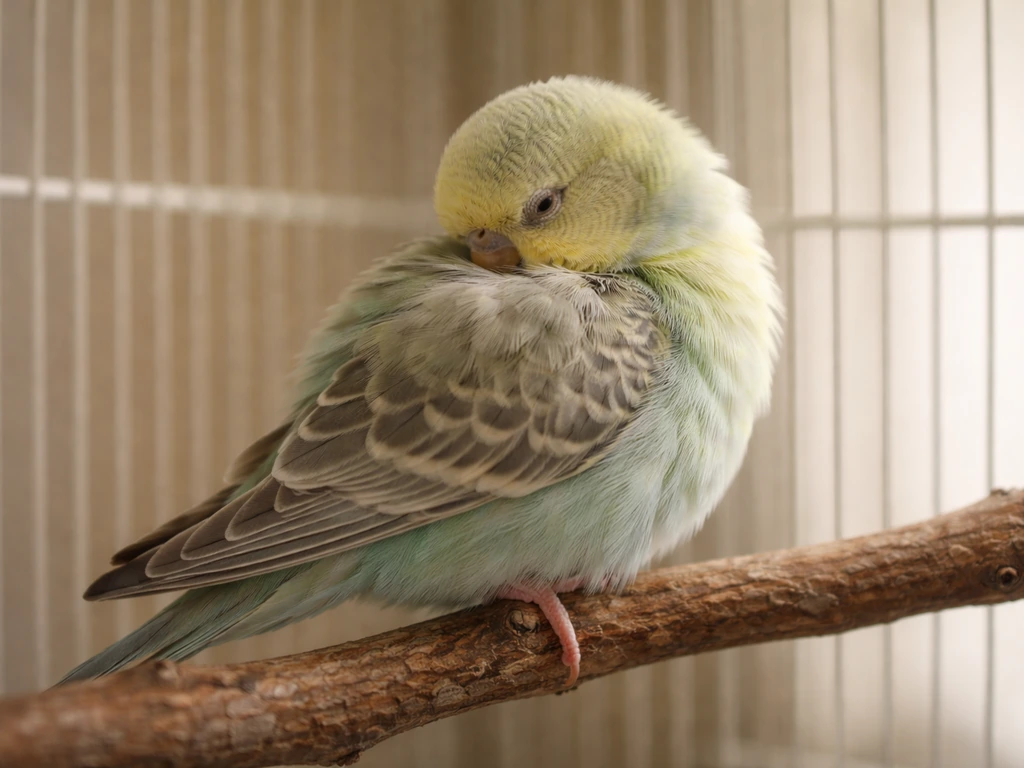
Birds sleep more than most owners expect. A healthy bird tucked into a corner of the cage, beak buried in its back feathers, one leg pulled up, and feathers slightly puffed is almost certainly just resting. This is normal thermoregulation, birds trap warm air in their feathers to stay comfortable during cooler parts of the day or night. If your bird is doing this at predictable rest times and perks up when you approach or when the room brightens, that's a normal sleep posture, not a red flag.
Fear and stress
A bird that retreats to the back of the cage, freezes, or tucks itself behind toys when you (or a family member, pet, or visitor) approach is showing classic fear behavior. Birds can learn very quickly that moving to the back of the cage makes the scary thing go away, which reinforces the hiding pattern over time. If your bird is flying away from you instead of just hiding, treat it as a stress or fear signal and check for triggers in the room and how you approach your bird bird fly away from me. Loud noises, sudden movements, a new piece of furniture, a rearranged cage, or even a new piece of clothing you're wearing can trigger this. If your bird keeps turning its back or facing away from you, it is often trying to avoid a perceived threat or stress trigger Loud noises, sudden movements. This is connected to patterns you might also notice if your bird tends to fly away from you or consistently faces away from you when you approach.
Environmental changes and disrupted routine
Birds are creatures of habit. Moving the cage to a new room, changing the lighting schedule, a new pet in the house, a baby, construction noise, or even a change in your daily routine can push a bird into a withdrawn, hiding state. Seasonal lighting shifts also affect behavior, shorter days and longer nights can make a bird quieter and less active, which owners sometimes mistake for illness.
Molting
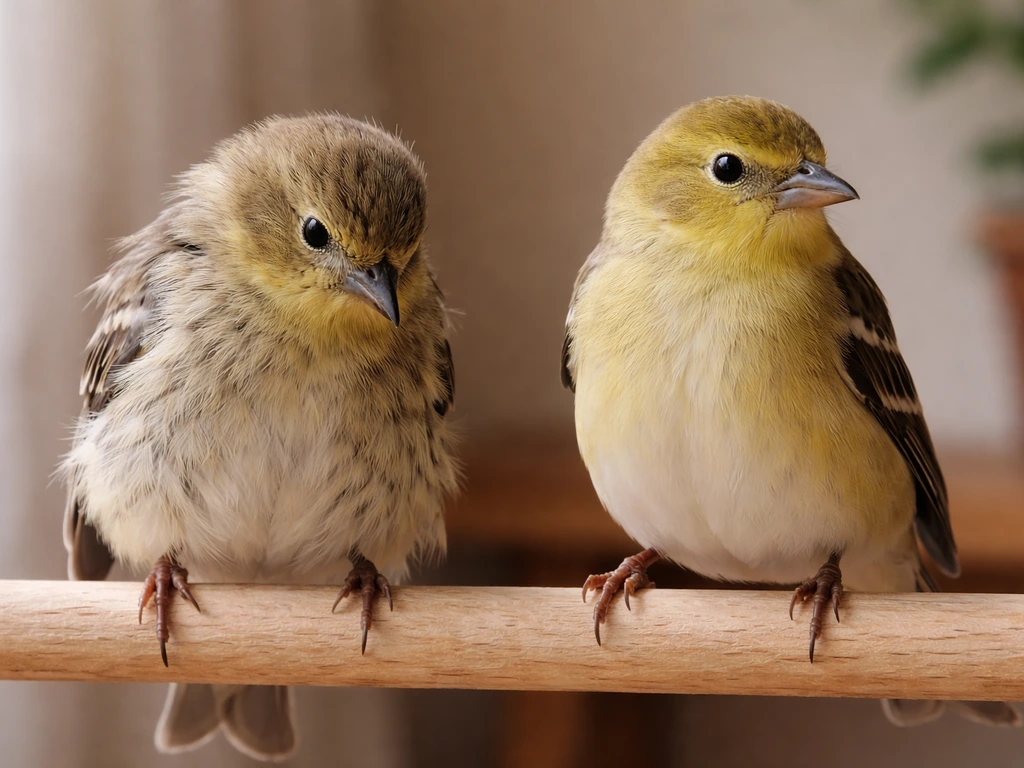
A bird going through a molt can look scraggly, move less, and spend more time sitting quietly. Normal molting can last anywhere from about one month to several months. During this period, pin feathers (the new quills coming in) can be sensitive and even tender, making a bird less interested in being handled. If the hiding and low energy line up with visible new feather growth and there are no other symptoms, molting is likely the explanation.
Social dynamics
If you have more than one bird, a lower-ranking bird may hide to avoid a more dominant cage mate. A newly introduced bird will often hide extensively while it adjusts. Even a bonded pair can have tension that drives one bird to withdraw. Watch whether the hiding bird is eating, drinking, and accessing perches freely when the dominant bird isn't blocking the way.
Pain, illness, or physical discomfort
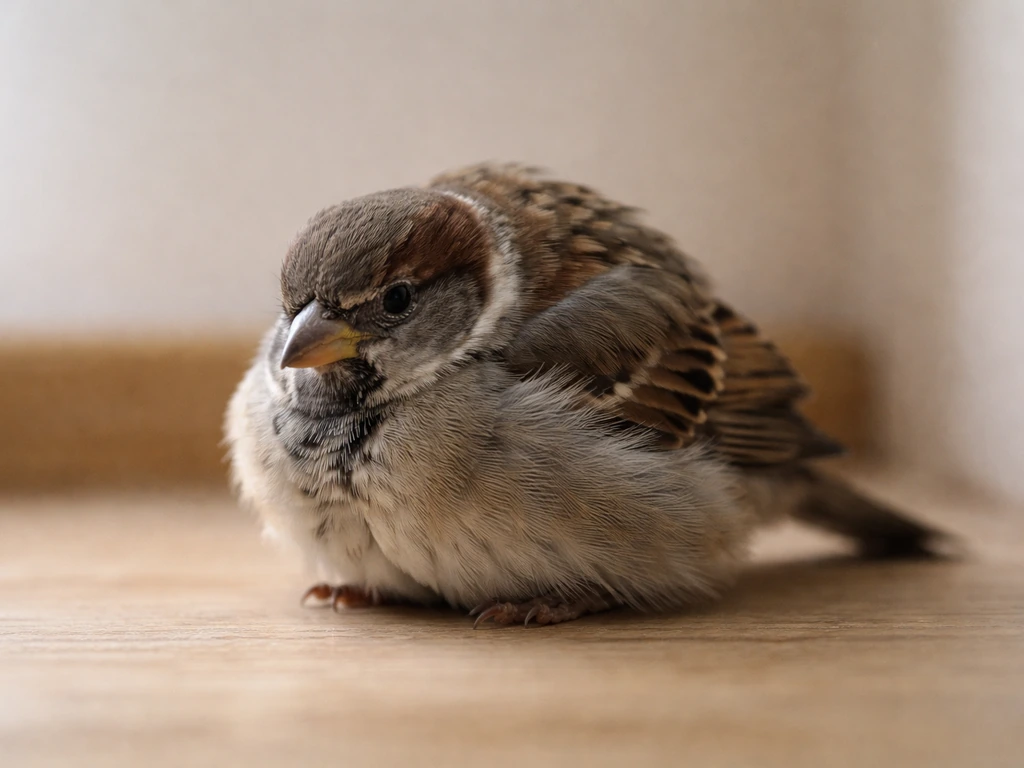
This is the most important reason to take seriously. A bird that is ill, in pain, or dealing with a respiratory or gastrointestinal problem will hide as an instinctive survival strategy. Because birds are prey animals, they are wired not to show weakness, which means blank" rel="noopener noreferrer">by the time you notice overt symptoms, the problem may have been building for days or even weeks. Hiding alone doesn't confirm illness, but hiding paired with other changes is a signal you can't ignore. If your bird is hiding because something is wrong, you may also need to consider other abilities, such as issues like why can't my bird fly.
How to tell normal hiding from a health warning
The single most useful thing you can do right now is observe your bird quietly, without reaching in or disturbing it, for five to ten minutes. You're looking for a pattern of signs, not any single symptom. A healthy bird that's just hiding for behavioral reasons will still look bright-eyed, hold itself upright (or in a normal sleep posture), breathe quietly, and respond to your voice or movement with some alertness. A bird that is unwell will often combine hiding with at least one or more of the red-flag signs listed below.
The key distinction is responsiveness. A sleeping bird wakes up when you speak to it or turn on a light. A sick bird may stay drooped, dull-eyed, or at the bottom of the cage even when you interact with it. If your bird seems unaware of or indifferent to what's happening around it, treat that as a warning.
Red-flag symptoms to check alongside hiding
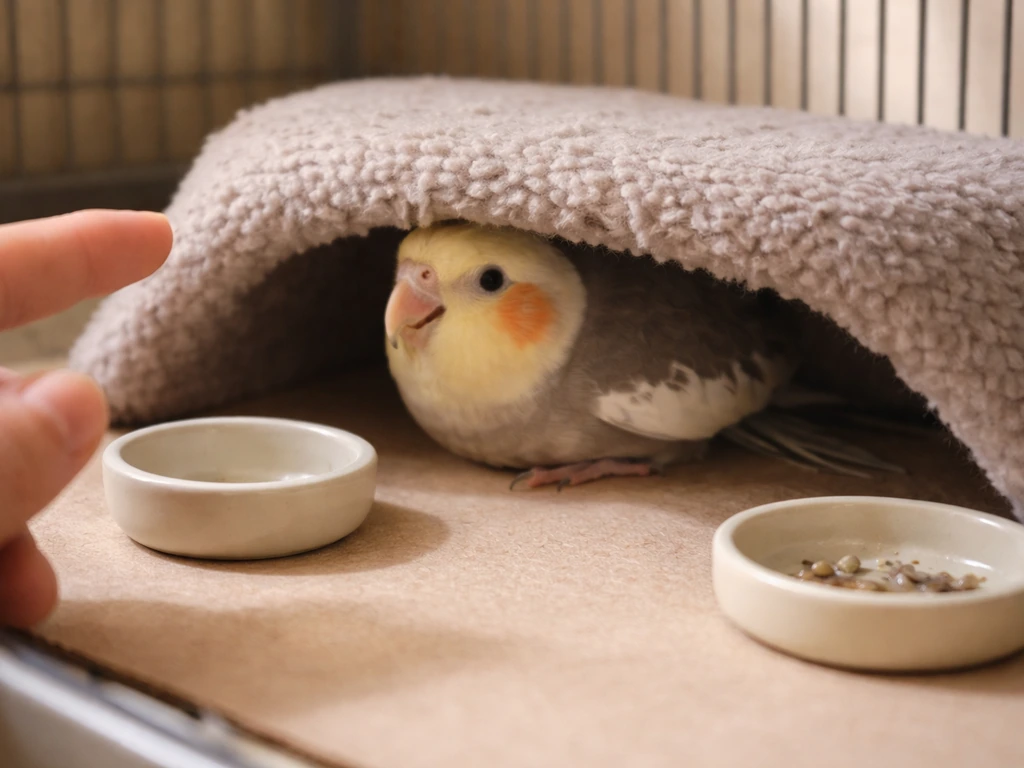
Go through this list right now while observing your bird. Any one of these alongside hiding should put you on alert. Multiple signs together mean you need to act today.
- Breathing: Is the bird breathing with its mouth open while at rest? Is the tail bobbing up and down in a rhythmic pumping motion with each breath? Are you hearing wheezing, clicking, or any unusual breathing sounds? These are serious signs.
- Posture: Is the bird sitting low on the perch, listing to one side, or sitting at the bottom of the cage? Birds at the cage bottom (when they aren't injured and haven't just landed there) are often very ill.
- Feathers: Are the feathers persistently ruffled or puffed when the bird isn't sleeping? Does the bird look unkempt or dull in a way that's new?
- Droppings: Are the droppings dramatically different in color, consistency, or volume? Watery, absent, very dark, green-tinged, or blood-streaked droppings alongside hiding are serious.
- Appetite and water: Is the bird not eating or drinking at all? Even a partial reduction over 24 hours is worth noting.
- Eyes and nares: Are the eyes partially closed or dull? Is there any discharge from the nostrils or eyes?
- Responsiveness: Does the bird react at all when you speak to it or approach? A bird that doesn't flinch, turn its head, or react in any way is telling you something is wrong.
- Balance and coordination: Is the bird struggling to grip the perch, falling, or unable to stand? This is an emergency.
Quick home assessment: environment, cage setup, and social factors
Before you do anything else, run through this checklist. Many hiding cases have a simple environmental cause you can fix today.
Temperature and drafts
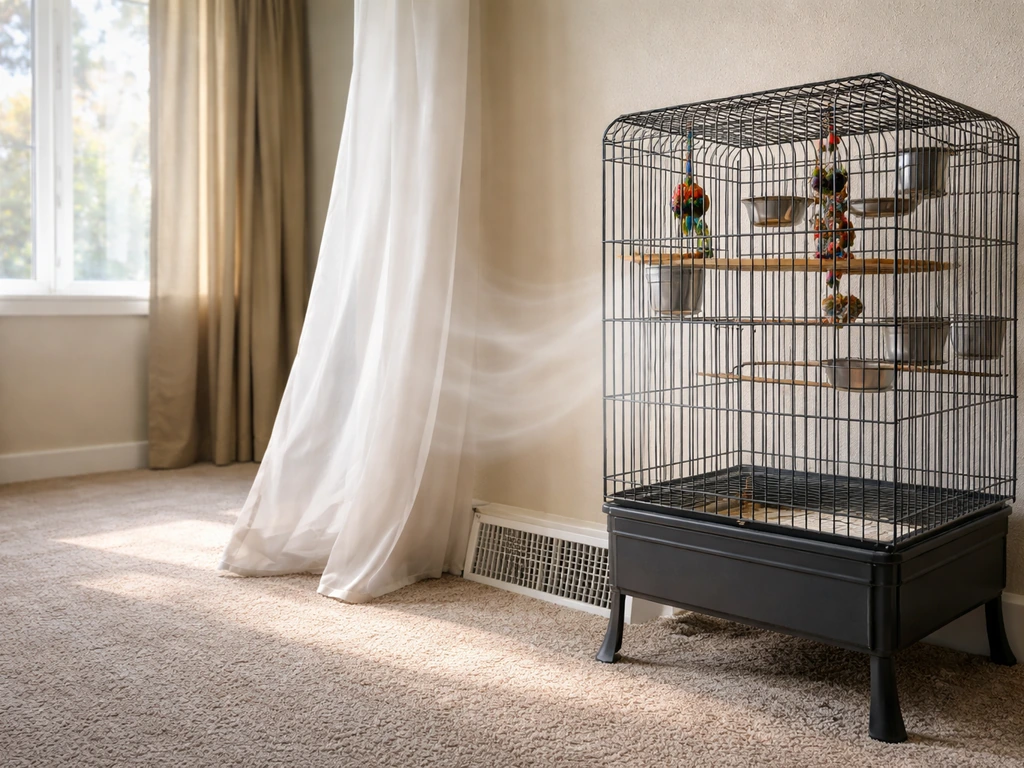
Is the cage near an air conditioning vent, a drafty window, or an exterior door? Sudden temperature swings or cold drafts cause birds to huddle and hide. The cage should be in a room that stays between roughly 65 and 80 degrees Fahrenheit without sharp fluctuations. Check this first, especially if the hiding started after a seasonal change or after you rearranged the room.
Fumes and air quality
This is urgent if the hiding started suddenly. Have you recently used cleaning products, air fresheners, scented candles, non-stick cookware, or spray paint near the bird? Fumes from bleach, ammonia-based cleaners, burning plastics, and overheated non-stick coatings are acutely toxic to birds. Mixing bleach with ammonia creates chloramine gas, which can cause rapid respiratory distress. If there's any chance of fume exposure, move the bird to a well-ventilated room immediately and call a vet.
Lighting schedule
Birds are sensitive to light cycles. If the room is much darker than usual, or if lighting changed recently (a new curtain, a moved lamp, or shorter daylight hours), your bird may simply be responding to those shifts. Aim for a consistent cycle of around 10 to 12 hours of light and 10 to 12 hours of darkness. Erratic lighting disrupts sleep and can cause behavioral withdrawal.
Cage setup and perch placement
Is there a high perch available? Most birds feel most secure sleeping and resting high up. If the only comfortable perches are low or crowded, the bird may sit at the bottom out of discomfort rather than illness. Make sure there's at least one high, comfortable resting perch with enough room for the bird to sit upright without its tail rubbing the cage bars. Also check that hiding spots (like a nest box or covered corner) aren't unintentionally triggering hormonal or territorial behavior, which varies by species.
Cage placement and household activity
Is the cage in a high-traffic area where it gets startled repeatedly? Or is it isolated with no visual connection to the household? Birds do best in a room with moderate, predictable activity, somewhere they can see and hear their people without being constantly disturbed. A cage placed in direct line of sight to a door, a TV, or a frequently visited area can cause chronic low-level stress that leads to persistent hiding. If your bird is trying to escape, it can be a sign of fear, stress, or feeling unsafe in its environment why is my bird trying to escape.
Social and handling factors
Think about recent changes in handling. Has someone new been reaching into the cage? Has handling decreased and the bird lost confidence? Is there a new bird in the household? A single bird that has had less interaction recently may hide as a stress response to loneliness or under-stimulation. A newly introduced bird may be intimidated even if the birds aren't housed together, simply from seeing or hearing each other.
Immediate steps you can take today
- Observe quietly first. Before you reach in or react, watch your bird from a comfortable distance for at least five minutes. Note breathing, posture, droppings, and responsiveness without disturbing it.
- Fix the obvious environmental issues. Move the cage away from drafts. Open windows briefly if fumes are suspected. Check the temperature. Dim the lights if the bird seems overstimulated.
- Normalize your approach. Avoid sudden movements or loud voices near the cage. Speak calmly and let the bird see you without feeling pressured to interact. Don't force it out.
- Establish a calm routine. Feed at the same times, cover the cage at the same hour each night, and keep the room environment consistent for the next 24 to 48 hours. Predictability reduces stress significantly.
- Offer familiar foods. If you're worried about appetite, offer the bird's favorite safe foods as a gauge. A bird that eats eagerly is a reassuring sign. One that ignores food it normally loves is a warning.
- Add low-pressure enrichment. Place a new toy or foraging item near but not crowding the bird's favorite perch. Don't overwhelm it — one small new thing in a familiar cage can engage a bored or stressed bird without adding to its anxiety.
- Write down what you observe. Keep a simple log for the next 12 to 24 hours: what the bird ate, what the droppings looked like, breathing observations, and any changes in alertness. This information becomes critical if you need to call a vet.
When to contact an avian vet urgently
Don't wait if your bird is hiding AND showing any of the following. These combinations are serious, and because birds hide illness until they can't anymore, acting fast matters more with birds than with many other pets.
| Sign you're seeing | What it may indicate | Action |
|---|---|---|
| Open-mouth breathing at rest | Respiratory distress, infection, toxin exposure | Call avian vet immediately — same day |
| Tail bobbing with every breath | Labored breathing, possible respiratory or cardiac issue | Call avian vet immediately — same day |
| Wheezing or clicking breathing sounds | Airway obstruction, infection, aspiration | Call avian vet immediately — same day |
| Sitting at the bottom of the cage, unable to perch | Severe illness, injury, extreme weakness | Emergency visit — do not wait |
| No response to voice or movement | Critical weakness, neurological issue, advanced illness | Emergency visit — do not wait |
| Blue or very pale tissue around beak or feet | Oxygen deprivation, circulatory failure | Emergency visit — do not wait |
| Seizures, loss of balance, collapse | Toxin exposure, neurological emergency | Emergency visit — do not wait |
| No eating or drinking for more than 24 hours | Severe illness or stress requiring assessment | Call avian vet same day |
| Sudden onset hiding after fume/chemical exposure | Possible toxin inhalation | Move bird, call vet immediately |
When you call the vet, have this information ready: how long the hiding has been happening, any recent changes in the environment, what the bird's droppings look like, whether it has eaten and drunk today, its exact posture and breathing pattern right now, and whether anything unusual happened in the last 48 hours (new products used, visitors, other animals, loud events). The more specific you can be, the faster the vet can assess urgency over the phone.
If the hiding started very suddenly and the bird seemed fine just hours ago, lean toward calling sooner rather than later. The fact that birds mask illness until they're quite unwell means that waiting to see if it improves on its own is a riskier strategy with birds than with most pets. A quick call to an avian vet to describe what you're seeing will either reassure you or get your bird the help it needs before things get worse.
FAQ
How can I tell if my bird hiding is normal sleep versus something serious?
A simple way to tell is to watch for alert responsiveness. If your bird stays in hiding but briefly perks up, brightens its eyes, and resumes normal eating, preening, and posture within minutes, it is more consistent with stress or a temporary rest phase. If it remains unresponsive, droops, refuses favored foods, or you see labored or wheezy breathing, treat it as possible illness and contact an avian vet promptly.
What’s a safe timeframe for me to observe before calling a vet?
A “same-day check” helps prevent over-guessing. If hiding lasts beyond the usual resting times, or you see it paired with changed droppings (watery, very small, dark with no food, or markedly reduced amount), appetite changes, or slowed breathing, you should escalate to a vet call that day. If the bird is otherwise acting normal, you can still fix environmental triggers, but do not ignore a downward trend over 24 hours.
What if my bird is hiding but I don’t see any obvious environmental trigger?
Avoid assuming it is only fear. Birds can hide from pain even when nothing in the environment seems “wrong.” Track whether the bird can perch normally and whether it is using both feet and wings comfortably. Any limping, unwillingness to move between perches, tail bobbing, or difficulty balancing along bars is a reason to treat pain or injury as a possibility, even if the bird is not obviously aggressive or panicked.
Are there specific breathing signs I should watch for when my bird is hiding?
Look at the breathing rate and effort, not just volume. If the bird’s breathing looks more labored than usual (open-mouth breathing, tail pumping, chest heaving, or persistent wheezing), contact an avian vet urgently, since respiratory issues can deteriorate fast in birds. Also note whether hiding improves when you warm the room slightly, since some mild respiratory discomfort worsens with cold drafts.
Could lighting or the way my cage is positioned cause hiding even if nothing else changed?
Yes. Even if the cage looks fine, a top or side cover, strongly scented bedding, or a poorly ventilated room can keep the bird from settling. Many birds also dislike extreme shadow changes, so dimming lights abruptly at night or keeping bright lights on nonstop can drive withdrawal. Try to create a calm, low-disturbance “viewing window” from your usual distance and keep the room lighting consistent.
Should I try to grab or check my bird physically when it’s hiding?
Do not do a full “catch and check” at first, because handling can reinforce fear and also increase stress when a bird is already unwell. Start with a quiet 5 to 10 minute watch, then only approach normally if the bird is calm enough to take a treat or step up. If the bird is unresponsive, bleeding, soaked, breathing oddly, or you suspect fumes/toxins, prioritize vet guidance over attempting to handle.
If I have two birds, how do I know hiding is social versus medical?
If you have multiple birds, confirm access and safety rather than only watching who is hiding. Watch whether the hidden bird can reach food and water without being blocked, and whether it is still able to perch normally when the dominant bird is occupied. If the hidden bird’s droppings, appetite, or breathing changes, treat it as medically concerning, not just social stress.
What should I do immediately if I think the hiding started after fumes or cleaning products?
If you suspect toxin or fume exposure, move decisively. Move the bird to clean, well-ventilated air away from the source, stop using the product, and ventilate the room. Do not wait for symptoms to “settle,” since some exposures trigger rapid respiratory distress. Then call an avian vet immediately and tell them what was used and how long the bird was exposed.
My bird is usually friendly, but is now hiding. Could it be from handling changes, and how should I adjust?
If your bird is usually tame but suddenly hides after handling changes, the issue can be confidence loss, not just illness. Use shorter, calmer sessions, offer a preferred treat near the cage first, and avoid repeated reaching into the cage. However, if the hiding is accompanied by dullness, abnormal droppings, or breathing changes, do not attribute it to training or stress alone.
What information should I have ready when I call the avian vet about my bird hiding?
Make your call more effective by preparing a “quick facts” summary: when it started (and whether it was sudden), the bird’s current posture, breathing look (calm, heavy, open-mouth), appetite and water intake today, and what droppings look like (color, consistency, frequency). Also include recent events in the last 48 hours, such as visitors, new pets, construction noise, cage relocation, new foods, or new scents.
Next Articles
Why Would a Bird Not Fly Away? Causes and What to Do
Causes and quick steps when a pet bird won’t fly away, plus red flags for vet care.
Why Does My Bird Turn His Back to Me? What to Do Next
Bird turns away to seek space or avoid stress, but learn health red flags and do a quick today checklist.
Why Can’t My Bird Fly? Quick Triage and Next Steps
Quick triage for birds that can’t fly, with likely causes, safe at-home checks, urgent red flags, and next steps.