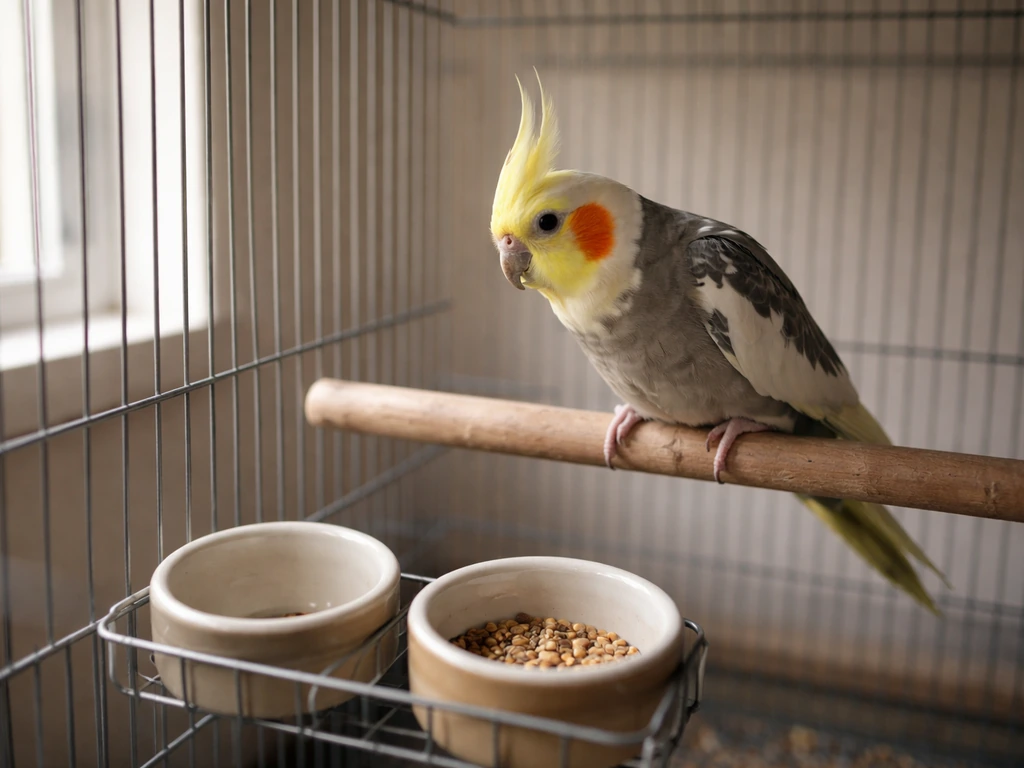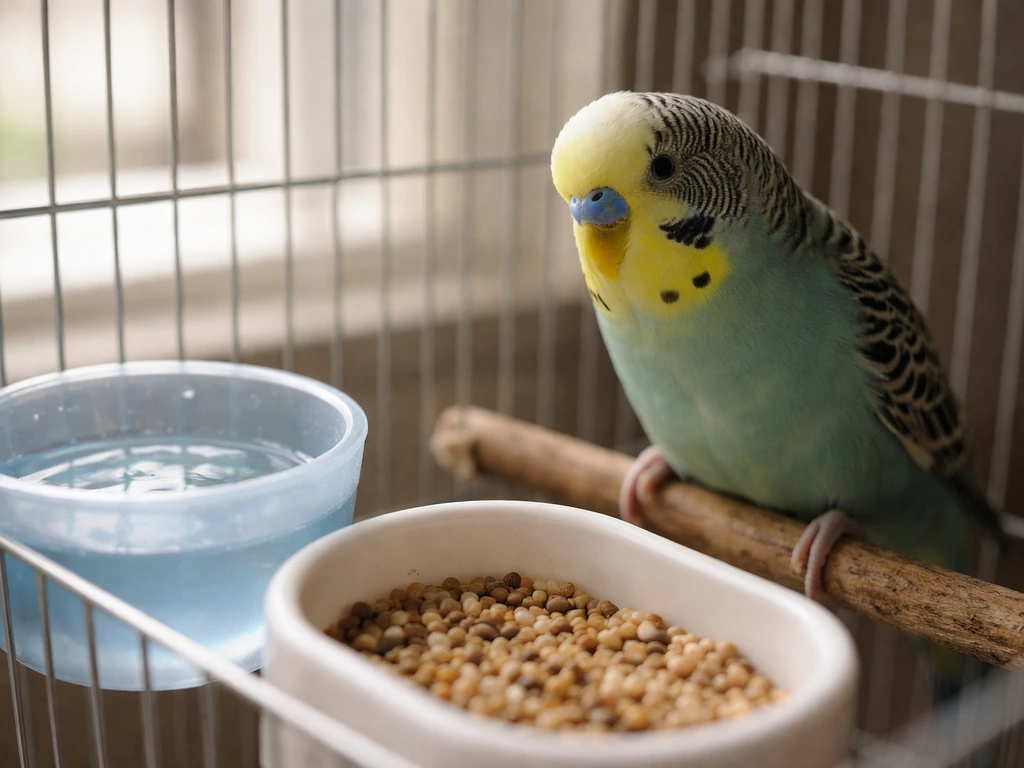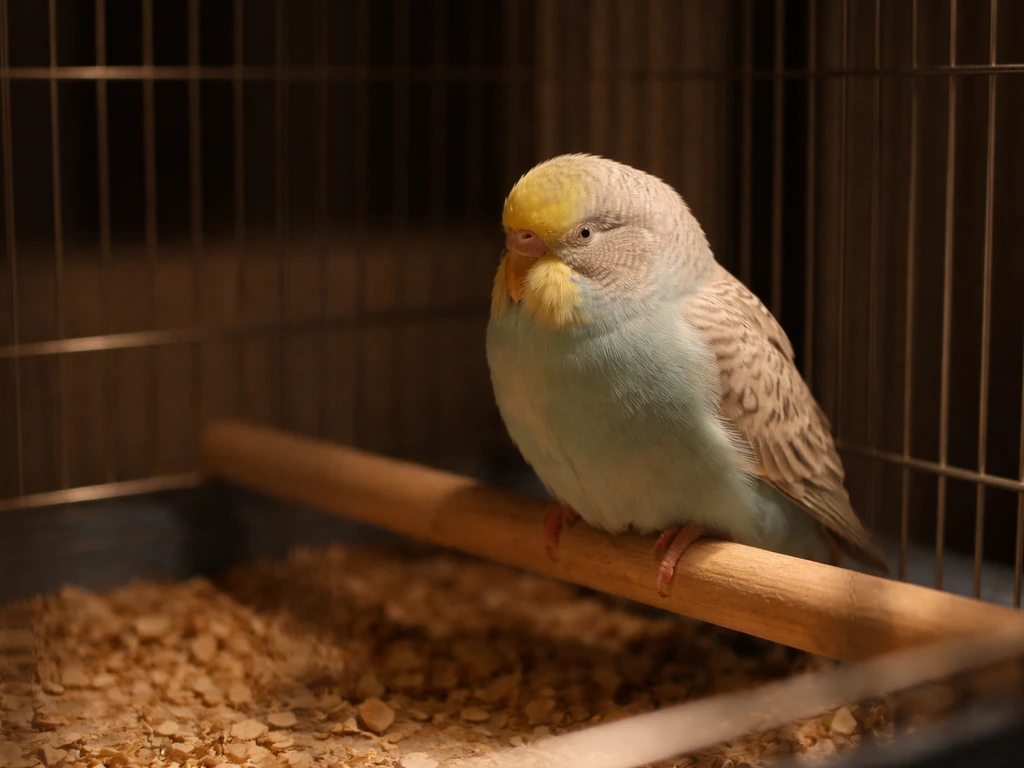
A weak bird is one of the most urgent situations a pet bird owner can face. If your bird is sitting on the cage floor, struggling to grip its perch, barely responding to you, or just looks "off" in a way that's hard to describe, take it seriously right now. Weakness in birds can signal anything from overheating or dehydration to infection, poisoning, or internal injury, and birds are hardwired to hide illness until they can't anymore. That means by the time you notice weakness, something has often been wrong for a while.
Why Is My Bird Weak? Causes and What to Do Today

Marcus Chen
8 Jun 2026
What "weak" actually looks like vs. normal resting
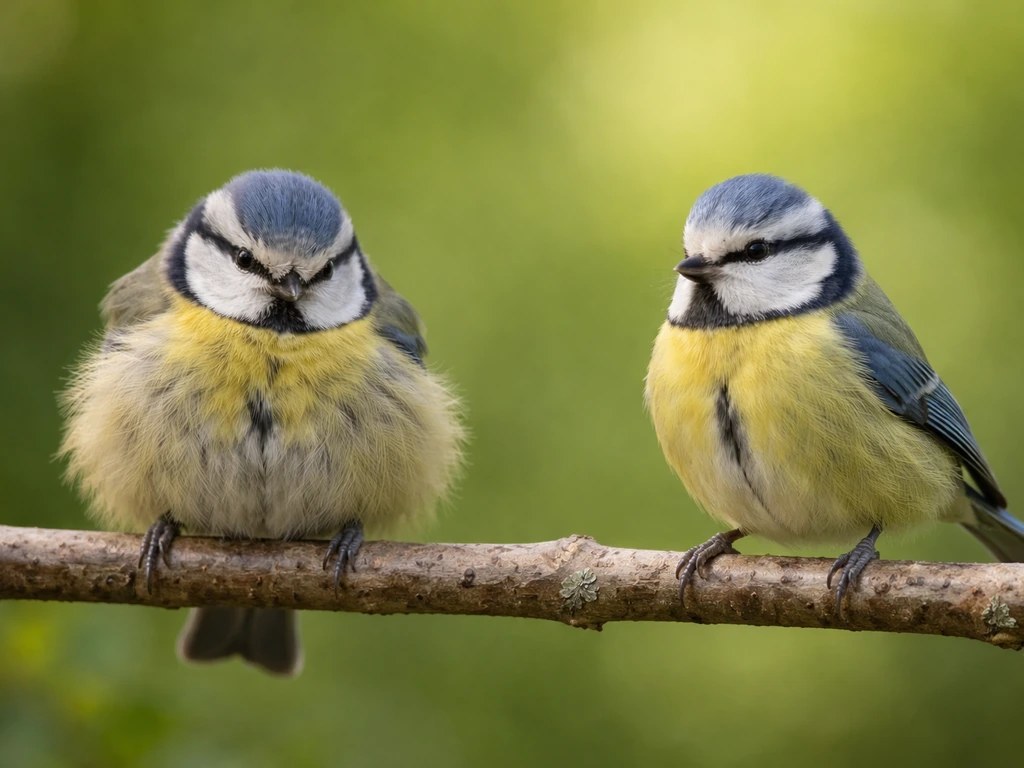
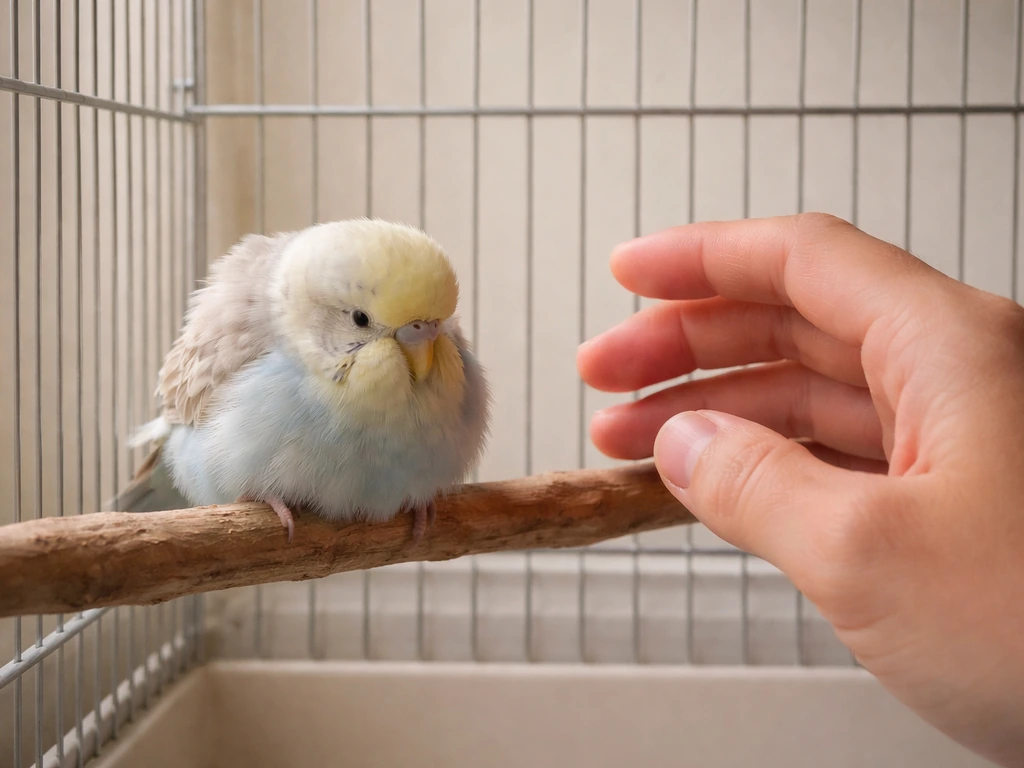
Birds rest, nap, and blank" rel="noopener noreferrer">fluff up their feathers regularly, and that's completely normal. The trick is knowing when fluffed feathers or sleepiness cross into something that needs attention. If you’re wondering why your bird is sleeping so much, it helps to compare normal resting behavior to these warning signs why is my bird sleeping so much. A healthy bird resting looks relaxed but responsive: it will open its eyes when you approach, shift its weight, and react to sounds. A sick or weak bird often stays fluffed even when you come near, doesn't respond to movement in the room, and may have its eyes half-closed or sunken during daylight hours.
The clearest red flags for genuine weakness (not just rest) include sitting on the cage floor rather than a perch, losing grip and slipping off the perch, one or both wings drooping, an inability to hold the head upright, or complete disinterest in food, sounds, and activity that would normally get a reaction. Fluffed feathers at night during sleep are usually fine. Fluffed feathers during the day, combined with any of those other signs, are not.
- Sitting or lying on the cage floor (not just visiting it briefly)
- Drooping wings or inability to hold wings against the body
- Eyes fully or partially closed during normal waking hours
- Not responding when you approach, speak, or offer food
- Losing balance or gripping the perch unevenly
- Head tucked but body posture looks tense rather than relaxed
- Feathers fluffed all day, not just at dawn or dusk
Quick checks you can do right now
Before you panic or before you dismiss it, run through this fast checklist. It takes about two minutes and gives you real information about how serious the situation is.
- Breathing: Watch the bird's chest and tail for a full 30 seconds. Normal breathing is nearly invisible. If the tail is bobbing up and down with each breath, if the bird is open-mouth breathing, clicking, wheezing, or straining, that's a respiratory emergency.
- Posture: Is the bird upright or slumped? A bird that can't hold itself upright on a perch or keeps leaning against the cage wall is telling you something is seriously wrong.
- Responsiveness: Speak to the bird. Move your hand near the cage. A bird that doesn't react at all, won't track movement with its eyes, or seems unaware of its surroundings needs urgent attention.
- Balance and grip: Watch for wobbling, swaying, or repeatedly falling off the perch. Any loss of coordination in a bird that was coordinated yesterday is a significant warning sign.
- Eyes and face: Are the eyes fully open and clear? Discharge around the eyes, nose, or beak, or eyes that look sunken, dull, or crusted, all point toward illness rather than normal rest.
Write down what you observe right now with a timestamp. This information is genuinely useful to an avian vet, and keeping notes helps you track whether things are improving or getting worse over the next hour.
The most common reasons birds go weak
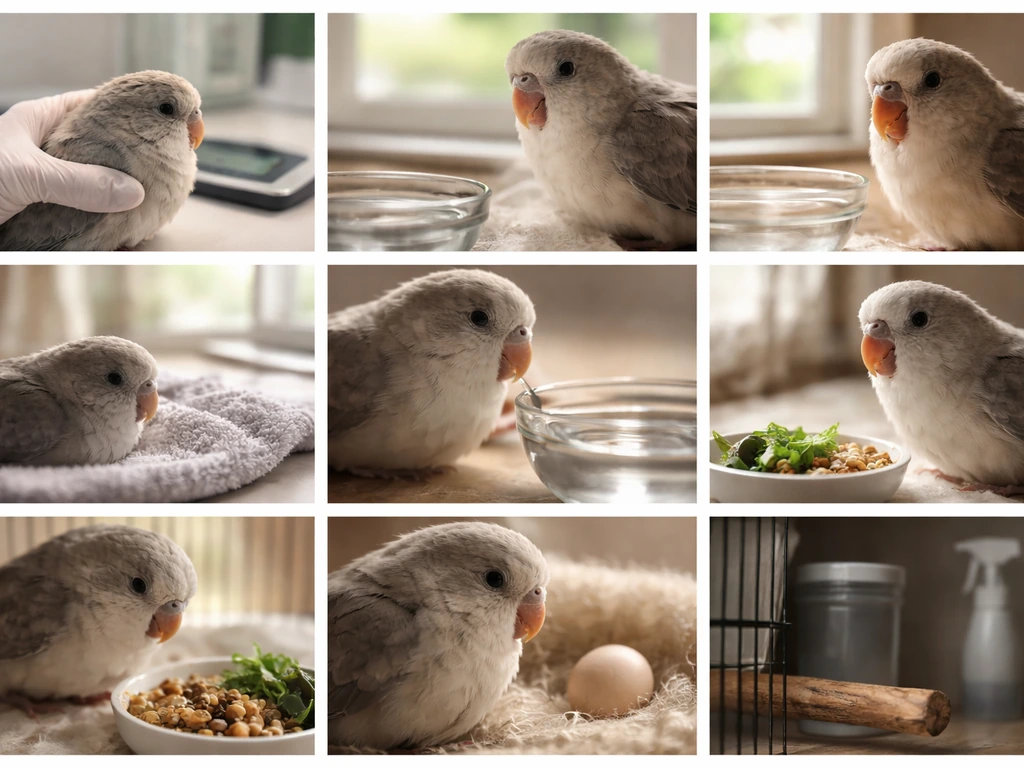
There's no single cause, but there are several categories that cover the vast majority of cases. Here's what each one looks like in practical terms.
Illness or infection
Bacterial, viral, and fungal infections are among the most common causes of sudden weakness in pet birds. The bird may have been subtly unwell for days but only now looks obviously sick. Signs that point toward infection include discharge from the nose or eyes, changes in the voice or unusual silence, diarrhea or abnormal droppings, and weight loss that you might feel when you gently pick up the bird (a sharp keel bone means the bird has dropped significant weight). Weight loss can be a red flag for the same underlying illnesses that make a bird weak, so treat it seriously and contact an avian vet.
Respiratory problems
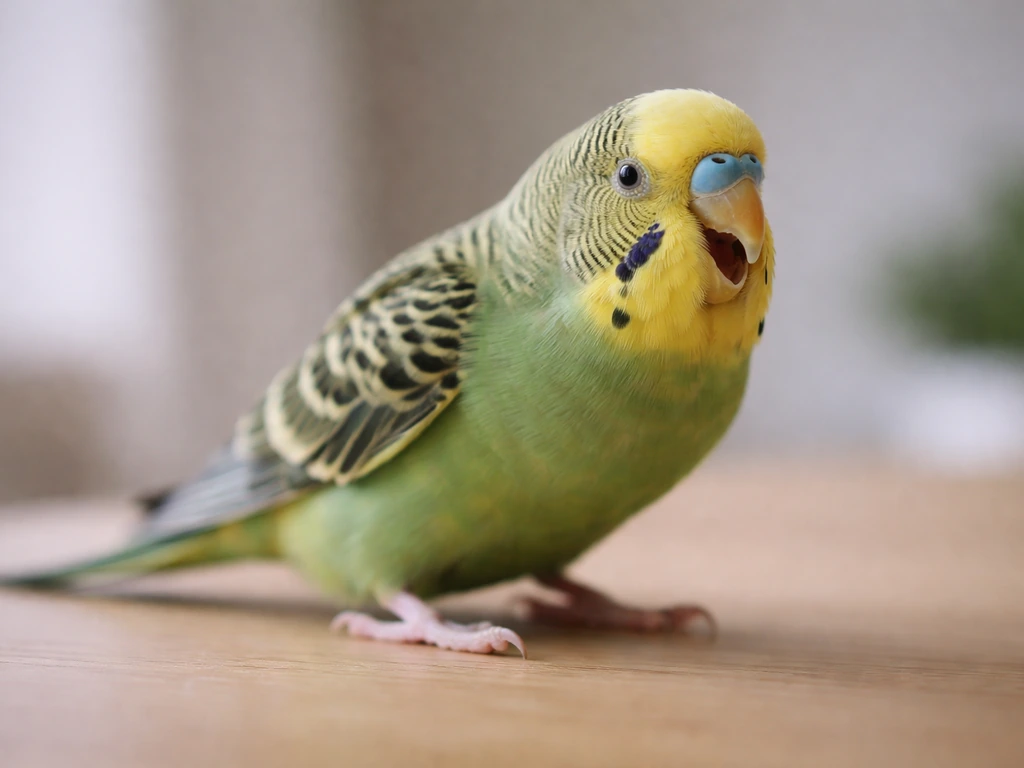
Respiratory infections and irritation are extremely common in birds and move fast. Open-mouth breathing, tail bobbing, clicking or wheezing sounds, and nasal discharge are all serious respiratory signs. A bird using its whole body to breathe is working way too hard and needs to see a vet today, not tomorrow.
Temperature stress: overheating or chilling
Birds are sensitive to temperature extremes in both directions. A bird that got too cold (below about 65°F for most tropical species like parrots and cockatiels) may be weak, shivering, or very fluffed up. A bird that's overheated (above 85-90°F, or exposed to direct sun with no shade) may be panting, holding wings away from the body, or completely lethargic. Lethargy in pet birds is a common sign of serious illness, so it helps to know what to look for and when to act. Check the room temperature and where the cage sits before anything else.
Dehydration
Birds dehydrate faster than most people expect, especially small species like budgies and finches. If the water bowl was empty, the water was fouled, or the bird has had diarrhea, dehydration may be contributing to weakness. Gently pinch a small fold of skin on the bird's abdomen: in a hydrated bird it snaps back immediately. In a dehydrated bird it stays tented or returns slowly. This isn't a perfect test, but it's a useful indicator.
Nutritional deficiencies
A seed-only diet is the most common nutritional problem in pet birds. Seeds are high in fat and severely lacking in vitamin A, calcium, and other essential nutrients. Vitamin A deficiency in particular causes weakness, respiratory problems, and immune suppression over time. If your bird eats mostly millet or sunflower seeds and no fresh vegetables, pellets, or other variety, malnutrition could be part of what you're seeing.
Egg binding in female birds
If you have a female bird and she's suddenly weak, straining, sitting on the cage floor with a wide-legged stance, or her abdomen looks swollen or rounded, she may be egg-bound. This is a genuine emergency. Egg binding is life-threatening and requires a vet visit immediately, not in a few hours.
Stress and poor husbandry
Chronic stress from a noisy environment, a new pet in the home, lack of sleep (birds need 10 to 12 hours of darkness per night), or a dirty cage can wear down a bird's immune system and cause genuine physical weakness over time. This is usually a slower presentation than acute illness, but it's worth reviewing recent changes in the home.
What droppings, appetite, and behavior tell you
Droppings are one of the most useful diagnostic clues you have at home. A normal dropping has three distinct parts: a solid dark green or brownish fecal component, a white or cream urate section, and a small clear liquid urine portion. Anything that deviates significantly from that is worth noting and worth showing your vet.
| What you see | What it might suggest |
|---|---|
| Very watery or liquid droppings | Diarrhea, stress, infection, or too much fruit |
| Bright green or lime-colored feces | Liver issues, starvation, or infection |
| Black or tarry feces | Internal bleeding, requires urgent evaluation |
| Red-tinged droppings | Possible blood; urgent vet contact needed |
| Yellow or brown urates (normally white) | Liver or kidney disease |
| No droppings at all | Bird hasn't eaten or has a blockage; urgent |
| Very small, dry droppings | Dehydration or reduced food intake |
Appetite changes are closely connected to weakness. A bird that isn't eating often becomes weak within 24 to 48 hours because their metabolisms run fast. If your cockatiel bird is not eating, that appetite change can be one of the earliest signs of an underlying illness or problem isn't eating. If your bird has stopped eating or drinking, that's a problem layered on top of whatever is causing the weakness.
If your bird isn't eating or drinking, treat it as a sign of serious illness and contact an avian vet right away not eating or drinking. Similarly, a bird that is sleeping far more than usual, not interested in toys or interaction, or sitting quietly in a corner when it's normally active is showing behavioral signs that reinforce the concern.
Keep in mind that some of these signs overlap with other conditions. A bird that's not moving much may also be sleeping excessively, or a bird that isn't eating may also be losing weight. If your bird is not moving, focus on rapid checks like posture, breathing, and whether it is eating or responding before you contact an avian vet why is my bird not moving. These overlapping concerns are all worth mentioning to your vet.
Toxicity and environmental hazards to check right now
Birds are extraordinarily sensitive to airborne toxins, far more so than cats, dogs, or people. If your bird went weak suddenly rather than gradually, a toxic exposure is high on the list of possibilities. Walk through your home and think about what happened in the last few hours.
- Non-stick (PTFE/Teflon) cookware overheated on the stove: this releases fumes that are rapidly fatal to birds, even in small kitchens
- Scented candles, air fresheners, incense, or plug-in diffusers used near the cage
- Cleaning products, sprays, or aerosols used in the same room (including spray paint, hairspray, or perfume)
- Essential oil diffusers: many oils toxic to birds, including tea tree, eucalyptus, and citrus
- New furniture, flooring, or carpets off-gassing volatile organic compounds
- Carbon monoxide from a faulty heater or gas appliance (get everyone out if you suspect this)
- Lead or zinc exposure from chewing on old cage bars, toys with metal components, or painted surfaces
- Access to toxic plants such as avocado, oleander, or lily of the valley
- Accidental ingestion of avocado, chocolate, caffeine, onion, or xylitol (in sugar-free products)
If you used non-stick cookware, sprayed anything, or lit a candle in the past few hours and your bird is now weak, move the bird immediately to fresh air in a different room and call an avian vet or poison control right away. Do not wait to see if they improve. Inhalation toxicity in birds can kill within minutes to hours.
When this is an emergency and how fast you need to act
Some situations require you to drop everything and find an emergency avian vet right now. Birds deteriorate quickly, and waiting even a few hours can make a treatable situation fatal. These are the "do not wait" signs.
- Open-mouth breathing, tail bobbing with each breath, or any audible breathing sounds (clicks, wheezes, squeaks)
- Suspected toxic or fume exposure in the last few hours
- Suspected egg binding in a female bird (straining, wide-legged stance, swollen abdomen)
- Seizures, convulsions, or uncontrolled trembling
- Bleeding from any part of the body
- Bird is completely unresponsive or unconscious
- Bird fell from a height or had a collision (window strike, ceiling fan)
- Black, red, or completely absent droppings
- Rapid or labored breathing with visible exhaustion
- Sudden paralysis or inability to use feet or legs
For situations that are concerning but not immediately in the above list (gradual weakness over a day or two, mild appetite change, softer droppings, mild fluffing during the day), aim to see an avian vet within 24 hours. Do not default to a general dog-and-cat vet unless no avian specialist is available; avian medicine is a specialty and a regular vet may not have the tools or experience to assess your bird correctly.
Safe at-home support while you get help
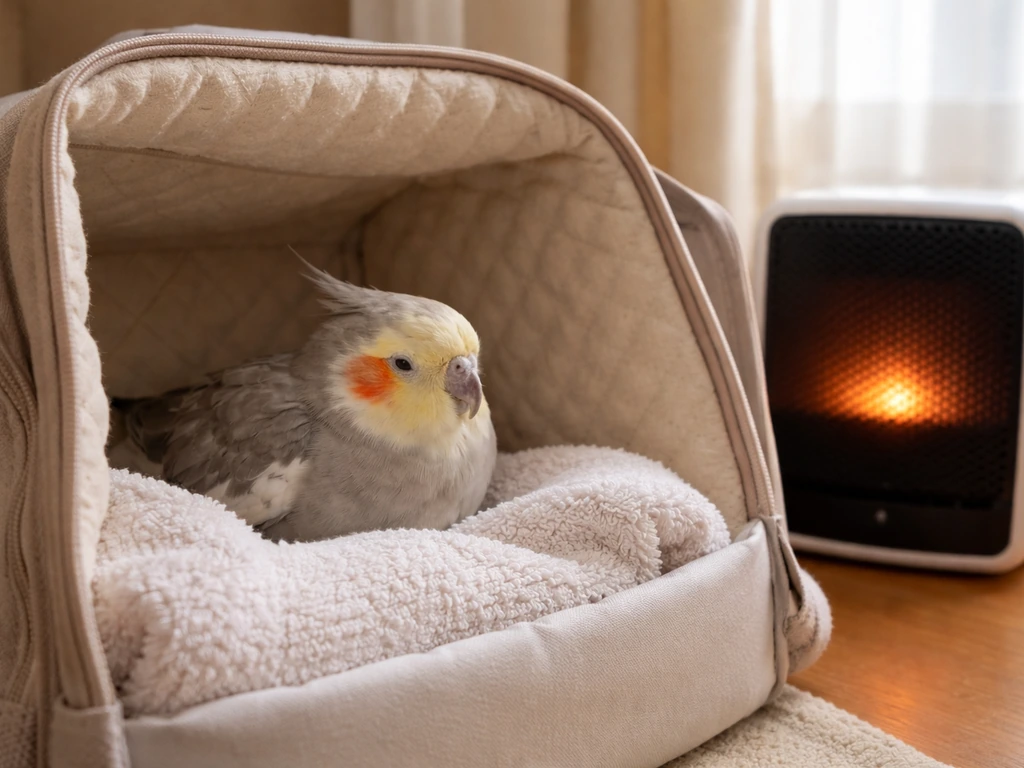
While you arrange a vet visit, there are things you can do right now that genuinely help and things you should avoid. The goal is to reduce stress on the bird's body and keep it stable.
What you should do
- Provide warmth: Move the bird to a warm, quiet space. A temperature of around 85-90°F is often recommended for a sick bird. You can use a heating pad set to low under one half of the cage (so the bird can move away from the heat), or position a desk lamp near one side. Make sure the bird can always move to a cooler area.
- Lower the perches: Move the bird to a lower perch or line the cage floor with a soft towel so it can rest comfortably without falling far if it loses its grip.
- Eliminate stressors: Cover three sides of the cage, reduce noise, keep other pets away, dim the lights, and minimize handling. Handling a sick bird burns energy it can't spare.
- Offer fresh water and easy food: Make sure clean water is immediately accessible and put soft, easy-to-eat food (warm cooked rice, soft pellets, mashed sweet potato) close to where the bird is resting. Don't force feeding or water.
- Isolate from other birds: If you have multiple birds, separate the sick bird to prevent potential disease spread and to reduce competition for food and perch space.
- Ventilate if toxin exposure is possible: Open windows and move the bird to the cleanest air in the home.
What to avoid
- Don't give human medications, vitamins, or supplements without vet guidance: some are toxic to birds
- Don't force water into the beak: aspiration (inhaling liquid) is a real risk in a weak bird
- Don't place the bird in a fully enclosed box without ventilation
- Don't expose a chilled bird to a sudden extreme temperature change: warm it gradually
- Don't assume improvement means the bird is fine: birds rally temporarily and then crash
What to tell your vet and how to prepare for the visit
The more specific you can be, the faster a vet can help. Before you call or walk in, gather the following information so you're ready to answer questions without hesitation.
- When you first noticed weakness and exactly what you saw (timeline matters)
- What the bird normally eats and drinks, and whether that has changed in the last few days
- Whether the bird has had access to clean, fresh water today
- A description or photo of the most recent droppings (if you can safely collect a fresh sample on a clean paper towel, do it)
- Room temperature over the last 24 hours and whether the cage is near a window, vent, or drafty area
- Any changes in the home recently: new pets, new furniture, cleaning products used, cooking with non-stick pans, candles, diffusers
- Whether the bird is male or female and approximately how old
- Any previous illnesses or vet visits
- Whether other birds in the home are showing any symptoms
Transport the bird in a small, secure carrier or box lined with a non-slip surface. Keep it warm during travel (a hand warmer wrapped in a towel placed near the carrier works well, but not touching the bird directly). Minimize handling and keep the environment calm and dark to reduce stress during the trip.
If you're monitoring through the day and an emergency vet visit isn't yet warranted, check on the bird every 30 minutes. Look for changes in posture, breathing, droppings, and responsiveness. If anything on the emergency list above appears, don't wait for the next check: go immediately. Birds don't give you a lot of warning, and acting early is almost always the right call.
FAQ
How can I tell the difference between normal sleep and true weakness? (What signs should I ignore?)
Take the “weak” question literally and treat it as an emergency if your bird is on the floor, has trouble holding its head up, is slipping off a perch, has drooping wings, is open-mouth breathing, or is not eating (especially not eating plus weakness). If the bird is fluffed and sleepy but otherwise gripping, breathing normally, and responding, it may be rest, but day fluffed plus any red flag still warrants a same-day call to an avian vet.
If I think my bird was exposed to something toxic, what should I do in the first 10 minutes?
Yes. If you suspect poisoning, you can make the situation worse by waiting, trying home remedies, or giving food or water forcefully. The best immediate steps are move the bird to fresh air away from the source, keep the environment calm and dim, and contact an avian vet or poison control immediately. Bring any product packaging (cleaners, sprays, candles, cookware) so they can identify the exact toxin.
Should I try to feed or give water to a weak bird at home?
Use the same rule for food and water: do not force. If the bird is alert enough to pick at food, offer small, easy-to-eat options like pellets or a familiar favorite, and remove perches that require climbing. If the bird is too weak to eat, that is a reason to seek urgent avian care, because lack of intake can lead to rapid decline.
What temperature should I keep my bird at while I’m waiting for the vet?
A “warm and quiet” approach can help, but do not overheat. Aim for a comfortably warm room and keep the bird in a calm, low-light area. For many tropical species, temperatures that match your normal household comfort are safer than adding direct heat lamps. If you use supplemental warmth, ensure the bird has a way to move away from the heat source, and avoid putting heat directly against the skin or on top of the carrier.
My bird’s droppings look different, how should I monitor them without guessing?
Bright, fast droppings changes can happen with illness, but you should also note the overall pattern, not just one stool. Check whether droppings are watery, unusually dark, very pale, or contain unusual odor, and whether the bird is producing them consistently. Record what you see and show it to the vet, because frequency and consistency together help narrow infection versus dehydration versus dietary issues.
What respiratory signs mean I should treat this as urgent respiratory distress?
If the bird is breathing with its whole body, has tail bobbing, clicking, wheezing, or open-mouth breathing, do not try to “wait it out” or treat with human cough meds. Respiratory distress can worsen quickly, so contact an avian vet urgently. Keep the air in the room free of smoke and sprays, and avoid aerosolizing anything.
My female bird is weak, but she’s also straining, is this definitely egg binding?
Female egg binding is not only about “weakness,” it often comes with straining, a wide-legged stance, sitting on the cage floor, and a visibly swollen or rounded abdomen. If you see those signs, treat it as life-threatening and go immediately. Trying to massage the abdomen or give bath attempts at home can delay proper care.
Can stress alone make my bird weak, or should I assume infection first?
Stress-related weakness is usually slower than sudden deterioration, but the safest move is to still look for medical causes first. If there was a clear change in environment within the last day or two (new pet, loud construction noise, major schedule change, sleepless nights, dirty cage), note it for the vet. Remove obvious stressors, improve sleep to 10 to 12 hours of darkness, and keep the cage in a calm area, but do not assume stress is the only explanation if red flags for infection, breathing issues, or not eating appear.
What should I write down and how often should I check my bird?
Track at least posture and intake. Use a simple log every 30 minutes: alertness (responds to you or not), ability to grip, head upright versus drooping, breathing effort (normal versus tail bobbing or open-mouth), and whether it ate or drank. If any emergency signs appear, stop monitoring and go to the vet immediately.
If I can’t find an avian vet right away, what’s the next best plan?
Avoid general dog-and-cat clinics if an avian specialist is available, because birds often need species-specific exam and stabilization tools. If the only option is a non-avian emergency clinic, call ahead and explain the bird species and the exact red flags (not eating, open-mouth breathing, egg binding signs, suspected toxin exposure). Bring your notes and sample droppings if possible.