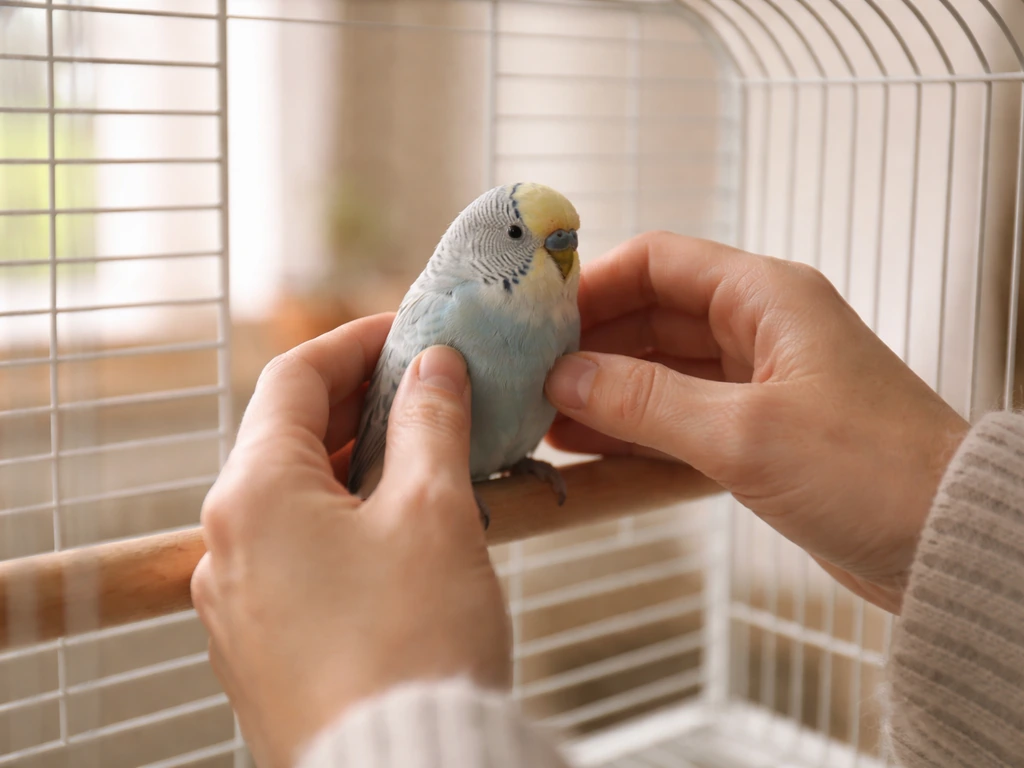
Most pet birds sleep 10 to 12 hours a night, and a healthy bird may also take short naps during the day. That's normal. What's not normal is a bird that's fluffed up, sitting low on the perch or on the cage floor, closing its eyes for most of the day, or suddenly sleeping far more than usual without any change in routine. That combination usually means something is off, and it's worth figuring out what right now rather than waiting.
Why Is My Bird Sleeping So Much? Causes and What to Do

Marcus Chen
5 May 2026
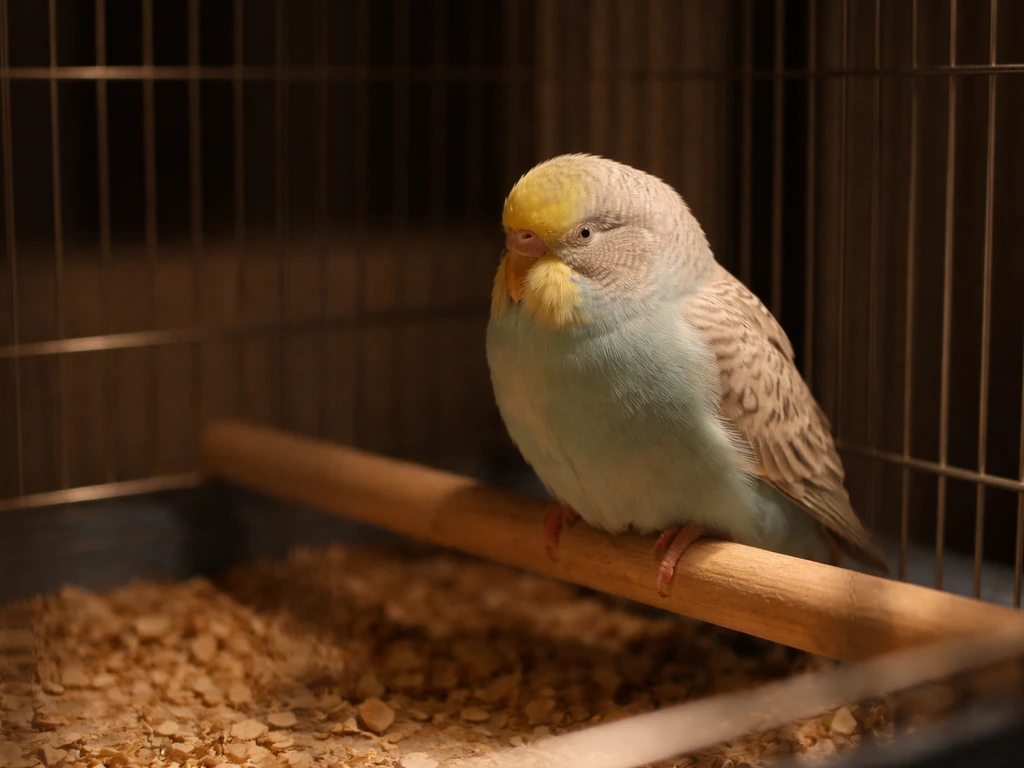
Normal sleep vs. something to worry about
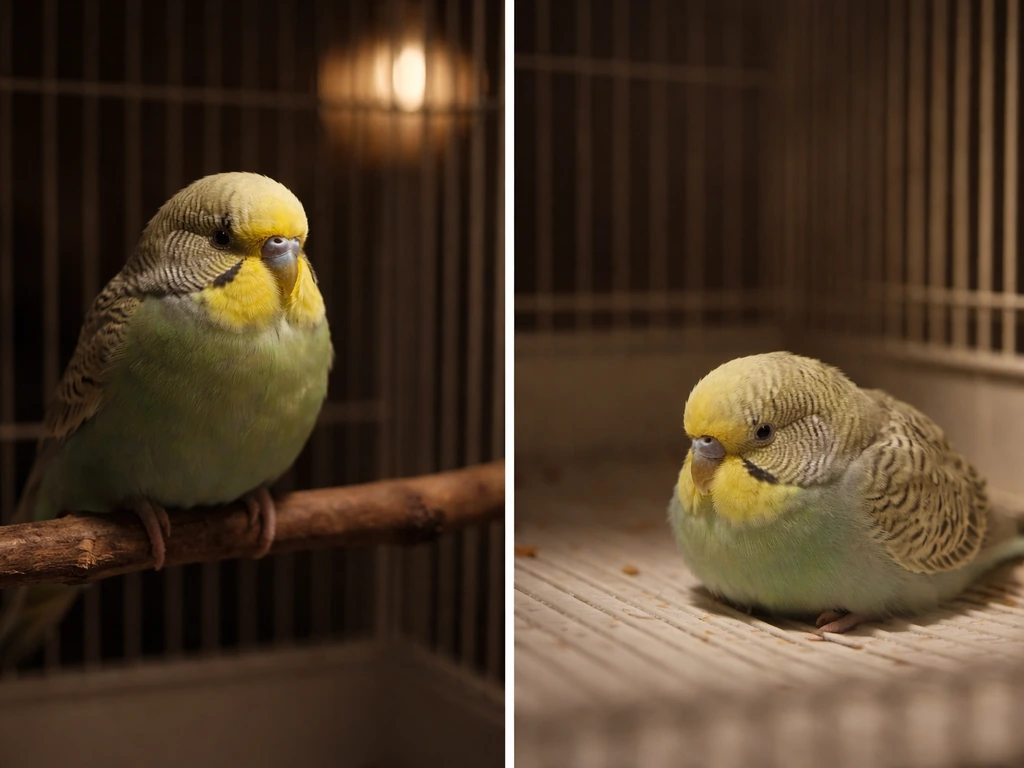
A bird sleeping at night, napping briefly after a big meal, or resting quietly in a dimly lit room is perfectly fine. You know your bird, and normal rest looks relaxed. The bird holds its posture well, perches on one foot (a sign of comfort), and wakes up alert and interactive when you approach or make noise.
Warning signs look different. A bird that seems to be sleeping all day, can't hold itself upright, is sitting on the cage bottom, has puffed-up feathers, or tucks its beak under its wing and stays that way for hours is telling you something is wrong. Fluffed feathers are especially significant because birds puff up to conserve heat when they're cold or unwell. According to Merck Veterinary Manual, sitting low on the perch or at the bottom of the cage combined with fluffed feathers is a pattern that should prompt a vet call.
The key distinction is whether the extra sleep comes with other changes. Sleeping more by itself, in an otherwise happy, eating, active bird, is less alarming than sleeping more alongside appetite loss, behavior changes, or unusual droppings. When multiple things are off at once, treat it seriously.
Check these things right now
Before you do anything else, run through this quick at-home assessment. You're looking for patterns, not just individual symptoms. Observe for 10 to 15 minutes without disturbing the bird, then interact briefly to gauge its response.
- Energy and posture: Is the bird perching normally or sitting on the cage floor? Does it hold its head up, or is it drooping? Can it grip the perch securely?
- Appetite and thirst: Has it eaten today? Is the water level dropping normally? Refusing food is a major red flag.
- Droppings: Look at the cage bottom. Droppings should have a solid dark green or brown portion, white urates, and a small amount of liquid. Watery, discolored (yellow, red, or black), or absent droppings are concerning.
- Breathing: Is the bird breathing visibly hard, pumping its tail with each breath, or breathing with its mouth open at rest? Open-mouth breathing at rest is treated as a serious sign requiring immediate attention.
- Feather condition and posture: Are feathers fluffed up? Is the bird hunched? Are feathers dull, broken, or missing in new places?
- Response to you: Does the bird track your movement, respond to your voice, or show any interest in interaction? A bird that doesn't react to you at all is more worrying than one that's sleepy but still notices you.
- Other symptoms: Any sneezing, discharge from nostrils or eyes, clicking sounds when breathing, or regurgitation beyond normal preening behavior?
Write down what you observe. Even if you don't call a vet today, having notes from this moment will make any future conversation with an avian vet much more useful.
Common non-emergency reasons birds sleep more
If your bird passes the at-home check above without any red flags, the extra sleep is probably linked to one of these everyday causes.
Light and season changes
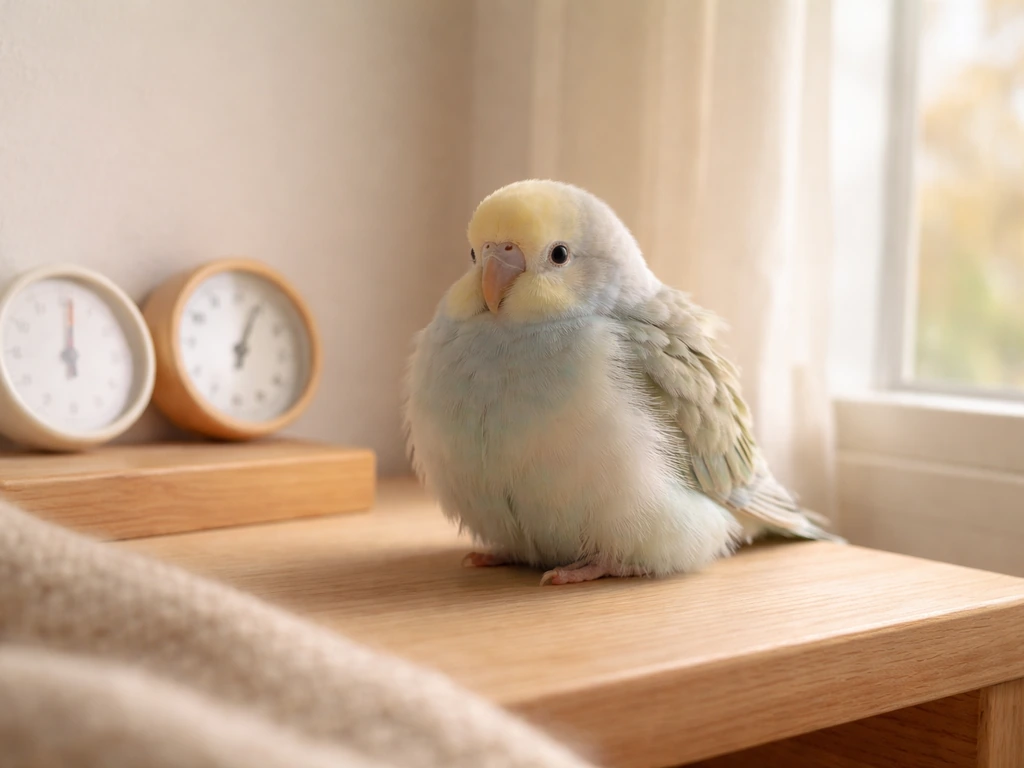
Birds are highly sensitive to light cycles. If your home has gotten darker because of season changes, covered windows, or a moved cage, your bird may be sleeping more in response to what feels like a longer night. Even a change in when you turn on lamps can shift a bird's sense of when to sleep.
Temperature and humidity
Cold air makes birds conserve energy. If the room temperature has dropped, especially at night, your bird may be sleeping more and fluffing up to stay warm. Most pet birds do best between 65 and 80 degrees Fahrenheit. A drafty cage or air conditioning blowing directly on the bird can trigger this without you realizing it.
Disrupted sleep schedule
Birds need 10 to 12 hours of uninterrupted darkness to sleep properly. If the TV stays on late, lights are unpredictable, or noise disturbs the bird at night, it accumulates a sleep debt and catches up during the day. Catching up on sleep is fine. Chronic sleep disruption leads to a grumpy, tired bird.
Stress and anxiety
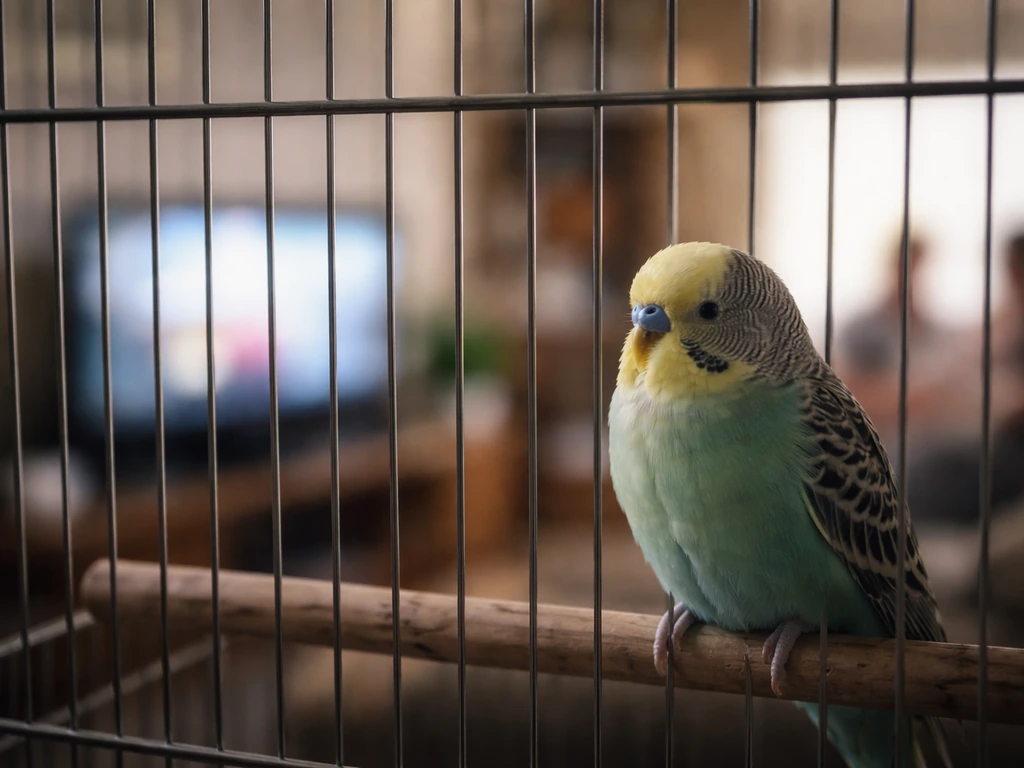
A new pet in the house, rearranged furniture, a new person visiting frequently, or even a change in your schedule can stress a bird. Stress often looks like withdrawal: a bird that's quieter, less playful, and sleeping more than usual. If you’re asking why your bird isn’t sleeping normally, start by checking for changes in routine, light, temperature, and stress, then watch for warning signs like puffed feathers or weakness. This is different from illness but still worth addressing.
Boredom and under-stimulation
Birds without enough enrichment, foraging opportunities, or social interaction can become lethargic over time. If you notice lethargy without other illness signs, also consider boredom and under-stimulation as a common non-emergency cause lethargic over time. If your bird's environment hasn't changed much and it's been sleeping more gradually over weeks, boredom and low stimulation may be part of the picture.
Health-related causes of too much sleep
This is where things get more serious. Increased sleeping is one of the earliest signs that a bird is unwell, and because birds instinctively hide illness to avoid appearing vulnerable, by the time the sleeping becomes obvious, the bird may already be dealing with something significant. If your bird is also losing weight, treat it as a possible health problem and involve an avian vet why is my bird losing weight.
Infections and respiratory illness
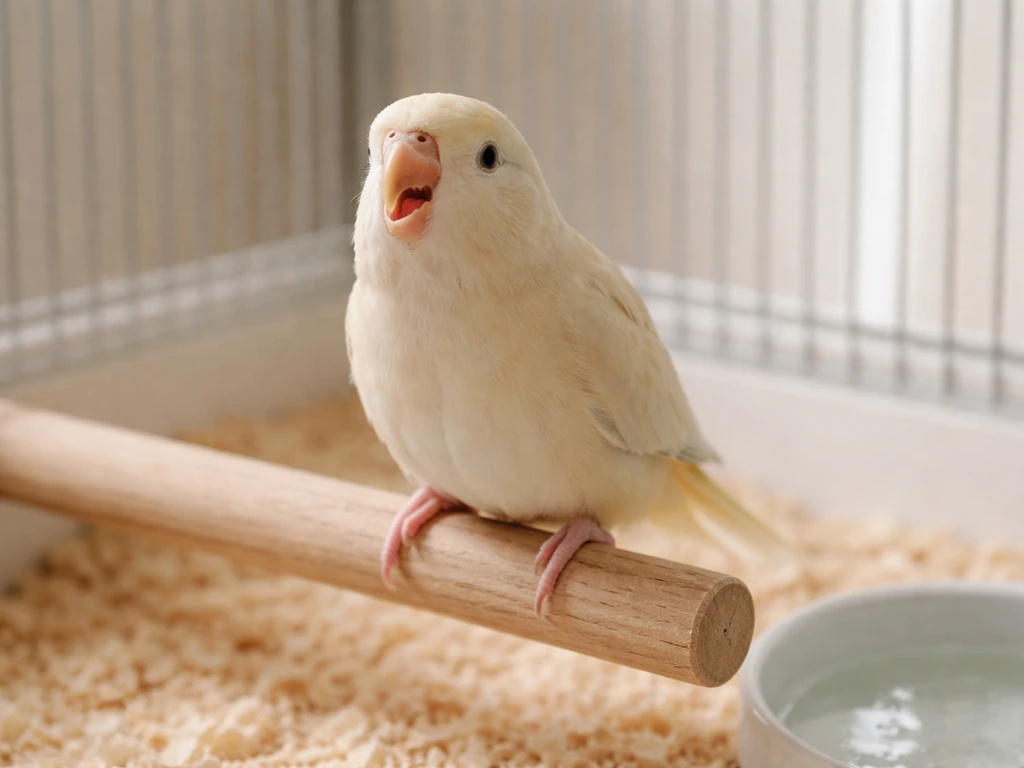
Bacterial, viral, and fungal infections are common causes of lethargy in pet birds. Respiratory infections in particular drain a bird's energy fast. Watch for any breathing changes alongside the sleepiness. Watch for breathing distress signs such as open-mouth breathing, increased sternal motion, and tail bobbing, which can indicate dyspnea in birds breathing changes along the sleepiness. Even mild sneezing or nasal discharge paired with extra sleep is worth a vet call.
Pain or injury
A bird that's in pain from an injury (a fall, a toe caught in a toy, a bumped wing) will often become quiet and sleepy as a coping response. Check the bird's body carefully for swelling, asymmetry, or a limb held at an odd angle. Don't skip this even if you didn't witness any incident.
Nutritional deficiencies
A seed-only diet is a common problem. Seeds are high in fat but low in the vitamins and minerals birds need. Deficiencies in vitamin A, calcium, and other nutrients can cause lethargy that gradually worsens. If your bird's diet is mostly seeds, that alone is a likely contributing factor.
Toxin exposure
Birds are extremely sensitive to airborne toxins. Non-stick cookware fumes (PTFE), scented candles, aerosol sprays, air fresheners, cleaning products, and cigarette smoke can all cause rapid onset of lethargy. Texas A&M Veterinary Medical Diagnostic Laboratory notes that PTFE toxicosis comes from toxic fluorinated gases released when non-stick cookware overheats, and it can cause respiratory difficulty in birds; diagnosis depends on clinical history and how severe the signs are. If the sleepiness came on suddenly and you used any product recently, this is an emergency. Move the bird to fresh air immediately and call an avian vet.
Overheating or chilling
Both extremes cause lethargy. An overheated bird will hold its wings out from its body and breathe rapidly. A too-cold bird will fluff up and huddle. Neither is a condition to watch and wait on if it's persistent.
Other medical conditions
Liver disease, kidney problems, heavy metal poisoning, tumors, hormonal issues, and parasites can all show up first as a sleepier-than-normal bird. These can't be diagnosed at home. If you've ruled out the environmental and routine causes and the bird is still off, a vet visit is the right move.
Does species or age change what this means?
Yes, and it's worth knowing a few key differences before you interpret what you're seeing.
| Bird Type | What to Know About Sleep and Lethargy |
|---|---|
| Young chicks and fledglings | Sleep a lot naturally as part of development. More sleep is expected, but they should still wake, eat, and beg for food regularly. |
| Older birds (senior) | Naturally slower and may rest more. But increased sleep in an older bird still warrants attention because they're more vulnerable to illness. |
| Cockatiels | Known for napping during the day. One or two short naps are normal. All-day sleep or floor-sitting is not. |
| Budgies (parakeets) | Usually active and social. Increased sleep and quietness in a budgie is a notable change and worth investigating promptly. |
| African Greys and Amazons | Intelligent birds that can show stress-related behavioral changes including withdrawal. But also prone to hiding illness well. |
| Lovebirds and conures | High-energy species. Extra sleep in these birds stands out quickly and should be taken seriously. |
| Canaries and finches | Small birds decline quickly when ill. Any increase in sleep paired with other symptoms warrants same-day attention. |
In general, the smaller the bird, the faster things can go wrong. A canary or finch that's off can deteriorate within hours. Larger parrots have a bit more buffer but are also better at hiding illness until it's advanced.
When to call an avian vet right now vs. when to monitor
This is the most important judgment call, and you should err on the side of calling if you're unsure. Birds decline faster than most people expect.
Call an avian vet urgently if you see any of these
- Open-mouth breathing at rest or tail bobbing with each breath
- The bird is on the cage floor and can't or won't move to a perch
- No droppings in the last 12 to 24 hours, or droppings that are black, bright red, or completely watery
- The bird hasn't eaten or drunk anything today
- Sudden onset of extreme sleepiness, especially after possible toxin exposure
- Seizures, falling off the perch repeatedly, or inability to grip
- Visible injury, bleeding, swelling, or a limb held at an abnormal angle
- Discharge from eyes or nostrils combined with lethargy
- The bird doesn't respond to your voice or hand at all
It's reasonable to monitor at home (briefly) if
- The bird is eating, drinking, and producing normal droppings
- Posture is normal, perching properly, and responsive to you
- There was a clear recent change in routine, light, or temperature that explains the extra rest
- The bird shows interest in food or interaction when offered, just less than usual
Even if you decide to monitor, set a clear time limit. If the bird hasn't improved in 24 hours, or gets worse at any point, that's your signal to call. Waiting more than a day on a bird that's acting unwell is almost never the right call.
How to help your bird feel better right now
Whether you're monitoring at home or waiting for a vet appointment, there are concrete things you can do today to support your bird.
Warm the environment carefully
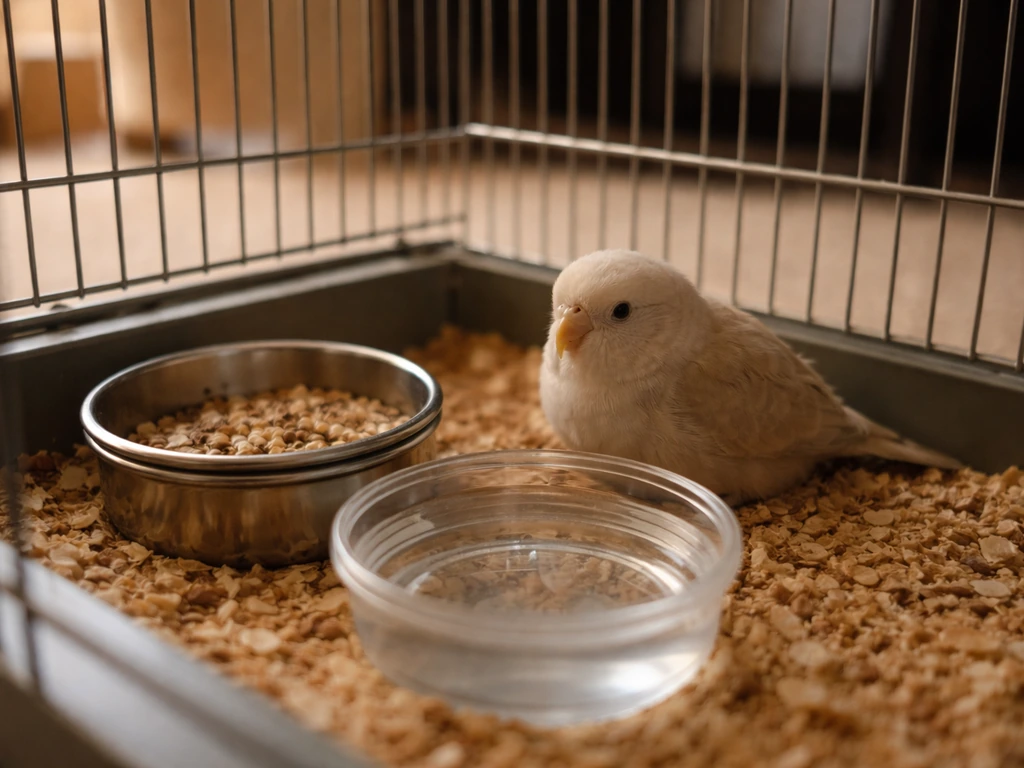
A slightly warmer environment helps a tired or potentially unwell bird conserve energy. Move the cage away from drafts, keep the room at a comfortable 72 to 80 degrees Fahrenheit, and consider placing a heating pad on a low setting under one side of the cage only, leaving the other side cooler so the bird can move away if it gets too warm. Never put heat on both sides or fully enclose the cage. Merck's supportive care guidance also notes that slightly increased humidity can help, especially if there's any breathing difficulty.
Fix the light and sleep schedule
Cover the cage at a consistent time each night and uncover it at the same time each morning. Aim for 10 to 12 hours of darkness. Use a full-spectrum bird lamp during the day if natural light is limited. Consistency matters more than perfection.
Make food and water easy to access
If the bird is lethargic, it may not have the energy to reach a high food dish. Lower the food and water to perch level or even to the cage floor temporarily. Offer favorite foods to encourage eating. Fresh water daily is non-negotiable.
Reduce stress in the environment
Keep the area around the cage calm. Reduce loud TV, unfamiliar visitors, or other pets near the cage. A bird that's tired needs a low-stimulation environment to recover, not more excitement.
Keep a log
Write down the time you noticed the behavior, what the droppings looked like, how much the bird ate, the temperature in the room, and any other symptoms. If you do end up at a vet, this log is genuinely valuable. An avian vet asking when it started, how the droppings looked, and whether the bird ate this morning needs those details to help your bird faster.
Don't try to force the bird awake
If the bird is resting, let it rest. Handling a sick or stressed bird repeatedly adds to its burden. Observe, provide a good environment, and interact gently and briefly. If your bird is sleeping a lot alongside not moving much, not eating, or seeming generally weak, those related issues deserve the same close attention you're giving the sleep. If you also notice your bird is not moving or acting weak, it can point to a medical issue that needs prompt evaluation.
If your cockatiel is not eating, treat it as an urgent appetite concern alongside the changes in sleep. If your bird is sleeping a lot and also not eating or not drinking, treat that as a red flag and contact an avian vet. If your bird is not moving at all along with sleeping more, treat that as a red flag and consider an urgent vet call.
The bottom line is this: a bird sleeping more than normal is your signal to pay attention, not to panic, but also not to ignore it. Run through the at-home checks, look for combinations of symptoms, and trust your instincts. You know your bird's normal. If something feels off, it probably is, and an avian vet is the right person to call.
FAQ
My bird is sleeping more, but it’s still eating normally. When does that become a vet issue?
If your bird is fluffed and staying on the bottom of the cage or sitting low on the perch for hours, that combination is more concerning than extra sleep alone. Treat it as a prompt to call an avian vet rather than waiting for the next day, especially if you also see changes in droppings, appetite, or posture.
How can I tell the difference between a normal nap and sleepiness from being sick?
Watch for how the bird responds when you approach or make a normal household sound. A restful, healthy bird will wake and interact briefly, even if it returns to sleep after. If it is hard to rouse, responds sluggishly, or stays closed-eyed for long stretches with poor posture, that suggests illness rather than normal rest.
What if the extra sleeping started right after I cleaned or cooked?
A sudden increase in sleep after a change in home chemicals or odors is an important edge case. If you used aerosols, cleaners, scented products, or a non-stick pan on recently, move the bird to fresh air right away and call an avian vet immediately rather than monitoring at home.
Can seasonal lighting changes make my bird sleep longer even if nothing else changed?
Yes, but interpret it carefully. Some birds adjust to shorter or longer days by shifting sleep timing. The key difference is that the change should track the light change and the bird should remain alert at usual times. If sleepiness keeps increasing over days, or you see fluffed feathers, posture changes, or appetite issues, shift from light adjustment to health evaluation.
Could this be caused by temperature, and how warm is warm enough to test?
If the room is too cold or drafty, birds often fluff and huddle and may sleep more to conserve heat. Use a thermometer, and keep the cage away from air vents and direct AC. If you warm the environment and the bird still does not perk up within 24 hours, contact an avian vet.
I keep the cage dark at night, but my bird still naps a lot. What else could be disturbing sleep?
Sleep disruption can happen even when you do not notice it, for example from night-time TV reflections, porch light shining into the cage, or a schedule change that turns lights on later. Ensure a consistent 10 to 12 hours of true darkness and reduce nighttime noise, then reassess. If the bird remains lethargic despite stable darkness, it is less likely to be a sleep-debt issue.
My bird has been sleeping more gradually for weeks. Could it just be boredom, and how long should I wait?
If lethargy appears gradually over weeks, boredom or low stimulation is possible, especially if the bird has limited foraging and social interaction. However, gradual decline can still be illness, so you should still check for posture, breathing, droppings, and appetite changes. Improve enrichment and re-evaluate within a few days, not a couple of months.
How do I check for pain if my bird is not openly showing injuries?
Some birds sleep more when injured or uncomfortable, but pain can be subtle. Do a careful body check for swelling, asymmetry, a toe held differently, or a wing that sits lower than the other. If you find any abnormal posture, limping, or signs of pain, an avian vet visit is appropriate rather than waiting for it to resolve on its own.
If my bird is sleeping a lot, how should I change feeding and water access?
Yes, especially if your bird is fluffed, weak, or can not reach normal food easily. Lower food and water, offer preferred foods, and make sure fresh water is available daily. If the bird still will not eat or drink, treat that as a red flag and contact an avian vet promptly.
Is it safe to warm my bird at home while I monitor, and what should I avoid?
For safety, do not use human heat sources like hot water bottles, direct hair dryers, or heating pads placed under the entire cage. If you use supplemental warmth, keep it under one side only so the bird can move away, and avoid fully enclosing the cage. If breathing is labored or the bird looks overheated, stop warming and seek veterinary advice.
What exact details should I write down for an avian vet when my bird sleeps too much?
Track basic trends: start time of the change, whether the bird is rousable, appetite and water intake, breathing quality (any open-mouth breathing or discharge), droppings appearance, and room conditions (temperature, drafts, light schedule). This helps a vet quickly separate environmental sleep changes from illness.
Next Article
Why Is My Bird Not Moving? Quick Checks and Emergency Steps
Quick at-home checks for a still pet bird, emergency signs, safe first aid, and when to see an avian vet.