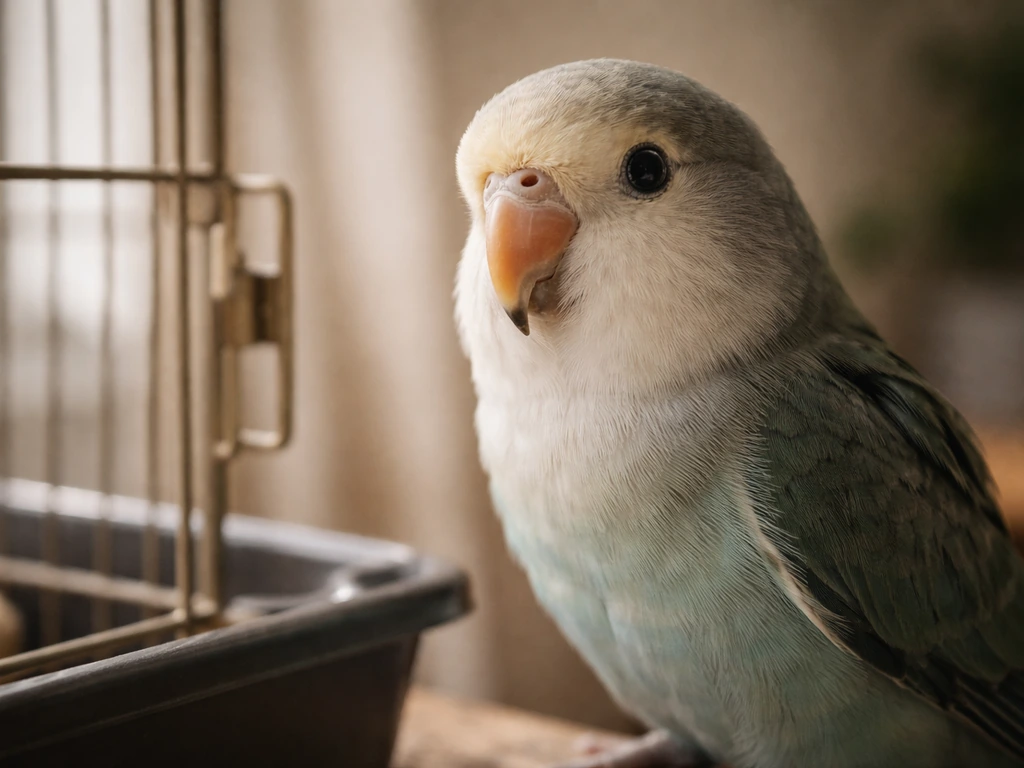
If your bird is completely still and unresponsive, that is a potential emergency and you should contact an avian vet right now. If your bird is still but alert, blinking, or shifting position occasionally, it is more likely resting, scared, or feeling under the weather rather than in immediate crisis. The goal here is to help you tell the difference quickly, figure out the most likely cause, and know exactly what to do next. If your bird also seems unwilling to eat or drink, that is another red flag, and it helps to review why is my bird not eating or drinking as a related possibility.
Why Is My Bird Not Moving? Quick Checks and Emergency Steps

Marcus Chen
23 Apr 2026
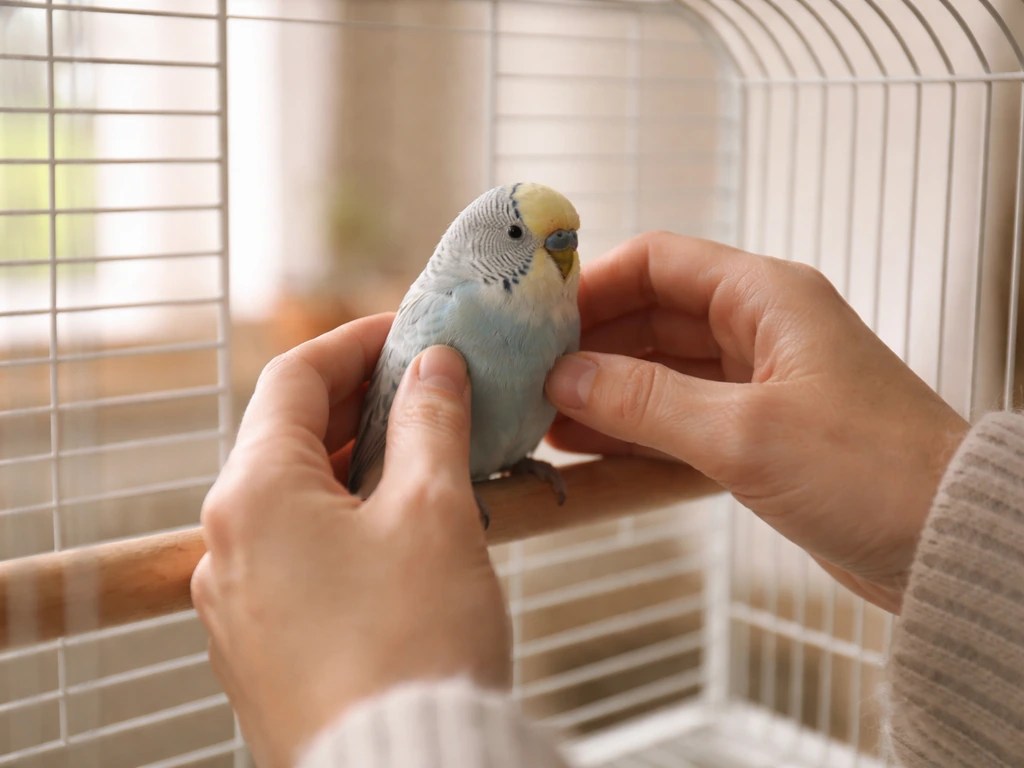
First check: is your bird truly immobilized or just resting?
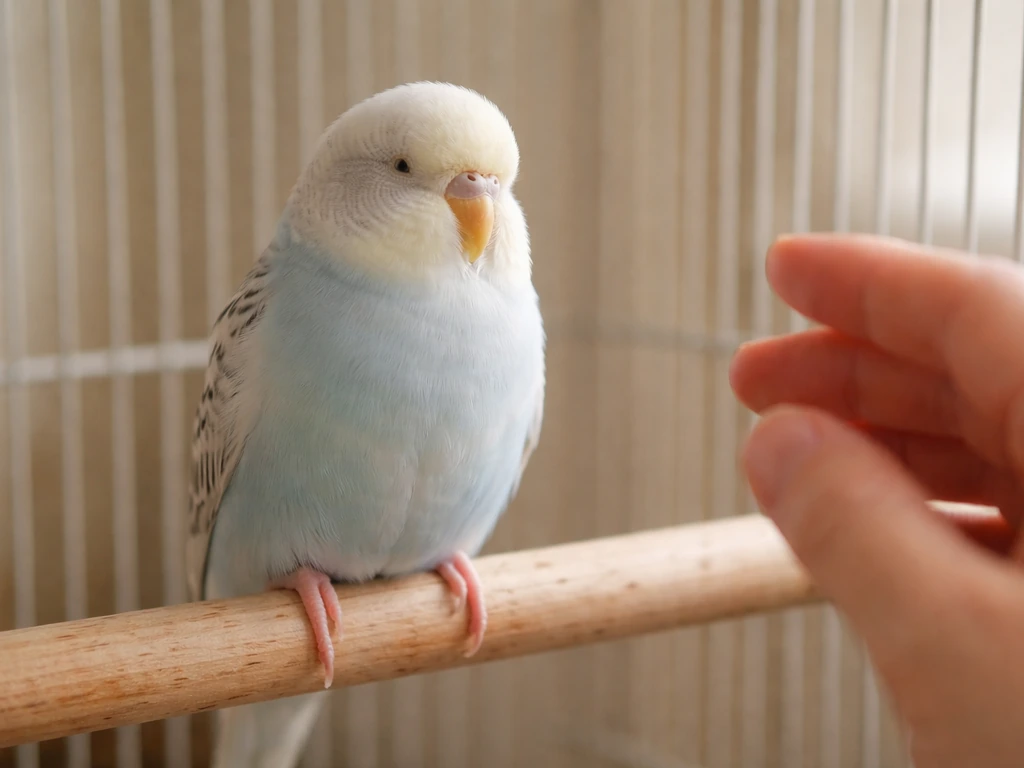
Birds sleep more than most owners expect, and a resting bird can look alarmingly still. Before you panic, run through a quick assessment. Watch for 30 to 60 seconds without disturbing the bird. Does it blink? Does it shift its weight slightly or adjust its grip on the perch? Does it respond to a gentle sound, like your voice or a soft tap on the cage? If yes to any of those, your bird is conscious and aware.
A bird that is just resting will typically be perched upright, have smooth or only slightly puffed feathers, and open its eyes when you approach. A bird in genuine trouble will often be sitting low on the perch or dropped to the cage floor, may not respond to your voice, and may have eyes that stay closed or only partly open. That distinction matters enormously for what comes next.
Also consider the time of day and recent events. Did the bird just have a big scare, like a loud noise or a visitor? Startled birds sometimes freeze as a stress response. Has it been napping in its usual spot at a normal nap time? These are reassuring signs. If the stillness came on suddenly with no obvious trigger, or if it has lasted more than a few minutes and the bird seems unaware of its surroundings, take it seriously.
Red flags you should treat as emergencies
Some signs mean you need to act immediately, not wait and watch. If you see any of the following, call an avian vet or emergency animal hospital right now while keeping the bird as calm and warm as possible.
- Open-mouth breathing or any visible effort to breathe
- Tail bobbing in rhythm with each breath (the tail pumps up and down as the bird forces air in or out)
- Wheezing, clicking, or rattling sounds with breathing
- Completely unresponsive, will not react to your voice or gentle movement
- Lying on the bottom of the cage and unable to right itself
- Bleeding that is not stopping
- Visible trauma, like a broken wing hanging at an abnormal angle
- Tremors, seizures, or uncoordinated movements
- Straining repeatedly as if trying to pass a droppings (this can indicate egg binding in females)
- Suspected exposure to chemical fumes, smoke, cooking aerosols, or toxic foods like avocado within the last several hours
Birds mask illness instinctively, so by the time visible distress is obvious, the situation is often more advanced than it looks. Do not wait overnight or until the morning. Avian emergencies deteriorate quickly because birds have high metabolic rates and small body reserves.
Common health causes of not moving
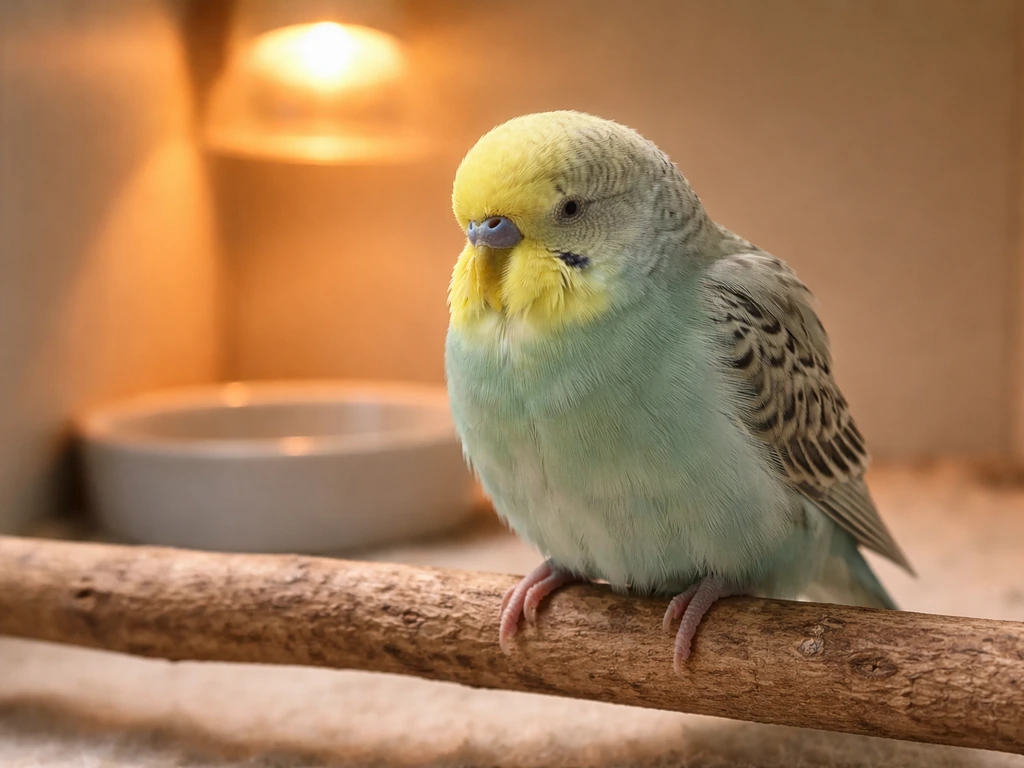
Lethargy is one of the most common signs of illness in pet birds. If your bird is lethargic, it helps to figure out the likely cause so you can respond appropriately and know when it is urgent why is my bird lethargic. If your bird is not sleeping as usual, it can point to an underlying illness, stress, or pain, so it is worth checking closely why is my bird not sleeping. A lethargic bird sits still, avoids activity, may fluff its feathers to conserve heat, and often has partially or fully closed eyes. This can accompany almost any illness, from infections and nutritional deficiencies to organ problems and metabolic disease. Lethargy by itself does not tell you what is wrong, but it clearly tells you something is wrong. If your cockatiel is not eating, those same illness signs can be a clue, so check the common causes and what to do next why my cockatiel bird is not eating.
Pain is another major reason birds go still. Birds in pain often press against a surface, hold a wing at an odd angle, favor one leg, or simply stop moving to avoid making things worse. Because birds cannot tell you where it hurts, immobility is often your only clue.
Injury and trauma can cause sudden immobility. If your bird flew into a window, fell off a perch, or was grabbed by another pet, it may be in shock even if there is no visible wound. Internal injuries and concussions are real possibilities after any impact.
Respiratory distress makes birds conserve every bit of energy, so they stop moving. This is one reason that breathing difficulty and immobility often appear together. Any bird working hard to breathe will reduce movement to minimize oxygen demand.
Egg binding is a life-threatening cause of immobility in female birds. An egg-bound bird typically sits low on the perch or on the cage floor, may strain repeatedly, and can progress to open-mouth breathing and complete weakness very quickly. If the weakness is getting worse or your bird is not responding, you may be seeing the same issue discussed in why is my bird weak complete weakness. This is a genuine emergency requiring immediate veterinary care.
Toxic exposure is worth considering even if you did not see anything obvious happen. Non-stick cookware fumes, scented candles, aerosol sprays, cleaning products (especially bleach or ammonia-based ones), cigarette smoke, and certain foods can all cause a bird to suddenly collapse or become neurologically impaired. If your bird was fine an hour ago and is now motionless, think back through anything that happened in the home.
Environmental causes: temperature, drafts, and stress
A bird that is too cold will fluff up, shiver, and stop moving to conserve body heat. Check your room temperature. Most pet birds need ambient temperatures of at least 65 to 75°F to stay comfortable, and a sudden cold draft from an open window or air conditioning vent can hit them hard, especially overnight. If the cage is near a window, drafts can be significant even when the room feels comfortable to you.
Overheating is the opposite problem and is equally dangerous. A bird that is too hot will hold its wings slightly away from its body, breathe with its mouth open, and may become sluggish. Direct sunlight on a cage, a poorly ventilated room in warm weather, or a heat source placed too close can all cause this.
Stress can cause a bird to freeze and go very quiet. New people in the house, a new pet, loud construction noise, rearranged furniture near the cage, or even a change in your schedule can trigger a stress response. A stressed bird usually recovers once the trigger is removed, but prolonged stress suppresses the immune system and can make underlying health issues worse.
Breathing, posture, and responsiveness clues to narrow it down
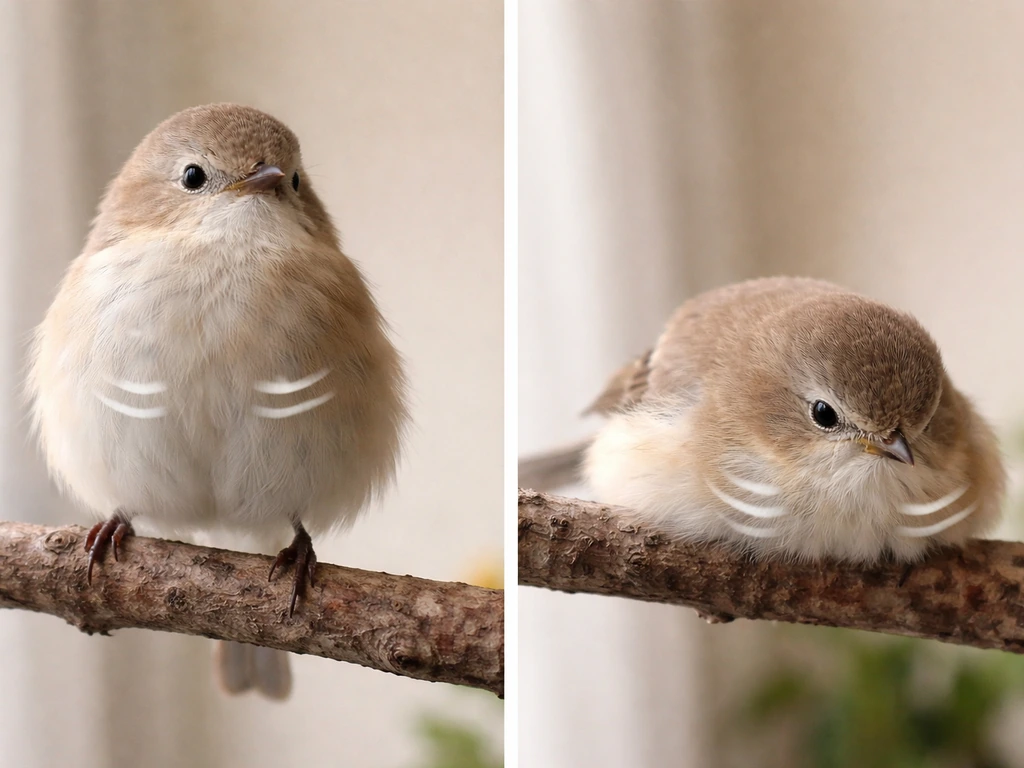
You can learn a lot just by observing carefully for a couple of minutes. Here is what to look for and what it suggests.
| What you observe | What it likely means |
|---|---|
| Sitting upright on perch, eyes open or blinking slowly | Resting or mildly unwell, monitor closely |
| Fluffed feathers, eyes closing, still on perch | Feeling unwell, possible illness or cold, warrants attention |
| Sitting on cage floor, not on perch | More serious, pain, weakness, egg binding, or severe illness |
| Open-mouth breathing or tail bobbing with each breath | Respiratory emergency, call vet immediately |
| Clicking, wheezing, or labored breathing sounds | Respiratory emergency, call vet immediately |
| Unresponsive to voice or movement | Possible shock, toxicity, or neurological crisis, emergency |
| Wing drooping or held at odd angle | Injury or pain, needs veterinary assessment |
| Nasal or eye discharge present | Infection or respiratory disease, needs vet attention |
| Straining repeatedly (female bird) | Possible egg binding, treat as emergency |
| Tremors or loss of coordination | Toxicity or neurological problem, emergency |
Posture tells you a great deal. A bird sitting tall and balanced, even if quiet, is in far better shape than one slumped with its head tucked, weight shifted forward, or pressed against the cage bars. Responsiveness is your best single indicator of how serious things are. If you can get a reaction out of the bird, even a small one, that is a meaningful positive sign.
Safe supportive steps you can take right now
While you are assessing the situation or waiting to reach a vet, there are a few things you can safely do to support your bird.
- Provide gentle warmth. Most avian first-aid guidance recommends keeping a sick bird at 85 to 90°F. You can create a warm area by placing a heating pad on its lowest setting under one half of a carrier or small box (never the whole bottom, so the bird can move away if too warm). A gooseneck lamp with an incandescent bulb positioned nearby also works. Make sure there is always a cooler area the bird can move to.
- Minimize handling and stress. Handling a sick or injured bird raises its stress level and burns energy it cannot afford to waste. Move calmly and quietly. Dim the lights slightly if the bird seems panicked.
- Move the bird to a small, safe container. A shoebox or small carrier lined with a non-slip towel makes it easier to transport and reduces the risk of the bird injuring itself by falling from a perch.
- Offer water and a favorite food, but do not force anything. If the bird is alert enough to eat or drink on its own, that is great. Never force liquids into a bird's mouth as it can cause aspiration.
- Remove it from any potential environmental hazards immediately. If there is any chance of fume exposure, get the bird to fresh air right away and open windows.
- Keep other pets away. A dog or cat nearby adds stress even if there is no direct contact.
- Observe and document. Note the exact symptoms, when they started, whether anything changed in the home recently, and what the bird ate in the last 24 hours. You will need this for the vet.
What not to do: do not try to give the bird any medications intended for humans or other animals. Do not shake or jostle the bird to get a response. Do not put the bird outside in cold or direct sun. And do not assume it will just get better by morning if it is showing any of the red flags listed above.
When to call an avian vet and what to tell them
Call an avian vet today, not tomorrow, if your bird has any of the emergency signs listed above, is sitting on the cage floor and not responding normally, has been still and unresponsive for more than a few minutes, or if you suspect any kind of toxic exposure, trauma, or egg binding. Even if the bird seems to perk up slightly after you warm it or reduce stress, a vet visit is still warranted the same day. Birds can appear to stabilize briefly before crashing.
When you call, be ready to give the vet this information as clearly and quickly as possible:
- Species, age, and sex of the bird (if known)
- Exactly what you are seeing: posture, breathing, responsiveness, eye and nasal appearance
- When the stillness started and whether it came on suddenly or gradually
- Any recent changes at home: new foods, cleaning products used, candles or sprays, cooking with non-stick pans, visitors, other pets
- Whether the bird has been eating and drinking normally in the past 24 to 48 hours
- Any recent accidents, falls, or encounters with other animals
- The bird's normal diet and any recent changes to it
- Whether the bird is female and whether it has laid eggs before or been showing nesting behavior
If you cannot reach an avian vet immediately, look for an emergency exotic animal clinic in your area. General-practice vets vary widely in their avian experience, so an exotic or avian specialist is strongly preferred when one is available.
One last thing: if your bird recovers and you are not sure what caused this, it is still worth scheduling a wellness visit. If you are also noticing weight loss, that can be another sign worth investigating with your avian vet, and it helps to ask why your bird is losing weight why is my bird losing weight. Birds that seem lethargic, sleep excessively, or stop moving often have underlying issues that are only caught on examination or bloodwork. A single episode of unusual stillness can be your first warning that something needs attention, and catching it early is almost always better than waiting for symptoms to return.
FAQ
How can I tell if my bird is really unconscious versus just sleeping still?
Watch posture and eye response. A sleeping bird usually remains perched with eyes closed, and you will see normal breathing patterns when you look closely. If the bird is on the cage floor, eyes stay closed or only partly open without responding to gentle sound, or the breathing looks labored, treat it as an emergency and contact an avian vet.
My bird is motionless but breathing normally, should I still worry?
Yes, especially if the bird is not alert or is not responding. Birds may reduce movement when they are ill or in pain, even before breathing becomes obviously abnormal. If the stillness is new and lasts more than a few minutes, or the bird is not interested in eating or drinking, arrange same-day avian care.
What should I check first if my bird suddenly became still after being fine?
Do a quick timeline check: what changed in the last hour? Consider drafts, overheating or direct sun, new household odors or fumes, cleaning product use, aerosol sprays, candle smoke, cigarette smoke, and any impacts like falls or window strikes. Then assess responsiveness and posture, and call a vet if red flags are present.
Should I warm my bird if it is cold and not moving?
If you strongly suspect cold exposure, aim for gentle warmth by moving the cage to a stable, draft-free, comfortable area. Do not place the cage in direct sun or near a heat source that could overheat the bird. If the bird is unresponsive or shows other emergency signs, warming is only a bridge until veterinary care.
Is it ever safe to offer food or water if my bird is not moving?
Only if the bird is clearly awake and able to swallow normally. If the bird is lethargic, on the floor, not responding, or you suspect breathing difficulty, do not force food or water. Focus on keeping the bird calm and warm and contact an avian vet.
My bird is fluffed and quiet, could that be normal?
Fluffing can happen during rest, but context matters. If the bird is upright, alert enough to react to your voice, and breathing comfortably, it may be resting. If it is slumped, not responding, has eyes staying closed, or avoids activity, assume illness or pain and get same-day avian guidance.
What breathing signs mean I should treat immobility as urgent?
Treat it as urgent if you see mouth open breathing, wheezing, repeated effortful breathing, or the bird holding itself in a posture that suggests oxygen stress. Movement often drops when breathing is difficult, so breathing concerns plus stillness should prompt immediate vet contact.
How long is too long to wait before calling the vet?
If your bird has been still and unresponsive for more than a few minutes, call an avian vet the same day. Do not wait overnight, and do not wait to see if it improves on its own, because birds can deteriorate quickly.
Could tox exposure happen even if I did not see my bird exposed to anything?
Yes. Fumes can travel and affect birds without visible contact. Think about non-stick cookware use, scented candles or diffusers, aerosols, cleaning sprays, bleach or ammonia products, and smoke from cigarettes or vaping. Sudden collapse or loss of normal movement shortly after an environmental change is a key reason to seek emergency care.
What if I cannot find an avian vet right away?
Look for an emergency exotic animal clinic and explain that you have a pet bird with sudden immobility and concern for pain, respiratory distress, toxin exposure, or egg binding if relevant. If the clinic is uncertain about birds, ask if they can direct you to the closest avian-experienced clinician and share your bird’s symptoms and timeline.
After an episode of stillness, when should I schedule follow-up care?
If your bird returns to normal, still schedule a wellness visit, especially if it was lethargic, fluffed unusually, or stopped moving episodes recur. Ask about bloodwork and weight and hydration status, since serious issues can be present even if the bird seems temporarily better.
Next Article
Why Is My Bird Making Weird Noises? Quick Triage Guide
Triage weird bird noises fast: spot normal calls vs breathing trouble, check stress and environment, know when to call a