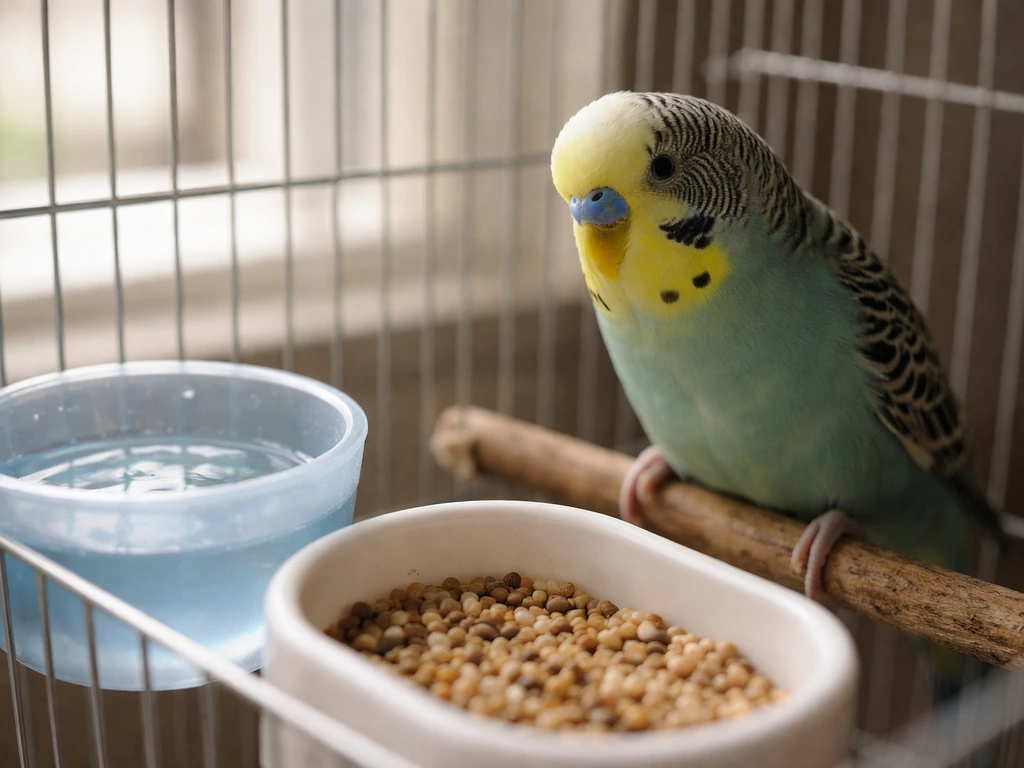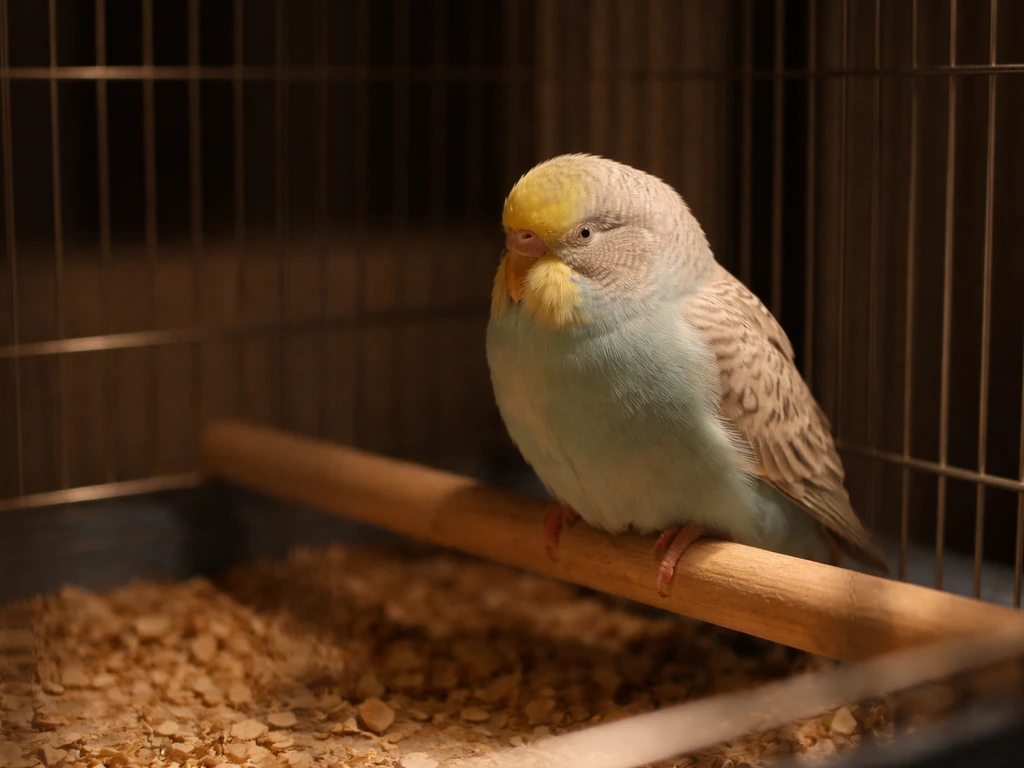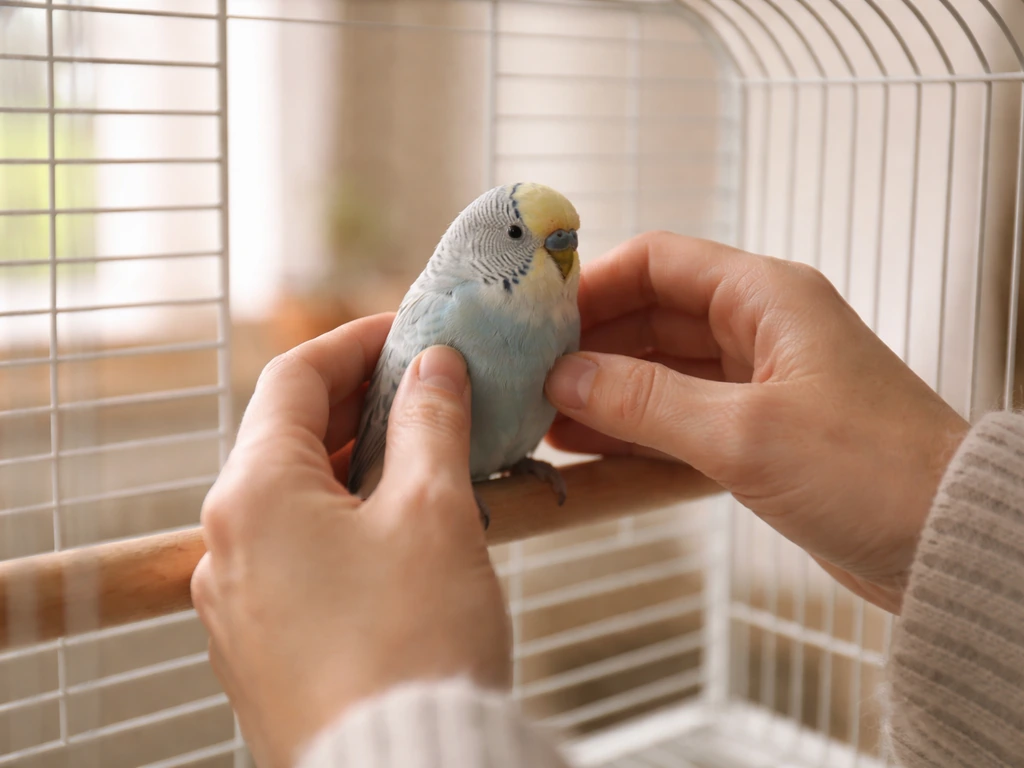
A cockatiel that stops eating needs your attention today, not tomorrow. In small birds like cockatiels, going without food for even 24 to 48 hours can become a medical emergency quickly. The cause could be something simple like stress, a change in food, or a new environment, but it could also be an early sign of illness. Your job right now is to figure out which one you're dealing with.
Why My Cockatiel Bird Is Not Eating: What to Do Today

Marcus Chen
19 May 2026
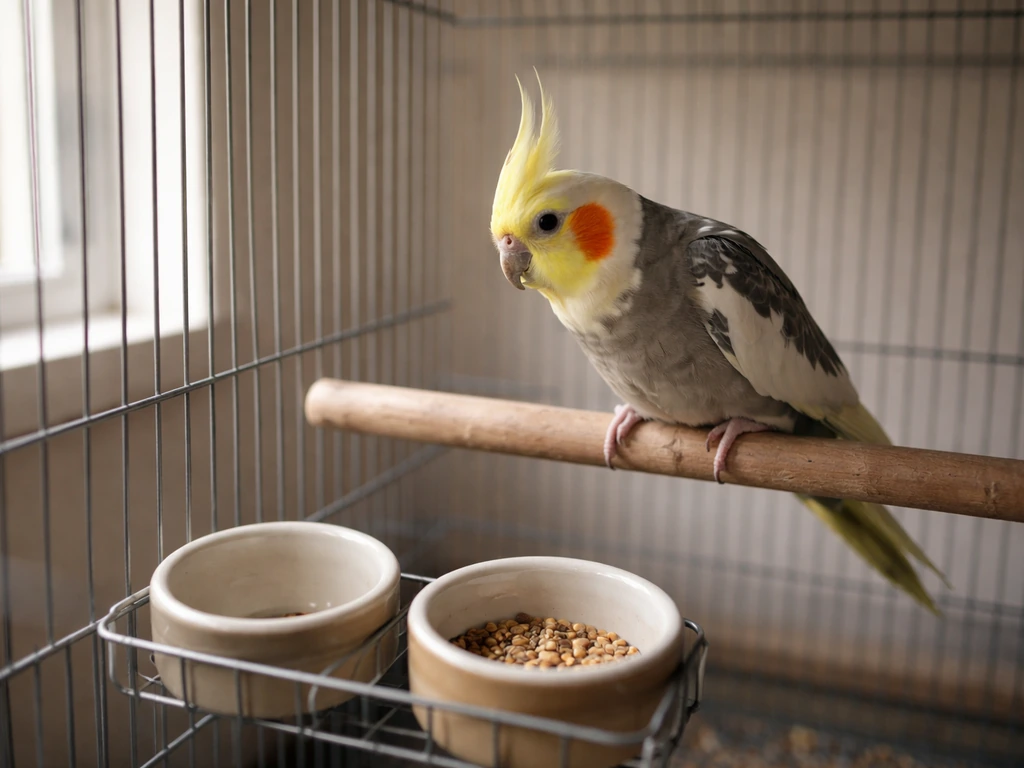
Quick safety check: how urgent is this?
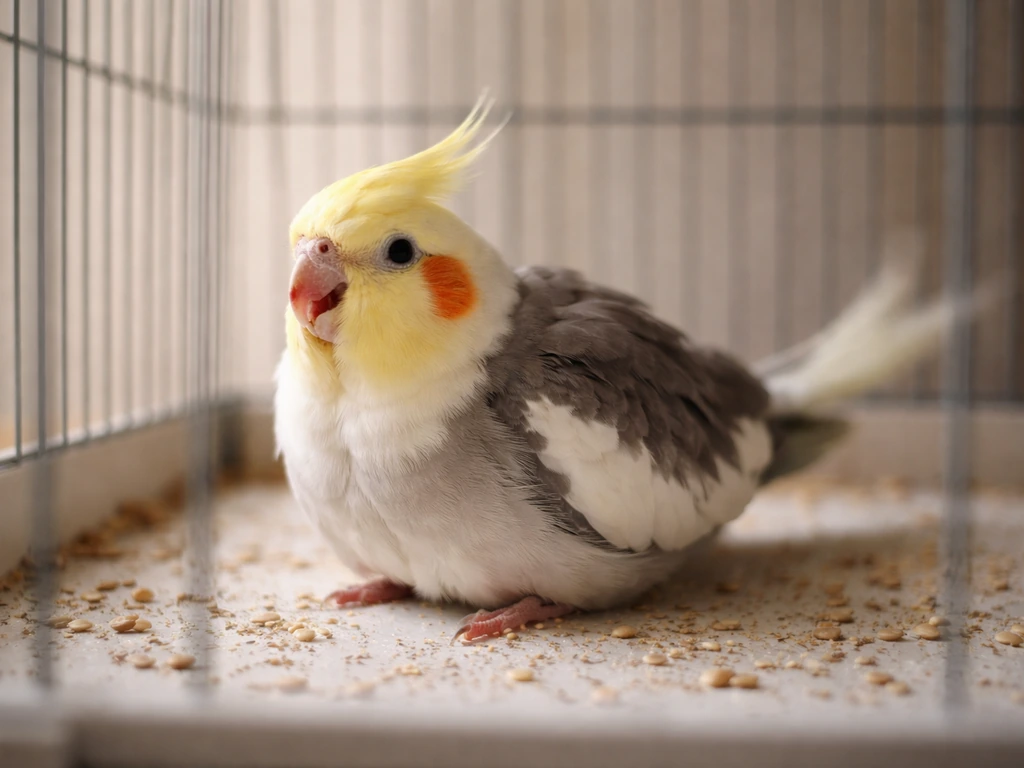
Before anything else, run through this fast assessment. Look at your bird right now and check for any of these signs:
- Sitting fluffed up on the bottom of the cage or unable to perch
- Tail bobbing up and down with each breath
- Open-beak breathing or any labored breathing
- Completely silent, eyes half-closed, or not responding to you
- Droppings that are absent, very dark/tarry, or bright green (lime-colored) with no food intake to explain it
- Crop that feels hard, doughy, or has not emptied after 6 hours
- Visible injury, bleeding, or unusual swelling
If you see any of those signs alongside the not-eating, treat it as an emergency and contact an avian vet now, not after you finish reading this. Small birds decline very fast once they stop eating and start showing physical symptoms. If your bird looks alert, is moving around, and has normal-looking droppings, you have a bit more time to troubleshoot but you still need to act today.
Normal vs. abnormal: what 'not eating' actually looks like
Cockatiels are not big, obvious eaters. They forage throughout the day in small amounts, so it's easy to miss how much they're actually consuming. Before you assume there's a problem, make sure you're actually watching your bird eat rather than just checking whether the food bowl looks emptier.
There's also a difference between 'eating less than usual' and 'not eating at all.' Eating less can mean your bird is picky about something new in the bowl, mildly stressed, or slightly off. Not eating at all is a much more serious flag. Also pay attention to droppings: a bird that is eating normally will produce droppings throughout the day. A bird that has stopped eating will have fewer droppings, and they may be mostly urates (the white part) with little or no fecal component. Changes in dropping color, volume, frequency, or consistency are one of the most reliable indicators that something is wrong.
One more thing: keep in mind that dropping appearance can shift normally based on what your bird ate. A seed-heavy diet produces dark green feces, while a pellet diet produces brownish feces. Urates are normally off-white or slightly cream-colored. Don't panic over color changes alone, but do consider them in context with your bird's eating behavior and overall demeanor.
Common reasons cockatiels stop eating
Stress and environmental changes
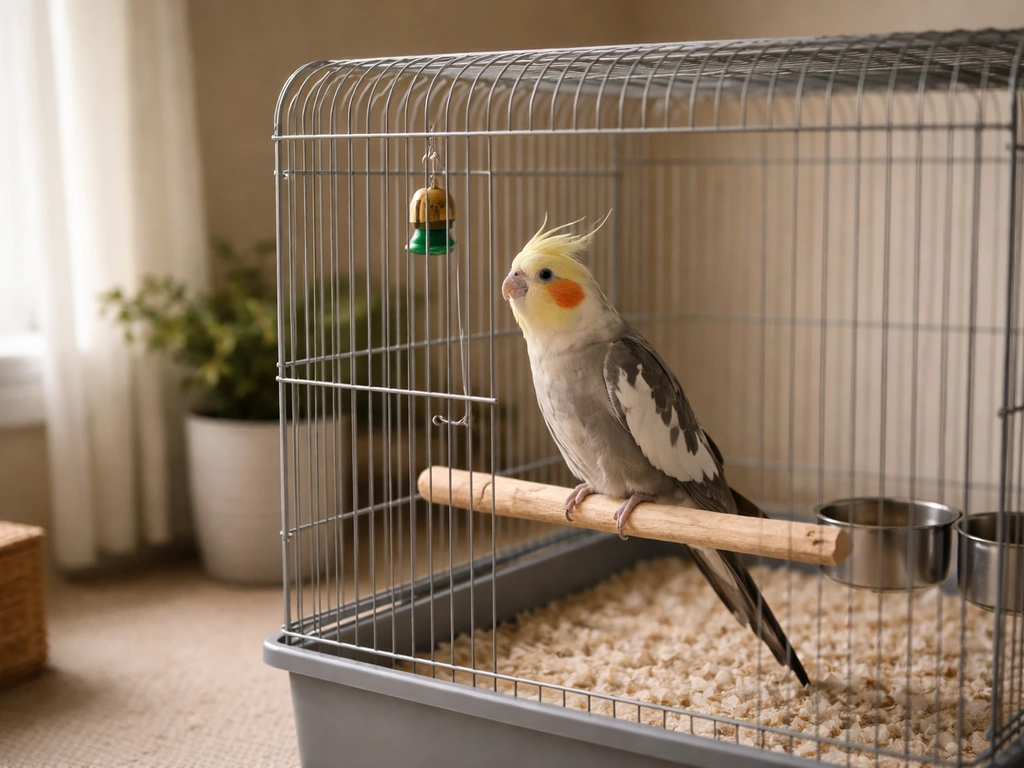
This is one of the most common causes, and it's easy to overlook. Cockatiels are sensitive to changes in their environment. A new cage, a moved cage, a new pet, a new person in the house, rearranged furniture near the cage, loud construction nearby, a change in your schedule, or even a new piece of clothing you're wearing can trigger stress. A stressed cockatiel will often reduce its food intake for a day or two while it adjusts. Watch for other stress signals like pacing, increased vocalization, or flightiness.
Diet and food issues
Cockatiels are famously suspicious of anything new in their food bowl. If you recently switched brands of seed, introduced pellets, or added a new vegetable, your bird may simply be refusing the unfamiliar item. This is a real behavior, not stubbornness. Transitions from seeds to pellets in particular need to be done gradually: a common approach is layering pellets under the seed so the bird has to pick through them, or sprinkling seed over pellets to encourage curiosity.
Also check the food itself. Seed mixes can go rancid, especially in humid conditions, and fresh foods left in the cage too long will spoil. Birds often refuse to eat food that smells off, even if it looks fine to you. Remove fresh food after a couple of hours and replace it with something fresh. If the seeds feel damp or smell musty, throw them out and start fresh.
Finally, consider whether your bird's diet is actually balanced. A cockatiel eating almost exclusively seeds is a very common problem. Seeds are high in fat and low in many nutrients, and birds on seed-only diets can develop health issues over time that eventually affect appetite. A practical target for a small bird like a cockatiel is roughly 40 to 50% pellets, 30 to 40% seed mix, 10 to 15% vegetables, and 5 to 10% fruit.
Loneliness, boredom, or routine disruption
Cockatiels are social birds and can reduce eating when they're bored, lonely, or their daily routine is disrupted significantly. If you've been away more than usual or their out-of-cage time has dropped, that can be a factor. This isn't an emergency, but it's worth noting and addressing.
Illness clues to watch for alongside appetite loss
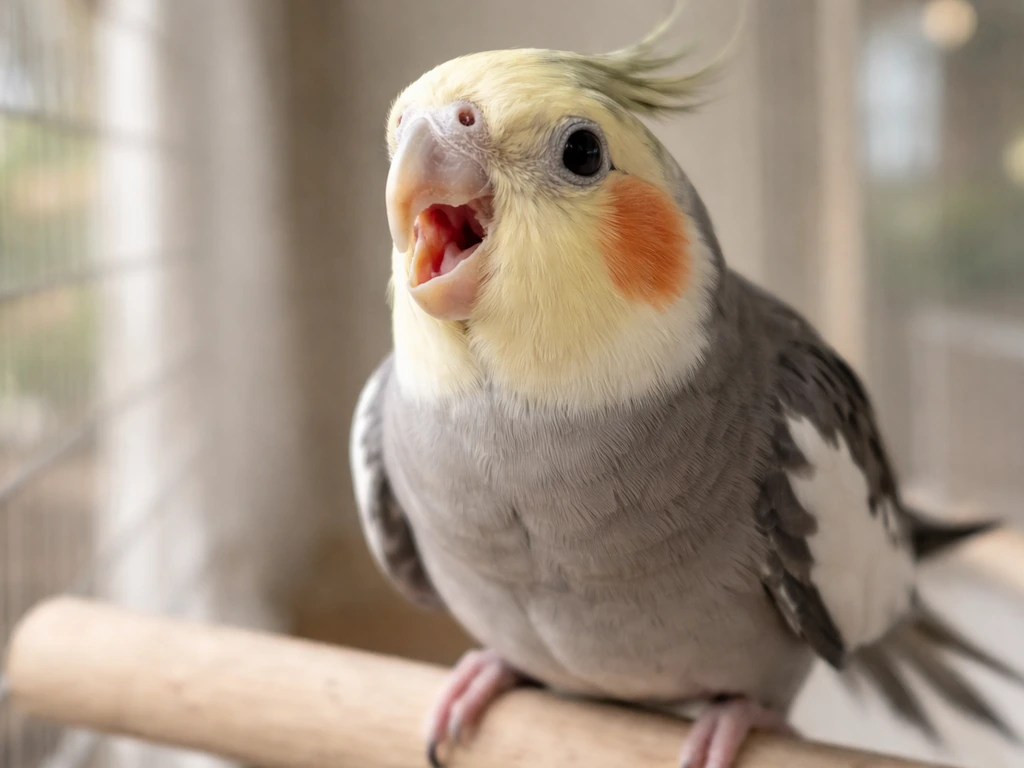
Birds are prey animals and instinctively hide signs of illness until they can't anymore. By the time a cockatiel looks visibly sick to you, it has often been unwell for a while. That's why appetite loss alongside any of the following symptoms is a serious warning combination. If you are wondering why is my bird lethargic, appetite loss plus weakness is a common clue that something more than stress is going on appetite loss alongside any of the following symptoms.
Respiratory signs
Watch for tail bobbing (the tail moves up and down noticeably with each breath), open-beak breathing, clicking or wheezing sounds, nasal discharge, or crusty nostrils. Respiratory infections often suppress appetite and can deteriorate quickly. Any labored breathing alongside appetite loss needs veterinary attention the same day.
Gastrointestinal signs
GI problems can show up as undigested food particles in the droppings, very loose or watery stools, or droppings that are unusually bright green, black, or have no solid fecal component at all. Also feel the crop gently with a fingertip: if it has been more than 6 hours since your bird last ate and the crop still feels full, firm, or doughy, that can indicate crop stasis (sometimes called sour crop), which needs prompt veterinary care.
Pain or injury
A bird in pain will often stop eating. Look for any swelling, limping, wing drooping, or reluctance to use a foot. Also watch for unusual postures or a bird that keeps shifting weight. Sometimes injury is subtle, especially after a fall or a collision with a window.
General illness signs
Beyond the above, watch for: fluffed feathers held for extended periods, excessive sleeping or lethargy (worth reading about alongside this topic, since lethargy and appetite loss often appear together), reduced or absent vocalization, not grooming, staying at the bottom of the cage, changes in thirst, or significant weight loss. Even one or two of these signs alongside not eating should prompt a vet call within 8 hours.
What to do today: at-home steps to try right now
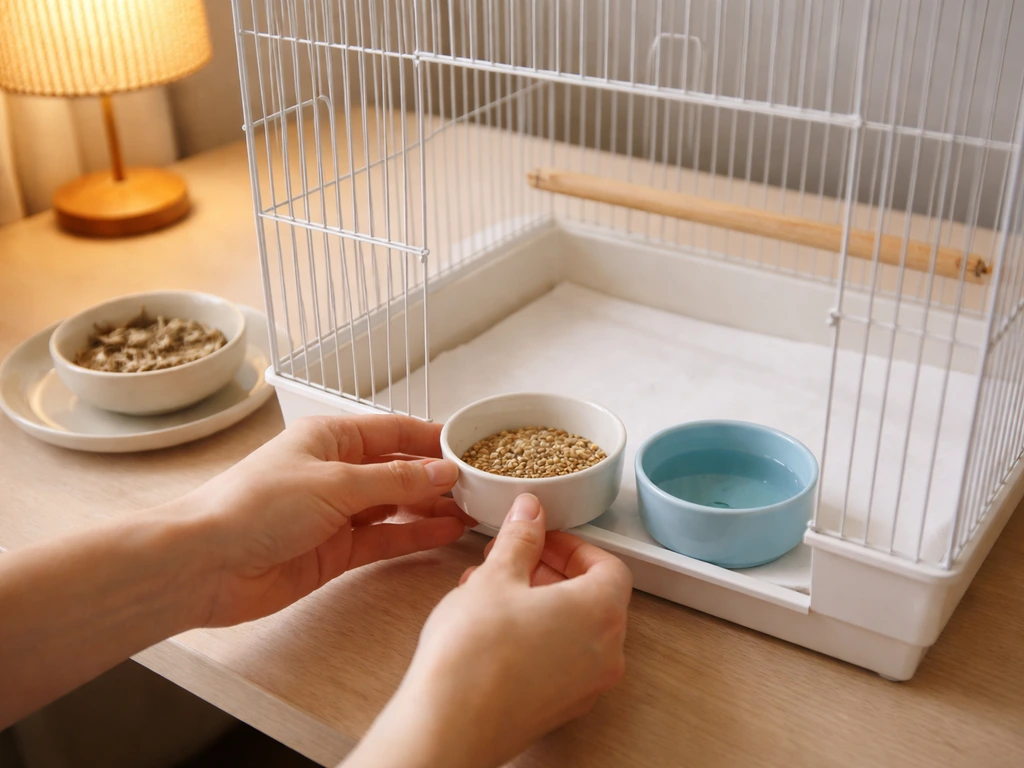
If your bird passed the quick safety check above and is not showing urgent illness signs, here are the steps to take today while you continue monitoring.
- Remove and replace all food: Throw out anything that's been sitting there and replace with fresh food. Check seeds for mustiness. Wash the food dishes.
- Offer your bird's known favorites: If you have been offering new foods, go back to what your bird reliably eats. This is not the time for dietary experimentation. Once your bird is eating normally again, you can reintroduce new items gradually.
- Check the environment for stressors: Has anything changed recently in or near the cage? Move the cage to a quieter, familiar spot if you suspect stress. Cover three sides of the cage if your bird seems nervous.
- Keep the bird warm and calm: A slightly warmer, draft-free environment (around 85°F if your bird seems unwell) reduces the energy your bird has to spend just staying warm. Avoid handling more than necessary.
- Ensure fresh water is available: Dehydration happens fast in small birds. Make sure the water is clean and fresh. If your bird seems uninterested in the water dish, try a slightly different container.
- Observe and document: Watch for eating or foraging behavior over the next few hours. Count droppings if you can and note their appearance. This information will be very useful to an avian vet if you need to call.
- Weigh your bird if you can: A kitchen scale that measures in grams is ideal. A healthy adult cockatiel typically weighs between 80 and 120 grams. Weight loss is one of the clearest signs something is wrong. Even a 10% drop is significant.
Do not try to force-feed your bird. It causes extreme stress and can make things worse. Your goal right now is to reduce stress, make appealing food available, and watch closely.
When to call an avian vet urgently
Appetite loss in a small bird like a cockatiel can go from 'concerning' to 'critical' faster than most owners expect. If you are wondering why your bird is not moving, use the same urgency mindset because mobility problems can signal a serious health issue why is my bird not moving. Here is a clear decision guide:
| What you see | What to do |
|---|---|
| Not eating AND any breathing difficulty (tail bobbing, open-beak breathing, wheezing) | Call avian vet immediately, go to emergency clinic if needed |
| Not eating AND sitting on cage floor, unable to perch, or unresponsive | Emergency, go now |
| Not eating AND crop not empty after 6 hours | Call avian vet same day |
| Not eating AND droppings are absent, tarry black, or bright lime green | Call avian vet within 8 hours |
| Not eating AND fluffed, lethargic, or sleeping much more than normal | Call avian vet within 8 hours |
| Eating noticeably less for more than 24 hours with no clear environmental cause | Call avian vet to discuss and schedule a same-day or next-day visit |
| Eating less after a clear stress event, otherwise acting normal | Monitor closely, implement at-home steps, vet call if no improvement in 24 hours |
When you call, tell the vet when you last saw your bird eat, what the droppings look like, any recent changes in the environment or diet, and any other symptoms you've noticed. Even if the vet line is busy, try to speak to someone rather than just waiting it out. A bird that has truly stopped eating and drinking is in a blank" rel="noopener noreferrer">potentially life-threatening situation and should be seen the same day. If you are also seeing no water intake, follow the guidance in why is my bird not eating or drinking for the safest next steps.
Getting your cockatiel eating again and preventing this in the future
Once you've addressed the immediate cause, whether it was stress, stale food, or a health issue, the goal is to rebuild a stable eating routine and a more resilient diet.
If your bird was on a seed-only diet and you want to shift toward pellets, do it slowly. Mix a thin layer of pellets under the seeds so the bird encounters them while foraging, or sprinkle a small amount of seed over a bowl of pellets. Cockatiels can take weeks to accept pellets, and that's normal. Do not suddenly remove seeds and replace them entirely with pellets in hopes of forcing the switch. That approach can result in a bird that refuses to eat at all.
Build a consistent daily routine: feeding at the same times each day, cleaning the cage regularly, and keeping the environment stable. Cockatiels do much better on predictability. Introduce new foods as small additions alongside familiar favorites, not as replacements. Fresh vegetables and small amounts of fruit are great additions, but remove uneaten fresh food after a couple of hours before it spoils.
Make it a habit to weigh your cockatiel every week or two on a gram scale and note the number. If you are noticing weight loss alongside appetite changes, also review why is my bird losing weight and what to check first. Weight loss is often the earliest sign that something is off, and catching it early gives you and your vet a much better chance of a good outcome.
If you're also noticing changes like your bird sleeping more than usual, seeming weak, or being less active, those symptoms often appear together with appetite loss and are worth taking seriously in combination. If your cockatiel is sleeping more than usual, that can be another sign something is wrong alongside appetite loss, so keep monitoring closely and contact an avian vet if it does not improve quickly.
Annual checkups with an avian vet are also genuinely worth it for a bird like a cockatiel. A vet who knows your bird's baseline weight and normal lab values can spot problems much sooner than one seeing your bird for the first time in a crisis. Getting ahead of health issues is always easier than catching up to them.
FAQ
My cockatiel picks at food but mostly stops, what does that usually mean?
Yes, but only if you can confirm it is actually drinking. Place a small dish of water close to the usual feeding area and watch for drinking behavior (beak dipping, swallowing). If your bird is refusing both food and water, treat it as more urgent and call an avian vet the same day, because dehydration can worsen appetite loss quickly.
How can I tell the difference between picky eating and true illness?
There are two different scenarios to check. First, confirm whether the crop is emptying normally by noting whether droppings continue throughout the day. Second, look for “food avoidance” signs like refusing only one item (for example, new pellets) while still eating familiar seed. If the bird avoids everything, that points more toward illness than picky behavior and should be discussed with an avian vet today.
My seed bowl looks full, so why would my cockatiel still not be eating?
Do not rely on the seed bowl level. Cockatiels often forage lightly throughout the day, and they can leave husks while still consuming little amounts, so the bowl may look the same while intake changes. Instead, do a short 10 to 20 minute observation window and track whether the bird is actively eating, not just near the bowl.
Could the temperature or heat lamp setting be why my cockatiel isn’t eating?
Heat sources can reduce appetite if they are too hot or dry, and cold can also suppress digestion. Use a stable cage temperature (avoid drafts and temperature swings), and make sure any heat lamp is not directly over the bird. If the bird is panting, tail bobbing, or breathing with an open beak, temperature management is not enough, call an avian vet right away.
Is it okay to keep offering vegetables and fruit if my cockatiel isn’t eating them yet?
If you notice a lot of uneaten fresh foods, remove them promptly, because spoiled foods can cause nausea and rapid appetite decline. Also consider that some birds refuse vegetables after introduction, so offer small pieces at a consistent time, keep them fresh, and keep a familiar safe food available while you try again.
What should I do if my seed smells normal to me but my cockatiel won’t touch it?
Yes. Rancid or damp seed often smells “off” to birds and can cause refusal even when it looks normal. Check both smell and texture (damp, musty, or clumping seed is a red flag). Replace the mix with dry, properly stored seed and consider wiping the bowl and surrounding area so the bird is not exposed to leftover odor.
How do I check for crop stasis at home, and when is it too late?
If you suspect crop stasis, the key detail is timing since the last confirmed meal. If the crop feels full, firm, or doughy when you gently touch it and it has been more than about 6 hours, do not keep trying home remedies. Contact an avian vet promptly because crop issues can worsen and become life-threatening in small birds.
What home remedies are safe if my cockatiel won’t eat?
Avoid force-feeding or “helpful” remedies like alcohol, human supplements, or syrups, because they can cause aspiration or further stress. If you need to give anything medically, do it only as directed by an avian vet. What you can safely do is offer familiar, easily accessible foods and reduce stress while arranging care.
Could moving the cage or changes in my home really stop my cockatiel from eating?
A stressor can be very specific. If the cage was moved, a new person started handling the bird, a new pet appeared, loud construction began nearby, or the daily routine changed, those can all suppress eating. Try to identify the most recent change within the last 24 to 72 hours, then make the environment predictable and quiet while you monitor droppings and energy.
How often should I weigh my cockatiel if it isn’t eating?
Weighing helps, but you should treat “not eating” as time-sensitive even without a scale. If you can weigh, track grams once daily at the same time, and note how fast weight is changing. Rapid weight loss in a small bird is a strong reason to contact an avian vet even if the bird still looks somewhat alert.