
If your bird is losing weight, it's a serious signal worth acting on quickly. A loss of more than 10% of your bird's normal body weight is a recognized threshold for illness, meaning a 100-gram bird that drops to 88 grams needs a vet visit, not a wait-and-see approach. Weight loss in birds can stem from something as fixable as a poor diet or a stressful cage change, or it can point to a hidden infection, parasite load, or organ disease that your bird has been quietly masking. Birds are prey animals that instinctively hide weakness, so by the time weight loss becomes visible, something has usually been going on for a while.
Why Is My Bird Losing Weight? Causes and Next Steps

Marcus Chen
8 Jul 2026
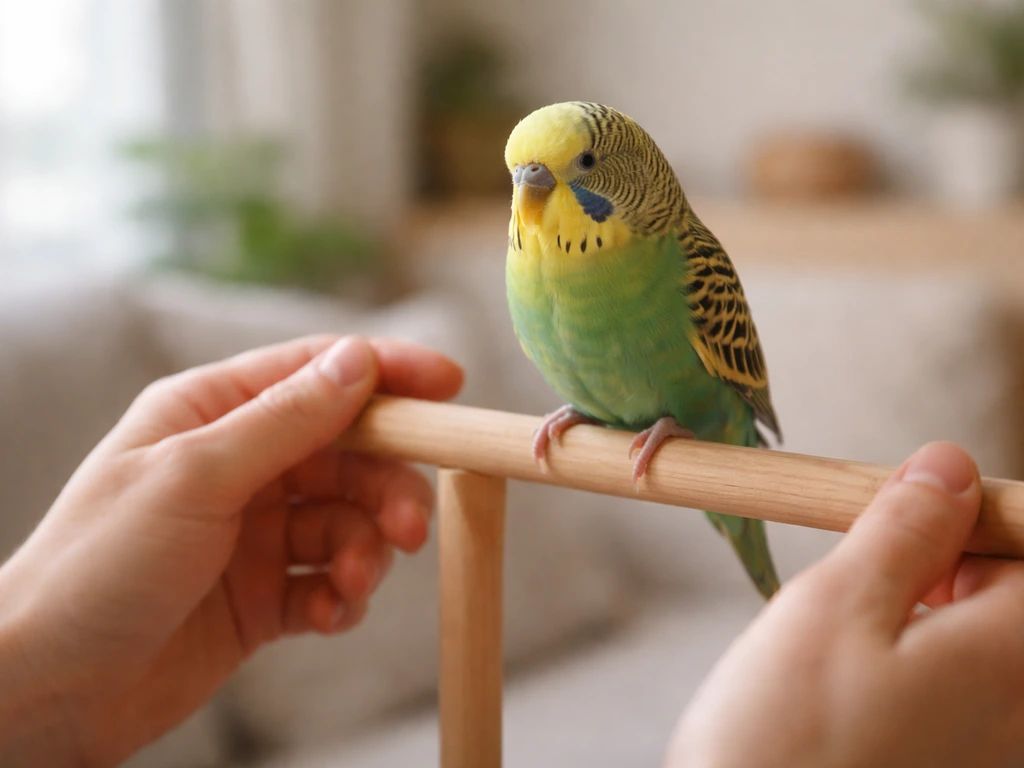
Quick triage: how fast is it happening and what else to check right now
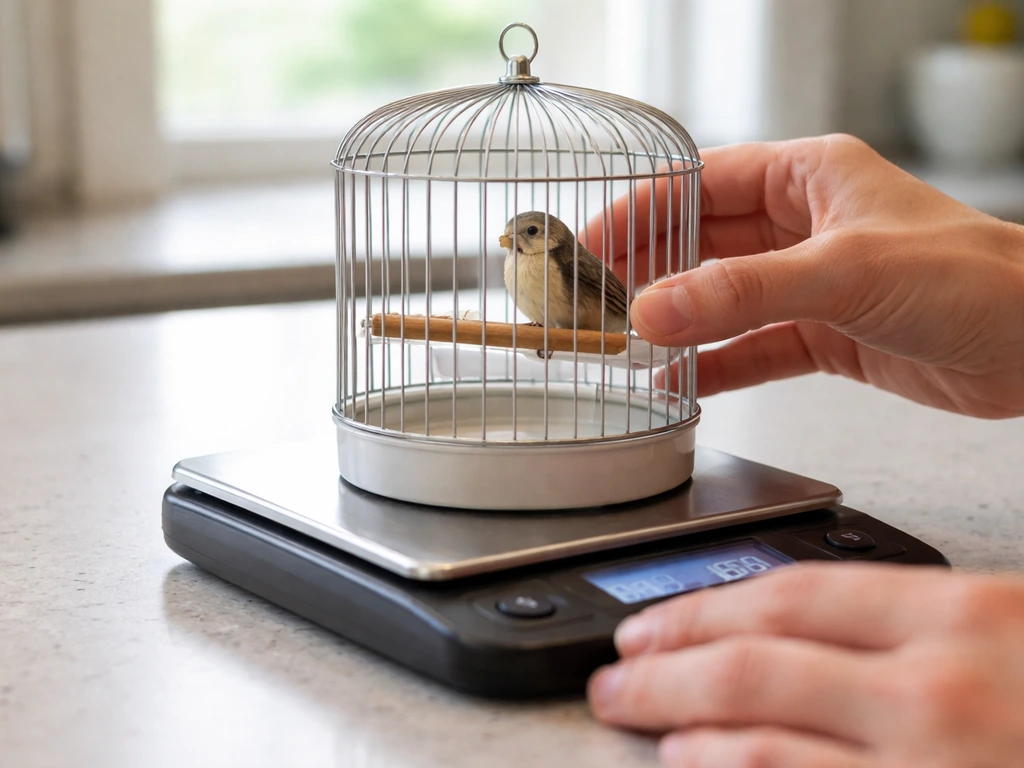
The first thing to figure out is whether this is rapid or gradual weight loss, because that changes how urgently you need to act. Rapid weight loss over a few days is an emergency. Gradual thinning over weeks or months still needs a vet, but gives you a little more time to gather information before calling.
If you don't already weigh your bird on a gram scale, start now. A kitchen scale accurate to 1 gram works fine. Weigh at the same time each day (morning before the first meal is ideal) and log the numbers. This data is genuinely useful to an avian vet and will help you see whether loss is accelerating or stable.
While you're checking weight, run through this quick scan of your bird's overall condition:
- Keel bone: run a finger down the center of the chest. If the keel bone feels sharp and prominent like a blade, the bird is significantly underweight. In a healthy bird it's palpable but not jutting.
- Posture: a bird that is fluffed up, hunched, or sitting low on the perch is telling you something is wrong.
- Breathing: open-mouth breathing and visible tail bobbing with each breath are red-flag respiratory signs that put this in urgent territory.
- Energy and movement: is the bird reluctant to move, sleeping more than usual, or unsteady on its feet?
- Droppings: check the cage bottom for changes in color, consistency, or volume.
- Feathers: rough, dull, or broken feathers alongside weight loss suggest the body is under stress.
- Appetite: is the bird approaching food normally, picking at it, or ignoring it entirely?
If you're seeing open-mouth breathing, tail bobbing, extreme lethargy, or a bird that can't hold itself upright, treat that as an emergency and contact an avian vet or emergency animal clinic today, not tomorrow.
Common causes of weight loss in pet birds
Weight loss almost always falls into one of three buckets: the bird isn't getting enough calories, something stressful is suppressing its appetite and normal function, or illness is burning through its reserves or blocking absorption of nutrients. Often these overlap.
Diet problems

A seed-only diet is one of the most common underlying contributors to gradual weight loss and poor condition in pet birds. Seeds are high in fat but low in protein, vitamins, and minerals. A bird eating almost exclusively seeds may look like it's eating well but is slowly becoming malnourished. Similarly, a bird that has recently been switched to pellets but hasn't fully accepted them may be eating far less than you think. Low-quality pellets or pellets that have gone stale can also reduce intake.
Dehydration is easy to miss and compounds weight loss fast. Check that the water source is clean and accessible. If you use a water bottle, test it daily to make sure it hasn't clogged.
Stress
Stress suppresses appetite and can cause weight loss even when food is available. If your cockatiel is not eating, appetite changes can be one of the earliest clues that stress, illness, or a problem in the mouth or crop is involved. Common stressors include a new home or cage placement, changes in household routine, a new pet or person, bullying from a cagemate, incorrect temperatures, inadequate or inconsistent light cycles, and loud or unpredictable noises. A bird in a stressful environment may also develop feather-damaging behaviors alongside reduced eating.
Illness
This is the category that most warrants urgency. Infections (bacterial, yeast, viral), parasites, gastrointestinal disease, respiratory illness, and chronic conditions like kidney disease or metabolic disorders can all drive weight loss. Because birds hide illness so effectively, weight loss is often one of the later visible signs of a problem that has been developing for some time. If diet and stress have been ruled out and the bird is still losing weight, illness should be assumed until a vet confirms otherwise.
What about molting or seasonal changes?
Some birds do eat slightly less during a molt, and minor fluctuations in weight are normal. However, significant or sustained weight loss during a molt is not something to attribute to normal seasonal change. If your bird's keel bone is becoming prominent or weight loss is ongoing, don't wait it out. The molt explanation is only valid for mild, temporary dips with an otherwise healthy, active bird.
Appetite, eating behavior, and droppings: clues that narrow the cause
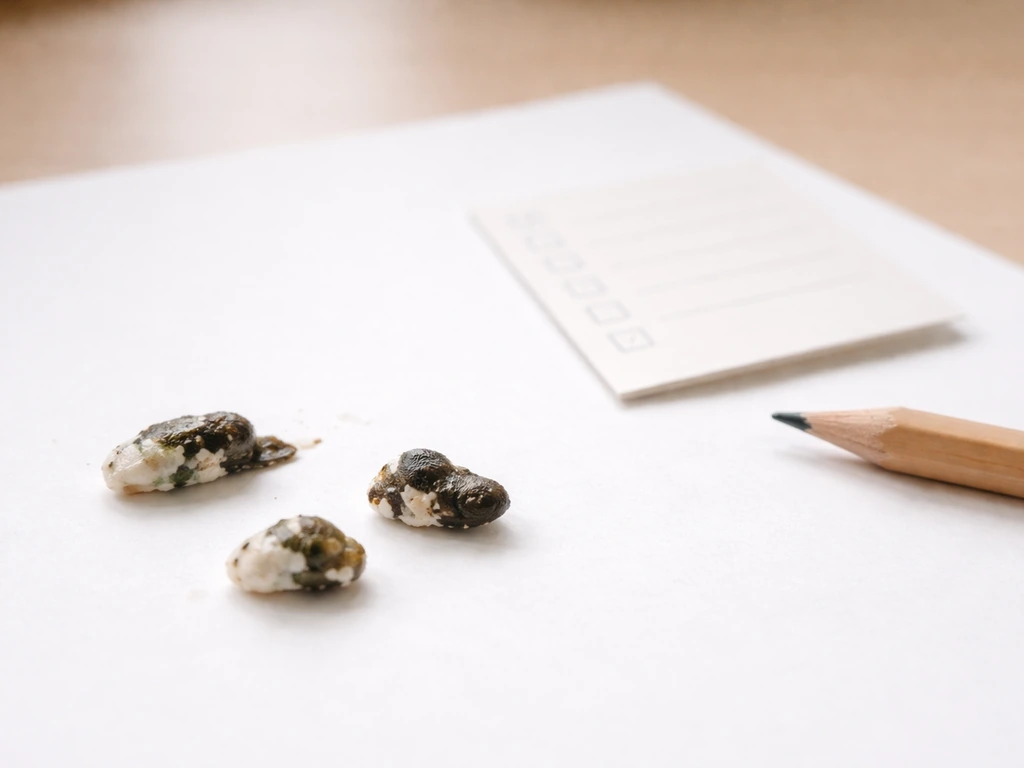
Watching how and what your bird eats gives you a lot of information. A bird that approaches the food bowl with interest but drops food without eating much may have a mouth or crop problem, or pain when swallowing. A bird that ignores food entirely points more toward systemic illness, extreme stress, or pain elsewhere. If you have multiple birds and one is getting pushed away from the food dish, the cause of weight loss is obvious but easy to miss.
Droppings are one of your best diagnostic tools as an owner. Normal bird droppings have three parts: solid dark-green or brown feces, white or cream-colored urates, and a small amount of clear liquid urine. Changes in any of these components are informative:
- Watery droppings or excess clear liquid (polyuria) can indicate kidney issues, diabetes, or a fruit-heavy diet, but also stress.
- Absence of the urine portion can signal dehydration or very low food intake.
- Green or yellow-stained urates suggest liver disease.
- Undigested seed or food in the droppings can point to a gastrointestinal absorption problem.
- Very small or infrequent droppings tell you the bird simply isn't eating much.
- Blood in droppings is always urgent.
Save a fresh sample of abnormal droppings if you're heading to the vet. A dropping collected on a clean piece of foil or plastic wrap and taken within a few hours (kept at room temperature, not refrigerated) gives the vet material to examine under a microscope right away.
Signs pointing to specific problems
Gastrointestinal issues
GI problems are among the most common causes of weight loss in pet birds. Avian gastric yeast (also called macrorhabdosis) causes ongoing weight loss and regurgitation and is diagnosed by examining fresh droppings under a microscope. Candidiasis (yeast overgrowth, often Candida) can involve the crop and cause reduced food intake, a sour smell from the mouth, and sluggishness. Crop stasis is another GI issue worth knowing: if your bird's crop stays visibly enlarged long after eating, has a fluid-filled feel, or the bird is regurgitating and smells sour, that needs prompt veterinary attention. A severely distended crop with weakness or breathing changes is urgent.
Bacterial and fungal infections
Bacterial infections can involve almost any organ system and often present as non-specific illness: lethargy, reduced appetite, and weight loss with or without other obvious signs. Avian mycobacteriosis is one example of a chronic bacterial condition that progresses slowly, with weight loss, diarrhea, and depression appearing over months. Because the signs are gradual, owners sometimes don't realize how much condition the bird has lost until the keel is very pronounced.
Parasites
Internal parasites can cause anorexia, weight loss, and changes in droppings. Roundworms and other intestinal parasites may be missed on a single fecal test because they don't shed detectable eggs continuously, so a negative result doesn't always mean the bird is clear. If parasites are suspected based on symptoms and history, a vet may recommend repeat testing or empirical treatment.
Respiratory disease
A bird with a respiratory infection or air sac disease may lose weight because the effort of breathing is exhausting and reduces its ability or desire to eat. Watch specifically for blank" rel="noopener noreferrer">tail bobbing (the tail pumping up and down with each breath), open-mouth breathing, clicking or wheezing sounds, and a bird holding its neck outstretched. If your bird also seems to be awake all night and never settles, that can be related to breathing discomfort or illness, so it's worth discussing with an avian vet open-mouth breathing. These signs, especially combined with weight loss and reduced appetite, need a vet visit within hours, not days. Respiratory distress with visible tail movement and open-beak breathing should be treated as urgent. An ISVMA respiratory diseases PDF notes that blank" rel="noopener noreferrer">tail bobbing is common with lower respiratory tract disease affecting air sacs and lungs.
Kidney disease and chronic conditions
Kidney and urinary tract disorders in birds can cause changes in urates and urine output alongside weight loss. Chronic metabolic conditions, liver disease, and other systemic illnesses tend to progress gradually and may show up first as subtle weight loss, a slightly dull appearance, or changes in droppings. These conditions require bloodwork and sometimes imaging to diagnose.
Environment and husbandry factors that quietly cause weight loss
Some causes of weight loss have nothing to do with disease but are equally serious. Environmental toxins are a major one. Birds have extremely sensitive respiratory systems and are fatally vulnerable to chemical fumes from overheated nonstick cookware (those containing PTFE, commonly known as Teflon). Even brief exposure to fumes from an overheated coated pan can kill a bird within minutes. Gasoline fumes, pesticides, perfumes, scented candles, air fresheners, and cleaning sprays are all documented hazards. If a bird has been exposed to any of these and is suddenly weak or losing weight rapidly, this is an emergency.
Temperature is another quiet culprit. A bird that is too cold uses enormous amounts of energy just to stay warm, burning through reserves quickly. Check that the cage is not near a drafty window, air conditioning vent, or any area with significant temperature swings.
Light cycles matter too. Birds that don't get consistent, appropriate light (roughly 10 to 12 hours of light per day for most species) can develop disrupted sleep and feeding rhythms, which affects food intake over time. If your bird is sleeping so much, inconsistent or inadequate light cycles can disrupt sleep and feeding rhythms and contribute to appetite and weight changes why is my bird sleeping so much. If the bird is in a room with erratic light, late-night TV, or very low ambient light, that's worth correcting regardless of other factors.
Competition at the food dish is one of the easiest husbandry problems to miss. If you have multiple birds, watch feeding sessions closely. A dominant bird can block a more submissive one from eating entirely, and the one losing weight may not show obvious stress signs in your presence. Providing multiple feeding stations at different heights solves this quickly.
What you can do at home vs. what needs a vet right now
There are situations where it's reasonable to make some adjustments at home while you monitor closely, and situations where the vet call should happen today. Here's how to think about it:
| Situation | What to do |
|---|---|
| Bird is slightly thin but active, eating, normal droppings, no breathing changes | Review diet, correct husbandry, weigh daily, monitor for 3 to 5 days and call vet if not improving |
| Weight loss combined with reduced appetite but no emergency signs | Call vet within 24 to 48 hours for a scheduled visit; gather observations and dropping samples |
| Weight loss with lethargy, fluffed posture, or altered droppings | Call vet today, same day if possible |
| Open-mouth breathing, tail bobbing, extreme weakness, or collapse | Emergency, contact avian vet or emergency clinic immediately |
| Suspected toxin or fume exposure with sudden deterioration | Emergency, do not wait |
At home, the most useful things you can do regardless of cause are: ensure clean, fresh water is always available; make sure food is accessible and not being dominated by another bird; keep the cage warm and draft-free; reduce stressors like loud noise, new animals, or disruption; and weigh the bird daily to track the trend. If your bird is not eating or drinking, treat the water and appetite clues as urgent and call an avian vet for guidance right away clean, fresh water. Do not attempt to force-feed a sick bird or add supplements without veterinary guidance, as this can cause harm and delay proper diagnosis.
Weight loss is closely connected to appetite and activity. If you're also noticing that your bird isn't eating or drinking, is sleeping far more than usual, or seems weak and unsteady, those patterns point toward the same underlying problems and increase the urgency for a vet visit. If you’re seeing signs like weakness, breathing changes, or severe inactivity, those can be part of the same illness or stress process behind weight loss not eating or drinking.
What the vet will check and how to prepare for the visit
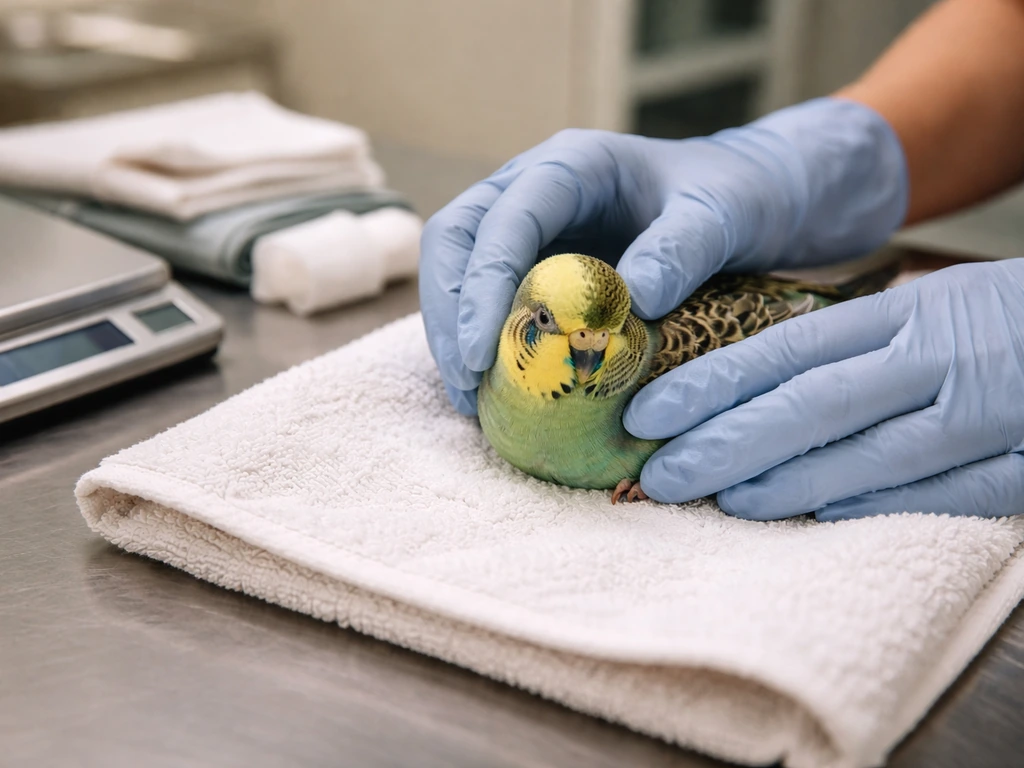
An avian vet visit for weight loss typically includes a hands-on physical exam, a precise weight measurement, and palpation of the keel bone and abdomen. The vet will assess the bird's overall condition, look at feather quality, check the eyes, nares, and vent, and listen to breathing. From there, the workup depends on what they find.
Common diagnostics for a bird losing weight include fecal examination (microscopy for parasites, yeast, and bacteria), fecal Gram stain, bloodwork (complete blood count and chemistry panel to check organ function, infection markers, and nutritional status), and sometimes imaging like X-rays to look at organ size, air sacs, and crop or GI contents. In some cases endoscopy is used to directly examine the GI tract.
You can make the visit significantly more productive by coming prepared. Here's what to bring and know before you go:
- A written weight log showing how much the bird weighed and when, ideally over at least several days.
- A fresh dropping sample collected that morning on clean foil or plastic wrap (not refrigerated).
- A clear description of the bird's current diet: exact brand of seed or pellets, any fresh foods, treats, and how much it normally eats versus what it's eating now.
- Notes on when you first noticed the weight loss and any other changes (behavior, droppings, activity, feathers, breathing).
- A list of any changes in the household in the past few weeks: new pets, new people, moved cage, renovations, new cookware, cleaning products used nearby, or travel.
- Information about any other birds in the home and whether they are also showing signs.
- Any previous vet records or test results if the bird has been seen before.
Ask the vet directly: What is the most likely cause based on what you're seeing? What do you want to rule out first? If tests come back normal, what's the next step? And ask what signs at home should prompt you to call back sooner. A good avian vet will welcome these questions, and having them answered means you leave the appointment with a clear plan rather than uncertainty.
FAQ
If my bird is eating, why is it still losing weight?
Yes. If the bird is still eating but losing weight, it often suggests nutrient malabsorption, chronic infection, organ dysfunction, or inadequate diet quality (for example low-protein pellets or stale food). If intake seems reduced, the cause is more likely reduced appetite or pain, mouth or crop issues, or competition at the dish. Either way, log food intake observations and bring the weight trend to an avian vet, because “eating less” and “absorbing less” require different workups.
How many days of weight loss count before I should worry?
Weighing daily works best, but use averages, not single numbers. A one-off dip can happen after a stressful day, a different time of day, or a full vs empty crop. Track at least 7 to 14 days if the bird is stable, and call sooner if the trend is clearly downward or loss is faster than expected. If your daily scale reading differs by more than about 2 grams for a small bird, double-check that the scale is level and the bird is weighed the same way each time.
My bird looks thinner, but I have not weighed it yet, should I assume it is weight loss?
You should not rely on body condition alone. Keel bones becoming more prominent can reflect weight loss, but birds can also look thin from poor posture, feather changes, or dehydration. Use a gram scale and look for paired changes like less appetite, altered droppings, reduced perching balance, or feather dullness. If you only notice the keel and no other changes, still monitor closely, but weight data helps prevent underreacting.
What if I have more than one bird, could another bird be causing the weight loss?
If you have multiple birds, the safest approach is to identify individual intake and body weight. Use separate weighings and consider feeding stations where birds cannot physically block each other (different heights and locations). Also watch for a dominant bird taking the best foods first, leaving the lower value items untouched. Even if the dish looks “shared,” one bird can still be effectively not eating.
Can I use supplements or a dewormer at home to stop the weight loss?
Not typically, because bird scales and medications are tricky. Do not start human appetite stimulants, antibiotics, dewormers, probiotics, or supplements without an avian vet. These can mask symptoms, worsen GI problems, and delay identification of parasites, yeast, crop stasis, or respiratory disease. If the bird is not eating or is breathing abnormally, prioritize urgent vet guidance instead of home treatment.
Is weight loss ever normal during a molt, and how can I tell?
A small amount of weight fluctuation during molt can be normal, but sustained loss or accelerating loss is not. As a practical rule, if the bird continues dropping after feathers are mid-growth, or the keel becomes more pronounced day to day, assume it is not “just molt.” Also pay attention to appetite and droppings, if either is changing, treat the situation as potentially medical even during seasonal shedding.
Can birds hide illness and still lose weight even if they look okay?
Yes. Some birds hide illness and keep eating early on, then decompensate quickly. So if weight is trending down, you should still treat it as clinically significant even when behavior seems mostly normal. Pair the weight log with a daily check for droppings changes, breathing quality, and crop appearance after eating.
How should I collect droppings for a vet exam if my bird is losing weight?
If you find abnormal droppings, collect a fresh sample promptly and keep it at room temperature. Only refrigerate if your vet specifically asks, because cooling can affect certain tests and timing. Bring the most recent sample plus 2 to 3 days of observations about color, urate amount, and consistency. If possible, avoid contaminating the sample with seed hulls or bedding.
When is weight loss an emergency versus “schedule soon”?
It depends on what else is happening. If the bird is not eating, has open-mouth breathing, tail bobbing, severe inactivity, or is unable to perch normally, treat it as urgent and contact an avian emergency service right away. If the bird is eating, drinking, and acting mostly normal but the weight trend is clearly downward, schedule an avian vet visit soon, typically within a couple of days, because gradual loss can still reflect serious disease.
If my bird stops eating, does that automatically explain the weight loss?
A refusal to eat can stem from pain (mouth sores, swallowing pain), crop problems (stasis or irritation), nausea from GI disease, or breathing discomfort that makes eating too taxing. That is why you should not only ask “is the bird eating,” also note whether it is swallowing, whether the crop looks enlarged after meals, and whether breathing seems effortful. If the bird is not eating at all, prioritize urgent vet guidance rather than waiting for a weight to catch up.
What information should I track at home to help the avian vet figure it out faster?
Yes, and it helps the vet interpret the situation faster. The most useful home data are daily weight readings, what the bird ate and how much (even rough notes), water intake observations, droppings description changes, and any recent environmental changes (cage move, temperature shift, new roommate, new cleaning product, scented items). Also include the bird’s normal baseline behavior, since prey animals can mask weakness.