
If your bird is staying awake at night, refusing to settle, or seems restless when it should be sleeping, the most likely culprit is something in the environment: too much light, noise, an inconsistent schedule, or a perch that's uncomfortable. Those are fixable tonight. But if your bird is also showing signs like open-mouth breathing, tail bobbing, nasal discharge, or extreme fluffing, that's a different story and means a vet call, not a cage rearrangement.
Why Is My Bird Not Sleeping? Causes and Quick Fixes

Marcus Chen
27 Jun 2026
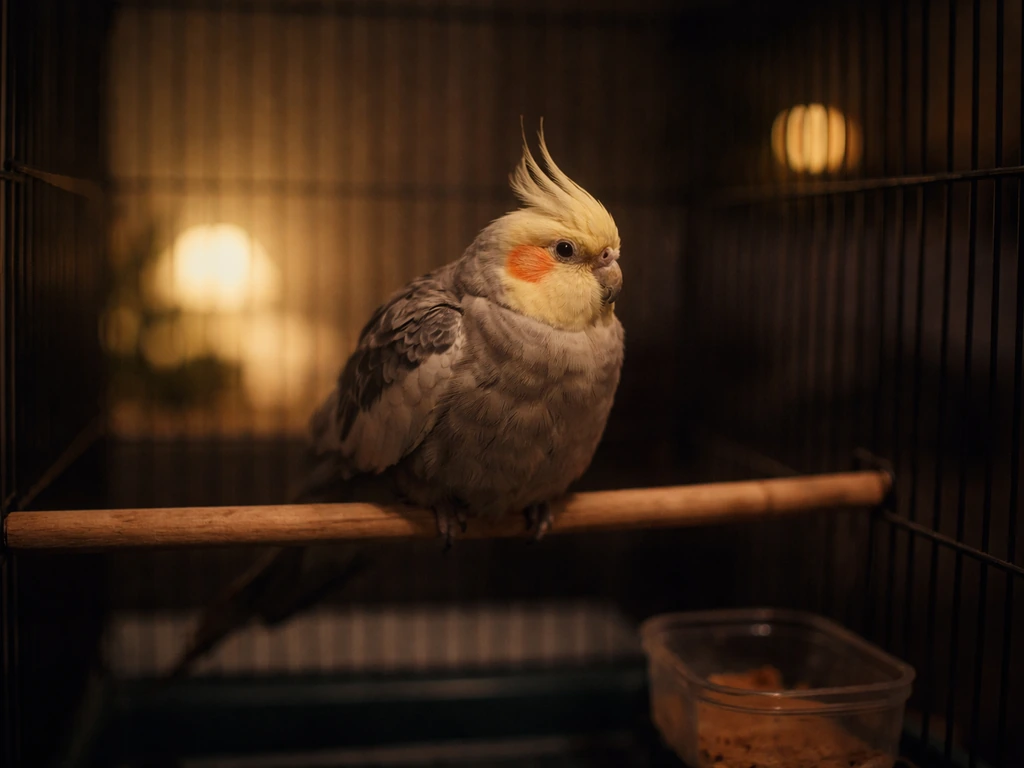
What normal bird sleep actually looks like
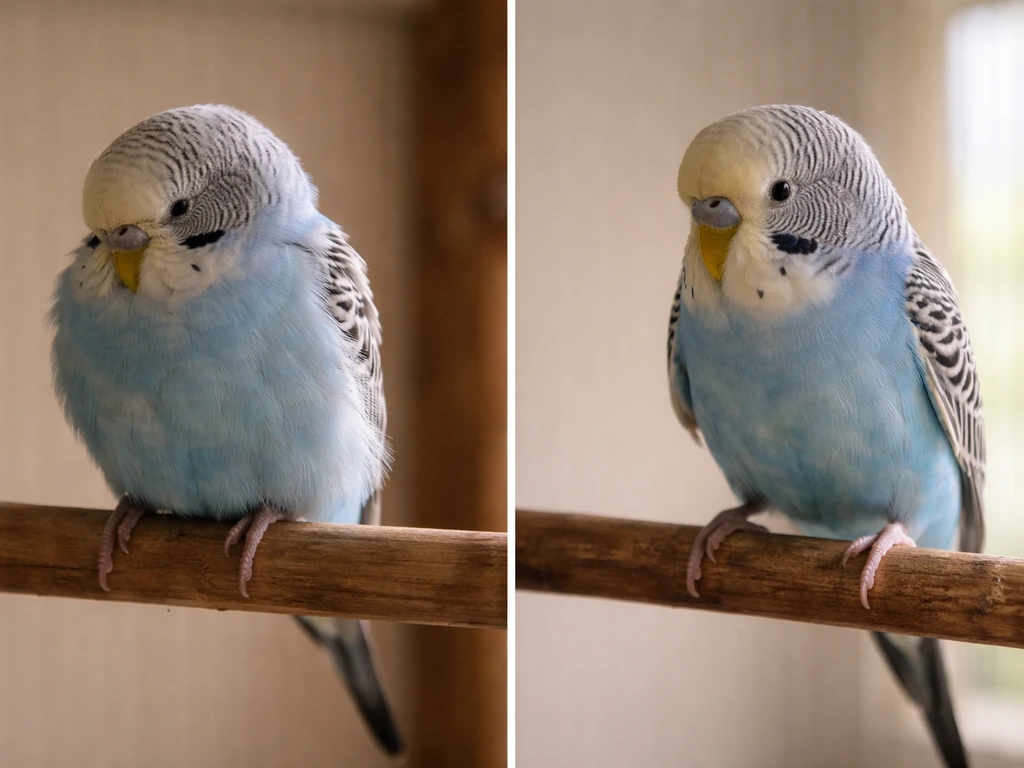
Before you decide something is wrong, it helps to know what you're looking for. Birds sleep differently from mammals, and what looks like 'not sleeping' to a new owner is often perfectly normal bird behavior.
Most pet birds are diurnal, meaning they're active during the day and sleep at night. A healthy bird needs around 10 to 12 hours of darkness and quiet each night. During that time, they don't just close their eyes and go still. Birds can sleep with one eye open, literally. This is called unihemispheric sleep, where one half of the brain rests while the other stays alert for predators. So if your bird is sitting quietly on its perch with one eye cracked open, that's actual sleep.
Common signs that your bird is genuinely sleeping include: one or both eyes closed (or half-closed), head tucked back and bill nestled into the feathers between the wings, body feathers slightly puffed to retain warmth, and standing on one leg. That one-leg posture is completely normal. Birds have a tendon-locking mechanism in their feet that keeps them gripped on a perch without any conscious effort, so they won't fall.
When owners say their bird 'isn't sleeping,' they usually mean one of two things: the bird is visibly awake and active late at night when it should be winding down, or the bird seems to be sleeping far less than usual and looks tired or off during the day. Both scenarios matter, but they point to different causes.
Quick checks you can do right now
Before diving into causes, spend five minutes doing a calm, close observation. Don't stress the bird out by handling it, just watch from a comfortable distance.
- Posture: Is the bird sitting upright and alert, or hunched and fluffed? Mild fluffing at bedtime is normal. Extreme, sustained fluffing during the day is a flag.
- Breathing: Is the chest moving smoothly and quietly? Open-mouth breathing, tail bobbing with each breath, or any clicking or wheezing sounds are not normal at rest.
- Eyes and nose: Any discharge, crustiness, or swelling around the eyes or nostrils? Clear, dry nares are normal. Wet or gunky ones are not.
- Perch grip: Is the bird holding on comfortably, or shifting weight constantly? Foot pain, overgrown nails, or bumblefoot can make perching uncomfortable enough to disrupt sleep.
- Activity window: Is the bird awake and active late into the evening, or waking up frequently during what should be its sleep hours?
- Droppings: Any changes in color, consistency, or frequency? Droppings that look very different from normal can be an early illness indicator.
If everything above looks normal and the bird seems physically fine, you're almost certainly dealing with an environmental or behavioral issue. If everything above looks normal and the bird seems physically fine, you could still be dealing with a feeding problem, such as why my cockatiel bird is not eating. Keep reading.
Environment and routine are usually the real problem
This is where the answer lives for most birds. The environment doesn't have to be obviously chaotic to disrupt sleep. Even low-level light, a TV left on in the next room, or a cage positioned near a drafty window can be enough to keep a bird from settling properly.
Light is the biggest one
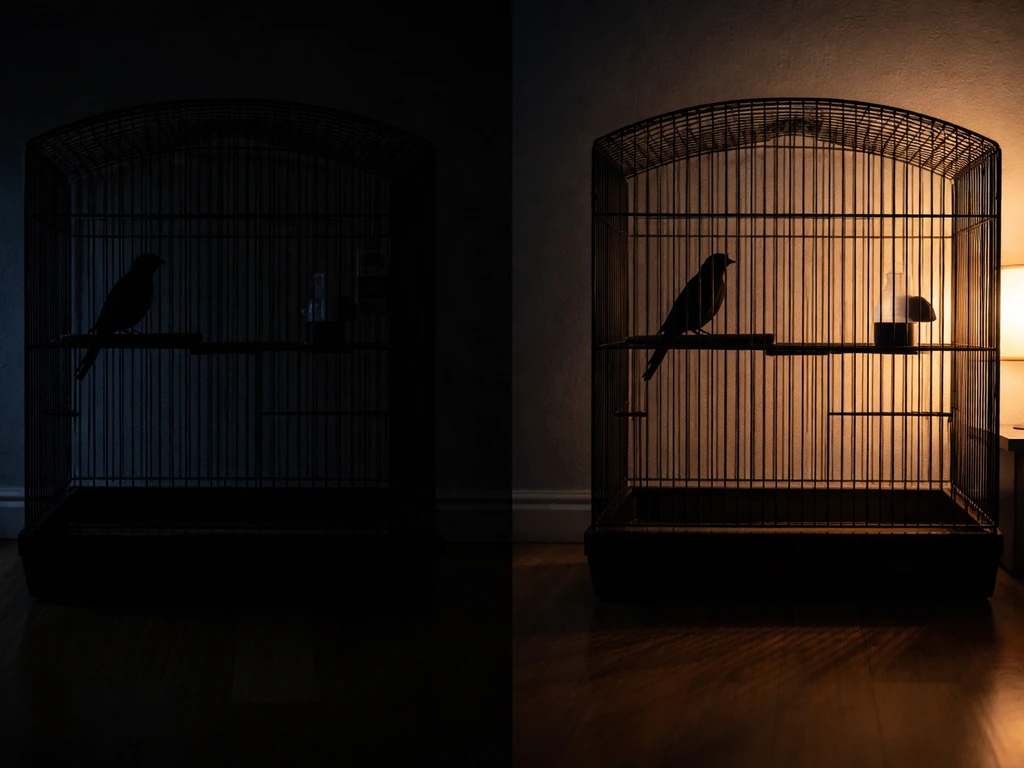
Birds are extremely sensitive to light. Even ambient light from a street lamp outside, a phone screen across the room, or a nightlight in the hallway can interfere with the natural light-dark cycle that tells a bird's brain it's time to sleep. Research confirms that light exposure at night directly suppresses sleep in diurnal birds. If your bird's cage is anywhere near a window with outside light, or in a room where lamps or screens stay on into the evening, that's your first suspect.
Noise and household activity
A TV on in the background, people talking, pets moving around, or even the hum of appliances can prevent a bird from reaching deep sleep. Birds in the wild would have near-total quiet after dark. Household noise doesn't have to be loud to be disruptive.
Cage placement
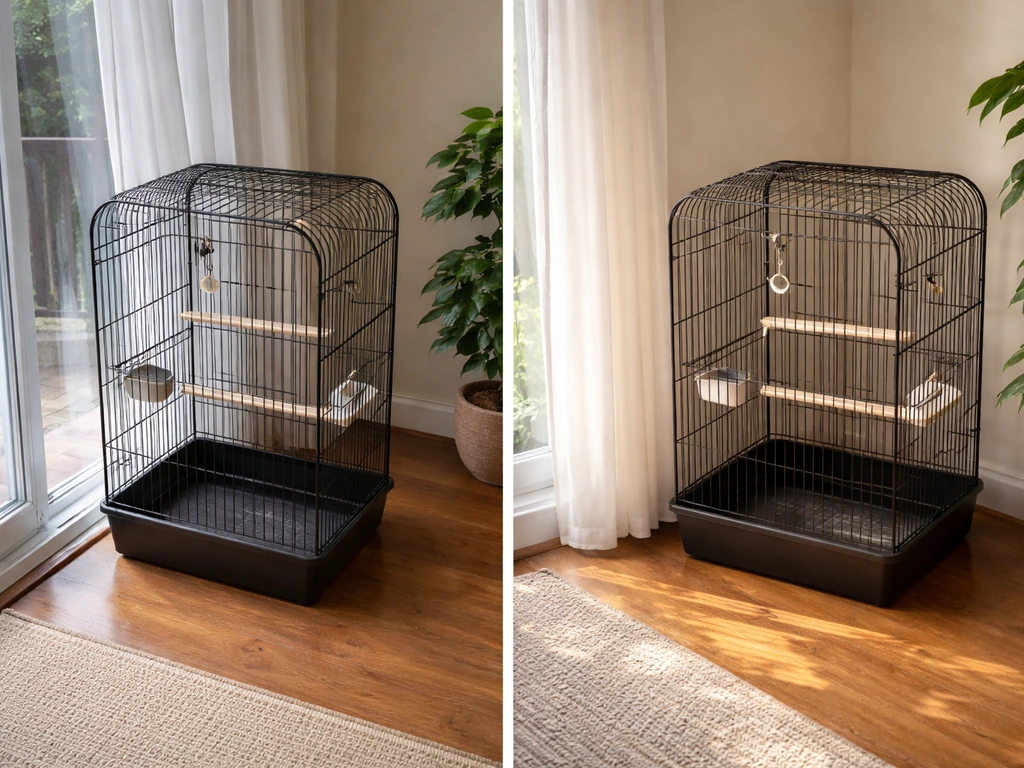
Where the cage sits matters more than most people realize. Drafts are a major problem, and a cage near an air conditioning vent, an exterior wall, or a frequently opened door can expose a bird to temperature swings that disturb sleep. High-traffic areas of the home mean the bird gets visual and sound stimulation at the wrong hours. Cold temperatures at night are also an issue: most pet birds do best between 65 and 80 degrees Fahrenheit, and a drop below that at night can cause restlessness.
Inconsistent schedule
Birds thrive on routine. If your household schedule changes frequently, or if bedtime and wake-up times vary by hours from day to day, your bird's internal clock gets confused. A bird that stays up with the family until 11 PM some nights but is put to bed at 8 PM other nights will have a harder time settling consistently.
Stress, overstimulation, and behavioral causes
Even when the physical environment is fine, behavioral and emotional factors can keep a bird awake. If your bird is lethargic rather than just restless at night, the same quick-environment checks may not be enough, and you should also look for illness or pain why is my bird lethargic. Birds are sensitive, intelligent animals, and stress disrupts their sleep just like it does for us.
- New home or new surroundings: A recently adopted bird or one that has moved to a new cage location may take days or even weeks to feel settled enough to sleep deeply.
- Changes in handling or social routine: If you've suddenly been spending more or less time with your bird, or if there's been a change in who handles it, that emotional disruption can show up as restlessness at night.
- New pets or people in the home: A new dog, cat, or baby can put a bird on constant alert. Even if the threat isn't real, the bird's instincts don't know that.
- Boredom and overstimulation: Too little daytime enrichment can leave a bird with excess energy at night. But the opposite can also happen: too much exciting stimulation late in the evening keeps a bird mentally activated when it should be winding down.
- Fear responses: A bird that's been startled at night (by a shadow, a noise, another pet brushing the cage) may develop 'night frights,' where it panics suddenly in the dark. This is especially common in cockatiels.
Health issues that can disrupt sleep
When the environment and routine seem fine but the bird is still not settling, or when the bird looks unwell on top of not sleeping, you need to think about health. If your main concern is weight loss, that can be a separate but related health issue worth reading about in our guide on why is my bird losing weight. Birds are good at hiding illness, so by the time symptoms are obvious, the problem has often been building for a while.
Respiratory problems
Any difficulty breathing will prevent restful sleep. blank" rel="noopener noreferrer">Signs of respiratory distress include open-mouth breathing when the bird is at rest, tail bobbing with each breath (not to be confused with normal tail movement during singing or right after exercise), nasal discharge, and audible sounds like clicking or wheezing. These signs are not normal and need veterinary attention. If your bird is not eating or drinking as well, treat that as an urgent sign and contact an avian vet right away veterinary attention. Air quality issues like cigarette smoke, cooking fumes, or aerosol sprays in the home can also cause respiratory irritation that disrupts sleep without causing full-blown illness.
Pain and physical discomfort
A bird that's in pain won't sleep well. Overgrown nails or foot problems like bumblefoot can make perching painful, causing the bird to shift constantly and never fully relax. GI discomfort, injuries, or internal pain can produce the same restlessness. Watch for a bird that keeps changing positions, seems reluctant to put weight on a foot, or vocalizes at unusual times.
Skin irritation and itching
Mites, feather conditions, dry skin, or early-stage feather plucking can all cause itching that keeps a bird awake. If your bird is preening excessively at night, scratching at its skin, or you notice feather damage, that's worth investigating.
Hormonal and reproductive changes
Hormonal surges, especially during breeding season or in birds with chronic egg-laying, can cause restlessness, night activity, and behavioral changes that look a lot like sleep disruption. If your bird is showing nesting behavior, regurgitating food, or becoming unusually territorial along with the sleep changes, hormones are likely involved.
It's also worth knowing that sleep disruption doesn't always look like restlessness. Sometimes a bird sleeping too much, acting lethargic, or barely moving can indicate illness just as clearly as a bird that won't settle. If lethargy or unusual stillness is part of the picture, that's worth taking as seriously as wakefulness.
A step-by-step plan to help your bird sleep tonight
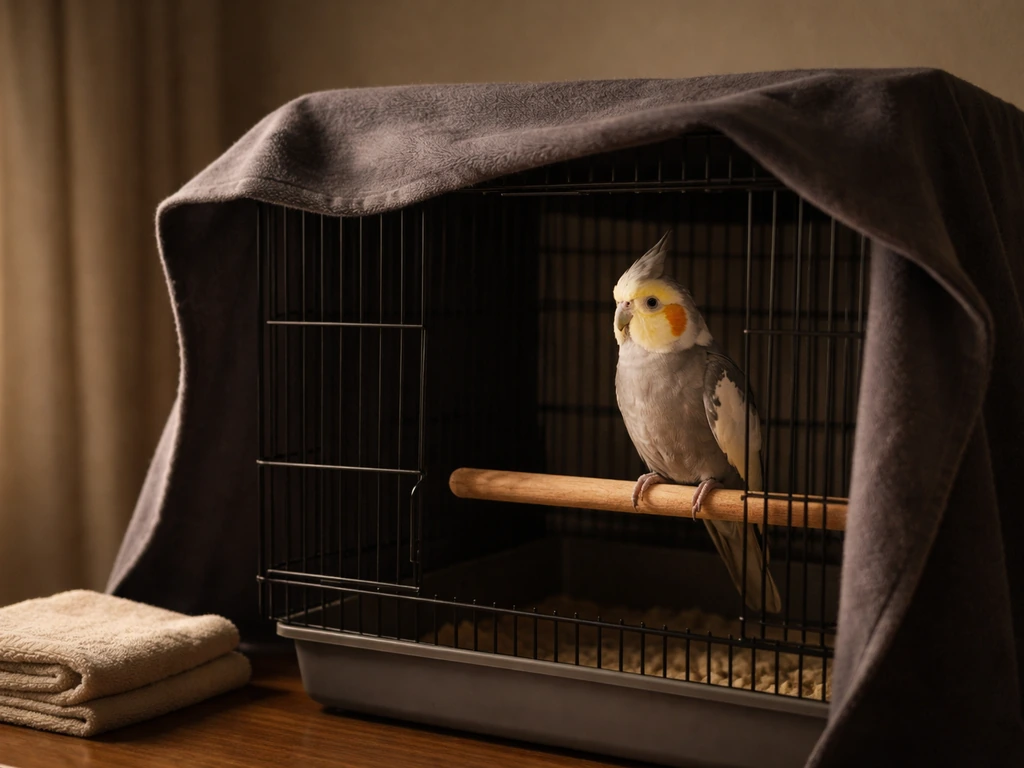
If your quick checks came back clean and no red flags are present, here's what to do immediately. This is a practical reset for your bird's sleep environment and routine.
- Set a consistent bedtime and stick to it. Aim for 8 to 10 PM at the latest. Your bird should be getting 10 to 12 hours of darkness every single night, including weekends.
- Cover the cage with a breathable, opaque cage cover at bedtime. A proper cover blocks light completely while allowing airflow. Don't use plastic or anything that traps heat. If you don't have a cover, a breathable dark cloth works.
- Move the cage away from windows, vents, exterior walls, and high-traffic areas if you haven't already. A corner of a quieter room is ideal.
- Turn off or dim all light sources near the cage at least 30 minutes before bedtime. That includes TVs, phone screens, and lamps.
- Keep the room temperature stable and comfortably warm. Anywhere between 68 and 75 degrees Fahrenheit overnight works for most pet birds.
- Wind down evening stimulation. Avoid loud play sessions, new toys, or exciting interaction in the hour before bedtime. Give your bird a calm, predictable pre-sleep signal (like a soft 'goodnight') each night.
- Check the perches. Make sure at least one perch is the right diameter for your bird's feet, positioned away from food and water dishes so droppings don't contaminate them, and not wobbly or slippery. Uncomfortable perches are an underrated cause of sleep trouble.
- Check nails. Overgrown nails can cause a bird to grip awkwardly and uncomfortably. If they're curling or catching on things, a trim is needed.
- Assess daytime enrichment. A bored bird has pent-up energy at night. Make sure your bird gets adequate mental and physical stimulation during daylight hours so it's genuinely ready to rest when dark comes.
- Give the new setup at least three to five nights before deciding it isn't working. Routine changes take time.
When to stop troubleshooting and call an avian vet
Environmental tweaks are the right first step when your bird seems physically fine. But some situations should not be managed at home, and waiting can cost your bird precious time. Birds mask illness well, and by the time symptoms are visible, they often need prompt care.
Contact an avian vet promptly if you see any of the following:
- Open-mouth breathing at rest, or audible respiratory sounds like clicking, wheezing, or rattling
- Tail bobbing with each breath when the bird is sitting still
- Any discharge from the nostrils, eyes, or mouth
- Extreme, sustained fluffing combined with inactivity (not just a brief bedtime puff)
- The bird is losing grip on its perch, falling, or unable to hold a normal posture
- Significant changes in droppings: very watery, discolored, or absent
- Visible injury, swelling, or obvious pain response when touched
- No improvement after five to seven days of consistent environmental and routine changes
- The bird has stopped eating or drinking alongside the sleep changes
Respiratory signs and discharge from the eyes or nares in particular should be treated as urgent, not a 'wait and see' situation. These can indicate infections or conditions that progress quickly in birds.
This guide is meant to help you identify what's going on and take practical steps, but it's not a substitute for a hands-on evaluation by an avian vet when something seems genuinely wrong. Trust your instincts: if your bird just doesn't seem right, get it checked out. If your bird is also weak or lethargic, that can point to a health problem, so focus on symptoms and get professional advice if it does not improve.
FAQ
How dark does the room need to be if my bird isn’t sleeping?
Aim for a true 10 to 12 hours of darkness, not “dim.” Even small light sources, like a nightlight, screen glow, or streetlight through blinds, can delay melatonin and keep a diurnal bird in a lighter sleep. If you can’t eliminate the light, cover the cage with a breathable, dark sleep cover and ensure ventilation so airflow is not blocked.
My bird is quiet at night but keeps changing perches, is that still “not sleeping”?
Occasional small posture changes can be normal, especially if the bird is warming up or adjusting feathers. The red flag is frequent re-positioning with signs of discomfort, like tail bobbing as breathing, leaning away from one foot, or vocalizing while trying to settle. If switching perches repeats for hours, treat it as a comfort or health issue rather than a routine problem.
Is it normal for my bird to sleep with one eye open?
Yes, unihemispheric sleep can look like “it’s awake,” but the body should still show normal sleep posture: head tucked, eyes half-closed, and relatively still breathing. If the bird is moving around, calling, or responding to household activity late at night, it’s more likely not reaching sleep depth.
What’s the best cage cover setup if my bird isn’t sleeping?
Use a cover that blocks light without overheating, and avoid covering too loosely or letting fabric touch the bird if it can reach it. Make sure the cover does not trap drafts near the bird, and leave enough airflow for comfortable temperature. If the cover makes the bird more restless, remove it and focus on light and noise control instead.
How can I tell the difference between stress-related wakefulness and illness?
Stress usually shows up as restless scanning, heightened responsiveness to sounds or movement, and inconsistent settling without obvious breathing or discharge signs. Illness or pain often includes physical red flags, like open-mouth breathing, nasal or eye discharge, tail bobbing with breathing, sudden lethargy, reduced droppings, or avoiding one foot. If you see any respiratory or “not eating” changes, prioritize an avian vet over behavior tweaks.
Can an inconsistent bedtime actually cause night wake-ups even if my bird seems “fine” otherwise?
Yes. Birds rely on a stable internal clock, so shifting bedtime by several hours can produce night activity. Track the schedule for a week and keep wake-up and dark periods within about 30 to 60 minutes. Also check for weekend differences, like later family returns home that keep noise and light levels up.
My bird stays awake when the TV is on, but sleeps when it’s off. What’s the practical solution?
Treat evening media time like a threat to sleep depth. Keep the TV off entirely during the dark window, or move the cage to a quieter room and reduce nearby reflective light. If moving the cage isn’t possible, use curtains to block direct screen glow and reduce household foot traffic during bedtime.
Temperature seems okay during the day. Could night cooling still be the reason my bird isn’t sleeping?
Definitely. Birds can get restless when overnight temperatures drop below their comfort range. Check the temperature near the cage, not just where you stand, and avoid placing the cage by exterior walls, drafty vents, or doors that open at night. If needed, use gentle room heating rather than directing airflow toward the cage.
Could food timing affect sleep, and when should I feed my bird at night?
Feeding right before bedtime can reduce settling in some birds, either by increasing activity around lights-out or by causing digestive discomfort. If your bird reliably wakes after dinner, try feeding earlier in the evening and ensure the last feeding is completed well before lights-out. Also confirm the bird is getting enough daily nutrition earlier, since underfeeding can also lead to daytime tiredness.
What if my bird is very young or molting, can that change sleep patterns?
Juveniles and molting birds may have temporary schedule disruption, increased preening, and more nighttime movement. However, persistent open-mouth breathing, discharge, or prolonged lethargy still warrants veterinary advice. For molt-related itching, you can improve air humidity slightly and ensure no aerosols or smoke are present, but do not ignore ongoing physical symptoms.
When should I stop troubleshooting at home and call an avian vet?
Call promptly if you see respiratory signs (open-mouth breathing at rest, clicking or wheezing, nasal discharge), any discharge from eyes or nares, reduced eating or drinking, repeated severe restlessness that doesn’t improve after dark and quiet adjustments, or sudden weakness. Waiting is riskier with birds because they hide illness, so if your “quick fixes” do not work within a day or two and the bird looks off, get professional evaluation.