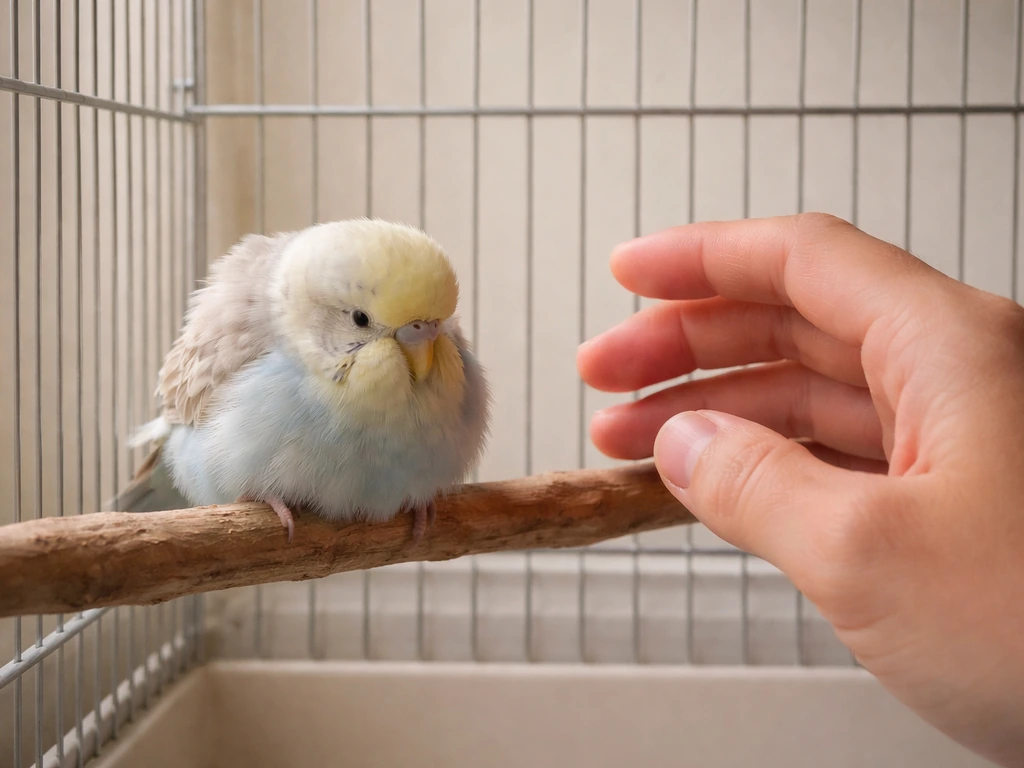
A lethargic bird is one of the most serious signs you can see as a bird owner, and it almost always means something is wrong. Unlike a dog or cat that might just be having a lazy afternoon, birds are prey animals that instinctively hide illness until they physically can't anymore. By the time your bird looks visibly tired, weak, or unresponsive, it has usually been feeling unwell for a while. That means you don't have the luxury of a "wait and see" approach for more than a few hours. If your bird is also not moving normally, use the safety checks in the next section to rule out emergencies like breathing or temperature problems.
Why Is My Bird Lethargic? Triage and Emergency Signs

Marcus Chen
12 Jun 2026
What lethargy actually looks like in pet birds
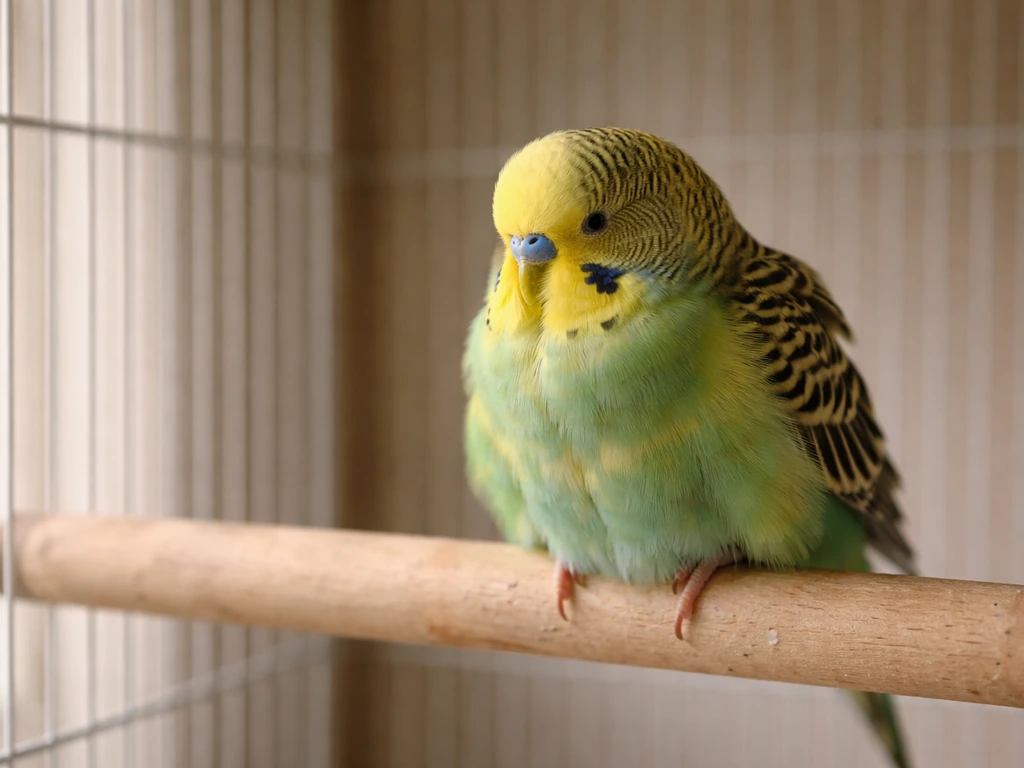
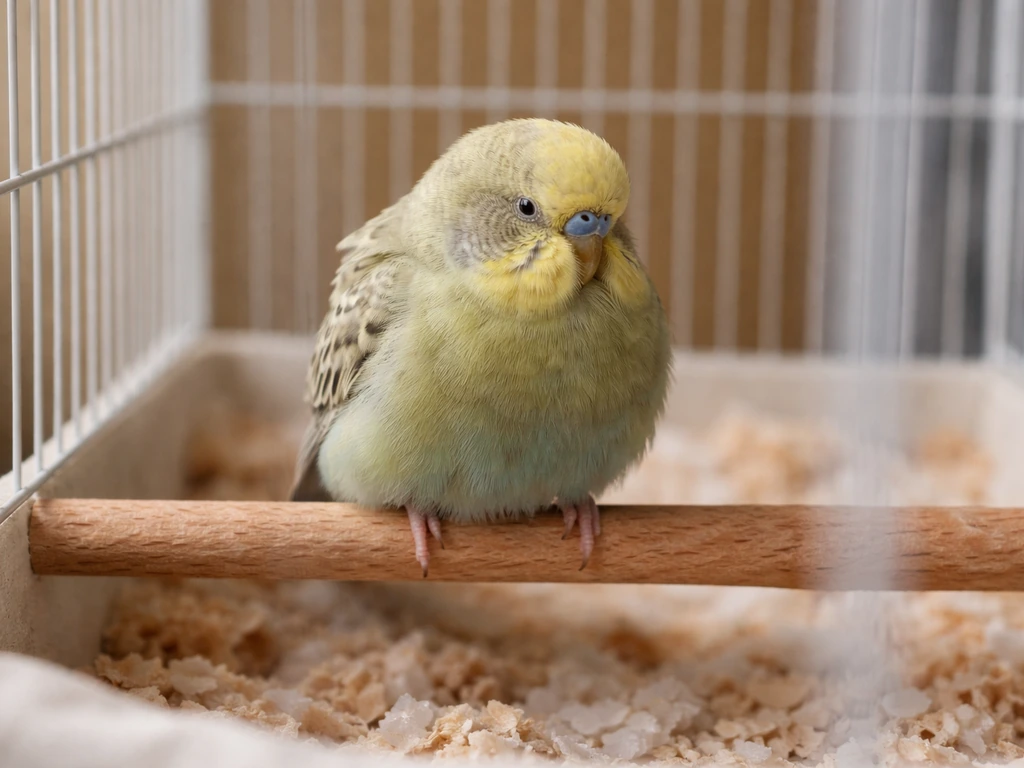
Lethargy in birds isn't just sleepiness. It's a cluster of signs that tell you the bird doesn't have its normal energy or drive. Knowing exactly what to look for helps you tell the difference between a bird that's just resting and one that needs help.
The most common signs across species include sitting fluffed up with feathers puffed out, reduced vocalizing (a usually chatty bird going quiet), sitting low on a perch or dropping to the cage floor, eyes partially or fully closed outside of normal sleep times, slow or no reaction to movement near the cage, and reduced grip strength when perching. A bird that normally flies to greet you and is now sitting motionless in a corner is showing you a red flag.
Species differences matter here. A budgie or finch that sits on the cage floor is in serious trouble since these small birds almost never do this when healthy. Cockatiels and lovebirds that fluff up and stop chirping during active daytime hours are also a clear warning. Larger parrots like African Greys, Amazons, or Conures are more expressive, so you might also notice reduced talking, no interest in food or interaction, and a posture that looks hunched or low. Canaries going quiet and sitting puffed on a low perch is another classic warning sign. If you have a young or elderly bird, their baseline energy is different, but true lethargy still stands out clearly from normal rest.
It's worth noting that lethargy, weakness, and not moving can overlap significantly. If your bird seems unable to perch, keeps falling, or simply won't move, that crosses from lethargy into something more urgent.
Do these safety checks right now
Before anything else, run through these three quick checks. They take less than five minutes and will tell you whether this is a potential emergency or something you have a little more time to assess.
Check breathing first
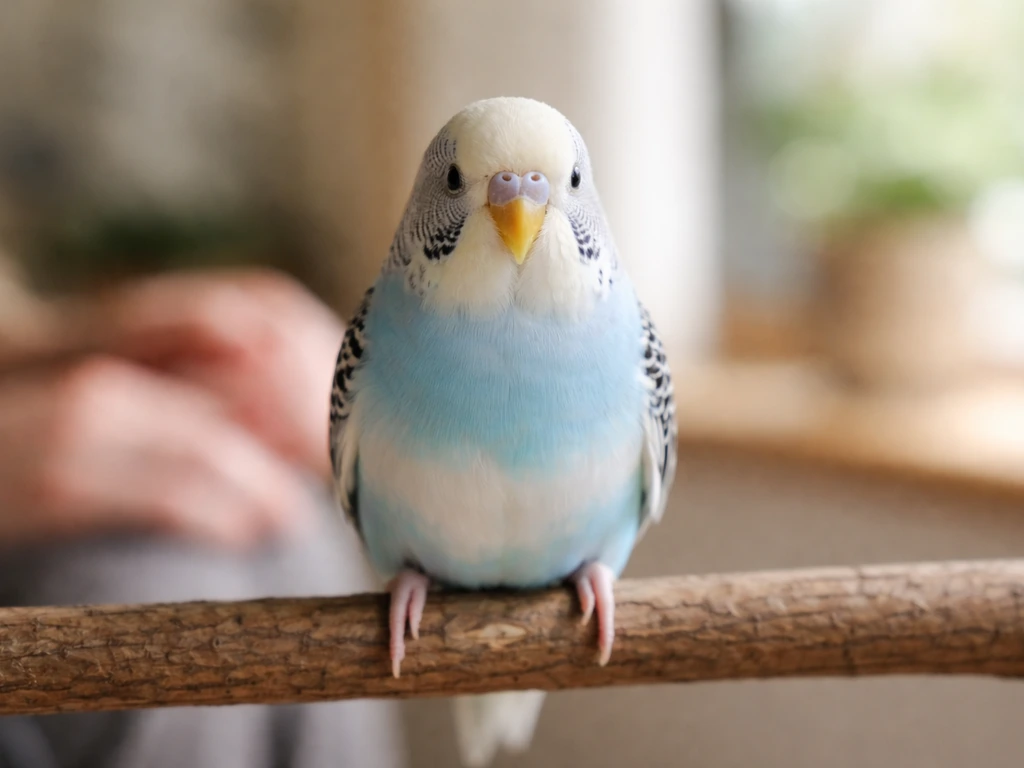
Watch your bird's breathing for 60 seconds without disturbing it. Normal resting respiratory rates are roughly 30 to 60 breaths per minute for small birds under 300 grams (budgies, cockatiels, finches) and 15 to 30 breaths per minute for larger birds in the 400 to 1,000 gram range. Anything that looks labored, fast, or effortful is concerning. Specific red flags are open-mouth breathing, tail bobbing in rhythm with each breath, a clicking or wheezing sound, flared nostrils, or visible effort from the whole body with each breath. Any of these means this is likely an emergency.
Check temperature
Birds run a naturally high internal temperature of around 103 to 106 degrees Fahrenheit. When a bird is sick, it struggles to maintain that temperature and can get dangerously cold very quickly. Feel the bird's feet and keel bone (the flat chest bone). Cold feet and a sharp, prominent keel can indicate a bird that is hypothermic and in need of warmth immediately. On the flip side, check the ambient temperature in the room. If the cage is near a heat vent, in direct sun, or in a warm room above 90 degrees Fahrenheit, your bird might be overheating. Signs of overheating include panting, holding wings away from the body, and restlessness before lethargy sets in.
Check hydration
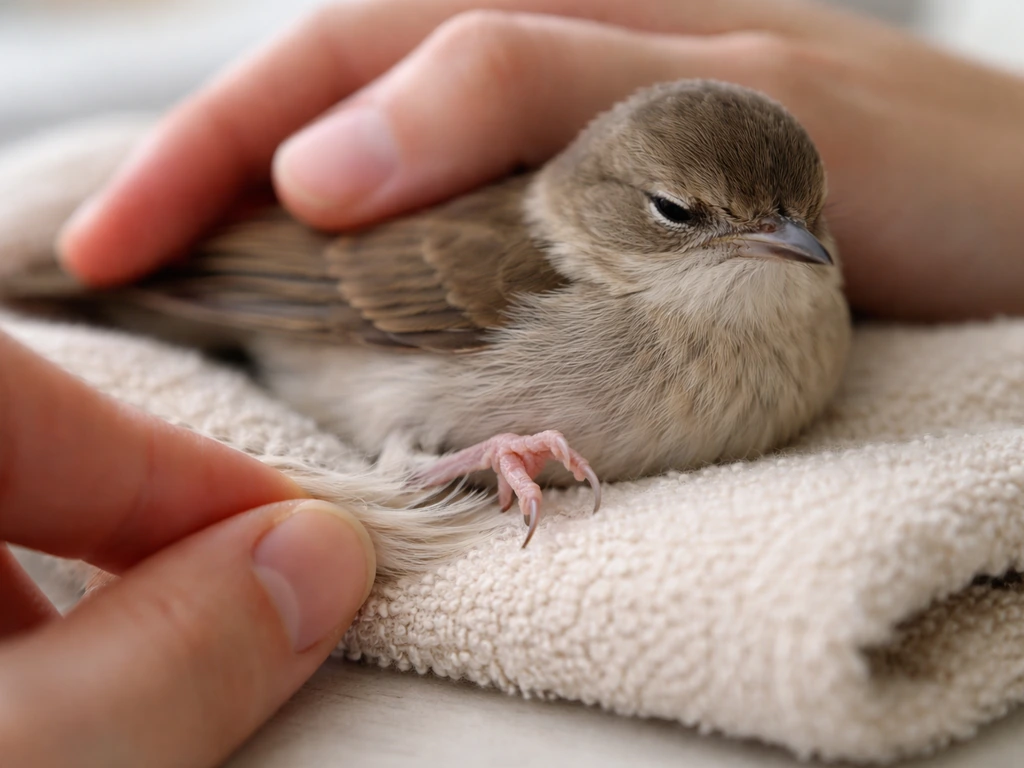
A simple field test for dehydration is to gently pinch the skin on the bottom of one foot between your fingers. In a well-hydrated bird, the skin springs back immediately. If it stays tented or takes more than a second to return to normal, the bird is likely dehydrated. Also check the water dish: has it been drinking? Is fresh water available? Dehydration in a sick bird happens quickly and can make everything worse.
The most common reasons birds become lethargic
There are several categories of causes. This isn't meant to help you diagnose your bird, but knowing the common culprits helps you gather the right information for your vet and understand what might be happening.
Infection or illness
Bacterial and viral infections are among the most common causes of sudden lethargy in pet birds. Respiratory infections are especially prevalent and often flare up when a bird's immune system is compromised by stress, a change in environment, or exposure to a new bird. Respiratory tract diseases are very common in pet birds, and weakened or stressed birds with decreased immune function may be more likely to develop them Respiratory infections are especially prevalent. Signs that point toward infection include nasal discharge, changes in voice, coughing, sneezing, and changes in droppings. GI infections can show up as diarrhea, vomiting, and loss of appetite alongside the lethargy. Systemic infections can make a bird go downhill fast.
Toxin or poisoning
This is one of the most urgent causes and can be easy to miss. Common household sources of toxicity in pet birds include heavy metals from certain toys, costume jewelry, mirror backings, hardware cloth, curtain weights, and some old blinds. Non-stick cookware (PTFE/Teflon) fumes are especially deadly to birds and can cause sudden death with almost no warning. Other potential toxins include certain houseplants, scented candles, air fresheners, and cleaning products used near the cage.
Signs of poisoning can include sudden lethargy, weakness, wobbling or ataxia, regurgitation, diarrhea, seizure-like activity, and collapse. If you are asking “why is my bird weak,” it is often related to one of these underlying causes, so focus on urgency signs and possible triggers. If you suspect toxin exposure, this is an emergency.
Egg binding (in female birds)
If you have a female bird, especially a budgie, cockatiel, lovebird, finch, or canary, egg binding is a serious possibility when lethargy appears suddenly. A bird that is egg-bound has a retained egg it cannot pass and will typically sit on the cage floor looking fluffed and depressed, with closed eyes, possible tail bobbing, and signs of straining. This is a medical emergency. Do not wait on this one.
Pain or physical trauma
A bird that flew into a window, was grabbed by another pet, fell, or injured a leg or wing will often sit quietly and look lethargic as a pain response. Look for asymmetry in the wings or legs, any obvious swelling, a wing drooping lower than normal, or the bird favoring one foot. If you know or suspect a physical injury occurred, gentle warmth and quiet are supportive first steps while you arrange veterinary care.
Overheating or cold exposure
Drafts, cold rooms, or overnight temperature drops can stress a bird's system significantly. Birds placed near air conditioning vents, drafty windows, or in rooms that drop below 65 degrees Fahrenheit at night are vulnerable. Equally, a cage in direct summer sun or near a heat source can cause heat exhaustion. Both extremes show up as lethargy.
Nutritional problems
A bird living on a seed-only diet long-term is at real risk of nutritional deficiencies that quietly build up and then show as weakness, lethargy, and weight loss. Weight loss is another common clue that can go along with lethargy, so it helps to consider nutritional problems as a possible cause why is my bird losing weight. Vitamin A deficiency is particularly common in seed-fed birds and affects immunity, skin, and mucous membranes. Lethargy from nutritional causes tends to develop gradually rather than suddenly, but it absolutely happens.
Stress
A major change, a new pet in the home, loud construction, a moved cage, a new family member, or even rearranging furniture near the cage can genuinely stress a bird to the point of visible lethargy. Stress also lowers immune function, making the bird more susceptible to infections at the same time.
What other clues your bird is giving you
Lethargy rarely shows up alone. Looking at these companion signs together gives you a much clearer picture of what's going on and what to tell your vet.
Droppings
Normal droppings have three parts: dark green or brown formed feces, white or cream urates (uric acid crystals), and a small amount of clear liquid urine. Abnormal droppings are one of the most useful diagnostic clues you have. Yellow or bright green urates can point toward liver disease or infection. Red or black material in the droppings can suggest internal bleeding, an intestinal infection, egg binding, or a swallowed object. Very watery droppings (beyond just clear urine) often indicate GI upset or infection. If droppings look off alongside lethargy, note exactly what you see to describe to your vet.
Eating and drinking
A lethargic bird that has also stopped eating or drinking is in a more urgent situation than one that is still picking at food. If you are wondering why your cockatiel bird is not eating, start by checking whether the bird has also stopped drinking and is unusually lethargic why my cockatiel bird is not eating.
If your bird isn't eating or drinking at all, you may need to focus on the causes of that specific behavior right away why is my bird not eating or drinking. Not eating and not drinking in combination with lethargy is a sign the bird is significantly unwell. Watch closely whether your bird approaches the food dish at all, whether it's actually eating or just sitting near food, and how much water it's consumed.
Sleeping more than normal
A sick bird sleeps more, but illness sleep looks different from normal rest. If you’re wondering why your bird is not sleeping or is resting more than usual, it can be a sign of illness rather than normal behavior sleeps more. If your bird is sleeping much more than usual, it can be a sign of illness, pain, overheating, dehydration, or stress sleeping more than normal. A bird sleeping during active daytime hours, especially with feathers puffed and head not tucked normally, is showing illness behavior. Normal birds are alert and active for most of the day. If your bird is sleeping through times it is usually active and playful, that is significant.
Vomiting or regurgitation
Vomiting (undigested or semi-digested food coming up involuntarily) combined with lethargy is a serious sign. It can point to GI infection, a swallowed toxin or caustic substance, proventricular dilatation syndrome in parrots, or other internal problems. Note whether the bird seems distressed during the vomiting or whether seeds are showing up in the feces undigested, both of which are important details.
Fluffed feathers and posture
Fluffed feathers are one of the bird's ways of trying to conserve body heat, which means the bird is either cold or has a fever. Combined with closed eyes and a hunched posture, it's one of the clearest illness postures you'll see. A bird that is fluffed during the day and not reacting normally to stimuli needs attention today.
Step-by-step home triage for today
These steps are supportive and educational. They are not a replacement for veterinary care if your bird is seriously ill, but they can stabilize the situation while you arrange help or monitor a milder case.
- Move the bird to a quiet, calm room away from noise, other pets, and household activity. Stress makes a sick bird worse very quickly.
- Provide gentle warmth. Set up a heating pad on low under half of the cage or carrier (never the whole floor, so the bird can move away if it gets too warm). Aim for an ambient temperature of around 85 degrees Fahrenheit near the bird. Do not use heat if the bird is panting, holding wings away from its body, or if the room is already very warm.
- Lower the perches or remove them temporarily. Place food and water at floor level so a weak bird doesn't have to climb or risk falling. A shallow dish of water at floor level is better than a high sipper if the bird is very weak.
- Offer fresh water immediately. Make sure it's accessible. Do not force fluids into the bird's beak. Small drops placed gently at the side of the beak are acceptable only if the bird is alert and swallowing normally, but forcing fluids into an unresponsive or struggling bird can cause aspiration.
- Check and record what you see every 30 to 60 minutes: breathing rate and effort, posture, whether it moved, whether it ate or drank, and what the droppings look like.
- Remove any potential toxin sources from the area: take the bird away from the kitchen if cooking with non-stick pans, remove scented candles or air fresheners, and check for any chewed metal objects in the cage.
- Do not give any human medications, vitamins not specifically recommended by a vet, or any supplements without guidance. Well-intentioned supplements at the wrong dose can cause additional harm.
- Do not handle the bird more than necessary. Excessive handling stresses an already compromised bird and can cause its condition to worsen rapidly.
When to call an avian vet immediately
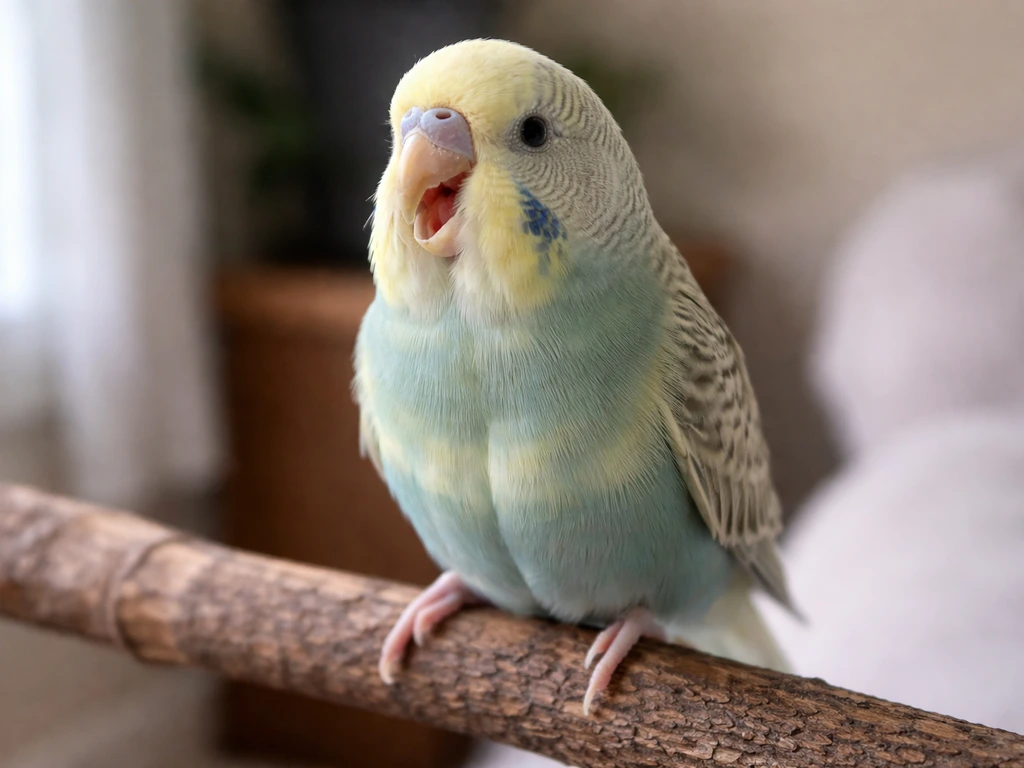
Some situations cannot wait for a regular appointment. Birds deteriorate very fast because of their high metabolic rate. If you see any of the following, contact an avian vet or emergency animal hospital right now, not tomorrow.
- Open-mouth breathing or audible wheezing, clicking, or rattling sounds
- Tail bobbing with every breath (a sign of significant breathing effort)
- Blue, pale, or grayish tissue color around the beak or feet
- Collapse or inability to stand at all
- Seizure-like activity or uncontrolled body movements
- Uncontrolled bleeding from any location
- Suspected or known toxin exposure, including non-stick cookware fumes, metals, or household chemicals
- A female bird sitting on the cage floor, straining, with a visibly swollen abdomen (possible egg binding)
- Sudden complete loss of appetite combined with no movement for several hours
- Severe trauma such as a fall, cat or dog attack, or window collision with ongoing weakness
When you call the vet, be ready to describe: the species and approximate age of your bird, how long the lethargy has been present, any other signs you've observed (droppings changes, vomiting, breathing changes), recent changes in the home or diet, and whether the bird has had any possible exposure to toxins. Bring the bird in a secure, small carrier with a low perch or soft towel on the floor, and bring any droppings you've collected on paper towel if possible. Keep the carrier warm during transport.
The threshold for calling should be low. Small birds like budgies, finches, and cockatiels can go from "not quite right" to critical within hours. If something feels off and you're genuinely unsure, a phone call to an avian vet to describe the symptoms costs nothing and could save your bird's life.
Reducing the chances of this happening again
Once your bird has recovered, it's worth looking at the setup and routine to address any vulnerabilities. Prevention isn't complicated but it does require some consistency.
Diet
A seed-only diet is one of the most common underlying contributors to poor health and immune vulnerability in pet birds. A balanced diet should include a quality pelleted food as the base, supplemented with fresh vegetables, some fruits, and limited seed as a treat. This reduces the risk of vitamin and mineral deficiencies that make birds susceptible to infections and general weakness. Fresh food should be changed daily to avoid bacterial growth.
Temperature and environment
Keep the cage in a stable-temperature room away from drafts, air conditioning vents, direct sunlight, and the kitchen. Nighttime temperature drops are a common stressor, especially in winter. Aim to keep the bird's environment between 65 and 85 degrees Fahrenheit and avoid sudden swings. Cover the cage at night if your home gets cold, and always leave ventilation.
Toxin-proofing the home
Non-stick cookware is a genuine, serious risk and is best avoided entirely in homes with pet birds. Scented candles, aerosol sprays, air fresheners, and cigarette smoke all irritate the respiratory system of birds. Clean the cage with bird-safe cleaners and rinse thoroughly. Audit toys and cage hardware for anything containing zinc, lead, or unidentified metals.
Sanitation
Clean the cage tray and perches regularly, change water at least once daily (twice if possible), and wash food dishes daily. Bacteria and mold from old food and droppings are a direct infection risk. Quarantine any new bird for at least 30 days before introducing it to your existing bird's space.
Reducing stress
Predictable routines genuinely help birds feel secure. Keep the cage in a spot with consistent social contact but not chaotic foot traffic. Make gradual rather than sudden changes to cage location, diet, or cage accessories. If you have other pets in the home, make sure the bird cannot be harassed or frightened by them, even through the cage bars.
Annual wellness checks
An annual visit to an avian vet, even when your bird seems healthy, is one of the best investments you can make. Bloodwork and a physical exam can catch nutritional deficiencies, early infections, organ stress, and other issues long before they become visible at home. Avian vets are specialists and are much better equipped to assess birds than general practice vets in most cases.
Lethargy is your bird's way of telling you it needs help. It's never normal during active daytime hours, and taking it seriously from the start is always the right call.
FAQ
My bird is lethargic but still breathing normally. When should I stop monitoring and get an emergency appointment anyway?
If lethargy is paired with not eating, not drinking, staying on the bottom of the cage, repeated fluffed posture outside normal sleeping, or any change in droppings, treat it as urgent even if breathing looks okay. Birds can mask symptoms until organ systems start failing, so “breathing seems fine” does not rule out infection, poisoning, egg binding, or internal problems.
How can I tell the difference between normal sleep and illness-related sleepiness?
Normal rest usually happens at night or during predictable quiet periods, and the bird still shows alert posture when something happens nearby. Illness sleep often looks like long bouts during daylight with eyes closed or head tucked abnormally, fluffed feathers, and reduced response to touch or voice. If your bird sleeps through times it normally engages, that is illness behavior.
My bird fluffed up. Does that always mean it is cold or overheated?
Fluffing can be either, but the key is what else you observe. In cold, feet and the keel often feel cool and the bird may look tightly tucked when you approach. In overheating, the bird often shows panting, holds wings away from the body, or becomes restless before dropping into lethargy. If you cannot confidently choose between the two quickly, focus on getting it warmed or cooled minimally while you contact an avian vet.
Is the dehydration skin test reliable on all birds?
It is a useful quick screen, but it is less reliable if your bird is very young, very old, severely underweight, or has feather/skin variations that affect how skin “tents” back. Also, dehydration can be present even if the test looks borderline. If lethargy is significant, combine the test with other signs like reduced drinking, tacky droppings, and changes in droppings color or volume.
What droppings changes matter most when my bird is lethargic?
Note whether urates are bright yellow or unusually green, whether droppings are red or black, and whether the feces are watery beyond the normal clear urine component. Collect a small sample on paper towel, because specific color patterns help narrow liver disease, bleeding, infection, or obstruction. If you see consistent watery droppings plus lethargy, prioritize urgent evaluation over home monitoring.
My bird is lethargic after a diet change. Could that be the only cause?
A diet shift can contribute, especially if pellets, fresh foods, or supplements were abruptly changed, but lethargy still deserves triage. Watch for GI signs like reduced fecal output, watery droppings, vomiting, or holding the head low. If symptoms started suddenly after the new food or treat, consider contamination or an ingredient intolerance, but also keep toxin and infection on your emergency checklist.
Can stress cause lethargy by itself, or does it always mean something else?
Stress can drive immune suppression and trigger illness, but severe lethargy is not something to assume is “just stress.” If the bird is fluffed, not responding normally, not eating, or sitting on the floor, treat it as potentially medical until proven otherwise. Stress is often a contributor rather than the sole cause, especially with sudden onset.
What should I do if I suspect a toxin, but I am not sure what the bird ate or contacted?
Act as if it is an emergency and remove the suspected source immediately (take away toys, plants, aerosols, and any cooking fumes exposure). Do not try to induce vomiting or offer home remedies. If you can, write down what changed recently, the approximate time, and what products were used, then call an avian emergency clinic with that timeline.
Non-stick cookware fumes might be involved. How soon can symptoms appear?
Birds can show rapid collapse or sudden severe weakness, sometimes with minimal warning once fumes reach them. Symptoms can escalate quickly, so if you had any Teflon or PTFE overheating event, treat lethargy as an emergency even if you do not yet see dramatic breathing signs.
My bird fell or got injured, but it is still perching sometimes. Is it still urgent?
Yes, because internal injury and neurologic or pain issues can show up as lethargy even if the bird can still balance. Look closely for wing droop, asymmetry, swelling, limping, inability to grip normally, or repeated falling. Keep the environment quiet and warm, limit movement, and get an avian exam if lethargy is present or if there is any visible injury.
How should I prepare for transport to the vet if my bird is lethargic?
Use a secure small carrier or travel box with a low, non-slip perch or a soft towel on the floor to prevent falls. Keep the carrier slightly warm but not overheated, and minimize handling stress. Bring any droppings or vomit you can safely collect, plus a list of recent diet changes, medications, and possible toxin exposures.
Does age change what counts as “lethargic” for my bird?
Young and older birds often have different baseline activity levels, so compare behavior to that bird’s normal routine. The deciding factor is a clear deviation from its usual alertness, especially if it is fluffed outside rest times, has reduced grip strength, stops eating, or shows abnormal posture. If the change is obvious to you, it still warrants veterinary triage.
What home actions are safe while I wait for a vet call?
Keep the bird warm, quiet, and in a stable-temperature environment, and avoid introducing new foods, supplements, or medications. Offer fresh water, and only offer food that it is already used to unless the vet instructs otherwise. Avoid forcing exercise or bathing, and do not attempt to “clear” the mouth or throat. If breathing effort is present, prioritize emergency care immediately.
Next Article
Why Is My Bird Weak? Causes and What to Do Today
Find why your bird is weak and what to do today, with red flags, likely causes, and vet-ready next steps