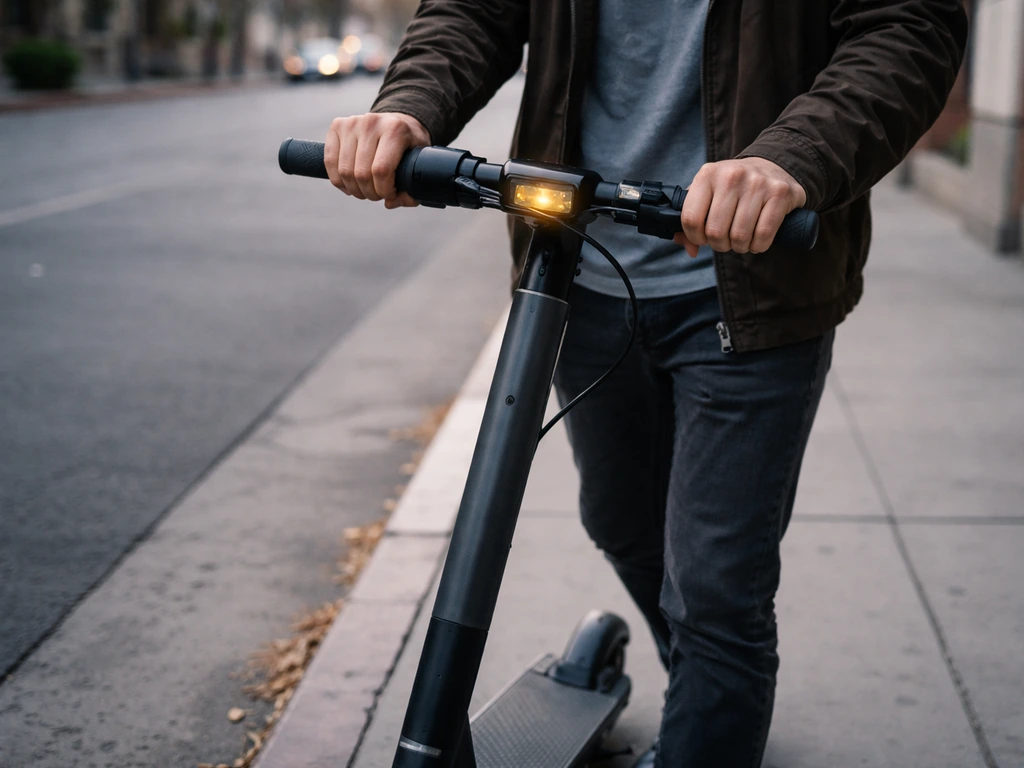
If your Bird scooter feels slow, the most common culprits are a low or degraded battery, an active slow-speed zone on the app map, the Warm Up ride mode dampening acceleration, or a mechanical issue like brake rub or low tire pressure. Most of these you can check and fix in under ten minutes.
Why Is My Bird Scooter Slow? Fix It Today Checklist

Marcus Chen
28 May 2026
If you are not just seeing slow speed but the scooter seems like it is not working at all, follow the troubleshooting steps for why is my bird scooter not working next. But if you actually searched this because your pet bird is moving slowly or acting lethargic, that's a different situation entirely and one that needs urgent attention.
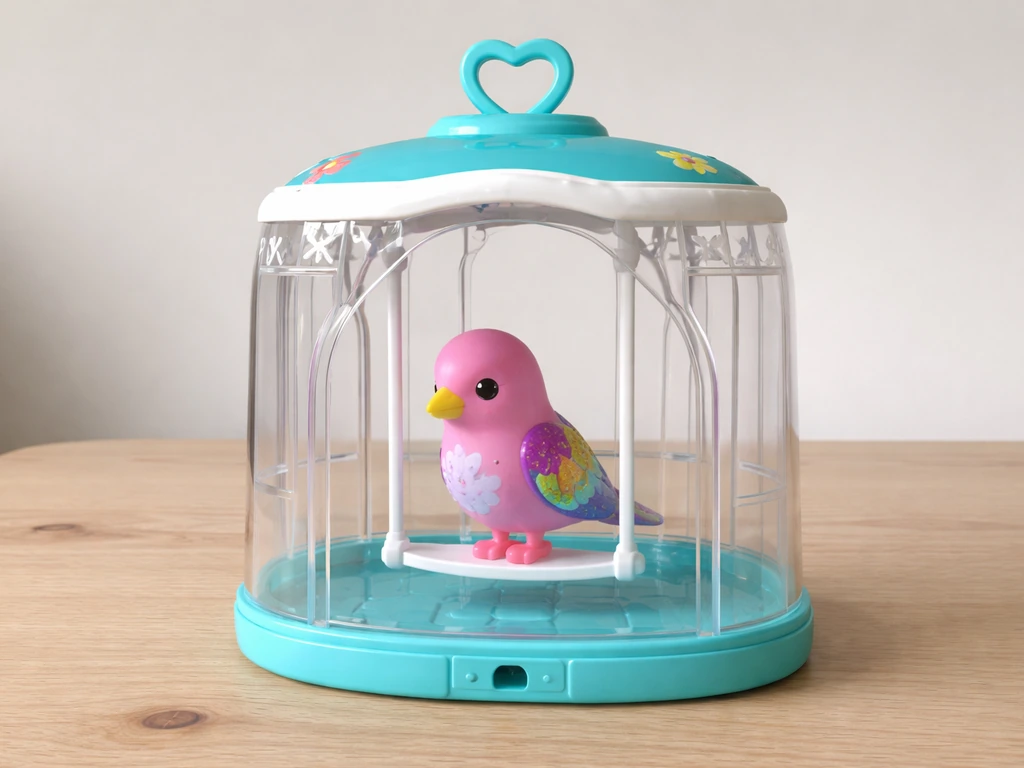
If your issue is a Little Live Pets bird that seems not to be working, the troubleshooting steps can be different from scooter battery and ride mode checks little live pets bird not working. This guide covers both.
First: which 'bird scooter' do you mean?
The phrase 'bird scooter' means two very different things depending on context. Most people mean the Bird brand rental or personal e-scooter. If that's you, keep reading through the troubleshooting sections below. But this site focuses on pet bird health and behavior, so if you searched this because your actual pet bird is sitting still, moving slowly, or acting unusually quiet and sluggish, scroll down to the section on pet bird lethargy. That situation can be a medical emergency and warrants a completely different response.
Why your Bird e-scooter feels slow: the common causes
There are several reasons a Bird scooter loses speed, and they fall into a few clear categories. Understanding which one applies to you makes fixing it much faster.
Battery charge and battery health
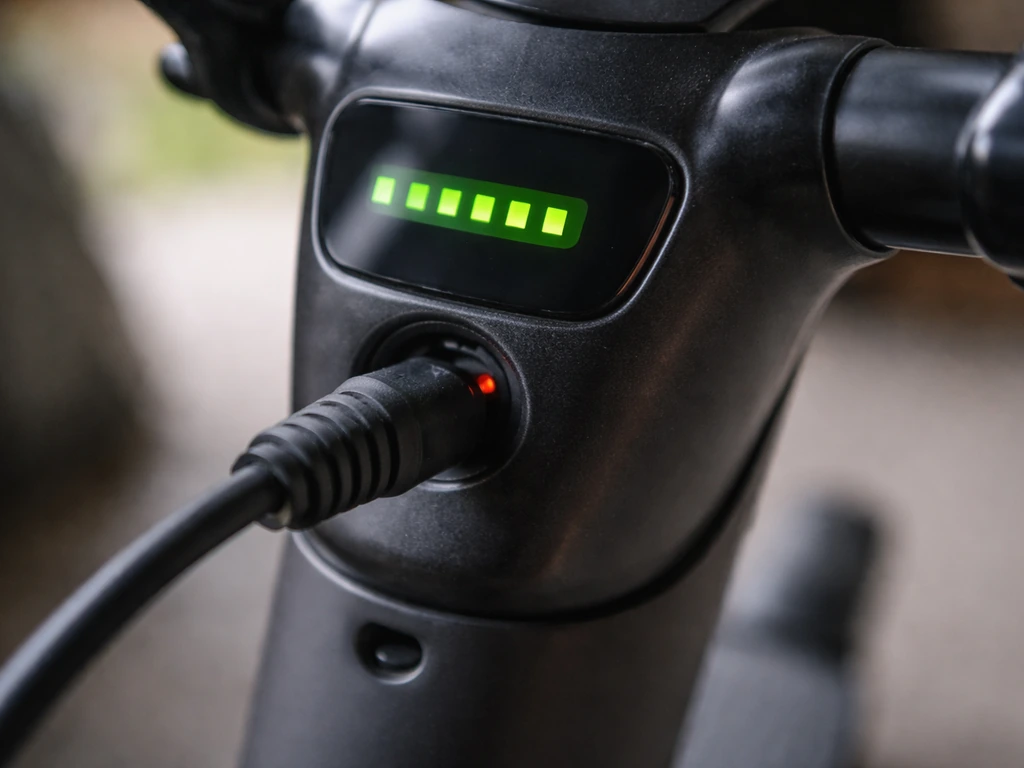
A low battery is the single most common cause of reduced speed. Most electric scooters automatically limit motor output as charge drops to protect the battery and extend range. If you're under roughly 20 to 30 percent charge, expect noticeably reduced top speed and sluggish acceleration. Battery health is a separate issue: an older or degraded battery may show 80 percent charge in the app but deliver far less actual power. If the scooter feels slow consistently even after a full charge, the battery itself may be the problem.
Bird's own app can sometimes lag in refreshing the battery level display. If you're unsure of the actual charge, check the colored LED indicator lights on the power kit or charger directly. Those give a more real-time reading than waiting for the app to catch up.
Ride mode and power settings
Bird scooters have multiple ride modes, and the one you're in makes a significant difference. The Warm Up mode, for example, deliberately makes the scooter accelerate more gently at the start of a ride. If you're in Warm Up or Eco mode instead of Sport or a higher assist level, the scooter will feel noticeably slower even if there's nothing mechanically wrong with it. Check your app settings and confirm which mode is active before assuming there's a fault.
Slow-speed zones and local regulations
The Bird app uses geofencing to enforce local speed limits. If you're riding through a yellow zone on the app map, the scooter's speed is electronically capped to comply with local regulations. This isn't a malfunction. The scooter will return to normal speed once you leave the restricted area. If the entire ride feels slow and you haven't checked the map, open the Bird app and look for yellow zone markers along your route.
Tire pressure
Underinflated tires increase rolling resistance significantly, which drains the battery faster and makes the scooter feel sluggish. For most electric scooters, front tires should be in the 40 to 50 PSI range and rear tires in the 45 to 55 PSI range, but always check the sidewall of your specific tire or your scooter's manual for the exact recommended pressure. Some manuals advise checking tire pressure before every single ride. A simple floor pump with a pressure gauge takes about 90 seconds and can make a noticeable difference.
Brake drag and wheel rub
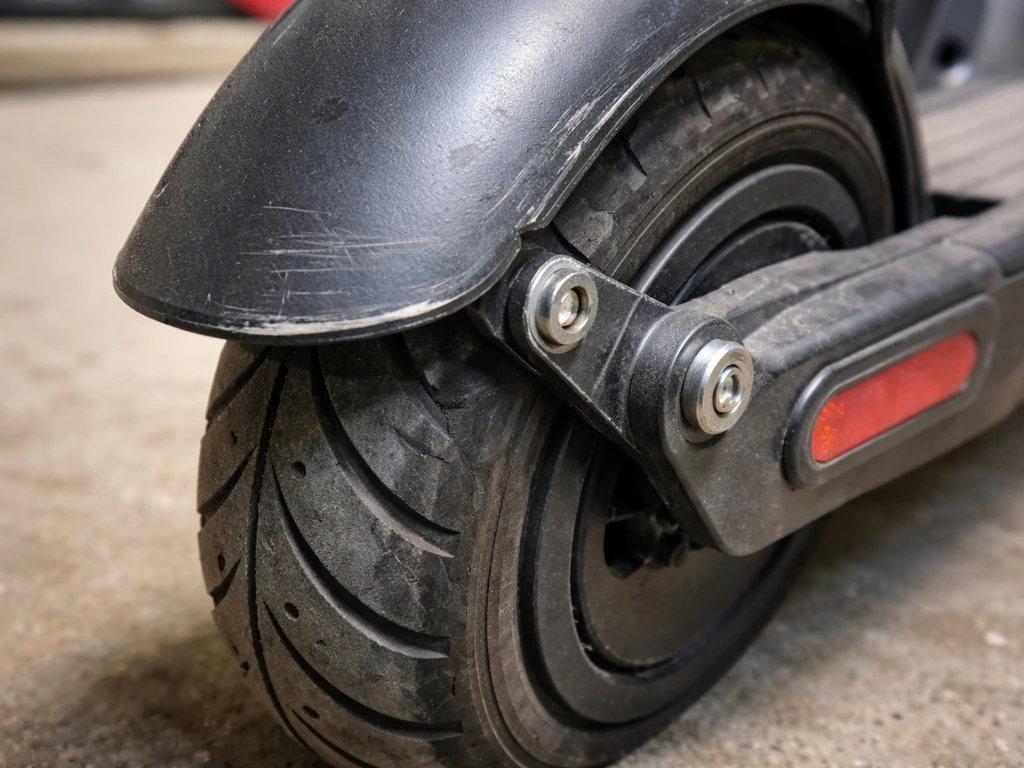
If a brake is slightly engaged or misaligned, it can rub against the wheel constantly, which creates resistance and slows the scooter down even under full power. You might hear a faint squeak or rubbing noise, but not always. On Bird Air models, the foot stomp brake at the rear should move freely up and down and should not press against the wheel when you're not braking. Spin the wheels by hand when the scooter is off. If there's noticeable resistance or you can hear rubbing, a brake alignment issue is likely. Misaligned brakes rubbing against the wheel is a well-documented cause of reduced speed and performance on electric scooters.
Fender rub and physical drag
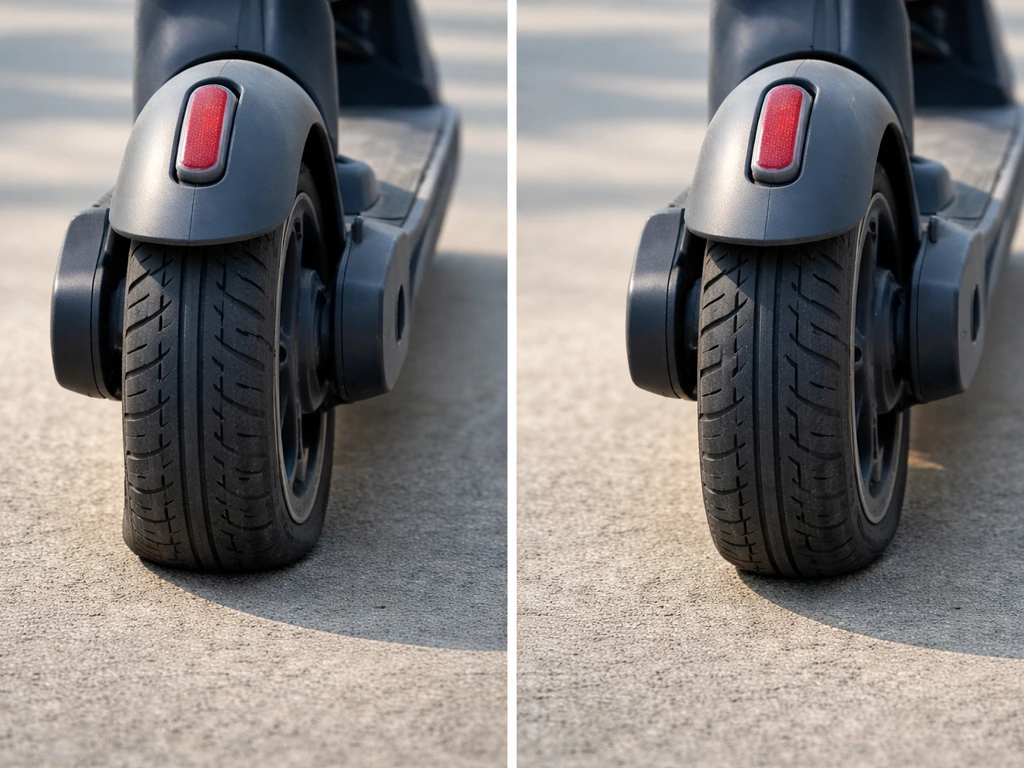
A loose or cracked fender bracket can let the fender sag and rub against the tire, adding constant drag. You might notice this more on bumpy surfaces where the rattle or clanking sound appears. Apollo’s support guidance also notes that fender rattling or clanking can show up over bumps or uneven surfaces due to issues like fender mounting or bracket, suspension-arm cracking, and related fender problems the rattle or clanking sound appears. Visually inspect both fenders and check that nothing is pressing against either tire when you spin the wheels manually.
Environmental factors that slow things down
Sometimes the scooter itself is fine and the environment is just working against you. These are worth ruling out before assuming a hardware fault.
- Cold temperatures: Lithium batteries lose capacity in the cold, sometimes quite dramatically. A scooter that performs fine at 70°F may feel noticeably slower at 40°F or below.
- Inclines: Hills put a large load on the motor. A scooter that feels slow on an uphill is often working exactly as designed. Try the same scooter on flat ground to get a true baseline.
- Surface type: Rough pavement, gravel, or wet surfaces all increase rolling resistance and reduce effective speed.
- Headwind: Riding into a strong wind takes a meaningful amount of power, especially at higher speeds.
- Rider weight: Heavier loads reduce top speed and acceleration. If you're near or above the scooter's weight limit, performance will be reduced.
A quick diagnostic checklist you can do right now
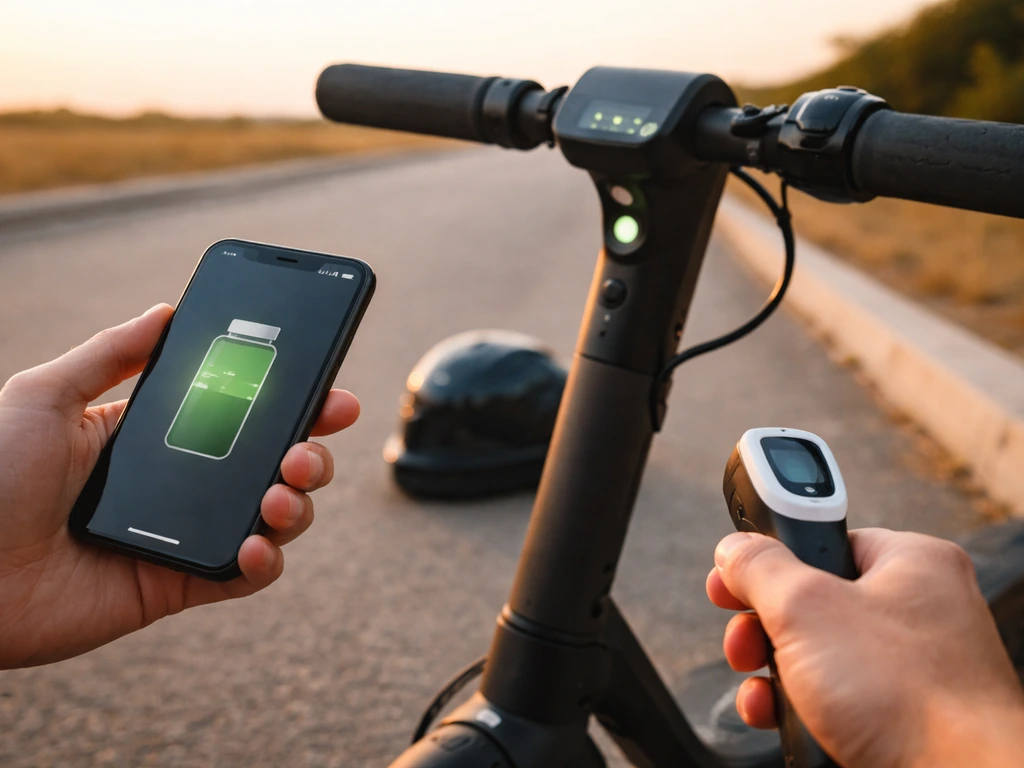
- Check battery charge: Look at the app and the physical LED indicators. If under 30 percent, charge fully before testing further.
- Verify ride mode: Open the Bird app and confirm you're not in Warm Up or Eco mode. Switch to Sport or a higher assist level if available.
- Check the map for yellow zones: If your route passes through a geofenced slow-speed area, that's the cause.
- Spin the wheels by hand with the scooter off: Listen and feel for any rubbing, resistance, or scraping. Identify if it's coming from the brake or a fender.
- Check tire pressure: Use a gauge. Compare to the recommended PSI on the tire sidewall or manual. Inflate if low.
- Test on a flat, smooth surface: If the scooter feels normal on flat ground but slow on your regular route, hills and surface type are likely factors.
- Fully charge and retest: After a complete charge cycle, ride on flat ground in Sport mode with no yellow zones. This is your clean baseline.
- Restart the scooter and the app: A simple power cycle and app restart can resolve software glitches affecting performance.
When the problem is probably hardware and needs service
If you've worked through the checklist above and the scooter still feels slow, the issue is likely a hardware fault that you can't fix yourself. Here's what to look for and what information to gather before contacting Bird support.
| Symptom | Likely cause | Action |
|---|---|---|
| Slow even after a full charge on flat ground in Sport mode | Degraded battery or motor fault | Contact Bird support with ride date, location, and vehicle ID |
| Charger LED doesn't change color or behaves oddly | Defective charger or charging port issue | Test with a different charger if possible; report to support |
| Speed drops suddenly mid-ride, not in a yellow zone | Controller fault or battery disconnect | Note the exact conditions and report to support |
| Burning smell or unusual heat from motor area | Motor overheating or motor failure | Stop riding immediately; contact support |
| Persistent brake rub after manual adjustment | Worn or bent brake hardware | Needs professional brake service |
| App shows full battery but performance is consistently poor | Battery health degradation (capacity loss) | Battery replacement likely needed |
When you contact Bird support, have the vehicle ID number (usually on the scooter's stem or in the app), a description of when the slowness occurs, what you've already checked, and whether the issue is consistent or intermittent. That information will speed up the process significantly. Bird's help center has a 'Trouble With Your Ride' section with app-specific issues and quick fixes worth checking first.
If your 'bird scooter' is actually your pet bird acting slow
This is a completely different situation that deserves direct attention. If your pet bird is sitting unusually still, moving slowly, not eating, or seems generally unresponsive, treat it seriously. If you are worried your bird buddy is not responding or seems “offline,” use our guide on why is my bird buddy offline to troubleshoot what’s going on and what to check first. Birds are prey animals and instinctively hide illness until they can no longer mask it.
If you’re wondering why your pet bird buddy is not taking pictures, it can be a sign of stress or illness, so it helps to watch for lethargy and other warning signs why is my bird buddy not taking pictures. By the time a bird looks visibly unwell, it has often been sick for longer than you realize.
Common reasons a pet bird acts lethargic
- Illness or infection: Bacterial, viral, or fungal illness can cause a bird to become quiet, fluffed up, and inactive well before other signs appear.
- Pain: A bird in pain often becomes still and withdrawn. This can be from an injury, internal issue, or something as overlooked as a poorly fitting leg band.
- Overheating or chilling: Birds are sensitive to temperature extremes. A bird that's too cold may fluff up and stop moving to conserve heat. A sick bird may also lose the ability to regulate its own body temperature.
- Respiratory problems: Difficulty breathing is exhausting and will make a bird lethargic. Watch for any breathing-related effort.
- Hunger and appetite loss: A bird that has stopped eating will have less energy and appear slow or weak. Anorexia combined with lethargy is considered a serious symptom that needs immediate veterinary attention.
- Stress or fear: A bird that has been frightened, moved, or exposed to a new animal or environment may act withdrawn temporarily. This is different from illness-related lethargy.
Warning signs that mean see a vet today
Do not wait to see an avian veterinarian if your bird shows any of the following signs. These are not situations where a wait-and-see approach is safe.
- Open-mouth breathing or breathing that involves visible tail bobbing with each breath
- Audible wheezing, clicking, or increased breathing noises
- Sitting on the cage floor rather than perching
- Fluffed feathers combined with closed eyes during normal waking hours
- Refusing food or water for more than a few hours
- Weakness so severe the bird cannot grip a perch
- Lying on its side or inability to stay upright
- Seizures or tremors
Anorexia and lethargy together are considered indicators of severe illness by avian veterinary guidance. Do not wait for the bird to reach a stage where it is lying on its side or having difficulty breathing before seeking help. By that point the situation is critical and treatment is much harder.
What to do right now while you arrange care
If your bird looks unwell, keep it warm. A sick bird often cannot regulate its own body temperature and benefits from supplemental heat. A temperature around 85 to 90 degrees Fahrenheit is often recommended for a sick bird, but don't overheat the space. Put a heat lamp or a heating pad on a low setting on one side of the cage so the bird can move away from it if needed.
Keep the environment quiet, reduce handling, and make food and water easy to reach without the bird having to climb or fly. Then call an avian vet as soon as possible. If you're unsure whether your bird's daytime stillness is lethargy or just normal rest, that's a topic worth looking at more closely since the distinction matters a great deal.
If you are wondering why your bird buddy is sleeping during the day, it can be normal rest or an early sign of illness, so it helps to check common causes and warning signs daytime stillness.
Whether you're dealing with a sluggish Bird e-scooter or a worryingly quiet pet bird, the path forward is the same: identify the most likely cause quickly, run through the basic checks, and escalate to a professional (support team or vet) when the problem is beyond a simple fix. Don't overthink it. Work through the steps, note what you observe, and act on what you find.
FAQ
Why does my Bird scooter feel slow only at the start of the ride, then get better later?
That pattern often points to Warm Up (or a similar gentle-start setting) rather than a mechanical issue. Also consider battery sag, if performance improves after a few minutes of charging or fresh ride power, it may be low-charge behavior rather than a failing tire or brake rubbing.
How can I tell if it is the battery percentage reading in the app versus the battery actually being weak?
Compare the app display to the scooter’s physical battery indicator (LEDs on the power kit or charger). If the app shows a reasonable charge but the scooter still accelerates poorly, the battery health is likely degraded and Bird support may be needed.
What should I do if the scooter feels slow even with a full charge and the tire pressure seems correct?
Re-check for brake drag and fender rub, those can mimic low battery even after charging. Spin both wheels by hand when the scooter is off, if either wheel hesitates, makes scraping noise, or feels resistive, inspect brake alignment and fender clearance.
Can geofencing make my scooter feel slow in a way that looks like a battery problem?
Yes. If the route passes through a restricted area, the scooter’s speed will be electronically capped even on Sport mode. Check the Bird app map for yellow zone markers along your actual path, then compare performance before and after leaving the zone.
Will riding in Eco mode permanently reduce performance if I switch modes later?
Switching modes should restore normal acceleration once you select the higher assist option. If it stays slow after you change settings, that suggests either a lingering hardware resistance (brake rub, tire drag) or battery-related limits rather than mode selection.
What tire pressure is safest to use when I do not know my scooter’s exact recommended PSI?
Use the sidewall on your tire or your scooter’s manual for the target range, since models differ. If you can’t find it, avoid guessing too low, underinflation increases rolling resistance and can overheat the motor under load.
Should I test the brakes while the scooter is powered on?
No. Do the wheel spin and brake clearance checks with the scooter fully off. With Bird Air, verify the rear foot stomp brake moves freely when not braking, it should not press against the wheel when released.
What if my scooter is slow only on hills or only in one direction?
Hills exaggerate low battery and any rolling resistance issues like underinflated tires or rubbing fender/brake. If it is directional, also look for uneven wheel alignment or a rubbing component on that side, then retest on flat ground to confirm.
Could a firmware or app update cause slower behavior?
It can, especially if the app’s mode or ride settings are not syncing correctly. If slowness started after an app change, confirm the active ride mode in the app and power-cycle the scooter, if available, then retest in an area without speed-limit zones.
When should I stop troubleshooting and contact Bird support?
Contact support if the scooter stays slow after full-charge verification, tire pressure checks, brake and fender clearance inspection, and confirming you are not riding through a yellow zone. Provide the vehicle ID, whether the issue is consistent or intermittent, and a timeline of when it began, so they can correlate your case faster.
If my pet bird seems lethargic, how do I know this is not just normal rest?
Normal rest usually involves periods where the bird remains responsive when you interact gently and has normal appetite and droppings. If the bird is also not eating, unusually quiet beyond typical sleep, or appears unresponsive, treat it as potentially serious and follow the urgent lethargy guidance rather than waiting.
Next Article
Little Live Pets Bird Not Working: Troubleshooting Guide
Troubleshoot a Little Live Pets lil bird not working: check power, reset, and spot health warning signs fast.