
You can tell your bird is okay right now by running through four quick checks: posture (upright and alert vs. hunched or fluffed), breathing (quiet and effortless vs. tail bobbing or open-mouth), eyes and nose (clear and bright vs. squinting or discharging), and activity level (responding to you, eating, perching normally). If all four look normal, your bird is almost certainly fine. If even two of those are off at the same time, that is your signal to act today, not tomorrow.
How Do I Know If My Bird Buddy Is On? A Quick Checklist

Marcus Chen
22 Jun 2026
Normal vs. concerning signs to watch for
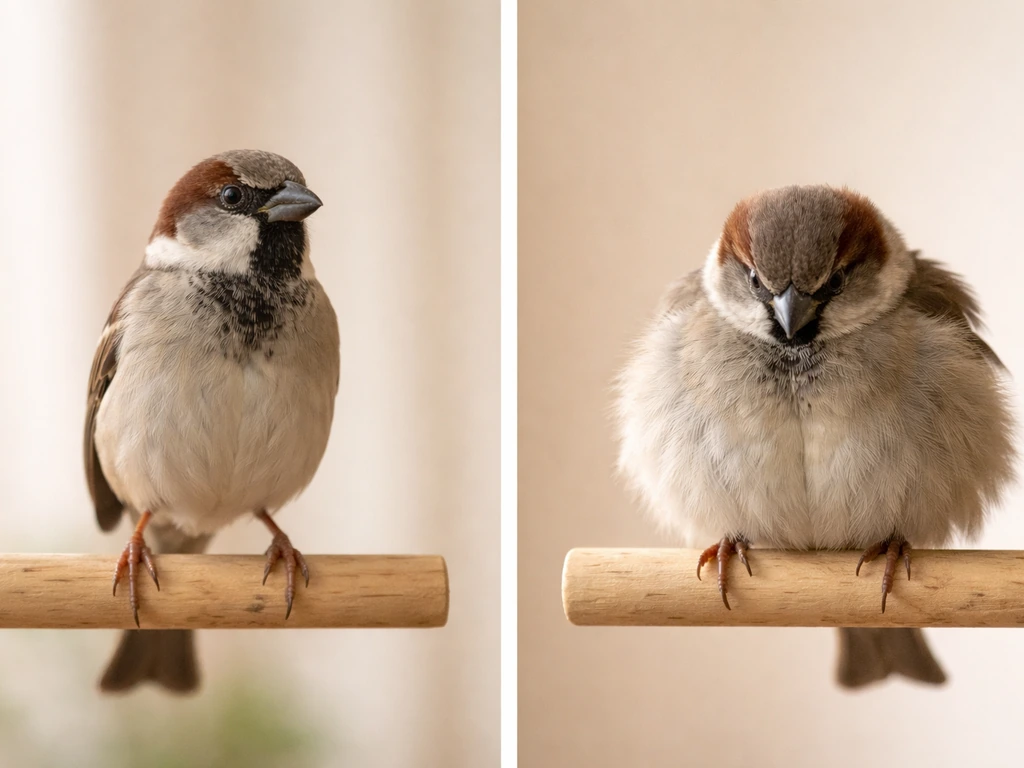
Birds are hardwired to hide illness. By the time visible symptoms appear, a bird may have already been sick for several days or even weeks. That is why knowing what normal actually looks like for your specific bird is the most important baseline you can have.
| What you see | Normal | Concerning |
|---|---|---|
| Posture | Upright, balanced, alert | Hunched, fluffed, sitting low or on cage floor |
| Breathing | Quiet, invisible effort, closed beak | Tail bobbing with each breath, open-mouth breathing, wheezing or clicking sounds |
| Eyes | Bright, wide open, symmetrical | Half-closed, squinting, swelling around the eye |
| Nose/nares | Clean, dry, symmetrical openings | Discharge, crusting, asymmetrical shape |
| Feathers | Smooth, held close to body when active | Persistently fluffed, looking 'fatter' than usual, damaged or missing patches |
| Droppings | Consistent color and texture for that bird's diet | Sudden change in color, very watery, absent, or bloody |
| Energy | Responsive to movement and sound, curious | Eyes closing during the day, unresponsive, sitting on cage bottom for extended time |
| Vocalizing | Regular calls and chatter at usual times | Sudden silence, loss of voice, clicking or wheezing sounds |
One sign on its own is not always a crisis. A bird that briefly fluffs up after a bath or during a nap is normal. A bird that stays fluffed, stops eating, and is sitting on the cage floor all at once is not. Pattern and combination matter most.
Quick body-check at home
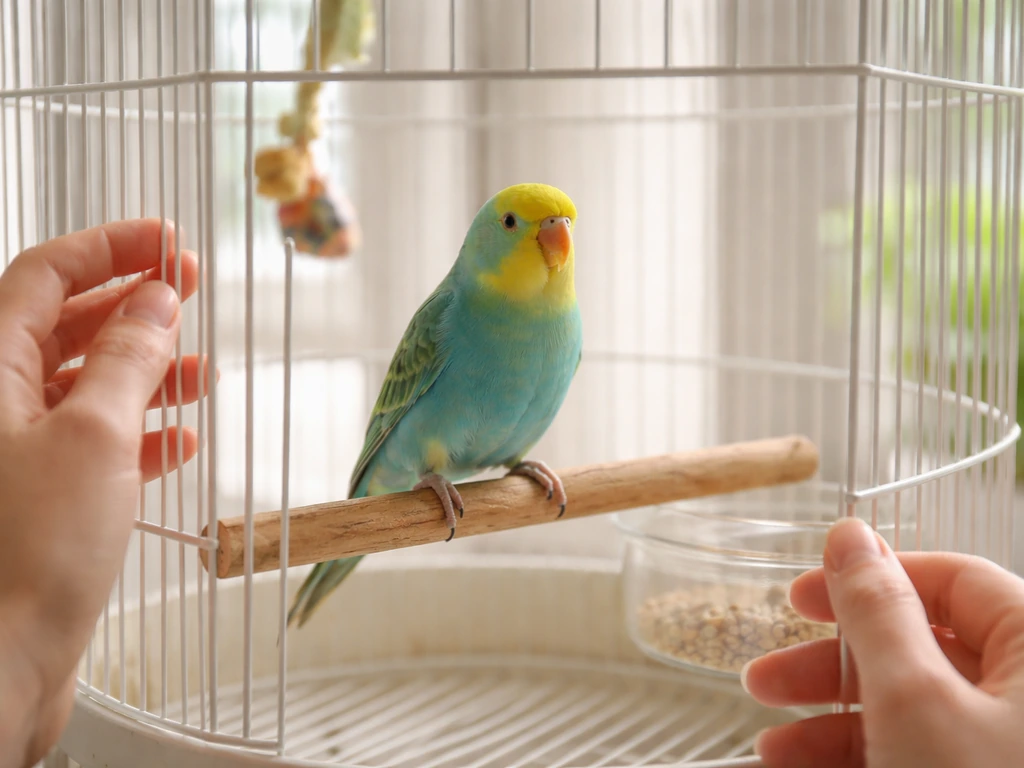
You do not need to handle your bird to do a useful health check. Start by watching from a short distance before your bird knows you are focused on them, because birds often mask symptoms when they feel observed. Here is what to look at:
Posture
A healthy bird stands tall and balanced on the perch. If your bird is hunched forward, resting its beak on a perch, or sitting directly on the cage floor for more than a few minutes without an obvious reason (like a very young bird or a bird with a known foot issue), that is a red flag worth noting immediately.
Breathing
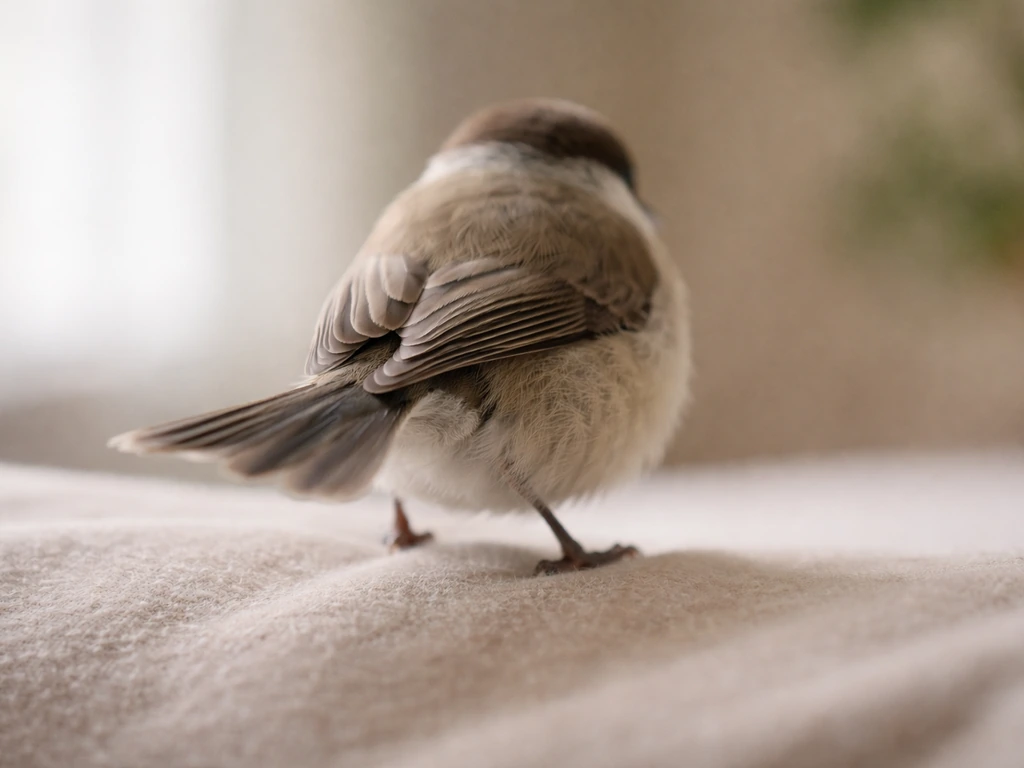
Watch the tail. In a healthy bird at rest, the tail barely moves. If you can see the tail bobbing rhythmically up and down with every breath, that bird is working hard to breathe. Any respiratory sign, including open-mouth breathing, wheezing, clicking noises, neck stretching, or tail bobbing, should be treated as a potential emergency. Respiratory distress does not wait.
Eyes and face
Look for symmetry and clarity. Both eyes should be fully open and equally bright. Squinting, swelling around the eye socket, or any discharge from the eye or nostrils is abnormal. Also check the nares (the nostril openings) for crusting or a change in shape. A consistently wet or crusty nostril needs veterinary attention.
Feathers and overall appearance
Fluffed feathers are one of the most common early illness signs. VCA Animal Hospitals notes that common illness indicators in pet birds include fluffed feathers, closed eyes, labored or open-mouth breathing, tail bobbing with breathing, nasal discharge, and not perching or sitting on the cage bottom for an extended period Fluffed feathers are one of the most common early illness signs.. When a bird is cold, unwell, or in pain, it puffs up to retain heat, which can make it look noticeably rounder or 'fatter' than usual. If the fluffing is persistent rather than brief, combine that observation with everything else you are checking.
Behavior and activity clues
Physical checks tell part of the story. Behavior fills in the rest, and often shows changes before the body does. If your bird scooter seems slow, it can be due to a battery or power issue, or a sensor problem that needs troubleshooting.
Appetite and water intake
A bird that skips a meal or two after a stressful event (like a new pet in the home or a cage move) may just need time to settle. A bird that has not touched its food or water for 24 hours or more is in trouble. If your bird scooter is not working, check the basics like power, charging, and the connection status before troubleshooting further has not touched its food or water for 24 hours or more. Check seed dishes and water levels daily so you have a real baseline to compare against.
Sleep patterns
Birds do nap during the day, especially in a quiet house. But a bird that is sleeping heavily throughout the day, closing its eyes when you approach, or is impossible to rouse is showing a serious warning sign. Prolonged daytime lethargy combined with any other symptom warrants same-day action.
Vocalizing
Most pet birds have a fairly predictable chatter schedule. A sudden drop in vocalization, or a complete silence from a bird that is normally chatty, is one of the earliest behavioral clues that something is wrong. On the flip side, new clicking or wheezing sounds coming from the beak or throat are respiratory symptoms, not just odd noises.
Perching and stance
Healthy birds perch. If your bird is repeatedly moving to the cage floor, standing with a wide or unstable stance, or gripping the perch with visible difficulty, those are physical symptoms, not quirks. A bird sitting on the cage floor for an extended period is one of the clearest triage cues that something is medically wrong.
Droppings
Normal droppings have three parts: a dark fecal portion, white or cream urates, and a small liquid urine component. Color and consistency can shift with diet and hydration, so knowing your bird's typical droppings is important. What you do not want to see is a sudden and unexplained change: very watery droppings, an absence of droppings entirely, blood, or an unusual color that is not tied to a new food.
Common causes behind 'not okay' cues
When you are seeing warning signs, the cause is not always immediately obvious. These are the most common culprits:
- Stress: Environmental changes, new pets, loud noises, or handling disruptions can cause temporary fluffing, reduced appetite, and behavioral changes. Stress alone is usually short-lived, but chronic stress weakens immunity and can lead to illness.
- Respiratory infection: Bacterial, viral, or fungal infections can affect the airways and lungs. Signs include sneezing, nasal discharge, wheezing, clicking sounds during breathing, and tail bobbing. Any suspected respiratory issue is a potential emergency.
- Air sac mites: Common in finches, canaries, and some other small birds, these parasites cause labored breathing, clicking sounds, tail bobbing, open-mouth breathing, and sometimes sneezing. This is a veterinary emergency, not a wait-and-see situation.
- Parasites (external): Feather mites or lice may cause a bird to over-preen, have damaged feathers, or appear restless, especially at night.
- Injury: Wing drooping, limping, bleeding, or holding one leg up are signs of possible injury. Avoid handling an injured bird more than necessary until you can get veterinary help.
- Egg binding (female birds): A female bird that is straining, wide-stanced, fluffed, lethargic, or showing a visible egg or tissue at the vent needs emergency veterinary care. Egg binding can be fatal without treatment.
- General systemic illness: Conditions like liver disease, kidney problems, infections, or tumors can cause a slow build of vague symptoms including weight loss, lethargy, and changes in droppings before more obvious signs appear.
What to do right now if something seems off
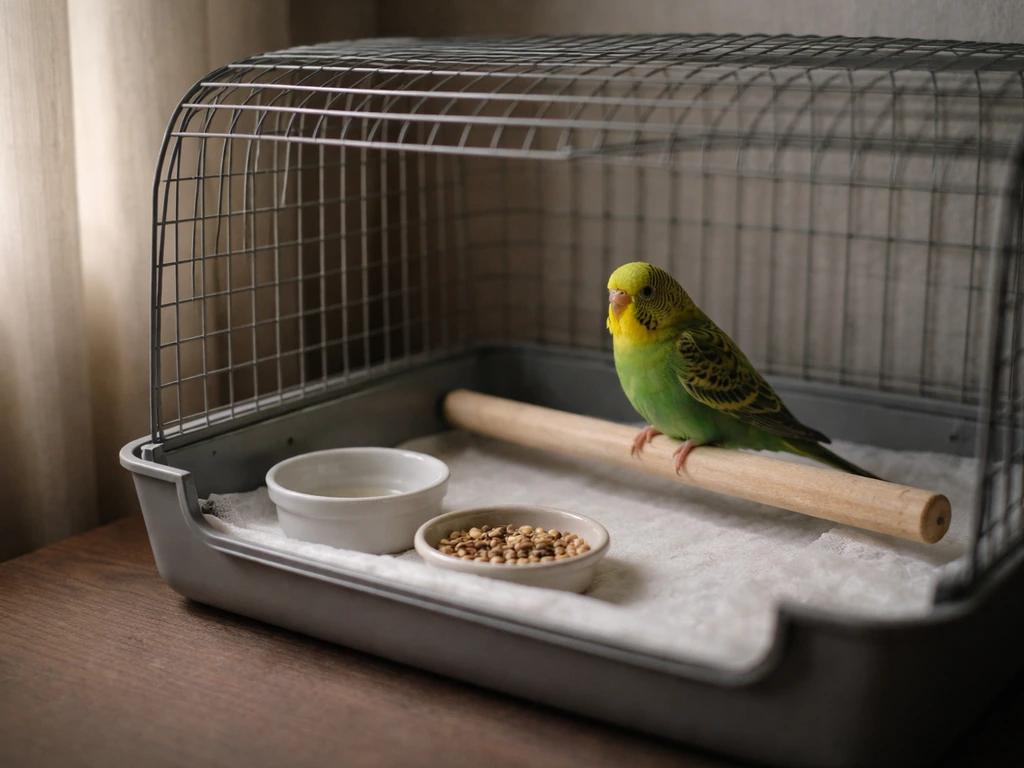
If your bird is showing warning signs today, here is how to respond before you can get veterinary help. These steps are supportive, not curative. They buy time and prevent things from getting worse faster.
- Isolate the bird from other pets and reduce all noise and activity around it. A quiet, low-stress environment is the first step.
- Keep the bird warm. A sick bird that is fluffed up is struggling to regulate its temperature. Moving it to a warmer area (around 85-90°F or 29-32°C) with a heating pad set to low placed under half of the cage (so the bird can move away if too warm) can help stabilize it. Important: warmth is a general first-aid measure but is not appropriate in every scenario, such as suspected head trauma or certain injuries. When in doubt, call an avian vet before applying heat.
- Make food and water easy to access. Place dishes on the cage floor if the bird is not perching, so it does not have to work to eat or drink.
- Document what you are seeing. Write down the symptoms, when you first noticed them, any recent changes to diet or environment, and take a short video if you can. This information is genuinely useful when you call a vet.
- Do not try to medicate your bird with over-the-counter products, human medications, or home remedies without direct guidance from an avian vet. Most of these do more harm than good.
- Do not force-feed or force water on a bird that is in respiratory distress. Handling a bird that is already struggling to breathe can cause it to go into shock.
- Contact an avian vet as soon as possible, even if it is after hours. Many emergency animal hospitals can triage bird cases.
When to call an avian vet and what to bring
Some symptoms do not give you the luxury of monitoring overnight. Call an avian vet (or emergency animal hospital) immediately if you are seeing any of the following: If your bird buddy is not taking pictures because they seem unwell or avoid bright light, that can be a sign to get an avian vet check call an avian vet.
- Open-mouth breathing at rest
- Tail bobbing with every breath
- Wheezing, clicking, or gurgling sounds from the airway
- Neck stretching repeatedly as if trying to open the airway
- Sitting on the cage floor and unable or unwilling to perch
- Unresponsive or impossible to rouse
- Seizure or sudden collapse
- Visible injury with bleeding
- A female bird that is straining or has visible tissue or an egg at the vent
- Complete loss of appetite and water intake for 24 hours or more
- Sudden severe change in droppings, especially if bloody
When you call or go in, bring as much information as possible. Vets can work faster when you arrive prepared.
- The bird's species, age, and sex (if known)
- When symptoms first appeared and how they have progressed
- A description or photo or short video of the symptoms
- The bird's usual diet, any recent food changes
- Any recent environmental changes: new cage, new pets, moved to a new room, temperature changes
- Whether the bird has had any previous health issues or vet visits
- A sample of recent droppings in a clean container or paper towel if possible
If your concern is less urgent but something still feels off, a same-day or next-morning call to your avian vet is the right move. Birds deteriorate quickly once symptoms become visible, so waiting several days to see if things improve on their own is rarely the right call. Trust the combination of signs you are seeing over any single observation, and when in doubt, make the call.
FAQ
What should I do if my bird is fluffed but otherwise acting normal?
Fluffing that lasts only briefly (for example after bathing or during a short nap) is usually not an emergency. Recheck posture, breathing, and eyes over the next hour, and confirm they still eat, drink, and perch normally. If the fluffing becomes persistent (most of the day) or you notice tail bobbing, open-mouth breathing, or eye or nostril discharge, treat it as a serious change and contact an avian vet the same day.
How quickly can birds deteriorate once symptoms start showing?
Birds often hide illness until it is more advanced, and some respiratory or gastrointestinal issues can worsen within hours. That is why the checklist emphasizes combinations of signs, plus same-day action when two indicators are abnormal together. If your bird’s condition is clearly trending worse even without dramatic new symptoms, escalate to an avian vet call rather than waiting overnight.
Is it normal for my bird to sleep a lot during the day?
Daytime napping can be normal, especially in a quiet environment. It becomes concerning when your bird is hard to rouse, keeps closing its eyes when you approach, refuses food, or looks weak and unbalanced. Use a simple benchmark, for example whether they normally wake up to investigate you, sing, or reposition on the perch.
If my bird stops eating, when is that considered an emergency?
Missing a meal or two after stress can happen, but a full day without touching food or water is a major red flag. Also note drinking matters as much as eating, watery diarrhea or very watery droppings can worsen dehydration quickly, and illness can reduce appetite before you see other clear signs. If they are refusing both food and water, treat it as urgent and call an avian vet.
How can I tell normal pooping from a warning sign?
A typical droppings pattern includes a dark fecal part, white or cream urates, and a small urine portion. What stands out as abnormal is a sudden change that is not explained by diet, including very watery droppings, no droppings at all, blood, or an unusual color that persists across multiple checks. Track what you normally see for your bird, because some diet-related shifts are expected.
My bird seems quieter than usual, but there are no other symptoms. Should I still be concerned?
A sudden drop in vocalization can be an early clue even when other signs seem mild. If the silence lasts beyond their normal range, combine it with other observations like appetite, perching stability, breathing, and eye clarity. If your bird is normally chatty and you notice persistent quiet plus any additional abnormality, schedule a same-day vet call rather than monitoring for several days.
What noises count as breathing trouble, and what should I do immediately?
Watch for open-mouth breathing, wheezing or clicking, tail bobbing with each breath, and neck stretching to breathe. These suggest respiratory distress, which can escalate fast. If you see any of these, do not wait to see if it passes, contact an emergency or avian vet right away while keeping the environment calm and warm.
My bird is on the floor. Is a “few minutes” ever okay?
Occasional short floor time can happen due to exploration or a temporary rest, especially if the bird quickly returns to perching. It is more concerning when the bird stays down for an extended period, looks weak, cannot perch comfortably, or shows hunched posture, breathing signs, or refusal to eat. If floor sitting is prolonged, treat it as a clear triage cue.
Do I need to handle my bird for the checklist to be useful?
No. Handling can make some birds mask symptoms, so observation from a short distance is often safer and more accurate. Focus on posture, breathing, eyes and nostrils, activity, vocalizations, and droppings. If you must move them for veterinary transport, do it gently and keep the process brief.
How do I document symptoms so the vet can act faster?
Write down start time, what you first noticed, and whether symptoms are improving or worsening. Note appetite and water intake, breathing observations (tail movement, open-mouth breathing), any eye or nostril changes, and droppings consistency. If possible, include photos or a short video, and bring a list of recent changes (new toys or cage moves, diet changes, and any new household pets).