A pet bird sleeping during the day is not automatically a problem. Birds naturally nap between active periods, and many healthy birds will doze for short stretches throughout the afternoon. The real question is whether what you're seeing is normal rest or something that signals illness, and the difference almost always shows up in how your bird looks and behaves when it's awake, not just in how much it sleeps.
Why Is My Bird Sleeping During the Day? Causes and Quick Checks

Marcus Chen
24 Apr 2026
Normal reasons your bird sleeps during the day
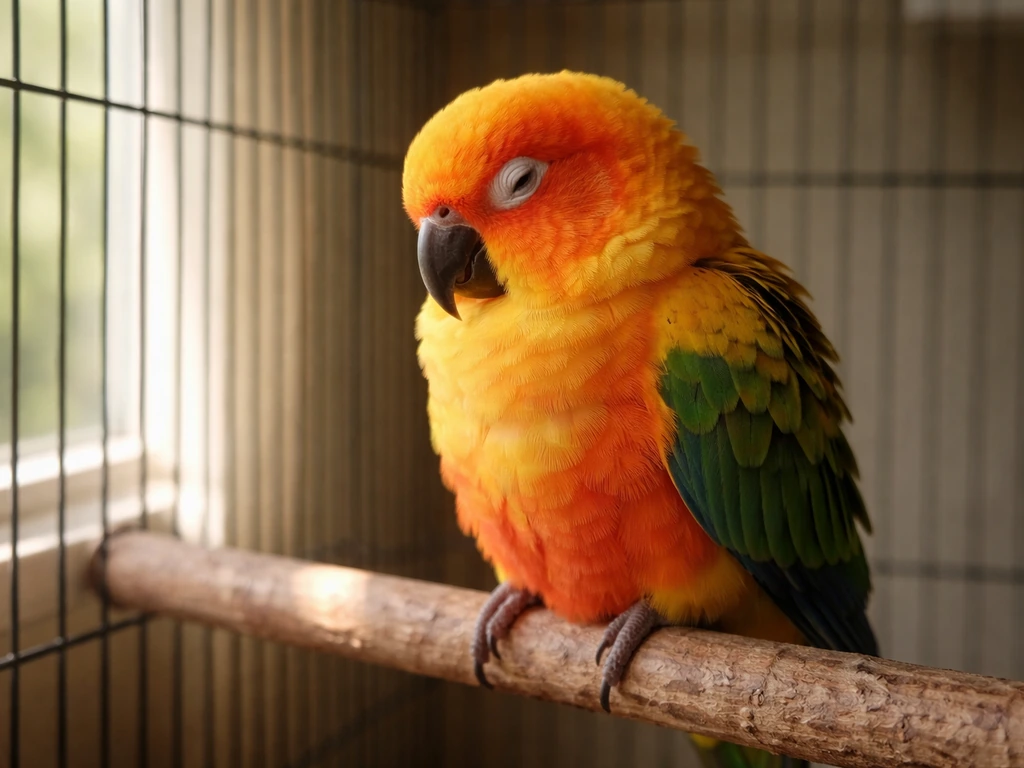
Before you worry, know that daytime napping is wired into bird biology. Even wild birds rest mid-day, especially in hot climates or after intensive foraging and flight. Pet birds carry those same instincts.
Most companion birds need around 10 to 12 hours of sleep in a quiet, dark environment each night. When that nighttime rest is disrupted, by noise, light left on too long, or an irregular schedule, birds often compensate by catching up during the day. If your bird's sleeping area isn't dark enough at night, daytime napping is a predictable result.
Budgerigars, for example, show brief daytime nap episodes even when they are completely healthy, mixed in with longer alert and active periods. Other species like cockatiels, lovebirds, and parrots do the same. It's closer to how humans might rest their eyes after lunch than to the heavy, unresponsive sleep of a sick bird.
- Species sleep patterns: some birds are naturally more prone to midday dozing than others
- Post-activity rest: after play, exercise, or a bath, birds often settle down for a nap
- Seasonal light changes: shorter winter days or dimmer rooms can trigger more rest
- Stress or adjustment: new environments, a new cage mate, or recent travel can cause a bird to retreat and rest more while it settles in
- Nighttime disruption: if the bird didn't sleep well overnight, it makes up for it during the day
- Simply resting: a relaxed bird on one foot, eyes half-closed, is often just comfortable
Health causes that make birds sleep too much
When daytime sleeping crosses from occasional napping into persistent, heavy lethargy, health is often the reason. Birds are prey animals and instinctively hide weakness, so by the time illness is obvious, it can already be progressed. That's why knowing the health triggers matters.
- Respiratory infections: viral, bacterial, or fungal infections make breathing harder and drain energy fast
- General illness or systemic infection: anything from bacterial infections to liver disease or kidney problems can cause a bird to become lethargic and sleepy
- Pain: an injury, internal problem, or even an egg-binding issue in females causes a bird to shut down and sleep more
- Temperature stress: being too cold is one of the most common triggers for daytime fluffing and sleepiness in birds; drafts are especially damaging
- Nutritional deficiency: a diet heavy in seeds and low in fresh vegetables, pellets, and variety can lead to vitamin and mineral deficiencies that cause fatigue
- Toxin exposure: fumes from non-stick cookware, candles, cleaning products, or even air fresheners can affect birds quickly and cause sudden lethargy
- Dehydration: a bird that isn't drinking enough, or whose water source has been accidentally contaminated, can become lethargic
- Hormonal or reproductive stress: particularly in female birds during breeding season, hormonal fluctuations can cause periods of unusual tiredness
How to tell the difference between normal sleep and illness
This is the most important skill you can develop as a bird owner. The sleeping itself isn't the signal. What matters is everything else you observe around it. Here's how to read your bird right now. If you are wondering how do i know if my bird buddy is on, focus on how alert it looks and acts when it wakes up, not just how long it sleeps.
Signs that point to normal, healthy rest
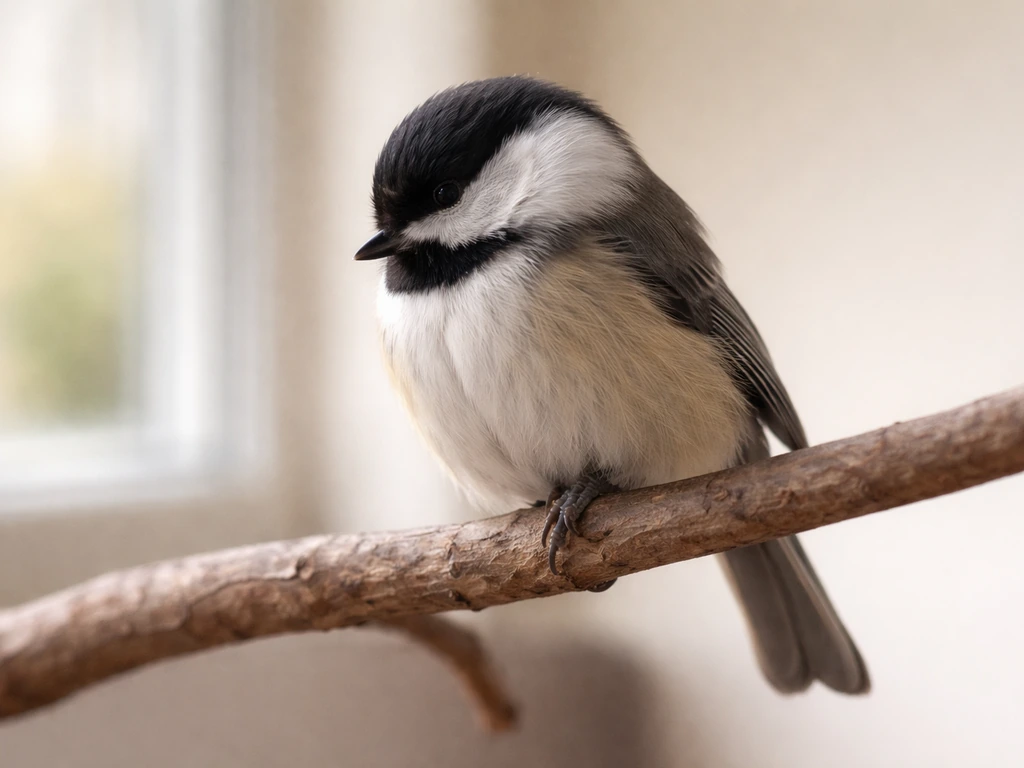
- Bird perches normally, often on one foot with the other tucked up, body relaxed and feathers lying flat or only slightly fluffed
- Wakes up easily and responds to you, sounds, or movement in the room
- Active and engaged when awake: foraging, vocalizing, playing, interacting
- Eating and drinking normally before and after naps
- Droppings look normal for your bird (solid dark part, white urates, small liquid portion)
- Breathing is quiet and steady with no tail bobbing or open-mouth breathing
- Eyes are clear and bright when open
Signs that suggest something is wrong
- Fluffed feathers throughout the day, not just briefly when waking up
- Sitting on the cage floor instead of a perch (a serious warning sign)
- Difficult or labored breathing, tail bobbing with each breath, or clicking sounds
- Hard to rouse, doesn't respond to your voice or gentle movement near the cage
- Disinterested in food and water for more than a few hours
- Abnormal droppings: watery, very dark, green, or absent
- Eyes appear sunken, dull, or partially closed even when seemingly awake
- No vocalization in a bird that is normally chatty
- Losing grip on the perch or appearing unsteady
| Indicator | Looks like normal rest | Looks like illness |
|---|---|---|
| Posture | One foot up, body relaxed | Both feet down, hunched, or on cage floor |
| Feathers | Flat or slightly puffed briefly | Persistently fluffed all day |
| Responsiveness | Wakes easily to voice or sound | Hard to rouse, slow to react |
| Appetite | Eating normally before and after | Ignoring food and water |
| Breathing | Quiet, no visible effort | Tail bobbing, open mouth, clicking |
| Droppings | Normal color and consistency | Watery, discolored, or absent |
| Activity when awake | Playing, vocalizing, foraging | Sitting still, not engaging |
What to do today: safe home checks and quick adjustments
If your bird is sleeping more than usual and you're not sure what's going on, there are things you can check and fix right now without waiting for a vet appointment. If a little live pets bird is not working properly and seems off, use these checks and consider contacting a vet for help little live pets bird not working. If you are using a bird scooter and it seems to stop running or won’t power on, troubleshoot the battery and connections first bird scooter not working. If you are also wondering why your bird scooter is slow, the battery, speed settings, and wheel condition are the first things to check. If your bird buddy also seems unmotivated to pose or play for photos, that can be another clue to look for health or stress changes more than usual. Work through these steps before jumping to conclusions either way.
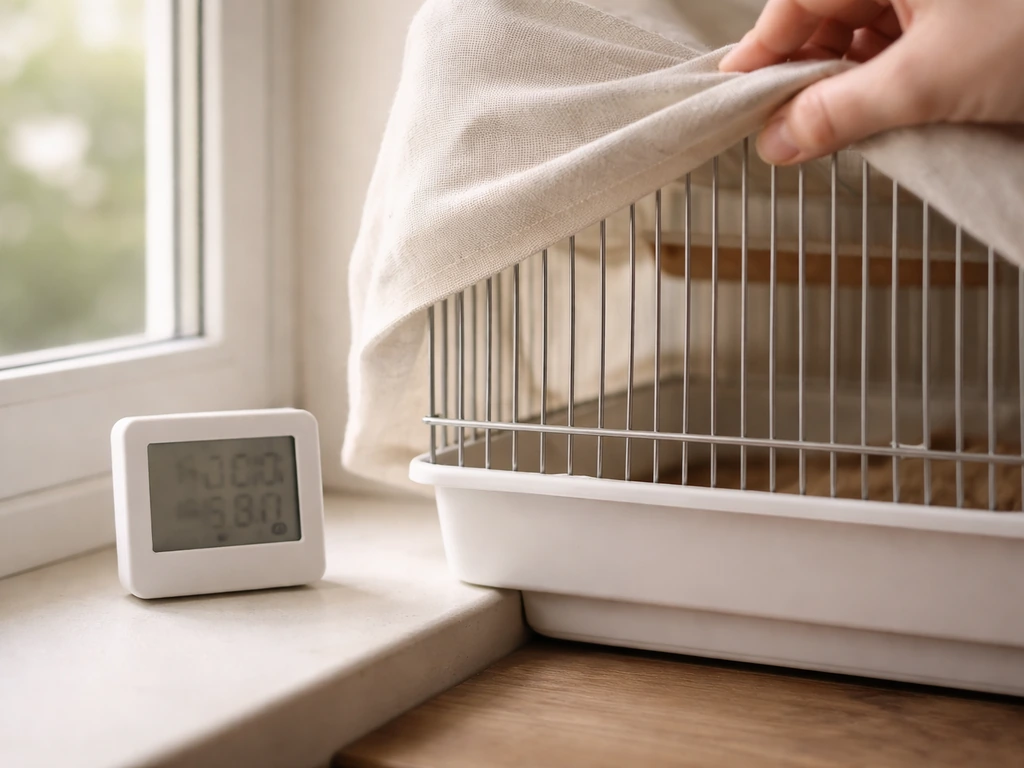
- Check the temperature around the cage. Birds generally do best between 65 and 80 degrees Fahrenheit. If it's cooler than that, especially near a window or air vent, move the cage to a warmer spot or add a safe ceramic heat panel on one side so the bird can choose to warm up.
- Look for drafts. Air conditioning vents, open windows, and ceiling fans can all create drafts that chill birds quickly. Repositioning the cage even a few feet can make a real difference.
- Assess the light and dark schedule. Your bird should be getting 10 to 12 hours of darkness each night in a quiet area. If lights are on late, TV noise is nearby, or the room never fully darkens, add a breathable cage cover at a consistent time each night.
- Check the food and water. Make sure fresh water is available and that the food dish actually has food in it and isn't just full of empty seed hulls. Offer a piece of fresh vegetable or fruit to test appetite.
- Look at the droppings at the bottom of the cage. Any change in color, volume, or consistency from your bird's normal output is worth noting and potentially photographing for a vet.
- Observe breathing from a distance. Watch your bird's body from across the room. The tail should not be bobbing rhythmically. There should be no clicking or wheezing sounds.
- Gently call your bird's name or make a familiar sound. A healthy sleeping bird should respond within a few seconds. A bird that doesn't react, or reacts very slowly with eyes that stay dull, needs closer attention.
- Check for any recent changes in the home: new cleaning products, candles, paint, cooking with non-stick pans, or any strong fumes. Remove the bird from that environment immediately if you suspect exposure.
Red flags that mean call an avian vet today
Birds deteriorate fast when they're sick. If your bird buddy seems offline or unusually withdrawn, it can be a sign of illness, so check for red flags and get help quickly why is my bird buddy offline. If you see any of the following, don't wait to see if things improve overnight. Cornell notes that PTFE or Teflon toxicosis from inhaling toxic vapors can cause respiratory distress and sudden death in birds blank" rel="noopener noreferrer">PTFE or Teflon toxicosis from inhaling toxic vapors can cause sudden death. VCA Animal Hospitals lists labored breathing or open-mouth breathing and tail bobbing, where the tail moves up and down with each breath, as potential signs of illness in pet birds. Contact an avian veterinarian or an emergency exotic animal clinic as soon as possible.
- Difficulty breathing: tail bobbing, open-mouth breathing, clicking or wheezing sounds, or visible effort with each breath
- Bird is sitting on the cage floor and cannot or will not perch
- Completely unresponsive or extremely difficult to rouse
- No food or water intake for more than 12 hours
- Droppings have changed drastically in color, volume, or consistency, or there are no droppings at all
- Visible injury, bleeding, a growth, or swelling anywhere on the body
- Seizure-like trembling, falling off the perch, or loss of coordination
- Persistent fluffed posture combined with lethargy that has lasted more than a few hours
- Sudden color change around the face, eyes, or beak
- You suspect toxin or fume exposure
It's worth repeating that birds are wired to hide illness. By the time a bird looks obviously sick, it has often been unwell for longer than you'd guess. Erring on the side of calling a vet is never a mistake when you're unsure.
Building a routine that prevents daytime sleep problems
The single most effective thing you can do long-term is give your bird a consistent daily routine. Birds thrive on predictability, and a stable schedule directly reduces the stress, disrupted sleep, and health vulnerabilities that lead to excessive daytime sleepiness.
Set a consistent sleep schedule
Aim for 10 to 12 hours of darkness and quiet each night, at the same time every day. Use a cage cover and place the cage in a room that can actually get quiet and dark. A bird getting solid, uninterrupted nighttime sleep is much less likely to be lethargic during the day. Leaving lights on for 24 hours is one of the most common mistakes bird owners make, and it creates real stress over time.
Create a stable, low-stress environment
- Keep the cage away from drafts, air vents, outside doors, and direct sun for extended periods
- Limit sudden loud noises, especially around rest time
- Introduce any new cage mates, toys, or rearrangements gradually
- Keep the cage in a social area of the home during the day so the bird feels part of the flock, but ensure it has a quiet retreat at night
Improve diet and monitor wellness weekly

A seed-only diet is one of the most common contributors to chronic fatigue and poor health in pet birds. Transitioning toward a diet that includes high-quality pellets, fresh vegetables, and occasional fruit gives your bird the nutrients it needs to stay energetic and healthy. Talk to an avian vet about the right balance for your specific species.
Get into the habit of doing a quick daily check: look at the droppings, watch your bird eat and drink, and notice whether it's alert and vocal. Catching a change early, before it becomes a full health crisis, is the most valuable thing routine monitoring gives you. If you ever notice your bird's behavior or activity level shifting over several days without a clear reason, that's your cue to call a vet sooner rather than later.
FAQ
How can I tell normal daytime napping from illness?
If your bird is dozing but still sits upright, blinks normally, moves comfortably when you approach, and resumes eating and calling shortly after waking, it is more likely a normal nap pattern. If it fluffs for long stretches, you see gasping, tail bobbing, or it stays hunched and unresponsive when nudged gently, treat it as a health concern.
Can my bird sleep more during the day if the lights at night are inconsistent?
Yes. Many birds will sleep more when nights are not consistently dark, even if the bedtime time is the same. Use a timer for room lights, confirm the cage is fully covered, and avoid nearby night lights, TVs, and phone screens that can break the “quiet dark” block.
Could heat or cold explain why my bird buddy is sleeping during the day?
Daytime “heavy sleep” can be triggered by temperature stress. If the room is too cool, your bird may rest more to conserve energy, and if it is too hot, it may hide and become less active. Check that the cage area stays within a comfortable temperature range for your species and avoid drafts directly on the cage.
My bird sleeps more after a diet change, is that possible?
Diet changes can matter quickly. If you recently switched seed brands, reduced fresh foods, or started a low-nutrient mix, fatigue can show up within days. Make sure fresh foods are offered at consistent times, and do not rely on seed-only feeding as it can contribute to chronic low energy over time.
What should I avoid doing when I notice my bird is lethargic during the day?
If your bird has been lethargic, do not automatically treat it as behavioral. Avoid offering extra treats, and instead do a quick check of water intake, droppings, breathing comfort (no tail bobbing or open-mouth breathing), and interest in usual activities. Birds can decline fast, so if the change lasts more than a day or two, contact an avian vet.
Is it safe to give my bird something to make it more active if it’s sleeping too much?
No, dosing any human medication or “calming” products is risky. If you suspect illness, the safest next step is to arrange avian guidance, keep the environment quiet and dark at the usual bedtime, and monitor breathing and appetite rather than trying over-the-counter sedatives.
My bird usually naps now but not at the same times as before, should I worry?
Occasional napping is more common in daylight-rich homes, especially when mornings and afternoons are busy and the bird has brief bursts of activity. If the bird seems to sleep through times it normally would be interactive, investigate first for sleep disruption (light, noise), then for breathing and appetite changes.
What are red flags during daytime sleep that mean I should call a vet right away?
If your bird is sitting at the bottom of the cage while appearing sleepy, or it is losing balance, breathing awkwardly, or refusing food, that is more urgent than typical napping. Because birds hide symptoms, use those signs as a reason to contact an avian vet promptly rather than waiting for the next day.
Could the cage setup or bedding be causing my bird to sleep during the day?
Yes. Wet or dirty bedding can increase irritation and stress, and poor airflow can worsen respiratory issues that make birds tired. Keep the sleeping area clean, ensure the room has good ventilation without drafts, and watch for changes in droppings after cage cleaning or bedding changes.
Is daytime sleeping more common in older birds, and when does it become a problem?
If your bird is older, it may nap more and have less stamina, but “more sleep” still should come with stable appetite and normal breathing. Track your bird’s baseline for alertness, food intake, and droppings, and if activity keeps dropping across multiple days, schedule an avian check even if age seems to explain it.
Next Article
Why Is My Bird Buddy Offline? Fix Connectivity Fast
Troubleshoot Bird Buddy offline fast: power, Wi‑Fi/Bluetooth, app login, re-pairing, updates, signal fixes, and health r