
If your bird's scooter or mobility cart has suddenly stopped working, the most likely culprits are a discharged battery, a stuck or engaged brake, debris jamming a wheel, or a loose connection. If your bird is sleeping during the day, it's also worth checking for health or stress issues that could be affecting their energy levels discharged battery. Most of the time you can identify the problem in under five minutes with a few quick checks, no tools required. This guide walks you through exactly that.
Why Is My Bird Scooter Not Working? Quick Fix Checklist

Marcus Chen
5 Jun 2026
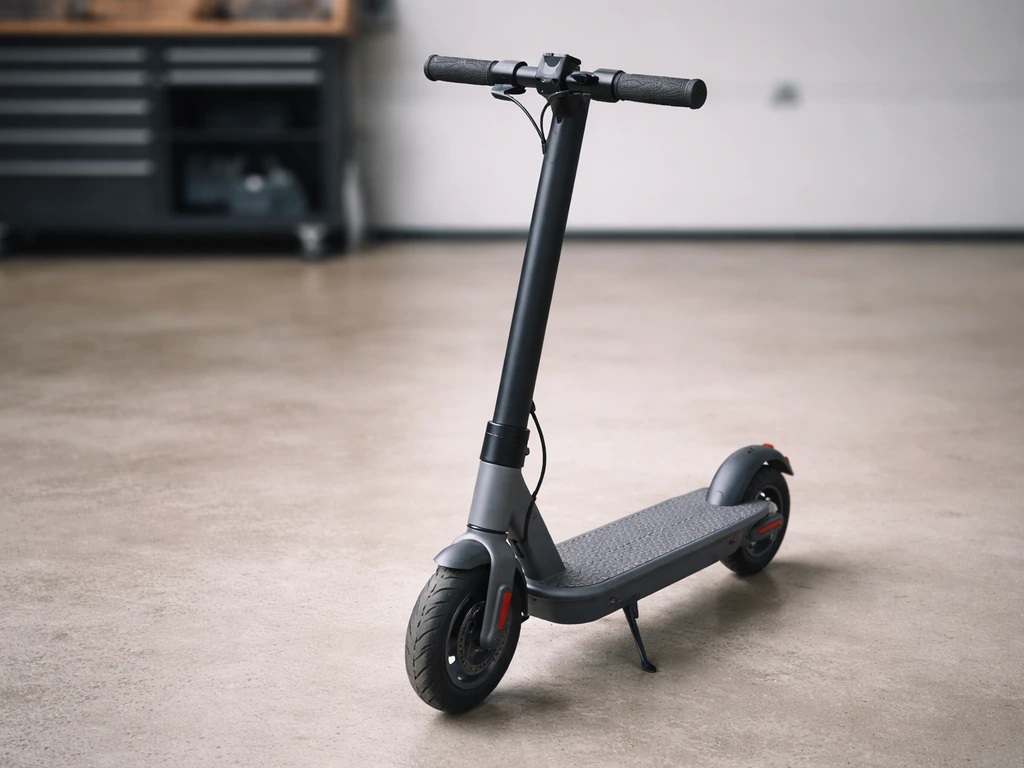
Quick note on intent: if you landed here looking for help with a Bird ride-share e-scooter rather than a pet mobility device, there's a section near the end that covers that scenario. But because this site is focused on bird health and wellbeing, the main focus here is on assistive carts and mobility scooters used by or for pet birds.
Quick triage: figure out what "not working" actually means
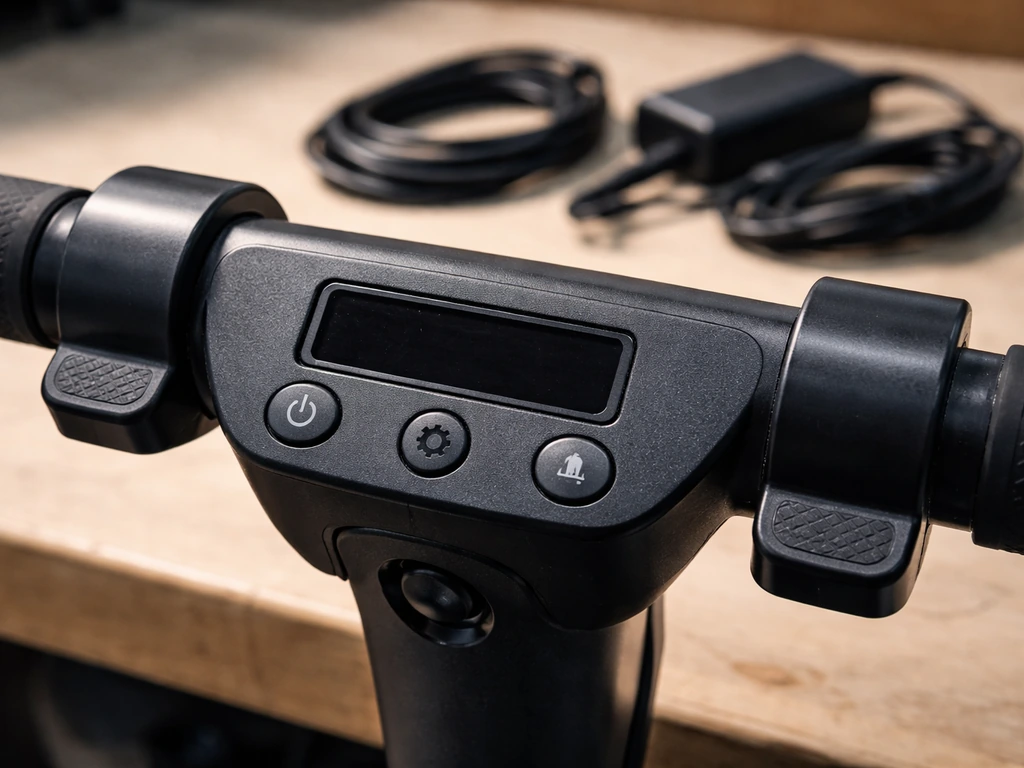
Before you troubleshoot anything, narrow down what you're actually seeing. "Not working" can mean several different things, and each points in a different direction.
- No power at all: the unit is completely unresponsive, no lights, no sounds, nothing happens when you press the power switch
- Won't move: the scooter powers on (lights or sounds may be present) but the wheels don't roll or the cart resists movement
- Intermittent power: the device turns on and off unpredictably, cuts out mid-use, or only works at certain angles
- Unusual noises: clicking, grinding, squeaking, or knocking during operation or when you manually try to move the wheels
- Unstable or erratic movement: the cart veers to one side, wobbles, or moves inconsistently
- Buttons or sensors not responding: the power button, speed control, or any electronic inputs seem dead or unreliable
Identify which of these matches what you're seeing. That symptom is your starting point for the checks below.
Common issues mapped to symptoms
| Symptom | Most Likely Cause | Less Likely But Possible |
|---|---|---|
| No power at all | Dead or disconnected battery, power switch fault | Blown fuse, damaged charging port, faulty control unit |
| Powers on but won't move | Brake engaged or stuck, wheel debris/jam, brake lever safety switch stuck | Motor connection fault, freewheel mode not disengaged |
| Intermittent power | Loose battery connection, worn charging contacts | Damaged wiring loom, water/moisture ingress |
| Clicking or grinding noises | Debris in wheel hub or brake assembly, loose axle fastener | Worn wheel bearings, damaged brake component |
| Squeaking or rubbing | Dust/dirt between brake pad and wheel surface | Misaligned brake caliper, worn brake pad |
| Veering or wobbling | Uneven tire pressure, wheel misalignment, loose caster | Bent axle, uneven weight distribution on bird |
Basic checks you can do right now
Work through these in order. Most problems get caught in the first three steps.
1. Check the power and battery
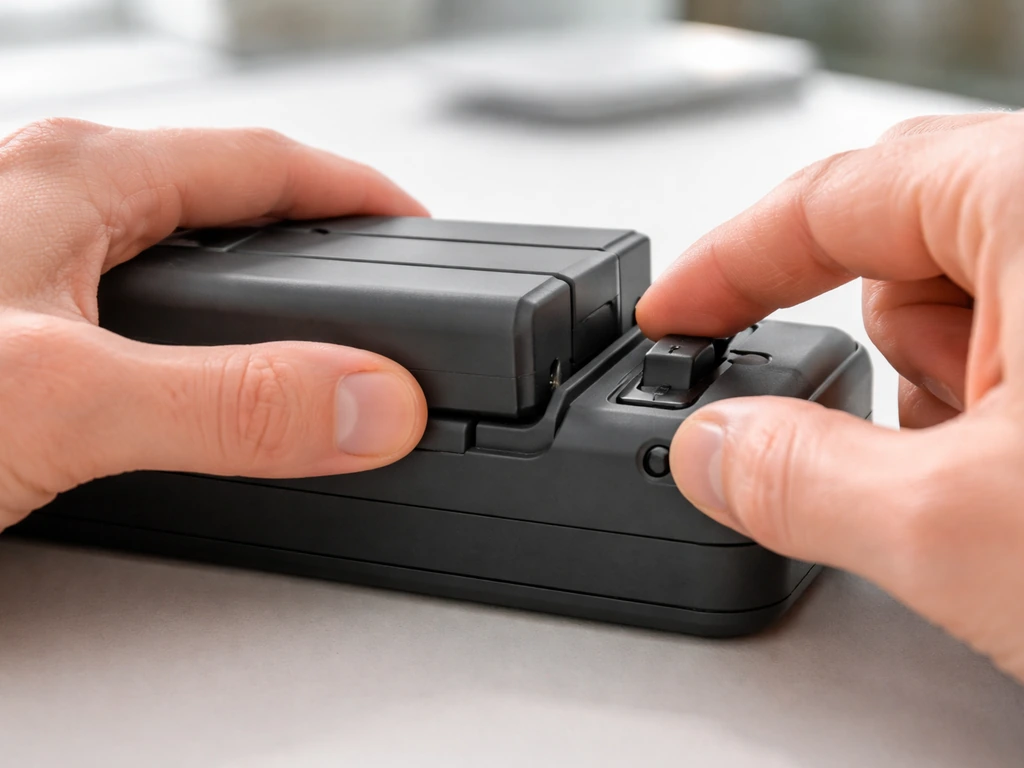
Make sure the power switch is fully in the on position, not halfway between settings. If the device has a battery pack, physically press it to confirm it's fully seated in its slot. A pack that's even slightly out of alignment won't make proper contact with the connectors. If you have a charger, plug it in and check the indicator light. A solid red light usually means it's charging from empty. A blinking green or alternating light can indicate a very low battery in recovery mode, which may take longer than usual to reach a usable charge level. Give it at least 30 to 60 minutes before testing again.
2. Check the brake engagement
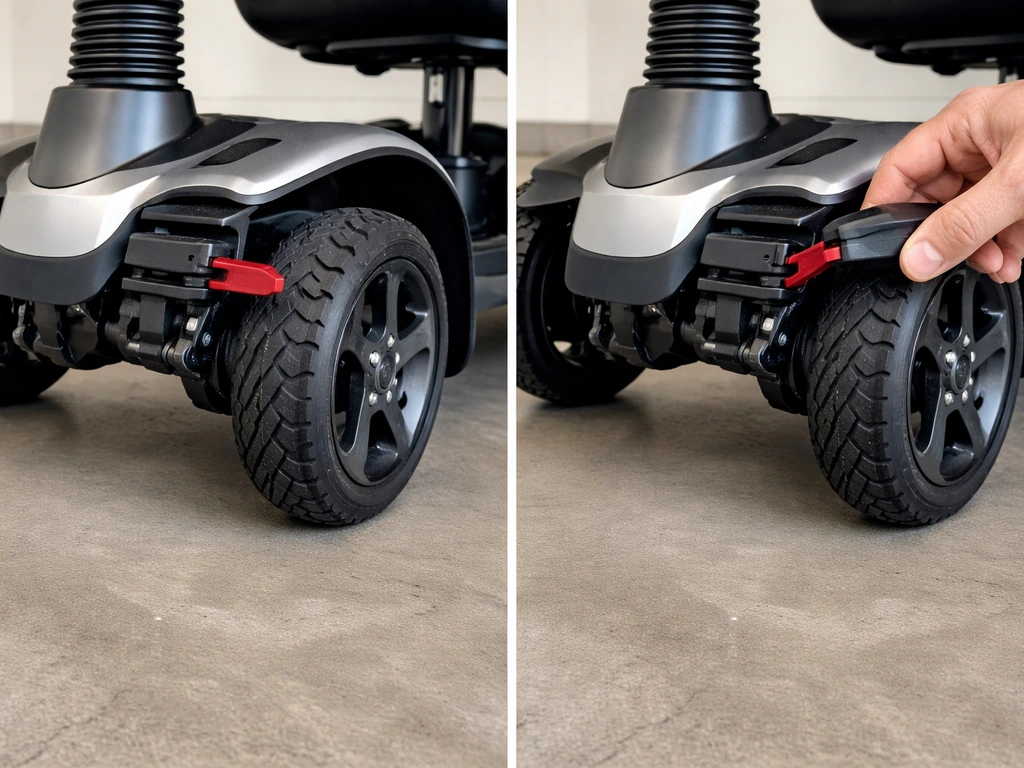
This is the most commonly overlooked cause when a device powers on but won't move. On electric mobility carts, the brake stays engaged until the throttle or motion input is activated. If you hear a click when you switch the unit on and another when you attempt to move it, that's the brake cycling normally. If there's no second click when you try to move the cart, the brake may be stuck in the engaged position. Also check the brake lever manually: if it feels stiff, sticky, or doesn't return fully to its resting position, the brake safety switch inside may be triggering a false "stop" signal.
3. Inspect wheels and moving parts for debris
Turn the device upside down or tilt it safely so you can see the wheels and axles. Look for feathers (yes, they get in there), seed husks, string, hair, or any material wrapped around the axle. Spin each wheel by hand. It should rotate with minimal resistance. If you feel grinding, hear clicking, or the wheel stops abruptly, you've likely found a debris jam. These symptoms, like jamming or grinding noises and resistance when trying to move, often indicate a wheel or axle issue such as a brake fault or loose connection feel grinding, hear clicking, or the wheel stops abruptly. Remove whatever you can with your fingers or tweezers.
4. Check all fasteners and mounting points
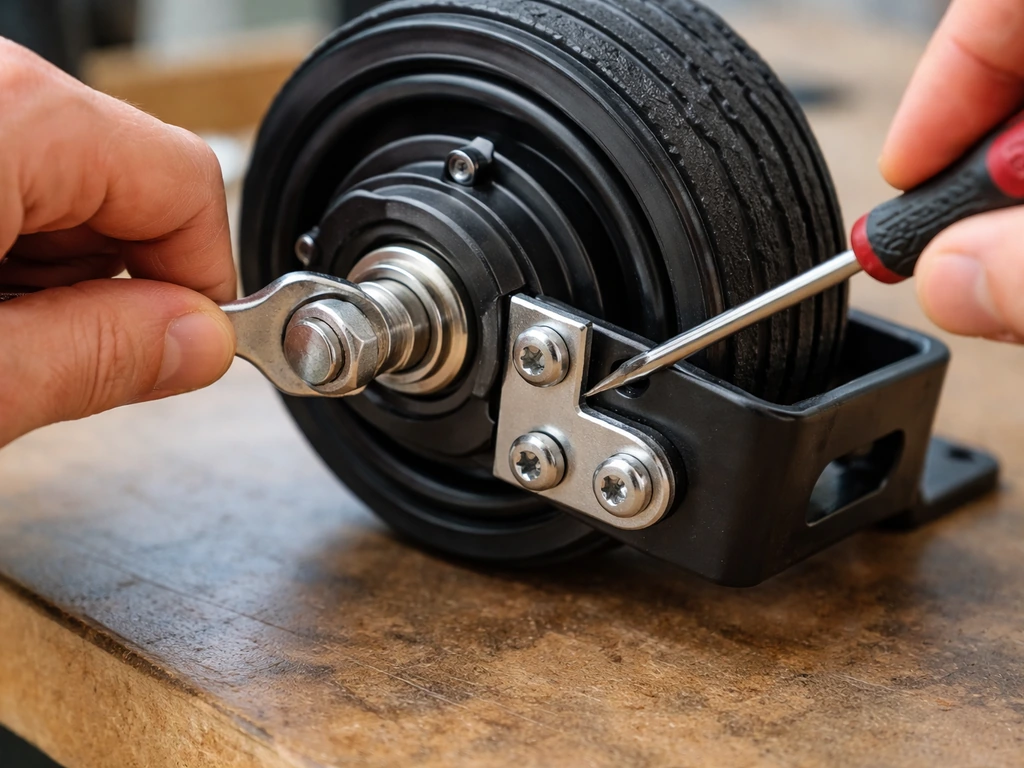
Go over every visible screw, bolt, and clip. Vibration during normal use can loosen fasteners over time. Pay particular attention to the axle bolts, the mounting brackets that attach to the harness or saddle, and any swivel caster locks. A loose wheel assembly can cause movement resistance that feels like a mechanical fault but is really just a fastener issue.
5. Reset or recalibrate if the manual includes steps for it
Some electric pet mobility devices have a reset procedure, usually a button hold sequence or a power cycle. Check the product manual or the manufacturer's website for your specific model. A reset can clear error states that lock the device out of normal operation. If you don't have the manual, search the model name plus "reset procedure" or check if the manufacturer has a help center online.
Safety checks: when to stop using the scooter immediately
Some situations call for putting the device aside entirely rather than continuing to troubleshoot. Here's when to stop:
- Your bird has fallen from or with the device, especially if they appear dazed, are holding a wing or leg awkwardly, or seem in pain. Keep them still and contact an avian vet. Do not put them back in the cart until a vet has cleared them.
- The device is pinching skin, feathers, or toes. Even minor pinching is a reason to halt use and adjust the fit or mounting before continuing.
- You notice any sparking, burning smell, or visible damage to wiring, connectors, or the battery pack. These are not owner-fixable issues.
- The scooter is visibly cracked, bent, or structurally compromised. Continued use risks further injury.
- Your bird is showing signs of stress, avoidance behavior, or distress specifically around or during use of the device. This may point to discomfort that predates the mechanical problem.
The broader point is this: a mobility device is meant to support your bird's wellbeing, not compromise it. If something about how the device is behaving could be causing physical harm, your bird's safety comes first and the troubleshooting can wait.
Maintenance that prevents these problems from coming back
Most repeat failures are preventable with a basic routine. A weekly quick check takes less than five minutes and catches small issues before they become device-stopping ones. When lubricating ON-THE-GO Pet™ wheel and moving parts, the product instructions recommend spot cleaning and keeping moving parts clean and lubricated with WD-40 or light machine oil, while explicitly avoiding brake components and swivel locks.
- Wipe down wheels and axles weekly. Remove any debris, feathers, or organic material that's accumulated around the hubs and swivel joints.
- Lubricate moving parts lightly with WD-40 or a light machine oil every few weeks. Apply it to axles, swivel casters, and wheel bearings. Do not apply lubricant to brake pads, brake surfaces, or swivel locks, as it reduces their effectiveness.
- Clean brake surfaces with a dry cloth to remove dust and grit. Debris buildup between the brake pad and wheel is the leading cause of squeaking and rubbing.
- Check all fasteners by hand during each cleaning session. Tighten anything that's worked loose.
- Inspect tires or wheel treads for excessive wear, cracking, or flat spots. Replace wheels when the tread is visibly worn down.
- Store the device in a dry location away from direct sunlight and moisture. Humidity accelerates corrosion on metal parts and can damage electronic components.
- Avoid immersing the device or exposing it to standing water during cleaning. Spot clean with a damp cloth instead.
- Charge the battery regularly even during periods of non-use to prevent deep discharge, which shortens battery life and can trigger recovery-mode charging behavior.
When to contact the manufacturer, Bird support, or a technician
Some problems are genuinely outside what an owner can or should fix. Contact the manufacturer or a qualified technician if:
- The device is still under warranty and has a mechanical fault. Most manufacturers will repair or replace under warranty without charge.
- You see persistent error codes or indicator light patterns that aren't explained by a discharged battery or debris jam.
- The battery no longer holds a charge or takes significantly longer to charge than it used to.
- A structural component (frame, axle, mounting bracket) is bent, cracked, or broken.
- You've completed all the basic checks and the device still doesn't function correctly.
- Any internal component needs replacement, including control boards, wiring, or the battery pack itself. Most mobility device manuals explicitly state that the control system and battery pack have no user-serviceable parts and should not be opened.
To reach support, locate the manufacturer's help center or contact page. If you purchased through a specialty pet mobility retailer, they often have their own technical support line and can order replacement parts directly. For Bird-branded devices specifically, Bird provides customer support via their Help Center and a contact email on their support page.
Is it a setup or app problem, not a mechanical one?
If your device has an app component or requires account activation to enable features, the problem may not be mechanical at all. Here's how to tell the difference.
Test the device physically: does it power on? Do the wheels spin when you move them by hand with the device off? Do you see any LED response or hear any sounds when you switch it on? If the unit shows physical signs of life and the wheels move freely by hand, the hardware is likely fine. If you think your Bird buddy is offline, the next thing to check is the app's connection status and whether the vehicle shows as online why is my bird buddy offline. The block is on the software or account side.
For app-connected devices, check whether you're logged into the correct account, whether there are any pending payment issues or authorization holds (these can prevent ride or session starts even when the device itself is fully functional), and whether the app shows the device as connected. A simple lock-and-unlock cycle within the app, if your device supports remote lock states, can sometimes clear a software-stuck condition.
If the device is unresponsive both physically and through the app, that points to a hardware or power issue. If it responds physically but the app can't enable it, focus your troubleshooting on the account and connectivity side. These are two separate problems with different fixes, and mixing up which one you have will send you in circles.
A note for readers with a Bird ride-share scooter
If you're here because a Bird e-scooter (the ride-share service) isn't working, the core logic above still applies. Check whether the scooter shows power physically. If it does but the app can't start the ride, the issue is almost certainly account or payment related. If you are wondering how do i know if my bird buddy is on, start by checking whether the scooter shows power in the app and on the vehicle itself Bird ride-share scooter.
If your Bird ride-share scooter feels slow, start by checking the brake engagement and for any physical resistance or debris before focusing on the app app can't start the ride. Try locking and unlocking the vehicle using the lock toggle in the Bird app. If there's a payment hold or authentication issue, that will surface in the app's payment section.
For physical issues like flat tires, strange noises, loose parts, or any condition that feels unsafe, stop using it immediately and report it through the Community Mode option in the Bird app. Bird's Help Center and support email are available for non-urgent issues.
The core troubleshooting approach for any scooter, whether it's a pet mobility cart, a Bird ride-share vehicle, or a similar device, comes down to the same sequence: confirm power, check for brake or physical resistance, rule out debris and loose connections, then escalate to app or support if the hardware itself checks out. If your bird buddy is not taking pictures, the fix usually starts with checking the camera settings or app permissions first, then moving on to power and connection issues.
FAQ
My bird scooter won’t move, but the power light comes on, what should I check first?
Look for “charge state” clues before you assume the battery is dead. If the charger light never turns on, try a different outlet and make sure the charger plug is fully seated in the scooter’s charging port (a partially inserted plug can charge intermittently). If the indicator shows charging but it still won’t move after 30 to 60 minutes, stop and recheck the battery pack seating or connections, then consider replacement/repair rather than repeated charging cycles.
The wheels spin by hand, but my bird scooter still won’t start, why?
If the wheel feels free by hand but the device still does not propel, the issue is often the control input or brake logic, not the axle jam check. Try activating the throttle or motion input while listening for the brake release sound. If you hear cycling, the brake may be working normally and you should focus on battery output (not just “charged”) or a stuck safety sensor.
How can I tell if my bird scooter battery pack is seated correctly?
A loose or misaligned battery pack is easy to miss. Remove and reseat it, then press firmly until you feel it click into place, and visually confirm the pack is sitting flush with the contacts. After reseating, try a short test: if it powers on only when you press or jiggle the battery, the connector fit is the problem, not the motor.
What if my brake lever looks fine, but the scooter acts like the brake is engaged?
Yes, even when there’s no obvious debris, a brake safety switch can be partially triggered. With the device powered off, check that the brake lever returns to resting position without binding, and inspect the lever area for anything caught near the lever pivot. If the lever feels stiff or slow to return, that can prevent motion and it may require inspection rather than continued force.
Could cleaning or wetness cause my bird scooter to stop working even though it powered on?
If you recently cleaned the device, moisture or cleaner residue can cause false sensor triggers (especially around ports, switches, or the brake lever area). Let the scooter dry fully before retrying, avoid using oils on moving parts, and only use cleaning methods recommended for the specific device. After drying, retry the same step order, starting with power switch fully on.
Is it safe to keep doing the reset procedure until it works?
Don’t keep resetting repeatedly if the device powers down, overheats, or smells “hot” or burnt. Reset procedures can clear error states, but repeated resets while a fault is present can worsen hardware damage. If resets do not restore normal operation after a couple attempts, stop and escalate to manufacturer support or a qualified technician.
What should I do if I still feel grinding after removing debris from the wheels?
If the unit powers on but the wheels won’t spin freely or stop abruptly, don’t force movement while it’s upside down, and remove debris or hair first. After clearing, spin each wheel again. If you still feel grinding, clicking, or uneven resistance, the issue may be drivetrain wear or a damaged axle, which is outside basic troubleshooting.
How do I know whether the problem is hardware (power/brake/debris) or app/account related?
For app-connected devices, confirm two separate things: physical “signs of life” on the vehicle (power response, LED activity) and app online status. If physical indicators work but the app cannot enable the scooter, the scooter is likely fine and the fix is account or connectivity. If physical indicators are absent too, treat it as a power or hardware problem first.
My bird scooter shows as powered in the app but rides won’t start, what does that usually mean?
Check whether you are logged into the correct account that matches the vehicle, then review payment or authorization status in the app because a payment hold can block ride starts even when the scooter itself is healthy. If the app supports it, try a lock then unlock action to clear a stuck remote state, then refresh the connection view afterward.
What details should I gather before contacting Bird support or a technician?
When you contact support, include the symptom pattern, not just that it “won’t work.” For example, whether there is a second brake click attempt, the charger indicator color behavior, and whether the wheels spin freely by hand. This helps support distinguish low battery versus brake/safety sensor versus app enablement issues faster.
Next Articles
Why Is My Bird Scooter Slow? Fix It Today Checklist
Diagnose why your Bird e-scooter is slow: quick checklist for battery, tires, drag, settings, terrain and rider factors.
Little Live Pets Bird Not Working: Troubleshooting Guide
Troubleshoot a Little Live Pets lil bird not working: check power, reset, and spot health warning signs fast.

Why Is My Bird Buddy Not Taking Pictures? Fix It Fast
Troubleshoot why your Bird Buddy won’t take pictures: power, storage, permissions, settings, Wi‑Fi, and lighting checks.