If you typed 'my bird is sick meme' into a search bar, you probably just watched your bird do something weird and alarming, and the meme reaction kicked in before the logical one did. That's completely normal. The good news is that most quirky bird moments are exactly that: quirky. But birds also hide illness better than almost any pet, which means the times they do look visibly off, it's worth paying attention fast.
My Bird Is Sick Meme: What to Check and When to Worry

Marcus Chen
2 Jun 2026
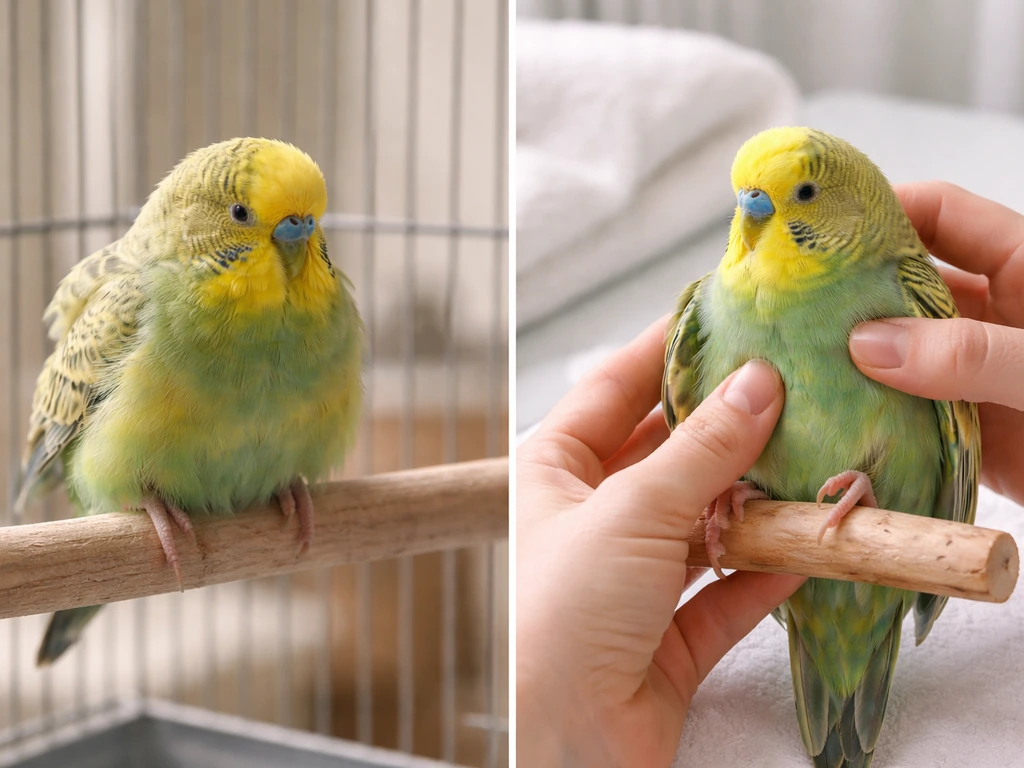
If you are asking yourself, “why is my bird acting like this? ”, the quickest way to narrow it down is to compare these signs to what is normal for your bird. This guide will help you figure out whether what you're seeing is a normal bird being dramatic or a real warning sign that needs action today.
If you're wondering what is wrong with Gizmo the bird, use this same checklist to spot the most likely warning signs and decide how urgently to get help figure out whether what you're seeing is a normal bird being dramatic or a real warning sign.
Why 'My Bird Is Sick' Becomes a Meme Moment
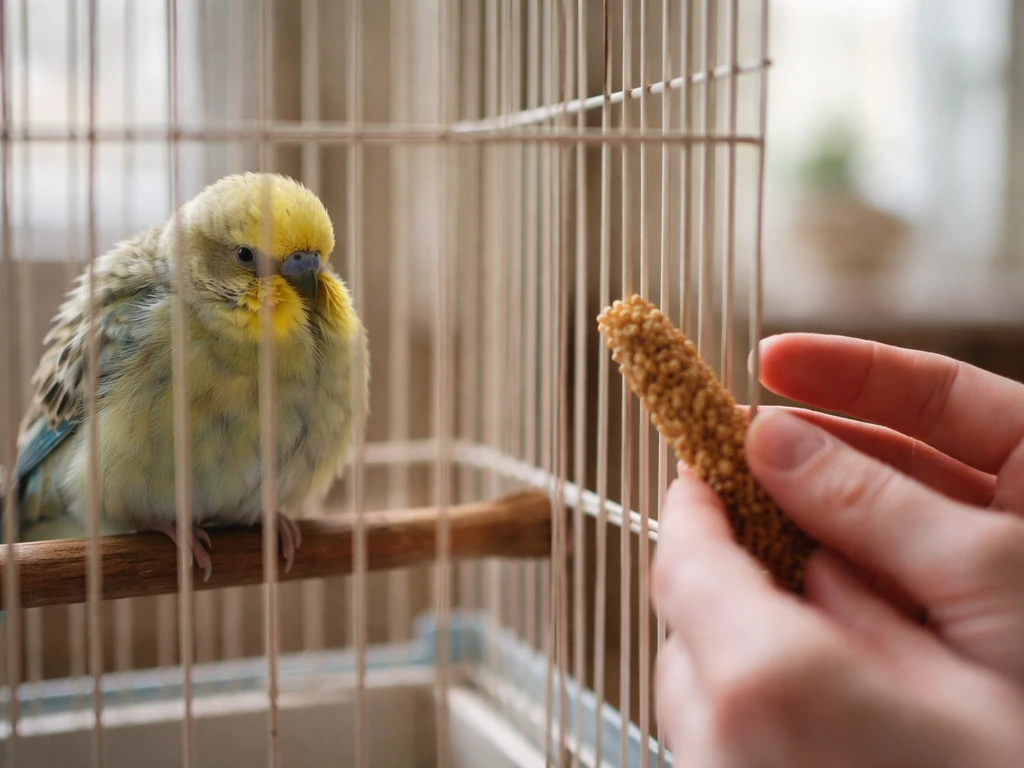
Bird owners know the feeling. Your bird is sitting there looking absolutely tragic, feathers fluffed up, one eye half closed, and you immediately spiral. Or they're doing something so bizarre you can't tell if it's hilarious or concerning. Social media is full of these moments because birds are genuinely weird and expressive, and that weirdness maps perfectly onto relatable human emotions.
The tricky part is that some of those 'meme-worthy' behaviors are actually health signals. If you're dealing with a my cockatiel bird is sick situation, use these health signals to decide how urgently you need a vet meme-worthy. In general, a bird can catch your cold in some situations, so take respiratory symptoms seriously and practice good hygiene around your flock. A fluffed-up bird can mean it's cold, sleepy, or very unwell. A bird sitting on the cage floor can be a clown move or a serious red flag. The overlap between 'funny bird content' and 'bird that needs a vet' is real, and that's exactly why the meme-to-panic pipeline exists for so many owners.
Birds are prey animals by nature, which means they've evolved to hide weakness. By the time a bird looks visibly sick, the illness has often been progressing for a while. That's not meant to scare you, but it's the reason vets consistently say to take early or subtle signs seriously rather than waiting for dramatic symptoms to develop.
Quick At-Home Health Check You Can Do Right Now
Before you panic, do a quick, structured observation. You don't need equipment for this, just a few minutes of focused watching. Run through each of these five areas.
Posture and appearance
A healthy bird holds itself upright and alert. If your bird is hunched, fluffed up for extended periods (not just after waking up), or sitting on the cage floor instead of a perch, those posture changes are worth noting. Partially or fully closed eyes during the day, when the bird isn't sleeping, are another subtle flag. Ruffled feathers that don't smooth back out, dull coloring, or visible weight loss around the breastbone are also things to check.
Breathing
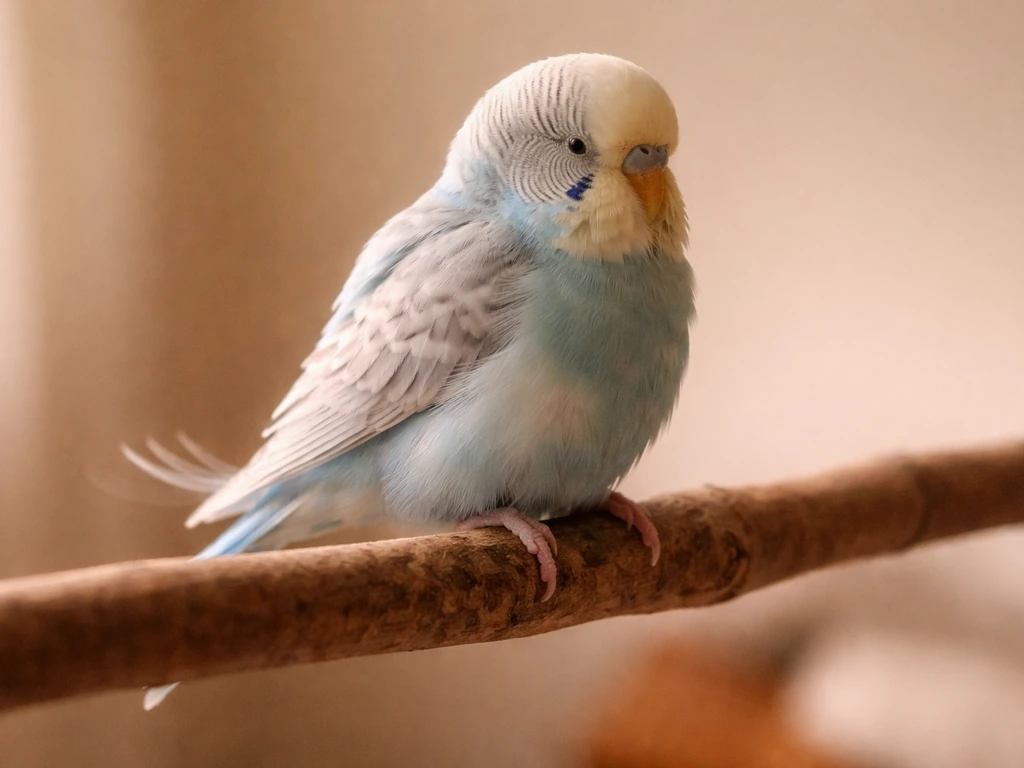
Watch your bird breathe while it's at rest. Normal breathing is quiet and almost invisible. If you can see the tail moving up and down rhythmically with each breath, that tail-bobbing is a respiratory red flag. Open-mouth breathing at rest, wheezing, clicking sounds, or any visible effort to breathe are serious. Even subtle changes like a change in voice quality or more frequent sneezing can indicate a respiratory problem brewing.
Appetite and water intake
Is your bird eating and drinking close to its normal amount? A noticeable drop in appetite or a sudden increase in water consumption both warrant attention. Birds with digestive issues like candidiasis or bacterial GI infections often show poor appetite alongside other signs. If the crop area (the pouch near the base of the neck in many species) seems very distended and isn't emptying within a normal timeframe, that's a specific concern called crop stasis.
Droppings
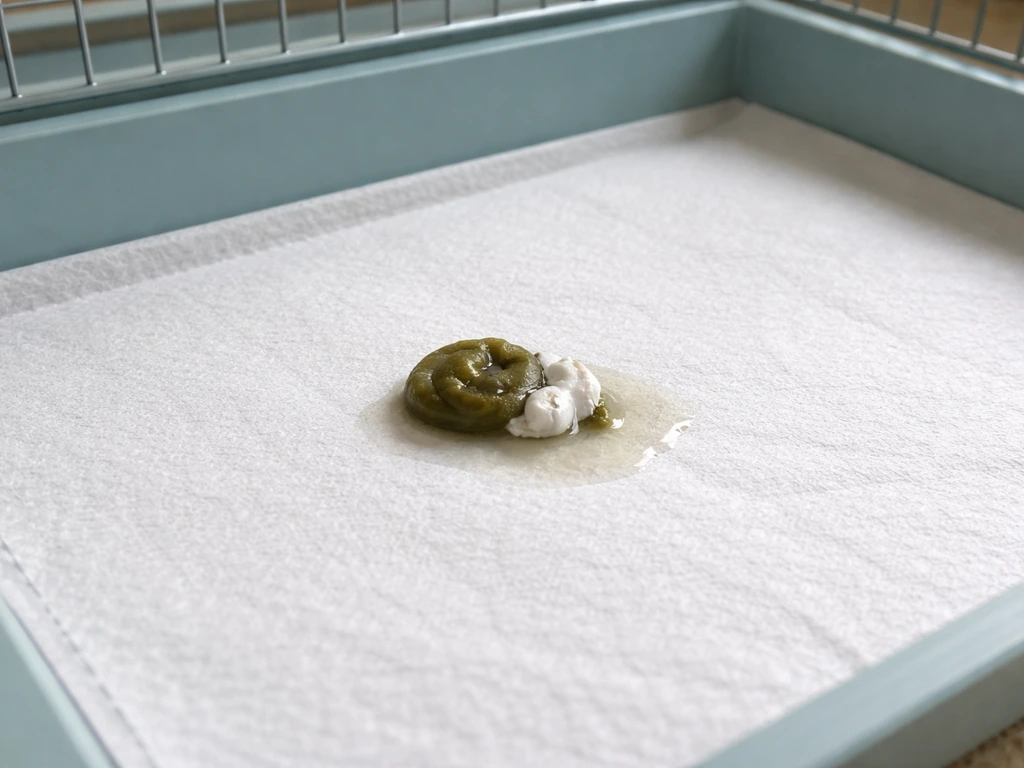
Bird droppings have three components: the fecal portion (usually green or brown depending on diet), the urates (the whitish part), and clear liquid urine. Any significant change in color, volume, consistency, or frequency matters. Watery droppings, red or black coloring, or persistent yellow or green urates are all signals to take seriously. Changes in droppings are often one of the first observable signs of illness, so if something looks off and it's been more than a day or two, don't dismiss it.
Activity and behavior
Think about your bird's normal energy level and compare it to what you're seeing today. Lethargy, reduced vocalization, less interest in toys or interaction, or weakness that makes it hard to grip a perch are all meaningful changes. A bird that's unusually quiet, inactive, or easy to handle when it's normally feisty is telling you something.
Common Illness Signs by Category
Respiratory signs
Respiratory issues are among the most urgent health concerns in pet birds. Signs include sneezing with nasal discharge, labored or open-mouth breathing, tail bobbing while breathing, wheezing, clicking sounds, high-pitched noises, and changes in voice. Air-sac mite infestations, bacterial infections, and other respiratory diseases can all produce these signs. Because breathing problems can deteriorate quickly in birds, any combination of these symptoms, especially open-mouth breathing or tail bobbing at rest, should be treated as urgent.
Digestive and GI signs
GI problems often show up as changes in droppings first. Diarrhea, watery or discolored droppings, vomiting or regurgitation, low energy, and reduced appetite can all point to bacterial infections, candidiasis, or other digestive disorders. Crop issues like delayed emptying or a visibly swollen crop alongside weakness or repeated regurgitation are particularly concerning and should prompt a vet call the same day.
Feather and skin signs
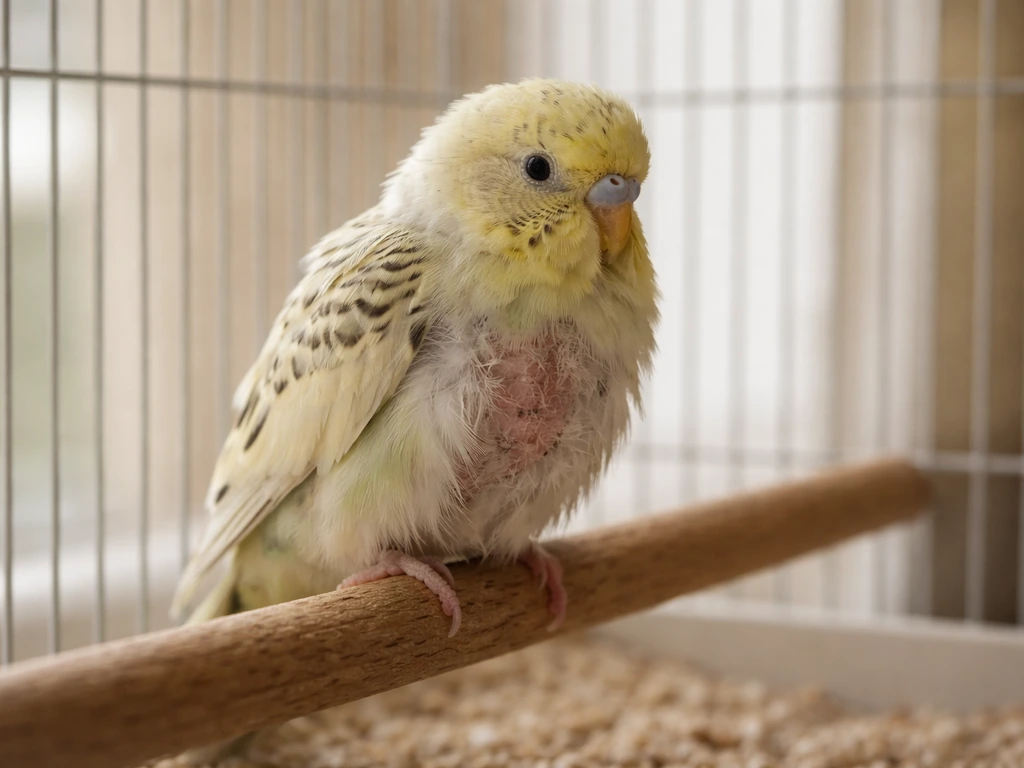
Feather problems can have both physical and behavioral roots. Feather plucking or self-damaging behavior can be caused by viruses like PBFD or polyomavirus, bacterial infections, or significant stressors. Abnormal feather coloring, chewed or damaged feathers, bald patches, or feathers that look wrong for the time of year are all worth investigating. If your bird has suddenly developed feather issues without an obvious environmental explanation, a vet visit to rule out infectious causes is a reasonable step.
Stress and behavioral signs
This one trips a lot of owners up because stress can genuinely mimic illness. A bird going through environmental changes, a new household member, changes in routine, or even seasonal shifts may act lethargic or eat less. That said, stress doesn't get a free pass as an explanation. If behavioral changes persist for more than a few days or come with any physical symptoms, stress alone isn't the full answer.
When to Worry: Red Flags That Mean Act Today
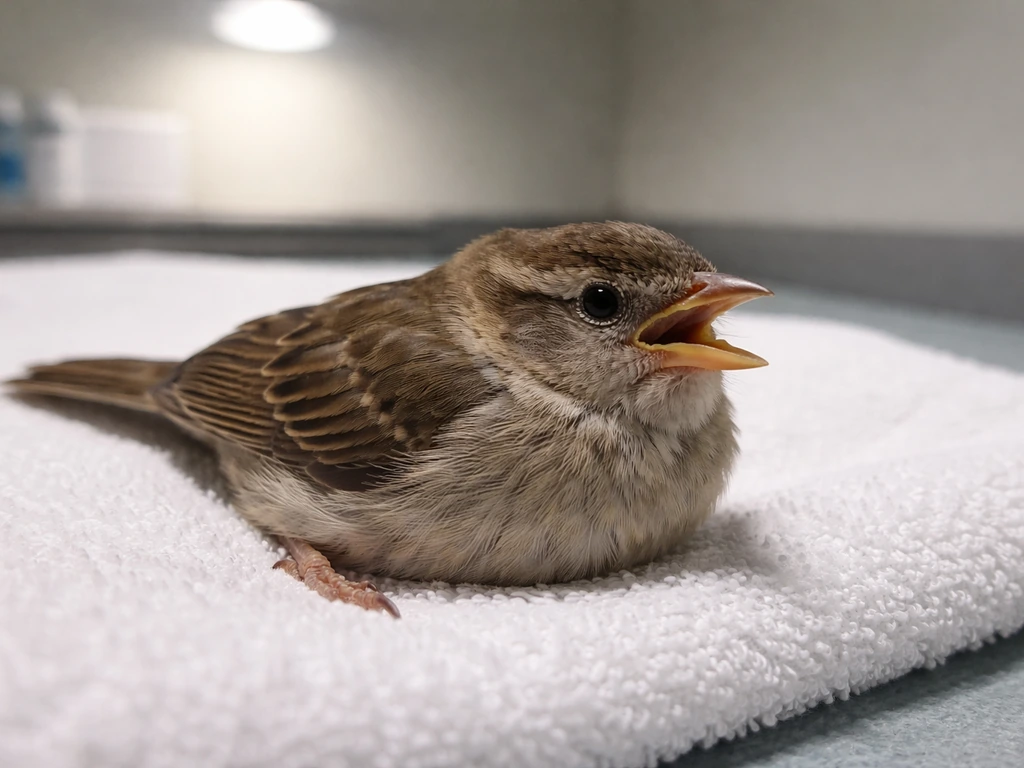
Some signs mean stop reading and call an avian vet right now, not tomorrow. These are emergencies.
- Open-mouth breathing at rest
- Pronounced tail bobbing with every breath
- Wheezing, clicking, or audible breathing sounds
- Blue or very pale tissues (around the beak, skin, or mouth)
- Collapse or inability to stand or grip a perch
- Seizures or loss of balance
- Uncontrolled bleeding
- Suspected exposure to toxins (smoke, fumes, chemicals, heavy metals)
- Markedly distended crop with weakness or repeated regurgitation
- Bird that is cold to the touch, hard to rouse, or extremely limp
If your bird shows any of the above, this is a same-day emergency vet visit situation. Birds can decline very rapidly once visible respiratory distress sets in, and waiting even a few hours can make a significant difference in outcomes. If you don't have an avian vet, call the nearest exotic animal clinic and describe what you're seeing.
Signs that aren't emergencies but still need a vet appointment within the next day or two include: persistent appetite loss, unusual droppings lasting more than 24 to 48 hours, lethargy or weakness without an obvious cause, abdominal swelling, weight loss you can feel when you hold the bird, or any unexplained behavioral change that doesn't resolve quickly.
What to Do Right Now: At-Home Care While You Wait
If you're concerned but not in emergency territory, there are concrete things you can do at home while you line up a vet appointment.
Isolate the bird
If you have other birds, separate your potentially sick bird from them immediately. Use a clean cage with fresh food and water nearby. This limits disease spread and also makes it easier to monitor the sick bird's specific droppings, food intake, and behavior without confusion from other birds.
Keep the environment warm
A sick bird's ability to regulate its own body temperature is often compromised. Most supportive-care guidance recommends keeping an ill bird in a warm environment around 85 to 90 degrees Fahrenheit (29 to 32 degrees Celsius). You can do this with a heat lamp positioned to one side of the cage (so the bird can move away if too warm) or by placing the cage in a consistently warm room. Make sure the bird isn't in a draft.
Keep food and water accessible
Place food and water at the level the bird can reach without effort. If the bird is weak and sitting low in the cage, dishes on the cage floor may be more accessible than elevated feeders. Don't force feed or give supplements unless specifically directed by a vet.
Reduce stress and stimulation
Keep the environment quiet. Dim lighting, covering part of the cage, and limiting handling all reduce the energy the bird needs to spend on stress responses. This matters because a sick bird under stress can deteriorate faster.
Start a monitoring log
Write down or use your phone's notes app to track: what you observed and when it started, any changes in droppings (color, consistency, volume), food and water intake estimates, the bird's posture and activity level at different times of day, and any environmental changes that happened around the same time symptoms appeared (new foods, cleaning products used nearby, new objects in the space, change in routine). For the Cornell University avian history form, owners are prompted to provide blank" rel="noopener noreferrer">key details such as the reason for visit and diet information to help with what to record and bring.
How to Talk to Your Vet So They Can Actually Help
When you call or visit an avian vet, the more specific information you bring, the faster and more accurately they can narrow down what's going on. Birds can't describe symptoms, so you're their voice. You may also wonder if your bird can get sick from you, especially if you have symptoms or share close contact can my bird get sick from me.
What to document before the appointment
- When you first noticed something was wrong, as specifically as possible (e.g., 'yesterday morning' not 'a few days ago')
- What exactly changed: posture, breathing, droppings, appetite, activity, vocalization, feathers
- The bird's normal diet and any recent changes to food or treats
- The bird's environment: cage size, what it's near, any recent cleaning products or aerosols used in the home
- Any other pets or birds in the household and whether they have symptoms
- Any recent changes to routine, household, or the bird's environment
- Previous health history if you have it
Photos and videos to capture
A short video of your bird breathing at rest is incredibly useful for a vet, especially if tail bobbing or labored breathing is intermittent. Photos of droppings (placed on a white paper towel makes color much easier to see), photos of any feather damage or skin changes, and a video of any abnormal movement or posture all give the vet information they can't get from your description alone.
Questions worth asking
- Does this bird need to be seen today, or is monitoring at home for 24 hours reasonable?
- What specific changes should trigger an emergency visit if they happen overnight?
- Are there any diagnostic tests (fecal swab, respiratory swab, bloodwork) you'd recommend?
- What should I feed and how should I manage the environment in the meantime?
- Are there any household toxins or environmental factors I should rule out?
One more thing worth knowing: not every vet has avian expertise. If you don't already have an avian vet, look specifically for one who sees birds regularly or is board-certified in avian medicine. The difference in diagnostic accuracy for bird-specific issues is real, and many common bird illnesses can be missed by a generalist who doesn't see birds often.
Most of the time, the 'my bird is sick meme' moment turns out to be your bird being its usual chaotic self. But when it's not, the steps above give you a clear path from 'something seems off' to 'I've done what I can and I have a vet on the case.' That's exactly where you want to be.
FAQ
My bird looks fluffed up, but it only happens in the evening. Is that automatically a sickness sign?
Not necessarily. Fluffed feathers can be normal if it is clearly related to sleep, the posture returns to normal after resting, and breathing stays quiet. The warning signs to watch for are fluffed posture that lasts most of the day, dull coloring that persists, closed eyes during waking hours, or any change in breathing (tail bobbing, open-mouth breathing) or droppings.
How quickly do I need to act if I suspect a respiratory issue but my bird is still eating?
Act quickly, even if eating is still present. Respiratory problems can worsen fast in birds, and a change in voice, increased sneezing, or tail bobbing at rest are enough reason to call an avian vet the same day. Waiting for a “full” respiratory crisis can make treatment harder.
My bird is drinking more and having watery droppings, but it is otherwise active. What’s the best next step?
Treat watery or unusually frequent droppings as a medical signal even if activity is normal. Document how many times it changes, whether the urates look abnormal, and whether the pattern is new within the last 24 to 48 hours. Call the vet promptly, especially if it continues beyond a day or two or if appetite drops.
What’s the difference between normal poop variations and something that could be illness?
Normal variation exists by diet and hydration, but illness changes tend to be persistent and coordinated across fecal portion, urates, and urine. Red flags include watery output that does not resolve, consistently persistent yellow or green urates, black or red coloration, or a sudden shift that keeps occurring day after day.
Can crop stasis look different depending on my bird species, and what should I do at home?
Yes, appearance can vary, but delayed emptying with a visibly swollen crop is the key concern. Avoid trying to “fix it” with homemade remedies. Instead, keep warmth and limit stress, track whether regurgitation happens, and contact an avian vet the same day because crop issues can escalate quickly.
If I separate my sick bird from other birds, should I change anything else besides the cage?
Yes. Use separate tools if possible (food bowls, perches, cleaning tools), wash hands between birds, and avoid sharing bedding or towels. This reduces the chance of spreading respiratory or GI pathogens while still letting you monitor symptoms clearly.
My bird is on a perch but weaker today. Should I move food to the cage floor and stop perches?
Move food and water to an easily reached height, and consider placing a low resting area so it does not have to grip high perches. Do not remove all perches if your bird can balance comfortably, but prioritize stability, reduce fall risk, and avoid forcing movement when it is unwell.
Is it safe to use a human cold medicine or essential oils around my bird?
No, do not self-medicate with human cold products, and avoid essential oils or strong fragrances. Birds are sensitive to airborne compounds, and dosing errors can be dangerous. If you need to manage air quality, focus on ventilation and minimizing irritants while you contact the vet.
Should I film my bird for the vet, and what exactly should I capture?
Yes, and keep it targeted. Record breathing at rest (especially to capture tail bobbing or open-mouth breathing), a short routine clip of posture and activity, and clear shots of droppings on a white surface. If the bird’s symptoms are intermittent, include the timeframe when you noticed the change and how long it lasted.
How can I tell if this is stress versus something infectious?
Stress can reduce appetite and activity, but infectious issues often show physical progression, especially with respiratory signs or persistent abnormal droppings. If behavior changes last more than a few days, or you see breathing changes, vomiting/regurgitation, or continued abnormal droppings, treat it as medical and seek avian care rather than assuming it is only stress.
My bird’s symptoms started after I cleaned the room. How long should I wait before calling a vet?
Call sooner if cleaning fumes or new products were involved, especially with any respiratory or neurological symptoms. Bird airways are highly sensitive, and irritation from products can worsen. If symptoms are ongoing after a short period, do not wait for a full day, contact an avian vet and describe what was used and when.
What should I ask the vet when I call, so I get the right level of urgency?
Be specific about onset time, whether breathing looks harder, whether the bird is fluffed for extended hours, appetite change, and what the droppings look like (color, watery versus formed, urates appearance). Also mention any known exposures (new food, cleaning products, new bird) and whether the bird is resting on the floor or has any weakness gripping.
If my avian vet is not available, what’s the safest interim plan?
Use an emergency or exotic clinic route and keep your bird warm in a draft-free area, around 85 to 90°F, with food and water placed within easy reach. Limit handling and keep the environment quiet. Do not start antibiotics or other meds on your own, and prioritize a rapid evaluation based on respiratory status and droppings.