
If your cockatiel looks off today, trust that instinct. Cockatiels are prey animals, which means they are hardwired to hide illness for as long as possible. By the time you notice something is wrong, your bird has likely been feeling sick for a while already. If you are wondering, "is my bird sick," this guide helps you quickly spot changes and decide what level of care to seek.
My Cockatiel Bird Is Sick: Symptoms, First Aid, Vet Triggers

Marcus Chen
5 May 2026
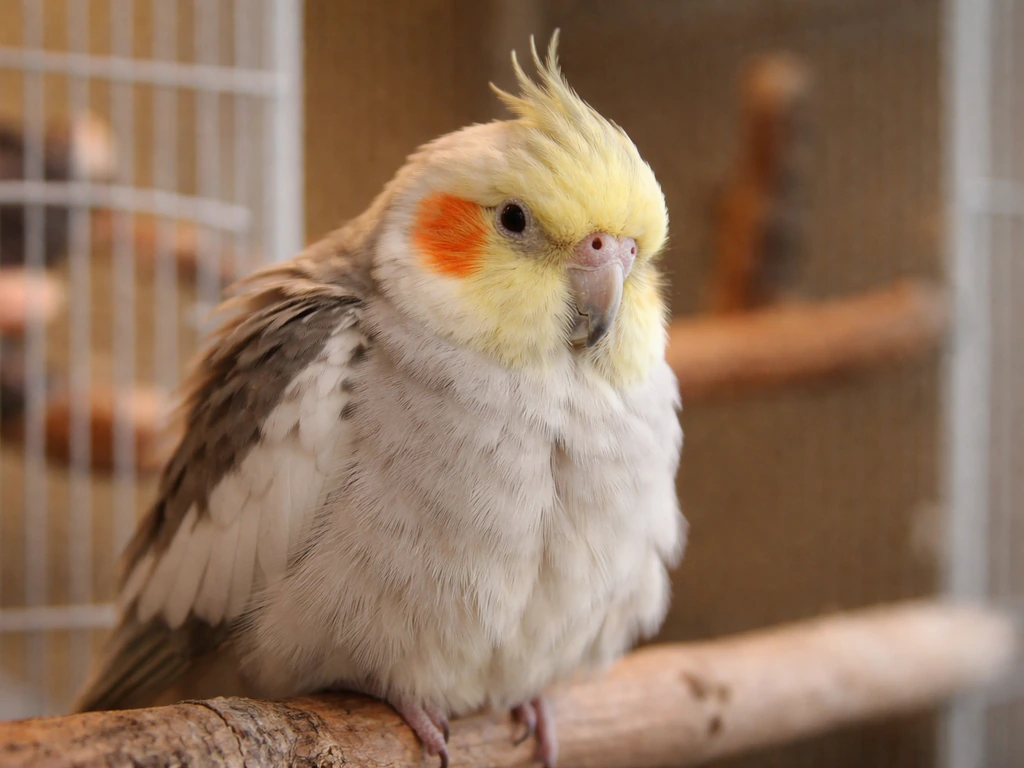
The most important thing you can do right now is assess what's changed, check for a few specific warning signs, and decide quickly whether this needs a vet call today or careful monitoring over the next few hours. If you are asking why is my bird acting differently, start by pinpointing what has changed in its routine, appetite, and breathing what's changed.
Quick triage: what's changing right now
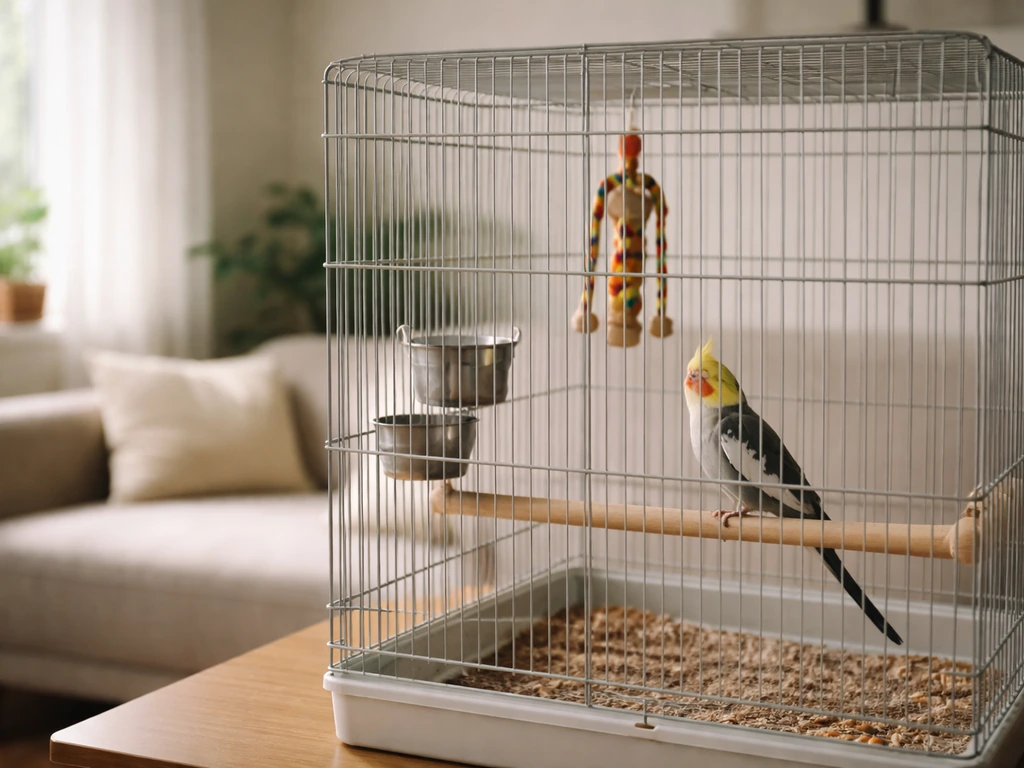
Before you do anything else, take 60 seconds and just watch your bird from across the room without approaching the cage. You want a natural, undisturbed read on how your cockatiel is actually doing when it's not reacting to you.
Ask yourself these questions as you observe:
- Is the bird sitting on the cage floor or low on the perch instead of up top?
- Are the feathers puffed up, making the bird look rounder than normal?
- Is the tail bobbing up and down with each breath?
- Is the bird keeping its eyes closed or half-closed during the day?
- Is it silent when it's usually vocal, or unusually still?
- Did it ignore food or treats it normally goes crazy for?
- Is the breathing fast, labored, or audible (wheezing, clicking, or rattling)?
- Has anything changed in the last 24 to 72 hours, including diet, environment, visitors, cleaning products, or new items in the room?
Even two or three "yes" answers here is enough reason to keep reading carefully and consider calling an avian vet today. A single dramatic sign like blank" rel="noopener noreferrer">open-mouth breathing or inability to perch is already an emergency on its own.
Symptom checklist: behavior, breathing, droppings, and posture
Here is a practical checklist organized by category. Go through each one and note what applies to your bird right now.
Behavior and energy
- Sleeping more than usual with eyes closed during daylight hours
- Uninterested in surroundings, toys, or interaction
- Not responding to your voice the way it normally does
- Reduced appetite or completely ignoring food
- Sitting at the bottom of the cage instead of perching
- Drooping wings or leaning to one side
- Loss of balance or wobbling on the perch
Breathing
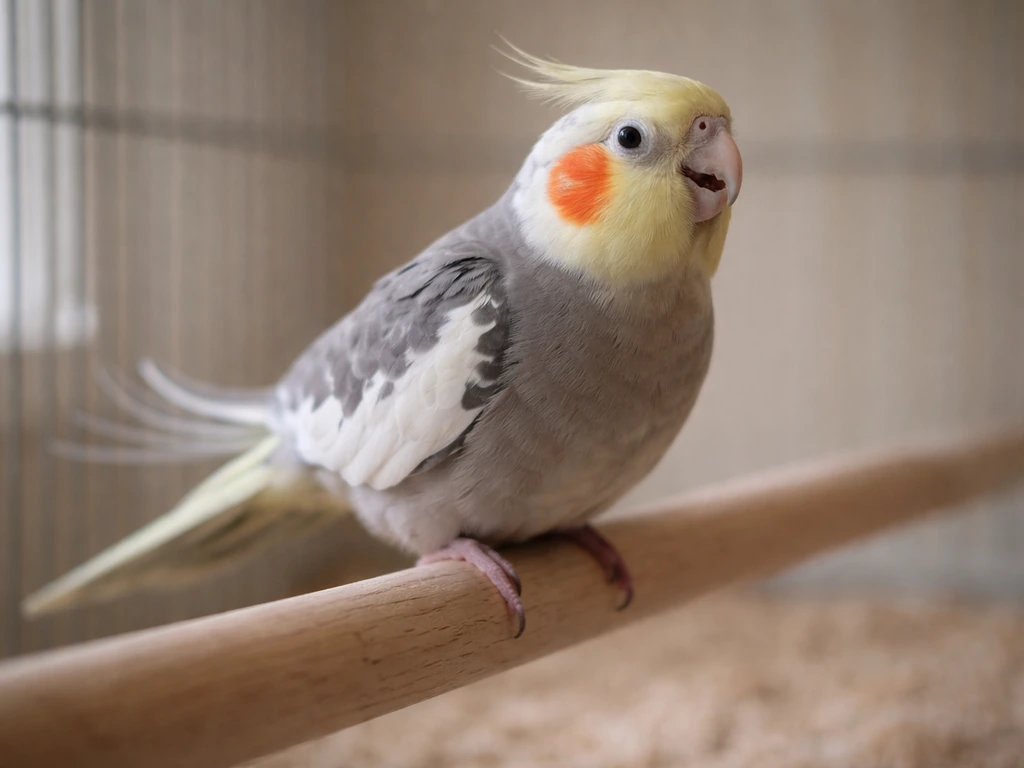
- Tail bobbing with each breath (this is a respiratory red flag)
- Open-mouth breathing or beak pumping (emergency sign)
- Audible wheezing, clicking, or rattling sounds
- Labored or visibly effortful breathing
- Nasal discharge or crusty nostrils
- Sneezing more than a couple of times per day
Droppings
Healthy cockatiel droppings have three distinct parts: a green or brownish formed fecal coil, a white or beige chalky urate portion, and a small clear liquid urine ring on the paper around the dropping. Changes in any of these three parts matter.
- Red, yellow, tarry black, or pale droppings (possible disease warning)
- Unformed fecal portion with a "pea soup" consistency (true diarrhea)
- Normal-looking fecal portion but surrounded by a large watery ring (polyuria, which is different from diarrhea and can signal kidney or hormonal issues)
- No droppings at all, or far fewer than usual
- Droppings stuck to the vent feathers (fluffed, dirty vent area)
Posture and physical appearance
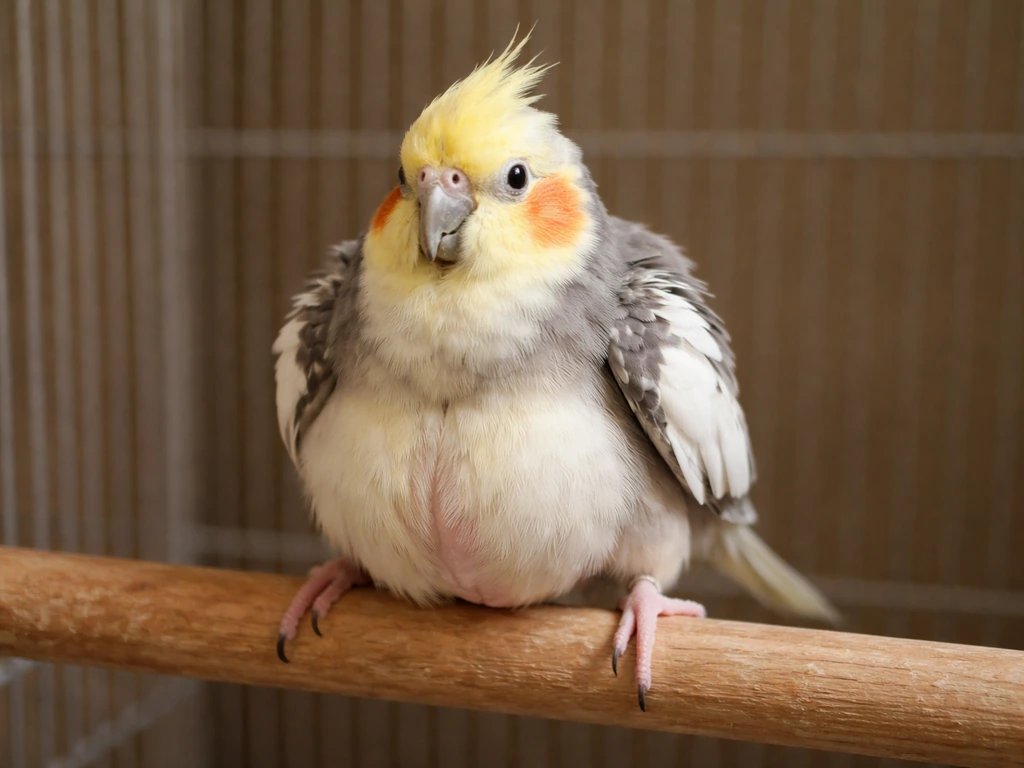
- Consistently puffed-up feathers (beyond a quick post-bath fluff)
- Distended or swollen abdomen
- Wide-legged stance on the perch (can indicate egg binding in female birds)
- Feathers in poor condition, broken, or missing in unusual patterns
- Visible bleeding or injury
Common causes behind the most frequent warning signs
A checklist is only useful if you can connect the dots. Here are the most common causes that pair with the symptoms above.
| Warning Signs | Likely Causes to Consider |
|---|---|
| Tail bobbing, wheezing, open-mouth breathing, nasal discharge | Respiratory infection (bacterial, viral, fungal like aspergillosis, or parasitic) |
| Lethargy, weight loss, regurgitation, diarrhea | Avian gastric yeast (Macrorhabdus), bacterial GI infection, or internal parasites |
| Diarrhea, feather plucking, screaming, malnutrition signs | Giardiasis (most common in cockatiels specifically) |
| Wide-legged stance, straining, distended abdomen, tail bobbing, failure to perch in a female bird | Egg binding (requires urgent veterinary care within hours) |
| Sudden lethargy, head shaking, breathing issues after exposure to fumes or aerosols | Toxic fume exposure (non-stick cookware, air fresheners, candles, cleaning sprays) |
| Puffed feathers, reduced activity, sleeping more after a stressful event or room temperature drop | Stress, drafts, or chilling |
| Abnormal droppings, loss of appetite, weight loss | Dietary deficiency, intestinal infection, or systemic illness |
Respiratory tract diseases are among the most common serious conditions in pet birds, and they can be caused by bacteria, viruses, fungi, or parasites. If you are wondering whether your bird can catch your cold, the short answer is that respiratory illness spread can be complex and depends on the exact cause can my bird catch my cold. Aspergillosis, a fungal infection, is particularly dangerous and can develop when a bird is already stressed or immune-compromised. It spreads through contaminated food, water, or bedding in environments with poor ventilation. Early treatment makes a real difference in outcomes, which is why acting fast matters.
Giardiasis is worth flagging separately because it affects cockatiels more than most other species. If your bird has diarrhea alongside feather destruction or excessive screaming, that combination is worth mentioning specifically to your vet.
What you can do today at home
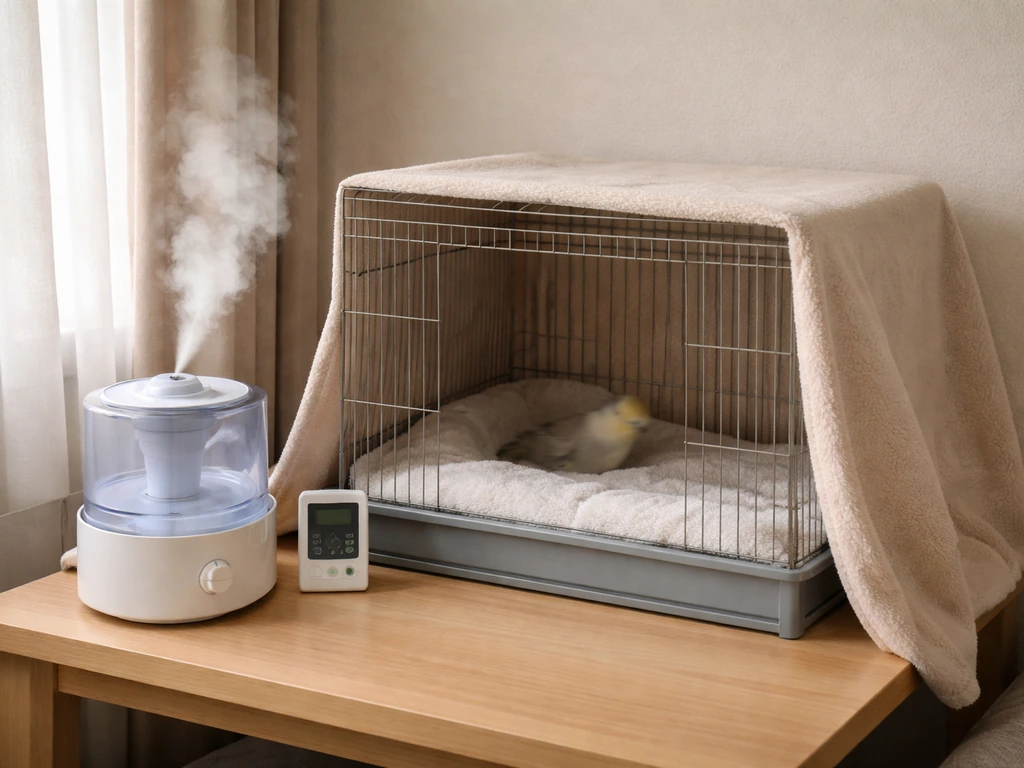
Home supportive care is not a substitute for a vet visit when one is needed, but it can stabilize your bird and prevent things from getting worse while you make that call. There are five areas to focus on: heat, humidity, fluids, nutrition, and quiet.
Keep your bird warm
A sick cockatiel loses its ability to regulate body temperature. Move the cage away from any drafts, air vents, or windows. Aim to get the ambient temperature in the cage area up to around 80 to 85°F. Lafeber’s avian first aid guidance also recommends providing supplemental heat targeting about 85°F (29.
4°C) when you need to stabilize warmth during an emergency around 80 to 85°F.
You can use a heating pad placed under one side of the cage (not the whole bottom, so the bird can move away if it gets too warm) or a clip-on ceramic heat emitter. The goal is to bring the bird's feathers back to a flatter, more relaxed posture. If the feathers stay puffed despite warmth, that tells you the bird is still struggling.
Cover three sides of the cage with a light towel to hold in heat, but leave one side open for ventilation.
Add some humidity
If your cockatiel is showing any respiratory symptoms at all, a cool-mist humidifier or vaporizer placed nearby (not directly blowing into the cage) can help ease breathing and keep the airways from drying out further. This is a simple, low-risk step that can make a noticeable difference.
Encourage drinking and eating
Sick birds often stop drinking, which leads to dehydration fast. Make fresh water extremely easy to access by placing a shallow dish directly on the cage floor if the bird is not perching well. You can try adding a very small amount of diluted, unsweetened fruit juice to the water to make it more appealing. Offer soft, easy-to-digest foods like warm cooked rice, mashed sweet potato, or scrambled egg in very small amounts. Skip fatty seeds for now. Do not force food or water into your bird's beak, as this can cause aspiration.
Reduce stress and stimulation
Move the cage to the quietest room in the house. Turn off or reduce loud TV, music, and foot traffic. Cover the cage partially to help the bird rest. Limit handling to what is necessary for observation. A bird that is fighting illness uses every bit of energy to survive, and a calm environment helps direct that energy toward recovery.
What NOT to do
- Do not give any over-the-counter medications intended for humans or other animals. Many are toxic to birds.
- Do not use any aerosols, air fresheners, scented candles, or non-stick cookware in or near the room. Fumes that seem harmless to you can be fatal to a bird in minutes.
- Do not force food or water. Aspiration pneumonia can result.
- Do not wait to call a vet if you are seeing any breathing difficulty, inability to perch, or signs of egg binding.
- Do not assume it is "just stress" without ruling out an infection or physical cause.
When it's an emergency and when to call an avian vet
Some symptoms need a same-day call to an avian vet. Others are serious but allow a short window for monitoring. Here is how to split them.
Call or go to an avian vet immediately
- Open-mouth breathing or beak pumping
- Audible wheezing, clicking, or rattling with every breath
- Complete inability to perch or stand
- Suspected egg binding in a female (wide stance, straining, distended abdomen)
- Visible bleeding that does not stop
- Suspected toxic exposure (fumes, ingested substance)
- Seizure or complete loss of coordination
- No droppings for more than 12 hours
- Unconsciousness or extreme unresponsiveness
Egg binding is worth extra emphasis here. Symptoms often appear within 24 to 48 hours of a bird becoming egg-bound, and birds that remain in this condition longer than that have a significantly worse prognosis. If your female cockatiel is straining, standing wide, and not perching, do not wait until morning.
Schedule an urgent (same-day or next-day) vet visit
- Persistent lethargy lasting more than a few hours with no improvement
- Significant reduction in appetite for more than 24 hours
- Severe or prolonged diarrhea
- Nasal discharge or sneezing that has lasted more than a day or two
- Tail bobbing at rest without active open-mouth breathing
- Any combination of three or more symptoms from the checklist above
Because cockatiels mask illness so well, by the time you are genuinely uncertain about whether to call, the right answer is almost always to call. Gizmo the bird is a great example of why you should take early behavioral and breathing changes seriously and rule out common causes what is wrong with gizmo the bird. A quick phone conversation with an avian vet's office can help you decide whether to come in right away or monitor for another few hours.
How to prepare for the vet visit and what treatment often involves
Showing up to the vet with good information speeds up diagnosis and can directly improve outcomes. Here is what to have ready before you go.
What to bring or communicate
- A timeline of when symptoms first appeared and how they have changed
- Photos or short video clips of the bird's posture, breathing, and droppings (film at home where the bird is calm)
- A fresh dropping sample in a clean container or on a piece of cage liner paper in a zip bag
- Your bird's normal diet, including brand names of pellets, seeds, fresh foods, and any supplements
- Any recent changes: new foods, new toys, room changes, visitors, cleaning products used nearby, other pets introduced, or new birds in the home
- Your bird's approximate weight if you track it, or notes on whether it feels lighter than normal when you hold it
- Any history of illness, prior vet visits, or medications
What the vet will likely do
A good avian vet will often start by observing your bird from a distance before handling it, watching for respiratory effort, tail bobbing, and posture. From there, a physical exam, weight check, and discussion of your notes will shape next steps. Common diagnostics include a fresh dropping analysis (can identify avian gastric yeast, giardia, and bacterial imbalances), a crop swab, blood work, or X-rays depending on what symptoms point toward.
Treatment will depend entirely on the diagnosis, but common interventions include antibiotics or antifungals for respiratory infections, fluid therapy for dehydration, supportive feeding, anti-parasitic medication for giardia, or manual or hormonal management for egg binding. Your vet may also send you home with heat and fluid instructions that are much more specific than general guidance.
Prevention tips to keep your cockatiel healthy long-term
Once your bird is through this, a few consistent habits go a long way toward preventing a repeat.
Diet and environment basics
- Feed a varied diet that includes high-quality pellets as a base, with fresh vegetables and limited seed. A seed-only diet leads to nutritional deficiencies over time.
- Change food and water daily. Stale water and old wet foods are common sources of bacterial growth.
- Keep the cage away from kitchen fumes, air vents, and drafts. Even a light breeze from an air conditioner can chill a small bird significantly.
- Never use non-stick cookware, aerosol sprays, scented candles, or strong cleaning chemicals in a room where your cockatiel lives or breathes the same air.
- Use a HEPA air purifier in the bird's room to reduce airborne dust, dander, and mold spores that could contribute to respiratory issues.
Hygiene and new bird quarantine
- Clean the cage tray and perches at least twice a week, and do a full disinfection weekly.
- Quarantine any new bird in a completely separate room (not just a separate cage in the same room) for at least 30 days before introducing it to your cockatiel.
- Wash your hands before and after handling your bird, especially if you have been around other birds or animals.
- Schedule an annual wellness exam with an avian vet even when your bird seems fine. Birds hide illness, and a baseline blood panel can catch problems before they become emergencies.
Watch for patterns, not just obvious symptoms
Many cockatiel owners notice something feels "off" before any single symptom becomes obvious. Subtle changes like slightly quieter vocalizations, less interest in climbing, or droppings that are just a bit wetter than usual are worth noting. Keeping a simple weekly log of weight, appetite, droppings, and behavior can help you catch a trend early and give your vet useful data at any future visit. Your observations as the person who knows this bird best are genuinely valuable diagnostic information.
If you are searching for that “i think my bird is sick” meme moment, the safest move is still to look for specific warning signs and call an avian vet when you are unsure i think my bird is sick meme.
FAQ
How long can I monitor my cockatiel bird is sick before I call an avian vet?
If you see any breathing difficulty, inability to perch, repeated vomiting, blood, or the bird stays very puffed or lethargic, treat it as same-day. If symptoms are mild but clearly worsening, a short watch of 2 to 4 hours is reasonable, but have the vet number ready and call sooner if appetite or droppings continue to decline.
What does it mean if my cockatiel stops eating but still looks alert?
Not eating is a red flag even when the bird seems awake. In cockatiels, decreased intake can lead to rapid energy loss and crop issues. Offer small, warm, easy foods and check droppings and posture, but contact an avian vet the same day if eating does not resume within several hours.
My cockatiel is puffed up, but it is acting mostly normal otherwise. Is that still serious?
Puffed feathers can be a sign of trouble even if the bird is still perching. If the bird cannot settle normally, remains puffed for hours, breathes with increased effort, or stops preening, assume illness and increase warmth and quiet while you call the vet for advice.
Should I try antibiotics or antifungals I have at home if my cockatiel bird is sick?
No. Respiratory signs can come from bacteria, viruses, fungi, or parasites, and the wrong medicine can delay proper treatment and worsen the situation. If your vet advises medicine at all, it should be based on exam and likely diagnostics like dropping analysis or X-rays.
Is aspiration a concern when my cockatiel bird is sick?
Yes, aspiration is a key risk if a bird is weak or not swallowing well. Avoid forcing food or water into the beak, and if you notice coughing, bubbling at the nares, or wet breathing, stop home feeding attempts and call an avian vet immediately.
How can I tell whether my bird’s poop change is dehydration versus an infection?
Dehydration often shows smaller or less frequent droppings and a more dried or concentrated white urate, but infectious causes can shift color, volume, and consistency more dramatically and may come with extra wetness, odor, or urgency. If you see watery droppings, persistent diarrhea, or repeated changes over a day, get a dropping analysis arranged.
What should I do if I suspect giardiasis but my cockatiel has no obvious diarrhea?
Giardia can still be present without classic diarrhea early on. If you see feather wear, increased screaming, weight changes, or consistently abnormal droppings, ask the vet about giardia testing specifically, since it often requires targeted treatment.
Can egg binding be mistaken for other problems, like constipation?
Yes. Egg binding signs like straining, a very wide stance, and failure to perch can overlap with other illnesses. Constipation typically does not produce the same reproductive posture pattern. Because prognosis worsens quickly after 24 to 48 hours, call an avian vet right away if you suspect egg laying trouble.
My bird is breathing loudly, but it seems warm and I’m using a humidifier. What now?
A humidifier may help dry airways, but loud or open-mouth breathing is not something to manage at home for long. Keep the bird warm, quiet, and off drafts, then contact the avian vet immediately, especially if tail bobbing or inability to perch is present.
What emergency signs mean I should go to the vet right now, not wait?
Go immediately for open-mouth breathing, inability to perch, collapse, severe bleeding, seizures, or a rapidly worsening condition. Also treat long-lasting egg binding signs in a female as an emergency, particularly if straining and wide standing continue for more than a short period.
What details should I write down before calling the vet about my cockatiel bird is sick?
Track start time, exact changes in appetite and activity, breathing posture (including tail bobbing or open-mouth breathing), behavior changes (hiding, fewer vocalizations), and the last 24 hours of droppings (color, size, wetness, frequency). Bring your bird’s daily routine details like diet, recent cage cleaning changes, and any new toys or bedding.
Should I change the cage lining and bedding while my cockatiel bird is sick?
You should keep the environment clean, but do it gently and avoid heavy scent chemicals. If respiratory or parasite disease is a concern, fresh, dry, paper-based lining can help you monitor droppings and reduce contamination, but do not over-handle the bird while you are stabilizing it for the vet call.
How do I safely warm my cockatiel if I do not have a heating pad or ceramic heat emitter?
You can warm the room first and keep the cage away from drafts, then use safe, indirect heat sources that do not risk overheating or direct contact. The bird must be able to move away, so avoid placing anything under the entire cage floor without temperature control. If you cannot maintain stable warmth, call the vet for interim guidance.
Next Articles
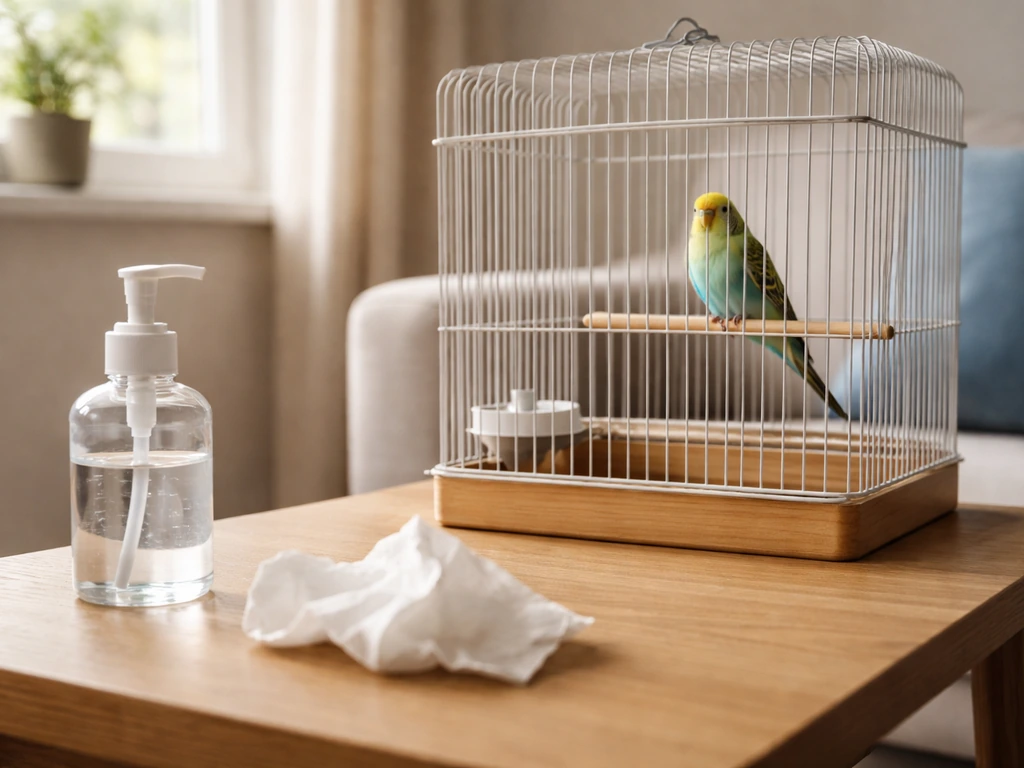
Can My Bird Catch My Cold? Risks, Symptoms, and What to Do
Find out if your bird can catch your cold, what symptoms to watch for, and step-by-step steps to protect them.
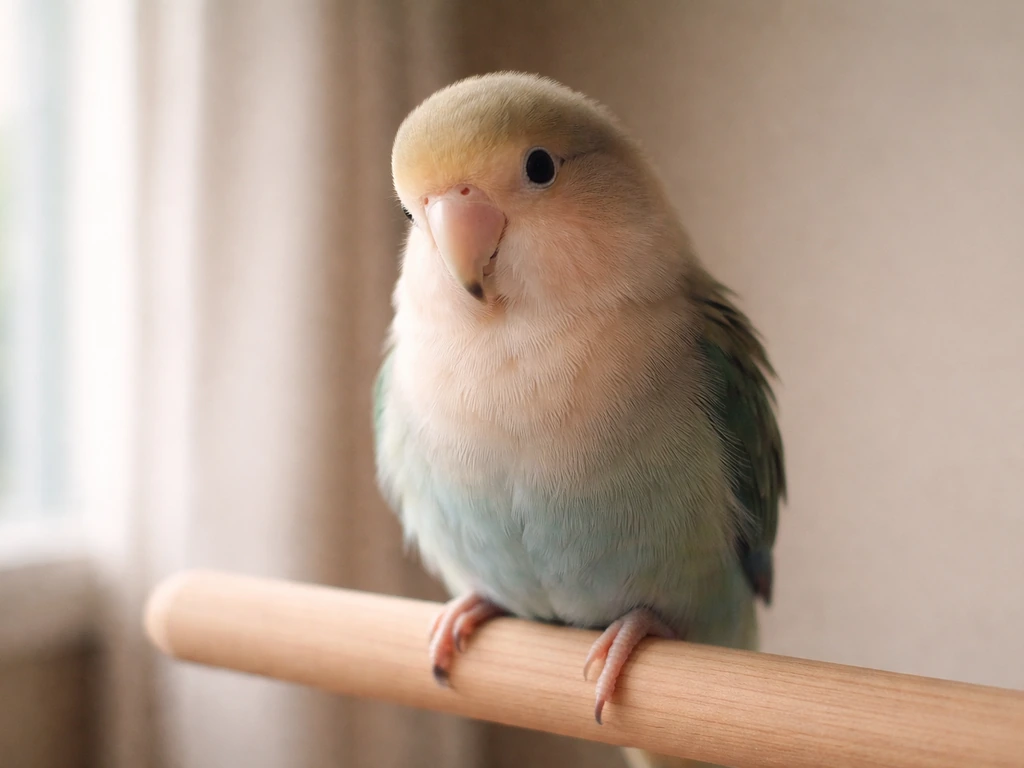
What Is Wrong With Gizmo the Bird? Fast Check and Next Steps
Fast checklist for pet bird changes like lethargy, breathing, appetite, and droppings, plus urgent vet next steps.
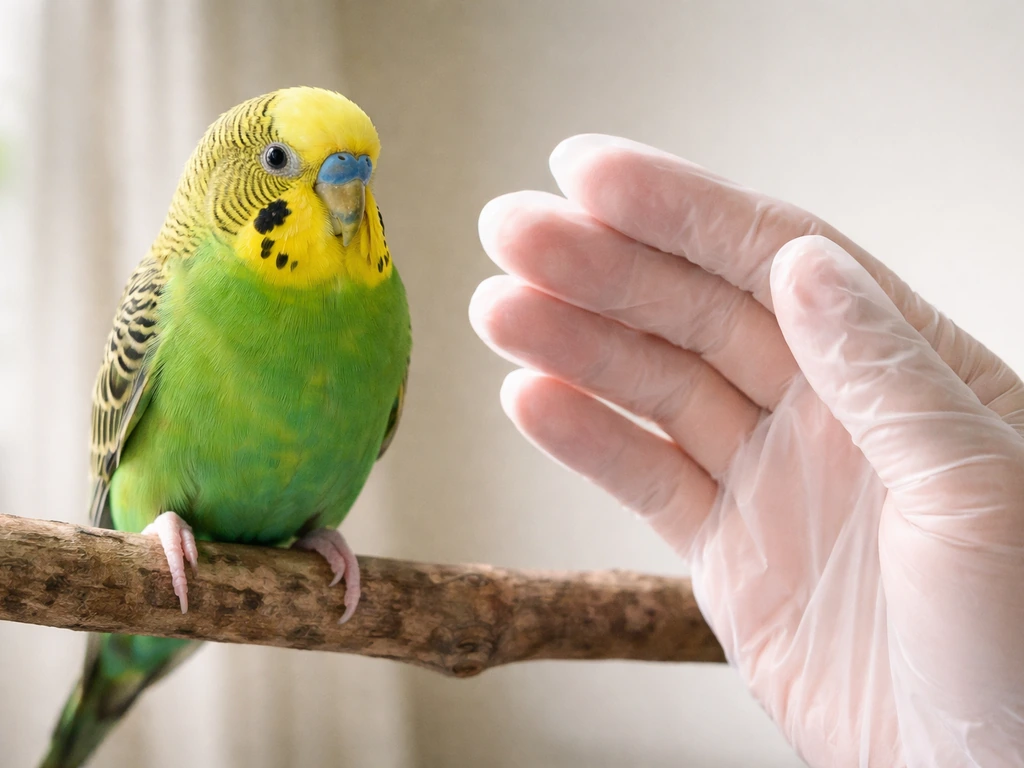
Can My Bird Get Sick From Me? Risks and What to Do
Learn if you can spread colds or germs to your bird, key symptoms, and today steps plus when to call an avian vet.