Yes, you can make your bird sick, and your bird can potentially make you sick too. The risk depends on what illness is involved, how much contact you've had, and a few practical habits that are easy to change. Most everyday colds don't transfer between humans and birds, but some infections absolutely do cross that line in both directions, so it's worth knowing the difference and taking a few straightforward steps today.
Can My Bird Get Sick From Me? Risks and What to Do

Marcus Chen
25 Apr 2026
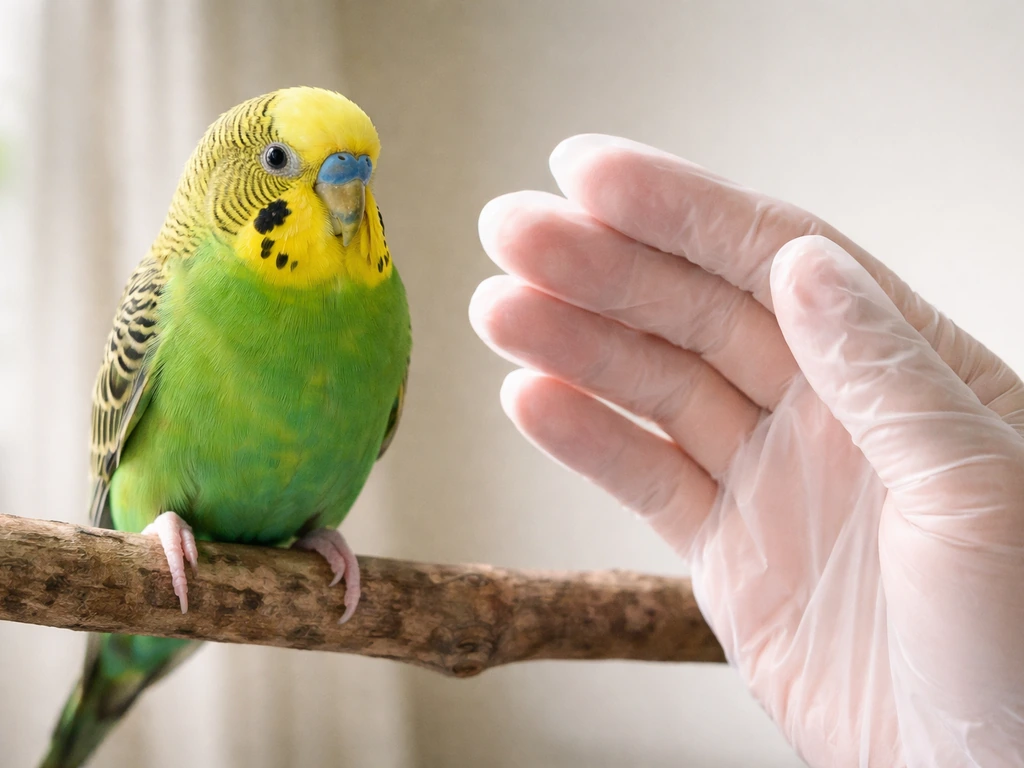
How sickness spreads between you and your bird
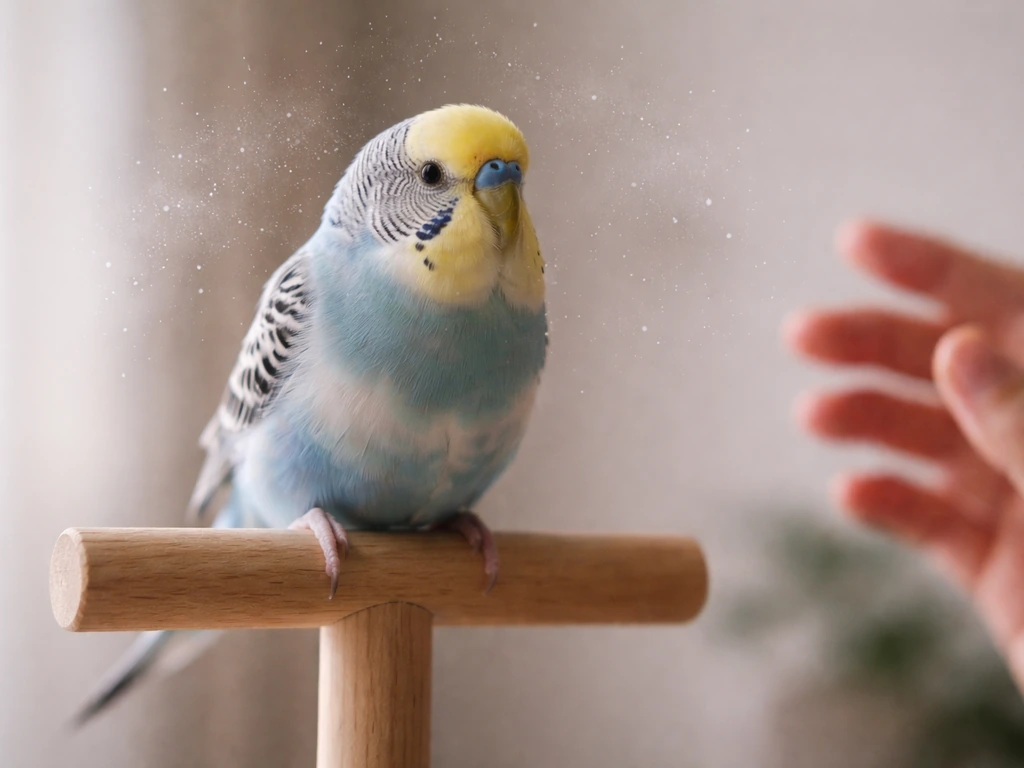
Disease transmission between people and animals goes in both directions, and the routes are pretty similar either way. Direct contact is the most common pathway: handling your bird, letting it perch on your face or lips, or cleaning up after it without washing your hands. Transmission can happen through saliva, mucous, feces, and other body fluids, which means even brief, casual contact counts.
Airborne spread is also real. Birds produce fine dust from their feathers and droppings, and that dust can carry bacteria. If your bird is sick, respiratory droplets and dried particles can travel within a shared room. The same works in reverse: when you cough or sneeze near your bird's cage, droplets land in its environment and can be inhaled or ingested. CDC’s clinical overview notes that psittacosis most often presents as an upper respiratory tract infection, with abrupt fever and chills, and that inhalation of dust from dried droppings or respiratory secretions is the most common route blank" rel="noopener noreferrer">inhalation of dust from dried droppings/respiratory secretions.
Human-to-bird transmission is confirmed for some viruses. The CDC has noted that COVID-19 can spread from people to animals during close contact, and anyone with a suspected or confirmed infection is advised to avoid contact with pets, including birds. That same principle applies more broadly: if you're actively sick with a respiratory illness, your bird's airspace is shared airspace.
Germs people unknowingly bring into a bird's space
Most bird owners don't realize how many transmission opportunities exist in a normal day. Here are the common ones worth knowing about:
- Chlamydia psittaci: The bacterium behind psittacosis (also called parrot fever), this is one of the most well-documented bird-to-human infections. Pet birds and poultry are the primary source. It spreads to people through dried feces and respiratory secretions, and can cause flu-like symptoms including fever, headache, and pneumonia.
- Avian influenza: Bird flu spreads through contact with an infected bird's mucous, saliva, or feces. While bird-to-human transmission is the bigger concern here, shared environments matter.
- Respiratory viruses including COVID-19: These can travel from you to your bird through close contact and respiratory droplets. Keeping a sick bird near your face or mouth is a high-risk habit.
- Common bacteria from unwashed hands: Skipping handwashing after handling food, other animals, or public surfaces and then touching your bird's cage, food, or water dishes introduces pathogens into its environment.
- Cleaning mistakes: Not wetting cage surfaces before wiping them down stirs up infectious dust into the air. The CDC specifically recommends dampening surfaces before cleaning to reduce that risk.
- Shared utensils and food: Feeding your bird from your fork or letting it drink from your cup is a direct saliva transfer. Many bird owners do this without thinking twice.
Symptoms to watch for in your bird and yourself
What a sick bird looks like
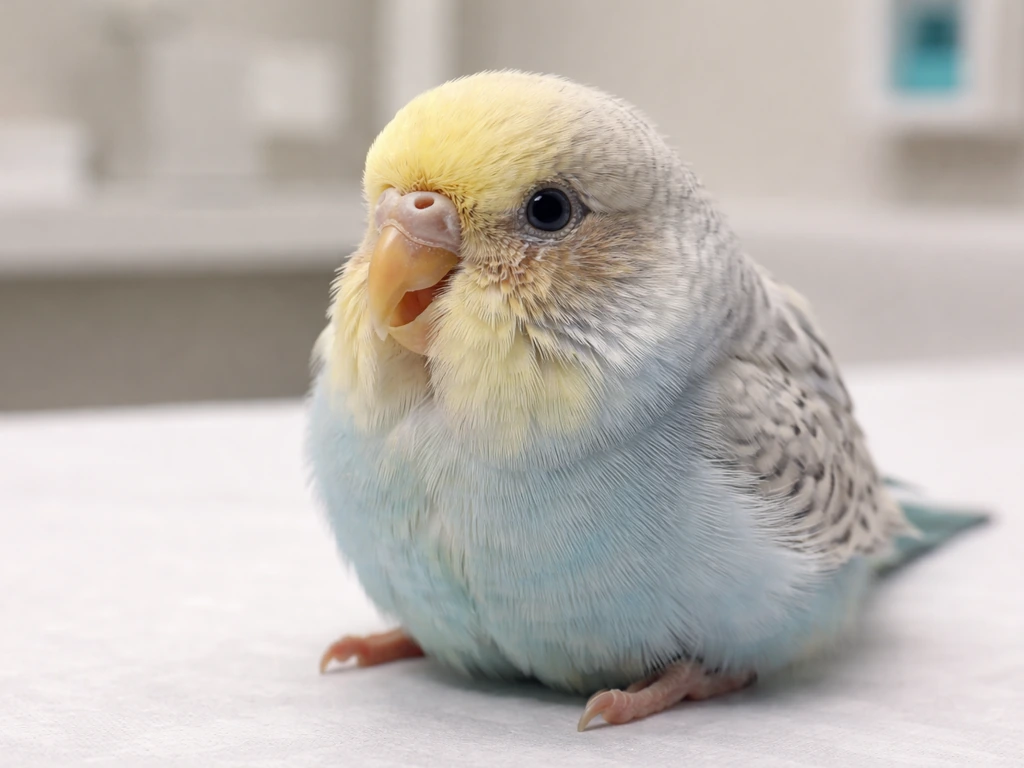
Birds are prey animals by instinct, so they hide illness until they can't anymore. By the time you notice something is wrong, your bird may already be fairly unwell. Knowing the early signs helps you act before things get serious. If you are worried it is like the “I think my bird is sick” meme, use the early signs checklist to decide whether it is normal behavior or a red flag I think my bird is sick meme.
- Sneezing more than once or twice, especially with discharge from the nostrils or eyes
- Open-mouth breathing or labored breathing, which can indicate mucus or other material blocking the airway
- Tail bobbing with each breath, a visible sign the bird is working harder than normal to get air
- Lethargy: sitting low on the perch, puffed up, reluctant to move or interact
- Loss of appetite or reduced interest in food and water
- Changes in droppings: unusual color, watery consistency, or significantly different volume
- Nasal discharge, crusting around the nostrils, or clicking sounds during breathing
Open-mouth breathing and tail bobbing together are particularly serious signs. These indicate respiratory distress and shouldn't be watched and waited on. If your bird is struggling to breathe, collapsed, or bleeding, that's an emergency call to an avian vet, not a "let's see how it is tomorrow" situation.
What symptoms in you might suggest a connection
If you're feeling sick after significant contact with your bird, psittacosis is worth being aware of. If my cockatiel bird is sick, the symptoms you develop after contact may point to what kind of infection you need to watch for. If you think something is wrong with your bird, knowing what psittacosis is and how it can affect people can help you take the right precautions.
Symptoms in people typically appear one to four weeks after exposure and include fever, chills, headache, muscle aches, and a dry cough. It's sometimes mistaken for a standard flu or pneumonia. If you've been handling birds and develop these symptoms, tell your doctor about the bird contact specifically, because it changes what tests they might run.
When it's an infection vs normal bird behavior
Not every sneeze is a crisis. Birds sneeze occasionally to clear dust or dander from their nostrils, the same way you might sneeze in a dusty room. A single sneeze with no discharge and a bird that otherwise seems alert and active is usually nothing to worry about. The concern rises when sneezing is frequent, paired with nasal discharge, or accompanied by other symptoms like lethargy or appetite changes.
Similarly, a bird that's molting, adjusting to seasonal changes, or reacting to a new environment may seem a little quieter or less active than usual. Context matters. If your bird has been in a new location, had a change in sleep schedule, or is growing new feathers, behavior changes may reflect that adjustment rather than illness. The difference is usually pretty clear: a molting bird still eats normally, still interacts, and doesn't show respiratory signs.
If you're unsure whether what you're seeing is normal behavior or a red flag, that uncertainty itself is a reason to check in with an avian vet. Erring on the side of a call or visit is always reasonable when you're not sure.
What to do right now if you're sick or worried
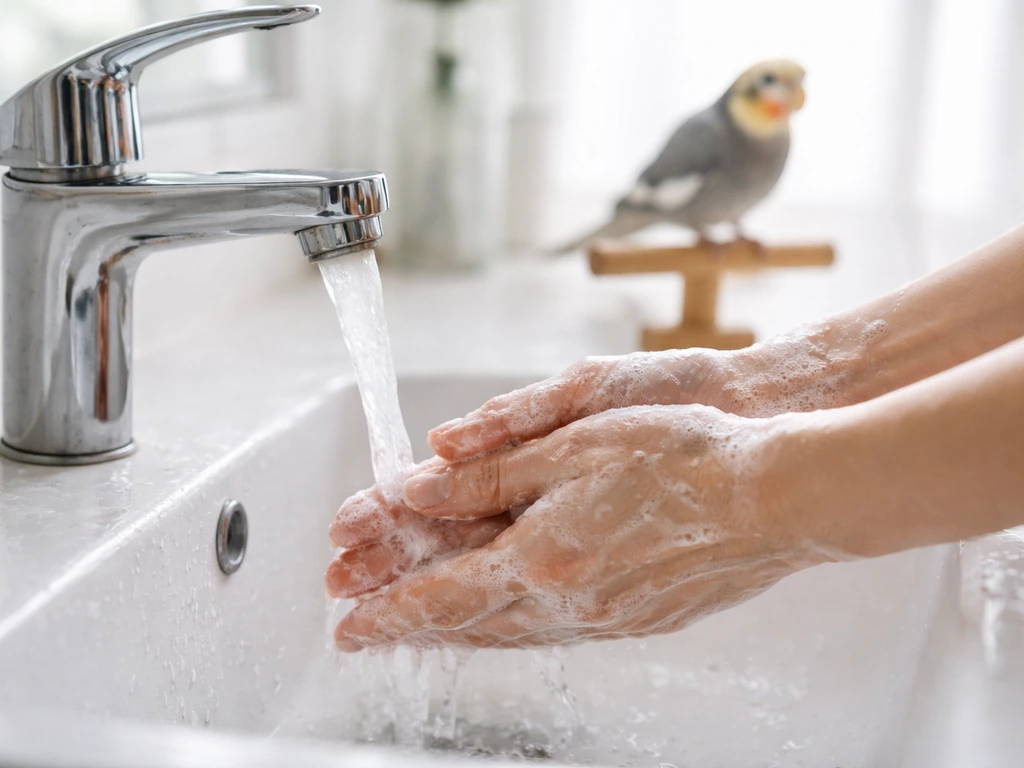
If you're currently sick or think you may have exposed your bird, here's what to do today: If you think about your bird sick today, also compare it with what to do right now if you're sick so you can reduce the chance of spreading germs back and forth is my bird sick.
- Minimize close contact with your bird while you're actively sick. Avoid face-to-face contact, kissing, letting it perch on your face or lips, or breathing directly on it.
- Have a healthy person in the household take over feeding and care if that's possible. If you're the only caregiver, wear a mask when you're near the cage.
- Wash your hands thoroughly before and after any bird contact, even if you only handled the food or water dishes.
- Don't share food or utensils. Feeding your bird from your mouth, fork, or cup transfers saliva directly.
- Increase airflow in the room where your bird lives. Good ventilation dilutes airborne particles. Open a window if the temperature is safe, or use a fan to keep air moving.
- When cleaning the cage, dampen surfaces with water before wiping them down. This prevents dried droppings and feather dust from becoming airborne and being inhaled by you or your bird.
- Watch your bird closely over the next several days. Check for any of the respiratory or behavioral symptoms listed above and note when you first noticed them.
- Keep your bird's environment clean and stress-low. A bird under stress has a weaker immune system, so minimize noise, disruption, and changes to its routine while you're dealing with illness.
When to call an avian vet and what to tell them
Some situations call for a vet call right away, and some are worth monitoring for a day or two first. Here's how to think about it:
| Situation | What to do |
|---|---|
| Open-mouth breathing, tail bobbing, or audible clicking when breathing | Call an avian vet immediately |
| Collapsed, unable to perch, or unresponsive | Emergency exotic animal clinic, now |
| Sneezing with discharge, lethargy, or appetite loss for more than 24 hours | Call an avian vet today |
| Mild behavior change with no respiratory signs after your illness | Monitor closely for 48-72 hours, then call if it continues |
| You've been diagnosed with psittacosis or a confirmed zoonotic illness | Call an avian vet and mention your diagnosis specifically |
| Your bird seems fine but you're sick and want reassurance | Call the vet's office for a phone consult; most are glad to advise |
When you call, give the vet as much context as possible. They'll want to know when symptoms started, what the symptoms look like specifically (sneezing, discharge, posture changes), whether you've been sick yourself and with what, any recent changes to the bird's environment or routine, and whether anyone else in the household has been ill. The more detail you can provide, the faster they can help.
A vet may want to do a physical exam, and for respiratory symptoms in particular, they might take a sinus aspirate or nasal flush to get a sample and identify what's actually going on. That's standard practice for upper respiratory signs in birds, and it gives you a real answer rather than a guess.
Routine avian vet care matters too, not just when something is wrong. Regular checkups keep your bird's baseline health documented, which makes it much easier to spot when something is actually off. If your bird has never had an avian vet visit, that's worth scheduling even when everything seems fine.
The bottom line: yes, the risk is real in both directions, but it's also very manageable with basic hygiene and a bit of attention. If you're wondering, can my bird catch my cold, the good news is many common colds do not spread between humans and birds. Most bird owners who ask this question are already being thoughtful, and that instinct to pay attention is exactly what keeps both you and your bird healthier. If you are still trying to figure out why is my bird behaving differently, it can also help to compare those signs with what you would expect from a human respiratory illness.
FAQ
Can my bird get sick from me if I have stomach bugs or diarrhea?
Yes, but the risk is usually specific to the illness and the level of exposure. If you have vomiting or diarrhea, handwashing after restroom use and before touching the bird or cleaning the cage matters more than avoiding face-to-face contact, because fecal-oral spread can transfer via hands, surfaces, and food bowls.
What should I do if I have a cold, cough, or COVID symptoms while my bird is nearby?
If you are actively sick with a respiratory infection, treat the situation like shared airspace. Practical step, limit close contact, avoid letting the bird perch near your mouth, and have someone else handle cage cleaning until you are improving, especially if you are coughing or sneezing.
Do I need to wear a mask or separate clothing to protect my bird from an illness?
Wear a mask and use separate clothing only if you need to be close or share an indoor space for a prolonged time. For most households, the highest impact is washing hands before and after handling the bird, not touching your face while caring for the bird, and cleaning food and water dishes without aerosolizing droppings.
If I start feeling better, can I resume normal contact with my bird right away?
A few days of improvement in your own symptoms does not automatically mean it is safe for your bird. For respiratory viruses, you can still shed some germs during the illness period. If your bird has any new respiratory signs, it is wise to delay close contact and contact an avian vet for guidance.
How can I tell whether symptoms in my bird are from me versus normal bird behavior?
Check the pattern and timing. If your bird’s symptoms begin after significant handling by a person who is sick, and the signs involve breathing or unusual lethargy, call an avian vet promptly. If it is a single mild event like one sneeze with normal activity, observe, but do not ignore repeated or worsening changes.
Can germs reach my bird even if I do not handle it much?
Yes, hygiene still matters even when you are not physically touching the bird. Wash hands before feeding, wipe down perches and cage areas you touch, and avoid breathing directly toward the cage during cleaning. Bird droppings and dander can spread to surrounding surfaces.
What are the most common mistakes that increase the chance of spreading illness to my bird?
Common mistakes include cleaning without ventilation, dry-sweeping or shaking bedding, and not washing hands after touching the cage or bird toys. Use gentle, moist cleaning methods where possible, and empty and replace bedding carefully to reduce airborne particles.
If other pets are in the house, can they bring germs to my bird too?
Yes. If you have been sick and also have other pets, those pets can carry germs on their fur, paws, and bedding. Keep separate cleaning tools for different animals, and avoid letting other animals rummage in the bird’s cage area.
If I feel sick after caring for my bird, when should I contact my doctor, and what details should I mention?
Some human symptoms are clear warning signs for you, especially if you have fever and a new persistent cough after close bird exposure. Tell your clinician about the specific bird contact so they can consider appropriate testing and precautions.
When is my bird’s breathing issue an emergency instead of something to monitor?
If your bird shows open-mouth breathing, tail bobbing with breathing effort, collapse, active bleeding, or inability to stay upright, treat it as urgent. In those cases, do not wait for a “watch and see” window.
Next Articles
Is My Bird Sick? Home Check and When to See a Vet
Quick at-home check for is my bird sick signs, calm steps, and when to contact an avian vet urgently.
Why Is My Bird Making Whimpering Noises? What to Check
Find reasons for whimpering bird noises, quick home checks, and red flags for urgent vet care plus tracking tips.
Why Does My Bird Make Crunching Noises? Causes and What to Do
Learn why your bird crunches, spot normal beak chewing vs breathing or crop issues, and what to do next.