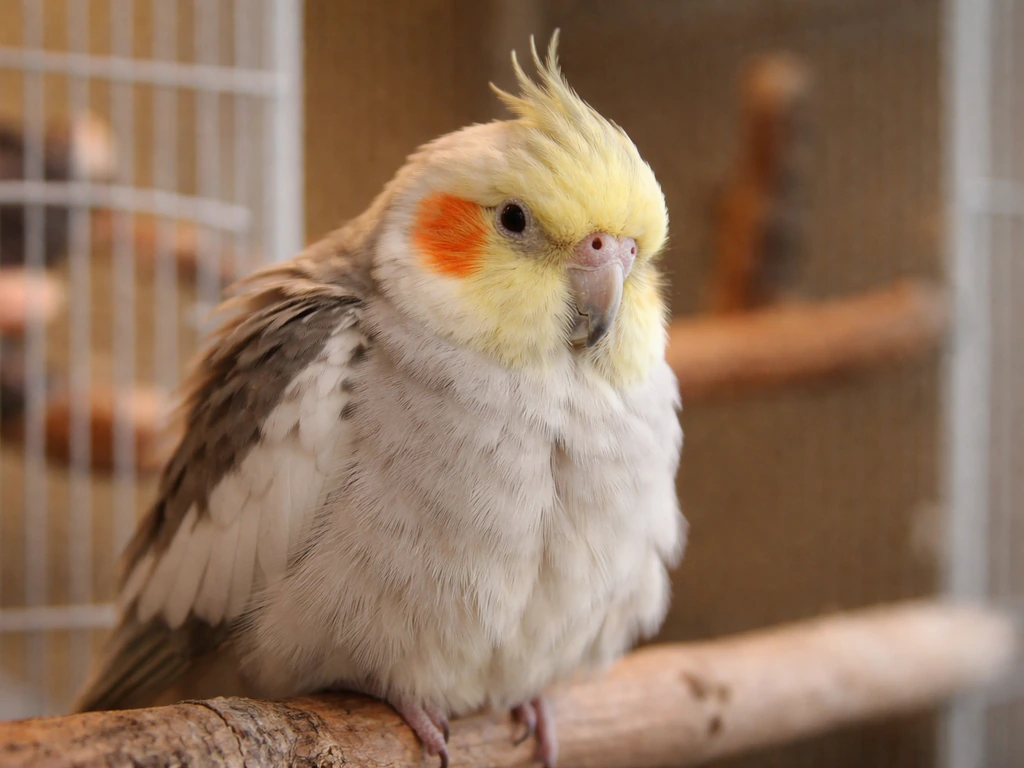
If you typed 'why is my bird...' and stopped because you weren't sure how to finish the question, that's actually a useful starting point. The answer depends entirely on what you're seeing: is your bird sitting fluffed up and quiet, plucking feathers, acting aggressive, or just off in a way you can't name? Most of the time, a bird's sudden change in behavior or appearance falls into one of four buckets: stress or environment, a health problem, a behavior or hormonal issue, or a feather and skin problem. This guide walks you through each one so you can match what you're seeing to the most likely cause and know what to do today.
Why Is My Bird Acting Different? Quick Troubleshooting Guide

Marcus Chen
7 May 2026
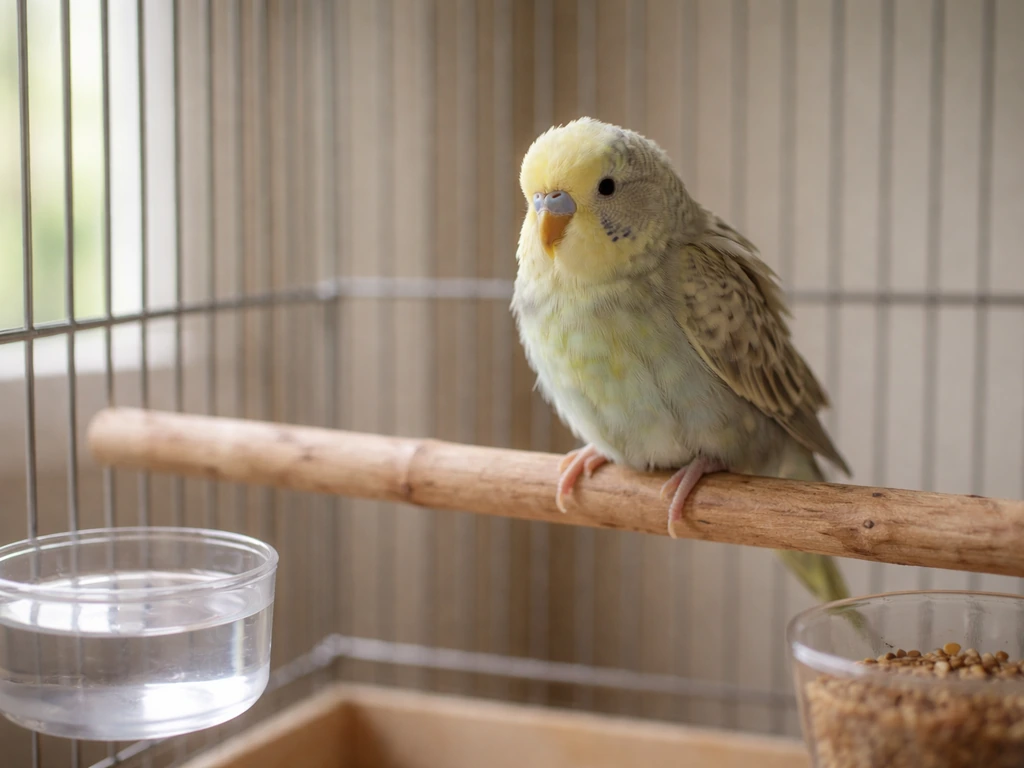
First, pin down exactly what you're seeing
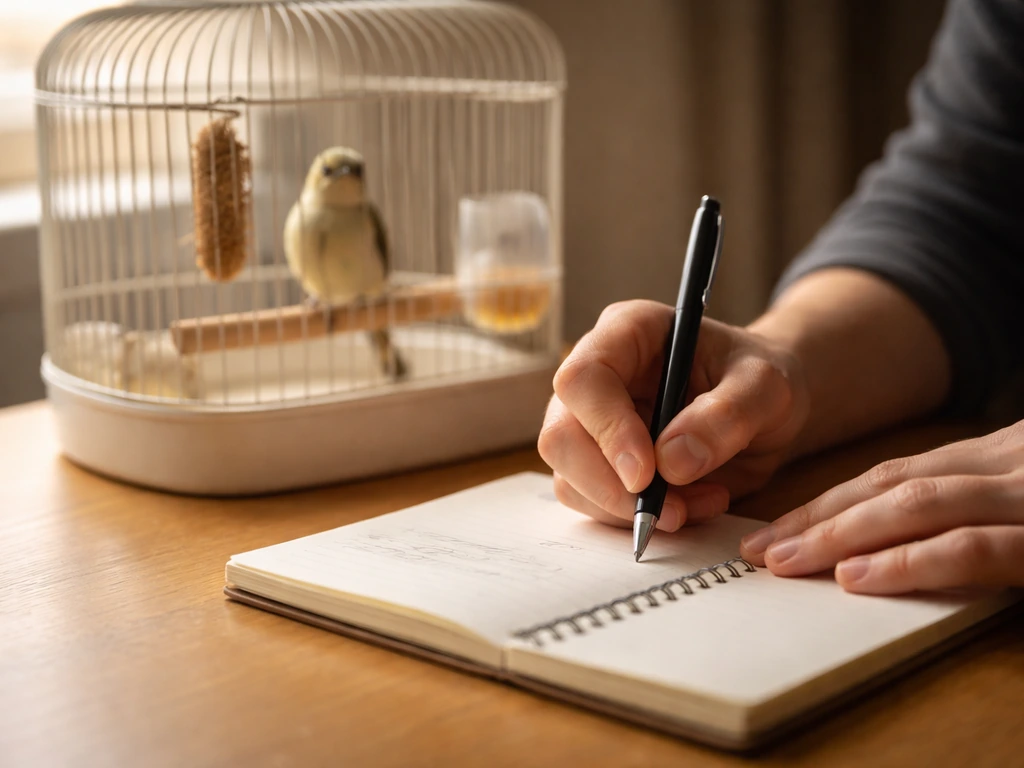
Before you can figure out why your bird is doing something, you need to name the thing. 'Acting weird' covers too much ground. Take 30 seconds and describe it out loud or write it down: Is the bird sitting differently? Are the feathers fluffed or ruffled? Has eating or drinking changed? Are the droppings different in color, consistency, or frequency? Is the bird making new sounds, or has it gone unusually quiet? Is it moving less, or is it more agitated and nippy than usual?
The more specific you get, the faster you'll find the answer. The sections below map to the most common things owners notice. Jump to whichever matches your situation most closely, then run through the checklist at the end before you decide whether to call a vet. If you're asking what is wrong with gizmo the bird, start by pinpointing which health, stress, feather, or behavior bucket matches what you’re seeing.
Stress, environment, and routine changes
This is the most common reason a healthy bird suddenly acts differently. Birds are creatures of habit and they're acutely sensitive to their surroundings. If something in the bird's world shifted recently, even something that seems minor to you, it's worth examining.
Common environmental triggers include a change in the bird's sleep schedule (less than 10 to 12 hours of dark, quiet sleep is a real problem), drafts or temperature swings near the cage, a new pet or person in the home, rearranged furniture near the cage, or a move to a different room. Air quality matters more than most people realize: scented candles, nonstick cookware fumes (which are toxic to birds), air fresheners, and cigarette smoke can all affect a bird's breathing and mood before you notice anything obvious.
Stress signs to watch for include feather fluffing while awake, loss of appetite, excessive screaming, repetitive pacing or swaying, and decreased interest in toys or interaction. A bird that was chatty and is now silent, or one that was calm and is now biting, may simply be reacting to something that changed in its environment. Think back over the last 1 to 2 weeks and ask yourself what's different.
Health red flags: breathing, digestion, and infection signs
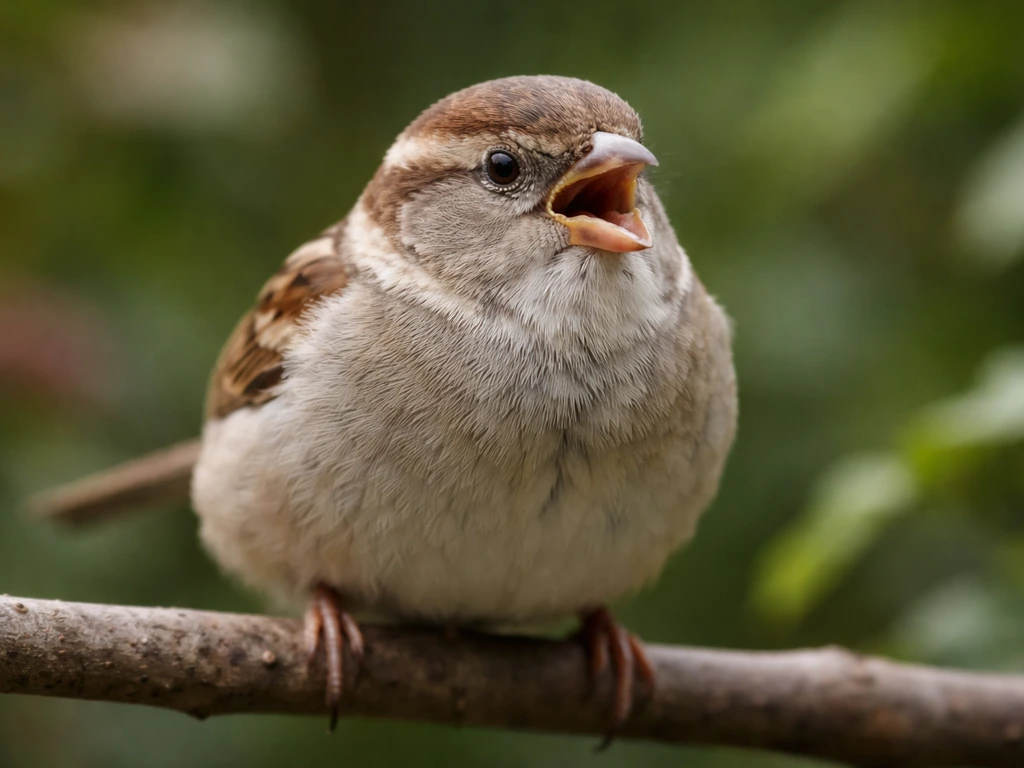
Some signs look like stress or behavior but are actually medical emergencies. The key is knowing which physical signs mean you need to act right now versus which ones give you a little time to monitor.
Open-mouth breathing, tail bobbing with every breath, and clicking or wheezing sounds are emergency-level signs. An avian shelter health handout also lists [open-mouth breathing](https://www. avianwelfare. org/shelters/pdf/NBDshelterssymptomsofillness.
pdf) as a key symptom to watch for during illness checks. If you suspect that your cockatiel bird is sick, look for emergency signs like open-mouth breathing, tail bobbing, clicking, or wheezing. If you're seeing any of those, don't wait. Birds hide illness as a survival instinct, so by the time a bird looks clearly sick, it has often been unwell for a while.
If you think your bird might be getting sick from you, see can my bird catch my cold for what to watch for when people in the house have respiratory symptoms. If you’re asking “is my bird sick,” this is exactly the time to act quickly looks clearly sick. The fact that it's no longer hiding the symptoms means things have progressed.
If you think your bird might be sick, search for the specific signs in this guide so you can decide whether it sounds like a medical problem or something environmental i think my bird is sick meme.
Other health red flags that warrant same-day or next-day vet contact include a noticeable drop in appetite, droppings that have changed color (very dark, bloody, or very green), unusually watery urine portion of droppings, vomiting (versus normal regurgitation to a bonded person), discharge from the nostrils or eyes, swelling anywhere on the body, and a sudden unexplained change in vocalizations. Research consistently backs up that sudden behavior changes, especially appetite drops and vocal changes, should be evaluated by a vet to rule out a medical cause rather than assumed to be behavioral.
Lethargy combined with fluffed feathers and sitting on the cage floor is a combination that always warrants urgency. A bird on the cage floor that isn't normally there is telling you something is seriously wrong.
Behavior issues: aggression, boredom, and hormones
Not every change is a health scare. Some of the most common 'why is my bird doing this' moments are completely normal behavioral phases, especially in spring and fall.
Hormonal behavior
Many birds, particularly cockatiels, parrots, lovebirds, and Amazon parrots, go through seasonal hormonal surges. During these periods, a normally sweet bird can become nippy, territorial, and loud. Hens may start laying eggs or nesting. Males may strut, regurgitate for their owners (a sign of affection that looks alarming), or become aggressive toward cage mates. This is normal and typically passes within a few weeks to a couple of months. Reducing nesting opportunities, limiting 12-plus hours of daylight, and avoiding overly stimulating handling can help.
Boredom and under-stimulation
A bored bird is a loud, destructive, and sometimes aggressive bird. If your bird isn't getting enough mental stimulation or social interaction, you'll often see excessive screaming, repetitive behaviors, feather destruction, or biting. The fix is usually more varied foraging opportunities, toys that require problem-solving, and structured interaction time rather than passive presence in the same room.
Aggression
Sudden aggression in a previously calm bird can be behavioral (hormones, bonding to one person, territorial triggers) or medical. If a bird that was never aggressive suddenly starts biting hard with no obvious trigger, that's another case where a vet check is worth doing to rule out pain or illness as the underlying cause.
Feather and grooming problems
This is one of the trickiest areas because feather changes can be behavioral, medical, or both at the same time.
Normal preening vs. red-flag feather loss
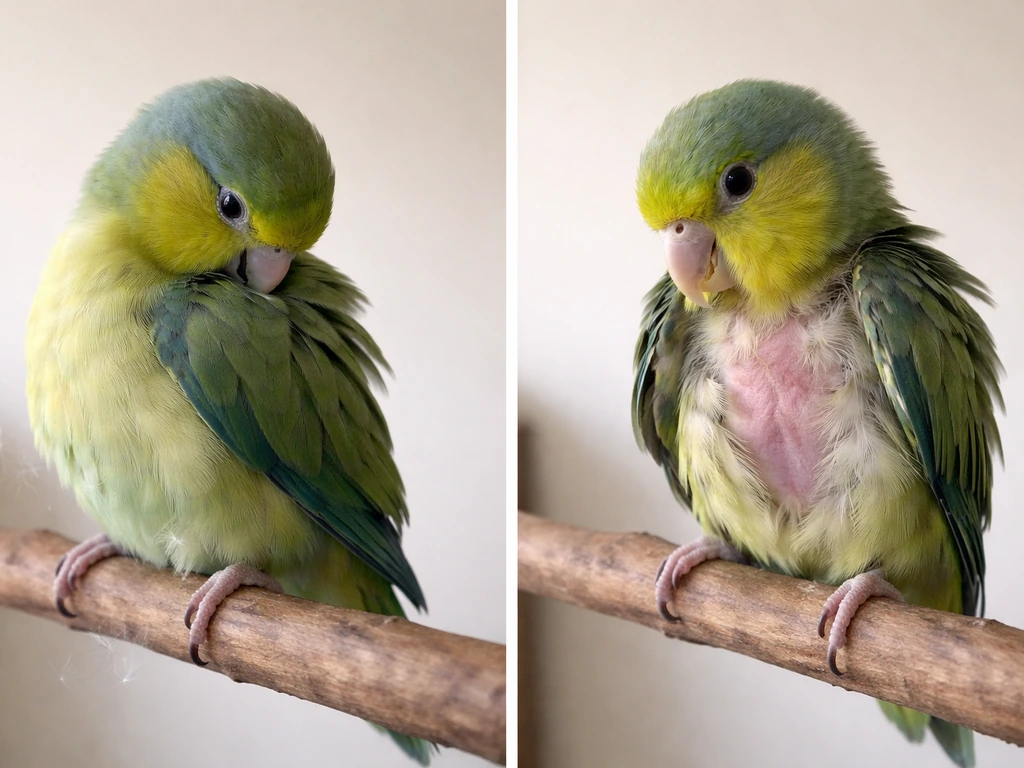
Normal preening is a daily activity. Your bird should spend time running feathers through its beak, shaking them out, and keeping them aligned. You'll see small feather dust and occasional loose feathers, especially during a molt. That's fine. What's not fine is bare skin patches, broken or chewed feather shafts, bleeding pin feathers, or a bird that seems to be preening obsessively to the point of irritating itself.
Feather plucking
Feather plucking (also called feather destructive behavior) is when a bird pulls out its own feathers, often leaving bare patches most visible on the chest, legs, or under the wings. It can stem from stress, anxiety, boredom, a skin infection, internal parasites, nutritional deficiency, or an underlying illness. Because the causes overlap so significantly, a vet visit is the right move if plucking is happening more than occasionally. Stress-related plucking and medically driven plucking can look identical from the outside.
Fluffed posture and mites
A bird that's chronically fluffed when it's not sleeping is often cold, sick, or both. Don't confuse a bird fluffed up for a nap with one that's fluffed all day and uninterested in food or interaction. Mites and lice can cause a bird to look unkempt, scratch frequently, and appear restless, especially at night. If you notice tiny moving specks in or around the cage, or white crust near the beak or nostrils (common with scaly face mites in budgies), that's a vet-treatable issue.
Do this today: a troubleshooting checklist
Run through this list right now while everything is fresh. It takes about 10 minutes and gives you the information you need either to address the problem yourself or to bring to a vet.
- Observe posture for 5 minutes without disturbing the bird. Is the bird upright and alert, or fluffed, hunched, or sitting on the cage floor?
- Watch breathing. Is the beak open? Is the tail bobbing with each breath? Any clicking, wheezing, or labored movement?
- Check the droppings at the bottom of the cage. Note the color, consistency, and volume. Normal droppings have a green or brown solid part, white urate, and a small liquid portion. Anything that's all liquid, bloody, black, or absent is notable.
- Assess appetite. Did the bird eat this morning? Is seed or pellet consumption noticeably down? Is the water level unchanged since yesterday?
- Scan the feathers and skin. Any bare patches, broken shafts, or signs of irritation? Is the bird preening normally or obsessively?
- Check the environment. Any drafts near the cage? New fumes, sprays, or cleaning products used recently? Temperature changes overnight? Any new pets or visitors?
- Note the timing. Did this start suddenly (within 24 to 48 hours) or gradually over days or weeks? Sudden changes are more urgent.
- Write down everything you've observed, including when it started, what changed in the environment recently, and what the bird's last normal day looked like.
If after this checklist the issue looks purely environmental (you identified a clear trigger, the bird is otherwise eating and breathing normally, and there are no physical symptoms), you can try addressing the environmental factor and monitor closely for 24 hours. If the bird is not better, or if any physical symptoms are present, move to a vet call.
When to call an avian vet and what to tell them
Some situations are urgent and some can wait a day or two, but you should always err toward calling sooner when you're unsure. Here's how to sort it.
Call or go immediately for these signs
- Open-mouth breathing or tail bobbing with every breath
- Bird on the cage floor and unable to perch
- Seizure, loss of balance, or falling off the perch
- Bleeding that won't stop
- Complete refusal to eat or drink for more than 24 hours
- Obvious swelling, injury, or trauma
- Suspected toxic exposure (fumes, chemicals, toxic plants or foods)
Schedule a same-day or next-day appointment for these
- Appetite drop lasting more than one day with no clear environmental trigger
- Droppings that have changed significantly in color or consistency
- Sudden unexplained change in vocalizations (new screaming, or going silent)
- New aggression or biting with no behavioral explanation
- Active feather plucking with bare patches appearing
- Discharge from eyes or nostrils
- Chronic fluffing combined with reduced activity
What to record before the appointment
Avian vets work much faster when you come prepared. Before your appointment, write down: when the change was first noticed, what the bird ate and drank in the last 48 hours, a description of the droppings (or take a photo), any environmental changes in the past 2 to 3 weeks, the bird's normal weight if you have a gram scale at home, current diet, and any products used near the bird recently including sprays, candles, or new cookware. If you can take a short video of the behavior before the appointment, do it. A 30-second clip of abnormal breathing or a fluffed posture tells a vet more than a verbal description.
The most important thing to remember is that birds are wired to hide illness. By the time you're worried enough to search for answers, your instinct is probably right. Trust it, use this guide to narrow down what you're seeing, and don't wait too long when something feels off. If you’re wondering whether your bird can get sick from you, that’s worth considering alongside the symptoms you’re seeing can my bird get sick from me. A vet visit that turns out to be unnecessary is always better than waiting a day too long.
FAQ
My bird is fluffed up but acting mostly normal, is that something I can monitor or should I treat it as urgent?
If your bird is quiet or fluffed, check breathing and posture first. Open-mouth breathing, tail bobbing with each breath, wheezing or clicking, and being on the cage floor or refusing food are reasons to call an avian vet immediately rather than “wait 24 hours.”
How can I tell if my bird’s droppings change is normal variation versus a sign of illness?
If droppings are changing, don’t just note color. Track frequency and volume (are they smaller or less frequent?), and whether the urate portion is watery or unusually large. Pair that with appetite and activity changes, since those together are more predictive than droppings color alone.
My bird is regurgitating, is that always hormonal or could it be vomiting?
Regurgitation that happens only during bonding moments (for example, when the bird is interacting with its favorite person) is different from vomiting that occurs unrelated to feeding, repeatedly, and may come with whole-food material plus weakness. If it’s not clearly tied to bonding or is accompanied by lethargy or appetite loss, treat it as medical.
What should I check first at home when I cannot identify an obvious trigger for my bird’s behavior change?
Try to isolate what changed in the last 1 to 2 weeks, but also verify daily basics. Confirm your light cycle is consistent (many owners accidentally shorten “dark time”), check room temperature near the cage, and remove new scents or aerosols even if they seem mild. If you recently changed brands of food pellets or seed mix, note that too.
Can a draft or temperature change make a bird act sick even if I do not see breathing problems?
Temperature swings and drafts can cause fluffed posture and reduced activity even when the room feels “comfortable” to you. Place the cage away from HVAC vents, open windows, and ceiling fans, and avoid direct sunlight through glass that can overheat the cage quickly.
My bird is feather plucking, how do I decide when it’s “behavior” versus something that needs a vet visit right away?
If your bird is plucking, a key edge case is when the bird is also itchy or restless, scratches frequently, or has visible skin changes. Because stress plucking and medical plucking can look similar, if plucking persists beyond occasional feather wear, plan on a vet exam and bring feather photos and a short behavior video.
What are the best at-home observations to avoid either missing an emergency or overreacting?
Yes, a bird can develop illness without loud symptoms at first, but you can reduce false alarms by monitoring a few measurable signs. Track appetite at meals, breathing noise, droppings, and activity over several hours. If multiple categories worsen, contact a vet even if symptoms seem “small.”
Can I use human cold medicine or calming remedies if my bird seems stressed or sick?
Do not give human medications or supplements to “calm it down.” Birds are very sensitive to dosing errors and some ingredients can be toxic. If you suspect stress, focus on environment changes first (consistent sleep, remove triggers, reduce handling), and use a vet for any persistent or worsening symptoms.
What diet details should I gather before calling the vet, especially if my bird is eating less?
Document what the bird ate and drank in the last 48 hours, and note any diet changes, treats, and new foods. If the bird won’t eat, include how long it has been refusing and whether it is accepting favorite foods, since that helps differentiate oral pain, crop issues, or systemic illness.
If I remove a trigger and my bird improves, how long should I keep monitoring before assuming it’s resolved?
If your bird seems “better” after changing the environment, that supports an environmental cause, but watch for delayed signs. Re-check breathing, appetite, and droppings at least over the next 24 hours, and seek care sooner if symptoms return or any physical red flags appear.
How can I tell whether seasonal hormones are the real cause versus an underlying health problem?
Spring and fall hormonal surges are common, but not every nippy bird is hormonal. If aggression comes with lethargy, appetite loss, abnormal droppings, or breathing changes, treat it as medical first. Also reduce nesting resources and extend dark hours, but do not use deprivation or punishment as a “solution.”
I suspect mites or lice based on scratches, what should I do before trying home cleaning alone?
If you see mites or lice signs, the key decision is that home-only fixes are often not enough because reinfestation happens. If you notice tiny moving specks in and around the cage or scaly crust near the beak or nostrils, contact an avian vet for the correct treatment plan.
If I’m sick, what precautions should I take to reduce the risk to my bird, and when should I assume my bird needs care?
If you are worried your bird could be sick from you, focus on transmission risk through respiratory droplets and general hygiene. Wash hands before handling, avoid sharing the same air space when you are actively ill, and consider wearing a mask during contact. Still, rely on your bird’s symptoms, not your illness alone.
Next Article
My Cockatiel Bird Is Sick: Symptoms, First Aid, Vet Triggers
Step-by-step guide to spot cockatiel sickness, give safe first aid, and know when to call an avian vet urgently.