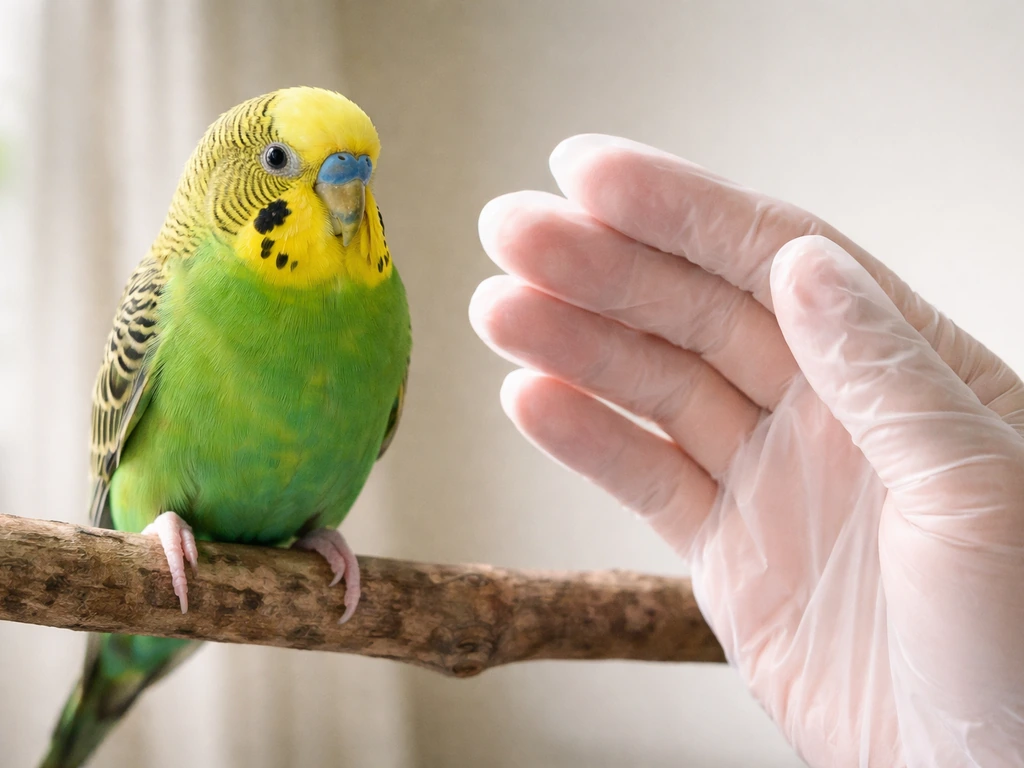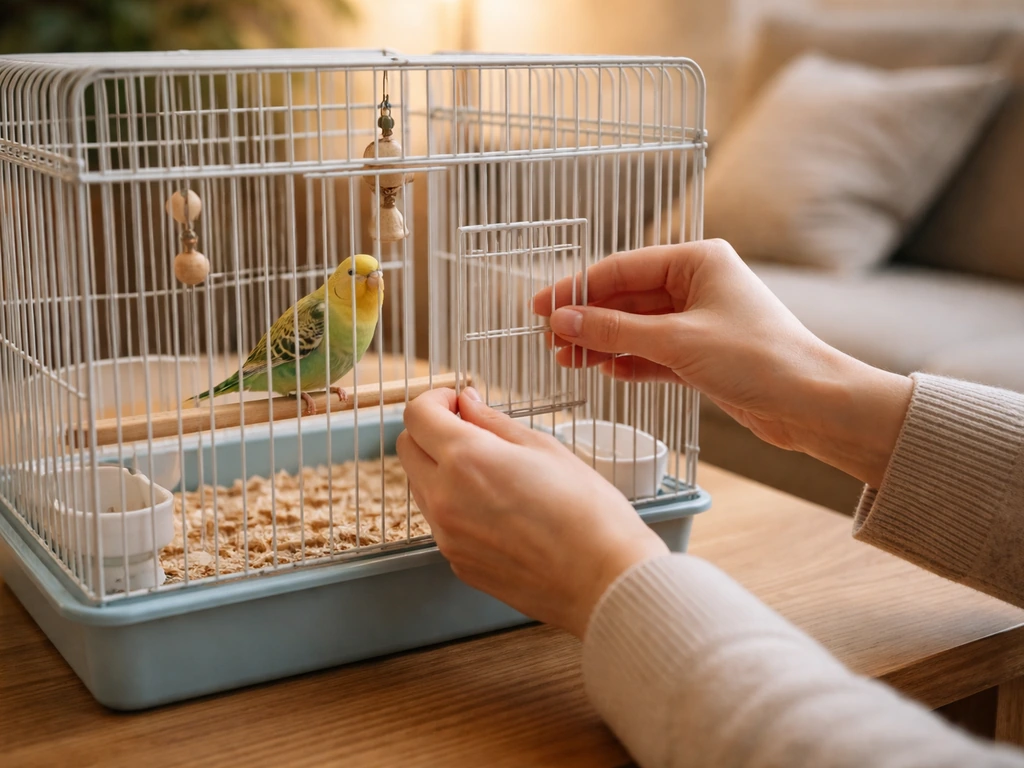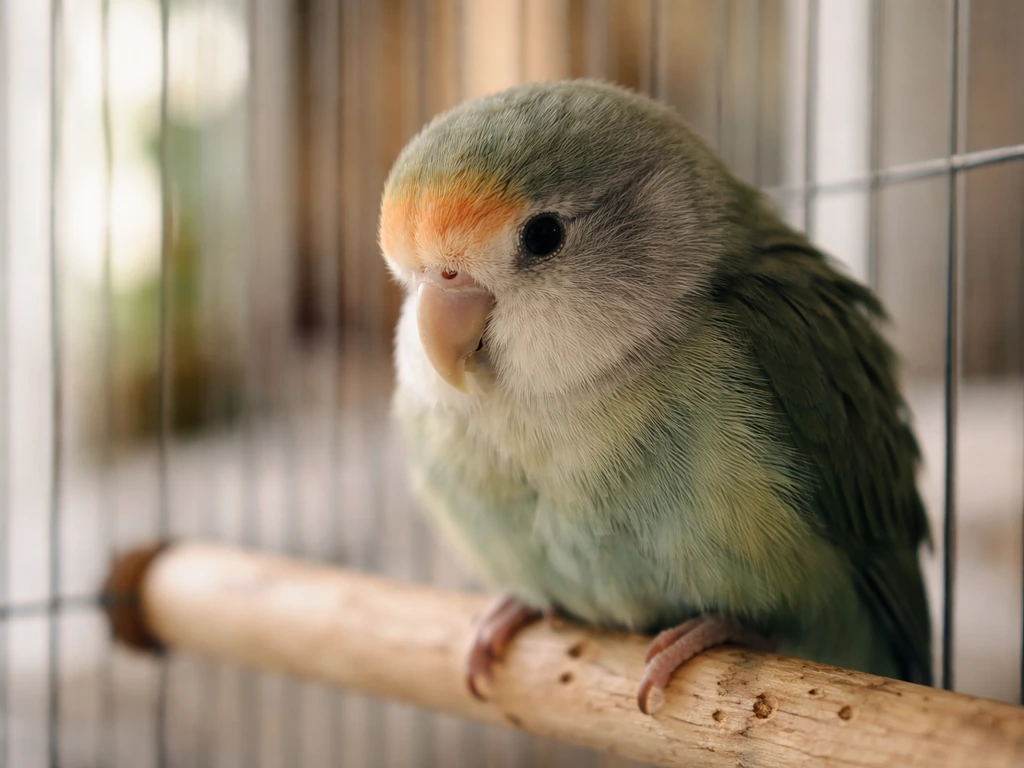
If your bird named Gizmo is acting off, the most important thing you can do right now is stop and observe. Watch for fluffed feathers, tail bobbing with each breath, open-mouth breathing, or a bird sitting on the cage floor instead of perching. Any of those signs mean you need to contact an avian vet today, not tomorrow. If you're worried about whether your own illness could be contagious to your bird, ask an avian vet what precautions to take right now can my bird get sick from me. If Gizmo looks okay but something still feels wrong, this guide walks you through a quick at-home assessment so you can figure out what you're dealing with and what to do next.
What Is Wrong With Gizmo the Bird? Fast Check and Next Steps

Marcus Chen
27 Apr 2026
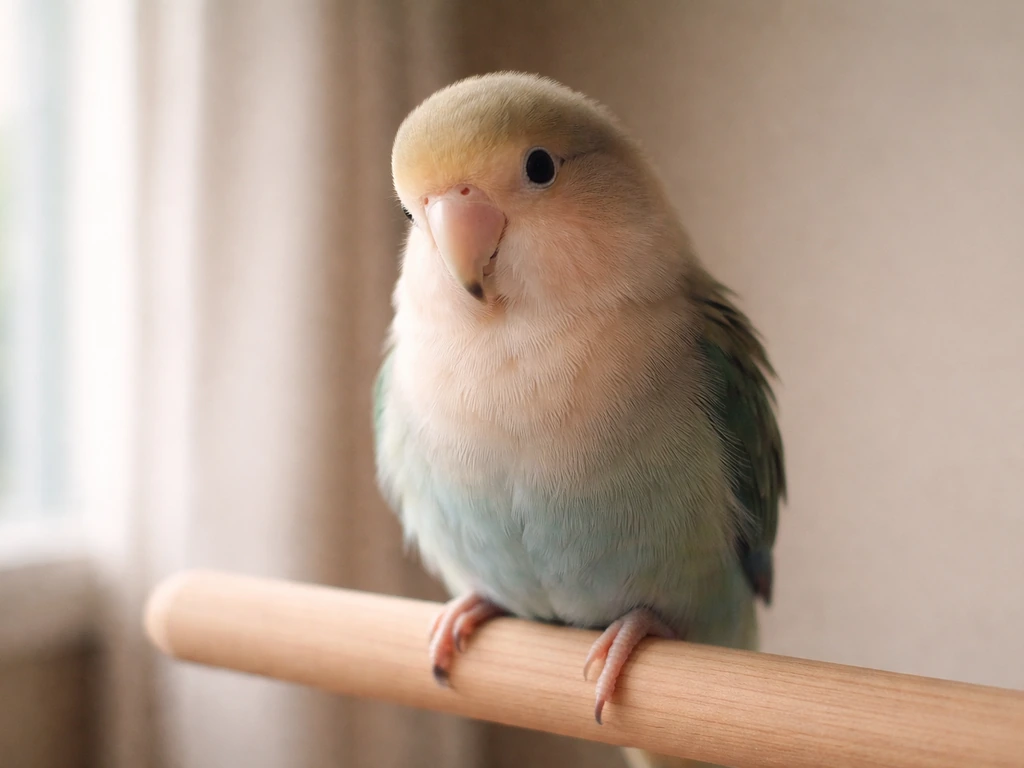
Who (or what) is Gizmo the bird?
Gizmo is almost certainly your bird's name, not a specific disease, condition, or famous bird from a TV show. That means there's no single answer to what's wrong because it depends entirely on what Gizmo is doing, how old they are, what species they are, and what's changed recently. The good news is that the signs bird owners notice when something seems off tend to fall into a predictable set of categories, and you can work through them systematically right now.
This guide is written for any pet bird owner who knows their bird well enough to sense that something isn't right, whether Gizmo is a budgie, cockatiel, conure, African grey, or any other companion parrot. If your my cockatiel bird is sick, use the same observation checklist and urgency guidance below to decide whether you need to contact an avian vet today. The observation checklist and urgency guidance below apply across species.
Red flags to check for right now
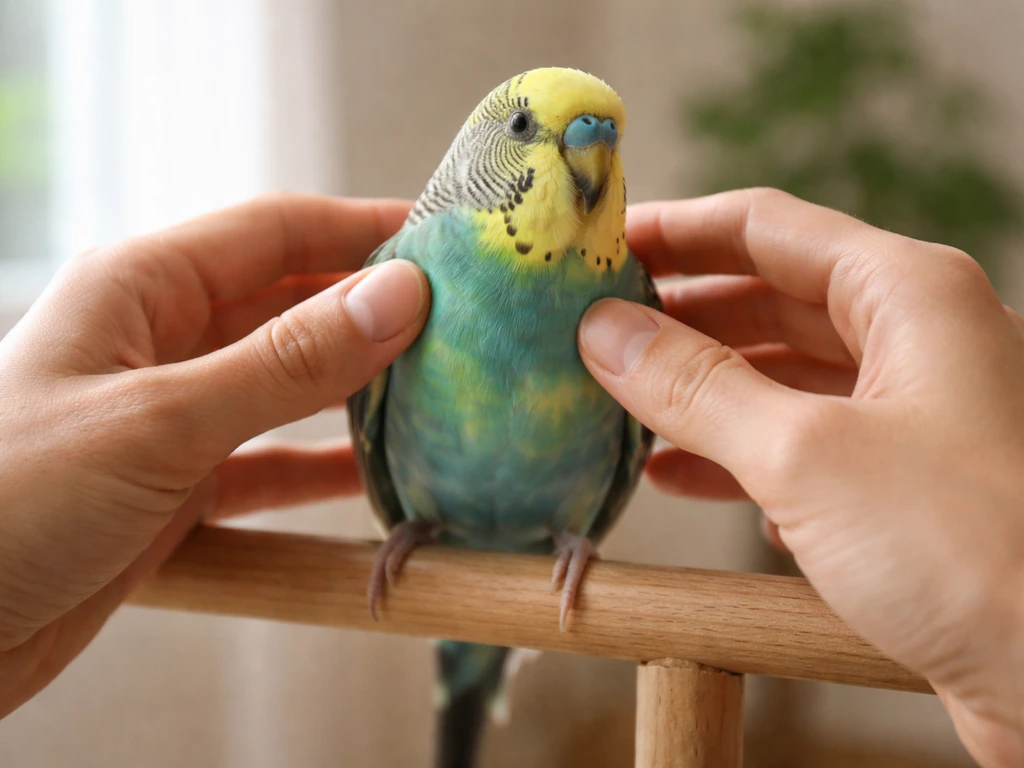
Before you read anything else, do a quick visual check on Gizmo. These are the signs that indicate a serious problem and mean you should be calling an avian vet while you finish reading, not after.
- Open-mouth breathing at rest (not just after flying or being startled): this is considered very serious
- Tail bobbing rhythmically with every breath, as if the tail is pumping to help move air
- Fluffed-up feathers making Gizmo look rounder or fatter than usual, combined with lethargy
- Sitting on the cage floor or unable to perch, which signals severe weakness
- Wheezing, clicking, or any audible noise with each breath
- Visible straining in the abdomen, especially in a female bird (a potential egg-binding emergency)
- Seizures, loss of balance, or falling off the perch
If Gizmo has any of those signs, skip to the urgency section below. Birds hide illness well as a survival instinct, so by the time symptoms are obvious, the bird has often been struggling for longer than you realize. Waiting even a few hours can matter.
Common reasons a bird seems "not right"
When owners say something seems wrong with their bird, it usually falls into one of these broad categories. This isn't a diagnosis, just a starting map to help you think through what might be going on with Gizmo.
Respiratory problems
Birds have a uniquely sensitive respiratory system with air sacs that extend through their body. This makes them vulnerable to airborne toxins and infections that would barely affect a mammal. Respiratory signs include open-mouth breathing, tail bobbing, wheezing, a clicking sound, nasal discharge, or just breathing faster than normal. Causes range from bacterial and fungal infections to inhaled fumes. Nonstick cookware (Teflon/PTFE) overheating in the kitchen, aerosol sprays, scented candles, and air fresheners can all cause rapid respiratory distress in birds.
Digestive and dietary issues
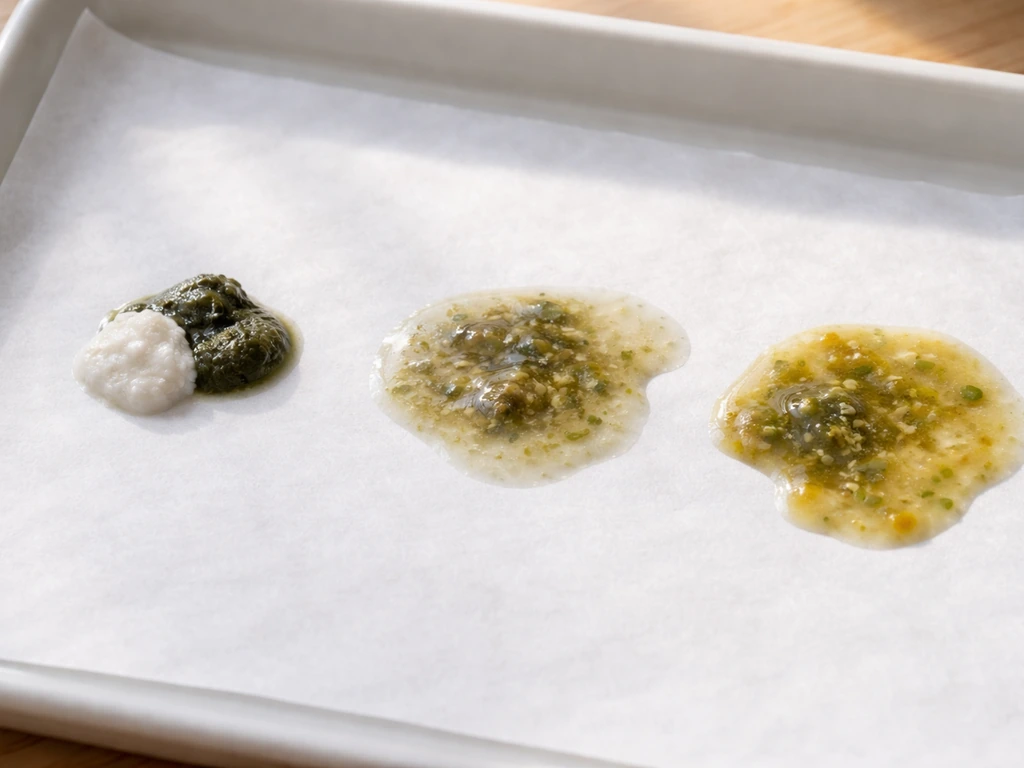
Changes in droppings are one of the clearest early illness signals. Normal bird droppings have three distinct parts: a dark green or brown solid fecal portion, white or cream-colored chalky urates, and clear liquid urine. If you're seeing runny or watery droppings for more than a day, very dark or black feces, bright green bile-stained urates, or no droppings at all over 12 to 24 hours, those all point toward something going on internally. A bird that isn't eating will have very small or absent droppings, which is its own red flag.
Lethargy and sleep changes
Most parrots need around 10 to 12 hours of sleep per night in a dark, quiet environment. If Gizmo is sleeping far more than usual during daylight hours, looks drowsy and unresponsive when awake, or is sitting puffed up on the perch with eyes half-closed, that's a meaningful behavior change. A little extra rest after a disrupted night is fine. Persistent daytime sleepiness paired with any other symptom is not.
Feather and skin changes
Feathers that look rough, broken, or dull can signal nutritional deficiencies, chronic stress, or illness. Feather plucking is its own topic worth exploring separately. One thing specifically worth checking on Gizmo's beak and cere (the fleshy area at the base of the beak) is whether there's any crusty, scaly, or honeycomb-textured buildup. UF/IFAS extension material on knemidokiptic mange describes a crusty or white coating starting at the cere or angle of the mouth as part of the characteristic presentation. That appearance is associated with knemidokoptic mange (scaly face/scaly leg mites) and needs a vet visit for confirmation and treatment.
Egg binding (female birds)
If Gizmo is female and you notice blank" rel="noopener noreferrer">weakness, straining, a swollen or distended abdomen, lameness, or open-mouth breathing, egg binding is a serious possibility. This is a true emergency. A retained egg can be fatal within hours if untreated. Don't wait to see if she passes it on her own. Call a vet immediately.
Toxin or environmental exposure
Think back over the last 24 to 48 hours. Has anything been cooked in nonstick pans at high heat nearby? Has anyone used aerosol sprays, insecticides, air fresheners, or cleaning products near Gizmo's space? Have candles, incense, or paint fumes been present? Birds can go from seemingly fine to critically ill very quickly from fume exposure. If you suspect toxin exposure, contact an avian vet or the ASPCA Animal Poison Control hotline right away.
At-home assessment: what to actually look at
Go through each of these areas and note what you observe. You don't need to handle Gizmo to do most of this. A calm observation from a short distance is often more useful than picking the bird up and stressing them.
Posture and activity
Is Gizmo perching normally with weight evenly distributed, or are they leaning, sitting low, or on the cage floor? A healthy bird stands upright, is alert, and reacts to movement and sound. A sick bird often looks hunched, keeps eyes partially closed, and ignores things that normally get a reaction.
Breathing
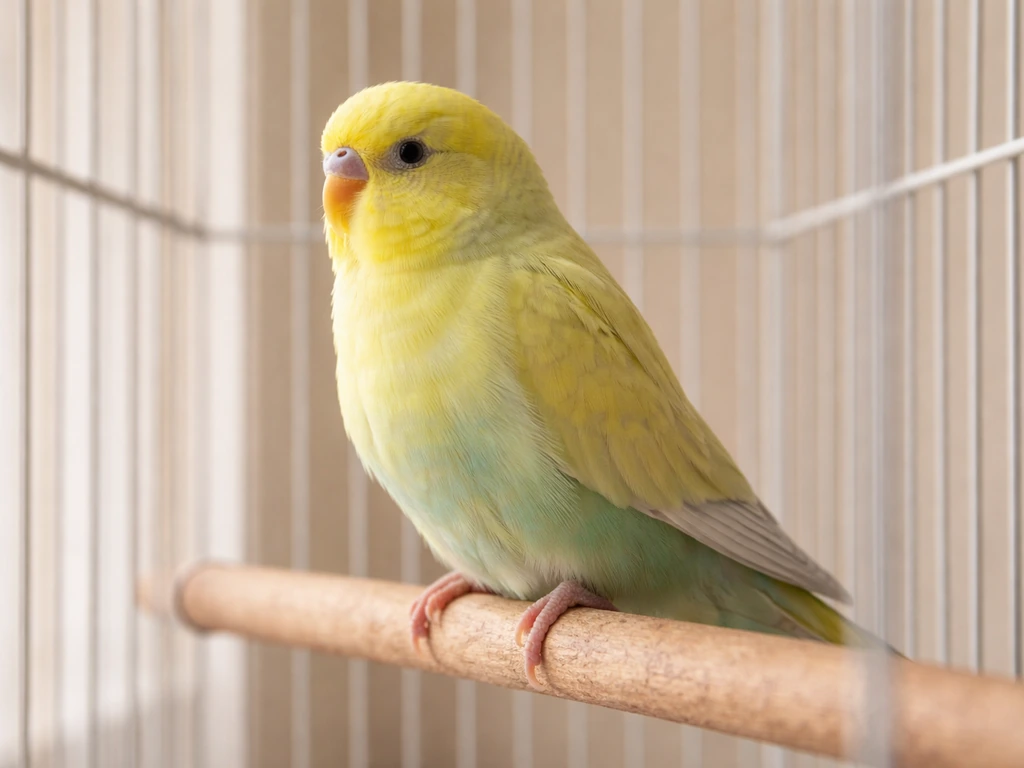
Watch Gizmo's chest and tail for 30 to 60 seconds while they are sitting still. Breathing should be invisible and silent at rest. Any visible chest heaving, tail movement with each breath, open beak, or audible sound (wheezing, clicking, squeaking) is abnormal and warrants immediate attention.
Droppings
Look at the bottom of the cage or the droppings tray. Count roughly how many droppings you see and check their appearance. Refer to the normal three-part description above. Watery droppings from eating fruit or drinking a lot of water can look abnormal but aren't always alarming on their own. But truly absent droppings, or droppings that are consistently very loose, discolored, or foul-smelling over 12 to 24 hours, are worth reporting to a vet.
Appetite and food intake
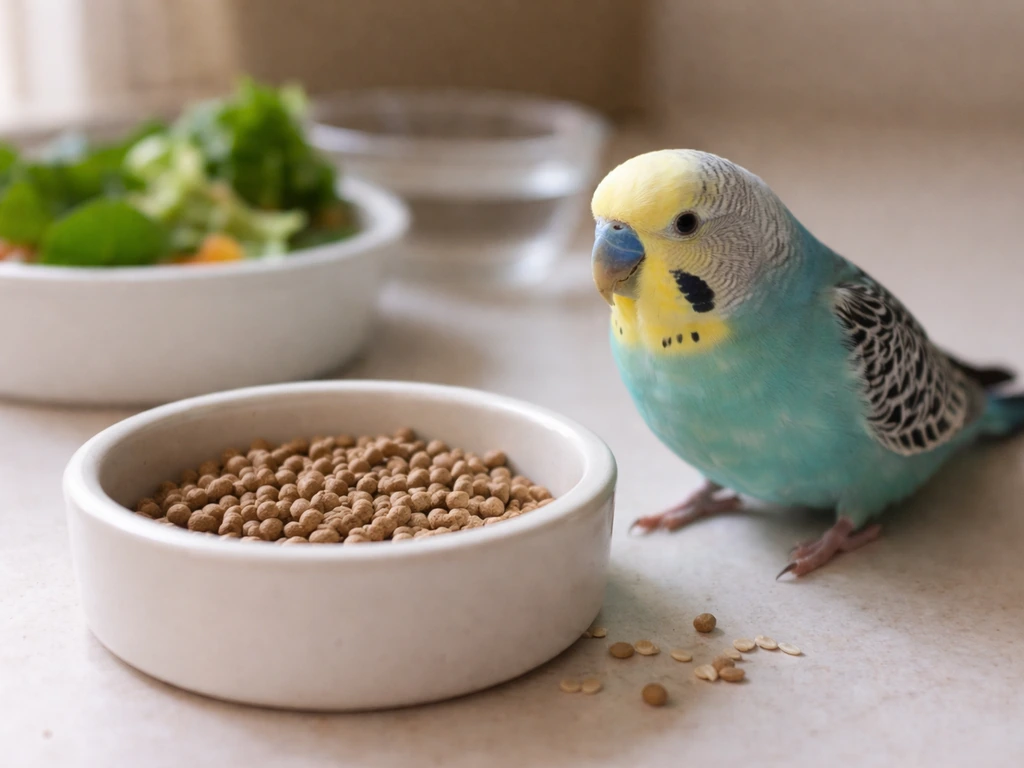
Has Gizmo been eating today? Check seed hulls, pellet dish, or fresh food area. A bird that has stopped eating entirely for more than 12 to 24 hours is in a concerning situation. If you are asking “is my bird sick” because Gizmo has stopped eating entirely for more than 12 to 24 hours, treat it as concerning and get veterinary guidance today. Birds have fast metabolisms and can deteriorate quickly when they stop taking in food and water.
Eyes, nose, and beak
Eyes should be bright, round, and responsive. Sunken, dull, or half-closed eyes are a concern. Check the nostrils for any discharge, crustiness, or asymmetry. Look at the beak for any unusual growths, discoloration, or the crusty texture mentioned earlier. A wet or dirty cere when it's usually clean is worth noting.
Feathers and body condition
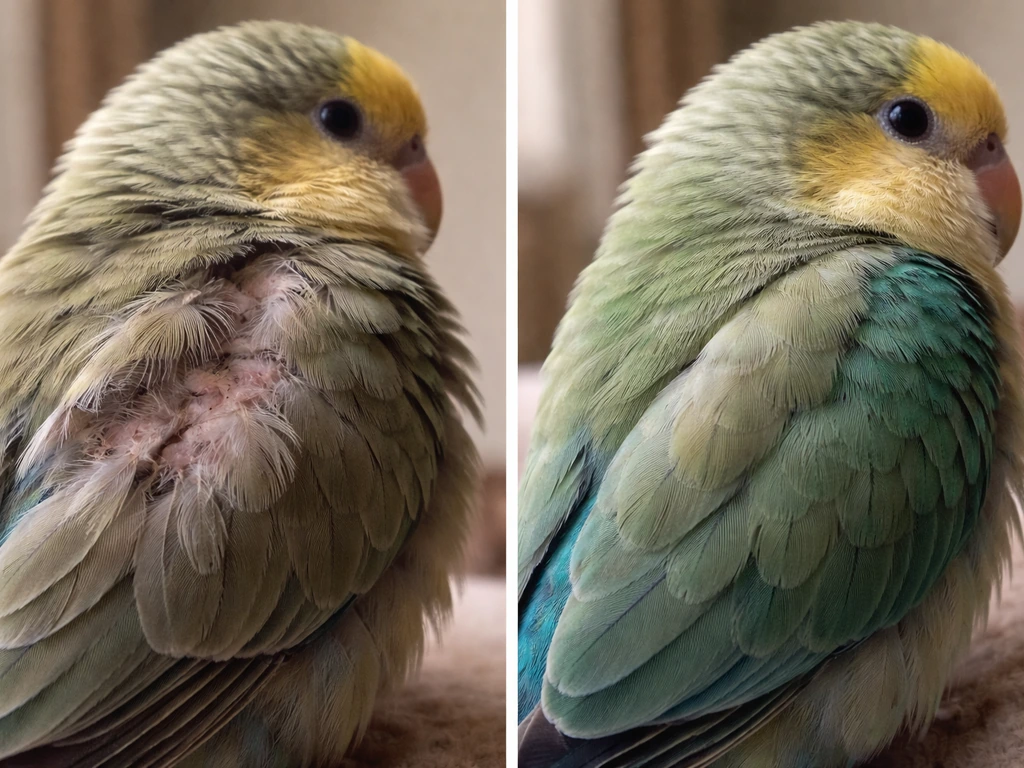
Fluffed feathers at rest (not just after a bath or during sleep) are a classic illness sign. Run your eyes over Gizmo's feathers for broken shafts, bald patches, or feathers being held out awkwardly. If you can gently observe the breastbone without stressing the bird, a prominent sharp keel bone can signal weight loss.
Urgent vs. not urgent: how to decide
Here's a practical way to sort what you're seeing into whether Gizmo needs to be seen today or whether careful monitoring is appropriate.
| What you're seeing | Urgency level | What to do |
|---|---|---|
| Open-mouth breathing at rest, tail bobbing with every breath, wheezing or clicking | Emergency | Call an avian vet or emergency clinic immediately |
| On the cage floor, unable to perch, seizures or loss of balance | Emergency | Call an avian vet or emergency clinic immediately |
| Female bird straining, swollen abdomen, weakness (possible egg binding) | Emergency | Call an avian vet or emergency clinic immediately |
| Suspected toxin or fume exposure with any symptoms | Emergency | Call vet and/or animal poison control immediately |
| Fluffed feathers plus lethargy, eating little or nothing, sleeping excessively during the day | Urgent (same day) | Contact an avian vet today, do not wait overnight |
| Droppings significantly abnormal for more than 24 hours | Urgent (same day) | Contact an avian vet today |
| Mild behavior change, slightly quieter, one slightly loose dropping | Monitor closely | Watch for 12-24 hours, call vet if not improving or worsens |
| No change from normal on all checklist items, just owner anxiety | Low | Continue monitoring, note any future changes |
A general rule worth repeating: birds are prey animals and instinctively hide illness. If you think something is wrong with Gizmo, you're probably right, and erring on the side of calling a vet is always the safer choice. Avian vets consistently advise that owners should not wait for symptoms to get worse before reaching out.
What you can do for Gizmo today while you monitor or wait
While you're assessing the situation or waiting for a vet appointment, there are supportive steps you can take at home. These are not treatments and they don't replace veterinary care, but they can help stabilize a sick bird and reduce stress on their system.
Warmth is one of the most important things
Sick birds lose body heat quickly because of their high metabolic rate. Providing supplemental warmth can be genuinely stabilizing. The target for a sick bird's environment is around 85 to 90°F (roughly 29 to 32°C). You can achieve this by placing a heating pad set to low under one side of the cage (not the whole floor, so Gizmo can move away if needed), or by using a heat lamp directed at one area. Make sure Gizmo can always move to a cooler spot. Watch for panting, which means the bird is too warm.
Keep the environment calm and quiet
Move Gizmo's cage to a warm, draft-free, quiet area away from other pets and household noise. Stress is physiologically taxing for birds and can worsen an already compromised condition. Cover three sides of the cage to reduce visual stress while keeping one side open so you can observe.
Encourage food and water access
Place food and water dishes at perch level so Gizmo doesn't have to expend energy reaching them. If Gizmo is weak, you can place dishes on the cage floor. Offer familiar, preferred foods rather than introducing anything new. Fresh water should always be available and changed today if it hasn't been.
Remove any potential hazards
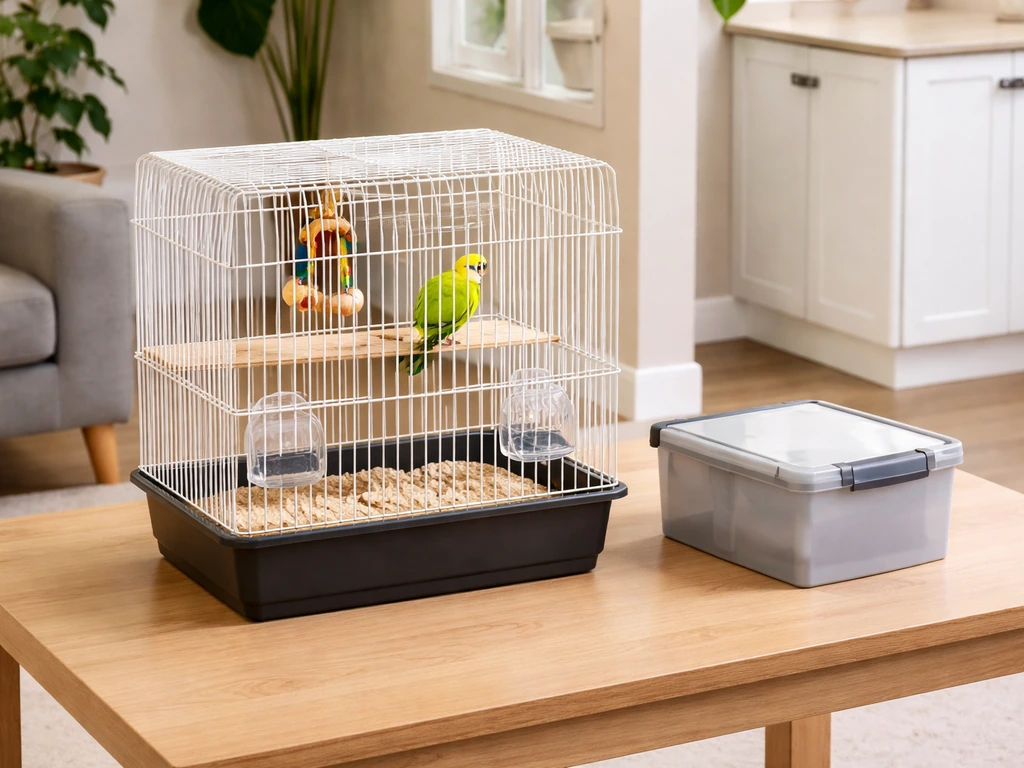
Check the area around Gizmo's cage right now. No nonstick cookware in use nearby, no aerosols or sprays, no candles or incense, no air fresheners or plug-ins. If any of those were recently used, ventilate the room and move Gizmo to fresh air immediately.
Write down what you've observed
Before you call the vet, jot down: when you first noticed something was off, exactly what you've seen (use the checklist above), what Gizmo's droppings look like, whether they've eaten and drunk today, any recent changes in the home environment, and Gizmo's species, age if known, and sex if known. This information helps the vet assess the situation faster and make better recommendations over the phone.
A note on bird illness more broadly
What you're going through with Gizmo is one of the most common and stressful experiences for bird owners. Birds are notoriously good at masking symptoms, which means by the time something is obviously visible, it has often been brewing for a while. That's not your fault. It's a survival trait that has nothing to do with how well you care for your bird. The best thing you can do now is act quickly, observe carefully, and get a qualified avian vet involved. If you're wondering more broadly whether your bird is sick or trying to understand the full range of illness signs, that topic is worth exploring in depth alongside the specific steps here. The same general warning signs apply even if the situation started as a meme or joke about your bird acting odd If you're wondering more broadly whether your bird is sick. If you are asking “why is my bird” acting off, start by watching its breathing, droppings, appetite, and energy level, then decide how urgently it needs a vet. If you're asking whether your bird can catch your cold, it's a common concern and it's worth understanding the health risks and how to protect your flock can my bird catch my cold.
FAQ
Do I still call an avian vet today if I am not sure whether the symptoms are “serious”? (What if I cannot identify the exact cause?)
Yes. If Gizmo is sitting fluffed on the floor, breathing with an open mouth, tail-bobbing, or has absent or very abnormal droppings, treat it as urgent even if you cannot confirm species or sex.
What should I do if Gizmo is not eating, can I try home remedies or hand-feeding first?
Avoid force-feeding or offering lots of treats to “tempt” appetite. If Gizmo has not eaten for 12 to 24 hours, focus on warmth and quiet, confirm what is available, and call the vet for guidance on safe fluids or hand-feeding methods.
If I suspect fumes or something in the kitchen, can I wait to see if it passes?
Do not use a household fragrance device to “mask” odors. Instead, remove the source, ventilate, and move Gizmo to fresh air right away. If breathing signs appear or worsen, this becomes a same-day avian emergency.
If Gizmo lives with other birds, should I isolate them or can I treat this as a single-bird issue?
Yes, but it changes the checklist: if Gizmo has been around other birds, ask the vet about contagion and watch everyone for breathing changes, fluffed posture, or droppings changes. Isolate Gizmo in a quiet, draft-free room until you can speak with an avian vet.
How warm is safe to keep Gizmo while I wait for the vet, and what are the red flags that I am overheating them?
Temperature matters. The article suggests 85 to 90°F (29 to 32°C) with access to a cooler spot, and panting means it is too warm. Do not use heating pads all over the cage floor or cover the entire cage in a way that traps heat.
How long should I wait before calling the vet after I notice breathing or energy changes?
If Gizmo has tail movement with each breath, audible breathing, or open-mouth breathing, prioritize urgent medical help over additional observation time. If Gizmo is quiet and responsive with no respiratory signs, you can monitor, but do not delay calling when symptoms persist or worsen.
How do I tell watery droppings from something diet-related versus an emergency?
Droppings can look different from diet, but you can still triage. If the fecal portion is very dark to black, urates are bright green, droppings are absent for 12 to 24 hours, or you see consistent watery output plus low appetite, that is reportable and warrants a vet call.
Can Gizmo be sick even if they look mostly normal and are perching?
Yes. Birds can hide illness, so a “still acting normal” look does not rule out internal problems. If Gizmo has any combination of droppings change, sleepiness, reduced appetite, abnormal breathing, or sitting abnormally, treat it as potentially serious.
What if I see crust or texture on Gizmo’s beak or cere, should I clean it at home?
Gently check from a distance first. If you notice crusty, scaly, honeycomb-like buildup around the beak or cere, do not pick or scrape it off. This appearance needs veterinary confirmation and treatment, and manipulation can worsen irritation.
What specific signs mean egg binding is happening, and what should I do right away?
Egg binding is not something to “watch and wait” on. If Gizmo is female and you see straining, weakness, a swollen or distended belly, lameness, or open-mouth breathing, call immediately, because a retained egg can become fatal within hours.
When I call the vet, what details besides timing and droppings should I prepare?
Record your observations, but also include baseline info the vet can use, such as whether Gizmo is normally on a pellet or seed diet, any recent diet changes, and whether there have been any new toys or bedding materials. Bring this info when you call so the vet can narrow likely causes faster.