If you're asking 'is my bird sick,' the honest answer is: you need to act on that instinct quickly. Birds are wired to hide illness. In the wild, showing weakness means becoming a target, so they mask symptoms until they can no longer manage it. By the time a bird looks obviously sick, things can already be serious. That's why your gut feeling matters, and why knowing what to look for right now is so important.
Is My Bird Sick? Home Check and When to See a Vet

Marcus Chen
21 Apr 2026
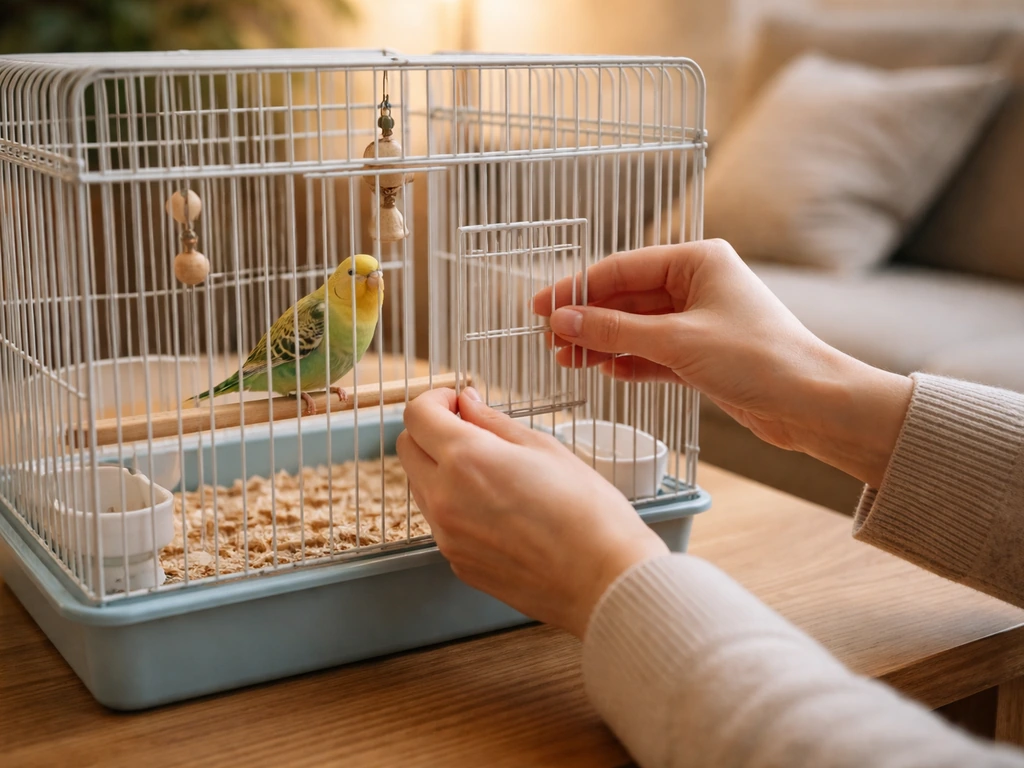
Quick warning signs to check right now
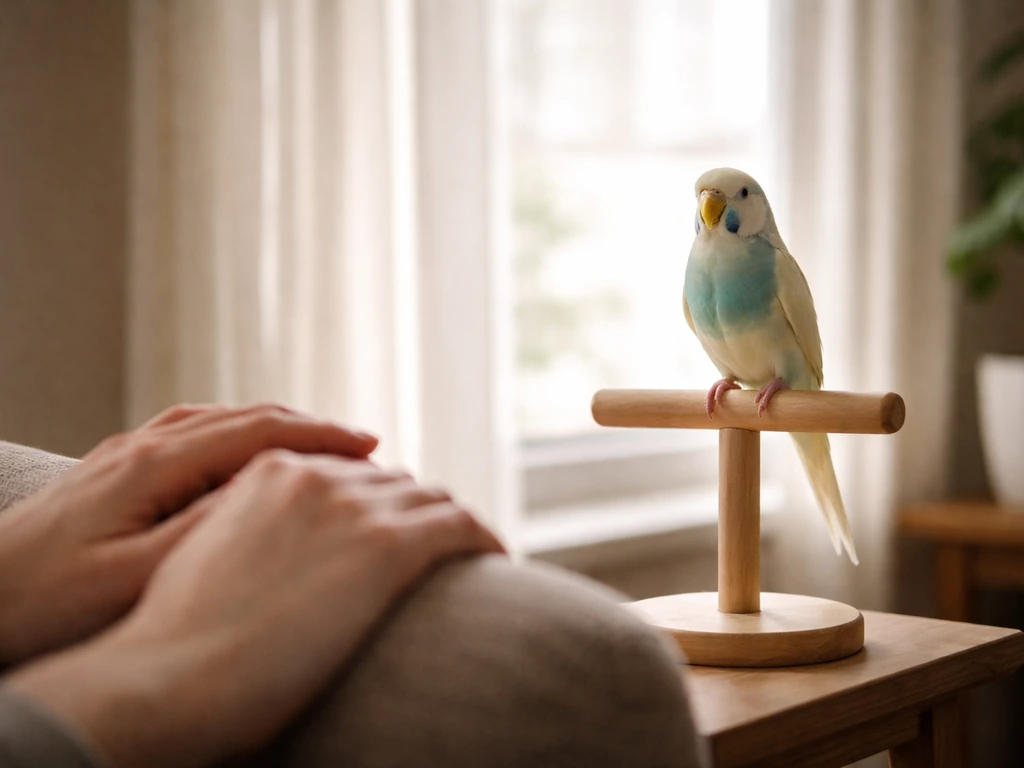
Before you do anything else, spend two to three minutes watching your bird without disturbing it. You're looking for a cluster of changes, not just one. Here are the four areas that matter most.
Behavior and posture
A healthy bird is alert, reactive, and moves around its cage. A sick bird often sits low on the perch, fluffs its feathers to conserve heat, and doesn't react to your presence the way it normally would. Extreme weakness, an inability to grip the perch, or actual collapse are emergency-level signs. If your bird can't stand or grasp, don't wait.
Appetite and drinking
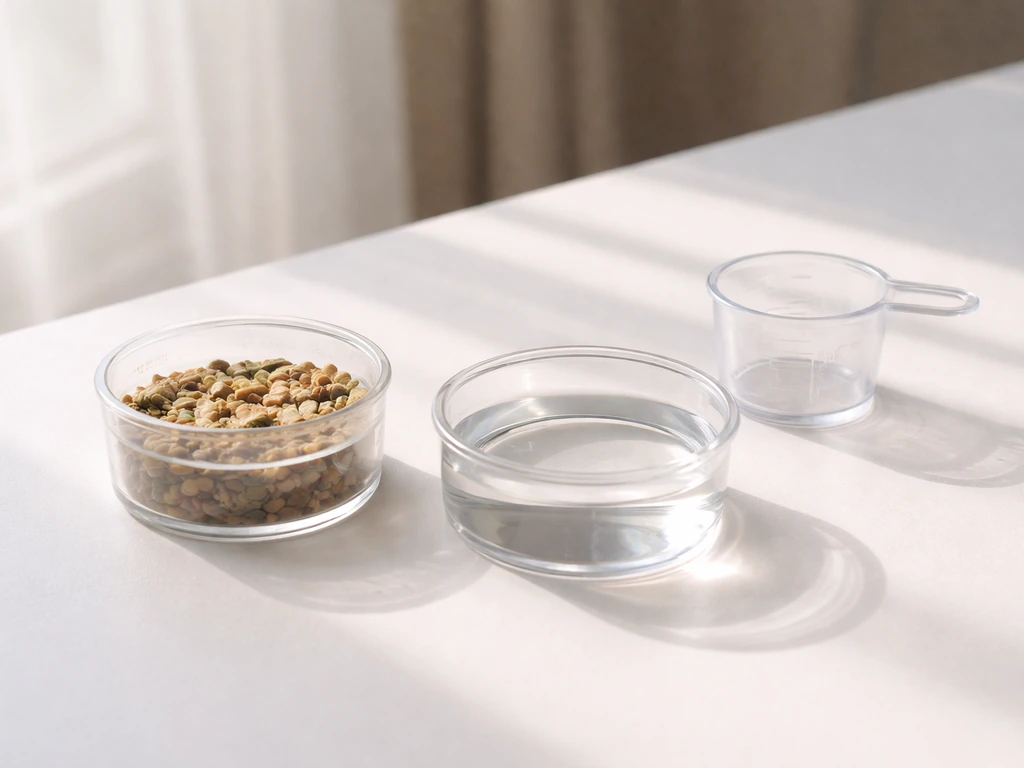
Has your bird eaten today? Is the food level the same as when you filled it last night? Refusal to eat or drink is a red flag, especially in small birds that can deteriorate fast when they stop taking in calories. Any sudden change in how much your bird is eating or drinking deserves attention, even if nothing else seems off.
Breathing
This is the one that should put you on high alert fastest. Normal breathing in a bird is quiet and barely visible. Warning signs include blank" rel="noopener noreferrer">open-mouth breathing, wheezing, clicking or rattling sounds, tail bobbing with each breath, increased sternal effort (the chest heaving visibly), or wing pumping while at rest. Overheated non-stick PTFE (Teflon) can release fluorinated gases, and exposed birds may develop difficult breathing with wheezing or gasping and may even be found dead in cages blank" rel="noopener noreferrer">wheezing, clicking or rattling sounds. Even one of these signs means you should be calling an avian vet, not waiting to see if it improves.
Droppings
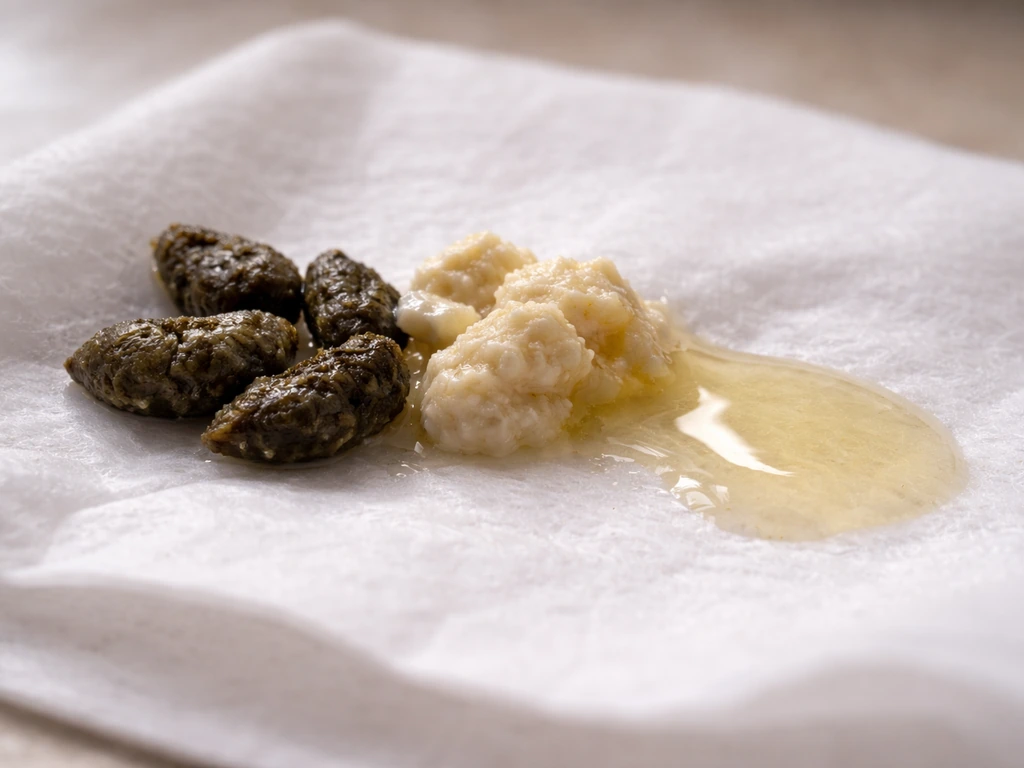
Healthy droppings have three distinct parts: dark formed feces, white or cream-colored urates, and clear liquid urine. If the feces are unformed and blending into the urates so you can't tell them apart, that's true diarrhea, and it can become life-threatening in birds surprisingly fast. Also watch for unusual colors (red, black, or bright yellow-green), a strong odor, or the presence of undigested food, all of which can point to infection, liver issues, or other internal problems.
How to do a safe home check
Your goal during a home check is to gather useful information without stressing your bird further, because handling a sick bird carelessly can make things worse. Do this from a calm distance first.
- Stand quietly near the cage for at least two minutes without talking or making sudden movements. Watch posture, breathing rate, and whether your bird notices you.
- Check the cage floor for droppings from the past few hours. Note color, consistency, and whether the three components are still distinct. Check for any undigested seed or food pieces.
- Look at the food and water dishes. Has the level changed since you last filled them? Compare to what's normal for your bird.
- Listen for any abnormal sounds: wheezing, clicking, sneezing, or labored breathing. Do this in a quiet room.
- Note whether your bird's feathers are fluffed, its eyes appear dull or partially closed, or there's any discharge around the nostrils, eyes, or beak.
- Write down what you observe and what time you observed it. If you contact a vet, this timeline is exactly what they'll want to know.
- If your bird seems calm enough, note whether it moves away from you or reacts normally. A bird that doesn't respond to your presence at all is more concerning than one that does.
You don't need to handle your bird to do a useful home check. In fact, dvm360 specifically notes that birds are at high risk for respiratory arrest when mishandled during an already-stressed state, so keep your interactions quiet and slow if you must handle the bird at all.
Is it actually an emergency, or something explainable?
Not every change means your bird is seriously ill. If you are wondering why is my bird acting differently, use these warning signs to decide what needs urgent veterinary attention. If you're just trying to sanity-check what you’re seeing like a 'i think my bird is sick meme,' it’s still best to compare the signs you notice to an avian-vet checklist right away. Some common situations can look alarming but have normal explanations, and it helps to rule these out before you spiral into worry.
| What you're seeing | Possible non-emergency cause | When to still be concerned |
|---|---|---|
| Fluffed feathers, quieter than usual | Molting, temperature drop, or rest | Lasts more than 24 hours or paired with other signs |
| Loose or watery droppings | Diet change (fruit, veggies), stress | No improvement after 12-24 hours, or droppings are truly unformed |
| Sneezing occasionally | Dust, dander, or mild irritation | Discharge from nostrils, sneezing frequently, or wheezing |
| Less active, sleeping more | Environmental change, new people, rearranged cage | Lethargy is extreme, bird won't grip perch, or lasts more than a day |
| Feather loss in patches | Normal molting cycle | Bare skin exposed, feathers look damaged, or bird is over-preening/plucking |
| Voice changes | Molting, seasonal hormonal shift | Complete loss of voice, clicking while breathing, or other respiratory signs |
Molting, for example, can make a bird look rough and act more withdrawn than usual. It's driven by nutrition, light exposure, humidity, and season, and it can drag on for weeks. A bird in a heavy molt might eat less, seem tired, and have patchy feathers, and that's often normal. The key question is always: is this one change, or a combination of several changes happening at the same time?
Stress from environmental changes, a new cage location, or a change in your household routine can also cause temporary appetite dips or behavioral shifts. But stress-related changes should resolve within a day or two once the environment stabilizes. If they don't, treat it as a health concern.
What to do today
If your bird is showing more than one concerning sign, here's your practical action plan for right now.
Keep your bird warm
Sick birds struggle to regulate their body temperature. A healthy bird's normal body temperature sits between 103 and 106 degrees Fahrenheit (39 to 41 degrees Celsius), and when they're unwell, they get cold fast. Move your bird to a warm, draft-free area. You can use a heating pad set to low under one side of the cage (not the whole floor, so the bird can move away if too warm), or position a lamp nearby. Don't overheat the bird, just keep the environment stable and warm.
Reduce stress in the environment
Turn off loud music or TV nearby. Keep other pets and young children away from the cage. Cover part of the cage to give the bird a sense of security, but leave enough open that you can still observe it. Quiet, calm surroundings genuinely help a sick bird conserve energy.
Isolate from other birds
If you have more than one bird, separate the sick bird from all others immediately. Move it to a different room if possible. This limits potential spread of infectious disease while you figure out what's going on. Keep that separation in place until you've spoken to a vet. As a general rule, any new bird or bird returning from travel, shows, or a boarding facility should be quarantined from your other birds for at least 30 days, exactly for this reason.
Keep monitoring and documenting
Check on your bird every one to two hours and write down what you see each time. Note the time, your bird's posture, whether it's eating or drinking, what the droppings look like, and any breathing changes. This creates a symptom timeline that is genuinely useful when you call a vet. Even details like any odor from the droppings or crop area can matter to a clinician.
Don't offer random supplements or human medications
It's tempting to do something when your bird seems off. But giving medications or supplements without veterinary guidance can mask symptoms, interact badly with whatever the underlying issue is, or even cause harm. Keep food and water available and fresh, and leave the treatment decisions to the vet.
When to call an avian vet urgently
Some signs mean you shouldn't wait until tomorrow. These are the situations where you should be calling an avian vet or exotic animal emergency clinic right now, not after another few hours of monitoring.
- Open-mouth breathing at rest, with or without other signs
- Tail bobbing with each breath
- Audible wheezing, clicking, rattling, or gasping
- Wing pumping or visible sternal heaving while breathing
- Collapse, extreme weakness, or inability to grip the perch
- Seizures or loss of coordination
- Complete refusal to eat or drink for more than 24 hours
- True diarrhea that isn't resolving, especially with blood or unusual color
- Suspected toxin exposure (non-stick cookware fumes, scented candles, cleaning products, or known toxic plants or foods)
- Egg-binding signs in a female bird (straining, tail pumping, visible distress with no egg produced)
- Panting as though overheated with no obvious environmental cause
- Any sudden and dramatic change in condition
When you call, be ready to describe exactly what you've been observing: when it started, what specific signs are present, what your bird ate last, whether there have been any recent environmental changes, and whether you have any other birds. If you've been documenting symptoms hourly, share that timeline. The vet or triage staff can use that information immediately to assess urgency and guide your next step.
When transporting your bird to the vet, use its own cage or a secure travel container to reduce stress. Cover the carrier loosely for warmth and a sense of security, but make sure there's enough ventilation. Keep the car warm and quiet, and get there as directly as possible.
What vets actually do (so you're not surprised)
You don't need to self-diagnose your bird, and you shouldn't try. But understanding what a vet visit might involve helps you prepare and reduces the feeling of going in blind.
An avian vet will typically start by observing your bird before handling it, for the same reason you did: to get a baseline without stress. They'll check respiratory rate and effort, heart rate, body weight, and overall condition. They'll look at droppings, listen to the chest, and examine the beak, eyes, nostrils, feathers, and vent.
Depending on what they find, they may take blood samples to check organ function and infection markers, do a gram stain or culture from the choanal slit or cloaca to identify bacterial or fungal issues, take X-rays to look at organ size and the respiratory tract, or perform a crop wash if GI problems are suspected. For a bird in respiratory distress, supplemental oxygen may be the first thing they do before anything else.
Treatment will depend entirely on what's found. It might be antibiotics for a bacterial infection, antifungals for aspergillosis, supportive fluids for dehydration, or nutritional support if the bird is too weak to eat on its own. Some conditions are straightforward to treat; others require longer management. The point is: there's a lot a vet can do, and the sooner you get there, the more options they have.
It's worth knowing that birds can also get sick from their owners in some situations, and your own recent illness may occasionally be relevant to mention to the vet. In particular, it can be worth asking your avian vet whether your bird could catch a cold from you if you're currently sick can my bird catch my cold. In some situations, your bird can catch certain illnesses from you, so it's worth mentioning any recent illness to the vet your bird can also get sick from their owners. That's a less common concern but worth keeping in mind.
Keeping your bird healthy going forward
The best thing you can do is build a baseline of what's normal for your bird before anything goes wrong. Know what its droppings usually look like, how much it eats, how active it normally is, and what its voice and posture are like on a good day. When something shifts, you'll catch it earlier.
- Schedule annual wellness exams with an avian vet, even when your bird seems healthy. Many problems are caught early this way.
- Feed a varied, nutritionally balanced diet. Most pet birds that are offered only seed miss critical nutrients. Purdue University's veterinary guidance notes that most caged birds get enough food but often not the right balance of nutrients.
- Keep the cage environment clean and consistent, with stable temperature, good ventilation, and no exposure to cooking fumes, aerosols, or scented candles.
- Quarantine any new birds for at least 30 days before introducing them to birds you already own.
- If you've been around other birds at a show, fair, or market, wait at least 48 hours before handling your own bird.
- Avoid sudden changes to the cage setup, diet, or daily routine. When changes are necessary, make them gradually.
- Watch droppings daily. It takes about 30 seconds and gives you a consistent health read.
The fact that you're asking 'is my bird sick' already puts you ahead of the problem. Trusting that instinct, acting quickly, and getting veterinary guidance sooner rather than later is almost always the right call. Birds don't give you a lot of warning time, but you can give them the best possible chance by knowing what to look for and what to do next. If you are trying to figure out what is wrong with Gizmo the bird specifically, match the signs you see to the most urgent categories and call an avian vet for guidance.
FAQ
If my bird won't eat, should I force-feed it or give a special diet right away?
Offer small, easy-to-grasp amounts only if your bird is alert enough to chew. For birds that refuse, are very weak, or are breathing with effort, do not force-feed at home, because aspiration can be dangerous. Instead, focus on warmth, quiet, and prompt avian-vet guidance.
What counts as normal droppings changes versus true diarrhea?
A single watery dropping alone is often not the same as full diarrhea, but you should watch the pattern. True diarrhea is when the droppings lose the normal separation between dark feces, urates, and liquid, and they keep occurring. Track for 4 to 6 hours and call sooner if it is paired with weakness, bad breathing, or repeated vomiting.
Can a bird be sick even if it looks “mostly normal”?
Yes, birds can have serious illness before you notice obvious changes in appearance. Because symptoms can be subtle, you should rely on your bird’s behavior baseline, appetite trend, and breathing effort rather than waiting for fluffed feathers or obvious collapse.
How warm should I make the cage during a sick-bird first aid check?
Covers and warmth are helpful, but do not use heating pads on the entire cage floor. Birds need the option to move away if they get too warm. Also avoid direct heat that can overheat one spot, and remove the heat source if the bird’s feet or body feel hot.
How long is it safe to wait before calling a vet if I’m unsure how sick my bird is?
If your bird is unstable, breathing with open-mouth or tail-bobbing, or cannot grip the perch, skip extended observation and contact an avian vet or emergency service immediately. Waiting longer is reasonable only when the signs are mild, your bird is still eating, and the changes are clearly improving.
What’s the safest way to transport my bird without worsening breathing problems?
Use the carrier or travel container to reduce handling stress, and keep air moving enough for respiration. Avoid tight wrapping that limits airflow. If you cover the carrier for warmth, leave ventilation gaps so you can still breathe and so the bird does not overheat.
What should I do if I suspect my bird inhaled something or is suddenly choking?
If you think your bird inhaled something, act as if it is an emergency, especially if breathing becomes noisy, faster, or more effortful. Keep the bird calm, maintain warmth, and contact an avian vet right away rather than trying home “clearing” maneuvers.
Do I need to quarantine my bird from other birds, and for how long?
Put the bird in a separate room and use separate towels, hands, and cleaning tools if possible. Keep the separation in place until the vet advises otherwise, particularly for birds that recently traveled, returned from boarding, or were newly introduced.
My bird’s breathing seems slightly different, how do I tell if it’s an emergency?
Some birds run a bit different from the typical range, so focus on your bird’s normal breathing pattern and effort, and watch for worsening. If breathing sounds change, tail-bobbing starts, or the chest visibly heaves, treat it as urgent regardless of your bird’s usual baseline.
What information should I bring or write down before the vet visit?
Bring your current cage setup and a few days of details: what it eats, how much, any recent food brand changes, and photos or descriptions of droppings and posture. If you have them, include your bird’s weight trend and a list of any products or medications in the home, including supplements and topical items.
Can cleaning the cage or using disinfectants make breathing problems worse?
Limit cleaning and avoid strong disinfectant smells right now. Sudden fume exposure and harsh cleaners can worsen respiratory irritation. Keep the environment calm, remove obvious soiling if needed with mild cleaning, and focus on warmth and ventilation that are comfortable for the bird.