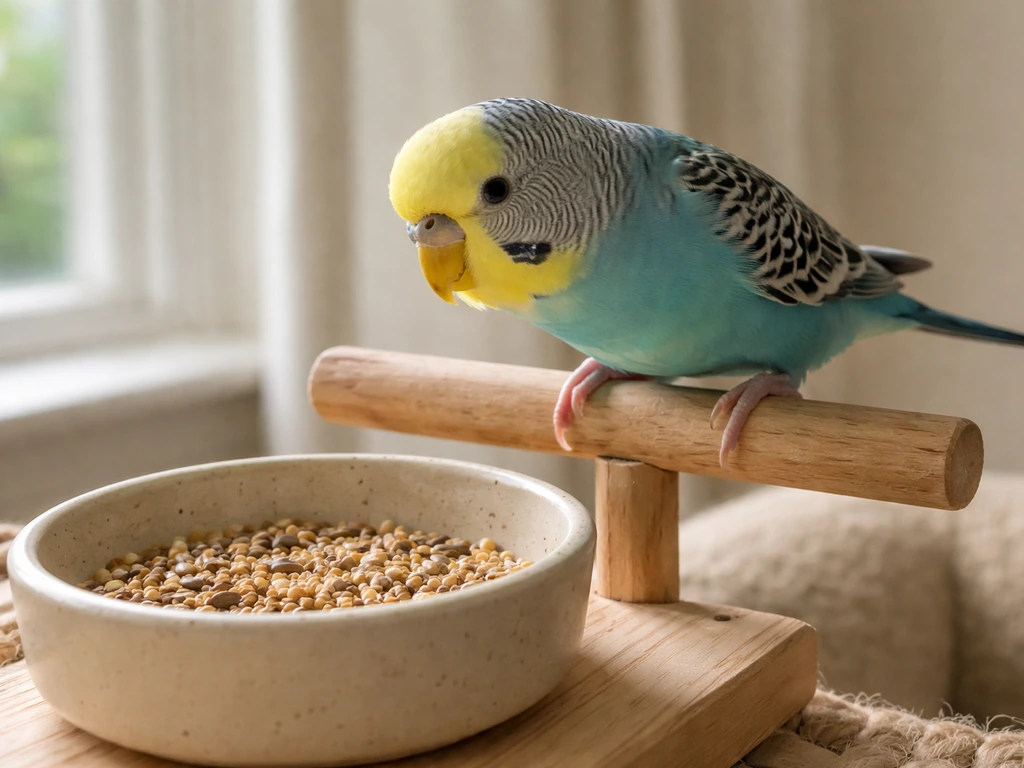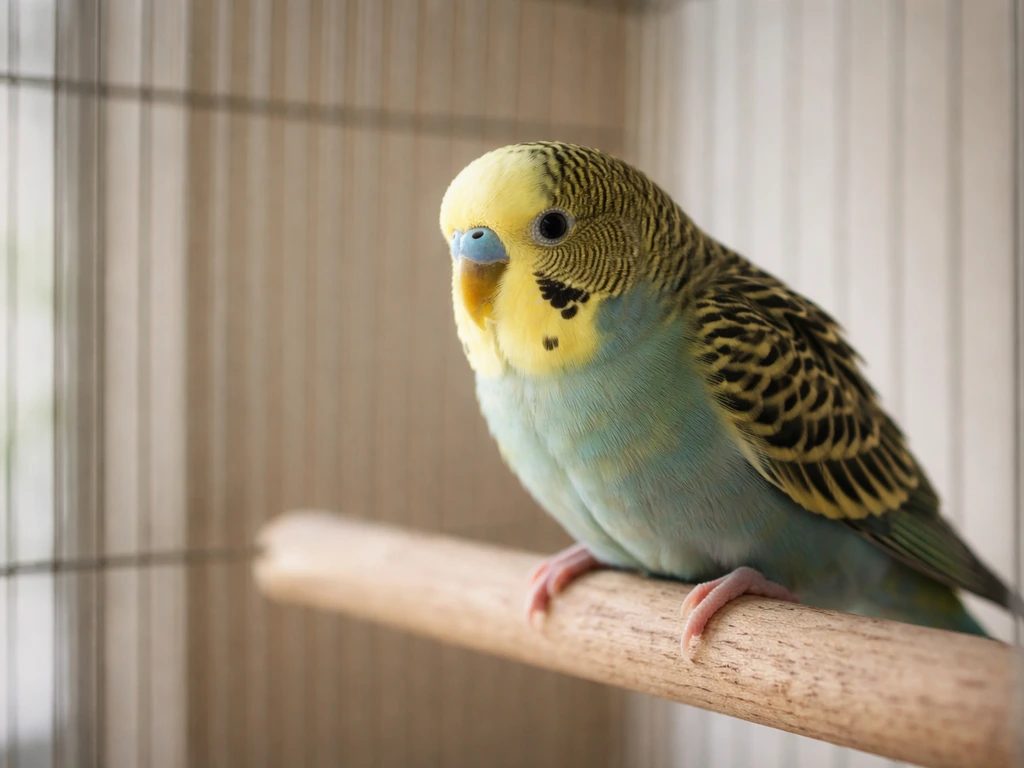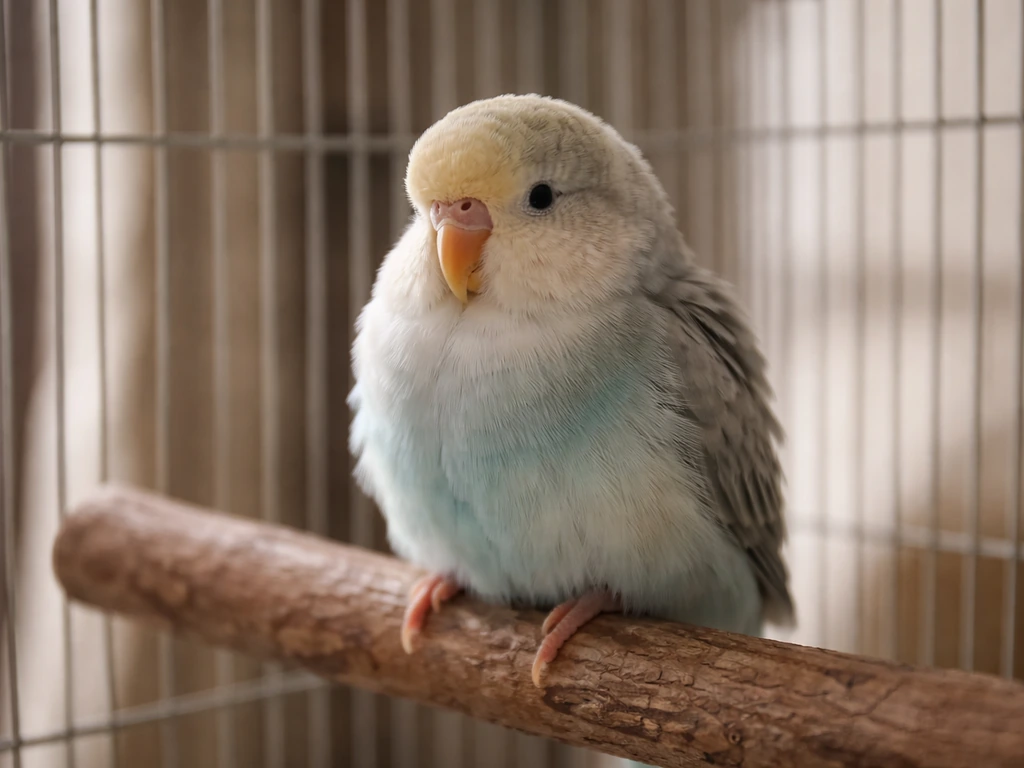
A sleeping bird will be perched upright (or tucked low), breathing slowly and rhythmically, with feathers slightly puffed for warmth and its body rocking gently with each breath. If you approach or make a soft sound and the bird stirs, shifts its weight, or opens one eye, it's almost certainly just asleep. Cats may make a sound when they see a bird, and if the bird reacts or startles, treat it as a normal response and give it space to settle cat sound when see bird. The real concern is when a bird doesn't respond at all, feels cold or limp, and you can't see any chest movement. That's when you need to act quickly.
How to Tell If a Bird Is Sleeping or Dead

Marcus Chen
6 Jun 2026
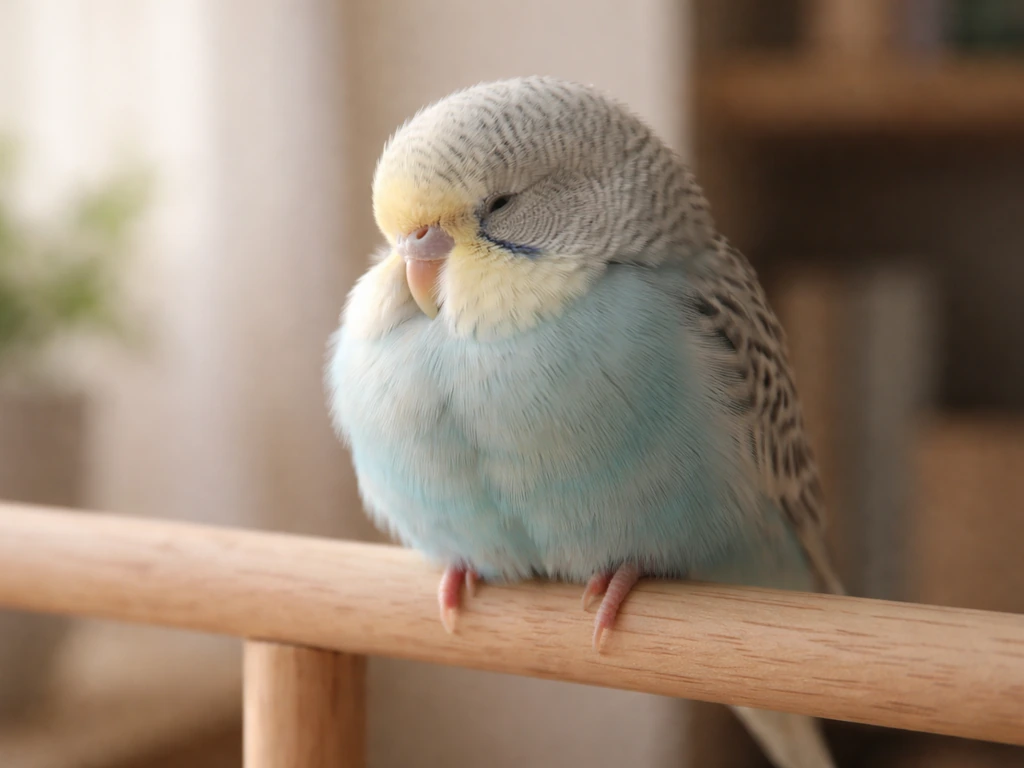
What a normally sleeping bird looks like
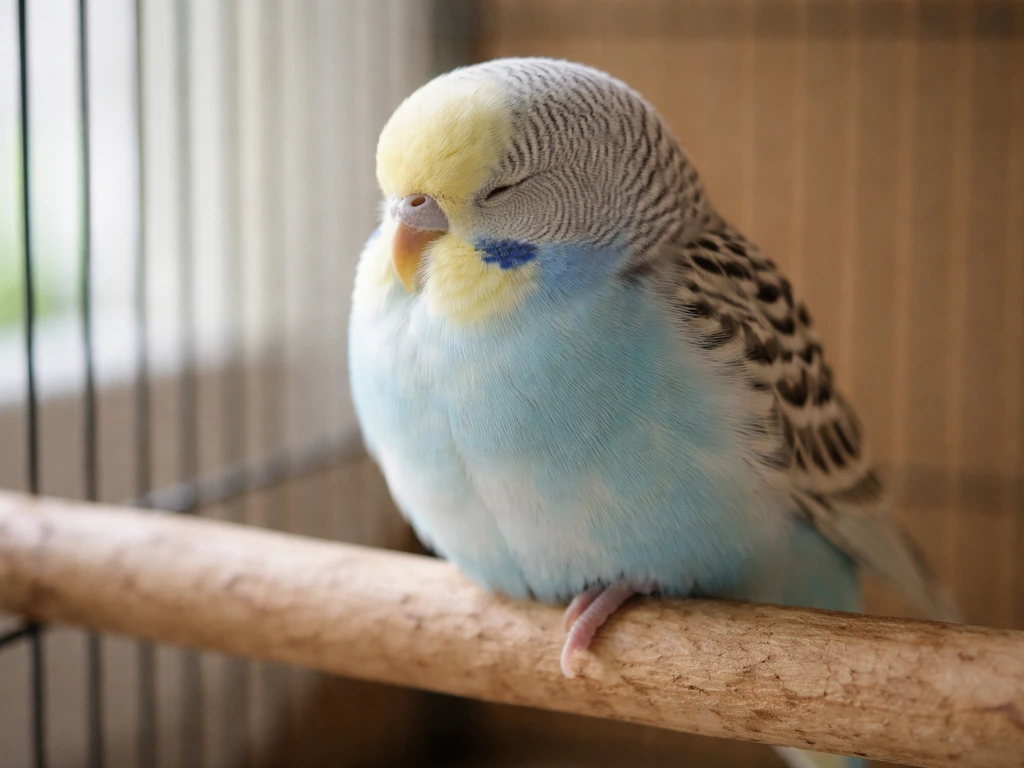
Most pet birds follow a predictable sleep routine once you know what to look for. A resting bird will typically stand on one or both feet, often fluffing its feathers slightly to trap warmth. Many birds tuck their beak into the feathers on their back or shoulder, which looks alarming to new owners but is completely normal. The eyes will be fully or partially closed, and in lighter sleep stages, one eye may be half-open.
Breathing during sleep is the key visual cue. blank" rel="noopener noreferrer">Research on budgerigars found that deep sleep involves slow, rhythmic breathing that causes a gentle, visible rocking of the body. Watch your bird's chest or tail area for about 10 seconds and you should see a slow, regular rise and fall. Some birds also make quiet grinding sounds with their beak (a sign of contentment) or produce very soft vocalizations while dozing. If you want to confirm happiness beyond sleep, look for relaxed body language and normal, friendly interactions when your bird is awake contentment.
It's also common for birds to rest on the cage floor during molt, after illness recovery, or when they are very young. That alone isn't an emergency, but a bird sitting low on the floor while looking fluffed, dull-eyed, and unresponsive is a different story from one that simply chose a low perch for a nap.
Typical normal sleep postures
- Standing upright on one or both feet, often with one leg tucked up
- Beak tucked into back or shoulder feathers
- Feathers slightly fluffed (not extreme puffing, just light fluffing for insulation)
- Eyes fully closed or one eye slightly open
- Slow, rhythmic breathing with visible gentle body movement
- Quiet or completely silent
- Body weight relaxed but still balanced on the perch
Quick checklist: sleeping or something else
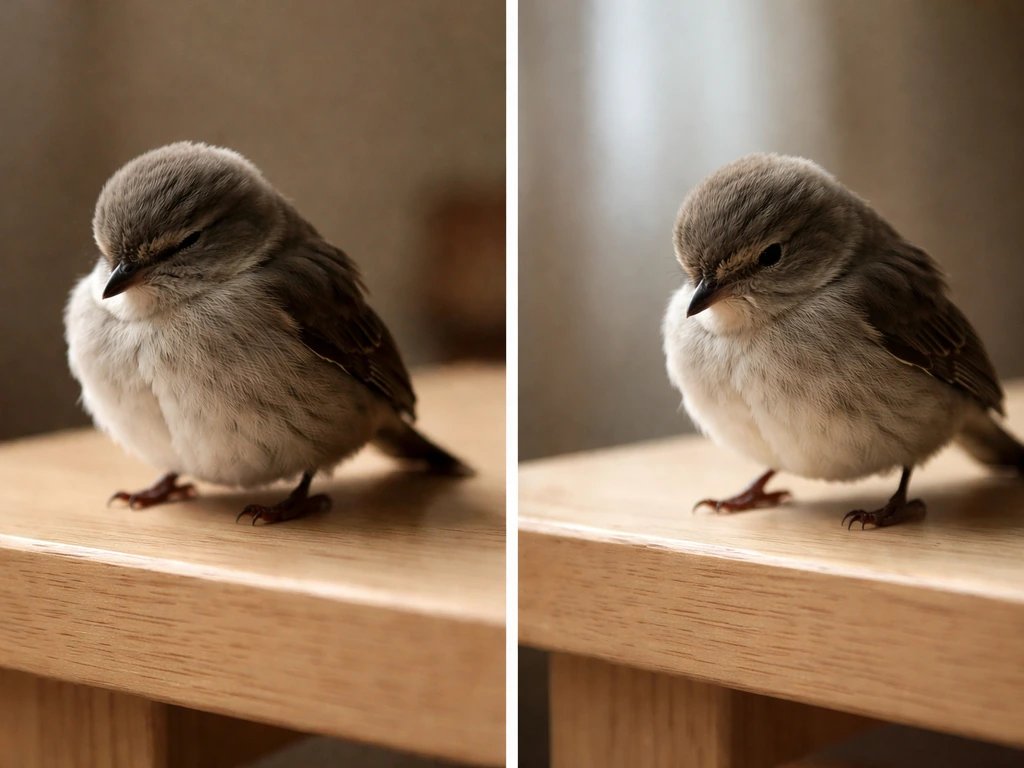
Run through this checklist before doing anything else. It takes under a minute and covers the most important indicators at a glance, without needing to touch or disturb the bird.
| What to check | Sleeping (normal) | Unresponsive or in trouble |
|---|---|---|
| Posture | Upright, balanced on perch, possibly one leg up | Slumped, fallen, or lying flat on cage bottom |
| Feathers | Lightly puffed or smooth | Severely puffed, disheveled, or wings drooping |
| Breathing | Slow, steady, visible body movement | No visible movement, or rapid/labored breathing |
| Feet | Warm or slightly cool, gripping perch | Cold to the touch, not gripping |
| Response to noise | Stirs, shifts, or opens one eye | No reaction at all |
| Eyes (if open) | Clear, bright | Dull, sunken, or half-open with no focus |
| Body muscle tone | Normal tension, balanced | Limp, floppy, or rigid |
| Mouth | Closed | Open or gasping |
Signs the bird may be unresponsive, seriously ill, or dead
Birds are wired to hide weakness. It's a survival instinct, and it means that by the time a bird looks obviously sick, things have often been going wrong for a while. This is why the Association of Avian Veterinarians specifically flags "fluffed posture and sleeping more than normal" as a serious concern, not just a minor one. If you've noticed your bird seeming lethargic and sleeping more over several days, that pattern matters as much as what you're seeing right now.
These are the signs that should put you on high alert:
- No visible breathing or chest movement when you watch for 15 to 20 seconds
- Body is limp, floppy, or completely unresponsive when gently nudged
- Feet are cold and not gripping anything
- Lying on the cage floor, not perching
- Open-mouth breathing, gasping, or audible wheezing
- Tail bobbing up and down with each breath (a sign of labored breathing)
- Eyes are partially open but glassy or unfocused
- Body is either rigid or feels unusually soft and collapsed
- No response to your voice, a gentle tap on the cage, or a bright light
One important note: open-mouth breathing in a bird is never normal at rest. Avian Welfare Coalition’s shelter checklist also emphasizes not confusing sleep with lethargy and recommends checking respiration for open-mouthed breathing or “flicking.” open-mouth breathing in a bird. If you see it, treat the situation as urgent. The MSPCA-Angell avian emergency guidelines specifically list open-mouth breathing, increased respiratory rate, and tail bobbing as red-flag signs of respiratory distress.
How to check for responsiveness and breathing without stressing the bird
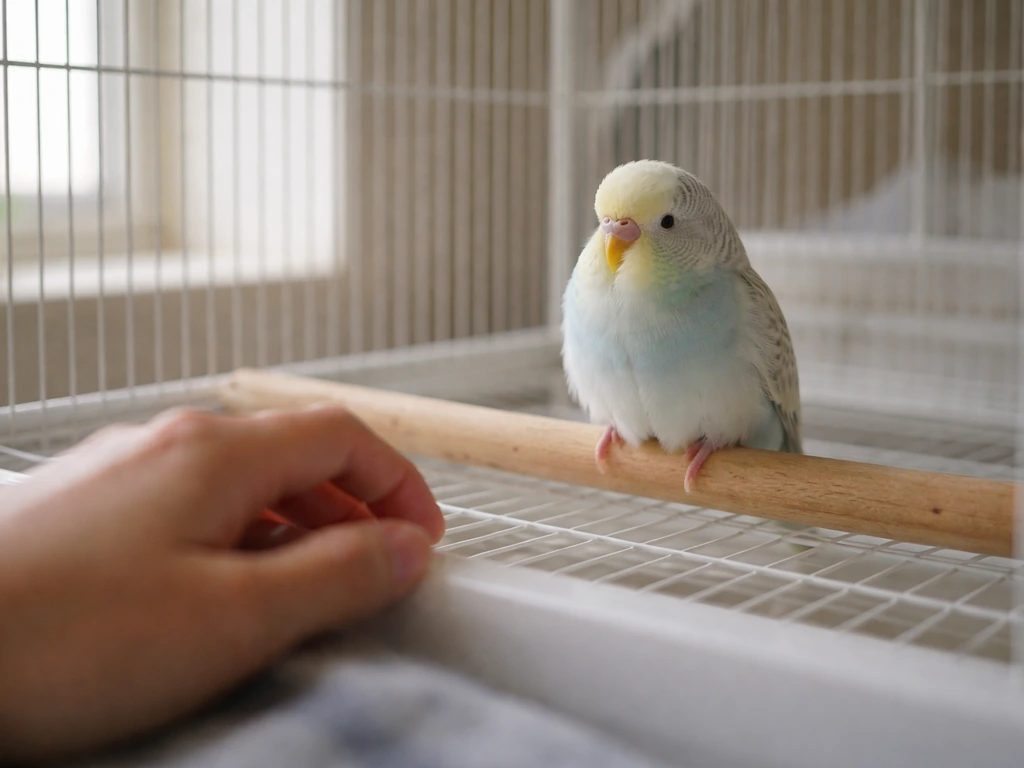
If your bird is sleeping and you just want to confirm it's okay, start with the least intrusive checks first. Moving from low-stress to hands-on gives the bird a chance to respond without being frightened awake unnecessarily. A stressed bird is also harder to assess accurately, so staying calm yourself helps.
- Watch from a short distance (about 2 to 3 feet) for at least 15 to 20 seconds. Look specifically at the chest, belly, or tail for any movement that signals breathing.
- Make a soft, familiar sound: say your bird's name in a calm voice, or produce a gentle click or whistle. A sleeping bird will usually twitch, shift a foot, or crack open one eye.
- Try a slightly louder sound if there's no response, like a clap near (not on) the cage. Most healthy sleeping birds will startle or ruffle their feathers.
- Bring a flashlight near the cage without shining it directly in the bird's eyes and look for any eye or body movement.
- Only if there is still no response after all the above: very gently place a fingertip on the bird's back to see if you can feel breathing movement or any muscle reaction. Do not restrain or flip the bird at this stage.
- If you need to handle the bird, wrap it loosely in a soft towel and keep pressure away from the chest entirely so you don't restrict breathing while you assess.
When checking for breathing through touch, you are feeling for any small rhythmic movement in the body. A living bird, even a very sick one, will usually have some detectable chest expansion. If the body feels completely still and the feet are cold and limp, that is a serious indicator.
When to call an avian vet immediately
Don't wait to see if a bird "comes around on its own" if any of the following apply. These are the situations that need a phone call to an avian vet right now, not in the morning, not after watching for another hour.
- No visible breathing after 20 seconds of close observation
- No response to sound, touch, or light
- Open-mouth breathing, gasping, or audible clicking/wheezing sounds
- Tail bobbing with each breath
- Body is completely limp or feet are cold and not gripping
- Bird has been in this state for an unknown amount of time
- You found the bird on the cage floor and can't rouse it
- The bird responded to you initially but is now deteriorating rapidly
The Association of Avian Veterinarians is direct about this: labored breathing or abnormal respiratory sounds require veterinary assistance at once. Time matters with birds because they have a very high metabolic rate, and their condition can decline faster than it would in a mammal of similar size. If you don't have an avian vet on file, search for one now and call even outside of office hours as many avian vets have emergency lines or can refer you to an emergency exotic animal clinic.
What to do right now depending on what you found
If the bird is just sleeping
If your bird stirred, looked at you, or moved when you made a sound, it's almost certainly fine. Let it sleep. Birds need uninterrupted rest, and repeated check-ins can themselves cause stress. If your bird has been sleeping more than usual over multiple days, that's worth paying attention to, as increased sleep is listed by both the AAV and Merck Veterinary Manual as an early sign of illness. Sleeping more than normal, paired with a fluffed posture and reduced appetite, means a vet visit is warranted even if the bird seems okay right now. If your bird is eating less than usual, this can be a sign it is hungry or not feeling well, so compare its usual routine and food intake reduced appetite.
If the bird is unresponsive but you can see or feel breathing
Keep the bird warm and calm while you call a vet. Place it in a small, secure box or carrier lined with a soft towel. The target temperature for a sick bird is around 80 to 85 degrees Fahrenheit (27 to 29 degrees Celsius). You can achieve this by placing a heating pad set to its lowest setting under half of the carrier, with a towel between the pad and the cage so the bird can move away from the heat if needed. Never cover the bird's face, and check it every few minutes while you wait for veterinary guidance.
If the bird appears to be dead
If the bird is cold, limp, unresponsive to all stimuli, and showing no breathing movement, it may have passed. Still call an avian vet or an exotic animal clinic, because occasionally a bird in extreme shock or hypothermia can appear lifeless and respond to emergency warming and care. The vet can guide you on whether to attempt warming or transport immediately. Don't attempt to force-feed or give water to an unresponsive bird.
What to monitor after the scare
Once you've confirmed your bird is okay and just sleeping, it's worth keeping a closer eye on things for the next 24 to 48 hours. Watch for changes in droppings (color, consistency, or volume), appetite, activity level, and vocalization. A bird that's sleeping heavily and eating less is showing early warning signs that can become serious quickly, especially because birds naturally mask illness until they're quite unwell. Noticing a change in behavior early is one of the most powerful tools you have as an owner. This overlaps with other behavioral states worth knowing: understanding what a stressed, scared, or depressed bird looks like can help you catch problems before they become emergencies. If you are unsure whether your bird is scared versus just sleepy, learn how to know if a bird is scared by looking for fear behaviors and stress signs. If you are wondering whether your bird is stressed, look for changes in posture, breathing pattern, and responsiveness compared with normal day-to-day behavior how to tell if a bird is stressed.
FAQ
How long should a bird stay “asleep” before I worry?
If it is responding normally to gentle sounds and breathing looks steady, a nap of any length can be normal. Worry sooner if you see a sudden change from its usual routine, or if it is sleeping more than normal for multiple days, especially with reduced appetite or fluffed posture.
What if the bird looks asleep but its breathing seems fast or the chest is not moving much?
Don’t rely on posture alone. Check for visible chest or tail movement for about 10 seconds, then listen for abnormal noises. If breathing is labored, unusually rapid, or there is open-mouth breathing, treat it as urgent and contact an avian vet right away.
Can a bird “sleep” standing on one foot, and how is that different from illness?
One-foot resting and partial closing of the eyes can be normal sleep. Illness is more likely if the bird cannot maintain balance, looks very unresponsive, has cold feet with limp body, or shows abnormal breathing or tail bobbing.
Is it okay to touch or pick up a bird to see if it is alive?
Prefer least intrusive checks first, watch breathing and responsiveness from close range, then offer a gentle approach. If the bird is cold, limp, or you cannot detect rhythmic breathing, move toward warming and urgent veterinary guidance instead of prolonged handling.
How can I tell the difference between a deep sleep nap and a bird that is “playing dead”?
True deep sleep usually still shows slow, rhythmic breathing and some body stability with gentle rocking. A bird that is limp or has no detectable breathing movement, especially with cold feet, is not normal deep sleep and needs emergency advice.
What should I do if my bird is on the cage floor looking fluffed?
Resting low can happen during molt, recovery, or in very young birds. Treat it as more concerning if it is dull-eyed, unresponsive, cold, or not showing any visible breathing rise and fall compared with its usual daytime floor rests.
Do birds make noise when sleeping, and is that a bad sign?
Quiet grinding sounds or very soft vocalizations can occur during contented dozing. It is a bad sign if you hear sustained wheezing, persistent open-mouth breathing, or repeated calls that seem like distress rather than relaxed sleep.
What “warming” is safe if I suspect the bird is not okay, and when should I skip it?
If the bird is cold or possibly in shock, place it in a secure carrier lined with a towel and warm only as directed by an avian professional, using gentle, partial heat so it can move away. Skip prolonged at-home interventions if the bird is unresponsive with no breathing movement, and focus on urgent vet guidance.
Should I offer food or water if the bird seems very sleepy?
If the bird is responsive and just napping, don’t force feeding. If it is unresponsive or open-mouth breathing is present, do not give water or attempt food by hand, and contact an avian vet for instructions.