
A happy bird is alert, active, and engaged. It holds itself upright, makes noise, moves around its cage, eats well, and interacts with you or its environment throughout the day. Those are your baseline indicators. If your bird is doing most of those things consistently, you're in good shape.
How to Tell If a Bird Is Happy: Signs and Next Steps

Marcus Chen
28 Apr 2026
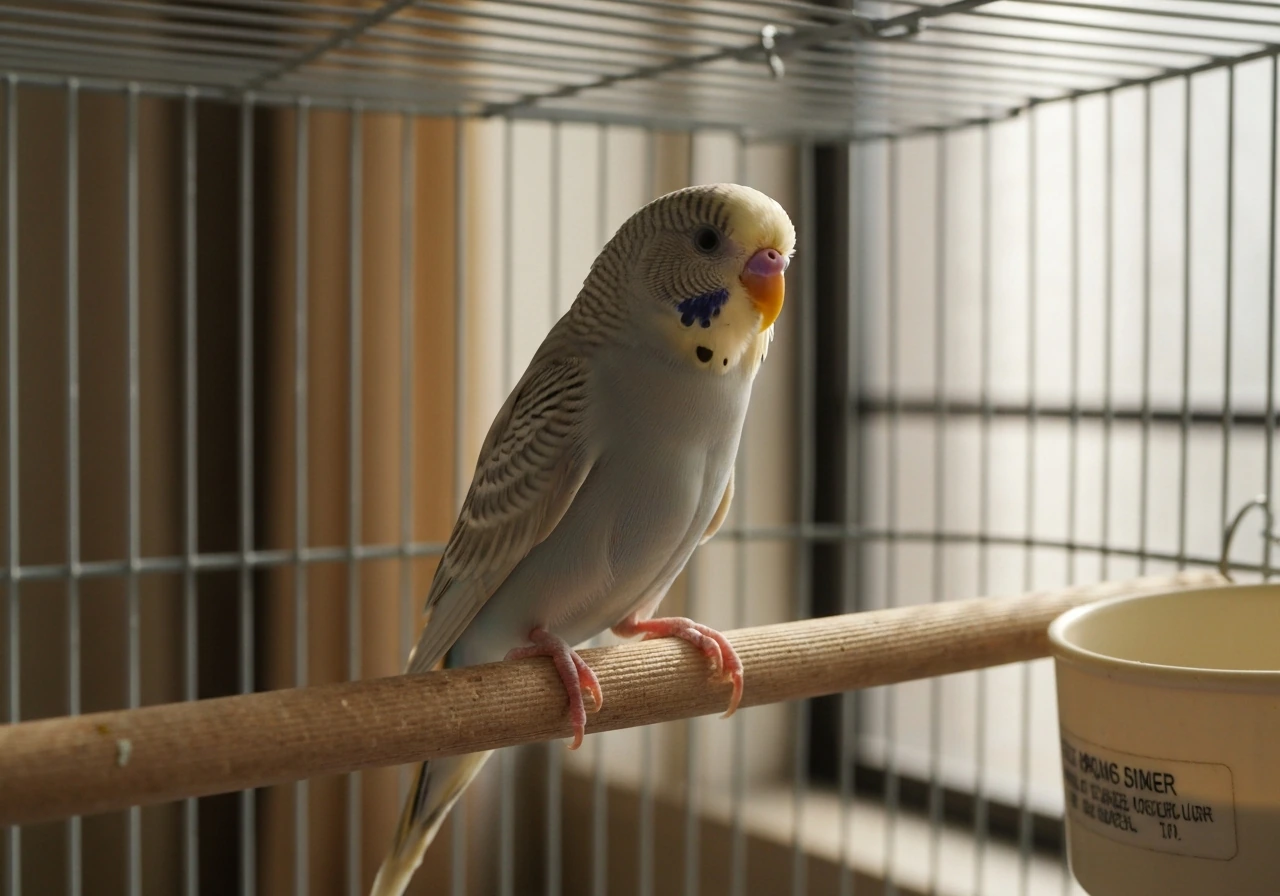
Happy bird behavior cues to look for
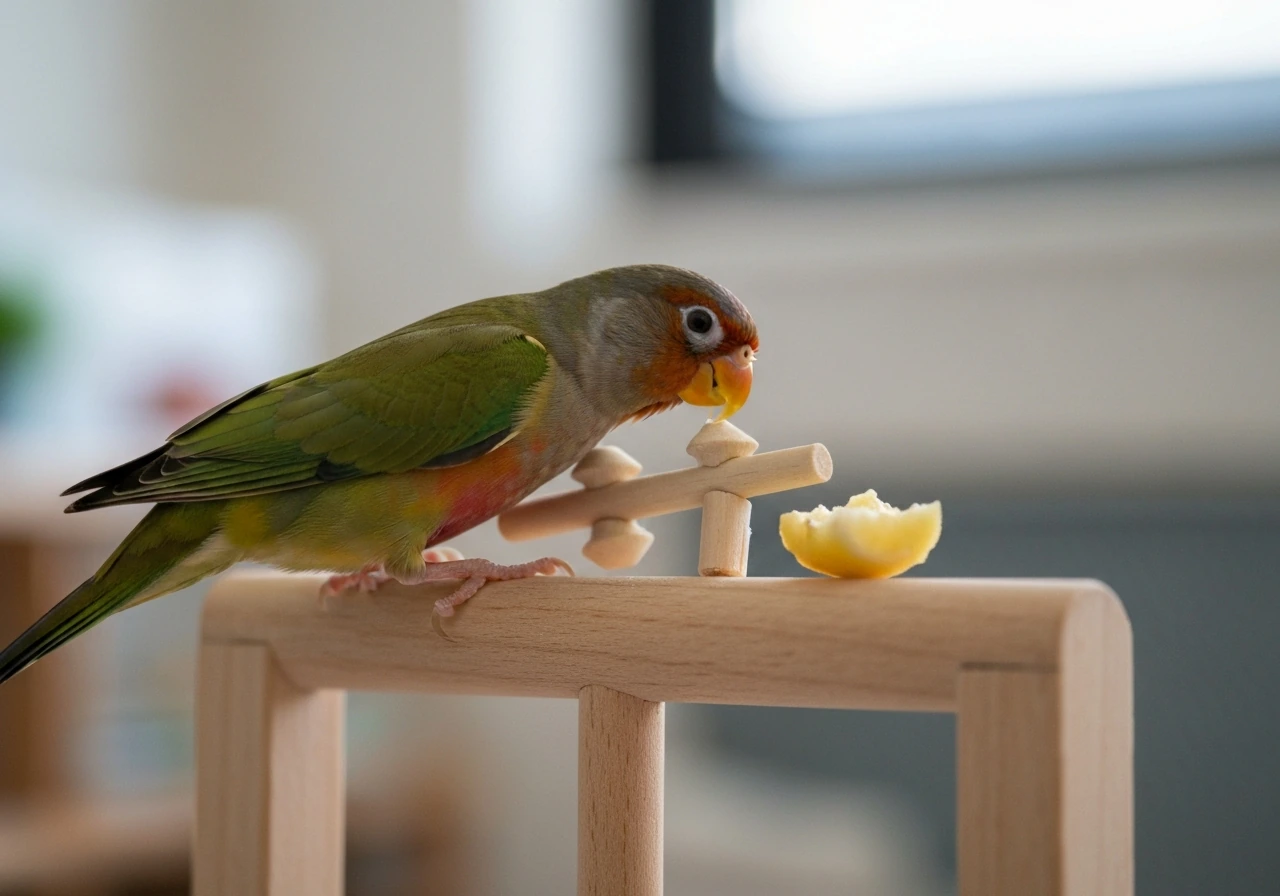
The clearest sign of a happy bird is curiosity. A content bird pays attention to what's going on around it. It turns its head toward sounds, watches you move around the room, and reacts to new things in its environment. That alertness is your first and most reliable signal.
Beyond alertness, look for active engagement with food, toys, and perches. A happy bird explores its cage, moves between perches, manipulates objects, and forages. Foraging, which is the instinct to search and work for food, is a deeply natural behavior. When your bird is puzzle-solving, shredding a toy, or digging through its food bowl with enthusiasm, that's a positive sign.
Playfulness is another big one. If your bird invites interaction, hangs upside down, bobs around, or picks up and drops toys repeatedly, it's expressing contentment. A bird that has stopped playing or exploring when it used to do those things regularly is telling you something has changed.
- Alert posture with head up and eyes open and bright
- Regular eating, drinking, and foraging throughout the day
- Active movement between perches and around the cage
- Engaging with toys, chewing, climbing, or manipulating objects
- Responding to sounds, movement, and your presence
- Relaxed, settled behavior when resting (not constantly low or puffed)
- Healthy, consistent droppings
Body language, posture, and comfort signals
Posture tells you a lot. A healthy, comfortable bird stands upright most of the time. It holds its body with confidence, keeps its feathers smooth and tight against its body during activity, and only fluffs up slightly when resting or sleeping. If your bird looks perpetually puffed up or seems to be holding itself low on the perch, that's worth paying attention to.
In crested birds like cockatiels, the crest position is especially useful. A relaxed, happy bird typically holds the crest back with just the tip tilted up slightly. A crest held very high, fully erect, often signals fear, alarm, or intense excitement, not contentment. Learning your specific bird's crest baseline helps you catch mood shifts quickly.
Other comfort signals include stretching (one wing and one leg out to the side at the same time), yawning occasionally, and blank" rel="noopener noreferrer">grinding the beak softly when settling in for rest. That beak grinding sound, which some owners find odd at first, is actually a well-known sign of relaxed contentment in parrots and related birds. Tail wagging or a quick little shake when you approach is often a happy greeting.
One thing to watch: a bird that stays low on the perch, keeps its eyes half-closed during the day (not just at nap time), and moves slowly or not at all is not showing comfort signs. That combination is more consistent with feeling unwell or stressed.
Social, vocal, and activity patterns that indicate wellbeing
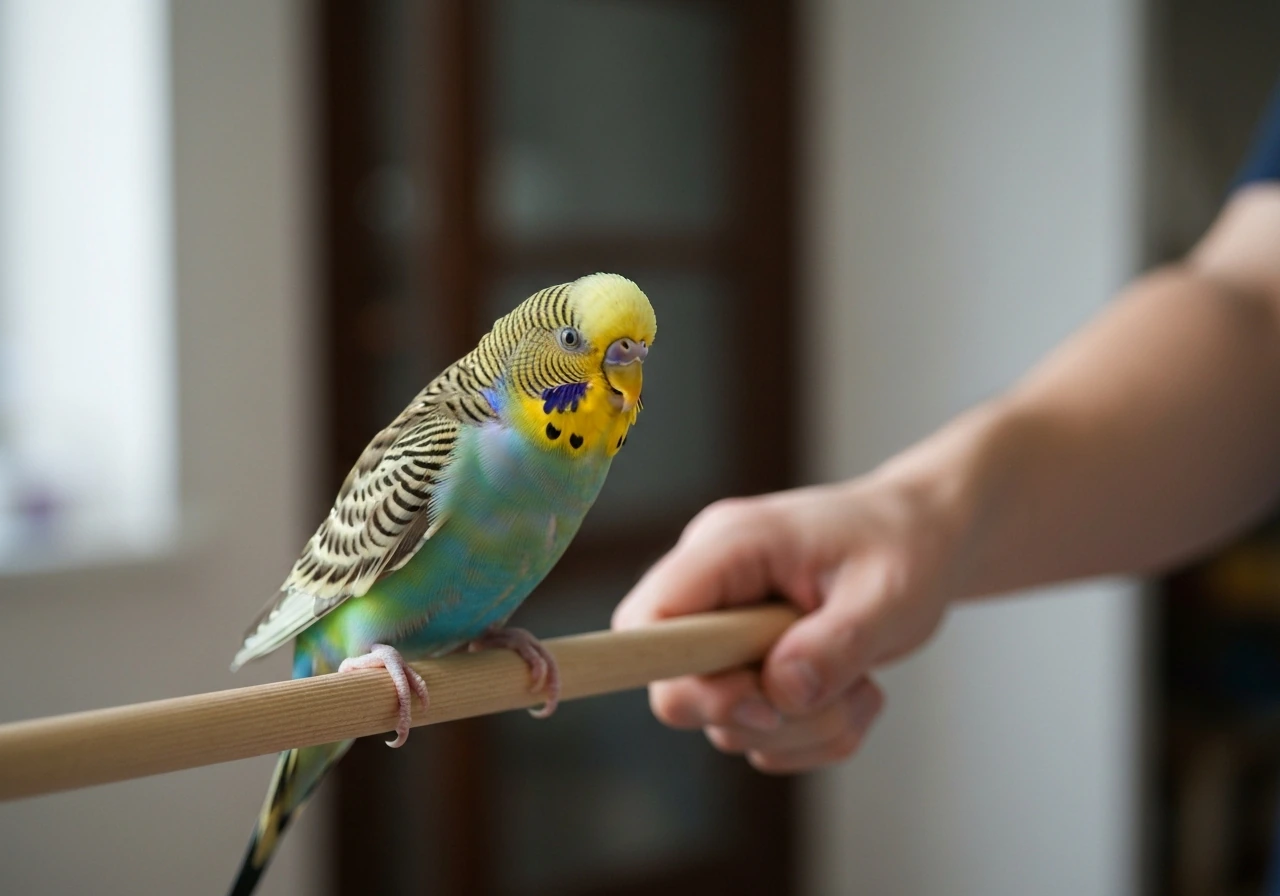
Vocalization is one of the most telling happiness indicators, and it varies enormously by species. A happy budgie chatters almost constantly. A happy cockatiel whistles and mimics. A happy African grey might work through its entire vocabulary several times before lunch. The key isn't the volume or variety, it's consistency. Your bird has a vocal baseline, and when it goes quiet for longer than usual, that's a flag.
Social engagement matters too. A happy bird wants to be near you, or at least aware of you. It may call out when you leave the room, come to the front of the cage when you approach, or step up onto your hand readily. Some birds show affection by regurgitating for you, which is high praise in bird terms, even if you find it less flattering.
Activity levels follow a predictable daily rhythm in well-adjusted birds. They're usually most active in the morning and again in the late afternoon, with a quieter midday period. If your bird's daily pattern has shifted noticeably, whether it's sleeping much more during active hours or restless during sleep hours, that's worth monitoring over a day or two.
Preening, grooming, and feather condition as happiness indicators
A bird that preens regularly is a bird that feels safe and well. Preening is how birds maintain their feathers, and it takes focus and calm to do it properly. You'll typically see a big preening session after a bath, and smaller grooming moments scattered throughout the day. If your bird gets access to water and takes a bath enthusiastically, then spends time working its feathers back into place afterward, that's a very good sign.
Bathing frequency of daily to weekly is ideal for most pet birds. You can offer a shallow dish, mist with a spray bottle, or let your bird join you in a gentle shower. The goal is to stimulate that natural preening behavior and help remove oil and dander from the feathers. After a bath is one of the best times to observe your bird's grooming habits up close.
Feather condition is a direct reflection of overall wellbeing. Healthy feathers are smooth, vibrant, and intact with clean shafts and no ragged edges. If you notice dull color, chewed or broken shafts, bald patches, or feathers that look frayed or tattered, those are red flags. There's an important difference between normal preening and overpreening that crosses into feather damage. A bird working one spot repeatedly, pulling feathers out, or leaving bare skin is telling you something is wrong, whether it's stress, boredom, skin irritation, or a health issue.
Social preening, called allopreening, is another happiness signal. If your bird preens you (nibbling gently at your hair, eyebrows, or fingers) or invites you to scratch its head feathers, it's expressing trust and affection. That's a pretty clear indicator of a bird that feels secure in its relationship with you.
Signs your bird may be stressed or unwell (and what to watch next)
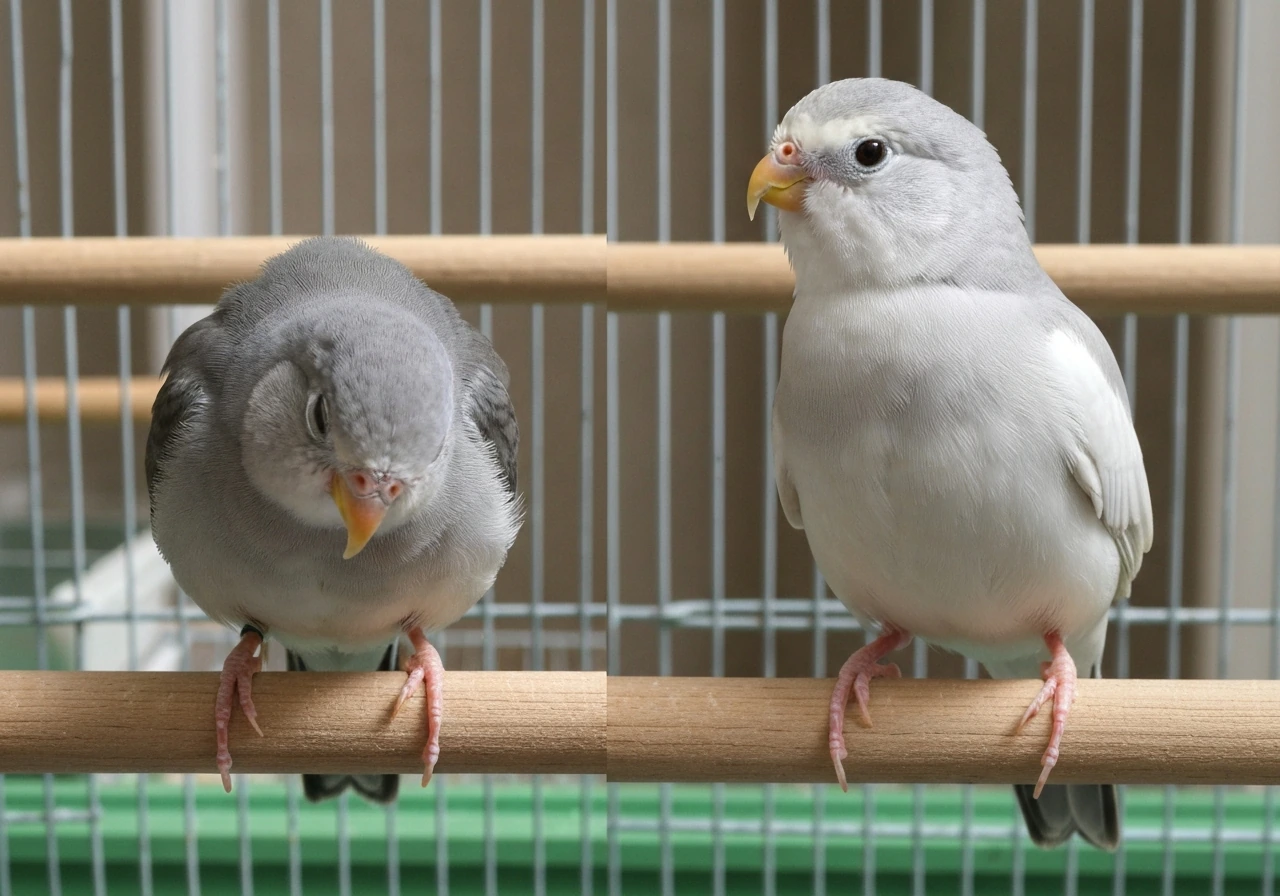
Birds are wired to hide weakness. In the wild, showing illness makes you a target, so pet birds carry that instinct even in your living room. By the time obvious symptoms appear, a bird may have been unwell for days or even weeks. That's why knowing what subtle changes look like is so important.
The most common early warning signs overlap between stress and illness, so your job is to notice the change and then start looking for a cause. Fluffed feathers throughout the day (not just at rest), reduced appetite, less vocalization, decreased activity, and spending more time at the bottom of the cage are all signals that something is off. If your bird is hungry, reduced appetite or a lack of normal foraging can be an early clue worth checking right away.
Respiratory signs need prompt attention. Open-mouth breathing at rest, tail bobbing with each breath, wheezing, clicking sounds, or frequent sneezing with discharge are not normal. Merck Veterinary Manual notes that psittacosis in pet birds can cause symptoms such as ruffled feathers, low energy, labored breathing, eye or nose discharge, lack of appetite, and decreased vocalizing. Open-mouth breathing in particular is rare in healthy birds and often points to a serious underlying issue, whether respiratory infection or significant heat stress. Don't wait to see if it resolves on its own.
| Sign | Likely meaning | What to do |
|---|---|---|
| Relaxed upright posture, bright eyes, active | Happy and healthy | Keep up the good routine |
| Mild fluffing during rest, normal activity otherwise | Resting or slightly cool | Check room temperature; monitor |
| Persistent fluffing during active hours | Possible illness or chill | Check environment, monitor closely, call vet if it continues |
| Decreased appetite for more than a day | Stress, illness, or depression | Review environment, call vet if no improvement in 24 hours |
| Open-mouth breathing at rest | Respiratory distress | Contact avian vet promptly |
| Tail bobbing with each breath | Respiratory distress | Contact avian vet promptly |
| Feather plucking or bald patches | Stress, boredom, skin irritation, or illness | Examine environment; vet visit recommended |
| Lethargy, eyes closed during day, low on perch | Illness (possibly advanced) | Vet visit urgently |
| Aggression or sudden withdrawal | Stress, fear, or pain | Identify trigger; consult vet if behavior is new |
If your bird's behavior has shifted and you're not sure why, think through the environment first. Changes in cage location, new noise sources, temperature fluctuations outside the comfortable 40 to 50 percent humidity range, drafts from windows or HVAC vents, and not enough enrichment or social time can all push a bird toward stressed or withdrawn behavior. Those are the easiest things to rule out before assuming illness. For a deeper look at what stressed behavior specifically looks like, it's worth reviewing what differentiates stress responses from contentment, since many of the signs overlap with illness and can be easy to misread.
A simple at-home check routine and when to call an avian vet
You don't need a formal protocol to stay on top of your bird's wellbeing. A quick daily scan takes less than two minutes and builds the kind of familiarity that helps you catch changes early. The goal is to know your bird's normal so thoroughly that anything off stands out immediately.
Your daily quick check
- Look at posture first: is the bird upright, smooth-feathered, and alert when it should be active?
- Check the eyes: bright and fully open during active hours, not dull or partially closed
- Listen for vocalization: any sound today, even briefly?
- Note appetite: is food being eaten and the water level dropping as usual?
- Observe droppings: normal droppings have three distinct parts (solid, liquid, and chalky white urate). Changes in color, consistency, or volume warrant attention.
- Watch breathing for 30 seconds: quiet, closed-beak breathing at rest is normal. Any open-mouth breathing, tail movement with each breath, or audible sounds are not.
- Check feathers quickly: smooth and intact, or any new damage, plucking, or bald spots?
One important note: don't confuse a napping bird with a lethargic one. Knowing whether your bird is simply sleeping or genuinely lethargic can help you spot problems earlier napping bird. Birds do take short rest periods during the day, especially at midday. A bird that stirs when you approach, resumes normal activity, and eats normally is just resting. A bird that stays puffed up and unresponsive even when you interact with it is a different situation.
When to call an avian vet
Call an avian vet (not just any vet, but one experienced with birds) if you see any of the following, and don't wait several days to see if it resolves on its own. Because birds hide illness so effectively, by the time symptoms are obvious, the situation can already be serious.
- Open-mouth breathing at rest or tail bobbing with each breath
- Wheezing, clicking, or labored breathing sounds
- Fluffed posture combined with lethargy and loss of appetite lasting more than 24 hours
- Significant changes in droppings (especially very watery, unusually colored, or absent)
- Feather plucking with visible skin damage, bleeding, scabs, or bald patches
- Eyes closed or partially closed during active hours without clear reason
- A sudden dramatic change in behavior (extreme aggression, complete withdrawal, or silence in a normally vocal bird)
- Any obvious injury, bleeding, or suspected toxin exposure
Environmental fixes can resolve a lot of mild stress and behavioral changes. But appetite changes, respiratory signs, and feather destruction that continues after you've addressed the obvious stressors need professional eyes. A good avian vet can often identify issues quickly that are impossible to diagnose just from observation at home. Finding one before you need one urgently is genuinely good practice.
Happiness in a pet bird isn't complicated to recognize once you know what you're looking for. It's mostly about your bird being its usual, engaged, vocal, well-groomed self. When something shifts from that baseline, that's your cue to look closer, and this guide gives you exactly what to look for next. A bird can also show low mood, including depression-like behavior, so it helps to know the signs and when to get help how to tell if a bird is depressed. If you want to know how to tell whether a bird is scared, watch for sudden posture and behavior changes that don’t match its usual baseline how to know if a bird is scared.
FAQ
How can I tell the difference between a happy quiet bird and one that is sick or stressed?
Use your bird’s baseline. If it stays responsive, steps up or approaches normally, resumes normal food foraging, and becomes more active when it typically does, quietness is more likely temperament or a resting phase. If the quiet is paired with reduced appetite, persistent low perch, fluffed posture during the day, or any respiratory signs, treat it as a change and check immediately.
My bird holds its feathers slightly puffed. Does that always mean it is unhappy?
No. Light fluffed feathers during sleep or brief rest can be normal. The red flag is puffing that looks constant throughout the day, especially if it also looks unresponsive, stays low on the perch, or has decreased eating, vocalizing, or movement.
What crest position is normal for crested birds, and when should I be concerned?
Many crested birds have a “tip-up” relaxed baseline. Concern signs are a crest held very high and fully erect for extended periods, especially if paired with frantic pacing, startled body language, fast breathing, or sudden withdrawal that differs from the bird’s usual behavior.
How do I know whether a bird’s playfulness is normal or boredom that looks like low happiness?
Normal play includes exploration, toy manipulation, and repeated engagement throughout the day with a typical activity rhythm. If your bird’s toy interest has dropped for several days, or it spends most time sitting with minimal movement, first review enrichment and social schedule before assuming illness. Also check that the toys are safe and offered at times when your bird is normally active.
Is it normal for a bird to stop bathing or preening after a bath day?
Yes, after-bath grooming is expected, but frequency can vary by day and season. What matters is recovery to its usual routine within a reasonable time. If it avoids grooming entirely and you also see dull or damaged feathers, reduced appetite, or lethargy, the bath may have coincided with illness, stress, or skin irritation.
Can temperature and drafts make my bird act “unhappy” even if it is not sick?
Yes. Birds can become withdrawn, quiet, or less active when they are too cold, too hot, or getting direct drafts from windows or HVAC vents. Before panicking, correct the environment (stable warmth, no airflow on the cage) and observe whether activity, appetite, and posture return to baseline within a day.
What are quick respiratory signs that mean I should call an avian vet right away?
Call promptly if you see open-mouth breathing at rest, tail bobbing with breathing, wheezing or clicking, repeated sneezing with discharge, or any breathing effort that persists. These are not “wait and see” signs because birds can worsen quickly and hide illness.
My bird spends more time at the bottom of the cage. How do I judge urgency?
Bottom-sitting is more concerning if it is accompanied by reduced appetite, less vocalization, slow movement, persistent low posture, or continued puffed feathers during the day. If it is brief and your bird still eats, responds to you, and then returns to normal activity, it may be a comfort or resting behavior. When in doubt, treat the combination of signs as the priority.
How do I tell if a bird is napping versus being lethargic?
A napping bird usually can be stimulated to respond (it stirs when you approach), and it returns to normal eating and activity afterward. Lethargy is more about staying puffed and unresponsive, not just resting. If it does not bounce back to routine quickly, get professional input.
What should I do if my bird suddenly becomes less vocal than usual?
Compare to its personal pattern. Birds often have calmer periods, but a sudden, sustained drop in sound plus other changes (reduced appetite, lower activity, altered posture) points to illness or stress. Start by checking the environment for new noise, lighting changes, temperature shifts, or missing enrichment, then monitor closely.
My bird preens me or invites scratches. Does that always mean it is happy?
It usually indicates comfort and trust, but it can also be a social bonding behavior that depends on context. The happiness cue is the whole-body pattern: relaxed posture, normal appetite, and appropriate engagement with its environment. If preening suddenly changes along with appetite or breathing issues, it could be discomfort rather than contentment.
When should I suspect overpreening or feather damage even if my bird seems alert?
Be concerned if grooming turns into repeated pulling or leaving bare skin, or if you see new broken or missing feather shafts and frayed areas that progress over time. Alertness alone does not rule out stress, skin irritation, or medical problems. Once feather destruction starts, address potential stressors and arrange avian vet evaluation if it continues.
What is the best way to track my bird’s “normal” without spending much time?
Do a short daily scan at the same time: appetite, activity level, vocal baseline, posture, and feather condition. Also note any major deviations like open-mouth breathing, persistent fluffed posture in daytime, and changes in daily activity rhythm. This helps you catch subtle issues before they become obvious.