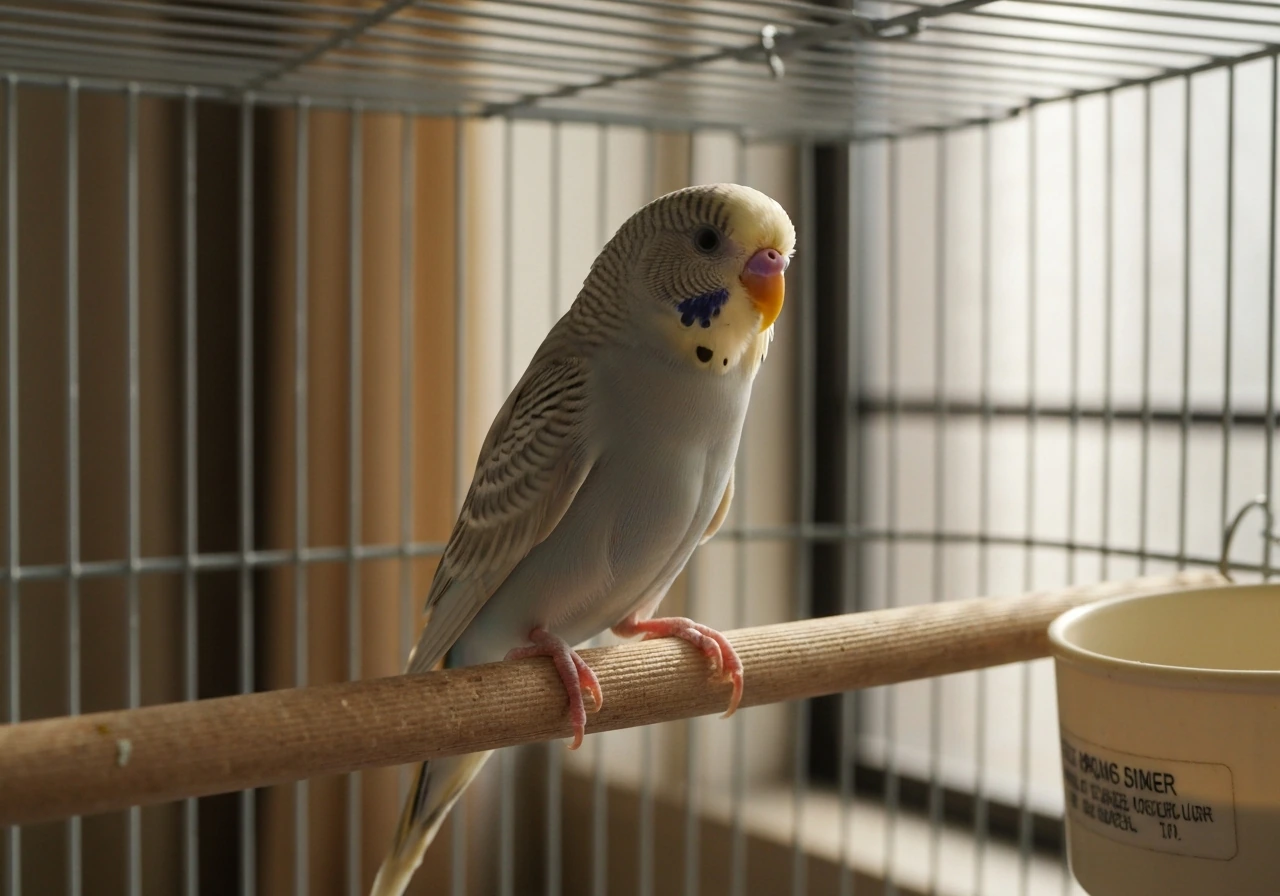
A stressed pet bird will usually show at least one of these signs: feather fluffing outside of normal preening, repeated or frantic movements like pacing or cage-biting, sudden changes in how vocal it is, reduced appetite, or avoiding contact it used to enjoy. The tricky part is that birds are instinctively wired to hide weakness, so by the time the signs are obvious, the stress has often been building for a while. Once you know what to look for, though, most cases are pretty readable.
How to Tell If a Bird Is Stressed: Signs and Triage

Marcus Chen
2 May 2026
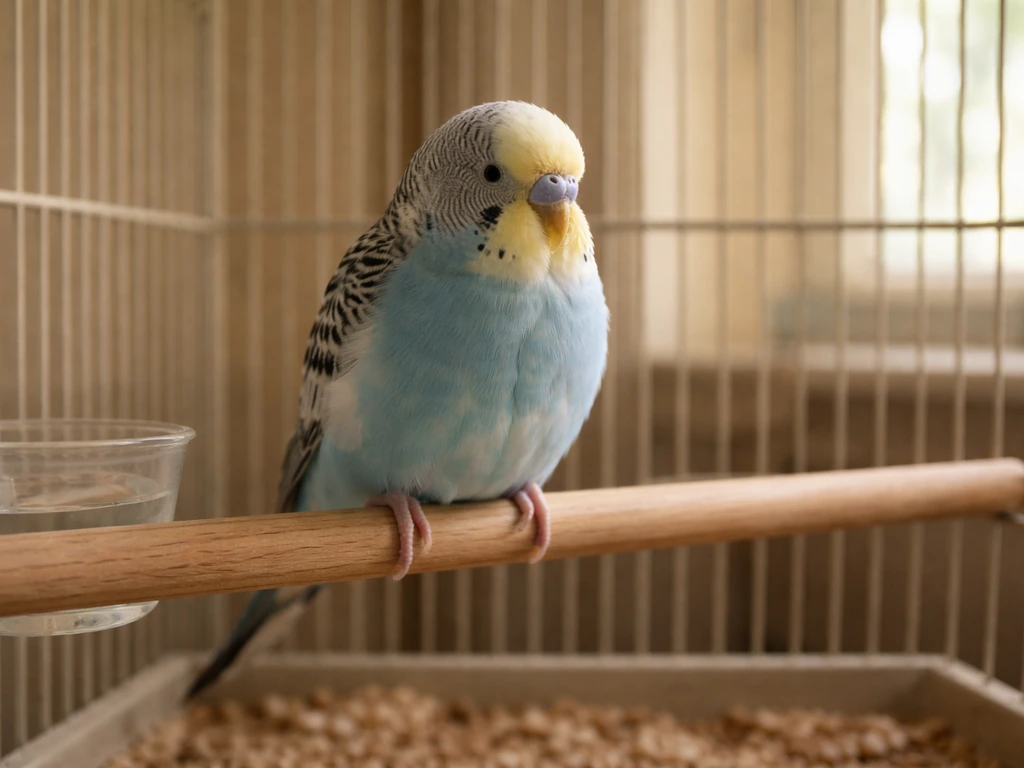
Common signs of stress in pet birds
Stress in birds shows up across behavior, body language, and physical condition. No single sign is definitive on its own, but a cluster of two or more is a reliable signal something is off. Here are the ones worth watching for:
- Feather plucking or over-preening, especially if it's new or getting worse
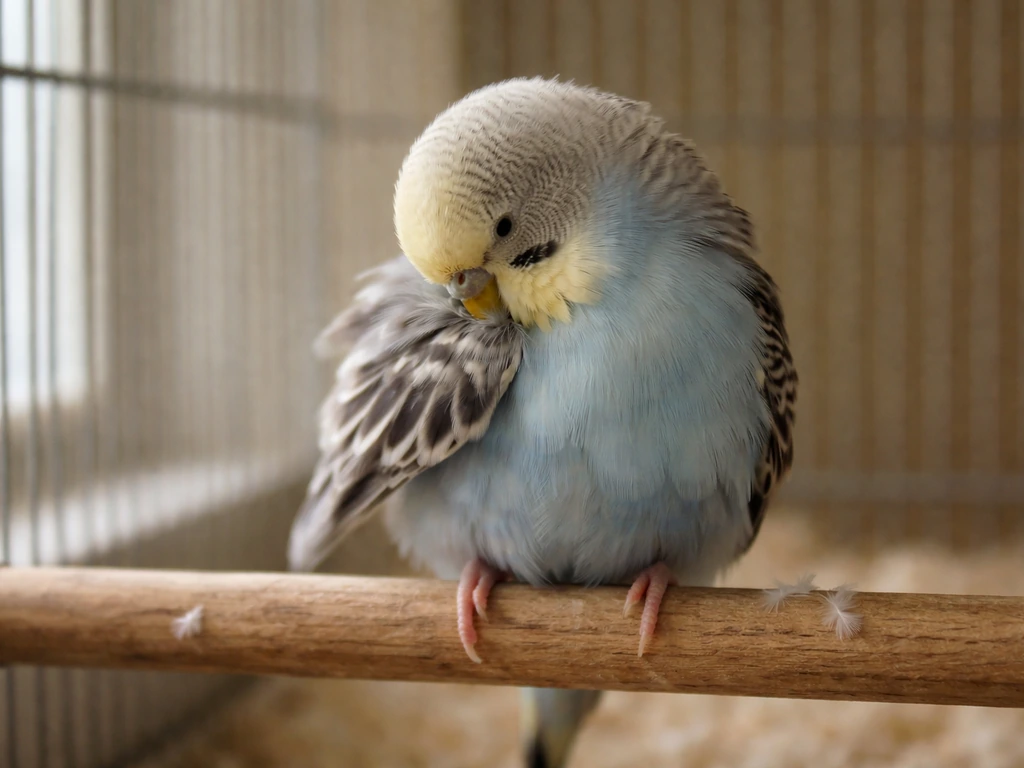
- Fluffed feathers held for long stretches outside of normal nap time
- Screaming, excessive calling, or going unusually quiet
- Biting, lunging, or aggression when the bird was previously calm
- Repetitive movements: pacing, head-swinging, or cage-bar chewing
- Retreating to the back or bottom of the cage and staying there
- Refusing food or water, or a noticeable drop in how much the bird eats
- Tail bobbing while at rest, which can point to breathing effort
- Open-mouth breathing or wheezing at rest
- Drooping wings or a hunched posture
- Sleeping far more than usual, or at odd times during the day
Some of these overlap with signs of illness rather than purely psychological stress, and that's intentional. Stress and sickness often feed each other in birds. A bird that's been under chronic stress is more vulnerable to getting sick, and a sick bird acts stressed. Treat any of the above as a reason to look closer.
What's actually normal vs. what isn't
This is where a lot of owners get tripped up, because some stress-like behaviors are completely normal in specific contexts. The key question to ask is: is this new, or is this what my bird always does?
| Behavior | Normal context | Stress signal |
|---|---|---|
| Fluffed feathers | Briefly after a bath or during a nap | Fluffed for hours, combined with lethargy |
| Loud vocalizing | Morning and evening contact calls | Sudden increase, frantic tone, or new screaming |
| Biting | Occasional nip during handling | Consistent, unprovoked lunging or biting |
| Sleeping during day | Short midday nap (15-30 min) | Sleeping most of the day, hard to rouse |
| Feather grooming | Regular daily preening | Obsessive over-preening or bare skin patches |
| Quiet periods | Resting calmly | Complete silence from a normally vocal bird |
| Tail movement | Wagging during vocalization | Rhythmic bobbing while perched and at rest |
The baseline is your bird on a normal, uneventful day. If you're not sure what that looks like, spend a few days just observing before you try to diagnose anything. Knowing your bird's happy normal makes stressed behavior much easier to spot. A bird that is happy will typically keep a relaxed posture, steady breathing, and a normal interest in its usual activities how to tell if a bird is happy. This connects closely to understanding what a content bird looks and acts like, which is its own useful reference point.
Physical health clues that suggest stress
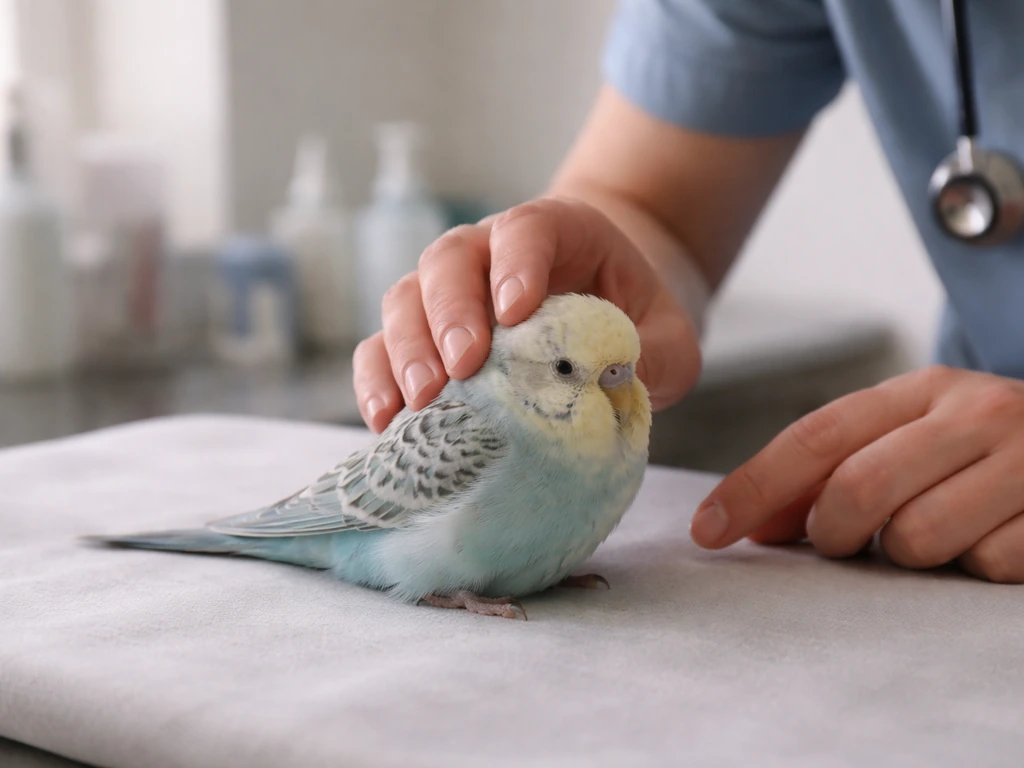
Because birds mask illness so effectively, the physical signs you can actually see tend to show up later in the process. By the time a bird looks visibly sick, it's been managing something for a while. This is why even subtle physical changes deserve attention.
The classic "sick bird look" includes fluffed feathers, drooping posture, half-closed eyes, and general lethargy. Vets describe this as the point where the bird can no longer hide that something's wrong. At this stage, a vet visit is urgent, not optional.
Breathing changes are especially important to catch early. If a bird has blank" rel="noopener noreferrer">fluffed-up feathers and panting or fast breathing for at least a couple of hours, RSPCA guidance says it is a sign to seek help. Signs of respiratory difficulty include open-mouth breathing when the bird is calm, a wheezing or clicking sound, increased chest movement (sternal motion), and tail bobbing at rest. In life-threatening respiratory cases, animals may be cyanotic with open-mouth breathing, and early stabilization and triage should focus on identifying severe breathing compromise promptly blank" rel="noopener noreferrer">life-threatening respiratory cases, cyanosis, and open-mouth breathing. If a cat makes a sudden sound when it sees a bird, that noise can startle your bird and add to its stress cat sound when see bird. A bird that's working to breathe at rest is in physical distress and needs to be seen by a vet the same day.
Other physical red flags include: weight loss (often visible as a prominent keel bone), changes in droppings (color, consistency, or amount), nasal discharge, sneezing more than the occasional single sneeze, and any change in feather quality like dullness, breakage, or stress bars across the feather shafts.
Environmental and routine triggers to check first
Before assuming the worst, run through the environment and routine. The majority of stress cases in pet birds trace back to something that changed, often something the owner didn't even register as significant.
- New people, pets, or objects in the home: even a new piece of furniture near the cage can be unsettling for some birds
- Changes in your schedule: birds are creatures of routine, and a shift in when you're home, when you feed them, or when the lights go on can trigger stress
- Noise and light disruptions: construction, a new TV position, or a room that's suddenly brighter or darker than usual
- Temperature fluctuations: drafts, air conditioning pointed at the cage, or rooms that get too cold at night
- Cage placement: being too close to a window (predator sightings), too isolated, or in a high-traffic zone with no escape
- Diet changes: switching foods abruptly, running out of a preferred item, or spoiled food left in the cage
- Lack of mental stimulation: no new toys, no foraging opportunities, long hours alone with nothing to do
- Handling changes: too much forced interaction, too little positive contact, or rough handling by a visitor
- Other birds: a new cage mate, the removal of a companion, or visible stress from a bird in a nearby cage
Fear is its own category and worth separating out. A bird that's scared (reacting to a specific trigger in the moment) will often settle once the trigger is gone. Chronic stress is different: it builds up over time and doesn't resolve when a single thing is removed. If your bird has been consistently off for more than a few days with no obvious single cause, think about what's changed in the last two to four weeks.
How long stress lasts and when it becomes urgent
A bird that's briefly startled or unsettled by something new will usually return to normal behavior within a few hours to a day, once it's had time to investigate and adjust. That's expected and nothing to worry about. Stress that persists past 24 to 48 hours without improvement, or that's getting visibly worse, is a signal to act.
Here's a rough guide to urgency based on what you're seeing:
| What you're seeing | How long it's been happening | Urgency level |
|---|---|---|
| Mild behavior change, still eating and active | Less than 24 hours | Monitor closely, check environment |
| Behavior changes, appetite slightly reduced | 1-2 days | Identify and address triggers, watch closely |
| Multiple signs: fluffing, lethargy, quiet | 2+ days | Call avian vet to discuss |
| Breathing changes, tail bobbing at rest | Any duration | Vet visit same day |
| Sick bird look (fluffed, hunched, unresponsive) | Any duration | Vet visit immediately |
| Not eating or drinking at all | More than 1 day | Vet visit same day |
The single most important rule with birds: don't wait to see if they improve on their own when physical symptoms are involved. Birds deteriorate quickly once they stop masking illness. What looks like mild stress on Monday can be a medical emergency by Wednesday.
Step-by-step checklist to figure it out today
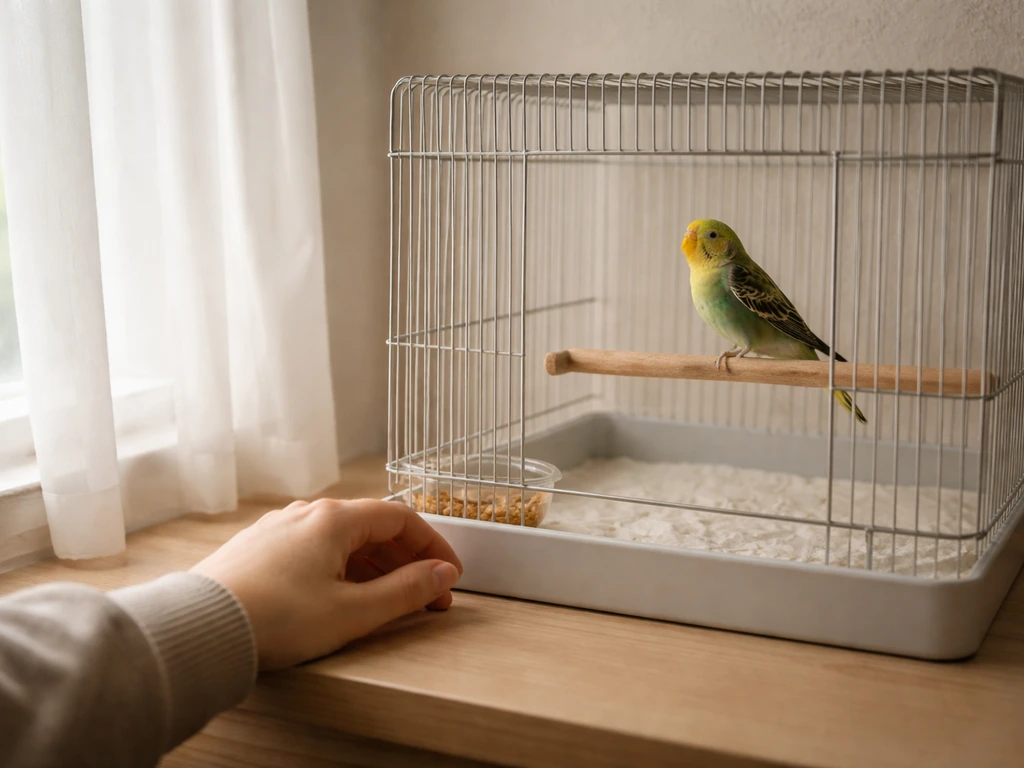
Work through this in order. It takes about 10 to 15 minutes and gives you a clear picture of what you're dealing with.
- Observe from a distance first: watch your bird for 5 minutes without interacting. Note posture, breathing, and activity level before you influence anything.
- Check physical signs: is the bird fluffed? Wings drooping? Tail bobbing while perched? Eyes bright or dull? Any nasal discharge?
- Assess eating and droppings: has the bird eaten today? Are the droppings normal in color and consistency? Any change in volume?
- Listen: is the bird vocalizing normally? Any wheezing, clicking, or labored breathing sounds?
- Check the environment: temperature near the cage, drafts, new objects or animals visible from the cage, any loud or unusual noise sources
- Think back over the past 2-4 weeks: what changed? Schedule, people in the home, cage location, diet, handling routine?
- Interact briefly: offer a familiar treat or toy. Does the bird respond? Is it alert or barely reactive?
- Make a decision based on what you found: if physical symptoms are present, call a vet. If it's behavioral and environmental, address the trigger. If you're unsure, call a vet anyway.
What to do next: calming, enrichment, and when to call a vet
If the stress looks environmental or behavioral with no physical symptoms, here's what actually helps:
- Restore routine as quickly as possible: consistent feeding times, light schedule, and your presence go a long way
- Reduce stimulation temporarily: cover part of the cage, move it away from heavy foot traffic, and lower noise levels
- Offer foraging opportunities: hiding food in paper, foraging toys, or wrapping treats in leaves gives the bird something constructive to focus on
- Add novelty carefully: introduce new toys one at a time rather than overhauling the cage all at once
- Keep handling calm and positive: short sessions with no forced contact, letting the bird choose to engage
- Check sleep quality: birds need 10-12 hours of quiet darkness per night; disrupted sleep is a fast path to chronic stress
- Evaluate diet: make sure the bird is getting variety and not just surviving on seeds, which are low in key nutrients
Enrichment and routine fixes work well for situational stress. They don't fix illness. If the bird isn't improving within 2 to 3 days of environmental changes, or if physical signs appear at any point, that's when you call an avian vet specifically, not just any vet. Avian vets have species-specific training and are far better equipped to evaluate a bird's condition accurately.
When you call, be ready to describe: what signs you've noticed, how long they've been happening, what's changed recently in the environment or routine, and what the bird has been eating and drinking. The more specific you are, the faster the vet can help you decide whether to come in today or monitor and follow up.
Stress doesn't exist in isolation. A bird showing signs of stress might also be showing early signs of depression, fear, or illness, and those can look similar enough to be worth understanding separately. How to tell if a bird is sleeping is a useful comparison point, because some resting behaviors can look similar to illness or stress content, scared, or just hungry. If you're wondering how to tell if a bird is depressed, look for lasting changes in mood, interaction, and routine behavior that don't improve with normal adjustments early signs of depression. The behaviors that tell you something is wrong are often the same ones that, in a different context, tell you a bird is content, scared, or just hungry. If you suspect your bird is hungry, look for appetite changes and changes in begging or interest in food before other stress signs become obvious a bird is content, scared, or just hungry. Building your ability to read your specific bird over time is the most reliable tool you have.
FAQ
Is a single sign (like puffed feathers) enough to say my bird is stressed?
A stressed bird often shows more than one of the listed behavior and body-language cues at the same time (for example, decreased appetite plus feather fluffed posture, or cage-biting plus tail bobbing at rest). If the only “sign” is one brief moment of fluffing or a single pause in activity, compare it to your bird’s normal baseline and watch for change over hours, not minutes.
How long should I wait before treating stress as urgent?
Yes, but don’t rely on a timer alone. If you can’t find any new trigger and your bird is consistently off for more than 48 hours, or you see breathing, droppings, weight, or feather-quality changes at any point, treat it as potentially medical and call an avian vet rather than waiting for it to “settle.”
What stress signs mean my bird might actually be sick?
Start with the physical red flags first. If your bird is breathing with an open mouth while calm, clicking or wheezing, doing tail bobbing at rest, showing increased chest motion, or you notice nasal discharge, do not try to manage it at home for symptom-free “mood” stress. Those patterns can signal respiratory or other illness and merit same-day veterinary evaluation.
How can I tell fear or a one-time scare from chronic stress?
Distinguish “new and lasts briefly” from “same behavior all the time.” A scared or startled bird typically returns to baseline after the trigger disappears (often within a few hours to a day). Chronic stress, in contrast, keeps recurring or persists even when nothing obvious is happening, and it tends to come with appetite and posture changes over time.
Can a stressed bird become quieter, or do they always get more vocal?
Yes. Some birds show stress through silence, while others get louder. Instead of judging only by volume, watch for changes from your bird’s normal pattern, especially a combined shift in appetite, posture, and activity level. If the vocal change happens together with reduced food intake or avoidance, assume stress is significant.
How do I tell if my bird is just sleeping versus stressed?
Look for “new location and posture” cues. Stress can cause hiding, sitting lower in the cage, or avoiding usual perching and contact, but sleep also involves a more settled, consistent resting posture. If the bird is awake but avoiding normal areas or contact for days, that points more toward stress or illness than sleep.
Should I pick up or train my bird through the stress?
Do not force interaction or handling as a primary intervention when stress is suspected. Instead, reduce distractions (quiet room, dim lights), keep routine consistent, offer familiar favorite foods, and give the bird space to choose contact. If handling increases agitation and the bird doesn’t return to baseline afterward, that is additional evidence the situation is stressful or the bird is unwell.
What environmental changes commonly cause ongoing stress that owners miss?
If your bird is biting the cage or shows frantic pacing during specific times, check for pattern-based triggers like morning noises, household traffic, mirrors or shiny reflections, predator cues (pets looking in), and temperature or airflow changes near the cage. Also review light schedule changes, even small ones, because many birds react to day length shifts.
What droppings changes should push me to contact a vet instead of assuming it’s stress?
Track droppings and eating separately. A “stress-only” situation usually doesn’t cause persistent changes in droppings color, consistency, or amount. If droppings change and don’t normalize within about 24 to 48 hours, or they accompany reduced appetite, nasal discharge, or feather degradation, treat it as a health concern and contact an avian vet.
Could food or supplements cause stress-like behavior, and what should I do about it?
If you recently changed diet, treat type, vitamin supplements, seed mix brand, or even feeding time, assume it can contribute to stress and also to GI issues. Offer the current known-good foods, avoid adding new supplements during the watch period, and tell the avian vet exactly what changed and when, since that can speed up deciding whether the bird needs an urgent exam.
How do I know whether it’s depression or stress (and when to get help)?
If you suspect depression or chronic low mood, focus on persistence and routine loss, not just a single stressful day. Birds often need normal baseline interactions like typical interest in food and social contact. If those stay down for more than a few days despite removing obvious stressors, plan an avian vet check to rule out medical causes that can look like depression.
What home steps are safe while I’m deciding if it’s environmental stress?
Even when you’re doing environmental troubleshooting, don’t use isolation alone as a “solution” if the bird has physical symptoms. Keep the cage in a stable spot with normal warmth, avoid drafts, and provide water access, but if breathing, weight loss, feather deterioration, or droppings changes appear, prioritize veterinary care rather than continuing home monitoring.
Next Article
How to Tell If a Bird Is Happy: Signs and Next Steps
Learn how to tell if your pet bird is happy using body, voice, activity, grooming, appetite, and stress red flags plus n