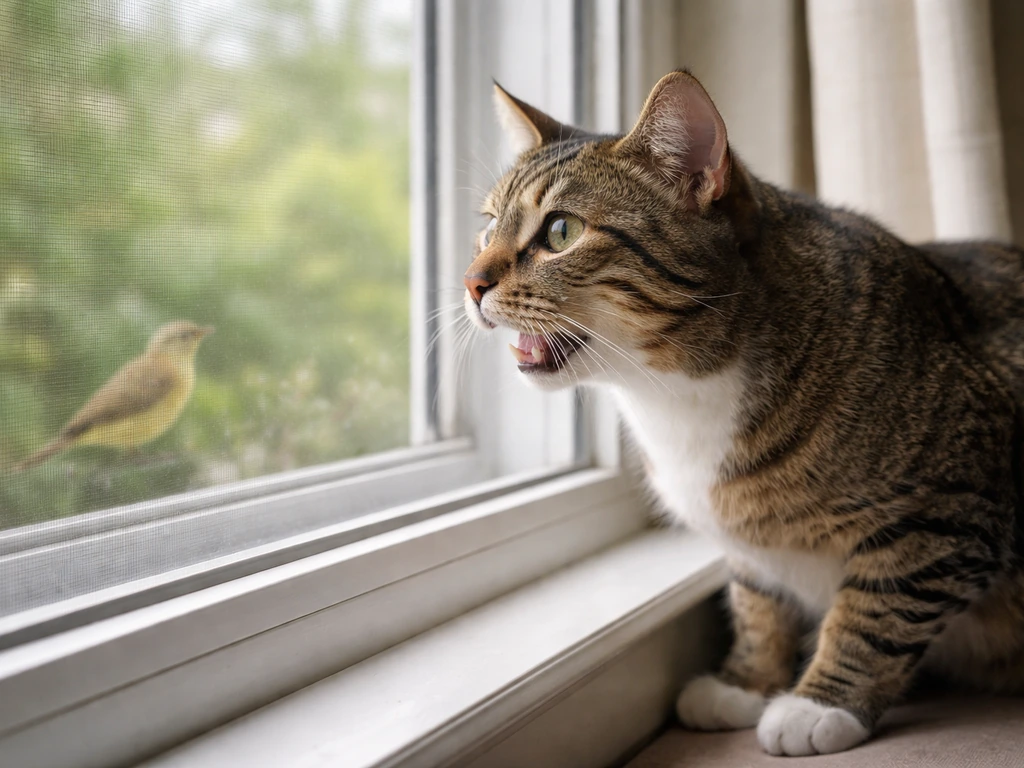
A depressed bird typically goes quiet, stops interacting, sits fluffed up for long stretches, and loses interest in food, toys, or you. If your bird is sleeping more than usual, look for whether it wakes easily, maintains normal breathing, and has normal posture and interest when it's time to be active how to tell if a bird is sleeping. The hard part is that those exact same signs also show up in a sick bird, and birds are experts at hiding illness until it gets serious. So before you assume it's a mood problem, you need to rule out medical causes first. This guide walks you through exactly how to do that, what to watch for, and when to call an avian vet rather than wait.
How to Tell If a Bird Is Depressed: Signs and Next Steps

Marcus Chen
30 May 2026
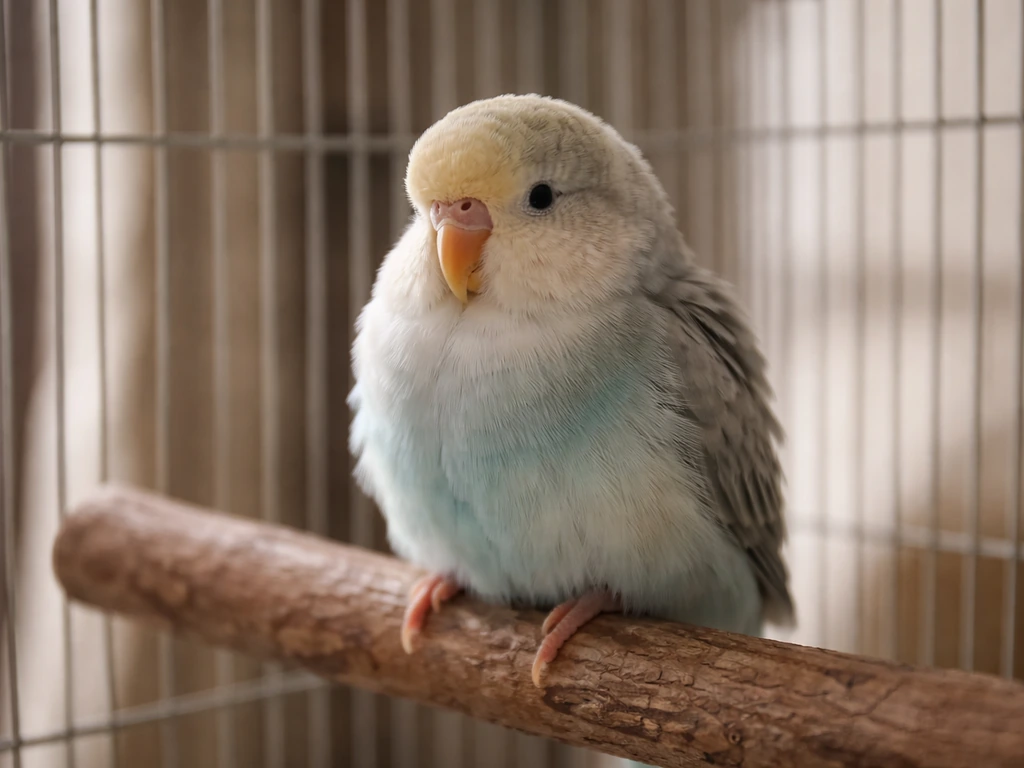
What 'depressed' can actually look like in pet birds
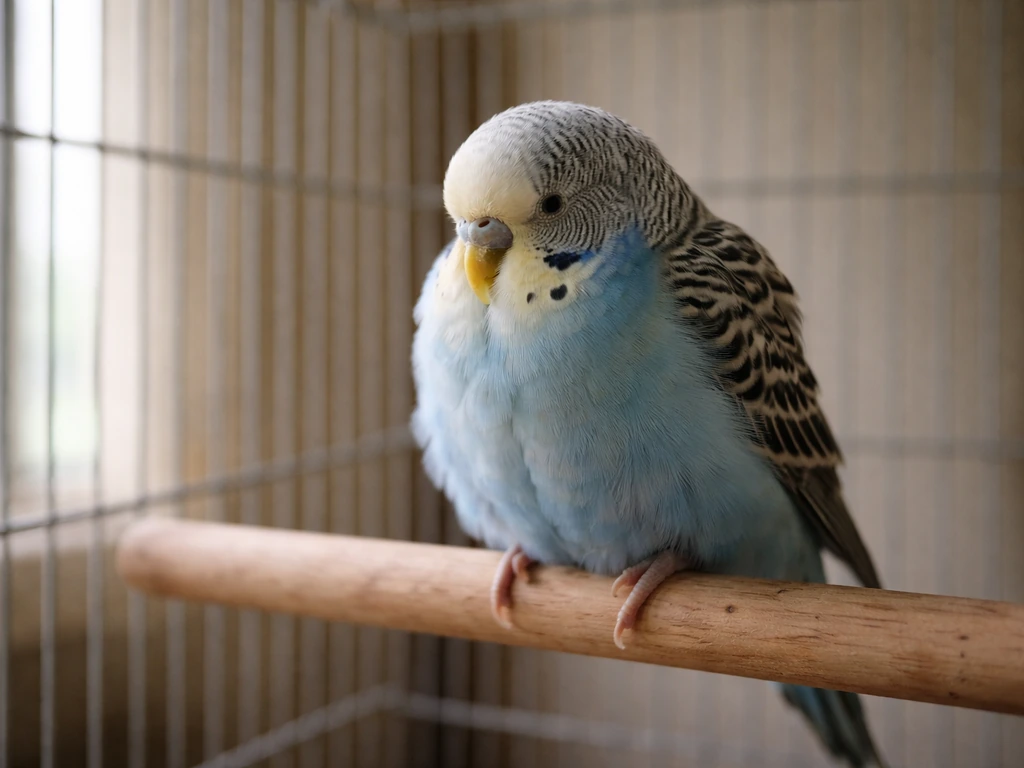
Birds don't show low mood the way humans do, and they can't tell you something feels off. What you see instead is a cluster of behavioral changes that signal something isn't right. The most common pattern is a bird that used to be chatty and active becoming unusually quiet, still, and withdrawn.
Genuine behavioral depression in birds is usually tied to something missing or wrong in their environment: loneliness after losing a companion, boredom from inadequate enrichment, a disrupted routine, a change in household, or insufficient sleep. Hormonal and seasonal shifts can also produce a temporary mood dip, particularly related to photoperiod changes (the amount of light the bird gets each day). Photoperiod and indoor lighting can influence activity, sleep quality, feather condition, breeding behavior, and stress, so mood-like changes may track back to the lighting schedule photoperiod changes (the amount of light the bird gets each day). A single male canary, for example, may stop singing entirely because the hormonal trigger just isn't there without a mate nearby. That's biology, not sadness, and it matters for interpretation.
The challenge is that a bird going through a rough emotional patch looks almost identical to a bird in the early stages of illness. Because birds mask symptoms as a survival instinct, behavioral withdrawal is often the first and only visible clue that something physical is wrong. That's why every apparent 'depression' sign needs to be taken seriously rather than written off as a mood.
Behavior and body-language signs to watch for
When assessing your bird, you're looking for changes from their personal baseline, not just behaviors that seem unusual in general. A bird that's naturally quiet and calm is different from one that used to whistle constantly and has now gone silent for three days.
The classic picture vets describe is a bird sitting fluffed up with closed or half-closed eyes, appearing heavier than usual, and showing little interest in what's going on around it. That combination is sometimes called the 'sick bird look,' but it's also what a withdrawn or emotionally depleted bird can look like. Here are the specific signs to track:
- Reduced or absent vocalization: talking, singing, or chattering significantly less than usual, or going silent in the morning when they'd normally be vocal
- Fluffed feathers for extended periods, especially outside of normal brief rest moments
- Sitting low on the perch or on the cage floor rather than at a normal height
- Closed or drooping eyes during awake hours
- Decreased appetite or interest in favorite foods
- Reduced water intake (harder to spot, but worth monitoring)
- Withdrawal from interaction: moving away when you approach, less interest in coming out or being handled
- Reduced activity and play: ignoring toys, foraging, or activities they normally enjoy
- Changes in sleep patterns: sleeping significantly more, or at unusual times during the day
- Altered grooming: either over-preening (excessive feather attention) or under-preening (looking unkempt)
- Feather condition changes: dull, damaged, or missing feathers without obvious molting
- Increased clinginess in some birds, or uncharacteristic irritability and biting
No single sign on its own is a diagnosis. It's the pattern of multiple changes together, and how long they've been going on, that tells you something is wrong. A bird that's been quieter for one afternoon is very different from a bird that has been fluffed, inactive, and off its food for three days straight.
How to tell depression apart from illness or stress
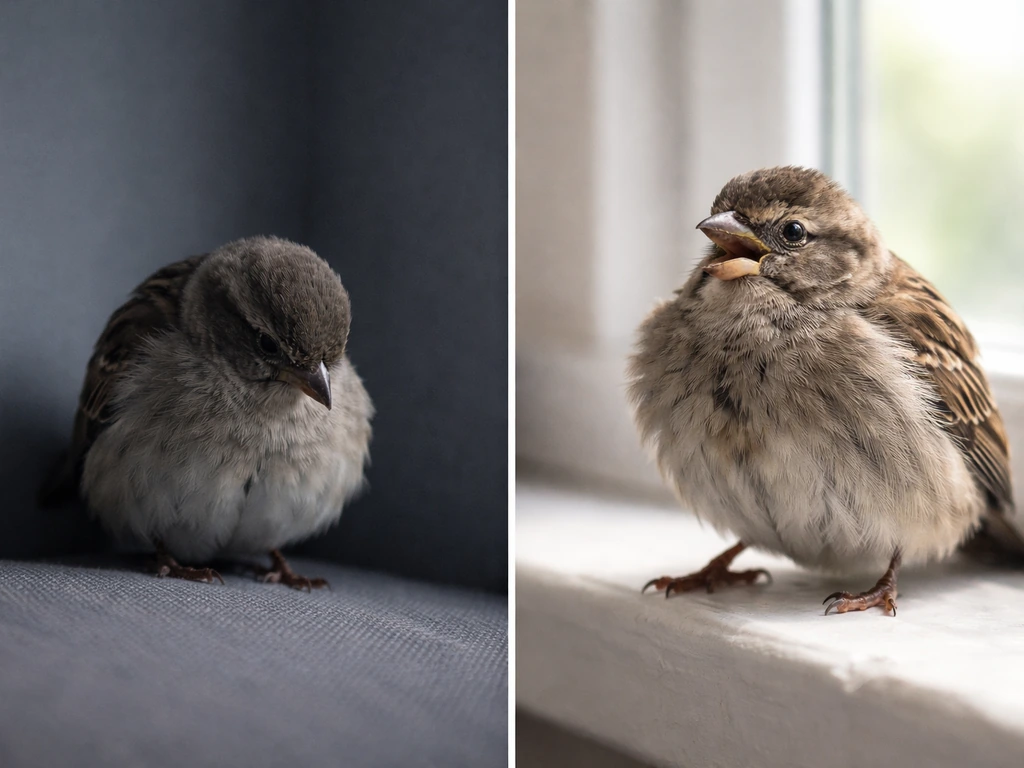
This is the most important step, and it's the one most owners skip. Behavioral depression and physical illness overlap almost completely in how they look from the outside. Work through the signs of a hungry bird alongside these behavior clues so you can tell whether appetite or energy is truly the issue how to tell if a bird is hungry. Since birds hide illness until they physically can't anymore, what looks like an emotional slump could be an infection, organ problem, hormonal imbalance, nutritional deficiency, toxin exposure, or pain. Merck’s Veterinary Manual notes that pet birds often hide illness and that behavioral differences such as decreased interaction or not vocalizing in the morning can come before illness becomes obvious blank" rel="noopener noreferrer">birds hide illness and behavioral differences can precede illness. You cannot reliably tell the difference just by watching behavior.
That said, there are some clues that push the picture more toward a physical problem versus a situational or emotional one. Work through these questions:
- Did the change happen suddenly, or gradually? A sudden, sharp behavioral shift often points to illness or pain. Emotional depression tends to build more gradually in response to an ongoing situation.
- Has anything changed in the environment or routine recently? A new person, pet, cage location, change in your schedule, a loss of a companion bird, or a change in diet can all trigger behavioral withdrawal.
- Is there anything physically abnormal? Check for labored or open-mouth breathing, visible tail-bobbing with each breath, regurgitation, unusual droppings (color, consistency, or volume changes), swelling anywhere on the body, or any sign of trauma.
- Are the droppings normal? Become familiar with your bird's usual droppings. Changes in color, consistency, or the ratio of solid to liquid parts are often the earliest visible sign of illness.
- Is the bird losing weight? Pick your bird up regularly and get a feel for their keel bone (the ridge down the center of the chest). A prominent or sharp keel can indicate weight loss even before you see appetite changes.
- Is there any reason to suspect pain? A bird that suddenly bites more, reacts sharply to touch in a particular area, or holds a wing or limb differently may be in physical pain.
- Could hormones or season be a factor? Changes in daylight hours, or artificial lighting that doesn't match a natural day cycle, can trigger hormonal shifts that affect behavior, vocalizations, and mood in ways that mimic depression.
Stress is another close neighbor to depression, and the two can feed each other. A stressed bird that doesn't get relief can slide into persistent withdrawal. The difference is usually that stress has a more identifiable trigger (a new pet in the house, a loud environment, a recent change) and the bird may show more active signs like alarm calls, aggression, or visible agitation before settling into withdrawal. If you notice fear signals instead, like freezing, trembling, hiding, or a rapid retreat, that can help you narrow down whether the bird is scared rather than just stressed. If you're familiar with how a scared or stressed bird behaves, comparing those presentations can help clarify what you're seeing. Feather plucking is a good example of a behavior that sits at the intersection of stress, boredom, and medical causes including skin conditions, infections, malnutrition, and hormonal problems. You can't assume it's psychological without ruling out physical causes first.
The practical rule here is: treat any behavioral change as potentially medical until you have a reason to believe otherwise. If you can identify a clear environmental cause and the bird is eating, drinking, breathing normally, has normal droppings, and is not losing weight, then a behavioral or emotional cause becomes more plausible. If any of those physical markers are off, don't wait.
Today-at-home checklist and quick improvements
If you've gone through the rule-out questions above and there are no urgent physical red flags, there are meaningful things you can do today to support your bird's wellbeing while you continue monitoring.
Environment and lighting
- Check your bird's light and dark schedule. Most pet birds need around 10 to 12 hours of darkness for healthy sleep. If the cage is in a room with evening lights, TV, or disrupted darkness, cover it consistently at the same time each night.
- Make sure the cage isn't in a cold draft, near a heating or cooling vent, or in a location with sudden loud noises that could be causing stress.
- If the cage has been recently moved, consider whether the new location is too isolated (away from family activity) or too chaotic.
Social contact and interaction
- Spend more time near your bird without demanding interaction. Sit near the cage, talk, read aloud, or play music. Let the bird come to you rather than forcing handling.
- If you have a single bird that used to live with a companion, loneliness may be a real factor. This isn't a quick fix, but it's worth considering in the longer term.
- Keep your own routine as consistent as possible. Birds track your schedule and can become unsettled when it changes significantly.
Enrichment and activity
- Rotate toys every few days so there's always something new to investigate. Foraging toys that require the bird to work for food are especially useful.
- Offer a bath. Many birds respond positively to being misted with a plant mister or offered a shallow dish of water a few times a week. Bathing supports normal preening and can visibly lift a bird's mood and feather condition.
- Try offering new foods (safe ones for your species) as a way to increase engagement with the food bowl.
Monitoring at home
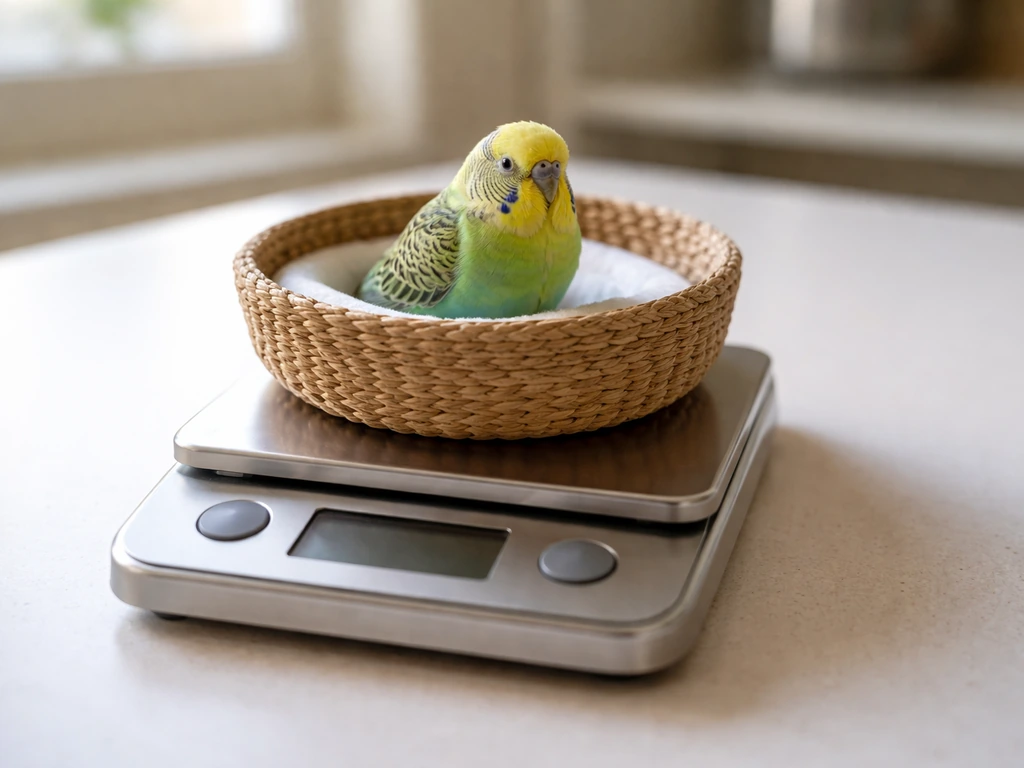
- Weigh your bird using a small digital kitchen scale every day or two and record the number. Even small weight trends (losing a few grams over several days) are meaningful.
- Check droppings once or twice daily and note any changes.
- Record vocalization level: did they call out this morning? Did they respond to you?
- Take short video clips of any unusual posture or behavior so you have them to show a vet if needed.
When to call an avian vet urgently
Do not wait to see if things improve on their own if any of the following are present. Birds deteriorate quickly once illness becomes visible, and by the time the signs are obvious, the situation can already be serious. Contact an avian vet the same day (or go to an emergency exotic animal clinic) if your bird shows:
- Open-mouth breathing at rest, or any visible effort or laboring with each breath
- Tail bobbing in rhythm with breathing (a sign of respiratory distress)
- Not eating or drinking for more than 24 hours
- Regurgitation or true vomiting (not the social regurgitation some parrots do for bonding)
- Diarrhea, or droppings that are dramatically different in color, volume, or consistency
- Visible weakness: unable to grip the perch properly, falling, or sitting on the cage floor
- Sudden significant weight loss (even if you can't quantify it, if the keel feels sharper than usual)
- Swelling anywhere on the body, especially around the abdomen
- Seizures or loss of balance
- Any sign of trauma: bleeding, a drooping wing, limping
- Rapid decline in any of the behavioral signs over a short period (getting noticeably worse each day)
It's also worth contacting a vet even without an emergency if the behavioral changes have persisted for more than a week without any clear environmental explanation, or if you've made husbandry improvements and seen no response. Lethargy and appetite changes that don't resolve quickly are not something to wait out indefinitely.
How to track symptoms and what to tell the vet
When you call or visit an avian vet, the more specific you can be, the better. Vets can't observe your bird's normal behavior at home, so your documentation is genuinely useful for diagnosis. If your bird quiets or changes behavior when it sees a bird outside, that can be another signal worth noting in your observations cat sound when see bird. Start a simple daily log as soon as you notice something is off. Here's what to record:
| What to track | What to record specifically |
|---|---|
| Weight | Daily weight in grams using a digital scale; note any trend up or down |
| Appetite | How much food was eaten, any foods ignored or accepted, any change in enthusiasm |
| Water intake | Rough estimate of whether intake seems normal, reduced, or increased |
| Droppings | Color of stool (green, brown, yellow, black), urates (white/cream is normal), liquid component (clear is normal); note anything unusual |
| Vocalization | Did the bird call out this morning? How much? Any change from normal? |
| Activity level | Time spent on perch vs. cage floor, interaction with toys, movement around cage |
| Posture | Fluffed, hunched, sitting low, eyes closed during daytime? How long each day? |
| Breathing | Any open-mouth breathing, tail bobbing, audible clicking or wheezing? |
| Behavior changes | New biting, aggression, feather attention, unusual movements |
| Environment changes | Anything new: people, pets, cage location, food, schedule, cleaning products |
Aim to keep this log for at least 5 to 7 days before a non-urgent vet visit, or bring whatever you have if it's urgent. Video clips of the behavior are genuinely helpful and easy to capture on a phone. When you speak to the vet, lead with how long the changes have been happening, whether anything triggered them that you can identify, and which physical signs (if any) you've observed alongside the behavioral ones.
The goal of the log isn't to diagnose your bird yourself. It's to give the vet a clear picture of the timeline and pattern, because birds hide illness and a single exam snapshot can miss things that a week of home observations reveals. Your notes are part of the clinical picture.
If the vet gives your bird a clean bill of health and medical causes have been genuinely ruled out, then you can focus fully on the environmental and behavioral adjustments. But don't assume that's the case before checking. A bird that seems sad is always worth taking seriously, because getting it wrong in the other direction has real consequences. A happy bird will usually show normal engagement, interest in its environment, and bright, alert body language.
FAQ
How can I tell the difference between my bird being “quiet” and being depressed?
Use your bird’s baseline. If it is still responding when you do normal routine interactions (calling it, offering favorite foods, presenting a perch it usually favors) and it wakes normally during the day, that leans away from true depression and toward a temporary or situational issue. If it is harder to rouse, repeatedly stays fluffed and unresponsive, or shows breathing changes, treat it as a medical concern.
If I can identify a stressor, can I assume it’s just stress and not depression or sickness?
You should assume illness until proven otherwise if appetite, droppings, or breathing are off, even if there is a clear trigger like a fight or schedule change. Stress can be real, but many infections and organ problems begin with withdrawal before they show obvious symptoms.
Can a depressed-looking bird be sick even if it seems alert at times?
Yes. Birds can look “down” due to pain, skin disease, reproductive or hormonal shifts, toxin exposure, or nutritional problems, all of which can reduce vocalizing and interest. Watch for paired physical clues like changes in droppings (color, volume, wetness), tail bobbing, labored breathing, weight loss, or abnormal posture, and act accordingly rather than focusing only on mood.
What’s the time frame where “watch and wait” becomes “call the vet”?
Do not rely on one-off observations. Track whether the behavior persists through normal active periods, for example the times of day it usually eats and engages. A short quiet day can happen from sleep disruption or minor routine changes, while multi-day withdrawal plus appetite drop is more concerning.
How should I interpret feather plucking when I’m trying to figure out depression versus medical causes?
If you find feather plucking, treat it as a mixed-signal symptom. It can come from stress or boredom, but it also overlaps with skin problems, infections, mites, malnutrition, and hormonal issues. Before you change “mindset” or enrichment alone, check for skin irritation, bald patches, and any signs of itch or pain, and involve an avian vet if it persists.
Can body language tell me whether my bird is scared versus depressed?
Yes. If your bird is only withdrawn when a specific person or sound is present, that points more toward fear, territorial stress, or learned avoidance than broad emotional depression. If withdrawal happens regardless of who is around and no particular cue is linked, medical or general husbandry issues become more likely.
What physical markers should I check at home alongside behavior when I suspect depression?
Start with the basics you can verify daily: food intake (roughly how much is eaten), water consumption, droppings consistency, breathing (no tail bobbing or open-mouth breathing), and body weight if you can weigh safely. If any of these trend the wrong way, do not wait for the behavior to “improve.”
What practical steps can I take today if I suspect emotional rather than medical causes?
Limit changes. If you are already addressing environment and enrichment, make one change at a time, then monitor for a few days using your log, because multiple simultaneous adjustments make it harder to tell what helped or harmed. Keep lighting and sleep schedule consistent, avoid introducing new household smoke or fumes, and maintain stable routines.
What should I tell the avian vet so they can act quickly?
Prepare a simple summary before you call: your bird’s species, age, how long the change has lasted, what triggered it (if anything), feeding and droppings observations, and any “red flag” symptoms. Bring your 5 to 7 day log and include video clips. Mention whether the bird changes behavior when you interact or when you approach, because that helps the vet interpret withdrawal versus fear.
Are there common household factors that can make a bird look depressed even when it’s environmental?
If you have not already done so, rule out low-level hazards that can mimic mood issues, like nonstick cookware fumes, aerosols, scented cleaners, or drafts and temperature swings. Also check cage setup, perches, and hygiene, because dirty conditions or incorrect temperatures can contribute to both stress and illness.
Next Article
Cat Sound When See Bird: Why They Meow, Chatter, or Yowl
Why cats meow, chatter, or yowl at birds, what it means, and steps to protect your bird and reduce the behavior.