
A hungry bird will typically beg for food, show intense interest when you approach the food dish, forage actively around the cage, and vocalize more than usual, especially around regular feeding times. If your cat makes bird-like sounds when it sees a bird, that is often part of its hunting excitement rather than a health issue cat sound when see bird. Those are the clearest signs. The tricky part is that some of those same behaviors can show up when a bird is stressed, bored, or even unwell, so it's worth taking a few minutes to read what your bird is actually telling you.
How to Tell If a Bird Is Hungry: Signs and Next Steps

Marcus Chen
3 Jun 2026
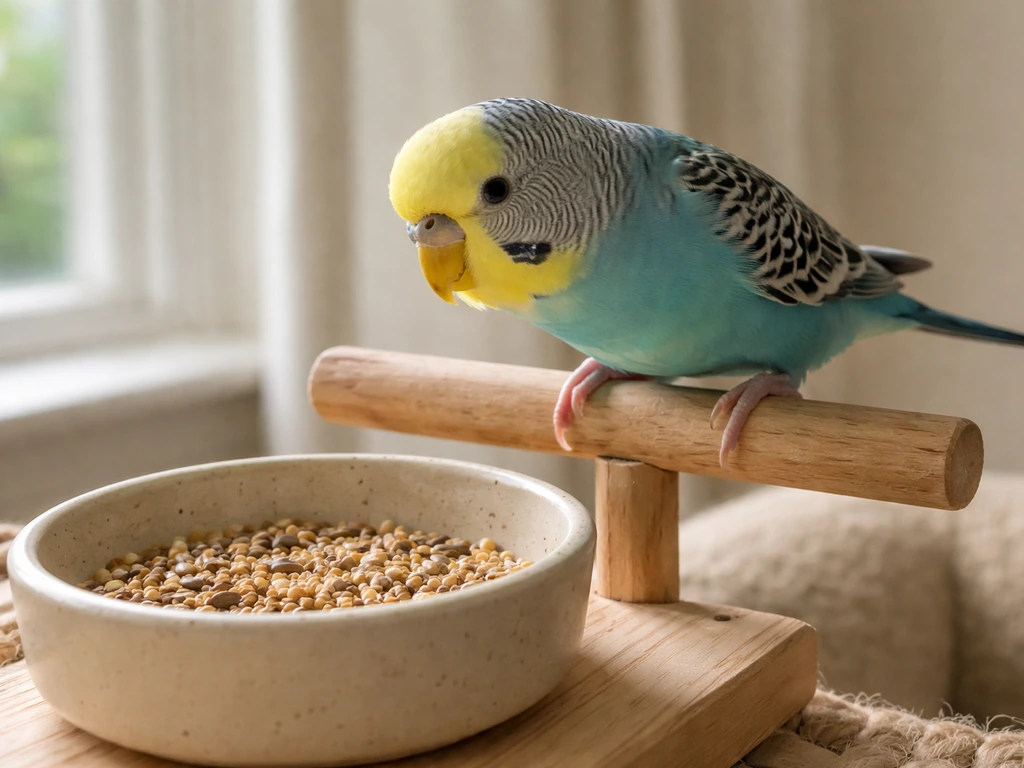
Normal feeding behavior vs. real hunger cues
Most pet birds follow a rhythm. They tend to be most vocal and food-motivated at dawn and dusk, which matches their natural foraging patterns in the wild. Insistent screeching at those times is generally normal communication tied to feeding, not a sign something is wrong. If your bird is reliably noisy at 7am and then settles down after eating, that's just their schedule.
True hunger looks a bit different. A genuinely hungry bird will keep showing food-seeking behavior even after their typical feeding window. They'll peck at an empty bowl, move repeatedly toward the food area, beg with open beak, or watch your hands closely any time you're near the cage. If you offer food and they eat eagerly, hunger was almost certainly the answer.
The flip side is also important. A bird that seems uninterested in food, sits quietly away from the food dish, or refuses to eat even when you offer something they normally love is not showing hunger, they're showing you something else. That distinction matters a lot, and we'll get into it further down.
Body language and posture that signal hunger
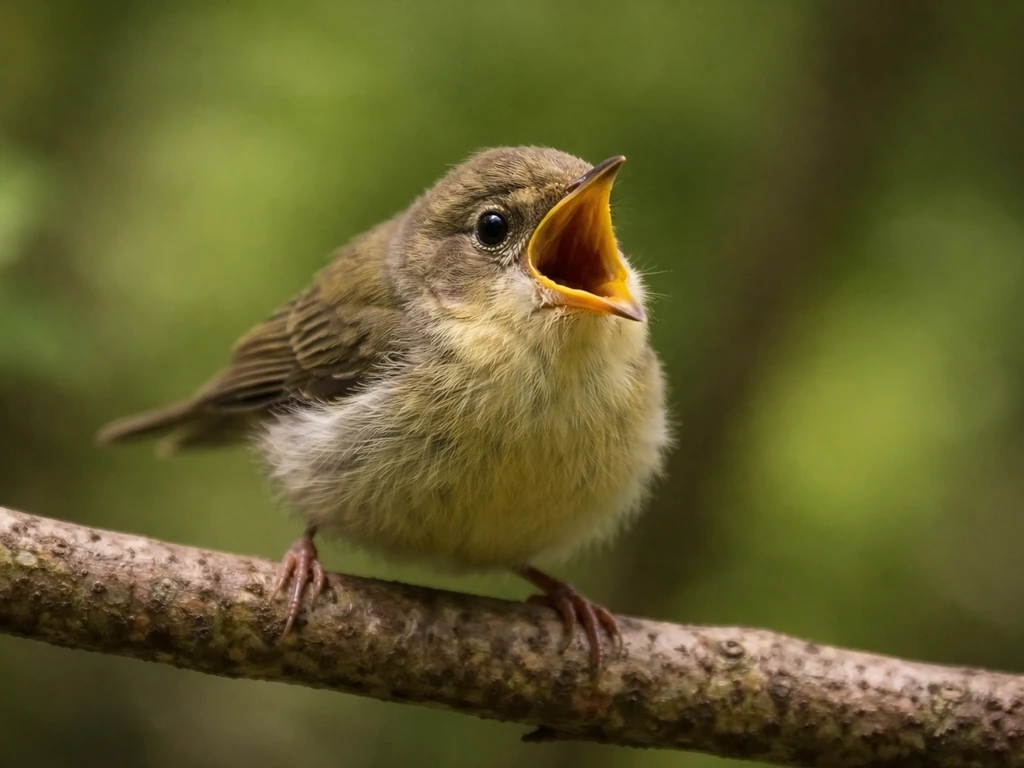
Hungry birds are typically alert and active. Watch for these physical cues when you're trying to read the situation:
- Gaping beak or open-mouth begging, especially in younger birds or chicks (begging with a wide-open beak is a textbook hunger signal in baby birds)
- Bobbing the head toward the food dish or toward your hand if you feed by hand
- Pacing or moving restlessly along perches near the food area
- Leaning forward with body lowered, wings slightly drooped, and beak pointing toward food, this is classic solicitation posture in many species
- Following your movements with intense focus when you're near the food storage area
One important flag: if your bird is fluffed up, hunched, sitting low on the perch, and not showing any of that active, food-seeking energy, that posture is much more associated with illness than with hunger. If your bird is fluffed up and sitting low on the perch, it can look similar to other low-energy states, so also review how to tell if a bird is sleeping to be sure. A fluffed appearance paired with low activity is something to take seriously rather than interpret as the bird just wanting a meal. If your bird also seems withdrawn or depressed, see our guide on how to tell if a bird is depressed for related behavior clues take seriously.
Food-interest signals worth paying attention to
Beyond posture, a hungry bird typically shows obvious enthusiasm for food itself. They'll eat quickly when offered food, finishing more than usual or clearing the bowl. They may beg vocally with short, repetitive calls. Chicks and baby birds who are hungry will beg persistently and loudly. In fact, if a baby bird stops begging entirely, that's actually a red flag for illness rather than a sign they're full.
Watch for foraging behavior too. A bird actively picking through bedding, investigating every corner of the cage, or working over a food toy with real purpose is almost always doing so because they're motivated by food. When that drive is there, hunger is a reasonable explanation. When the cage is quiet and your bird is disengaged, something else is going on.
How to check food intake without accidentally overfeeding
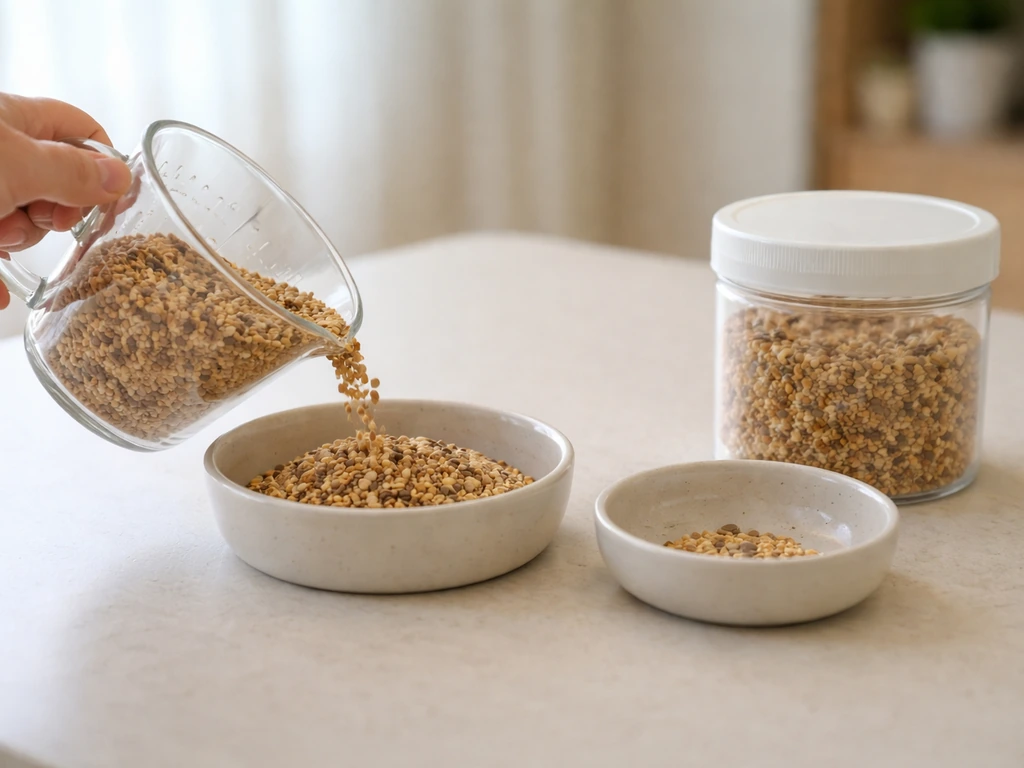
The safest approach is to measure and track rather than guess. Put a known quantity of food in the dish each morning, then check what's left at the same time the next day. You'll quickly get a baseline for what your bird normally eats. If consumption drops noticeably over two or three days, that's worth paying attention to.
If you suspect your bird is hungry, offer a measured portion of their regular food rather than piling in extra. Watch whether they eat it right away or ignore it. A bird that dives in immediately was likely hungry. A bird that ignores fresh food is sending a different message entirely.
For birds going through a diet change, such as transitioning from seeds to pellets, keep in mind that during that process a bird should lose no more than about 1 to 2 percent of their total body weight per week. If you're managing a conversion, weigh your bird regularly on a small kitchen scale and track the numbers. A kitchen gram scale is one of the most useful tools a bird owner can have.
Avoid the reflex to hand-feed or syringe feed at home just because your bird seems reluctant to eat. Syringe feeding carries a real aspiration risk and should only be done with guidance from an avian vet. If a bird is refusing food consistently and you're thinking about syringe feeding, that's a vet conversation first.
Why your bird's appetite might have changed
Not every appetite change means your bird is hungry. There are several common reasons a bird might eat more or less than usual that have nothing to do with actual food need:
| Cause | What it looks like | What to do |
|---|---|---|
| Schedule change | Bird vocalizes or begs at wrong times after routine shifts | Re-establish consistent feeding times |
| Stress | Reduced appetite, hiding, less engagement with food | Identify and reduce stressors; see notes on stress behavior |
| Diet change or new food | Ignores unfamiliar food, only picks at favorites | Introduce new foods gradually alongside familiar ones |
| Boredom | Picks at food without eating, forages aimlessly | Add enrichment and food puzzles |
| Illness | Reduced or absent eating, lethargy, fluffed posture | Consult an avian vet; do not wait |
| Hormonal/seasonal changes | Appetite fluctuates, behavior shifts | Monitor and note patterns; mention to vet at next visit |
| Nutritional imbalance | Selectively eats only certain items, ignores balanced food | Review diet with avian vet guidance |
The tricky thing is that illness can look a lot like a bird that's just not hungry. Birds are very good at hiding that they're unwell, sometimes until a disease is quite advanced. That instinct comes from the wild, where showing weakness attracts predators. So by the time you notice your bird is off its food, it may have been struggling for longer than you realize.
Reduced or absent eating can sometimes be the only early sign that something is wrong. That's why a bird that stops eating shouldn't be brushed off as picky or uninterested. If appetite loss lasts more than a day and you can't tie it to an obvious cause like a food change, it deserves a closer look. This also connects to other behavioral shifts, like signs of stress or depression, which can each independently affect how much and how eagerly a bird eats.
Red flags that mean it's time to call a vet
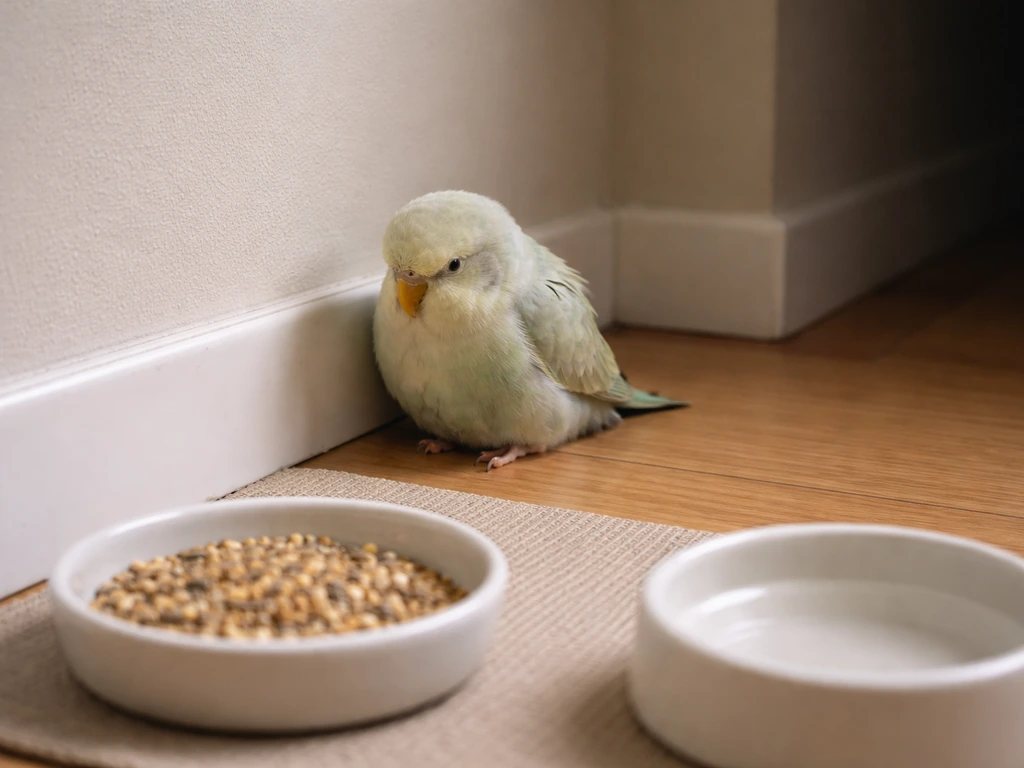
Hunger is rarely a medical emergency on its own, but the following signs paired with reduced eating are a different story. If you see any of these, contact an avian vet rather than trying to manage it at home: In the CVET feeding and emergency guide, red-flag signs include open beak breathing, labored breathing, coughing, and nasal or mouth discharge, along with lack of food or water intake and inactivity such as not standing, scratching, pecking, or eating during the day open beak breathing, labored breathing, coughing, or nasal or mouth discharge.
- Lethargy combined with not eating, a bird that is both inactive and refusing food is likely seriously ill
- Open-mouth breathing, labored breathing, or tail bobbing while breathing at rest (not after exercise)
- Wheezing, clicking, or any audible respiratory noise
- Nasal discharge or discharge from the mouth
- Vomiting or regurgitation (not the normal regurgitation directed at a mate or toy, but repeated, uncontrolled vomiting)
- Fluffed feathers for extended periods, especially combined with low energy or closed eyes during the day
- Not standing, not moving around the cage, not pecking or foraging during normal active hours
- Noticeable weight loss that you can feel as a sharper keel bone (breastbone) when you hold your bird
- Complete refusal to eat anything for more than 24 hours
These aren't signs of a bird that skipped a meal. They're signs of a bird that needs professional evaluation. Because birds mask illness so effectively, waiting to see if things improve can cost critical time. Appetite loss alongside any of the above should be treated as urgent.
What to actually do right now
If your bird seems hungry and is otherwise acting normally, here's a practical sequence to work through today:
- Check the food dish first. Is it actually empty, or is there food your bird has been pushing aside or ignoring? Sometimes the bowl looks full of husks but has no actual nutrition left in it.
- Offer a small, fresh portion of their regular food and watch the reaction. Immediate, enthusiastic eating confirms hunger. Disinterest in fresh food is a signal to keep observing.
- If your bird seems reluctant to eat their main diet, try an easy-to-eat option alongside it, things like warm cooked rice, cooked pasta, soft vegetables, or applesauce can encourage eating when a bird is less motivated to work for food.
- Weigh your bird if you have a gram scale. Note the number and weigh again tomorrow morning at the same time. Any loss greater than 1 to 2 percent of body weight per week should prompt a call to your vet.
- Check your feeding schedule. Has anything shifted recently, your routine, the bird's sleep cycle, the location of the food dish? Small changes can throw off a bird's eating pattern.
- Watch for the red flag signs listed above throughout the day. If you spot any of them, skip the home monitoring and call your avian vet.
- If everything checks out and your bird eats well when offered food, adjust your feeding routine to make sure fresh food is available consistently at the same times each day. Predictability helps birds feel secure.
The goal here is to rule out the simple stuff first, empty dish, stale food, schedule disruption, and then escalate your concern if the appetite issue persists or other symptoms appear. A genuinely hungry bird that gets fed will bounce back quickly. If you are also wondering whether fear or stress could be behind their behavior, check for signs of a scared bird before assuming hunger how to know if a bird is scared. A bird that's unwell will not, and the sooner that gets addressed, the better the outcome.
FAQ
How long should I wait after offering food before I decide my bird is not hungry?
Try offering a measured portion of their usual food and observe for 15 to 30 minutes. If they still refuse consistently across that window and also show no typical food-seeking behavior outside the usual feeding time, treat it as “not hunger” and start checking for stress or illness rather than adding more food.
My bird begs a lot, but also seems to lose weight. Could it be hunger from an underlying problem?
Yes. If appetite looks high but weight is dropping, the bird may not be absorbing nutrients properly, have dental or GI issues, or be in chronic stress. Track body weight weekly and contact an avian vet if weight trends down even while food intake appears “busy” or frequent.
What if my bird eats less only at one time of day? Is that hunger-related?
Often it is schedule-related. Many birds are naturally less food-motivated at certain hours. The key is pattern consistency, if the bird reliably eats at the next expected window, and posture and activity stay normal, hunger is less likely than routine behavior.
Can a hungry bird still look sleepy or stay fluffed?
A hungry bird is usually alert enough to approach, forage, or focus on the food area. Fluffed and hunched posture with low activity is more associated with illness or significant discomfort, even if hunger seems plausible. If you see low posture plus reduced eating, treat it as a health concern rather than “just not fed.”
How do I tell the difference between boredom, stress, and true hunger when my bird keeps approaching the cage food area?
Look at what happens when food is actually provided. Hunger should lead to quick eating and bowl-clearing. If your bird approaches but ignores food, or rapidly loses interest and shows other stress signs (withdrawal, abnormal vocal patterns beyond mealtime, disrupted routine), boredom or stress is more likely.
Is it safe to give extra treats if I think my bird is hungry?
It’s better to offer their regular measured food first. Treats can mask appetite problems and can also upset nutrition balance. If they eat the regular portion eagerly, you can consider a small treat only after monitoring 1 to 2 days of normal consumption.
What’s the best way to track whether my bird’s eating is truly changing?
Use the same food type and dish, same placement, and weigh or measure the exact amount you put in at the same time each day. Then note leftovers. If consumption drops noticeably for two to three days, that’s stronger evidence of an issue than one off day.
Can a chick or baby bird stop begging and still be okay?
Usually not. If a baby bird stops begging entirely, that is a red flag for illness rather than fullness. In that situation, don’t wait for the next feeding, contact an avian vet or follow urgent guidance for hand-rearing species.
My bird is transitioning from seeds to pellets. What weight change is expected, and what is not?
During conversion, a small weekly decrease is expected, around 1 to 2 percent of total body weight per week. If the drop is faster than that, or appetite drops alongside low posture or lethargy, reassess the plan and involve an avian vet.
At what point should I worry about reduced eating needing immediate veterinary care?
If reduced or absent eating lasts more than a day without an obvious cause, or if it happens alongside warning signs like abnormal breathing, discharge, rapid weight loss, severe lethargy, or diarrhea, treat it as urgent. Appetite loss can be an early clue, and birds may hide illness until it is advanced.
If my cat makes bird-like sounds, could that make my bird “act hungry”?
Usually it’s more about hunting excitement or alarm, not hunger. If your bird responds by freezing, fluffed sitting low, hiding, or refusing food when offered, it points toward fear or stress. If you see posture and behavior shifts after cat exposure, check for stress signs and manage the environment rather than assuming the bird needs more food.
My bird ignores fresh food but eats later. How can I avoid missing a medical problem?
Check the context. If later eating is normal and posture is otherwise healthy, it may be schedule or preference. If the pattern becomes consistent, or you notice withdrawal, low perch sitting, or continued reduced intake over multiple days, escalate to an avian vet even if the bird eventually eats.