
A scared bird will hold its feathers tight and flat against its body, freeze in place or press itself into a corner, and may lock eyes on whatever is frightening it. Some birds go completely silent; others scream or hiss. Once you know what to look for, fear is usually pretty readable, and the good news is that most of the time you can trace it back to a specific trigger and fix it quickly.
How to Know If a Bird Is Scared: Signs and What to Do

Marcus Chen
2 Jun 2026
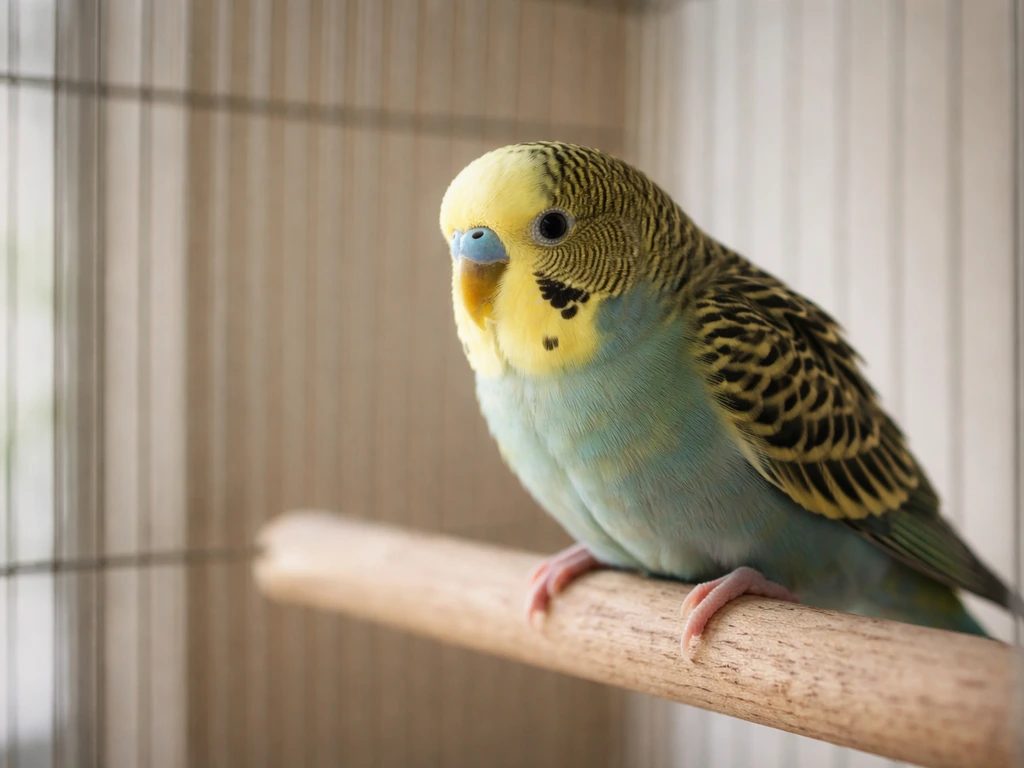
Signs your bird is scared right now
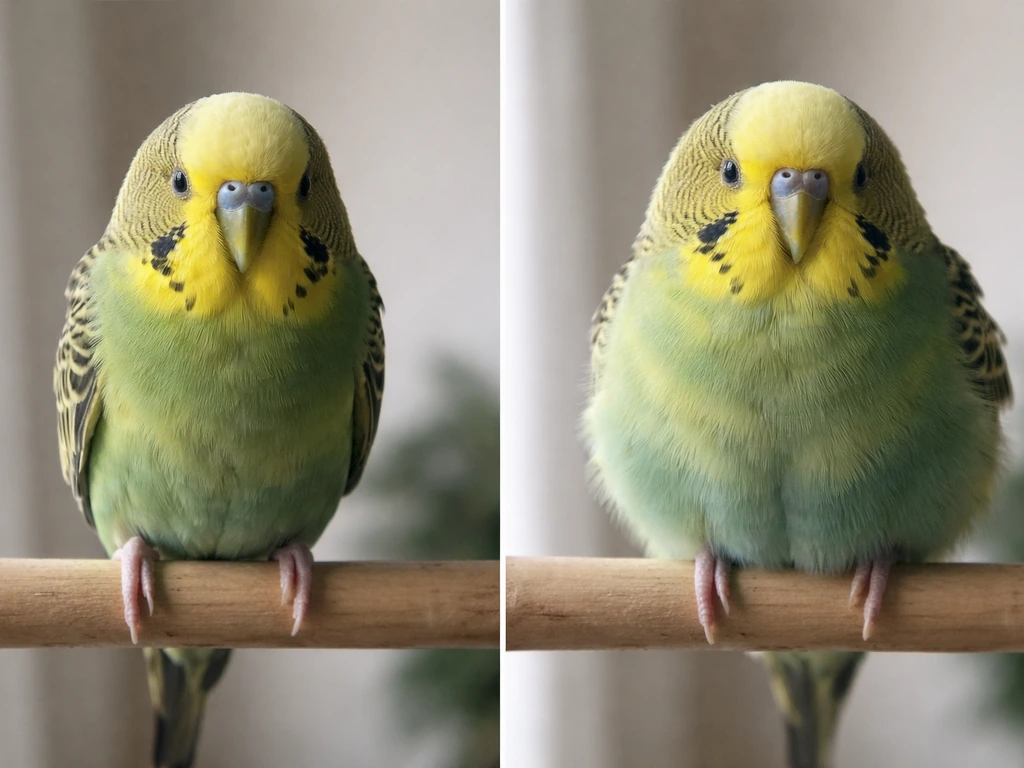
Fear shows up in the body first. The clearest physical sign is a stiff, slicked-down posture where feathers are pressed flat against the body, making the bird look unusually thin and rigid. This is almost the opposite of the relaxed, slightly puffed look you see when a bird is comfortable and resting.
Here are the main things to watch for, roughly from mild to more intense fear:
- Feathers slicked tight to the body, stiff and skinny posture
- Eyes wide and tracking the threat, sometimes with rapid pupil dilation (pinning) in context
- Freezing in place, crouching low, or pressing into the back of the cage
- Leaning or moving away from the trigger, turning the back
- Rocking side to side or shifting weight repeatedly
- Feather quivering with a slightly open mouth
- Wings held slightly away from the body, or trembling wings
- Panting or rapid breathing while otherwise still
- Screaming, alarm calling, or going completely silent
- Extreme fear: neck stretched forward and out in a "snake" posture, hissing or lunging
Eye pinning (rapid pupil changes) by itself can mean excitement, not just fear. Context matters a lot. If pinning comes with tail wagging and active movement toward you, that is typically excitement. If it comes with a slicked-down, rigid body and the bird is leaning away, treat it as fear.
Tail flaring, where the bird fans its tail out, can also go either way. In a relaxed, active bird it often signals excitement. In a bird that is also backing away and puffing up to look bigger, it leans toward a fear or threat response.
What usually triggers fear in pet birds
Most fear responses in pet birds trace back to one of four categories. Knowing which one you are dealing with tells you exactly what to address.
Sudden noises and movements
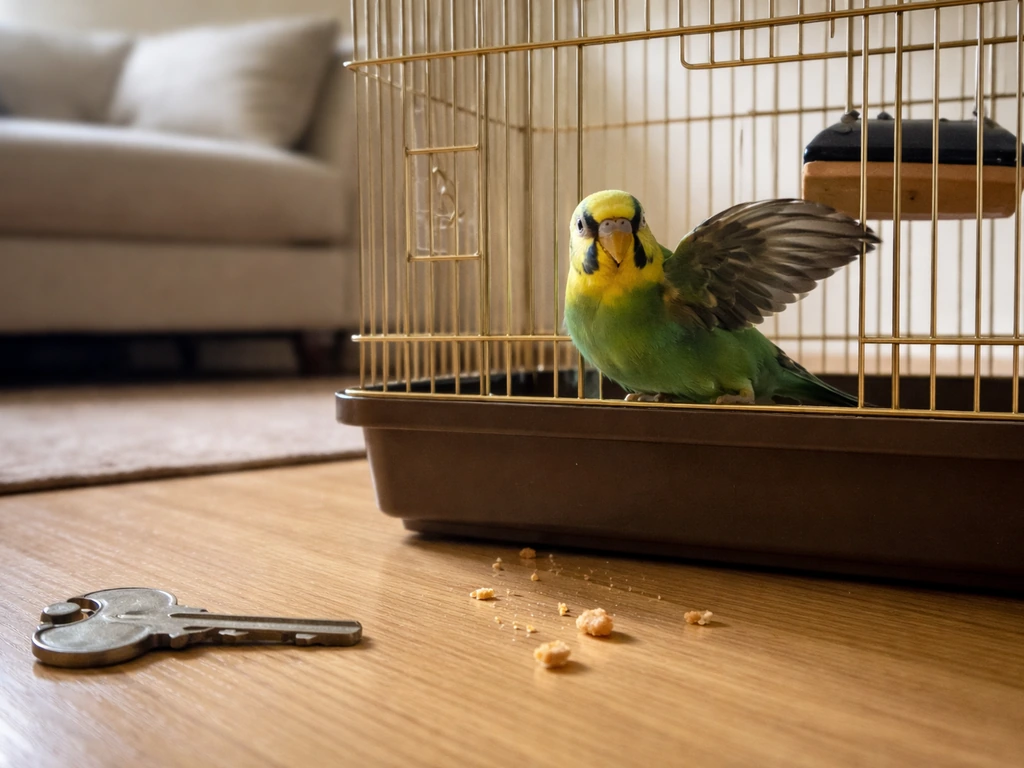
Birds are prey animals by instinct, and fast or unexpected things trigger an alarm response almost automatically. A door slamming, a dropped object, a vacuum cleaner turning on nearby, or someone moving quickly past the cage are all common culprits. Even a ceiling fan starting up or a flapping plastic bag can set a bird off.
New people, pets, or objects
A bird that seems perfectly calm every day can panic when a stranger enters the room, a cat or dog approaches the cage, or even when you bring home something new and set it nearby. If your bird reacts to cat sounds when it sees a bird, treat that as a fear trigger and adjust the setup accordingly cat or dog approaches the cage. A new toy placed directly in the cage, a changed piece of furniture, or even wearing a different hat can read as a threat to a bird.
Handling and restraint
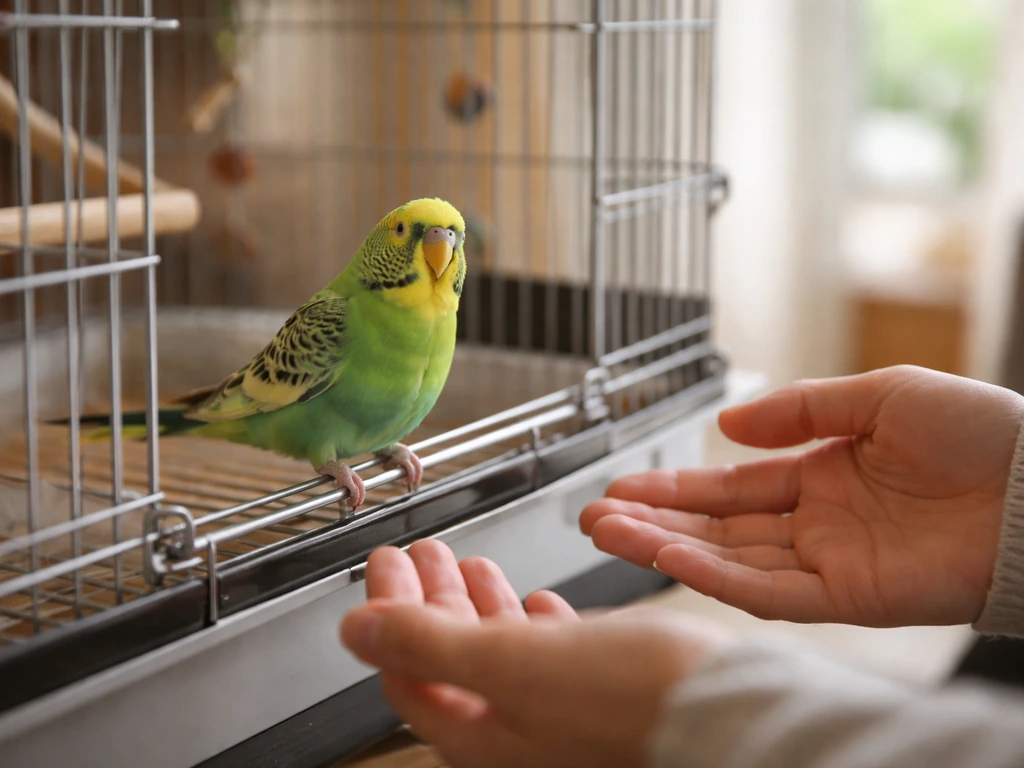
Rough, fast, or forced handling is one of the most reliable ways to trigger fear. Birds that have not been handled much, birds that had a bad experience with a previous owner, or birds that are simply new to your home are especially sensitive. Even well-meaning but clumsy handling can create lasting fear if it happens repeatedly.
Environment and routine changes
Inconsistent schedules, being moved to a new location in the house, poor sleep (too much light or noise at night), drafts, and cage placement in high-traffic or high-noise areas all add up. The kitchen is a particularly stressful location: cooking fumes, smoke, and steam can be genuinely dangerous, not just scary. Merck Veterinary Manual advises not keeping a pet bird's cage in the kitchen because cooking fumes, smoke, and steam can be genuinely dangerous. Keeping a bird's cage out of the kitchen is a standard recommendation for both safety and reducing stress.
Scared vs stressed vs ill: how to tell them apart
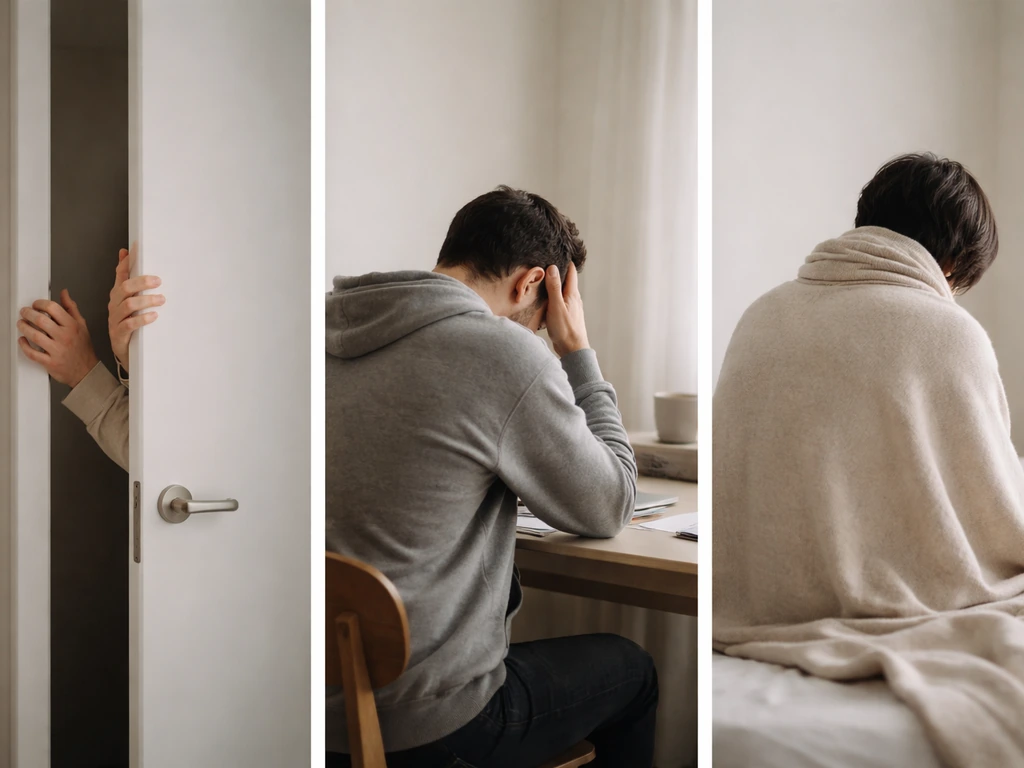
Fear, stress, and illness can look similar, especially in the early stages. Because depression or low mood can look like general withdrawal, it helps to compare these patterns with what you see in birds that are depressed how to tell if a bird is depressed. All three can cause feather changes, reduced activity, and quieter behavior. But the differences matter because the response is different. For help spotting whether your bird is sleeping versus just stressed or scared, look at the full-body posture and breathing patterns how to tell if a bird is sleeping.
| Sign | Fear (acute) | Stress (ongoing) | Illness |
|---|---|---|---|
| Feather position | Slicked flat, stiff posture | Possible feather plucking or fluffing over time | Persistently fluffed or ruffled, not just during a trigger |
| Onset | Sudden, tied to a specific trigger | Builds gradually over days or weeks | Gradual or sudden, not always tied to a trigger |
| Breathing | May pant briefly, usually returns to normal fast | Generally normal unless severe | Open-mouth breathing, tail bobbing, audible wheeze or click |
| Vocalization | Sudden alarm call, screaming, or silence | Screaming patterns, increased or decreased over time | Quiet or absent, not situational |
| Appetite | Temporarily off, returns when calm | May decrease over time | Noticeably and consistently reduced or absent |
| Recovery | Resolves once trigger is removed | Improves with environmental changes | Does not improve without veterinary care |
| Body weight | No change from a single episode | May lose weight over weeks | Weight loss is a red flag, often hidden until significant |
The key distinction is whether the behavior is tied to a specific trigger and resolves when that trigger disappears. If the bird is not eating and acts unlike its usual routine, it may be hungry or unwell, not just scared specific trigger. Fear is situational and temporary. Stress is more like a background mood that builds when the environment is consistently difficult (and you can read more about that pattern in the article on how to tell if a bird is stressed). Illness does not go away when you move the scary thing out of the room, and it typically comes with physical signs like tail bobbing during normal breathing, open-mouth breathing at rest, or consistent appetite loss that no amount of calming will fix.
One overlap worth knowing: a bird that is ill may also be more easily frightened and may show exaggerated fear responses to things it normally handles fine. If fear responses seem suddenly more intense without a clear new trigger, consider whether something else is going on physically.
Quick check: is your bird scared right now?
Go through this checklist. If most of your answers point to "yes," your bird is likely scared rather than ill or just tired.
- Are feathers slicked tight and flat (not puffed, not normal)? Yes = fear signal.
- Did the behavior start suddenly in the last few minutes? Yes = acute fear, not illness.
- Can you identify something that changed right before it started (noise, new person, object, handling)? Yes = likely a fear trigger.
- Is the bird moving away from or avoiding a specific direction or thing? Yes = fear-related.
- Is breathing normal (no tail bobbing, no open-mouth breathing at rest)? Yes = respiratory illness less likely.
- Did the bird eat and drink normally earlier today? Yes = illness less likely.
- Is the bird alert, tracking movement, and reacting to you? Yes = not lethargic or severely ill.
- Did the bird recover within a few minutes once the trigger was removed or reduced? Yes = this was a fear response.
If most answers are yes, you are dealing with fear and the steps below apply directly. If breathing is labored, the bird seems weak, it has not eaten, or it does not recover once the trigger is gone, skip to the vet section at the bottom.
How to calm a scared bird and handle it more safely
The first thing to do is slow down. Slow movements, a lowered voice, and positioning yourself below the bird's eye level all signal that you are not a threat. Avoid direct, sustained eye contact, which many birds read as predatory behavior.
Remove or reduce the trigger if you can. Turn off the vacuum, have the unfamiliar visitor step out of the room, remove the scary object, or cover part of the cage with a light cloth to give the bird a visual barrier. A partially covered cage can help a frightened bird feel more secure almost immediately.
If you need to handle or restrain a scared bird, move slowly and give the bird a moment to register what is happening before your hands come close. Quiet talking throughout makes a real difference. Keep restraint time as short as possible and try to read the bird's body language as you go. A bird that is still pressing away and hissing needs more time before handling is going to go well.
If towel-restraint is ever needed (for a vet visit or emergency), practice short, positive towel introductions beforehand so the towel does not become its own fear trigger. Towel desensitization, where you gradually get the bird comfortable seeing and being near the towel in a low-stakes context, has real value as a regular part of bird care.
Reducing fear long-term: routines, enrichment, and desensitization
A bird that knows what to expect is a less fearful bird. Consistent feeding times, a predictable sleep schedule, and regular (but never forced) interaction all build a baseline sense of safety. Covering the cage at night to ensure proper sleep is one of the simplest things you can do, and poor sleep is a real contributor to heightened fear responses.
Cage placement matters more than people often realize. A location with one wall behind the cage (so the bird is not exposed on all sides), away from the kitchen, away from drafts, and not in a high-traffic hallway gives the bird a sense of security. The bird should be able to see the room and activity without being overwhelmed by it.
For birds that are fearful of specific things, desensitization and counter-conditioning are the most effective tools. The basic idea is to introduce the scary thing at a very low intensity, far away or very briefly, while keeping the bird calm. Over many short sessions you very gradually reduce the distance or increase the exposure, always staying below the threshold where fear kicks in. Pairing the trigger with something the bird likes (a favorite treat, a calm voice) helps the bird build a new, more neutral association.
Enrichment also plays a role. A bird that has foraging opportunities, varied perch textures, things to manipulate, and regular positive interaction with you is generally more confident and less reactive to novelty. Boredom and under-stimulation leave birds with nothing to do but be anxious. If you want to cross-check how your bird is doing overall, the signs of a happy bird are a useful counterpoint to watch for alongside the fear signals covered here. The signs of a happy bird help you confirm that your bird is not only less afraid, but also comfortable and thriving.
When to stop managing it yourself and call an avian vet
Most fear responses resolve on their own once the trigger is removed. But there are situations where what looks like fear is actually something more serious, and birds can decline fast when they are ill because they hide weakness for as long as they can.
Contact an avian vet promptly if you see any of the following:
- Open-mouth breathing at rest, or breathing that involves visible tail bobbing with each breath
- Audible breathing sounds: wheezing, clicking, or rasping
- The bird seems weak, unsteady, or cannot grip its perch properly
- Feathers stay fluffed and ruffled even when the trigger is gone and the room is calm
- Appetite has been reduced or absent for more than a day
- The "fear" episode did not resolve within a reasonable time after removing triggers
- Fear responses have suddenly intensified with no clear environmental explanation
- The bird has lost visible weight (keel bone feels sharper than usual)
Birds are skilled at masking illness, so by the time symptoms are obvious, things can already be more serious than they appear. If something feels off and you cannot explain it as a fear response tied to a specific trigger, getting an avian vet's eyes on the bird sooner rather than later is almost always the right call.
FAQ
Can a bird be scared if it keeps eye pinning but does not freeze or flatten its feathers?
Yes. Eye pinning alone can be excitement, so look for the full package. If the bird is also leaning away, backing up, holding posture stiffly, or rapidly flicking its head while avoiding, treat it as fear even if it does not fully freeze. If it is leaning in, moving toward you, and tail motions look bouncy rather than tense, it is more likely excitement.
How can I tell fear from stress or illness if the trigger is unclear?
Use the “resolves when removed” rule. Fear usually improves within minutes after the specific trigger stops. If the behavior continues regardless of what you change, or it is paired with physical signs like open-mouth breathing at rest, persistent appetite loss, or tail bobbing during normal breathing, assume stress or illness and seek an avian vet evaluation.
What breathing or sound patterns suggest a scared bird versus a bird in respiratory trouble?
Scared birds may become quiet, but they typically do not show ongoing breathing effort at rest. If you notice open-mouth breathing while the bird is still, labored breathing, or repeated abnormal calls that persist even after the bird calms, this points more toward a health issue than fear and should be assessed promptly.
Is tail flaring always a fear sign?
No. Tail flaring can be excitement, especially in interactive or curious moments. It becomes more likely fear when it comes with puffing to look larger, leaning away, rigid posture, and a tendency to move into corners instead of toward the stimulus.
My bird flattens its feathers during a vet visit. Should I assume it is only fear?
Fear during restraint is common, but intensity and recovery matter. If the bird does not rebound when the situation calms, refuses food for longer than usual, shows ongoing breathing difficulty, or you see weakness, treat it as more than fear and contact the avian vet.
What should I do if my bird seems scared of me specifically?
Change your approach speed and height. Move slowly, keep your hands lower than the bird's eyes, and avoid sustained direct eye contact. For short-term relief, offer a preferred treat during calm moments. For long-term change, use gradual desensitization (very brief, low intensity exposure to you at a distance) rather than repeated forced interaction.
How do I avoid accidentally teaching my bird that the cage cover or towel is scary?
Introduce the item when the bird is calm, then keep the first sessions very short. Use neutral timing (not during peak panic), pair it with something positive like a favorite treat, and remove it before the bird reaches its fear threshold. If your bird freezes at the sight of the towel or cover every time, restart with farther distance and shorter exposure.
What environmental change should I try first if my bird is suddenly more reactive?
Look for recent, subtle changes: new furniture placement, a different person wearing a strong scent, a new hat, drafts from HVAC vents, or increased noise near the cage. If the reaction started after one change and improves once it is reversed, that likely explains the trigger and guides how to adjust placement or introduce the change more gradually.
Can a bird be “tired” but also look scared?
Yes, posture and context help. Sleeping birds typically look different in breathing and full-body relaxation compared with fear, which includes a stiff, flattened, rigid look. If the bird is awake but still shows avoidance and fear body language, and especially if it reacts sharply to specific cues, treat it as fear rather than mere tiredness.
How quickly should I expect a scared bird to calm down after removing the trigger?
Often within minutes, especially for sound or visual triggers like a vacuum starting or an unfamiliar person entering the room. If there is no improvement after the trigger is gone, or the bird escalates, review whether another hidden trigger remains (light changes, nearby pets, drafts) and consider contacting an avian vet if physical symptoms appear.
When should I stop troubleshooting fear and go straight to the vet?
If there is labored breathing, weakness, lack of appetite, or the bird does not recover once the scary stimulus is removed, skip extra home steps and contact an avian vet promptly. Also treat it as urgent if fear-like behavior suddenly becomes more intense without a clear trigger, since illness can make birds more easily frightened.
Next Articles
How to Tell If a Bird Is Depressed: Signs and Next Steps
Learn bird depression signs and how to rule out illness fast, with clear home steps and vet contact thresholds.
Cat Sound When See Bird: Why They Meow, Chatter, or Yowl
Why cats meow, chatter, or yowl at birds, what it means, and steps to protect your bird and reduce the behavior.
How to Tell If a Bird Is Stressed: Signs and Triage
Learn how to tell if a bird is stressed with clear body and behavior signs plus a step-by-step triage checklist.