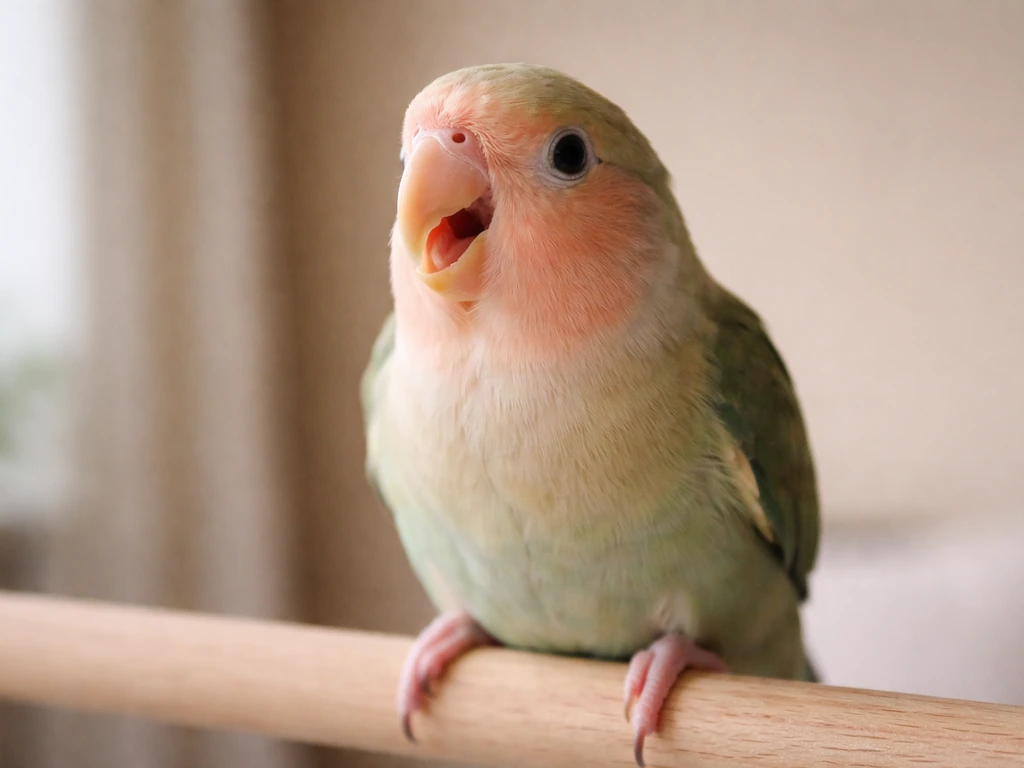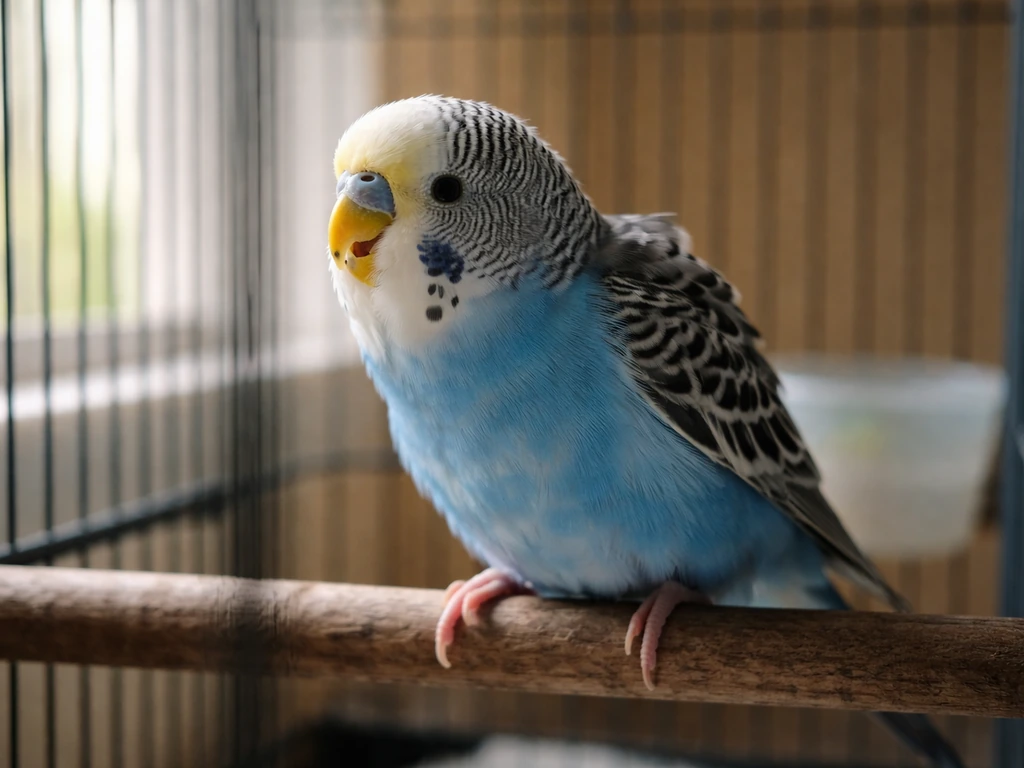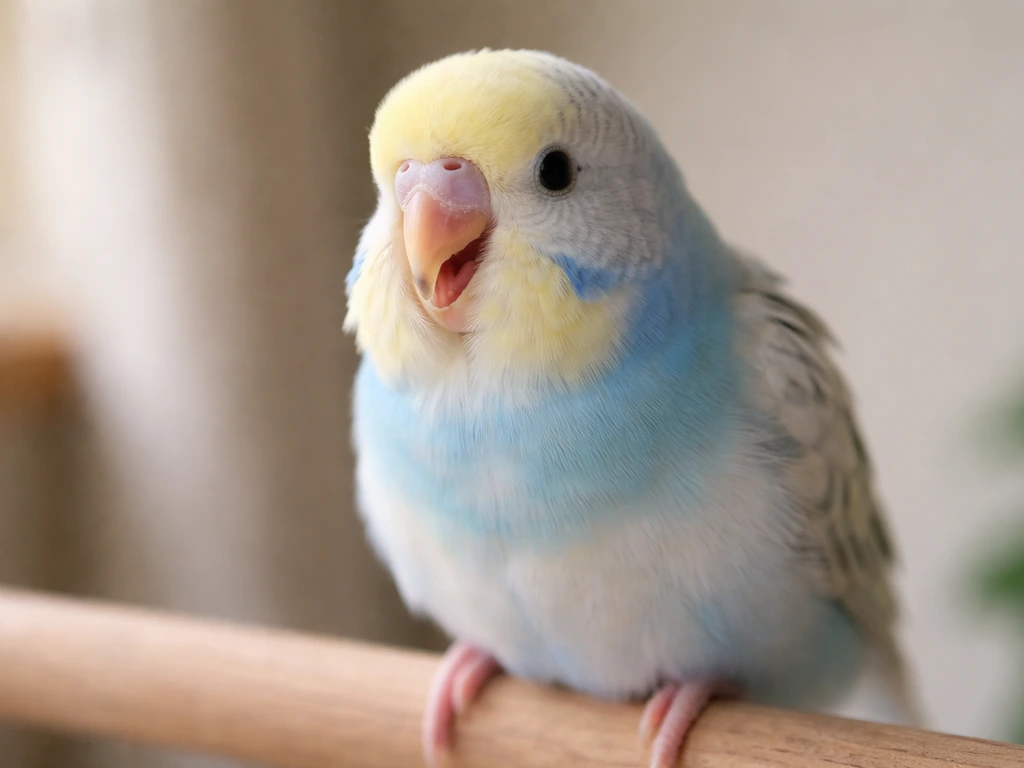
A bird gasping for air is a medical emergency until proven otherwise. If your bird is breathing with its mouth open, tail bobbing with every breath, sitting puffed up on the cage floor, or making clicking or wheezing sounds, you need to act right now. Observable signs of respiratory distress include blank" rel="noopener noreferrer">open-mouth breathing and abnormal mucous membrane color changes (gray, dark pink, or blue/cyanosis). If you are wondering why your bird is breathing with its mouth open, this is most often tied to respiratory distress. Don't wait to see if it passes. Call an avian vet or emergency animal clinic immediately and start the supportive steps below while you arrange care.
Why Is My Bird Gasping for Air? Urgent Steps Today

Marcus Chen
17 Jun 2026
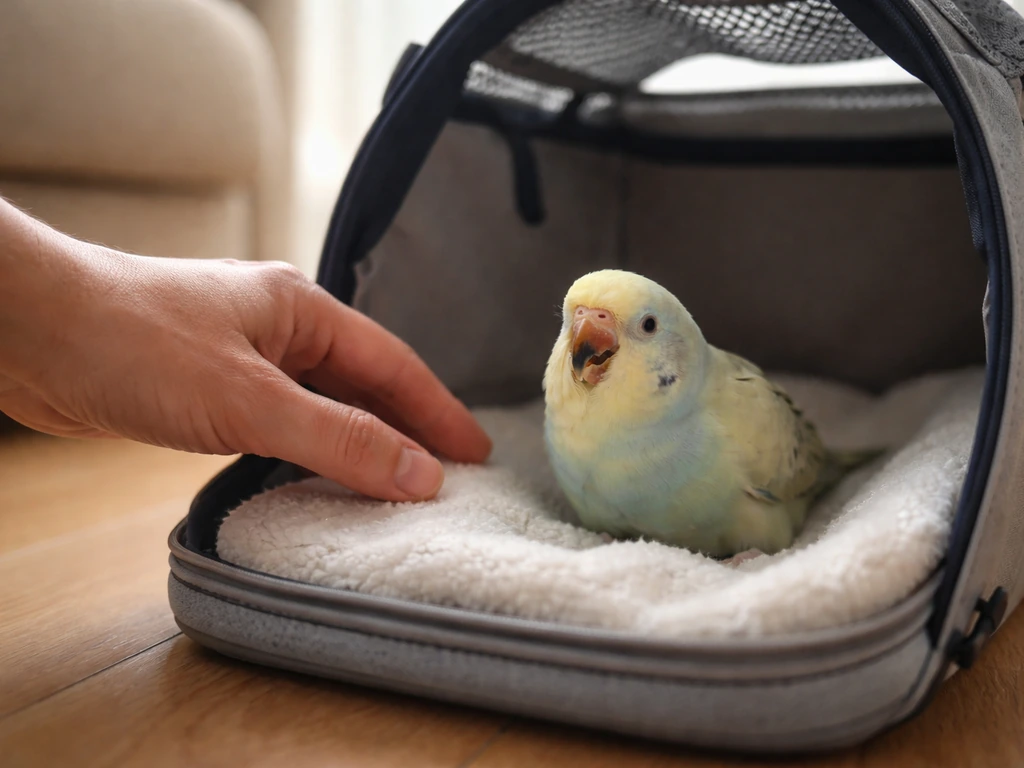
What 'gasping for air' actually looks like in birds
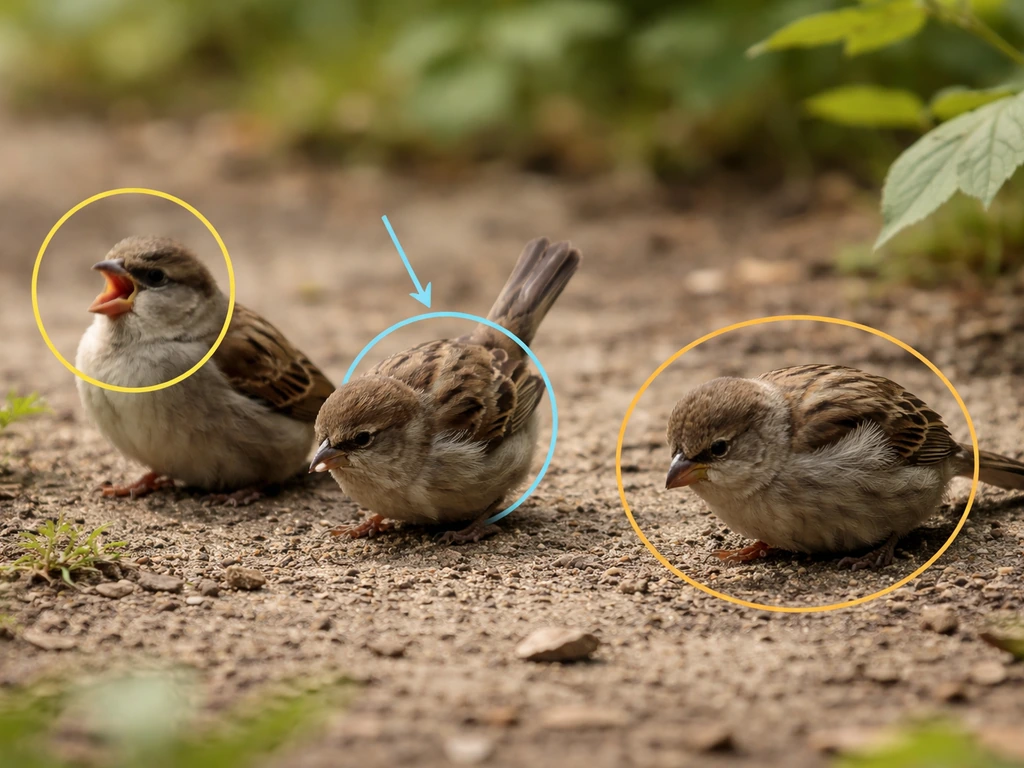
Birds hide illness well, so by the time gasping is obvious, something is already seriously wrong. Gasping in a bird isn't always the dramatic open-mouthed struggle you might picture. It can be subtle at first, and it shows up in a cluster of signs rather than one single symptom.
- Open-mouth breathing (beak parted with visible effort to pull air in)
- Tail bobbing: the tail pumps up and down with each breath, a classic sign that the bird is working hard to breathe
- Increased sternal (chest) motion, where you can visibly see the body heaving
- Fluffed-up feathers combined with a hunched, low posture
- Lethargy, weakness, or sitting on the cage floor instead of a perch
- Wheezing, clicking, rattling, or wet-sounding breathing
- Nasal or eye discharge
- Changes in voice or loss of normal vocalizations
- Bluish, grayish, or dark-colored beak or cere (these are late, severe warning signs)
The tail bob is one of the most reliable early clues. A healthy bird's tail stays mostly still at rest. When the tail pumps with each breath, the bird is recruiting extra muscles to move air, which means its normal breathing effort isn't cutting it. If you see that combined with open-mouth breathing or lethargy, treat it as an emergency. This overlaps with what you might read about in topics like heavy breathing or breathing with the mouth open, but gasping specifically suggests the bird is struggling to get enough air in, not just breathing differently.
When it's an emergency: don't wait on these signs
Some breathing changes in birds can wait a few hours for a vet appointment. Gasping cannot. These specific signs mean call an avian emergency vet right now, even if it's the middle of the night:
- Open-mouth breathing at rest (not after exercise or extreme heat)
- Visible tail bobbing with every single breath
- Blue, gray, or dark-colored beak, cere, or skin around the mouth (cyanosis)
- Bird is on the cage floor and can't perch or barely responds to you
- Sudden onset after any fume or smoke exposure, especially overheated nonstick cookware
- Labored breathing that is getting visibly worse over minutes
- Complete loss of interest in surroundings, drooping wings, or unable to hold head up
Color changes in the beak or cere, going blue, gray, or dark, are particularly serious. They indicate the bird's tissues aren't getting enough oxygen. At that point you are dealing with impending respiratory failure. Get to a vet immediately.
Common causes: respiratory infections, pneumonia, and wet breathing
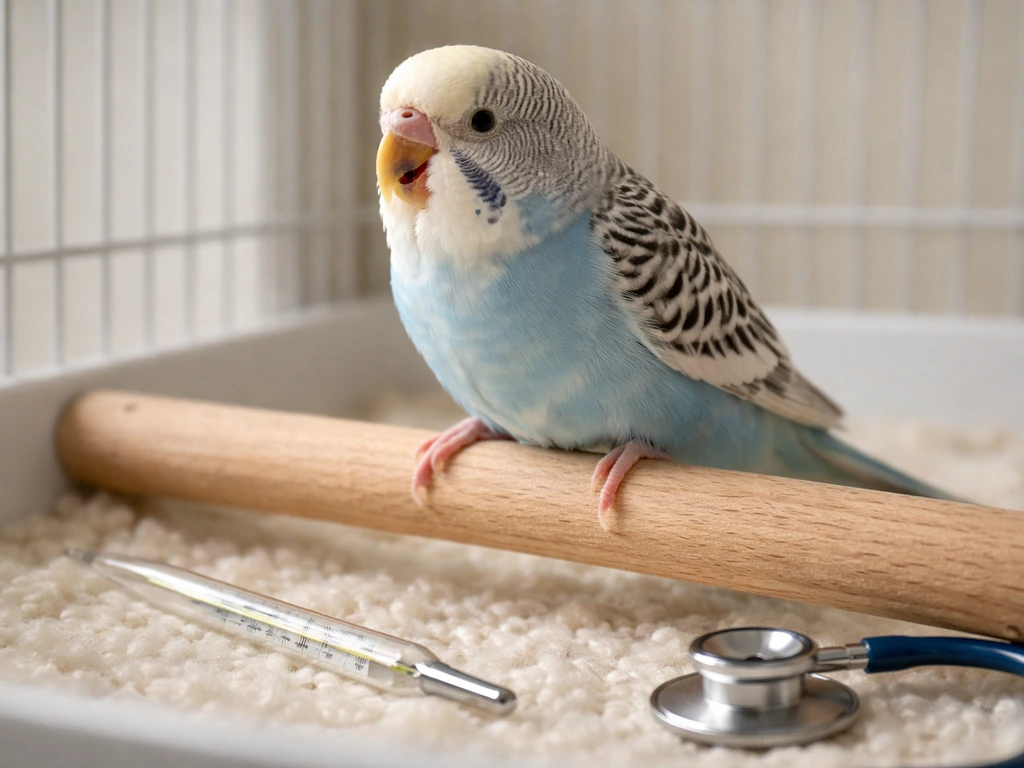
The most common cause of gasping in pet birds is a respiratory infection. Loud or abnormal breathing can happen for many different reasons, including infections, airway blockage, and environmental triggers, so it's important to narrow down the cause quickly. Birds can develop bacterial, viral, or fungal infections that affect any part of the airway, from the nasal passages and sinuses all the way down to the lungs and air sacs. Unlike mammal lungs, birds have a complex system of air sacs throughout their body, so infections can spread widely and affect breathing significantly.
Bacterial infections often cause wet, rattling, or clicking sounds with breathing. You might also notice nasal discharge, swollen sinuses, or crusting around the nostrils. Fungal infections (especially Aspergillosis, caused by Aspergillus mold) are common in birds and can cause slow-onset breathing trouble that owners sometimes miss at first because the bird hides it so well. Fungus often grows on old fecal material and wet or dirty bedding, which is one more reason why cage hygiene matters a lot for respiratory health.
Pneumonia in birds, whether bacterial or fungal, tends to show as labored breathing, lethargy, reduced appetite, and tail bobbing. Young birds and newly acquired birds are at higher risk. If your bird is newly purchased or recently introduced to a new environment, respiratory infection should be high on your list of concerns.
A blockage in the trachea (windpipe) can also cause gasping, including from pus, mucus, or a foreign object. Tracheal obstruction creates a sudden, severe breathing emergency where the bird can't move enough air no matter how hard it tries. This is one of the situations where getting to a vet fast is genuinely a matter of minutes.
Environmental triggers: fumes, smoke, dust, and heat
Birds have some of the most sensitive respiratory tracts of any pet animal. Things that barely register as an irritant to you can cause severe respiratory distress or even sudden death in a bird. If your bird started gasping around the same time something changed in its environment, environmental exposure is the first thing to rule out.
Overheated nonstick cookware (Teflon and other PTFE-coated pans) is one of the most dangerous and least understood household hazards for birds. When these pans overheat, they release invisible, odorless toxic vapors that can kill a bird in minutes. This is a true emergency: move the bird immediately to fresh air and call a vet.
Other environmental triggers include cooking smoke and fumes, carbon monoxide, aerosol sprays (air fresheners, perfumes, hair products, cleaning sprays), scented candles, incense, cigarette or vape smoke, paint fumes, pesticides, and gasoline. Even dirty air ducts can circulate enough particulate matter to trigger respiratory irritation in a bird. Importantly, respiratory damage from fume exposure sometimes isn't immediately obvious, the bird may seem okay at first and deteriorate over the next hour.
Overheating is another environmental cause. If a bird has been in direct sunlight, in a car, or in a hot room with no shade or water, heat stress can cause open-mouth breathing that looks a lot like respiratory distress. This is different from infection-based gasping but still requires urgent attention. Move the bird to a cooler space (not cold or air-conditioned directly blowing on it) and offer fresh water.
Dusty seed, dusty bedding like dry corn cob or certain wood shavings, and moldy cage substrate can all irritate the airways chronically or trigger acute flare-ups. If your bird's environment is dusty, that's worth addressing even if it isn't the sole cause of today's crisis.
Other causes that can look like breathing trouble
Not everything that looks like gasping is a primary lung problem. Several other conditions can mimic or contribute to what appears to be respiratory distress, and distinguishing between them matters for treatment.
Heart disease
Cardiac problems in birds can cause fluid buildup around the lungs or air sacs, which restricts breathing and causes labored, effortful respiration. It can be very hard to tell heart disease from lung disease without diagnostics. A bird with heart disease may show exercise intolerance, weakness, and breathing difficulty that's been gradually worsening rather than sudden onset.
Internal masses or organ enlargement
Tumors, cysts, or enlarged internal organs (like an enlarged liver or reproductive masses in female birds) can press on the air sacs and lungs from the inside, making it physically harder for the bird to breathe. This tends to show as gradually worsening breathing difficulty, often alongside a visibly enlarged abdomen or changes in droppings.
Pain and severe weakness
A bird in significant pain or that is severely ill from any cause may breathe rapidly or with effort. What does it mean when a bird is breathing fast? In many cases it is a sign the bird is struggling to get enough oxygen or is reacting to an illness or environmental trigger. It's not always the lungs themselves that are the problem. General illness, severe nutritional deficiency, or systemic infection can push a bird into a state where it simply doesn't have the energy to breathe normally. This is still an emergency, but the underlying cause needs a vet to sort out.
Heat stress
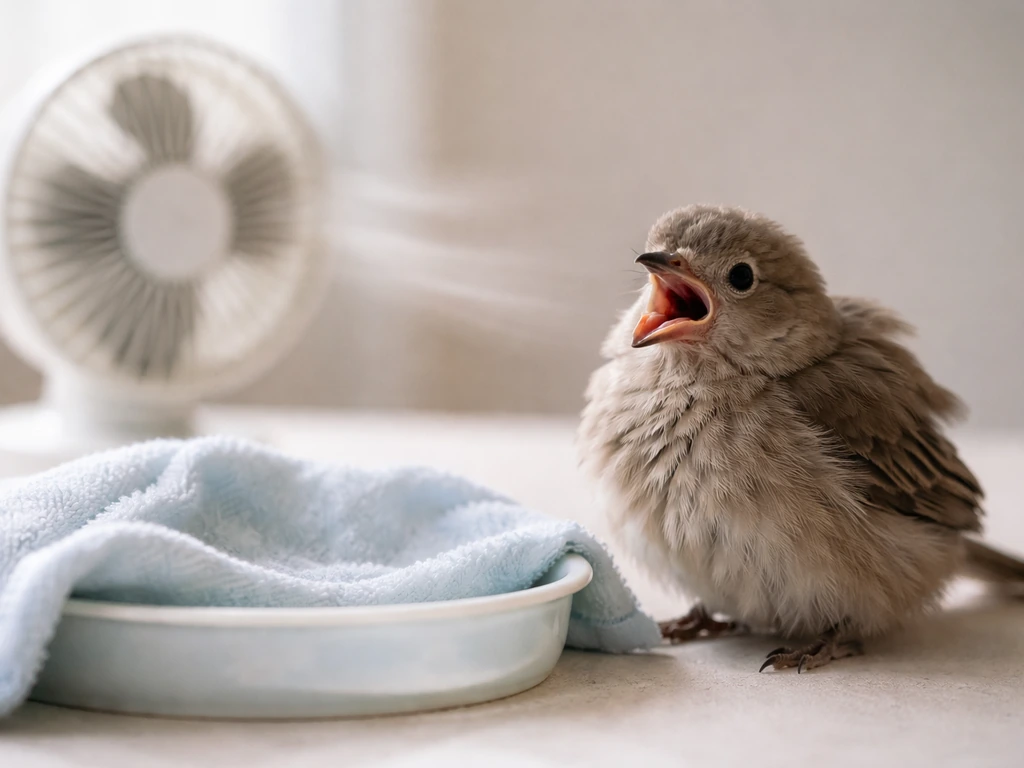
Heat stress deserves its own mention because it's genuinely different from respiratory infection but looks almost identical from the outside. A bird panting with its mouth open after being in a hot environment is a common pattern. Panting can also happen with overheating, but if the breathing looks like distress, treat it as an emergency and contact an avian vet right away panting with its mouth open. Related topics on panting and breathing fast in birds explore this distinction in more detail, but the short version is: if there's any chance the bird got too hot, cooling and hydration come first.
How to check your bird right now
Before you call the vet (or while you're on hold), do a quick structured observation. Don't handle the bird more than necessary, because restraint stresses a bird that's already struggling to breathe, and stress can make things rapidly worse. Observe from a short distance and note the following:
- Breathing rate: Count breaths for 15 seconds, then multiply by 4. A small bird (under 300 g, like a budgie or parrotlet) normally breathes 30 to 60 times per minute at rest. A larger bird (400 to 1,000 g, like an Amazon or cockatoo) is normally 15 to 30 times per minute. Significantly above these ranges at rest is abnormal.
- Breathing effort: Is the chest or tail moving visibly with each breath? Is the beak open? Can you hear the breathing from a foot or two away? These are all signs of increased effort.
- Posture: Is the bird sitting normally on a perch, or is it hunched, puffed up, sitting low, or on the cage floor? Floor-sitting in a bird that doesn't normally sit there is a major red flag.
- Discharge: Look for any moisture, crust, or discharge at the nostrils or around the eyes. Even slight crustiness around the nares can indicate upper respiratory disease.
- Color: Check the beak and cere (the fleshy area above the beak on species like budgies). Any blue, gray, or dark discoloration is a serious emergency sign.
- Response: Does the bird acknowledge you, turn its head, or react to sound and movement? A bird that barely responds or won't open its eyes is critically ill.
- Appetite and droppings: Has it eaten or drunk anything recently? Are droppings normal in color and consistency? Reduced or absent appetite alongside breathing trouble suggests systemic illness, not just a mild irritant.
- Environment check: Scan the room. Any cooking, cleaning, smoke, sprays, or fumes in the last hour? Is the room very warm? New cage items, new bedding, or new toys with dyes or coatings?
Write these observations down or keep them in mind. When you call the vet, this information helps them triage over the phone and tells them how urgently to fit you in.
What to do next: vet urgency, supportive care, and what to tell the vet
Step one: call the vet now
If your bird is showing any of the emergency signs listed above, don't wait for a regular appointment. Call an avian vet or the nearest emergency animal clinic right now. Not all emergency vets are comfortable with birds, so if you can, call ahead to confirm they have experience with avian patients. Keep the number for an avian specialist in your area saved in your phone before emergencies happen.
What to tell the vet
- Species, age, and weight if you know it
- Exactly what the breathing looks like: open mouth, tail bob, sounds, rate
- When it started and whether it came on suddenly or gradually
- Any recent environmental changes: new products used, cooking, smoke, aerosols
- Whether the bird has been eating and drinking
- Any other symptoms: discharge, weakness, posture changes, droppings changes
- Any recent changes in the bird's environment, diet, or new cage mates
Supportive care while you arrange help
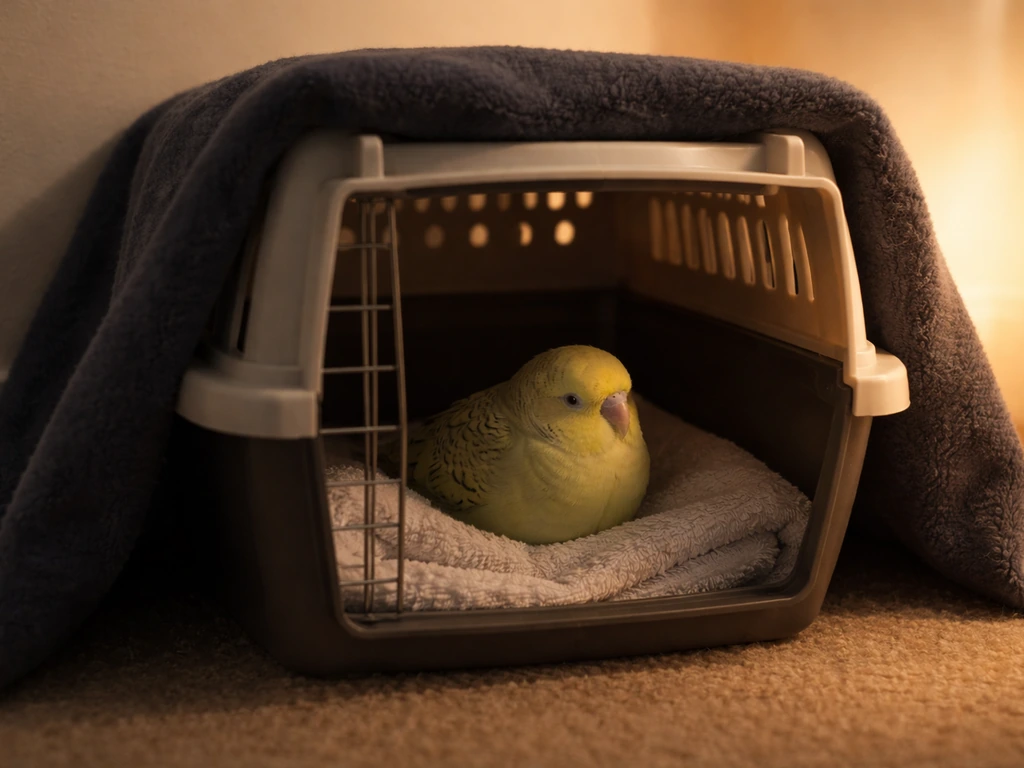
While you're waiting to get to the vet, there are a few things you can do safely at home to support your bird. The most important rule is to minimize stress and handling. A bird that's struggling to breathe can go downhill very fast if frightened or restrained.
- Keep the bird calm and warm: Move it to a quiet, dimly lit space away from household noise and activity. Warmth helps sick birds conserve energy, but don't overheat: a comfortable ambient temperature around 85 to 90 degrees Fahrenheit is often recommended for sick birds, but avoid direct heat sources on the bird itself.
- Remove any fume or irritant sources immediately: If there's any chance of environmental exposure, get the bird out of that room and into fresh air at once. Open windows and ventilate the space.
- Don't use aerosols, candles, sprays, or cook in the house until the bird is evaluated.
- Leave the bird in its carrier or cage: Don't take it out to examine it closely or comfort it by holding it unless absolutely necessary. Handling a dyspneic bird adds dangerous stress.
- Offer fresh water nearby but don't force it to drink.
- Watch and document: Keep an eye on breathing rate and effort every few minutes and note whether things are getting better, staying the same, or getting worse. This information is valuable for the vet.
What to expect at the vet
A good avian vet will likely place your bird in a warm, oxygen-enriched space first to stabilize it before doing much hands-on examination. Physical exams on a struggling bird are kept short because handling adds stress to a system that's already compromised. Diagnostics may include X-rays to check the lungs, air sacs, and internal organs; blood work like a complete blood count and chemistry panel; cultures or PCR swabs from the choana (a groove at the back of the mouth) or trachea to identify infection; and in some cases endoscopy to directly examine the airway. Pulse oximetry can also be used to assess how much oxygen the bird is actually getting. In addition, Merck Veterinary Manual notes that pulse oximetry and or arterial blood gas testing can help assess hypoxia and whether supplemental oxygen is needed in severe respiratory distress Pulse oximetry can also be used to assess how much oxygen the bird is actually getting..
Don't be surprised if the vet doesn't do everything at once. With a bird in respiratory distress, stabilization comes before diagnostics. The vet may give oxygen, warmth, and possibly an initial injectable treatment before running tests. That's appropriate medicine, not delay.
The bottom line: a bird gasping for air is not something to watch and wait on. You can do a quick environmental check and supportive care steps in the first five minutes, but getting to an avian vet within the hour is the most important thing you can do. If you are wondering why your bird is breathing heavily, the safest approach is to treat it as an emergency while you get an avian vet involved why is my bird breathing heavily. The faster the cause is identified, the better the outcome. Trust what you're seeing, and act on it.
FAQ
What should I do in the first 60 seconds if my bird is gasping for air?
Move the bird to the safest clean-air area you can immediately, away from any fumes, smoke, aerosols, or dusty surfaces. Keep handling to a minimum, dim lights if possible, and note whether breathing is open-mouth, tail-bobbing, wheezy, or discolored. Call an avian emergency clinic while you’re preparing to transport.
Can I use a nebulizer or saline mist at home if my bird is struggling to breathe?
Do not start nebulizing or misting unless your avian vet specifically directs it. Mist can worsen some airway problems, and it can also increase stress or spread irritants if the source is contaminated. Focus on clean, low-stimulation environment and get veterinary guidance right away.
Is it okay to put my bird in the bathroom steam if it seems like a respiratory problem?
Avoid DIY steam for gasping birds. Steam can overheat or irritate airways, and it may delay oxygen support or treatment. If heat or fume exposure is possible, prioritize cooling and fresh air, then go to an avian emergency vet.
How can I tell whether this is heat stress versus a lung infection?
Heat stress often follows a clear overheating event (hot room, direct sun, car ride) and may look like mouth-open panting with overall collapse or weakness. Infection can cause signs that persist or worsen even after removing irritants. In either case, because they can look similar and deteriorate quickly, treat it as an emergency and have an avian vet evaluate the bird.
My bird is gasping but not changing color, should I still treat it as urgent?
Yes. Color change is a late, serious sign, but a bird can be in dangerous respiratory distress before the beak or cere darkens or turns bluish. Tail-bobbing, open-mouth breathing, lethargy, and wheezing all warrant emergency care even if discoloration is not obvious.
Can anxiety or stress make a bird gasp for air?
Stress can increase breathing effort, but gasping with tail-bobbing, wheezing, clicking, or rapid deterioration is not something to attribute solely to nerves. The bird could be failing to oxygenate, so treat it as a medical emergency and minimize handling while you arrange transport.
What if I think my bird swallowed something, like food or bedding?
If you suspect aspiration or a tracheal blockage (sudden onset, choking-like behavior, persistent mouth breathing, trouble moving air), do not try home removal or forceful feeding or water. Keep the bird calm, transport promptly, and tell the clinic what was ingested and when.
My bird is gasping after a new scent, cleaner, or candle. Could it be poisoning even if it started mild?
Yes. Respiratory damage from irritants and fumes may not look catastrophic at first, then worsen over the next hour as tissues inflame or oxygen exchange drops. Remove the bird from the exposure immediately, ventilate the area, and contact an emergency avian vet.
What household items are safest to remove right now from the room while I wait?
Remove any aerosol products (air fresheners, perfumes, cleaning sprays), scented candles or incense, and anything producing smoke (cigarette or vape, cooking fumes). Also eliminate dusty bedding or seed that could keep irritating the airways, and avoid vacuuming or sweeping while the bird is in distress.
Should I offer food or water while the bird is gasping?
Do not force feeding or try to drip water into the beak. For some birds, swallowing is unsafe during severe breathing distress. If the vet advises supportive fluids or assisted feeding, follow their instructions, otherwise focus on keeping the bird calm for transport.
Is there a good way to transport a bird that’s gasping?
Use a secure carrier with minimal noise and no tight handling. Keep the bird warm but not overheated, and avoid direct drafts or hot conditions. Bring notes from your observation (timing, sounds, color, tail movement, possible exposures) so the clinic can triage immediately.
What diagnostics should I expect at an avian emergency clinic for gasping?
Common first steps include oxygen assessment, warmth, and short stabilization, then imaging such as X-rays to evaluate lungs and air sacs. Expect blood work (often a complete blood count and chemistry) and, when indicated, swabs for infection identification or airway visualization (endoscopy). Ask the clinic what they suspect first based on your timeline.