
Fast breathing in a pet bird can mean something as simple as excitement after flying across the room, or it can be a sign of a genuine respiratory emergency. The key is figuring out which one you're dealing with. A bird breathing fast right after exercise or handling may be totally normal. A bird breathing fast at rest, especially with tail bobbing, open-mouth breathing, or any audible sounds, needs your attention right now.
What Does It Mean When a Bird Is Breathing Fast?

Marcus Chen
25 Jun 2026
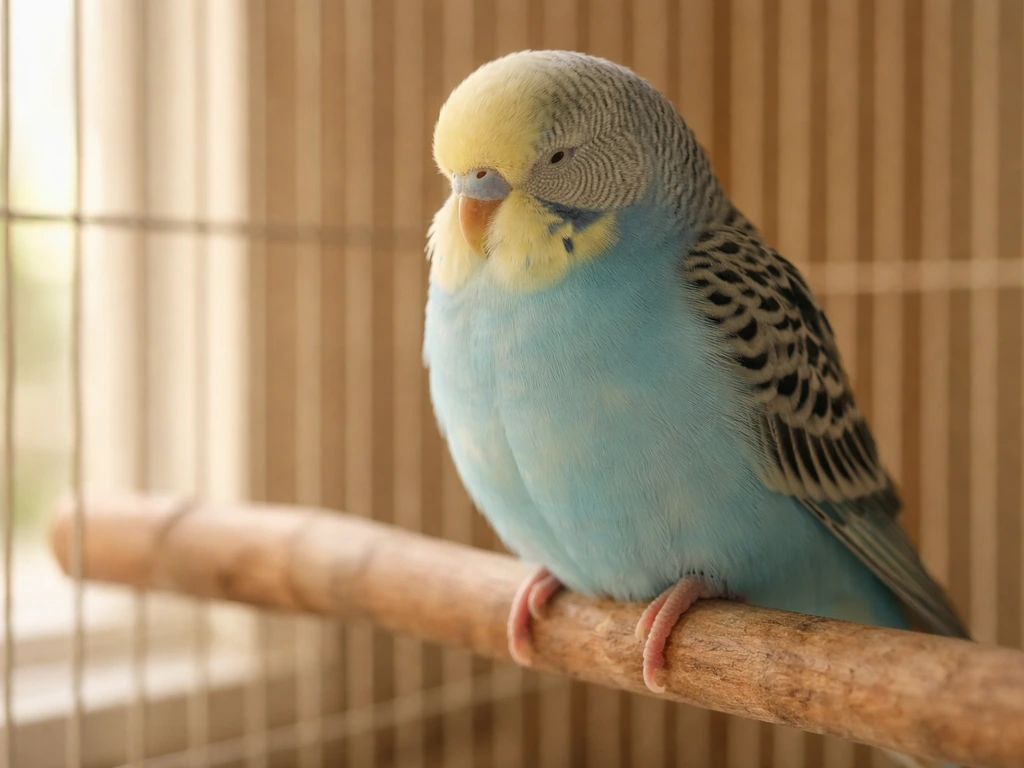
First, confirm it's actually fast breathing (and not just activity)
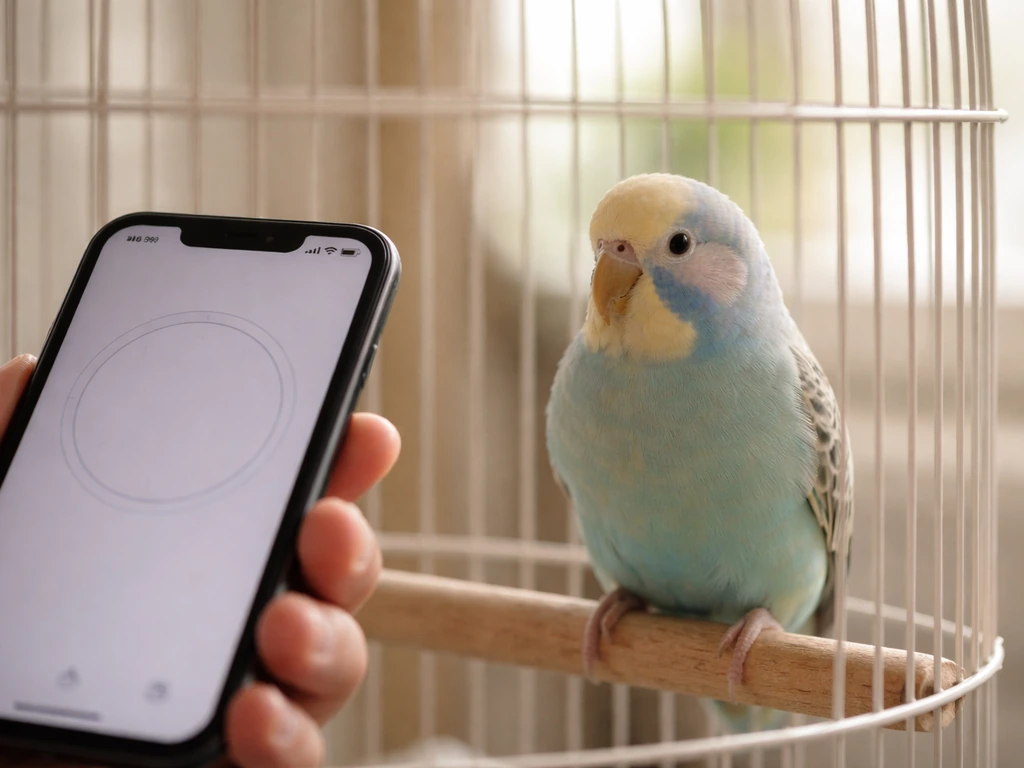
Before you worry, make sure you're measuring the right thing. Watch your bird for at least 2 to 3 minutes while it's sitting quietly and hasn't been recently disturbed. Count the number of full breath cycles (one inhale plus one exhale = one breath) in 30 seconds, then double it to get breaths per minute.
What's 'fast' depends on your bird's species and size. Smaller birds breathe faster by nature. Here are normal resting respiratory rates to use as your benchmark:
| Bird Type | Normal Resting Rate (breaths/min) |
|---|---|
| Canary | 60–80 |
| Lovebird | 50–60 |
| Cockatiel | 40–50 |
| Small birds under 300g (general) | 30–60 |
| Larger birds 400–1,000g (general) | 15–30 |
If your bird's count falls well above these ranges while it's resting and calm, that's meaningful. If you just chased it around the cage or it flew a few laps, give it 5 to 10 minutes to settle before you count again. Flying and excitement can temporarily drive respiratory rate up just like exercise does in any animal, and that's not a red flag by itself.
Signs that point to real breathing trouble
A fast breathing rate alone isn't always the most telling sign. What matters more is whether any of these other signs show up alongside it, especially at rest.
- Tail bobbing: the tail pumps up and down rhythmically with each breath, almost like it's helping push air in and out. This is a classic sign of respiratory effort and should not be dismissed.
- Open-mouth breathing at rest: a bird panting or holding its beak open while sitting still (not after exercise, not when hot) is a serious warning sign.
- Audible breathing: wheezing, clicking, squeaking, or rattling sounds when your bird inhales or exhales.
- Increased sternal (chest) movement: you can see the breast/keel area moving more than usual with each breath.
- Fluffed feathers combined with labored breathing: fluffing alone can mean many things, but paired with breathing changes it signals illness.
- Wing posture changes: wings held slightly away from the body can indicate overheating or respiratory effort.
- Discharge from nostrils or eyes: crusty or wet discharge around the nares or eyes alongside fast breathing suggests infection.
- Bluish, grayish, or darkened coloring around the beak or cere: this is called cyanosis and means the bird isn't getting enough oxygen.
One note on tail bobbing: some owners confuse normal balance adjustments or perch-gripping tail movements with respiratory tail bobbing. The respiratory kind is steady, rhythmic, and timed with every breath. If you're unsure, watch for a full minute and see if the pattern locks in with the breathing cycle.
What causes fast breathing in pet birds
There's a wide range of causes, from benign to serious. If your bird is gasping for air, that symptom can signal a serious respiratory problem and needs urgent veterinary guidance wide range of causes. Working through them helps you figure out how urgent your situation is.
Normal and low-concern causes
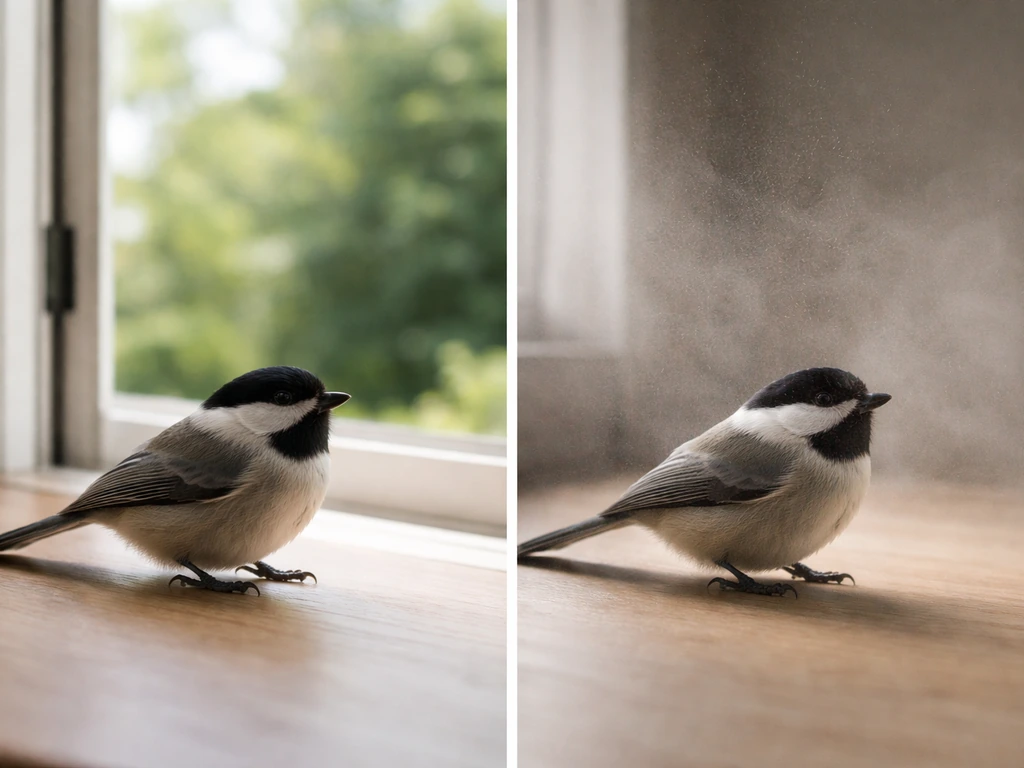
- Recent exercise or flight: breathing rate spikes after activity and should return to normal within a few minutes of rest.
- Excitement or stress from handling: being picked up, seeing a new person, or a sudden loud noise can temporarily elevate breathing. It should settle quickly.
- Mild heat: birds don't sweat, so they pant to cool down. If your bird is warm and breathing fast with slightly flattened feathers, move it somewhere cooler and see if it resolves.
Health-related and urgent causes
- Respiratory infection (bacterial, viral, or fungal): infections like aspergillosis (a fungal disease) or bacterial pneumonia can develop quickly, especially in birds that are stressed or immune-compromised. Vitamin A deficiency is a known predisposing factor for chronic respiratory defense failure.
- Air sac mites: common in finches and canaries, these parasites live in the airways and air sacs, causing clicking or wheezing sounds, open-mouth breathing, and tail bobbing. Severe infestations can be fatal.
- Airway or heart problems: fluid buildup around the heart or lungs, tumors, or structural airway issues can all cause fast, labored breathing that doesn't go away.
- Overheating: hot feet, hot beak, and panting together are an emergency. Birds can go downhill fast when overheated.
- Toxin or irritant exposure: birds have extremely sensitive respiratory systems. Cooking fumes (especially from overheated non-stick cookware containing PTFE), aerosol sprays, scented candles, essential oils, cigarette smoke, and cleaning products can all cause immediate and severe respiratory distress.
- Severe pain or internal injury: pain from any source can cause fast, shallow breathing as the body responds to distress.
- Extreme fear or psychological stress: prolonged or severe stress can cause tachypnea, though this usually resolves once the stressor is removed.
Quick checks you can do right now at home
Don't pick your bird up yet. Handling a bird in respiratory distress adds stress and can make things worse fast. Observe from a short distance first and work through these checks.
- Count the breathing rate: use the method above (count for 30 seconds, double it) while the bird is calm and at rest.
- Check for tail bobbing: watch for a steady pump with each breath.
- Listen for sounds: move close without disturbing your bird and listen for clicks, wheezes, or rattling.
- Look at the beak: is it open at rest? Is the area around the beak or cere bluish or darker than normal?
- Check the feathers and posture: is your bird fluffed up, hunched, or sitting low on the perch?
- Look at the eyes and nostrils: any wetness, discharge, or crustiness?
- Check the temperature of the room: is it unusually hot? Is your bird near a heat source?
- Think about recent exposures: did you cook with non-stick pans, use a spray cleaner, burn a candle, or apply any aerosol product nearby recently?
- Check the droppings: watery or discolored droppings alongside breathing changes can indicate systemic illness.
- Assess appetite and energy: has your bird eaten today? Is it responsive and alert, or sitting quietly with eyes partially closed?
Run through these checks and write down what you observe. If you're calling a vet, this list will help you describe what's happening clearly and quickly. If your bird’s breathing looks more labored or involves mouth-open gasping, that can be another sign of respiratory distress and a reason to consider what to do while you wait for a vet.
Red flags: when to call an avian vet immediately
Some situations cannot wait for a regular appointment. If you see any of the following, contact an avian vet or emergency animal clinic right away. If your bird is breathing loudly, that can be an immediate reason to contact an avian vet or emergency animal clinic right away. Birds hide illness well and can decline very fast once symptoms are visible.
- Open-mouth breathing at rest (not after exercise, not in obvious heat)
- Tail bobbing with every breath while the bird is sitting still
- Audible clicking, wheezing, or rattling sounds when breathing
- Bluish, grayish, or dark discoloration around the beak, cere, or mucous membranes
- Gasping or labored breathing with visible chest heaving
- Collapse, inability to perch, or extreme weakness
- Fast breathing combined with complete loss of appetite, lethargy, or closed eyes during the day
- Any sign of breathing difficulty after known or suspected toxin exposure (non-stick fumes, sprays, smoke)
- Discharge from the nostrils or eyes combined with labored breathing
- Overheating signs: hot beak, hot feet, panting, wings held out, looking agitated
These signs often overlap with topics like heavy breathing, panting, mouth-open breathing, or gasping, and any of them in combination should be treated as urgent. Panting, especially when your bird is at rest or mouth-open, can be a sign of breathing trouble that deserves prompt attention. Don't wait to see if it improves on its own.
What to do while you wait for a vet
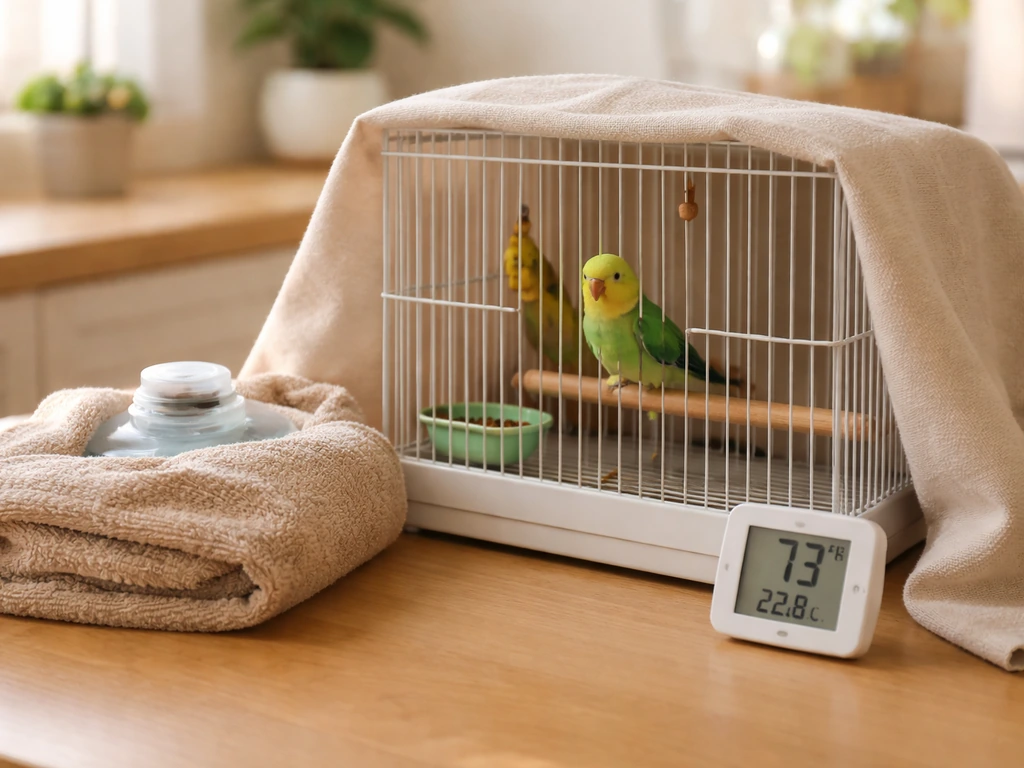
If you've determined your bird needs veterinary care, there are safe steps you can take right now to support it before you get there. These are not treatments, but they can reduce the bird's stress and keep it more stable. Supportive-care handouts for ill or injured captive birds also recommend providing a blank" rel="noopener noreferrer">heated enclosure with temperature at least 85°F, along with appropriate hydration and nutrition, to help stabilize the bird before veterinary care is available.
- Keep the bird warm but not hot: a sick bird losing energy needs a warm environment. Aim for around 85°F (29°C) if possible. You can place one side of the cage near a low-heat source so the bird can move away if it gets too warm. If the issue is overheating, move the bird to a cooler (not cold) area and offer fresh water instead.
- Minimize stress and handling: put the cage in a quiet, dimly lit spot. Reduce noise, foot traffic, and interaction. Restraint adds stress and can worsen a bird's breathing.
- Improve air quality immediately: if there are any airborne irritants in the space (cooking fumes, candles, sprays, incense, cigarette smoke), remove the bird or ventilate the area right away. Fresh, clean air is critical.
- Add gentle humidity if appropriate: a cool-mist humidifier in the room (not blowing directly at the bird) can help ease dry airway irritation. Use only clean, distilled water to avoid dispersing minerals or microorganisms. Do not use essential oils or scented additives.
- Do not use home remedies: do not give your bird any medications, oils, or supplements not prescribed by a vet. Essential oils are toxic to birds. Over-the-counter products intended for humans or other animals are not safe.
- Keep the bird's food and water accessible and nearby: a sick bird may not move far to reach resources. Lower perches or place food/water on the cage floor if needed.
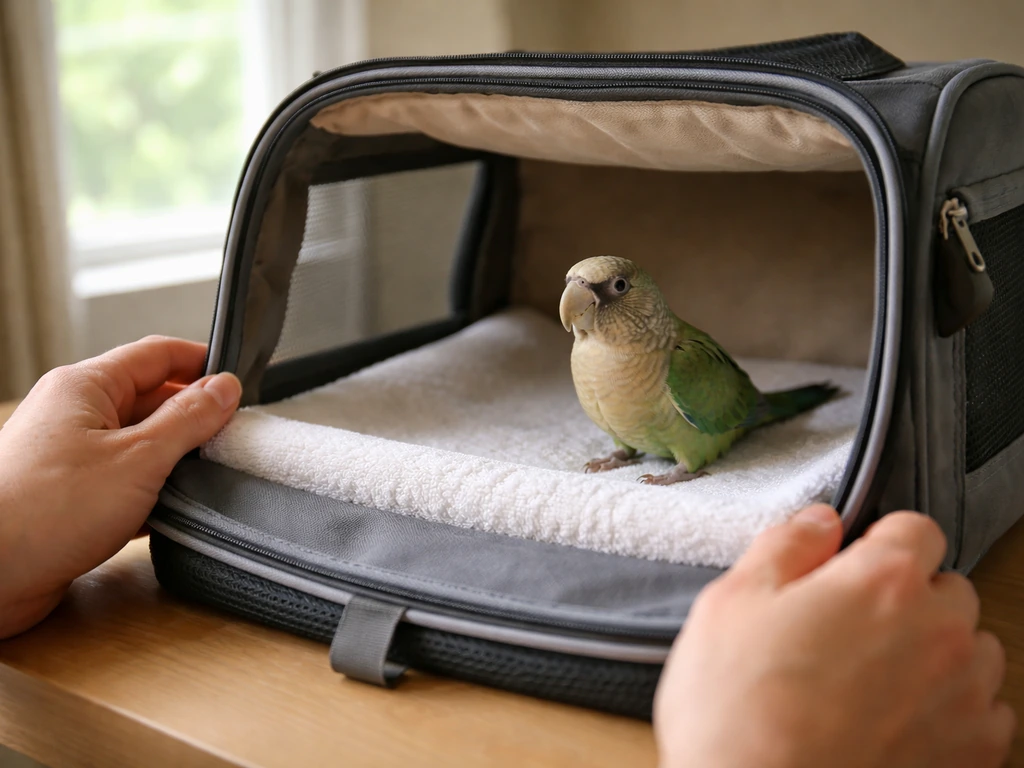
- Transport safely: use a small, secure carrier. Cover it partially with a light cloth to reduce visual stress during travel, but make sure there's airflow.
How to prevent breathing problems in the future
Many respiratory problems in pet birds are preventable with consistent, thoughtful husbandry. Here's what makes the biggest difference. The US EPA notes that humidifier misuse or poor maintenance can disperse microorganisms and minerals into the air, so using and caring for humidifiers properly can help reduce potential health risks Use and Care of Home Humidifiers.
Control the environment
Keep your bird's space at a stable, comfortable temperature and away from drafts. Avoid placing cages in kitchens where cooking fumes, including overheated non-stick cookware, pose a real and serious danger. Birds are far more sensitive to airborne toxins than humans are, and what seems like a faint smell to you can be lethal to them.
Maintain indoor humidity in a reasonable range (around 40 to 60 percent is generally comfortable for most pet birds). Extremely dry air can irritate airways and reduce the respiratory system's natural defenses.
Clean air is non-negotiable
Avoid aerosol sprays, scented candles, air fresheners, essential oil diffusers, incense, and cigarette smoke anywhere near your bird. Use bird-safe cleaning products and rinse surfaces thoroughly before your bird has contact. When you vacuum or do dusty cleaning near the cage, move the bird temporarily or ventilate well.
Support the immune system through diet
A diet heavy in seeds and low in variety is a risk factor for respiratory disease because it often leads to vitamin A deficiency, which weakens the respiratory tract's lining and makes birds more vulnerable to fungal and bacterial infections. Offering fresh vegetables (especially dark leafy greens and orange/yellow vegetables), quality pellets, and a varied diet strengthens your bird's defenses.
Quarantine new birds
Any new bird coming into your home should be quarantined for at least 30 days in a separate room before being introduced near other birds. Many respiratory diseases are contagious, and a bird can carry an infection without looking sick until it's stressed.
Schedule regular vet check-ups
Annual wellness exams with an avian vet catch problems early, before they become emergencies. Birds are prey animals and instinctively hide illness, so by the time you're seeing obvious breathing symptoms, the condition may already be progressed. A vet who knows your bird's baseline makes an enormous difference when something changes.
FAQ
How can I tell if my bird is just excited versus actually in respiratory distress?
Measure and count full breath cycles while your bird is calm and not just after you interact with it. If the breathing is mouth-open, accompanied by tail bobbing, or you hear whistling, squeaking, or crackling at rest, treat it as more urgent than a fast rate alone.
Is it okay to steam the room or bathe my bird if it is breathing fast?
If your bird has trouble breathing, avoid giving baths, steaming the room, or using home nebulizers unless your avian vet instructs it. Warm moisture can help some situations, but it can also worsen irritation or trap irritants if the cause is infection, toxin exposure, or another emergency.
What should I do if fast breathing keeps happening but only for short periods?
A single counting session can be misleading if your bird is settling from activity, so recheck after 5 to 10 minutes of quiet time. If you see repeated high counts at rest over the next hour, or symptoms like open-mouth breathing appear, contact an avian vet sooner rather than waiting for “normal” to return.
Should I pick up or move my bird to check its breathing?
If your bird is still in the cage, don’t move it more than necessary, and try to avoid letting it hear loud voices, get chased, or struggle on your hands. Keep the environment dim and calm, because stress can amplify breathing rate and make an evolving problem harder to assess.
Why doesn’t my measurement seem accurate, and how do I count correctly?
Use “at rest” benchmarks, not after exercise. Also avoid counting while your bird is actively calling, eating excitedly, or shifting perches, since those behaviors can change the breathing pattern temporarily.
How do I confirm whether tail bobbing is respiratory tail bobbing?
Tail bobbing can be tricky, some normal balance shifts look similar. The respiratory version is steady and synchronized with every breath cycle for at least several dozen breaths. If the timing does not match the breathing, it may be posture rather than breathing trouble.
Do I need a specific breaths-per-minute rate, or are symptoms enough to seek help?
Yes. Even if you have no “number” to compare, audible breathing sounds, mouth-open gasping, or breathing loudly at rest are strong red flags that justify urgent avian care.
How long is it reasonable to wait before contacting a vet?
A “wait and see” approach is risky for birds because they can deteriorate quickly once symptoms become visible. If your bird is breathing fast at rest and the pattern is getting worse, or you see any emergency signs, contact an avian vet or emergency clinic immediately.
Could something in my home cause this, and what should I change immediately?
If you suspect an airborne irritant, stop exposure right away (move the bird away from the area, increase ventilation if it is safe, and avoid fans that blow fumes toward the cage). Do not try to neutralize odors with sprays or essential oils, these can create additional airway irritation.
If I have multiple birds, should I isolate them if one is breathing fast?
If you have more than one bird, separate them to reduce stress and to observe who is affected, but do not delay care for the one with symptoms. Contagious respiratory illness can spread, so isolate and sanitize hands and clothing between birds.
What details should I note before calling the vet?
For emergency triage, write down when symptoms started, what the bird was doing right before (if anything), whether breathing is at rest, whether the mouth is open, and any sounds you notice. This helps a vet decide urgency and likely next steps faster.
What is the safest thing I can do while waiting for an avian vet?
If symptoms are significant, keep your bird in a stable, comfortable temperature, away from drafts, and provide quiet observation rather than stimulating activity. The goal is to reduce stress while you get veterinary guidance.