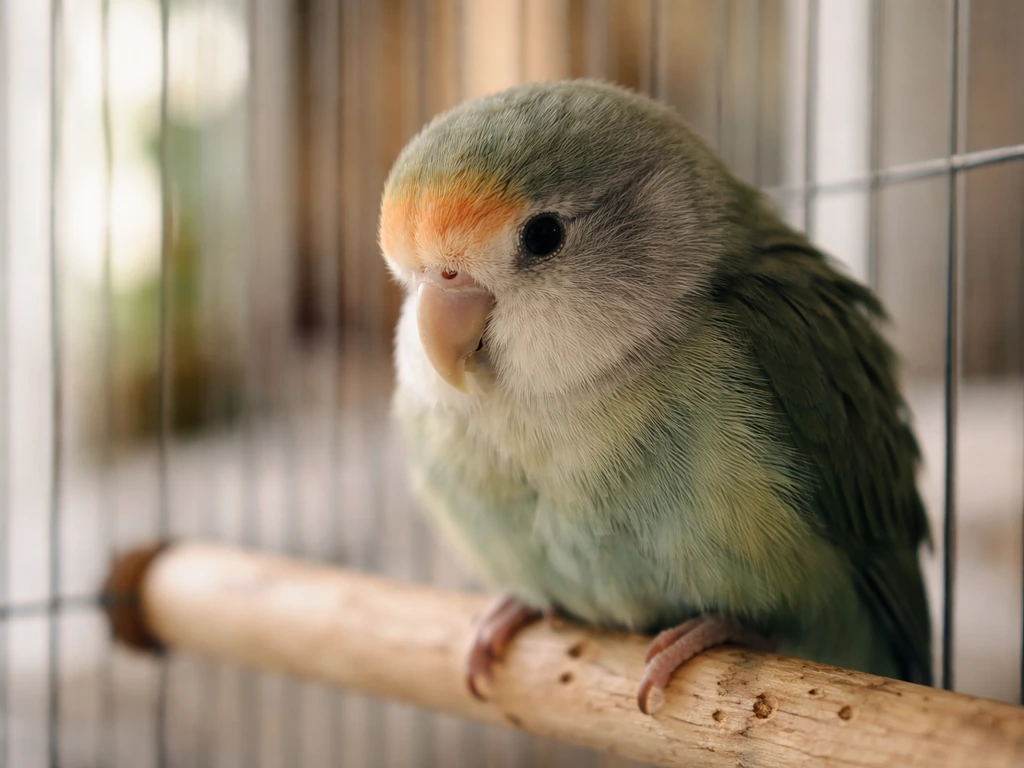
If your bird is panting right now, here is the short answer: panting in pet birds is sometimes a normal response to heat or excitement, but it can also be an early sign of respiratory distress. If you want to interpret faster breathing in the moment, read more about what it means when a bird is breathing fast what does it mean when a bird is breathing fast. Your job in the next few minutes is to figure out which one you are dealing with. This guide walks you through that process step by step.
Why Is My Bird Panting? Causes, Checks, and What to Do Now

Marcus Chen
21 Apr 2026
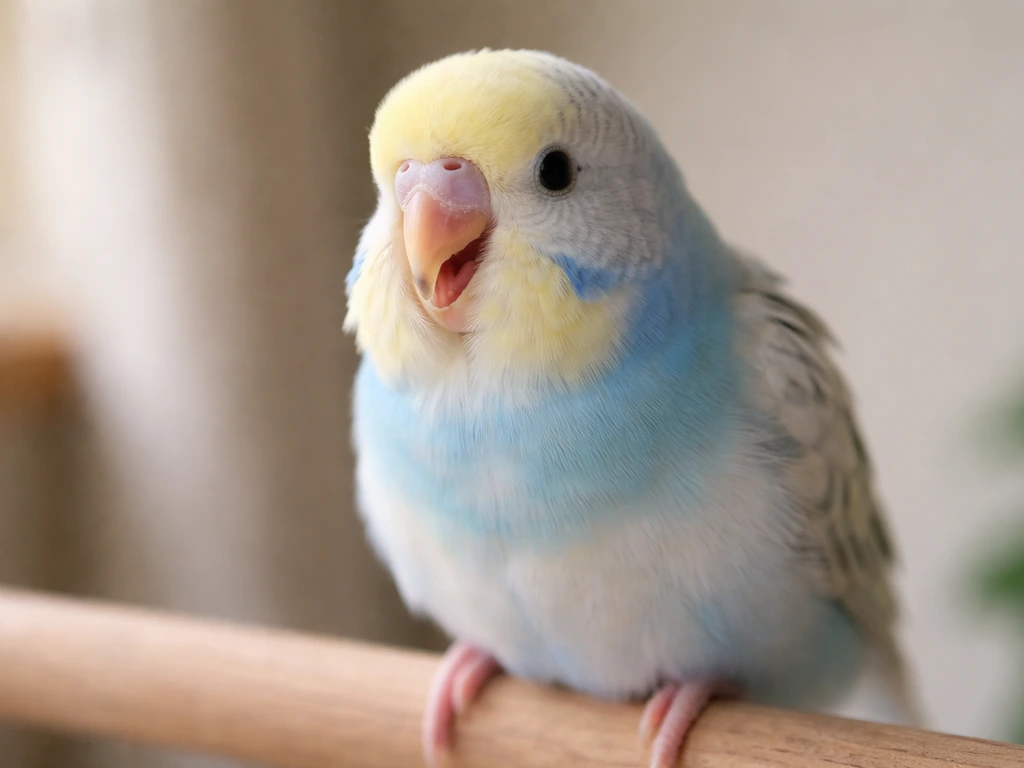
Quick check: what "panting" actually means in birds
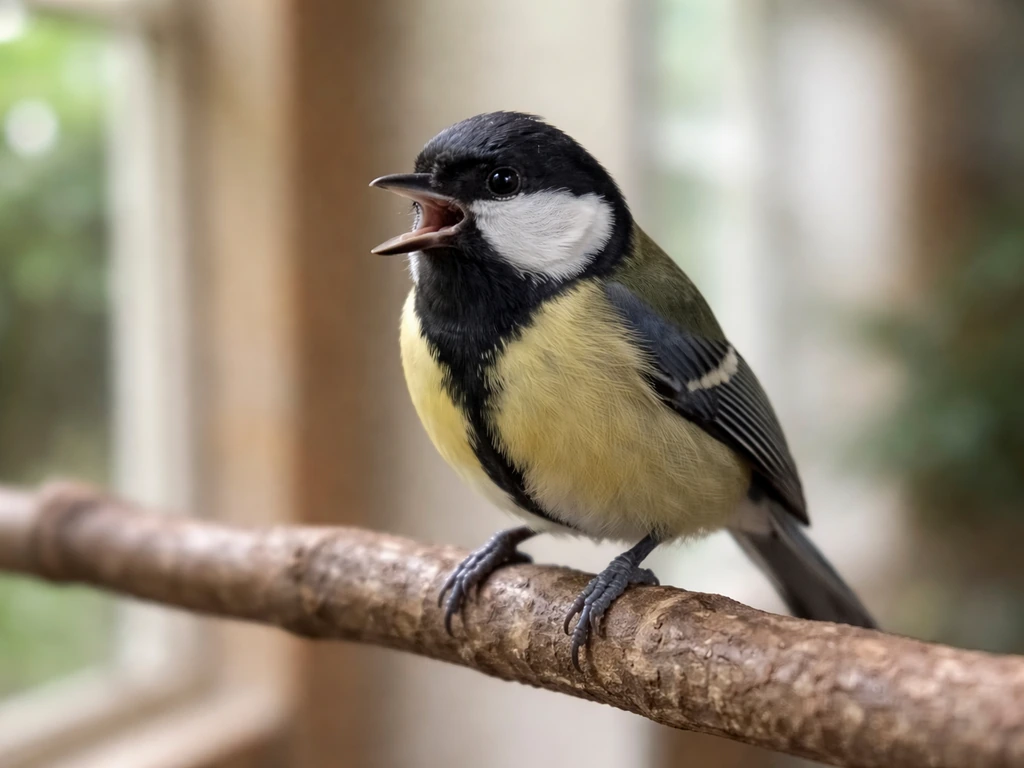
Birds do not sweat. When they get too warm or are under stress, they cool themselves by breathing rapidly with the beak open, similar to how a dog pants. That rapid, shallow, open-beak breathing is what most bird owners describe as panting. It is the bird's built-in cooling system, and at low intensity it is not automatically dangerous.
That said, open-mouth breathing in a bird that is resting in a comfortable-temperature room is never truly normal. Once a bird has settled down and the environment is fine, there should be no open-mouthed breathing, no obvious effort with each breath, and no audible respiratory noise. So if your bird is panting and you cannot immediately point to a clear cause like "the room is 85°F" or "I just scared it," you need to pay close attention.
Panting also overlaps closely with related breathing concerns. If what you are seeing looks more like labored heaving, gasping, or very loud breathing, those topics are worth reading about separately, as they can point to different levels of urgency.
Top causes of panting in pet birds
Heat and humidity
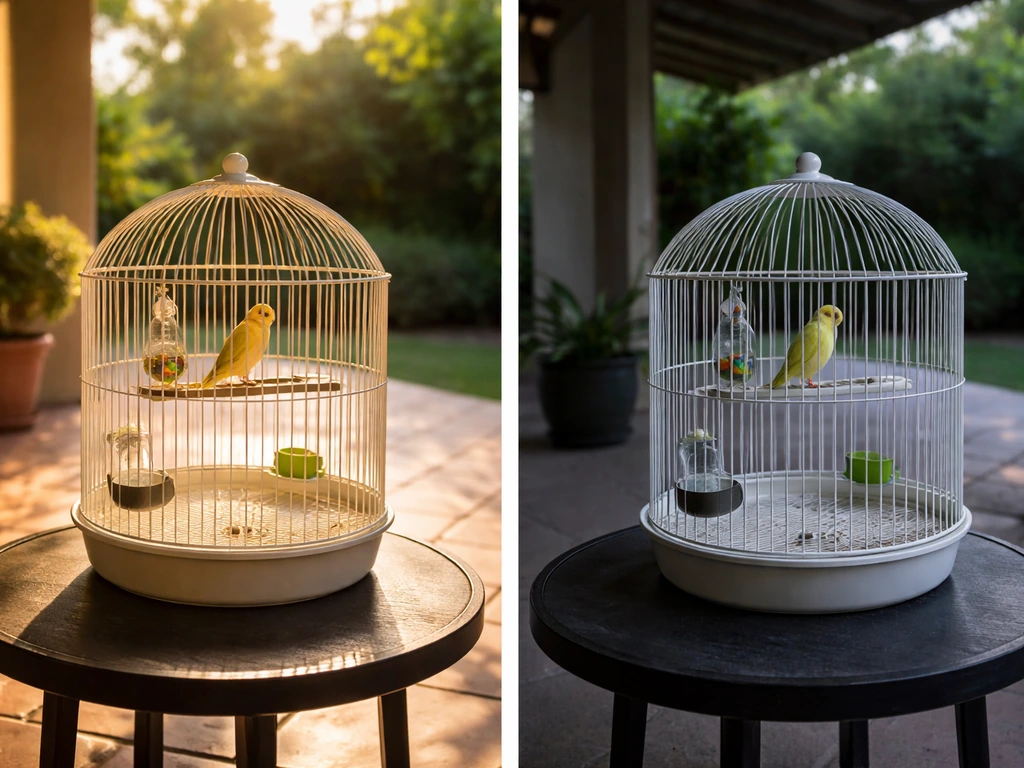
This is the most common cause, and it is the one easiest to rule in or out. As air temperature climbs toward around 85°F, birds shift into panting mode to try to cool down through evaporative cooling. High humidity makes this worse because moisture-laden air reduces how effective panting actually is, which means a bird can become heat-stressed faster in a humid room than in a dry one at the same temperature.
Direct sunlight hitting the cage is a sneaky culprit. The cage may be in a room that feels comfortable to you, but if the sun is shining directly on it for part of the day, the temperature inside that cage can get significantly higher than the room temperature. Poor airflow compounds the problem.
Stress and excitement
Birds pant after a fright, during handling, when new pets or people are nearby, or even after intense play. This kind of panting typically starts right after the trigger, is short-lived (usually stops within a few minutes of the bird calming down), and comes with other excitement or stress signals like pin feathers raised, wide eyes, or vocalizing. If the panting resolves quickly once the bird is calm and back in a quiet, cool space, stress is likely the explanation.
Respiratory illness or distress
This is the cause that cannot be ignored. Respiratory disease in birds can look a lot like heat panting at first glance, but the context and accompanying signs are different. If you are seeing heavy breathing instead of simple heat panting, that can signal respiratory distress, and it is worth working through what might be causing it why is my bird breathing heavily.
Heavy breathing can be harder to distinguish from simple heat panting, and if you are noticing gasping-like symptoms, it helps to also review why is my bird gasping for air. Infections, airway obstructions, toxin exposure (like Teflon fumes, candles, or aerosols), and other illnesses can all cause open-mouth breathing and rapid respiration.
Cornell notes that PTFE (Teflon) toxicosis in ducks has been linked to clinical signs such as respiratory distress, neurological signs, and death based on reported necropsy cases toxin exposure (like Teflon fumes.
The key difference is that this kind of panting does not go away when you cool the bird or remove the stressor, and it usually comes with other symptoms covered in the next section.
Other symptoms that change everything
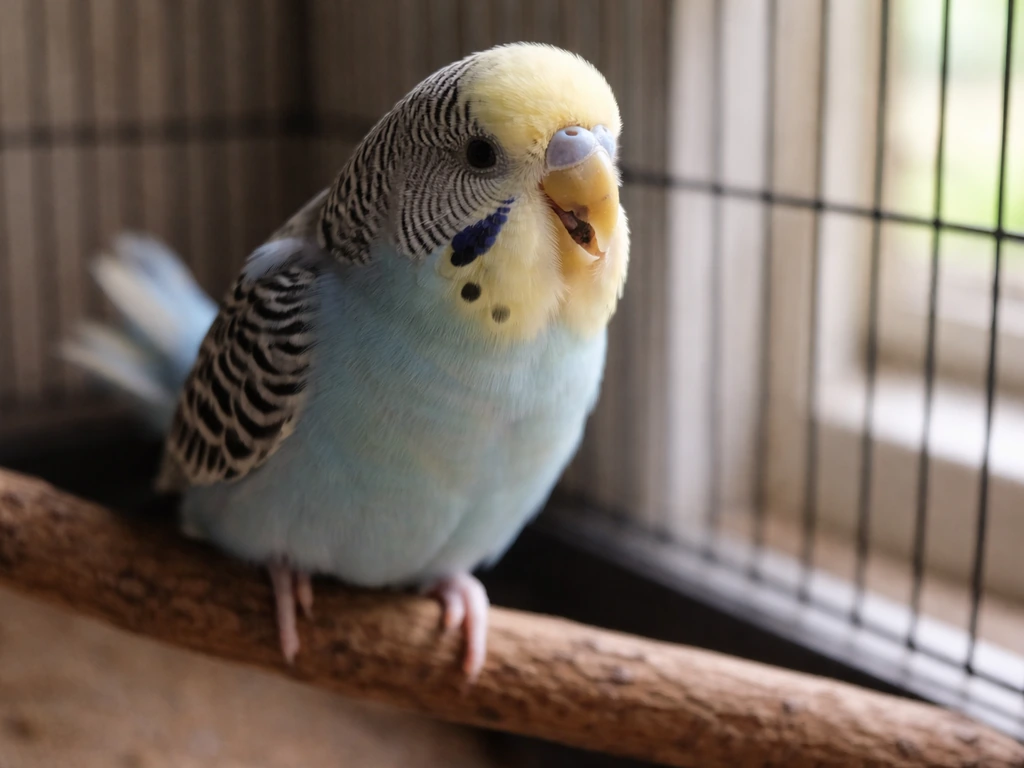
Use this checklist alongside the panting. The more of these you check off, the more seriously you need to take what you are seeing.
- Tail bobbing: the tail moves visibly up and down with each breath. This is one of the clearest early warning signs that a bird is working hard to breathe and is a consistent indicator of respiratory distress.
- Open-mouth breathing at rest or in a cool room: if the beak is open and the bird is not hot or freshly stressed, something is wrong.
- Audible breathing: wheezing, clicking, rattling, or any sound with each breath points to a problem in the airway.
- Lethargy or unusual stillness: a bird that is puffed up, sitting low on the perch, or not reacting normally to you is telling you it does not feel well.
- Fluffed feathers combined with panting: fluffing usually signals a bird is cold or sick. Panting plus fluffed feathers together is a concerning combination.
- Wings held away from the body: birds standing with legs slightly spread and wings drooped while panting are showing classic signs of heat stress or severe oxygen deprivation.
- Discharge from the nostrils or eyes: any wetness, crustiness, or swelling around the beak, nares, or eyes alongside breathing changes points to infection.
- Appetite or droppings change: not eating, not drinking, or abnormal droppings paired with panting suggests systemic illness.
- Color changes around the beak or skin: any bluish or pale discoloration is a sign of poor oxygenation and is a veterinary emergency.
If panting is the only symptom and you can link it to heat or a stressful event, you are probably dealing with something manageable at home. If two or more of the above symptoms are present alongside the panting, that changes the urgency significantly.
What to do right now at home
If you think it is heat
- Move the cage immediately to a cooler, shaded, well-ventilated area or into an air-conditioned room. Do not leave the cage in direct sun.
- Check the room temperature. If it is at or above 85°F, cooling the environment is the priority.
- Offer fresh cool (not cold) water in the water dish. Do not force your bird to drink.
- If your bird tolerates misting, lightly mist with room-temperature water. Never use cold or ice water, as a sudden temperature shock can cause additional stress. Do not mist a bird that appears ill or is already shivering.
- You can place wet cotton balls gently under each wing where the wing web meets the body to help with cooling, but do this calmly and with minimal handling.
- Watch for improvement over the next 10 to 15 minutes. A heat-stressed bird that is moved to a cool environment should calm down and stop panting relatively quickly.
If you think it is stress
- Remove whatever triggered the stress if possible (a pet, a loud noise source, an unfamiliar person).
- Cover part of the cage to give the bird a sense of security.
- Keep the room quiet and dim. Let the bird settle without interference.
- Monitor from a distance. Do not handle the bird or try to comfort it by picking it up, as handling can increase stress further.
- Give it 10 to 15 minutes. If breathing normalizes and the bird returns to its usual posture and alertness, stress was likely the cause.
What to avoid no matter what
- Do not use cold water or ice, either in a bath or for misting.
- Do not force food or water into the beak.
- Do not give human medications or over-the-counter remedies.
- Do not use essential oils, diffusers, scented candles, or any inhalant near the bird. Birds are extremely sensitive to airborne chemicals and what seems harmless to you can cause respiratory damage in a bird.
- Do not apply ointments, oils, or any substance to the bird.
- Do not chase or over-handle the bird while it is already stressed or panting.
- Do not delay calling a vet if symptoms are not improving or if additional red flags appear.
When to contact an avian vet urgently
Some situations need a vet the same day or sooner. Birds hide illness well, so by the time symptoms are visible, the situation can be more advanced than it looks. Do not wait for things to get worse before you call.
Call an avian vet today if you see any of the following:
- Panting that does not stop after cooling the environment and reducing stress
- Tail bobbing with every breath
- Any audible breathing sound (wheezing, clicking, rattling)
- Open-mouth breathing in a bird that is resting in a comfortable-temperature room
- Lethargy, fluffed feathers, or the bird sitting on the cage floor
- Nasal or eye discharge alongside breathing changes
- Bluish, pale, or abnormal skin color around the beak or face
- The bird is not eating or drinking
- The bird cannot perch or is falling off its perch
- You know or suspect the bird was exposed to fumes (Teflon cookware overheated, scented candles, air fresheners, smoke, cleaning products)
Respiratory distress in birds can deteriorate fast. Birds that are unable to perch, refusing food and water, or showing obvious labored breathing need to be seen immediately, not just same-day. Look for signs like labored or open-mouth breathing and tail bobbing, which VCA Animal Hospitals lists as indicators of illness in pet birds. If you are uncertain, call your avian vet and describe exactly what you see. They can help you gauge urgency over the phone.
How to prevent panting in the future
Cage placement and temperature
Where you put the cage matters more than most people realize. Keep it out of direct sunlight at any time of day, since sun angles shift throughout the year. Avoid placing it near heating vents, radiators, or appliances that generate heat. Most pet birds do well in rooms kept between roughly 65°F and 80°F. Avoid letting the room temperature climb toward 85°F, which is when panting begins as a heat-coping response.
Humidity
Aim to keep indoor humidity around 40 to 55 percent. Staying in that range supports comfortable breathing and prevents the high humidity that makes panting less effective as a cooling method. A practical target is around 55 percent. Keep in mind that above 60 percent, mold starts to grow, which creates its own respiratory hazard. A basic digital hygrometer (available cheaply at most hardware stores) tells you exactly where your room is.
Air quality
Birds have highly efficient respiratory systems that make them especially vulnerable to airborne irritants. Do not cook with non-stick Teflon-coated cookware in a poorly ventilated kitchen near your bird. Avoid scented candles, air fresheners, essential oil diffusers, cigarette or vape smoke, and strong cleaning products anywhere near the cage. Good ventilation and fresh air circulation matter, but avoid placing the cage in a direct draft or near an open window in cold weather.
Reducing stress triggers
Identify and reduce your bird's regular stressors. Common ones include unfamiliar visitors, loud or sudden noises, other pets hovering near the cage, and changes in the household routine. A predictable schedule for feeding, out-of-cage time, and sleep helps birds feel secure. Placing the cage in a spot where the bird can see the room but has a solid wall or cover on at least one side gives it a sense of protection.
Regular wellness checks
Getting a yearly wellness exam with an avian vet is one of the best things you can do to catch respiratory or other health issues before they become emergencies. Early respiratory disease often has subtle signs that are easy to miss at home. A vet who sees birds regularly can spot changes you might not notice and give you a clearer baseline for what is normal for your specific bird.
| Scenario | Likely cause | Urgency level | First step |
|---|---|---|---|
| Bird panting, room is hot or sunny, no other symptoms | Heat stress | Manage at home, monitor closely | Move to cool, shaded area |
| Bird panted briefly after being startled, now calming down | Stress/excitement | Low, watch for 15 minutes | Quiet the environment, do not handle |
| Panting plus tail bobbing at rest | Possible respiratory distress | Call vet today | Note all symptoms, call avian vet |
| Panting plus lethargy, fluffed feathers, not eating | Illness | Urgent, same day or sooner | Call avian vet immediately |
| Any audible wheeze, click, or rattle with breathing | Respiratory compromise | Emergency | Call avian vet or emergency clinic now |
| Fume or smoke exposure with open-mouth breathing | Toxic inhalation | Emergency | Fresh air immediately, call vet now |
FAQ
If my bird is panting, how can I tell if it will resolve at home or needs a vet?
Try the “cool and calm” test: move the cage out of sunlight, lower room heat if possible, and keep the bird quiet for 10 to 15 minutes. If panting eases and stops as the bird settles, heat or stress is more likely. If it continues at the same intensity, or worsens even after the environment is improved, treat it as potentially respiratory and call an avian vet.
What does “panting” look like compared with more serious breathing trouble?
Do not assume it is always panting. Open-mouth breathing that looks like panting but comes with repeated heaving, stretched posture, tail bobbing, or noisy breaths is often more urgent. If you see the bird using obvious extra effort with each breath, or you hear clicking, wheezing, or bubbling, prioritize medical advice rather than waiting for temperature changes.
Does age or species change how I should respond to panting?
Yes, babies and smaller birds can show stress-breathing more quickly when conditions worsen. Also, sick birds may pant with less obvious triggers. If your bird is young, newly adopted, or already has any health history, be more cautious and err toward a phone call if open-mouth breathing lasts more than a short settling period.
Should I mist my bird or do a “bath” to stop panting?
In many cases, the safest immediate step is to improve conditions and then observe quietly. Avoid misting or bathing the bird unless your vet has you do it, because wet feathers can chill small birds and can also trigger stress. Offer fresh water, keep the room stable and ventilated, and monitor breathing rate and posture over the next 10 to 20 minutes.
What details should I write down for the avian vet when my bird is panting?
Keep track of the context and timing. Note the room temperature and humidity, whether sunlight hit the cage, what happened right before panting started (handling, visitors, play), and how long it lasts after the bird calms down. This information helps the avian vet distinguish heat-stress behavior from respiratory problems.
Could household products or cooking make a bird pant, even if the room temperature is normal?
Yes. If you use candles, diffusers, sprays, or non-stick cookware, the fumes can cause airway irritation that looks like heat breathing at first. Stop all potential irritants immediately, ventilate the space, and remove your bird from the area. If panting does not quickly improve, call for guidance urgently.
What if my bird is panting and also not eating or not perching normally?
If the bird cannot perch normally, is weak, or is refusing food and water, do not treat this as “just heat.” Birds can hide illness, so those signs raise urgency. In that situation, contact an avian vet immediately rather than trying more environmental adjustments.
Is noisy breathing with panting an emergency?
If you hear any audible breathing noise, especially when the bird is resting, that is a stronger reason to seek help sooner. Noise plus open-mouth breathing often points to airway irritation or infection rather than a simple cooling response. When in doubt, describe the sounds to your avian vet.
My room feels fine, but my bird is panting. What should I check next?
Yes. If the cage is on a windowsill, near a heater, or in a room that warms up during the day, the bird may overheat even when you feel comfortable. Use a thermometer and keep the cage out of direct sun and away from hot air sources, then recheck the bird’s breathing after conditions are corrected.
How can I prevent panting episodes rather than just reacting to them?
A yearly wellness exam is useful, but ask specifically about respiratory baseline and risk factors like exposure to smoke, aerosols, and kitchen cooking. Some birds have subtle chronic issues that make them more sensitive to heat or irritants, so your vet can advise a personal safe temperature and humidity range.
Next Article
Why Is My Bird Making Whimpering Noises? What to Check
Find reasons for whimpering bird noises, quick home checks, and red flags for urgent vet care plus tracking tips.