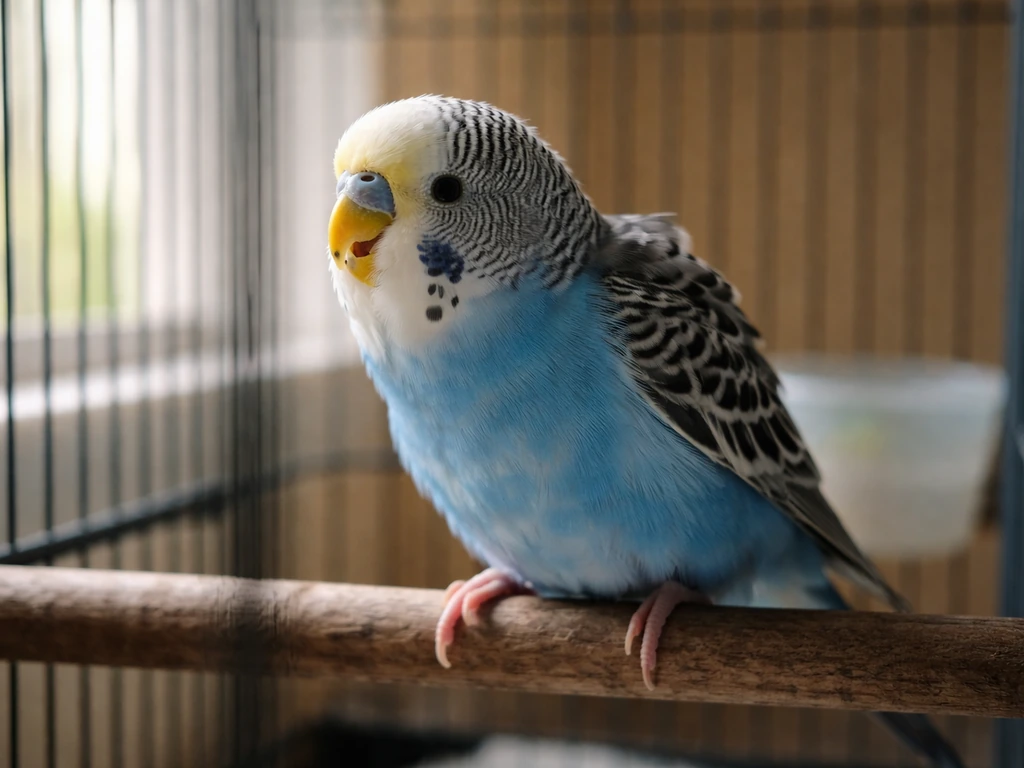
A bird breathing with its mouth open is almost never normal, and it's one of those signs that deserves your full attention right now. If you’re seeing mouth-open, gasping breathing, the safest next step is to treat it as urgent and focus on breathing effort right away why is my bird gasping for air. If your bird is breathing heavily, that can be a sign of respiratory distress and needs careful, fast attention.
Why Is My Bird Breathing With Its Mouth Open? Causes & What to Do

Marcus Chen
3 May 2026
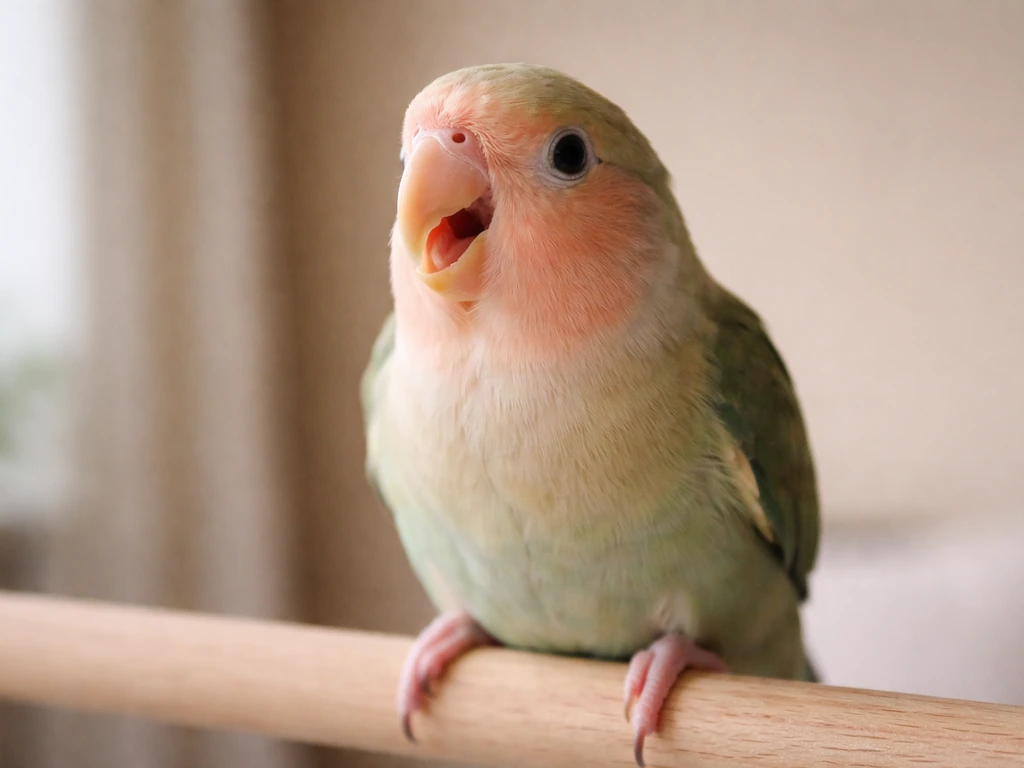
In most cases it means your bird is either overheated, stressed, exposed to an airborne irritant, or experiencing genuine respiratory distress. The difference between those possibilities matters a lot, and the good news is you can triage it yourself in the next five minutes by checking a handful of other signs alongside the open-mouth breathing.
If you notice your bird breathing fast, it's important to treat that as a potential sign of respiratory distress, especially when it comes with mouth-open breathing or other warning signs breathing fast in birds.
What mouth-open breathing looks like (and how to confirm it)
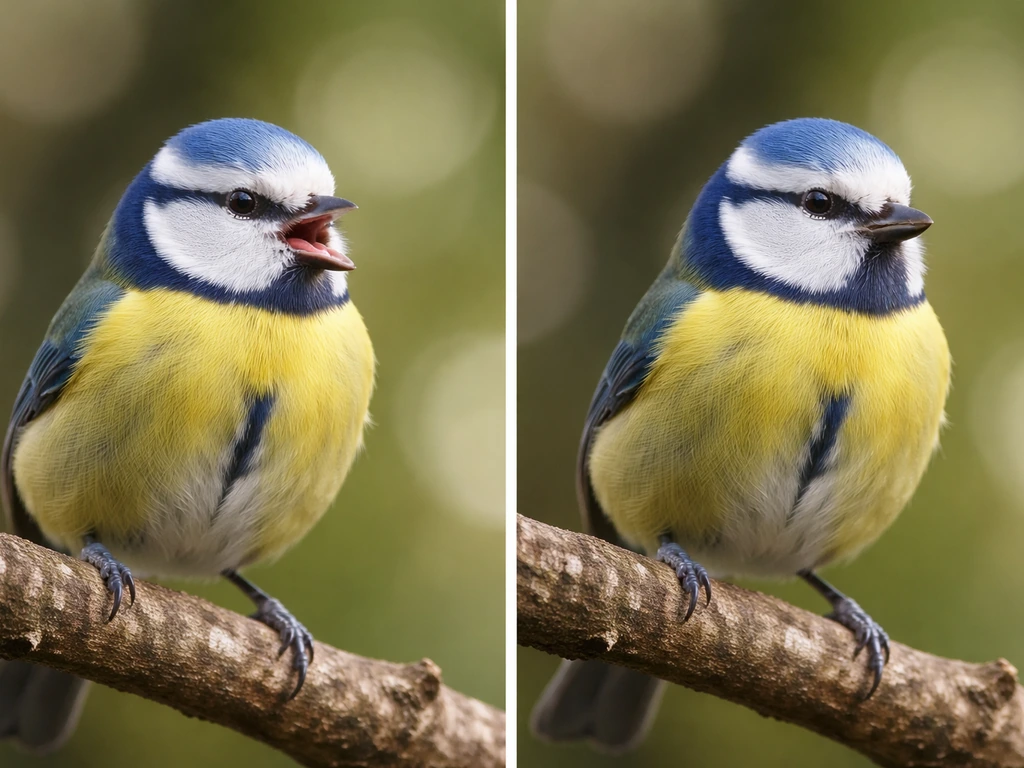
Mouth-open breathing in birds looks exactly like it sounds: the beak is parted and the bird is visibly drawing air through its mouth rather than through its nares (nostrils) as it normally would. But there are a few variations worth distinguishing.
- Subtle gape: the beak opens slightly and closes rhythmically with each breath, often easy to miss at first glance
- Active open-mouth breathing: the beak stays noticeably open for several seconds or continuously, sometimes with visible chest or throat movement
- Neck stretching with gape: the bird extends its neck forward or upward while breathing, which usually signals real effort to move air
- Silent vs. audible: sometimes mouth breathing is quiet; other times you'll hear wheezing, clicking, or a raspy quality to each breath
To confirm what you're seeing, watch your bird from a few feet away without disturbing it. Disturbance can temporarily change breathing patterns, and you want a baseline. Look at the chest and tail region: with each breath, is there exaggerated sternal (chest) movement? Is the tail bobbing up and down in rhythm with breathing? Both of those details will matter when you assess severity.
Quick at-home triage: severity checks and other warning signs
Before you do anything else, run through this checklist. The more boxes that are checked, the more urgently your bird needs a vet today rather than tomorrow.
| Sign to check | What to look for | Why it matters |
|---|---|---|
| Breathing rate | Small birds (under 300 g) normal: 30–60 breaths/min. Larger birds (400–1,000 g) normal: 15–30 breaths/min. Count breaths for 15 seconds and multiply by 4. | Rate well above normal range at rest signals respiratory distress |
| Tail bobbing | Tail pumps visibly up and down with each breath | Classic sign of labored breathing in birds; a strong indicator of dyspnea |
| Posture | Fluffed feathers, hunched position, leaning on cage bars, wings held away from body | Sick birds conserve energy by fluffing and reducing movement |
| Noise | Wheezing, clicking, rattling, or raspy sounds during breathing | Audible breathing sounds point to airway obstruction or infection |
| Activity level | Sitting on the cage floor, reluctant to move, eyes closing during the day | Lethargy combined with breathing changes is a serious combination |
| Appetite | Ignoring food it normally eats eagerly | Appetite loss alongside breathing issues suggests systemic illness |
| Discharge | Wet or crusty nostrils, discharge around the eyes or beak | Points toward infection or irritation |
| Color changes | Bluish or dark tinge around the beak, feet, or skin visible through feathers | Suggests low blood oxygen — get to a vet immediately |
If your bird is only breathing with its mouth open and otherwise looks alert, is perching normally, has no tail bobbing, and you just moved it to a warmer room or it just finished playing energetically, that context matters and may point to something mild. But if you're checking off multiple items on that list, treat this as urgent.
Common causes in pet birds: respiratory vs. heat and stress vs. irritants
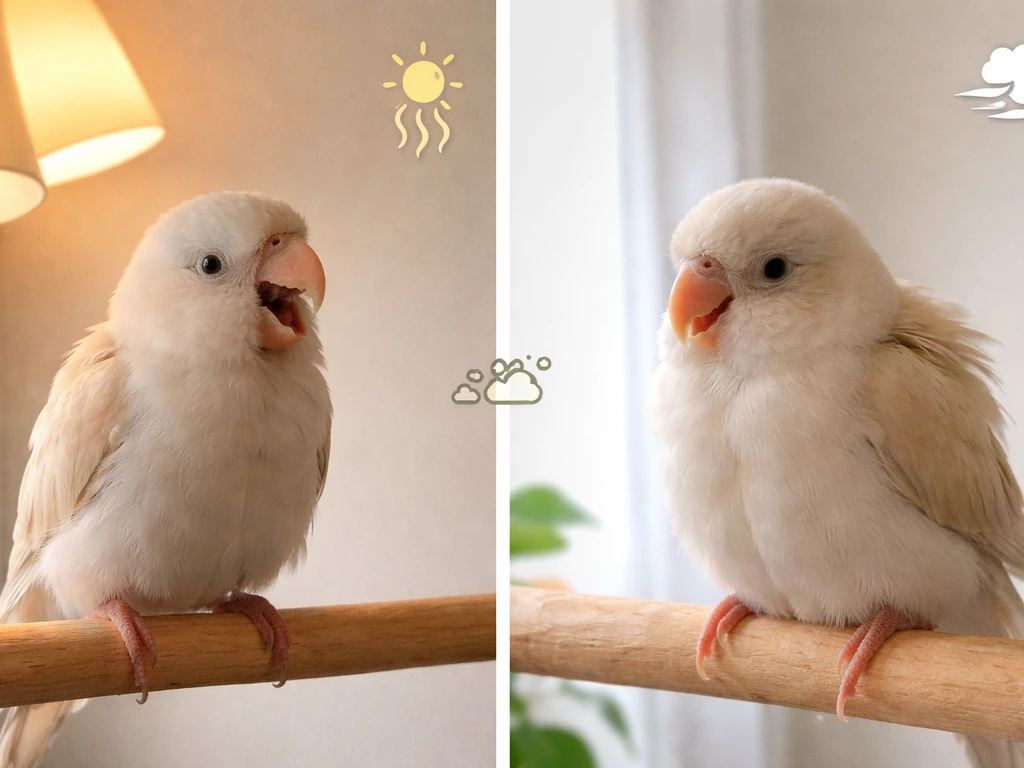
There are three broad categories of causes, and understanding which bucket you're in guides what you do next.
Respiratory infections and disease
This is the most serious category. Bacterial, viral, and fungal infections can all affect the upper or lower respiratory tract in birds. Aspergillosis (a fungal infection) is particularly common in birds kept in humid environments with poor air circulation. Bacterial infections from organisms like Chlamydophila (causing psittacosis) are also seen regularly.
With infections, you'll typically see other signs alongside the mouth breathing: discharge from the nares, clicking or wheezing sounds, lethargy, and appetite loss. Clinical signs of avian chlamydiosis can include ocular or nasal discharge, ruffled feathers, lethargy, and lack of appetite along with signs of upper respiratory disease [discharge from the nares, clicking or wheezing sounds, lethargy, and appetite loss](https://www. merckvetmanual. com/poultry/avian-chlamydiosis/avian-chlamydiosis?
query=psittaci). Respiratory disease in birds can progress quickly because their respiratory systems are highly efficient and sensitive, which means even a small problem can become a big one fast. If you want a deeper look at the pattern of symptoms, see also why is my bird breathing loudly for more guidance on what to watch for next.
Overheating and stress

Birds pant to dissipate heat, just like dogs do. If your bird was just handled a lot, startled by a predator (a cat, dog, or even a hawk seen through the window), or is in a room above 85–90°F, heat or stress could explain brief open-mouth breathing. This is more likely to be the culprit if the bird calms down quickly once the stressor is removed, continues to act alert and interested in food, and has no other warning signs. That said, heat stress can escalate quickly too, so don't ignore it just because it seems like a simple explanation.
Airborne irritants and toxic fumes
Birds have an extraordinarily sensitive respiratory system, and airborne pollutants that barely register for us can be acutely dangerous to them. Non-stick cookware (PTFE/Teflon) is one of the most well-documented hazards: if that coating overheats, it releases fumes that can kill a bird in minutes. But the list of potential irritants is much longer and includes aerosolized cleaners, air fresheners, hair spray, scented candles, incense, essential oil diffusers, cigarette or vape smoke, oil-based paint, varnishes, spray pesticides, and even burning plastic. If you used any of these products recently or they were used in a nearby room with the air circulating, that's a strong suspect.
Other causes worth knowing
Less commonly, mouth breathing can be caused by a foreign body or obstruction in the airway, tumors pressing on the trachea or air sacs, nasal blockages (from dried discharge or infection), or pain from an unrelated condition that's affecting the bird's breathing pattern. These are harder to identify at home and usually require a vet workup.
What to do right now to help and keep your bird safe
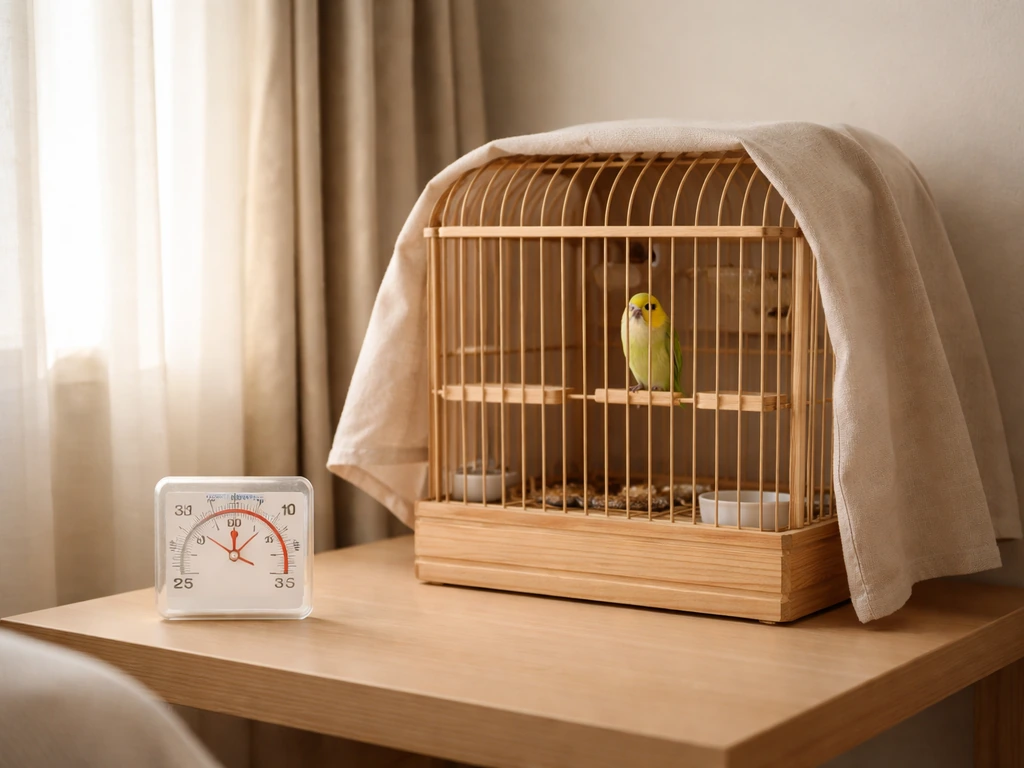
While you're gathering information and deciding whether a vet visit is needed, these steps can reduce stress on your bird and rule out some of the easier causes.
- Move the bird to a quiet, stable-temperature room: aim for 70–80°F, away from drafts, air conditioning vents, and direct sunlight. Overheated birds need to cool down gently, not rapidly.
- Ventilate immediately if you suspect fumes: open windows and move the bird to the cleanest air in the house, or even outside briefly if the weather allows and the bird is secure. Don't wait to identify exactly what the fume source is.
- Turn off or remove any potential irritants: cooking, candles, sprays, air fresheners, or anything recently applied or burned in the home.
- Minimize handling: restraint is stressful for birds and can worsen respiratory distress. Observe from a comfortable distance instead.
- Keep the environment calm: cover nearby windows if there's a predator causing stress, reduce noise, and keep other pets out of the room.
- Offer fresh water: hydration matters, but don't force it.
- Watch and time the breathing: count breaths per minute using the 15-second method above, and note whether the open-mouth breathing is constant, intermittent, or getting better or worse over 15–30 minutes.
- Write down what you observe: timing, other signs, any recent changes to the home environment. This information will be very useful when you speak to a vet.
If open-mouth breathing resolves completely within about 10–15 minutes after a stressor is removed and the bird returns to normal behavior, you may be dealing with a mild stress or heat response. But keep watching. If symptoms return or new signs appear, call a vet.
When to call an avian vet urgently
Some combinations of signs mean you need to stop reading and make a phone call right now. Don't wait for a morning appointment if you're seeing any of these.
- Open-mouth breathing accompanied by visible tail bobbing with every breath
- Wheezing, clicking, or rattling sounds during breathing
- Bluish or dark coloring around the beak or feet (oxygen deprivation)
- The bird is sitting on the cage floor and can't or won't perch
- Open-mouth breathing that has not improved after 15–20 minutes in a calm, comfortable environment
- Any sign of weakness, collapse, or extreme lethargy alongside breathing changes
- You know or strongly suspect exposure to PTFE/Teflon fumes, smoke, or chemical fumes — this is a true emergency
- Discharge from the nares or eyes combined with labored breathing
- Loss of consciousness or inability to hold the head up
Difficulty breathing that doesn't resolve with rest is almost always a veterinary emergency in birds. If your bird shows signs of dyspnea or labored breathing, it is best to have it evaluated by a veterinarian right away because birds can deteriorate quickly and may need stabilization and oxygen depending on severity Difficulty breathing that doesn't resolve with rest is almost always a veterinary emergency in birds.. The avian respiratory system is built for efficiency, which also means it has very little reserve when something goes wrong. Acting fast genuinely matters. Call an avian vet or an emergency animal hospital that sees birds, and describe exactly what you're observing, including the signs from your triage checklist.
It's also worth noting that open-mouth breathing in birds overlaps closely with related signs like panting, heavy breathing, gasping, loud breathing, and rapid breathing rate. These all live on the same spectrum of respiratory distress and often occur together. The urgency cues are largely the same regardless of how you describe the breathing.
What vet care may involve: diagnosis and likely treatments
If you do get to an avian vet, here's a general idea of what to expect. The vet will start by observing your bird from a short distance before handling it, specifically looking at breathing rate and effort, posture, open-mouth breathing, and tail position. This pre-handling observation is standard practice because restraint itself stresses a bird and can temporarily change what the vet sees.
From there, the diagnostic workup depends on what the initial exam suggests. Common next steps include:
- Radiographs (X-rays): can reveal changes in the trachea, air sacs, or lungs, and help identify masses, fluid, or abnormal anatomy
- Complete blood count (CBC): checks for signs of infection, inflammation, or anemia
- Culture and sensitivity: if an infection is suspected, a swab or tracheal wash sample helps identify the organism and guide antibiotic or antifungal treatment
- Endoscopy: allows the vet to look directly into the trachea or lower respiratory tract for obstructions, lesions, or foreign bodies that X-rays might not catch clearly
- Chlamydophila (psittacosis) testing: a specific test often run when infection is suspected, because this disease is also transmissible to humans
Treatment will depend entirely on what the vet finds. Infections may be treated with antibiotics, antifungals, or both. Fume exposure or irritation is typically managed by removing the bird from the source and providing supportive care, including oxygen therapy in more serious cases. Obstructions may require endoscopic removal. Supportive care like heat support and fluids is often part of the plan regardless of the underlying cause.
Prevention: air quality, cage setup, and avoiding common triggers
Once your bird is stable, it's worth thinking about what you can do going forward to reduce the risk of this happening again. Most cases of respiratory distress in pet birds are preventable.
Keep the air clean

This is the biggest one. Birds should never be in a kitchen where non-stick cookware is used. Replace any PTFE-coated pans, baking sheets, or appliances with stainless steel, cast iron, or ceramic alternatives. Beyond cookware, keep the bird's area free of cigarette smoke, vape aerosol, candles, incense, scented plug-ins, essential oil diffusers, aerosol sprays of any kind (including hairspray and deodorant used nearby), and household cleaners used without ventilation.
Ventilate the home carefully
Good ventilation matters, but there's a balance. Birds shouldn't be in a draft, but the room shouldn't be stagnant either. Fresh air circulation helps dilute airborne particles. If you're painting, using solvents, burning wood, or using any strong-smelling product anywhere in the home, move the bird to a well-ventilated space away from the fumes and keep doors closed between rooms until the air clears.
Cage placement and hygiene
Place the cage away from kitchens, exterior doors (which allow pollutants and temperature extremes in), and windows where predators might be visible and cause repeated stress responses. Clean food and water dishes daily, change cage liners frequently, and keep the cage dry since moisture encourages mold and bacterial growth. Both of those are respiratory irritants.
Reduce stress where you can
Chronic stress suppresses immune function in birds and makes them more vulnerable to respiratory infections. Consistent routines, adequate sleep (10–12 hours of darkness per night for most species), appropriate handling and socialization, and protection from stressors like other pets or loud unpredictable noises all contribute to a stronger, healthier respiratory system over time.
Regular avian vet checkups
Annual wellness exams with an avian vet give you a baseline for your bird's health and catch early signs of respiratory issues before they become emergencies. Birds are prey animals and instinctively hide illness, so by the time obvious symptoms appear, the problem may already be well established. Routine exams help close that gap.
FAQ
How can I tell if my bird is mouth-breathing or just holding its beak slightly open?
Watch for actual air-drawing through the mouth, not just a relaxed or slightly open beak. True mouth-breathing usually comes with faster breathing, visible chest effort (strong sternal movement), and often tail bobbing. If the beak open is brief and the bird remains fully steady, alert, and breathing normally through the nares between breaths, it may be less urgent, but repeated patterns still warrant a vet call.
What should I do in the first 2 to 5 minutes if I suspect fumes or an airborne irritant?
Move the bird immediately to clean air (another room with windows closed if outdoor air is cleaner, or a well-ventilated space without chemicals running). Turn off the suspected source, ventilate the original room, and avoid repeatedly carrying the bird through the contaminated area. Do not use any additional sprays, fragrances, or essential oils to “fix” the air.
Does mouth-open breathing automatically mean infection?
No. Heat or stress, and fume or irritant exposure, can mimic respiratory distress and may resolve once the trigger is removed. Infection is more likely when you also notice persistent lethargy, reduced appetite, nasal discharge, clicking or wheezing sounds, or symptoms that worsen over time rather than improving after rest.
If my bird calms down after I lower the temperature or remove a stressor, should I still call a vet?
If breathing returns completely to normal and remains stable for 30 to 60 minutes, it may have been a mild transient response. Still, call or get guidance if you do not feel confident about the baseline, if the bird seems “off” in behavior, or if breathing ease is only partial (for example, mouth-open breathing stops but breathing remains heavy).
Can I give over-the-counter medication or a nebulizer to help?
In most cases, no. Birds are sensitive to dosing errors and many human respiratory meds can be harmful. Nebulizing without a vet plan can also irritate airways or worsen stress. The safer immediate approach is controlling environment (clean air, warmth if needed), minimizing handling, and calling an avian vet for instructions.
Is it okay to cover the cage to calm my bird during mouth-open breathing?
Use caution. While darkness can reduce stress for some birds, covering can also trap warm, humid air and reduce airflow, which is risky if the problem is inhalation irritation or infection. If you need to reduce stimulation, dim the room instead, keep airflow gentle, and focus on getting expert advice quickly.
Could pain from something else cause mouth-open breathing?
Yes. Pain, injury, or shock can change breathing patterns, but it often comes with other clues such as guarding a body part, sudden aggression when handled, obvious injury, or unusual posture. If mouth-open breathing is present along with any signs of trauma or sudden weakness, treat it as urgent and seek avian care.
What posture and movement signs are most concerning besides mouth-open breathing?
Exaggerated chest movement with each breath, tail bobbing in rhythm, and holding an unusual posture to maximize breathing are strong severity cues. Also watch for inability to perch comfortably, sitting low, or repeatedly stretching the neck or body as if struggling to get air.
My bird is mouth-breathing but not wheezing or coughing, is that still an emergency?
Yes, it can be. Birds may show respiratory distress through effort and open-mouth breathing without obvious wheeze or cough. Absence of sound does not rule out a serious airway, infection, or irritant problem, especially if breathing is heavy or the bird is not returning to normal quickly.
What information should I have ready when I call an emergency avian vet?
Be ready to describe when it started, whether it began after a specific event (heat, handling, cleaning products, incense, cooking fumes), current breathing rate or whether it is clearly heavier than normal, visible effort (chest movement and tail position), behavior (alert vs lethargic, appetite, droppings if you can safely check), and any other symptoms like nasal discharge or clicking.
How do I reduce the chance this happens again at home, especially if I have other animals or use common products?
Create a clear “bird-safe air zone.” Keep the bird out of kitchens and away from areas where aerosols, sprays, candles, incense, diffusers, or solvent odors occur. If you have pets, avoid letting cats or dogs pace near the cage repeatedly, and control humidity and moisture to discourage mold. A routine change of cage liners and daily dish cleaning also helps reduce respiratory irritants from dampness and buildup.
Next Article
Why Is My Bird Breathing Heavily? Causes and What to Do Now
Learn causes of heavy fast bird breathing and what to do now, plus emergency signs and vet prep checklist.