
Loud breathing in a pet bird is rarely normal, and it almost always means something in the respiratory system needs attention. It could be mild nasal congestion from dust or dry air, or it could be the early stages of a respiratory infection that needs same-day veterinary care. If your bird is breathing heavily right now, it can be a sign of respiratory issues like congestion or infection, so compare this symptom with the causes outlined in detail here. The key is figuring out which one you are dealing with, and you can gather a lot of useful information just by watching your bird carefully for a few minutes right now.
Why Is My Bird Breathing Loudly? Same-Day Steps

Marcus Chen
1 Jul 2026
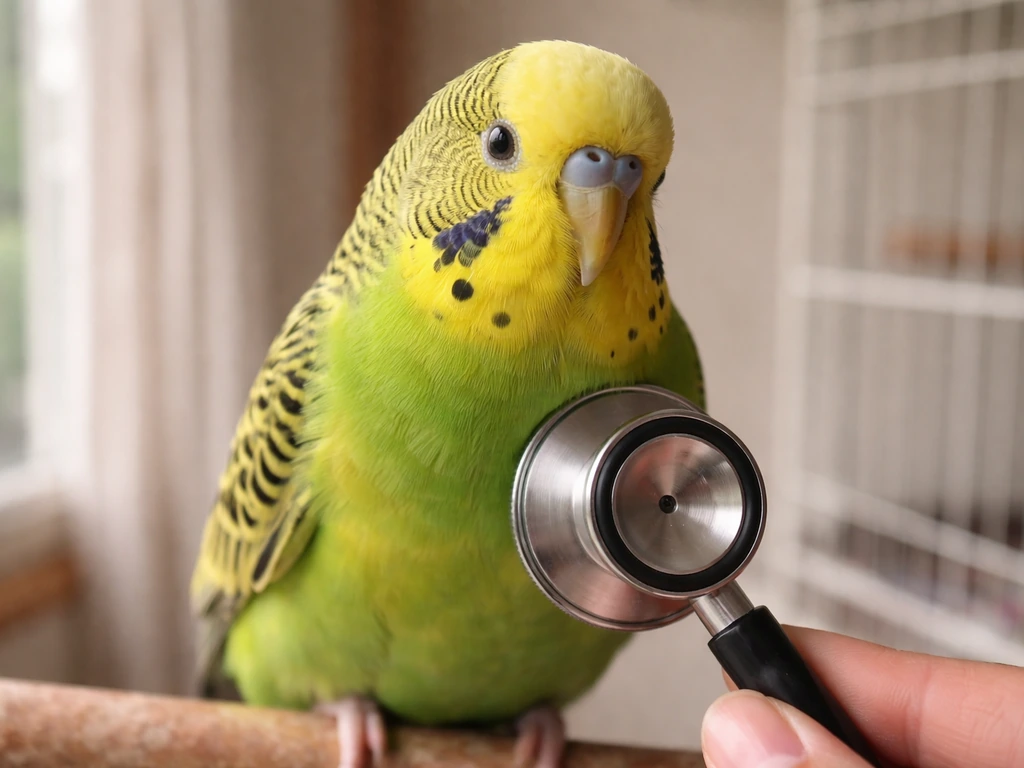
What 'loud breathing' can mean in birds
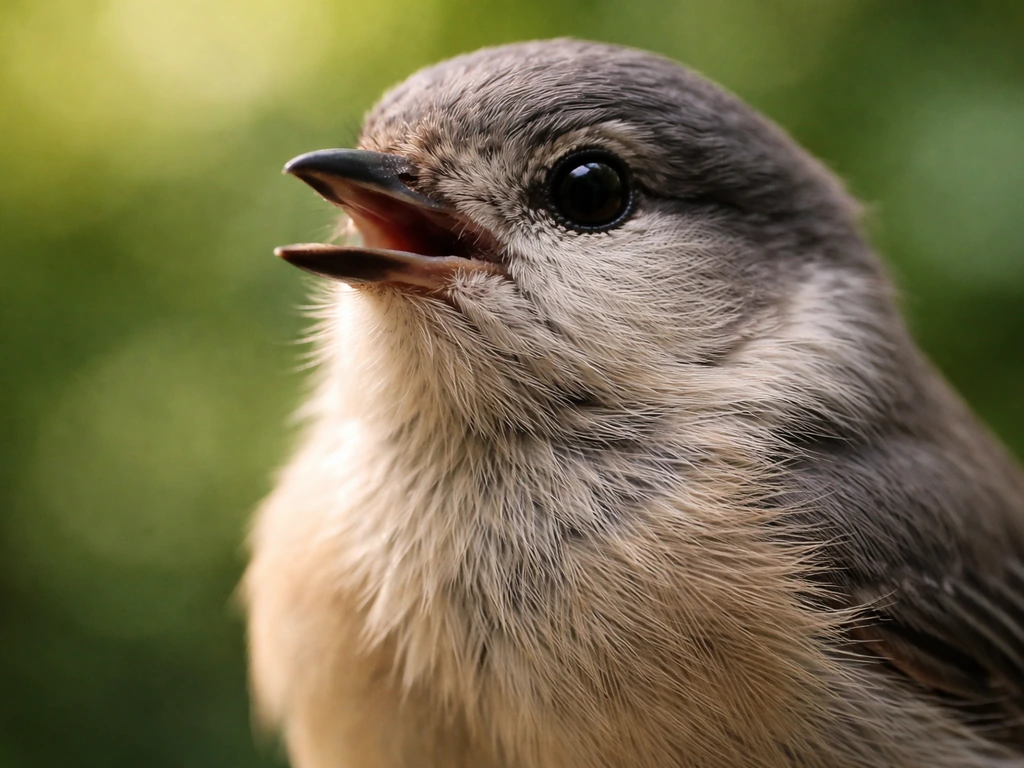
Birds breathe differently than mammals. They have a complex air sac system that moves air in one continuous direction rather than in and out like our lungs. Because of this design, any obstruction, inflammation, or infection can produce audible sounds that you would never hear from a healthy bird at rest. When owners describe 'loud breathing,' they usually mean one or more of these sounds:
- Wheezing or a high-pitched whistling on inhale or exhale
- Clicking or a wet clicking sound, especially around the nares (nostrils)
- A croaky, raspy, or changed voice quality
- Coughing or sneezing repeatedly
- Audible labored breathing even from across the room
Each of these sounds points to a different location in the respiratory tract. Nasal clicking often means mucus or blockage in the nares or sinuses. Wheezing or a raspy sound coming from deeper in the chest suggests the lower airways or air sacs are involved. A changed voice in a talking parrot can actually be an early clue that something is wrong, sometimes appearing before other breathing changes become obvious. Open-mouth breathing alongside any of these sounds is a more serious escalation and is covered separately, but it is closely related to what you are watching for here.
Common causes: congestion, respiratory infection, and inflammation
The most frequent reasons a pet bird starts breathing loudly fall into a few categories. Mild environmental irritation is at the low end of the spectrum. Dust from new bedding, feather dander, smoke, cooking fumes, candles, air fresheners, or even very dry winter air can all irritate the nasal passages and sinuses enough to cause noisy breathing. This kind of congestion often comes on quickly after a change in the environment and may ease off if the irritant is removed.
Respiratory infections are the more serious and common cause. Birds are susceptible to bacterial infections (often from Chlamydophila, Pasteurella, or other organisms), fungal infections like Aspergillosis (which affects the air sacs and lungs and is well documented in the veterinary literature), and viral infections. Aspergillosis in particular tends to develop gradually and may start with subtle voice changes or mild raspy breathing before progressing to severe dyspnea. Merck Veterinary Manual notes that mycotic infections in pet birds can cause respiratory signs such as dyspnea and tail bobbing, and that vocalization changes may appear before dyspnea is noticed, with stretching the neck while breathing also reported. These infections do not clear up on their own. They require a diagnosis and targeted treatment.
Inflammation of the airways, often called tracheitis or air sacculitis, can occur independently or alongside infection. Foreign body aspiration (inhaling a seed husk, a feather fragment, or a fine particle) can also cause sudden loud or labored breathing. In older or overweight birds, cardiac disease and tumors pressing on the air sac system are less common but worth knowing about.
Other red-flag signs to watch for
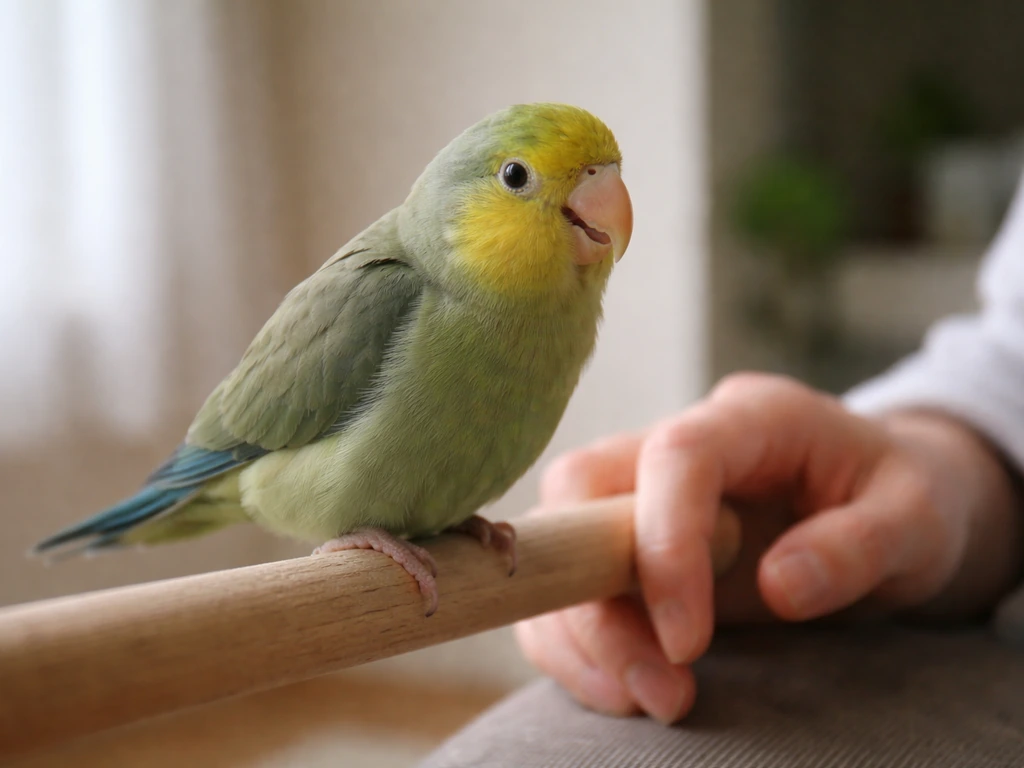
Loud breathing on its own is worth taking seriously, but the signs happening alongside it tell you how urgent the situation really is. If your bird is panting along with loud breathing, that can be a sign of significant stress or respiratory distress, so take it seriously and get avian guidance. Spend two to three minutes observing your bird without disturbing it, because stress makes breathing faster and you want a baseline reading.
- Tail bobbing: the tail moves visibly up and down with each breath. This is one of the clearest signs of increased breathing effort and should push you toward calling an avian vet the same day.
- Open-mouth breathing: birds should breathe through their nares. Breathing with the beak open at rest is a sign of significant respiratory distress.
- Neck stretching: extending the neck forward or upward with each breath is the bird trying to open the airway more, which signals real difficulty.
- Fluffed feathers and hunched posture: a bird sitting low on the perch with feathers puffed up is telling you it does not feel well.
- Lethargy and reduced activity: if your normally active bird is sitting still, eyes half-closed, or reluctant to move, treat it as a serious sign.
- Loss of appetite or weight loss: birds hide illness well, but not eating or losing noticeable weight over days points to a systemic problem.
- Nasal or eye discharge: wet or crusty discharge from the nares or eyes alongside respiratory sounds confirms an active infection or inflammatory process.
- Changes in droppings: unusual droppings (very watery, discolored, or minimal) alongside breathing changes can indicate the illness is affecting more than just the airways.
The more of these signs you see at the same time, the more urgent the situation. A bird with loud breathing plus blank" rel="noopener noreferrer">tail bobbing, lethargy, and no interest in food needs to be seen by an avian vet today, not tomorrow. If you are specifically seeing gasping for air, that is an emergency sign and your bird should be assessed right away by an avian vet.
At-home checks and first steps you can do today
Before you do anything else, run through this short environmental checklist. Some cases of noisy breathing are directly triggered by something in the bird's immediate environment, and removing the cause can bring quick relief if that is all it is.
- Check for recent air quality changes: have you used cooking sprays, non-stick (PTFE) cookware at high heat, scented candles, air fresheners, cleaning products, paint, or insecticides near the bird in the last 24 hours? PTFE fumes from overheated non-stick pans can be fatal to birds very quickly. Move the bird to a clean-air room immediately if you suspect fume exposure.
- Look at the cage environment: is there a lot of feather dust, dried dropping dust, or new dusty substrate? Dusty environments irritate the sinuses and airways. Spot-clean the cage and move the bird away temporarily if the air looks hazy.
- Check temperature and humidity: very dry air (common in winter with indoor heating) dries out the nasal passages. If your home is running below about 40% relative humidity, that can contribute to nasal congestion. A cool-mist humidifier in the same room can help, but do not point it directly at the bird.
- Observe without touching: watch the bird breathe from a normal distance. Count the breaths per minute if you can. Healthy parakeets and cockatiels typically breathe at around 40 to 52 breaths per minute at rest. A rate that looks much faster than that, or breathing that is visibly effortful (you can see the whole body moving), is a red flag.
- Check the nares: look at the nostrils from a short distance. Are they clear and symmetrical? Are they crusty, wet, or plugged with discharge? One-sided nasal discharge can suggest a localized sinus issue; both-sided discharge often points to a systemic infection.
- Do not try to clear the airway yourself: do not poke at the nares, give steam baths, or administer any human medications. These can cause additional stress or harm. Your job at this stage is observation and then getting professional help if needed.
If after running through these checks the bird looks stable (alert, perching normally, eating, no tail bobbing), keep watching closely for the next few hours. If the noisy breathing was triggered by a one-time irritant like a nearby candle and is already fading, that is reassuring. But if it persists past a couple of hours with no clear cause, call an avian vet.
When to call an avian vet urgently
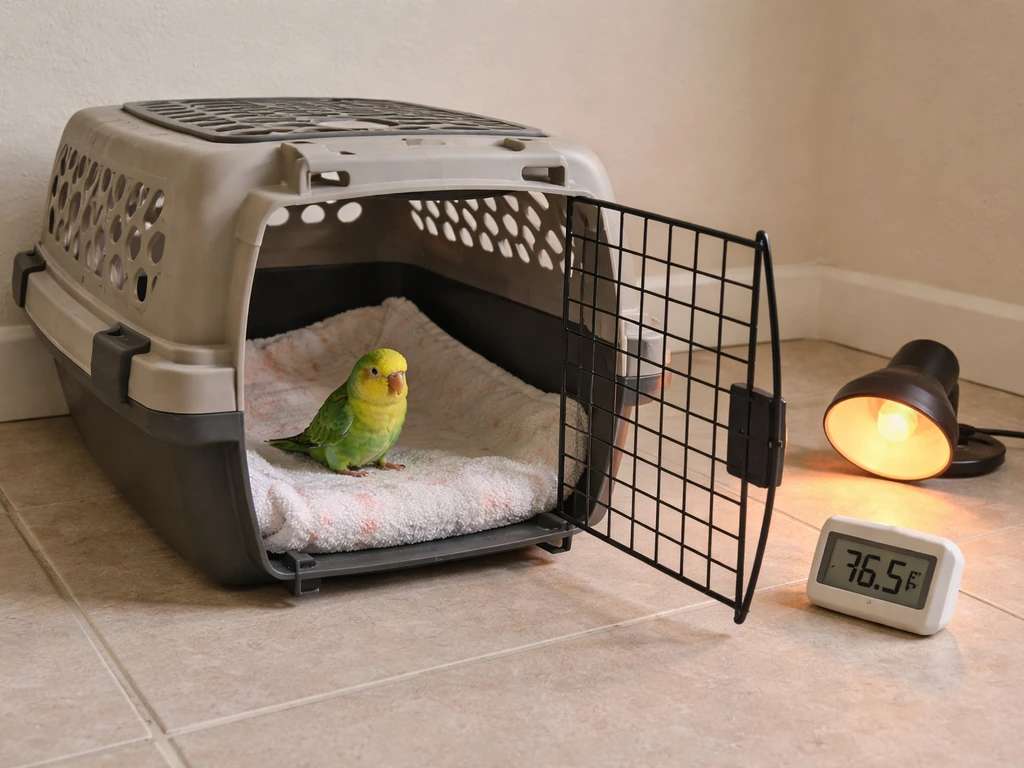
Birds are prey animals and they are hardwired to hide signs of illness for as long as possible. By the time the symptoms become obviously visible, the condition has often been developing for a while. This is why delays in treatment can be genuinely dangerous. Do not take a wait-and-see approach past 24 hours with any respiratory sign, and call immediately if you see any of the following:
- Tail bobbing with every breath
- Open-mouth breathing at rest (not just briefly after flying or being handled)
- Neck stretching or gasping
- The bird is sitting on the cage floor rather than perching
- Visible discharge from the nares or eyes
- Complete loss of interest in food or water for more than a few hours
- Sudden severe change: a bird that was fine this morning and is now clearly struggling
- Any suspicion of fume or toxic exposure
When you call, tell the vet the specific sounds you are hearing, when it started, what your bird's normal behavior looks like, and what environmental changes (if any) have happened recently. This information helps them triage over the phone and decide whether your bird needs to be seen within the hour or can be scheduled for the same day.
Treatment basics and what to expect
What a vet does for a bird with respiratory symptoms depends entirely on the cause, and that requires an actual examination and often diagnostics like a culture swab, blood work, or imaging. There is no single answer here, but understanding the general categories helps you know what to expect.
| Cause | Common diagnostic approach | Typical treatment direction |
|---|---|---|
| Bacterial respiratory infection | Swab and culture from nares or choana | Targeted antibiotics (e.g., doxycycline for Chlamydophila), supportive care |
| Fungal infection (e.g., Aspergillosis) | Blood work, imaging, endoscopy | Antifungal medications (e.g., voriconazole, itraconazole), often long-term |
| Environmental irritation or congestion | Clinical history and exam | Remove irritant, supportive care, possibly saline flush |
| Air sacculitis or tracheitis | Physical exam, imaging, culture | Antibiotics or antifungals depending on organism, nebulization therapy |
| Foreign body aspiration | Imaging, endoscopy | Endoscopic removal, supportive care post-procedure |
Supportive care is a big part of avian respiratory treatment regardless of the cause. This often means keeping the bird warm (around 85 to 90 degrees Fahrenheit for a sick bird), ensuring it is eating and hydrated, reducing stress, and sometimes nebulization therapy where medicated mist is delivered to the airways to help open them and deliver medication directly. Antibiotics are often prescribed when infection is suspected even before culture results come back, and they will be adjusted if the culture identifies a specific organism. Antifungal treatment tends to run longer, sometimes weeks to months.
One important expectation to set: respiratory infections in birds can take time to resolve even with the right treatment. Follow the full course of any medication even if your bird looks better within a few days. Stopping antibiotics early is one of the most common reasons infections return.
Prevention: keeping the air clean and your bird healthy

A lot of respiratory problems in pet birds are preventable with consistent attention to air quality and general husbandry. These are the practices that make the biggest difference:
- Never use non-stick (PTFE/Teflon) cookware at high heat anywhere near your bird, and keep the kitchen well-ventilated. This is a genuine life-or-death issue for birds.
- Avoid aerosol sprays anywhere in the home: air fresheners, hairspray, cleaning sprays, spray paint, and insecticides can all cause respiratory irritation or worse.
- Keep the cage clean: dried droppings and feather dust are significant respiratory irritants. Spot-clean daily and do a thorough cage wash at least once a week.
- Maintain appropriate humidity: between 40 and 60 percent relative humidity is generally comfortable for pet birds. Very dry air dries out the mucous membranes and impairs the natural defenses against infection.
- Ventilate without drafts: fresh air is good, but placing a bird in a direct draft or near an air conditioning vent causes temperature stress that can lower immune defenses.
- Support the immune system through diet: a species-appropriate diet with fresh vegetables, quality pellets, and limited seed reduces the nutritional deficiencies that make birds more vulnerable to infection.
- Quarantine new birds: any new bird brought into a home with existing birds should be housed separately for at least 30 days to prevent passing respiratory pathogens.
- Schedule annual wellness checkups with an avian vet: many early respiratory issues can be caught on exam before they become serious, and your vet can test for carriers of Chlamydophila and other pathogens.
Catching problems early is the single most effective thing you can do. A bird that is slightly quieter than usual, eating a little less, or breathing with just a hint more effort than normal is worth paying attention to. If you notice your bird is breathing fast, that can be a sign that its respiratory system is struggling and should be taken seriously what does it mean when a bird is breathing fast. You know your bird's baseline better than anyone. Trust your instincts, run through the observation checklist above, and do not hesitate to call your avian vet if something feels off.
FAQ
If my bird is breathing loudly but still perching and eating, do I still need to call a vet today?
Even if your bird seems “otherwise okay,” noisy breathing that lasts more than a couple of hours, or any loud breathing plus reduced appetite or tail bobbing, should be discussed with an avian vet the same day. Birds can worsen quickly, and they often hide symptoms until the airway problem is advanced.
Can a product in the home (cleaners, fragrances, medications) cause loud breathing?
Yes. If your bird has loud breathing that is new after a medication, inhaled product, or even a cleaning routine, treat it as potentially medication or irritant related and call your avian vet. Bring the product name, ingredients if possible, and the time you started using it, since some fumes can inflame the air sacs fast.
Is it safe to nebulize or use essential oils at home if my bird is breathing loudly?
Do not attempt home nebulizing unless your avian vet tells you to. Birds can be sensitive to the wrong solution, incorrect dosage, temperature, and stress, and aspiration risk increases if the bird struggles. If you have a respiratory medication already prescribed, use it exactly as instructed and stop if your bird becomes more distressed.
What should I observe, besides the sound, to help the vet understand what is happening?
Take note of breath pattern and posture. Watch whether the bird is holding its head and neck low or extended, whether breathing seems to use the abdomen more than usual, and whether there is repeated open-mouth breathing. These observations help distinguish upper airway blockage from lower airway or air sac involvement when you call the vet.
At what point is loud breathing considered an emergency?
Mouth-breathing, flared nostrils, tail bobbing, prolonged lethargy, or any “gasping” or sustained open-mouth breathing are not wait-and-see signs. If any of those are present, the appropriate next step is an urgent avian exam rather than monitoring overnight.
How can I tell whether loud breathing is mild congestion versus something that could get worse quickly?
Yes, and it can be misleading. A bird can sound noisy from nasal congestion yet still be managing airflow, but other birds can have subtle sounds early and then deteriorate fast. That is why duration matters, and why you should escalate if it persists, spreads from occasional to constant, or comes with any behavior change.
If I remove a suspected irritant, how long should it take for breathing noise to improve?
If you try to remove suspected dust, change bedding, or stop candles and fragrances, do it immediately and keep the bird in clean, calm air. If the noise clearly improves within a few hours and breathing becomes quieter while the bird remains alert, that is reassuring, but contact the vet if it does not improve or if new symptoms appear.
What should I do right now while I decide whether to call the vet?
Limit handling and avoid “testing” the bird by forcing it to move, sing, or open its mouth. Keep heat steady, reduce stress, and provide access to water and preferred foods. You can use a quiet observation period to establish a baseline, but avoid frequent checks that increase stress and respiratory rate.
Could aspiration from food or cage debris cause loud breathing, and how would I recognize it?
Yes. If you recently changed diet or gave new treats, the timing matters. Sudden onset after chewing a new food, dropping a seed/husk into the cage, or a sudden gag-like episode can suggest aspiration. Note what was offered and when symptoms started so the vet can decide whether imaging is needed.
If my bird starts breathing better after treatment, is it okay to stop antibiotics early?
It depends on the organism and severity, but it is normal for improvements to take time, especially with fungal infections. Even when breathing sounds better, finish the full course as prescribed because stopping early is a common reason for relapse, and some infections need weeks to months.