
If your bird just started coughing, wheezing, or breathing with an open mouth right after eating, drinking, or being given medication, aspiration is a real possibility. The clearest signs are sudden respiratory distress directly tied to swallowing, including open-mouth breathing, tail bobbing at rest, clicking or gurgling sounds, and visible wetness or bubbles at the nostrils. Any of these appearing suddenly means you need to act fast.
How Do I Know If My Bird Aspirated? Signs and Next Steps

Marcus Chen
17 Jun 2026
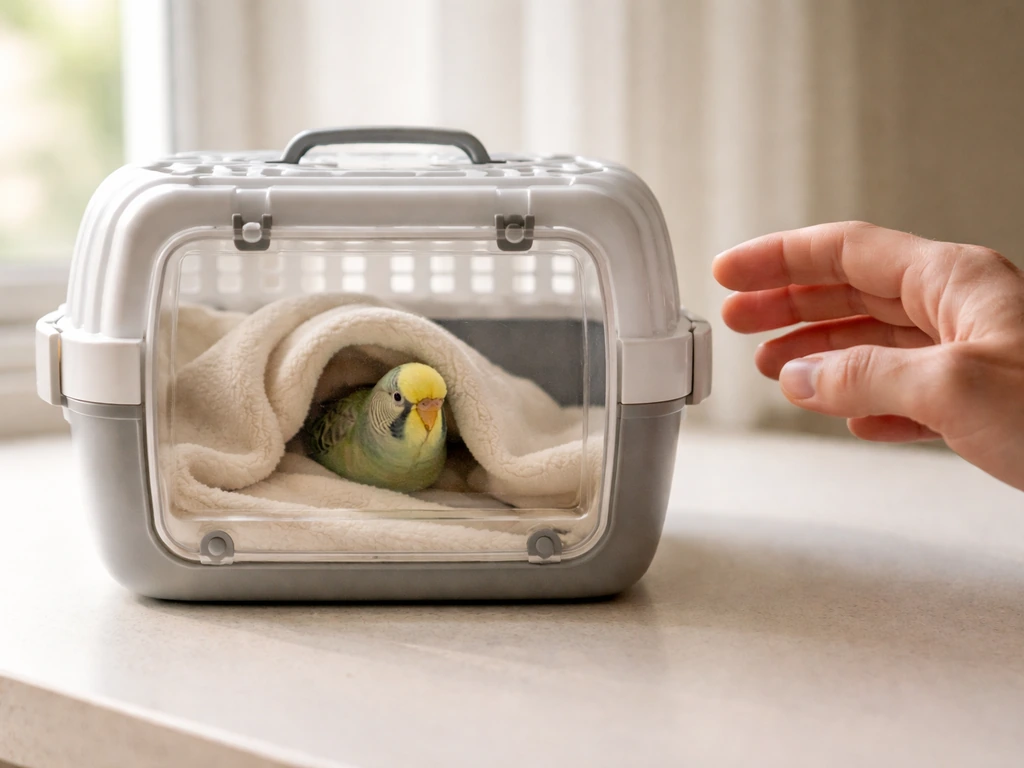
Warning signs that suggest aspiration
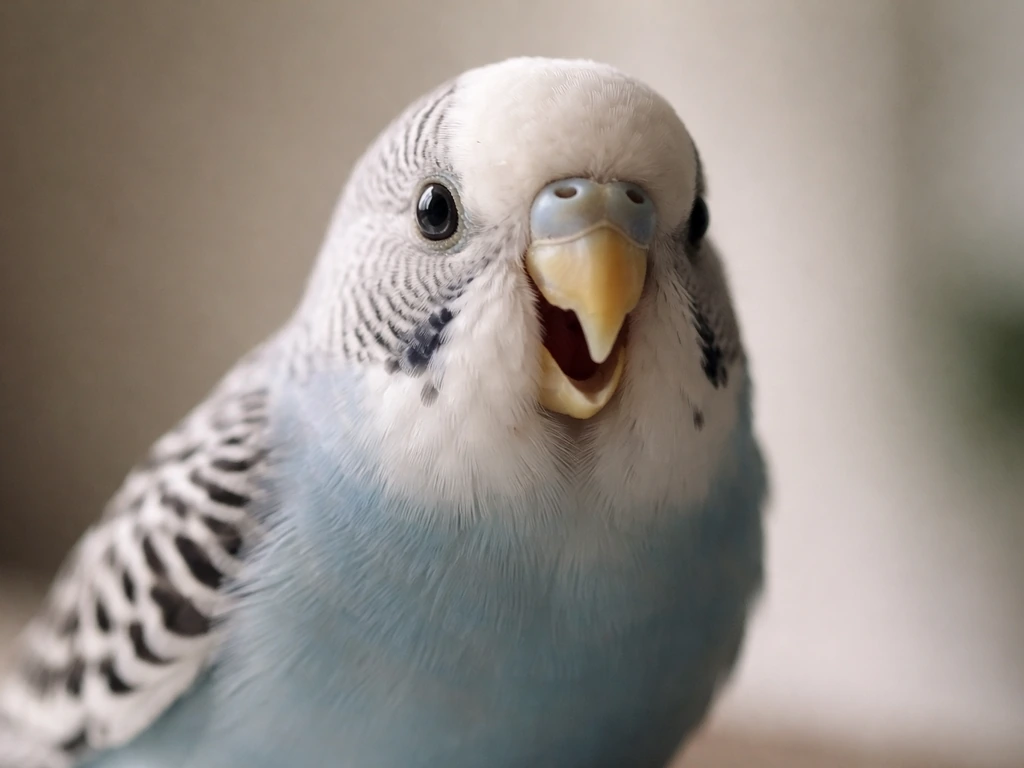
Aspiration happens when food, water, formula, or medication gets into the airway instead of the crop or stomach. The signs tend to appear quickly, often within seconds to minutes of swallowing something wrong. Here is what to look for:
- Open-mouth breathing: your bird is holding its beak open to try to get more air, especially while sitting still
- Tail bobbing: the tail pumps noticeably up and down with every breath at rest, which signals real breathing effort
- Wheezing, clicking, or gurgling sounds coming from the airway, not just the crop
- Bubbles, wetness, or discharge visible at the nostrils right after eating or drinking
- Sudden coughing or choking movements that started during or immediately after swallowing
- Neck stretching or exaggerated chest movement as your bird works harder to breathe
- Sudden lethargy, weakness, or loss of interest in surroundings shortly after feeding
- Sitting fluffed at the bottom of the cage instead of perching normally
- Appetite suddenly dropping off after a feeding episode
- A crop that looks abnormal or is not emptying on its typical schedule (especially in baby birds)
In baby birds being hand-fed, aspiration is especially dangerous and shows up as formula bubbling out of the nostrils, clicking sounds right after feeding, tail bobbing, and unusual crop behavior. Adult pet birds can aspirate too, particularly if they drink too fast, are given oral medications incorrectly, or vomit and inhale the material back in.
How to tell aspiration from similar breathing and illness issues
The breathing signs of aspiration overlap a lot with other conditions, so timing and context are your biggest clues. Hiccups in birds are often harmless, but frequent or persistent hiccuping can also happen alongside breathing trouble, so it helps to look at timing and whether your bird seems to be struggling. If the distress came on suddenly during or right after swallowing, aspiration is the most likely culprit. If your bird has been showing gradual or chronic breathing changes over hours or days with no clear swallowing event, something else is probably going on.
| Condition | Timing | Key distinguishing signs |
|---|---|---|
| Aspiration | Sudden onset during or right after swallowing | Bubbles at nares, clicking after feeding, immediate distress tied to a specific swallowing event |
| Respiratory infection | Gradual onset over hours to days | Nasal discharge, sneezing, wet eyes, may have been building for a while |
| Environmental irritation (smoke, fumes, dust) | Sudden but not tied to swallowing | Multiple birds affected, symptoms improve when bird is moved to fresh air |
| Crop problem (sour crop, impaction) | Variable, often sluggish | Crop not emptying, vomiting repeatedly, no immediate airway sounds |
| Choking or foreign body | Sudden, may follow playing or chewing | Frantic head movements, pawing at beak, no swallowing event involved |
| Stress or overheating | Contextual (handling, heat, fright) | Open-mouth breathing settles quickly once bird is calm and cool |
Gagging, coughing, and hiccuping in birds can each look similar from across the room. If your bird looks like it is gagging, coughing, or breathing with an open mouth during or right after swallowing, aspiration is often the main concern gagging, coughing, or hiccuping in birds. The key question to ask yourself is: did this start during or within moments of eating, drinking, or receiving medication? If the answer is yes and it is not settling within a minute or two, treat it as a potential aspiration until proven otherwise.
Immediate home steps if you suspect aspiration
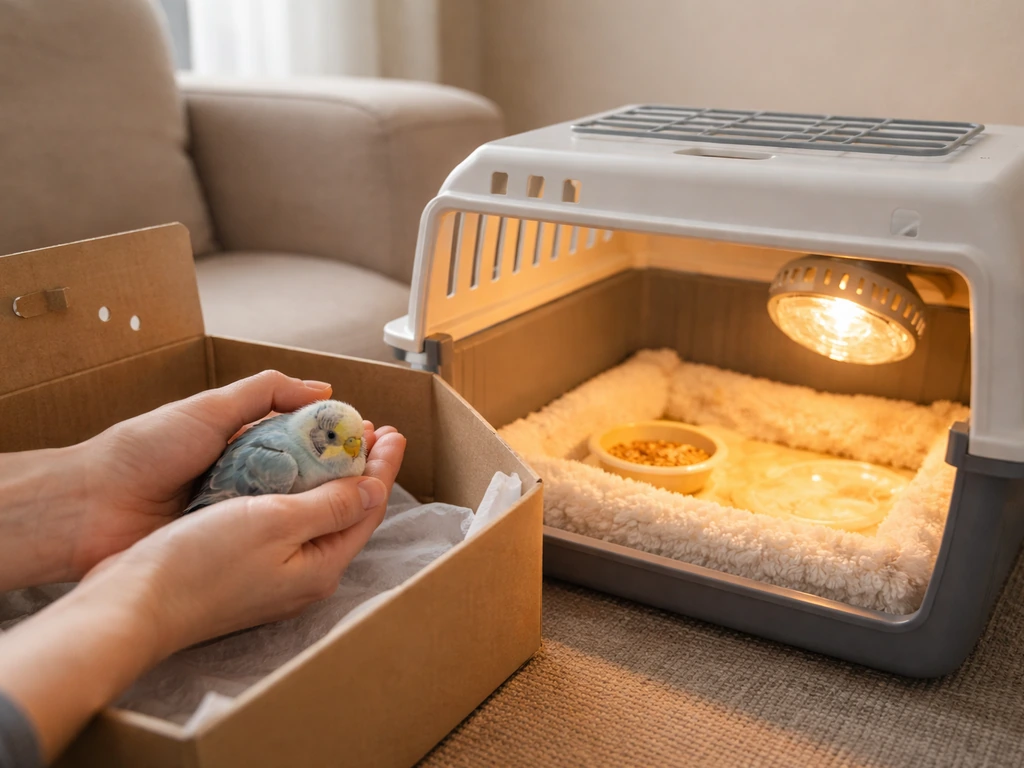
The first thing to do is stop whatever you were doing. If you were hand-feeding, stop immediately. If you were giving oral medication, put it down. Do not give any more food, water, or liquid until you have assessed the bird and ideally spoken to a vet.
- Move the bird to a calm, quiet, warm environment. Stress worsens breathing difficulty. Aim for around 80 to 85 degrees Fahrenheit if you can manage it with a heat lamp positioned to one side so the bird can move away if too warm.
- Keep the bird as still as possible. Avoid handling more than necessary. Excessive movement increases oxygen demand.
- Do not try to tip the bird upside down or shake it to dislodge material. This is not safe and can worsen the situation.
- Do not offer food or water until breathing has clearly stabilized and you have guidance from a vet.
- Watch the breathing closely. Count breaths if you can (a normal resting rate is roughly 25 to 40 breaths per minute for most parrots, faster for smaller birds). Note whether breathing is improving, staying the same, or getting worse.
- Note any sounds you hear and if possible, take a short video. This is extremely useful information for an avian vet.
- If the bird was being hand-fed formula and formula is visible at the nostrils, you can very gently dab the exterior of the nostrils with a soft cloth. Do not try to flush the nostrils or suction anything at home.
- Call an avian vet while you are monitoring. Do not wait to see if it gets better on its own if the distress is ongoing.
When to contact an avian vet: urgent vs watchful waiting
Some signs mean call right now, no waiting. If you see symptoms like coughing or open-mouth breathing that look sudden or severe, do not wait, because this can indicate choking or aspiration instead is my bird choking. Others give you a short window to monitor. Here is how to think about it.
Call immediately
- Open-mouth breathing that does not stop within 1 to 2 minutes
- Tail bobbing at rest that persists after the bird has had a chance to settle
- Audible wheezing, clicking, or gurgling from the chest or throat
- Visible bluish or grayish color change around the beak or feet (cyanosis, a sign of oxygen deprivation)
- Collapse, inability to perch, extreme weakness, or loss of consciousness
- Bubbles or formula at the nostrils in a bird that was just being fed
- Worsening distress at any point rather than improving
Short watchful window (but still call the vet the same day)
- Bird had one brief coughing or choking episode but is now breathing normally, perching, and alert
- Mild lethargy after an episode but the bird is still responsive and stable
- Slight decrease in appetite after a suspected aspiration event
Even in the milder scenarios, aspiration can lead to aspiration pneumonia within hours, so same-day veterinary contact is still the right move. Bird coughing can also be related to aspiration pneumonia or airway irritation, so it is important to watch for blank" rel="noopener noreferrer">fast breathing changes and other signs of trouble. Birds hide illness well, and what looks like a mild episode can be masking something that is developing internally.
What to expect at the vet
When you bring your bird in, the vet will start by stabilizing the bird if it is in distress. That might mean supplemental oxygen before anything else. Once the bird is stable enough to handle, the exam typically goes like this:
- History taking: the vet will ask what the bird was doing right before the episode, what it ate or was given, how long symptoms have been present, and whether there have been any previous similar events
- Physical exam and breathing assessment: listening to the lungs and air sacs with a stethoscope, observing breathing rate and effort, checking color and responsiveness
- Imaging: chest X-rays (radiographs) can show changes in the lungs or air sacs consistent with aspiration or aspiration pneumonia
- Crop assessment: especially in baby birds, the vet may check crop function and look for retained material
- Culture and sensitivity testing: if infection is suspected, a swab or wash may be taken to identify bacteria and determine the right antibiotic
- Endoscopy: in some cases, the vet may use a small scope to visualize the airway directly, which can both confirm aspiration and sometimes remove material
Treatment depends on what is found. Mild aspiration that has not progressed to infection may be managed with supportive care, warmth, rest, and close monitoring. If aspiration pneumonia has developed, antibiotics and possibly antifungal medication are typically used. Nebulization therapy (delivering medication directly into the airways as a fine mist) is a common treatment to help loosen material and deliver antibiotics locally. More severe cases may require hospitalization for oxygen support and fluid therapy.
Preventing future aspiration in your pet bird
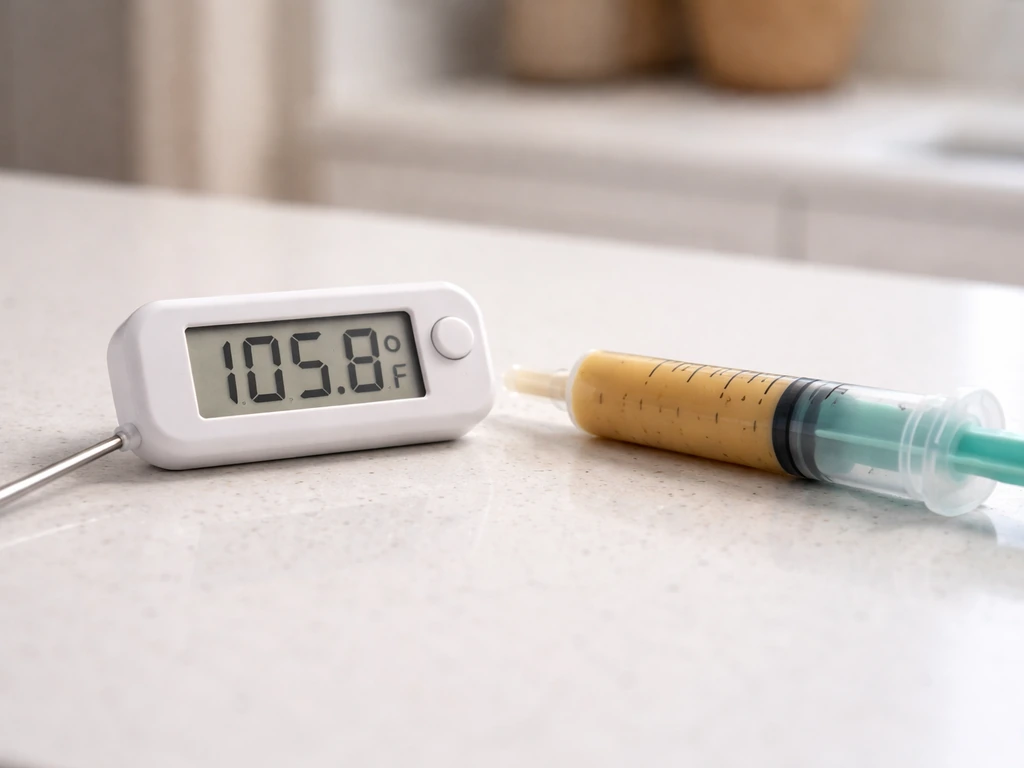
Most aspiration events in pet birds are preventable. The biggest risks come from hand-feeding baby birds, giving oral medications incorrectly, offering food or water in situations where the bird is stressed or moving around too much, and triggering regurgitation that the bird then inhales. Here are the practical steps that reduce risk:
- Hand-feeding baby birds: always feed at the correct temperature (around 105 degrees Fahrenheit), never force material in faster than the bird is swallowing, and stop immediately if the bird stops pumping or shows any distress
- Oral medications: use proper technique with a syringe placed gently to the side of the beak and toward the back of the throat on the right side (birds' trachea opens on the left), and go slowly
- Never force-feed a bird that is not alert and actively swallowing. This is the number one cause of aspiration
- Keep food textures appropriate for the species and age. Pieces should be small enough that the bird is not struggling to manage them
- Avoid giving a large amount of water or liquid all at once to a bird that has just been stressed or handled
- Minimize regurgitation triggers: do not over-stimulate a bonded bird that tends to regurgitate on you, and avoid feeding immediately after stressful events
- After any vomiting episode, monitor closely before offering more food or water to make sure the bird is fully recovered and alert
- Have your avian vet demonstrate proper oral medication technique if you are giving treatments at home for the first time
Prevention comes down to slowing down and paying attention during any feeding or medication moment. Birds are small, their airways are very close to their esophagus, and things can go wrong quickly. Taking an extra thirty seconds to make sure your bird is calm, upright, and actively swallowing is the single most effective thing you can do to keep aspiration off the table.
FAQ
If my bird coughs after eating, does that always mean aspiration?
No. Hiccups and mild airway irritation can also cause coughing, especially if it happens during or right after a swallow and then quickly improves. Aspiration becomes more likely when the breathing trouble starts suddenly in the same moment as swallowing (open-mouth breathing, tail bobbing, clicking or gurgling, wet bubbles at the nostrils) and does not settle within about 1 to 2 minutes.
How long should I wait for it to stop before I treat it as aspiration?
If symptoms appear during or within moments of eating, drinking, or oral medication and your bird is not clearly improving within about 1 to 2 minutes, assume aspiration risk and arrange veterinary guidance the same day. Birds can worsen quickly, and waiting for “proof” can delay pneumonia treatment.
What should I do immediately during an aspiration event at home?
Stop feeding or any liquids and do not try to force more swallowing. Keep your bird calm and upright (avoid stressful handling), and monitor breathing while contacting a vet. Avoid home remedies or attempting to clear the airway unless a professional tells you to, since extra handling can worsen inhalation.
Can aspiration happen without obvious coughing?
Yes. Some birds show mainly abnormal breathing patterns, such as tail bobbing at rest, open-mouth breathing, or audible gurgling or clicking after a swallow, without a strong cough. Any sudden shift in breathing right after swallowing should be treated as a possible aspiration event.
My baby bird spilled formula, and now it is making clicking sounds. Is that aspiration or choking?
It can be either, but the key difference is timing and connection to swallowing. Formula bubbling or wetness at the nostrils plus clicking or gurgling right after feeding strongly suggests aspiration, while severe distress that comes with inability to breathe can indicate choking. Regardless, sudden respiratory distress after feeding is an emergency, so contact a vet right away.
Should I withhold food and water after a suspected aspiration?
Yes, pause oral intake until you have spoken with a vet or the bird is clearly normal again. Re-feeding too soon can reintroduce material into the airway. Once the vet advises it is safe, restart cautiously with small amounts and ensure the bird remains calm and upright.
How can I tell aspiration pneumonia from a one-time aspiration episode?
Aspiration pneumonia tends to cause worsening over hours, not immediate full recovery. Watch for fast or labored breathing that persists or increases, reduced appetite, lethargy, and a return of coughing or open-mouth breathing after the initial episode. Even if the bird seems a bit better, same-day veterinary contact is still important because pneumonia can develop quickly.
Does changing the feeding method prevent re-aspiration if my bird is already sensitive?
Often, yes. Prevention is largely about slowing down and keeping the bird calm and upright during any swallow. For hand-feeding, use careful, measured amounts and confirm swallowing before offering more, since rushing or repeated regurgitation events increase the chance of inhaling formula.
When I call the vet, what details should I provide?
Tell them the species and age, exactly what was given (food, water, formula, or medication), the timing of symptom onset relative to swallowing, and what you observed (open-mouth breathing, tail bobbing, clicking or gurgling, nostril wetness, crop behavior). Mention whether it improved within 1 to 2 minutes or has persisted, this helps them triage for aspiration versus other respiratory problems.
Are there any “normal” bird sounds that people mistake for aspiration?
Some intermittent hiccuping can be harmless, especially if it is not tied to a specific feeding or medication moment and it resolves quickly without breathing distress. Hiccups become more concerning when they occur repeatedly and come with signs like open-mouth breathing, tail bobbing, persistent clicking or gurgling, or visible wetness at the nostrils after swallowing.