
A bird that looks like it's gagging is almost always doing one of four things: trying to regurgitate or vomit, reacting to a throat or airway irritant, struggling with a crop problem, or showing early signs of respiratory distress. The motion looks similar in all four cases, which is exactly why it's so alarming and so easy to misread. The fastest way to sort it out is to watch your bird for two to three minutes right now and run through a short checklist before you do anything else.
Why Does My Bird Look Like It’s Gagging? Causes and Next Steps

Marcus Chen
2 May 2026
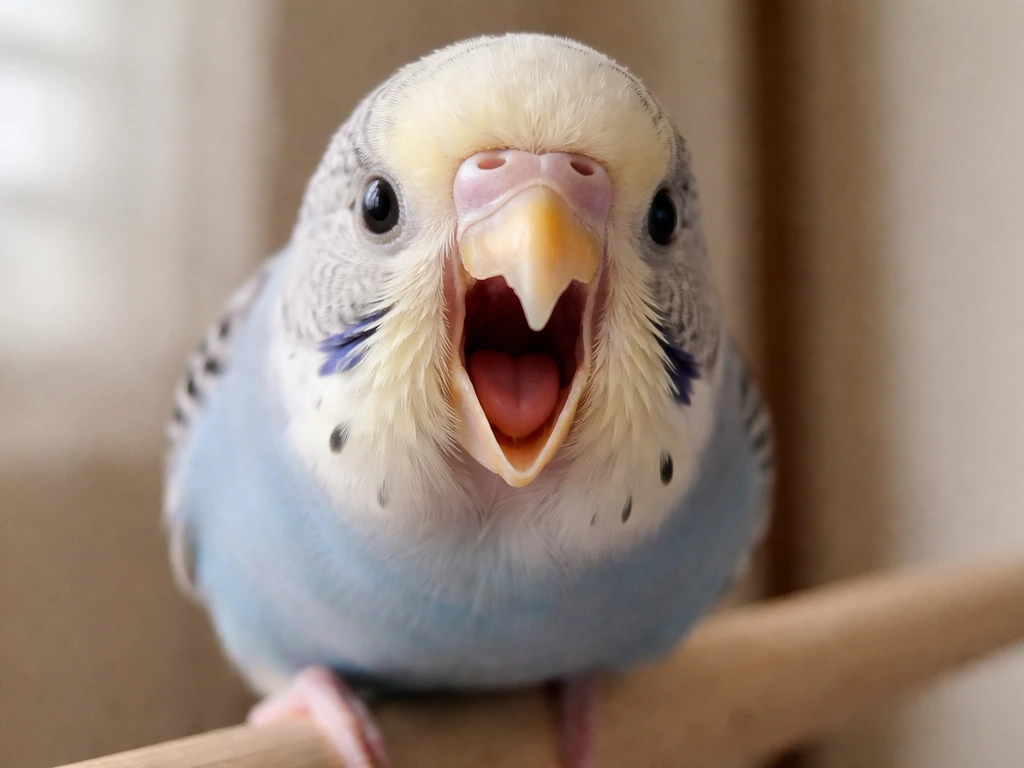
What "gagging" actually looks like in birds
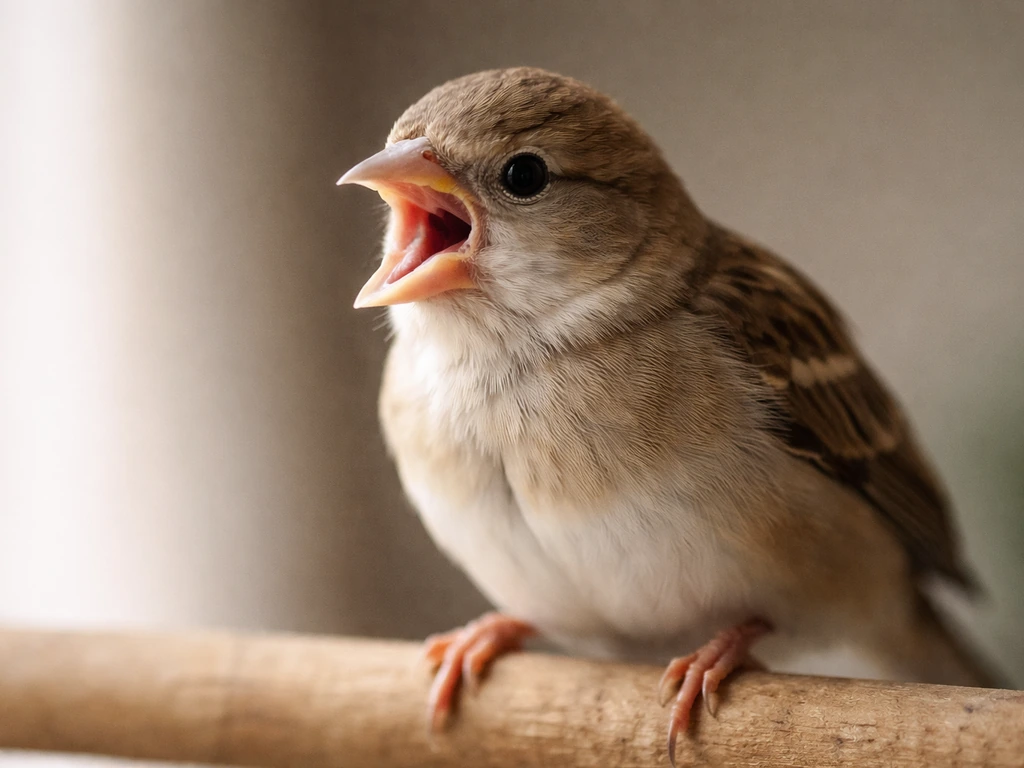
Birds don't gag the same way mammals do, so the motion can catch owners off guard. What you're typically seeing is one or more of these: repeated beak opening and closing with an exaggerated swallowing motion, neck stretching or pumping, head shaking or flicking, or an actual attempt to bring up crop contents. The bird may look like it's trying to clear something from its throat, like it's about to vomit, or like it's struggling to breathe through its beak.
The key thing to notice right away is whether the beak is open because of breathing effort or because of swallowing effort. Those two look similar but point in very different directions. A bird breathing through an open beak while sitting puffed up and still is a much bigger concern than a bird that's actively pumping its neck, looks alert, and then goes back to preening. Keep that distinction in mind as you go through the checklist below.
Quick at-home check: what to observe right now
Before you call anyone or do anything, spend two or three minutes watching your bird closely. You want answers to the following questions, because the pattern of your answers will tell you a lot about what's going on.
- Is the beak open during or between the gagging motions? Is your bird actively breathing through an open beak even when it's sitting still?
- Is the tail bobbing up and down with each breath? A rhythmic tail pump tied to breathing is a red flag for respiratory effort.
- Is the neck stretched forward or pumping in a repetitive wave-like motion? That pattern leans toward regurgitation or crop-related causes.
- Is there any mucus, discharge, or wetness around the nostrils or beak?
- Is your bird making any unusual sounds: wheezing, clicking, squeaking, or a raspy voice?
- How is its posture? Alert and upright, or fluffed up, hunched, and still?
- Has your bird eaten or drunk anything in the last few hours? Is its appetite normal?
- What do the droppings look like? Watery, discolored, or absent droppings can signal systemic illness.
- Did this start suddenly, or has it been going on for a while?
- Has anything changed in the environment in the last 24 to 48 hours? New candles, air fresheners, cooking sprays, nonstick cookware, cleaning products, a new toy, or a new food?
Write down what you're seeing or take a short video. If you end up calling an avian vet, this information will help them triage your bird over the phone and tell you how fast you need to come in.
The most common reasons birds gag (and how to tell them apart)
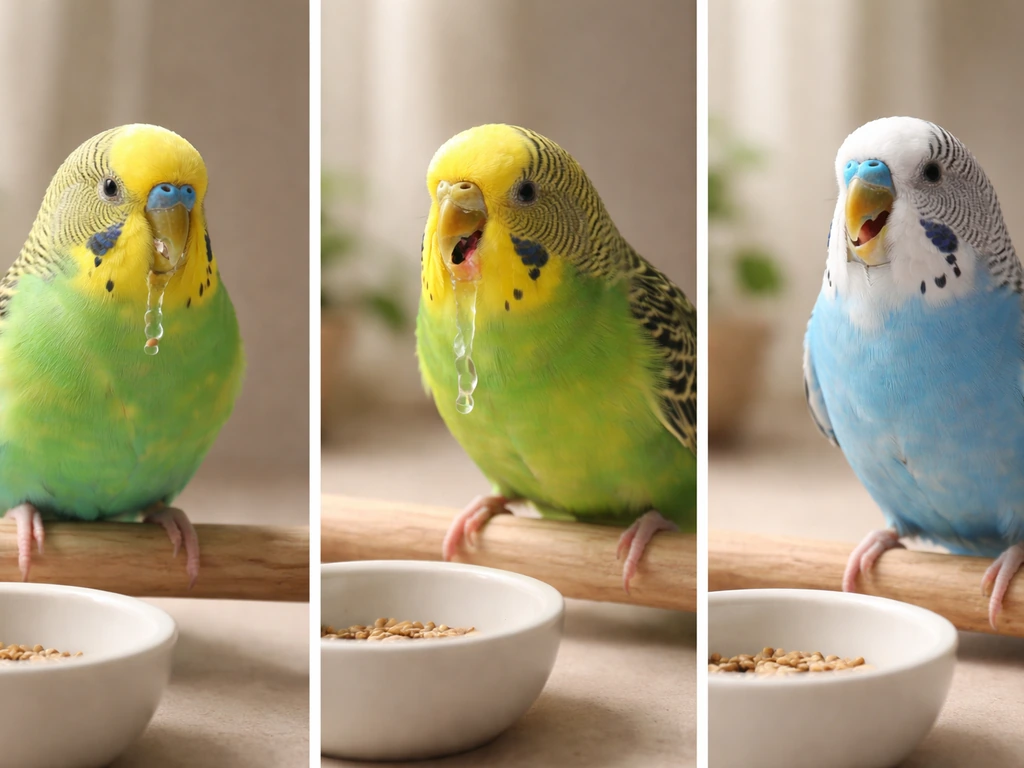
Regurgitation: the normal-ish one
Regurgitation is a voluntary process where a bird brings up crop contents, and it's completely normal in certain contexts. Birds regurgitate to feed mates or chicks, and pet birds often do it toward their favorite person or a mirror as a bonding display. The motion is usually deliberate: the neck pumps in a wave-like rhythm, the bird may look focused or even pleased, and then it deposits softened food. The bird stays alert and goes right back to normal afterward. If your bird does this occasionally toward you or a toy, doesn't look distressed, and eats and acts normally otherwise, it's likely just expressing affection in a bird-brained way.
Vomiting is different. It's involuntary, the expelled material often smells sour or acidic, and the bird typically looks unwell before and after. If the gagging motion ends with food or liquid being thrown sideways (rather than neatly deposited), or if the bird looks miserable or has food stuck to the feathers around its beak, that's vomiting, not regurgitation, and it warrants a vet call.
Throat irritation from something in the air
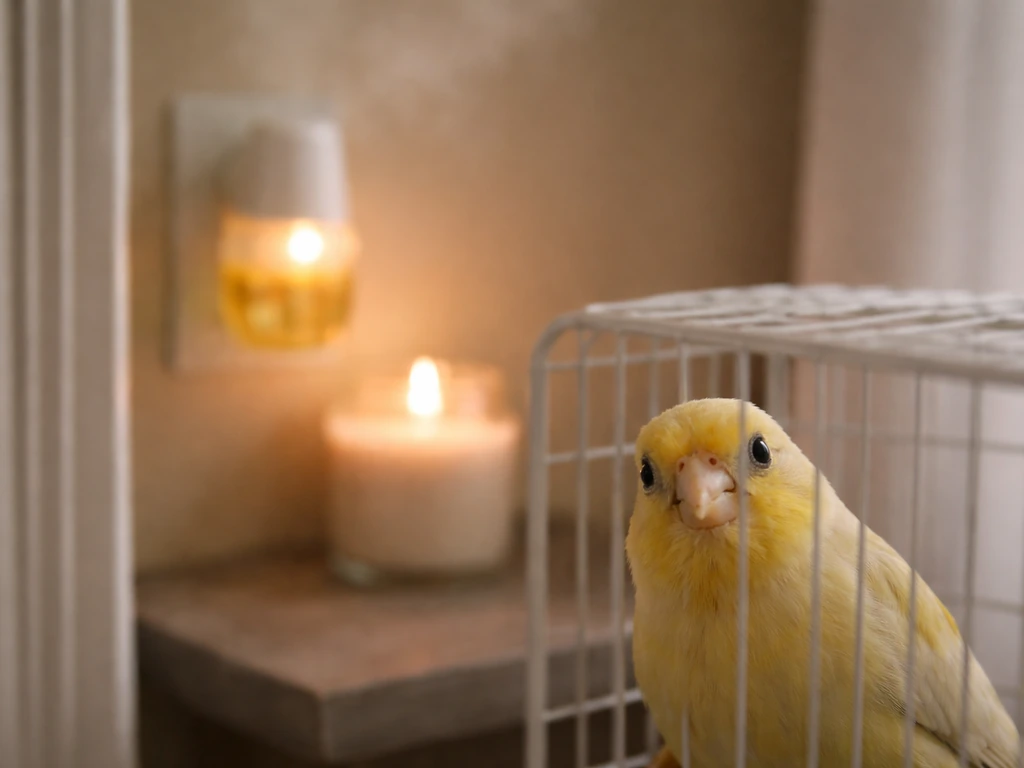
Birds have extremely sensitive respiratory tracts. An aerosol air freshener, scented candle, spray disinfectant, or even a strong-smelling cleaning product used nearby can irritate the throat and upper airway enough to trigger gagging, sneezing, or coughing. This is especially likely if the gagging started suddenly and you've used something new in the last hour or two. Nonstick cookware (PTFE or Teflon) that's been overheated is a particularly serious source of toxic fumes for birds, and that situation can escalate to a life-threatening emergency very fast. One EPA HERO clinical-study record (abstract) reports that heated PTFE pyrolysis products caused acute respiratory distress and rapid death in many exposed birds.
Respiratory distress
Respiratory distress is the scenario where "gagging" becomes urgent. Signs that push you from "watch closely" to "go now" include: open-mouth breathing that continues even when the bird is calm and still, tail bobbing with every breath, a neck stretched forward and up, wheezing or clicking sounds, blue or gray color around the cere or beak, and a bird that's hunched, puffed, and not interested in moving. If the gagging motion is paired with labored breathing and these signs, this is not a wait-and-see situation.
Choking or aspiration
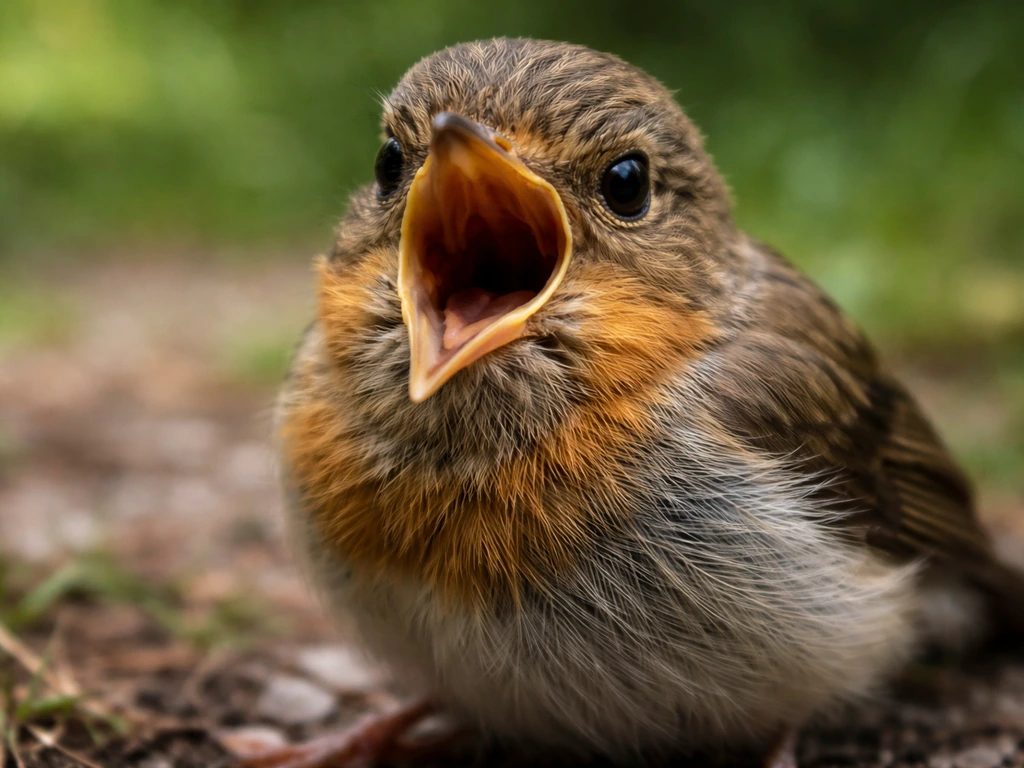
A bird that has inhaled a piece of food or a foreign object may show exaggerated beak-opening motions, difficulty swallowing, and what looks like gagging or retching. If you're wondering, “is my bird choking? ”, the key is whether the episode started suddenly and there is ongoing distress after eating or drinking. Aspiration of liquid or semi-liquid material into the airway is especially dangerous because it can cause ongoing respiratory effects and tissue damage.
If the gagging started suddenly while your bird was eating or drinking, or after you gave a hand-feeding formula or liquid medication, aspiration is a real concern. If you suspect aspiration specifically, you can use this guide on how do i know if my bird aspirated to judge whether the episode started after eating or drinking and how urgent it is.
This is covered in more detail in related discussions about choking and aspiration in birds, but the short version is: if there was a sudden episode during or right after eating followed by ongoing distress, get to a vet.
Crop and digestive causes
The crop is a muscular pouch in a bird's throat area where food is temporarily stored before moving to the stomach. When the crop isn't emptying properly, it can cause a range of symptoms that look a lot like gagging: neck stretching, repeated swallowing motions, regurgitation attempts, and general discomfort. Crop stasis (delayed emptying) and sour crop (a yeast overgrowth from fermented food sitting too long) are the two main crop conditions to know about. In a Reddit r/birds discussion about crop swelling or crop stasis in a rooster, the poster describes a bulged or squishy crop after feeding or water and asks for likely causes and whether more water could worsen the problem crop stasis (delayed emptying).
To check for a crop issue at home, gently feel the area at the base of your bird's neck, at the front of the chest. A healthy crop empties roughly every two to four hours. If it feels full, doughy, or fluid-filled when it should be empty (like first thing in the morning before eating), that's a sign something's off. A sour or yeasty smell coming from the beak is another strong indicator. Other signs of crop stasis include poor appetite, lethargy, weight loss, and reduced droppings.
Red flags that mean the crop situation is serious enough to call a vet today: the crop is still enlarged in the morning before your bird has eaten, you can feel a firm lump or hard mass in it, your bird is lethargic or losing weight, or it's having any trouble breathing. Crop issues can progress to dehydration and systemic decline if left untreated.
Environmental and diet triggers to rule out right now
Before anything else, take a quick sweep of your bird's environment. Many cases of sudden gagging or throat irritation in birds trace back to something new or something that went wrong in the space around them.
- Remove any air fresheners, scented candles, incense, or plug-in diffusers from the bird's room immediately.
- Check whether any nonstick pans or appliances were used in the kitchen recently, especially if they were heated at high temperatures.
- Think about any cleaning products, sprays, or disinfectants used in or near the room.
- Check for new toys, especially painted or heavily coated ones that might off-gas fumes.
- Think about whether your bird ate something different recently, including a new treat, seed mix, or fruit.
- Check if your bird could have gotten into something it shouldn't have, like a piece of string, rubber, or a household plant.
- Make sure the room has good ventilation and isn't unusually dusty.
Move your bird to a clean, well-ventilated room away from any potential irritants while you figure out what's going on. Fresh air makes a real difference if the trigger is airborne.
Safe first steps vs things to avoid
Things you can safely do right now
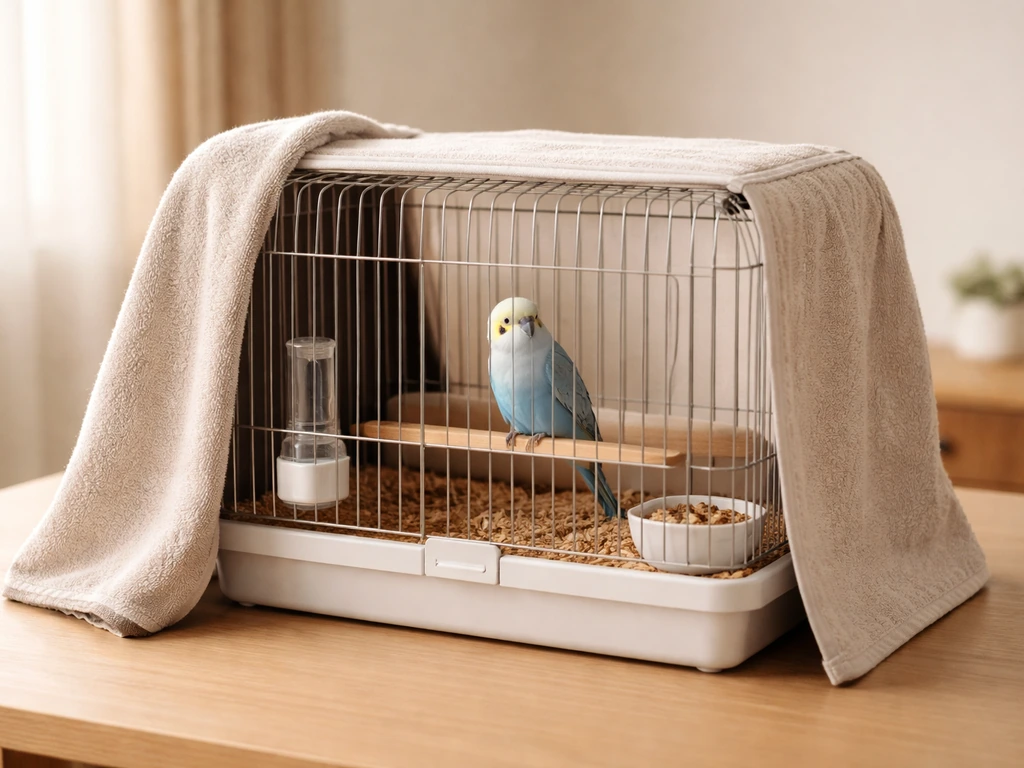
- Move your bird to a quiet, clean, warm room away from potential irritants and stressors.
- Keep the environment calm. Stress worsens respiratory symptoms and can cause a bird to deteriorate faster.
- Maintain a comfortable temperature, around 85°F (29.4°C) if your bird seems cold, puffed, or lethargic.
- Offer fresh water and food, and note whether your bird is eating and drinking.
- Observe and document: take a short video of the behavior and note timing, frequency, and any other symptoms.
- Call an avian vet to describe what you're seeing. Even a phone triage call can tell you whether to come in urgently.
Things to avoid
- Do not try to force-feed your bird or give it water by syringe unless specifically directed by a vet. If your bird has any airway compromise, this can cause aspiration.
- Do not invert or turn your bird upside down to try to empty the crop. This is a well-documented way to cause aspiration.
- Do not use home remedies you've seen online without talking to a vet first, especially anything involving oil or liquid administered orally.
- Do not handle or stress your bird more than necessary if it's already showing signs of respiratory effort. Handling a bird in distress can push it past a safe threshold quickly.
- Do not assume the problem will resolve on its own if breathing is involved. Birds hide illness well, and by the time symptoms are obvious, things can be further along than they appear.
When to call an avian vet immediately
Some of what's described above can safely be observed for a short time before deciding next steps. These situations cannot. If you see any of the following, contact an avian vet right away, not tomorrow morning and not after a few more hours of watching.
| Sign you're seeing | Why it's urgent |
|---|---|
| Open-mouth breathing that continues when the bird is calm and still | Birds should not need to breathe through their beaks at rest. This signals respiratory effort or obstruction. |
| Tail bobbing with every breath | Rhythmic tail movement tied to breathing is a sign the bird is working hard to breathe and needs help. |
| Blue, gray, or purple color around the cere or beak | Indicates poor oxygen levels in the tissues. This is a critical emergency. |
| Gagging started suddenly right after eating or drinking | Possible choking or aspiration. Aspirated material can cause serious ongoing damage. |
| Wheezing, clicking, or high-pitched squeak when breathing | Can indicate partial airway obstruction. |
| Sudden onset after suspected fume or toxin exposure | Especially if nonstick cookware, sprays, or candles were involved. Toxic fume exposure can cause rapid decline or sudden death. |
| Lethargy, fluffed feathers, and refusal to eat | A bird that is quiet, fluffed, and not eating is not just stressed. This pattern signals systemic illness. |
| Crop still full in the morning with a sour smell or hard lump | Crop stasis or impaction that isn't resolving needs veterinary treatment to avoid serious complications. |
| Symptoms are getting worse or not improving within 30 to 60 minutes | When in doubt, call. Avian health can decline quickly. |
It's also worth knowing that birds can look reasonably okay and then deteriorate very fast. If your gut is telling you something is wrong, trust that instinct and make the call. An avian vet would rather hear from you on the phone and reassure you it's nothing serious than have you wait too long on something that needed prompt care.
Gagging-like motions in birds cover a wide range of situations, from completely harmless regurgitation to early respiratory distress, and the difference matters a lot for how you respond. If the motion is more like coughing than regurgitation, you may be looking at a different cause, so check this guide on why is my bird coughing.
If you are wondering why your bird is hiccuping, it can help to compare the timing and body posture to the gagging and breathing patterns described here Gagging-like motions. Running through the at-home checklist above, removing environmental irritants, and matching what you're seeing to the patterns described here will get you most of the way to understanding what's happening with your bird right now.
When breathing is involved at all, or when the behavior is sudden, severe, or getting worse, that's the moment to stop observing and start driving.
FAQ
How can I tell if this is just regurgitation versus something more serious like vomiting?
Yes, but timing matters. If the motion happens in the middle of normal activity and the bird quickly returns to eating, perching, and normal posture, regurgitation is more likely. If the beak-opening happens while the bird is sitting puffed up, stays open for breathing effort, or the episode is followed by weakness, ruffled feathers, or ongoing trouble swallowing, treat it as vomiting or respiratory distress rather than normal regurgitation.
What should I record for a vet if my bird looks like it’s gagging?
Take your video from the side, not just head-on, and include the beak opening, neck position, and whether the bird is breathing with an open mouth. If you can, also capture 10 to 20 seconds before the episode starts. When calling a vet, mention whether it began during or right after eating or drinking, and whether any liquid or food ends up on nearby feathers.
Should I try to feed or give medication if my bird is gagging?
Do not try to force food or water by hand during an active episode of gagging or labored breathing. Hand feeding or medicating during suspected aspiration can worsen airway damage. If you must provide care, stop and reassess, remove the bird from irritants, and seek avian guidance promptly.
At what point should I stop waiting and go to an avian vet immediately?
If your bird is puffed up and breathing with the beak open, or you hear wheezing or clicking, that is a go-now situation even if the bird intermittently stops the motion. Color changes around the beak or cere (blue or gray) and tail bobbing are additional urgency signals, because those point to oxygen or airflow problems rather than a throat irritation alone.
Could this be aspiration or choking, and how do I judge that at home?
Birds can inhale something during or right after eating or drinking, especially if the bird bolts food, drinks too fast, or if liquid was delivered by syringe or dropper. Aspiration often looks like sudden episodes triggered by feeding, followed by ongoing distress rather than a neat, deliberate deposit. If symptoms start right around feeding and continue, assume aspiration risk until a vet rules it out.
What household changes are most likely to trigger gagging-like behavior?
If the bird ate something new, you smell strong fumes, or you used any spray or cleaner in the last one to two hours, think airway irritant first. Also consider kitchen hazards like overheated nonstick cookware, which can produce toxic fumes even before you feel strong odors. Remove the bird from the area immediately and ventilate the space.
When should I suspect crop stasis or sour crop instead of respiratory trouble?
A crop that is delayed is often a gradual pattern, not a single sudden burst. If the crop area feels doughy, consistently full early in the day, and the bird has sour odor from the beak plus reduced droppings or lethargy, crop stasis or sour crop is more likely. If the bird has true respiratory signs (open-mouth breathing, wheeze, tail bobbing), prioritize respiratory distress rather than focusing only on the crop.
Is it safe to check the crop at home, and what do my findings mean?
A quick feel can help you decide whether to escalate, but do it gently and do not repeatedly press the crop area. If you detect a hard mass, the crop is still enlarged when it should be empty, the bird is losing weight or too sleepy to move normally, or breathing is involved, contact an avian vet today rather than monitoring longer.
Should I try to open the beak or remove something from the throat myself?
No. Trying to clear something from the throat with tools or fingers can injure tissue, worsen swelling, and increase aspiration risk. If you suspect something stuck, focus on urgent vet care. Keep the bird calm and warm, and remove anything you think could be causing further irritation.
Can my bird look “okay” between episodes, and still be seriously ill?
Yes, posture can be misleading. A bird may look alert during regurgitation, but a bird that remains hunched, puffed up, and not interested in moving, especially with persistent open-mouth breathing, is more concerning. The best cue is whether breathing effort is ongoing even when the bird seems otherwise calm.