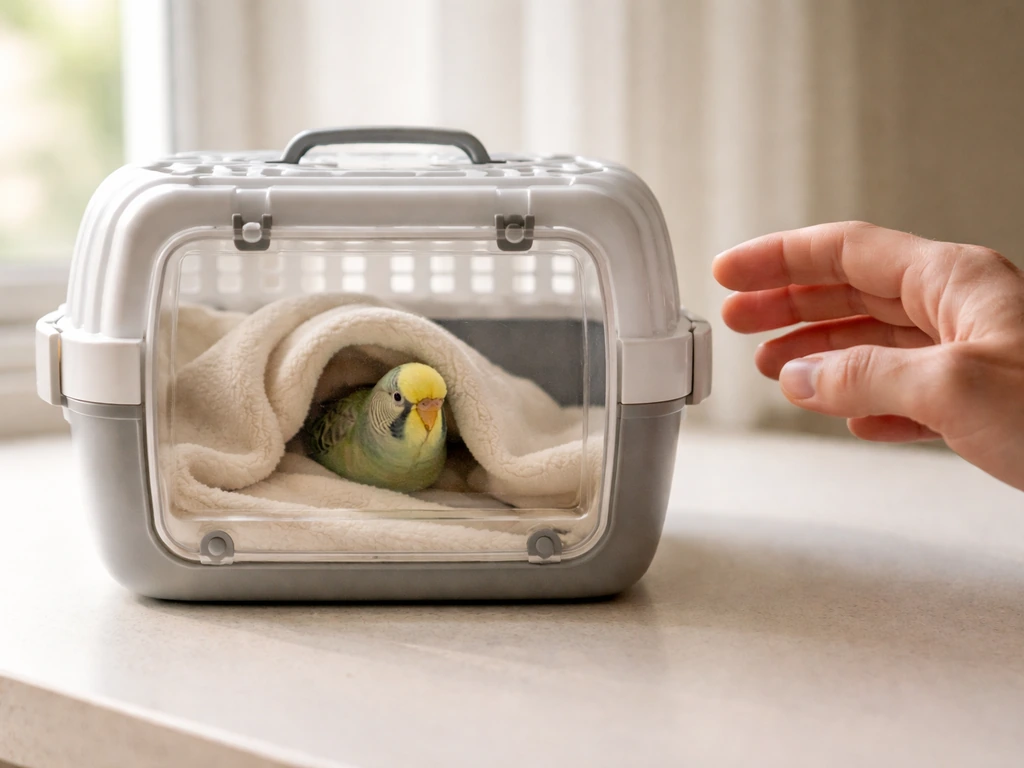
Most of the time, a bird that looks like it's hiccuping is doing something completely harmless. Birds don't hiccup the way humans do, but they do make short, rhythmic beak movements, tiny body contractions, or quick head bobs that owners often describe exactly that way. Nine times out of ten it's triggered by eating too fast, mild excitement, a sudden temperature change, or a brief airway irritation from dust or a strong smell. That said, some of those same motions can be early signs of a respiratory or digestive problem, so it's worth taking a closer look before you decide everything's fine.
Why Is My Bird Hiccuping? Causes and What to Do Now

Marcus Chen
19 Jun 2026
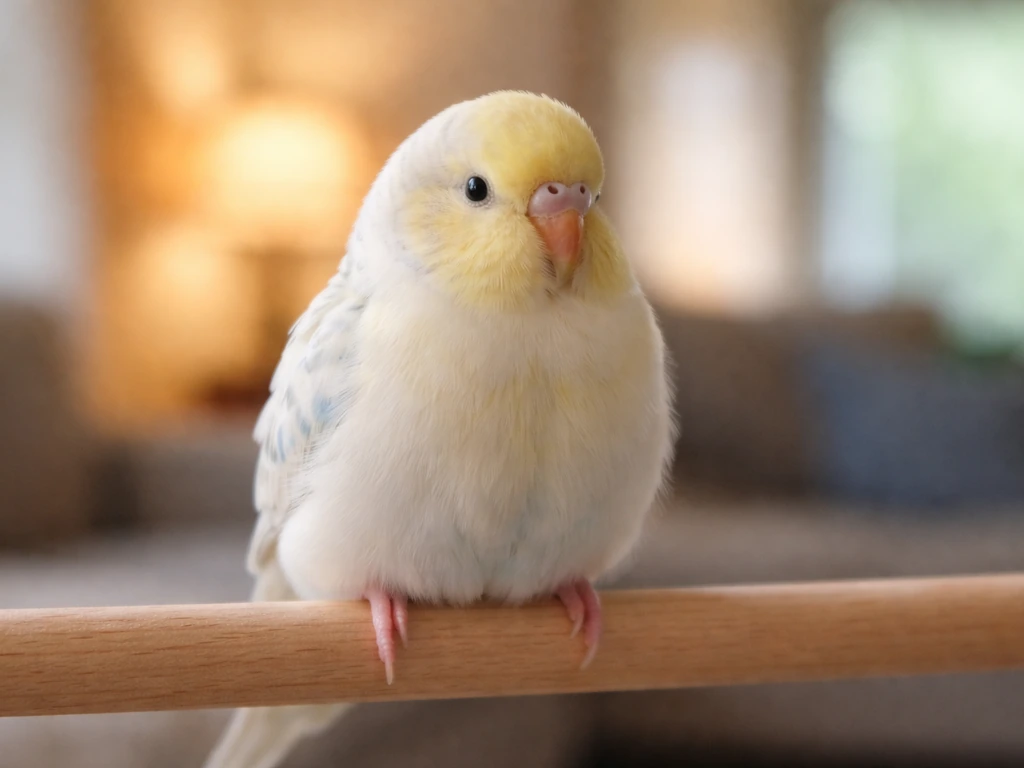
What 'bird hiccuping' usually looks and feels like
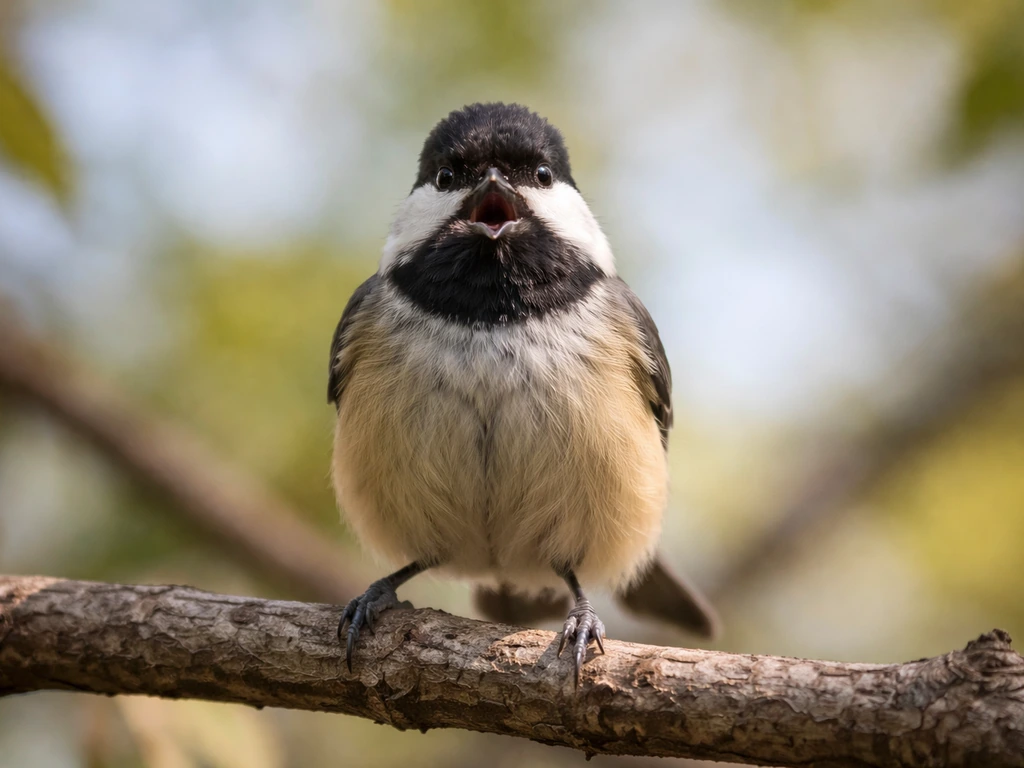
Birds don't have a diaphragm that contracts the way a mammal's does, so technically they can't hiccup in the classic sense. What you're seeing is most likely one of a few things: a quick, repeated opening and closing of the beak, a small rhythmic contraction of the body or chest, a brief head bob paired with a throat movement, or a short series of swallowing motions. It usually lasts only a few seconds to a couple of minutes and then stops on its own.
It's important to pay attention to what's happening around the rest of the bird's body during those movements. Is the bird sitting normally, alert, and relaxed between the movements? Or does it look like every breath requires effort? PetPlace notes that dyspneic birds may show whole-body effort with each breath, including tail bobbing and open-mouthed breathing, so that pattern should raise concern blank" rel="noopener noreferrer">every breath requires effort. That distinction is really the key to figuring out whether this is worth worrying about. If the movements are paired with coughing, that can point to a respiratory issue and is a reason to consider the air quality, diet, and symptoms more closely why is my bird coughing.
Harmless causes to consider first
Before you start worrying, run through these common, benign triggers. Most 'hiccuping' episodes I've seen in birds come down to one of these:
- Eating or drinking too fast: Birds that gulp pellets, seeds, or water quickly will often make repeated swallowing motions that look a lot like hiccups. It usually stops within a minute or two.
- Excitement or handling: Some birds do short rhythmic body bobs or beak movements when they're stimulated, being petted, or anticipating food. It's essentially a physical expression of arousal.
- Mild temperature change: Moving a bird from a warm room to a cooler spot, or vice versa, can briefly affect their respiratory rhythm.
- Dust, powder, or strong scents: Birds have very sensitive airways. A spray of air freshener, scented candle, dusty bag of seeds, or even dry feather dander in the air can cause brief throat or beak movements as the bird tries to clear mild irritation.
- Normal regurgitation behavior: Some birds, especially parrots, will do head bobs and throat contractions when they're about to regurgitate food for a mate or owner. This is normal bonding behavior, not illness.
- Post-feeding fullness: A crop that's full or slightly overfull can cause brief visible contractions in the throat area.
- Mild stress: Changes in environment, a new person in the room, or a stressful interaction can sometimes cause brief repetitive movements.
If the behavior showed up during or right after one of these situations, lasted under two minutes, and your bird is otherwise acting completely normal, you're likely fine. Keep watching for the next hour or so, but don't panic.
Red flags that point to something more serious
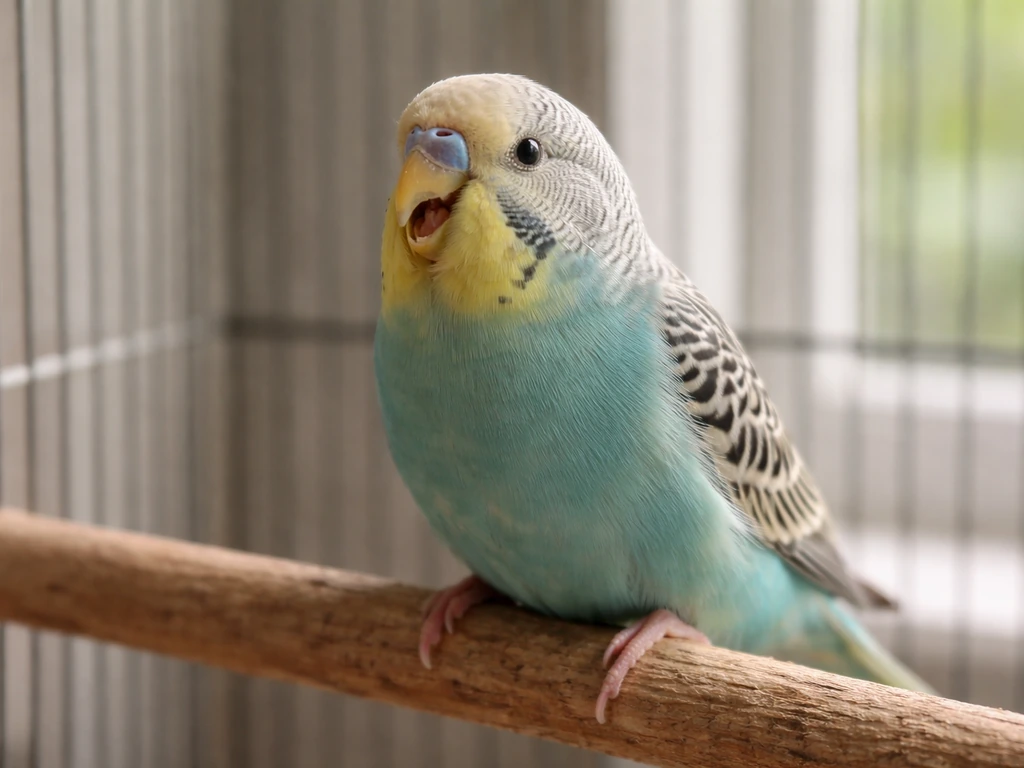
Here's where you need to shift from casual observation to focused attention. The movements described above become concerning when they're paired with any of the following signs: If the movements look like your bird is struggling to breathe or swallowing, ask yourself, is my bird choking, and watch closely for any worsening signs hiccup-like episodes.
- Open-mouth breathing at rest: If your bird's beak is open when it's not hot and not vocalizing, that's one of the clearest indicators of respiratory distress.
- Tail bobbing with every breath: Watch the tail. If it's moving up and down in sync with each breath, the bird is working hard just to breathe. This is a genuine red flag.
- Whole-body effort to breathe: The chest, sides, and even wings shift visibly with each breath when a bird is struggling.
- Wheezing, clicking, or gasping sounds: Normal breathing is nearly silent. Any audible crackling, clicking, or whistling is not normal.
- Fluffed-up posture and lethargy: A bird that's puffed up, sitting low on the perch, eyes half-closed, and not engaging with anything is telling you it doesn't feel well.
- Discharge from nostrils or mouth: Any wetness, crust, or mucus around the nares or beak edge warrants a vet call.
- Change in mucous membrane color: If you can see the tissue inside the mouth, it should be pink. Gray, pale, or bluish color is a serious sign.
- Loss of appetite: A bird that's refusing food alongside any of the above is in a more urgent situation.
- Repeated episodes that keep coming back: A one-time hiccup-like episode is usually fine. If it's been happening repeatedly through the day, especially without an obvious trigger, something may be going on internally.
It's worth knowing that some of these same red-flag patterns show up in other closely related concerns too, including situations where a bird may be gagging, coughing, or potentially dealing with an aspiration event after inhaling food or liquid. If those scenarios feel relevant to what you're seeing, they're worth exploring separately.
Quick home checks to do right now
Don't stress yourself or the bird by handling it more than necessary. The best thing you can do first is observe. Merck Veterinary Manual recommends observing respiratory rate and effort, open-mouth breathing, and posture such as tail bobbing or wing position, and if respiratory distress is present placing the bird in a warm, oxygenated incubator before restraint observe. Here's what to check:
- Step back and watch from a distance for 2 to 5 minutes without interacting. Birds often mask symptoms in the presence of people, so observing from across the room gives you a more accurate picture.
- Check the tail: Is it moving up and down with every breath? This tail-bobbing pattern is one of the most reliable visual signs of respiratory effort.
- Listen: Move close without startling the bird. Can you hear any wheezing, clicking, or labored sounds? Normal breathing should be nearly inaudible.
- Look at the beak: Is it open at rest? Is the bird repeatedly opening and closing it in a pattern that looks effortful rather than relaxed?
- Check posture: Is the bird upright and alert, or is it hunched, fluffed, with feathers puffed and wings slightly dropped?
- Look at the nares and around the beak: Any discharge, crustiness, or wetness that's new?
- Think back: Did the hiccuping start after eating, after you used a spray or lit a candle, after handling, or during a temperature change? Identifying a trigger immediately tells you a lot.
- Note the duration and frequency: A 30-second episode that resolved completely is very different from repeated episodes occurring multiple times per hour.
If your bird passes all of those checks, meaning posture is normal, no open-mouth breathing, no tail bobbing, no sounds, and the episode has stopped, monitor for the next two to three hours. Write down what you observed in case you need to describe it to a vet later.
Safe things you can do at home right now
Improve the air quality immediately
Birds have extraordinarily sensitive respiratory systems. If there's any chance an airborne irritant triggered the episode, remove it from the environment. Open a window for fresh air if the outdoor temperature is reasonable. Turn off any candles, air fresheners, incense, or scented plug-ins. If you've been cooking with nonstick cookware, be aware that overheated Teflon-type coatings release fumes that are acutely toxic to birds, even at concentrations too low for humans to notice. Move the bird to a different room if needed.
Keep the bird warm and quiet
If your bird seems a little off but isn't showing urgent red flags, keep the environment warm (around 80 to 85°F is a common supportive temperature for a mildly unwell bird), reduce noise and activity around the cage, and let the bird rest. Stress actively suppresses immune function in birds, so a calm environment genuinely helps. Cover part of the cage to make the bird feel more secure.
Review feeding method and recent diet
If the hiccuping happened during or right after eating, think about whether the food was served in a way that encouraged fast eating, whether there was competition with other birds, or whether the bird was given something unusual or harder to swallow than normal. Temporarily offer softer foods or smaller portions and see if the episodes stop. Make sure fresh water is available, since dehydration can affect how easily food moves through the crop and esophagus.
Watch humidity levels
Very dry air can irritate a bird's respiratory tract. If you're in a dry climate or running heating or air conditioning heavily, a cool-mist humidifier in the room (not right next to the cage) can help keep mucous membranes from drying out. Don't over-humidify, as excess moisture can encourage mold growth, which is its own respiratory hazard.
When to call an avian vet and how to prepare
Call an avian vet the same day if your bird shows any combination of the following: open-mouth breathing at rest, tail bobbing with each breath, audible wheezing or clicking, visible discharge, a bluish or grayish tinge to mouth tissues, complete loss of interest in food, or hiccup-like episodes that keep recurring throughout the day. Don't wait until morning if the bird looks actively distressed.
Go to an emergency avian clinic immediately, without delay, if your bird is gasping, barely moving, falling off its perch, or showing any sign of losing consciousness. These are life-threatening situations.
Before you call, gather the following information so you can describe the situation clearly and quickly:
- Species, age, and approximate weight of the bird (if you know it)
- How long the episodes have been happening and how often
- What the movements look like: beak, body, tail, head
- Whether the bird has been eating, drinking, and passing droppings normally
- Any recent changes in diet, environment, or exposure to new items
- Whether anyone used any sprays, candles, cleaning products, or cooked with nonstick pans recently
- The bird's current posture and activity level
- Any other symptoms you've noticed, including changes in droppings, vocalizations, or behavior
Having this ready means the vet can triage the situation faster and give you better guidance on whether to come in immediately or monitor at home.
Normal vs. concerning: a quick comparison
| What you're seeing | Likely harmless | Needs attention |
|---|---|---|
| Duration | Under 2 minutes, stops on its own | Repeating throughout the day or lasting longer |
| Breathing between episodes | Silent, effortless, beak closed | Audible, effortful, or open-mouthed |
| Tail movement | Still between breaths | Bobbing up and down with every breath |
| Posture | Upright, alert, engaged | Fluffed, hunched, drooping wings |
| Eating and drinking | Normal appetite and thirst | Refusing food or water |
| Eyes | Bright and open | Half-closed, dull, or watery |
| Obvious trigger | After eating fast, handling, or irritant exposure | No clear trigger, happens spontaneously |
| Discharge | None | Wetness or crust around nares or beak |
The goal here is to get you from worried and unsure to clear-headed and acting appropriately. Most hiccup-like episodes in birds resolve quickly and mean nothing. But birds are prey animals that hide illness instinctively, so if your gut says something's off, even when the symptoms seem mild, it's always reasonable to call an avian vet and describe what you're seeing. If you suspect aspiration, watch for open-mouth breathing, coughing, or trouble breathing after eating, and treat it as urgent. A phone call costs nothing and could matter a lot.
FAQ
How can I tell the difference between normal beak “hiccuping” and something serious?
In birds, the most useful detail is what happens to breathing and swallowing, not the “hiccup” label. If you see repeated beak openings with normal posture and no respiratory effort, it is often self-limited. If the bird is working to breathe, breathing is open-mouth at rest, or swallowing seems labored, treat it as a potential airway or throat problem and contact an avian vet the same day.
Can my bird’s hiccuping be a sign of aspiration after eating or drinking?
Yes. “Hiccup-like” beak movements can overlap with early signs of aspiration or airway irritation, especially if it started during or right after feeding. Watch for coughing, open-mouth breathing, wheezing or clicking, or symptoms that begin after a specific eating event. If any of those appear, do not wait for it to pass.
What household items most commonly trigger hiccup-like episodes in birds?
Airway irritation can come from things beyond obvious smoke. Common triggers include scented sprays on furniture, fresheners, dust from bedding changes, vacuuming or sweeping (stirring fine particles), and strong cleaning chemicals or their fumes. If the episode happens soon after cleaning or changing products, switch to a fragrance-free, bird-safe environment and remove the bird during ventilation.
If it happens after meals, what feeding-related changes should I try first?
Feeding speed matters. If the bird is competing, snatching, or taking large bites, it may show rhythmic throat or swallowing motions that look like hiccups. Try smaller portions, slower-feeding methods (wider dish spread or fewer birds at a time), and offer softer foods briefly. If episodes continue for more than a couple of days or become more frequent, ask an avian vet.
What should I avoid doing when my bird looks like it is hiccuping?
Generally, no. Don’t use home “de-hiccuping” tricks like force-feeding water, squeezing the throat, or blowing air into the cage. Those actions can worsen stress or potentially make an aspiration problem worse. Instead, reduce handling, keep the bird calm, remove irritants, and monitor breathing and posture.
Could temperature or drafts cause hiccup-like behavior?
It can, especially if the bird is chilled or experiencing mild respiratory irritation. A practical approach is to make the room comfortable and draft-free, then observe for improvement over the next hour or two. If you notice open-mouth breathing, tail bobbing with each breath, wheeze, or recurring episodes that build, switch from temperature adjustments to veterinary guidance.
If the hiccup-like movements happen more than once, how do I decide whether to call the vet?
Because birds can hide illness, use a pattern-based rule. One short episode with normal posture is usually less concerning, but recurrent episodes throughout the day, symptoms that worsen, or any new breathing sounds are not “just normal.” Track timing (before or after eating, after cleaning, after moving rooms) and note associated signs so you can report a clear story to the vet.
What should I monitor at home after an episode ends?
If your bird is stable and the episode stops, monitor without handling for the next few hours. Write down the duration, what the bird was doing right before it started (eating, excitement, exposure to scent), and whether there were any sounds or breathing effort. If anything changes, especially breathing difficulty, you can pivot to urgent care quickly.
Can dehydration or dry air make hiccup-like behavior more likely?
Some birds have more obvious “throat” movement when they swallow or when they are clearing minor irritation. However, dehydration and dry air can contribute to mucus irritation. If episodes started during very dry weather or heavy heating, ensure fresh water is always available and consider a cool-mist humidifier in the room, not right next to the cage. If the bird develops discharge, wheezing, or recurring worsening episodes, humidifying is not enough.
What if the episode starts right after my bird takes a bite, and breathing seems off?
A key triage question is timing relative to eating and whether there are airway signs. If the movements occur right after a bite, and you see coughing, open-mouth breathing, or breathing trouble afterward, treat it as urgent aspiration risk. Try not to give extra food during active distress, and contact an avian emergency service rather than waiting overnight.
Next Article
How Do I Know If My Bird Aspirated? Signs and Next Steps
Learn aspiration signs in birds and exact home steps, when it’s an emergency, plus vet checks and prevention.