
If your bird is making a hacking, clicking, wheezing, or throat-clearing sound, the most likely culprits are an airborne irritant in the environment, a respiratory infection, or something related to the crop or digestive system that is mimicking a cough. Most cases fall into one of those three buckets, and figuring out which one is what this guide is for.
Why Is My Bird Coughing? Causes and What to Do Now

Marcus Chen
30 Jun 2026
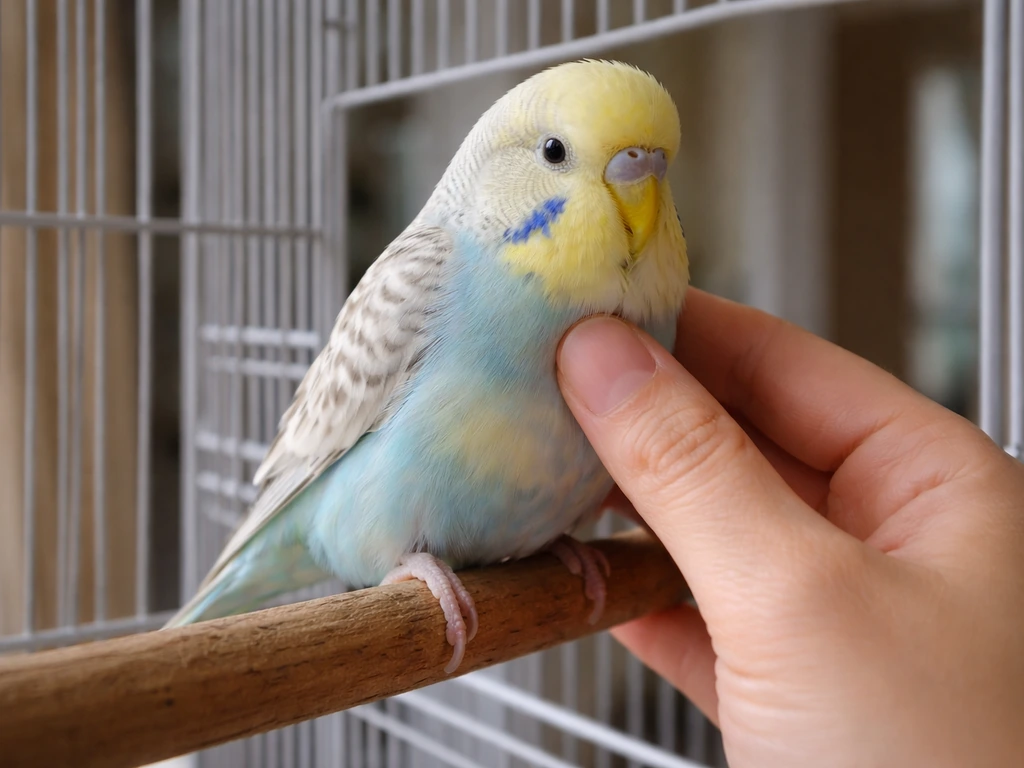
What "coughing" actually sounds like in birds and why it matters
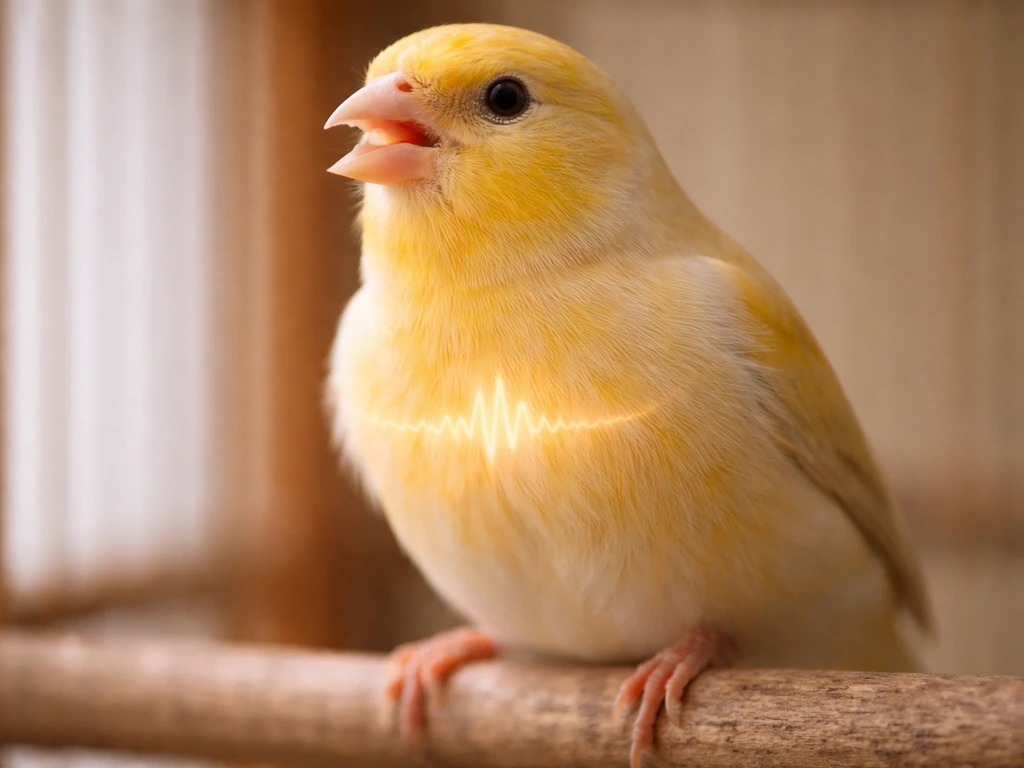
Birds do not cough the same way mammals do, but they produce a range of sounds that owners reasonably call coughing. You might hear a short repetitive clicking at the throat, a wet or rattling wheeze, a dry hacking sound, or what sounds like your bird is trying to clear something from its airway. Some owners also describe it as gagging or throat-clearing. All of these deserve your attention, because unlike a human coughing from a mild cold, a bird showing any noticeable respiratory sound is telling you something is off.
Birds are uniquely vulnerable to airborne problems because their respiratory system is far more efficient than ours at extracting particles and gases from the air. That efficiency works against them in an unhealthy environment. It also means that by the time a bird is visibly struggling to breathe, the problem has often been building for a while. Birds are also well known for masking signs of illness until fairly late in the process, which is why even a subtle cough-like sound is worth investigating right away rather than waiting a few days to see what happens.
It is also worth knowing that what you are calling a cough might not be coming from the lungs or airway at all. Sounds originating from the crop, esophagus, or digestive tract can closely mimic a respiratory cough. Keeping that in mind will help you observe and describe the situation more accurately, whether you are monitoring at home or calling a vet.
Common causes to check first: irritants, dust, fumes, and dry air
The first thing to rule out is something in the air. This is the most immediately fixable cause and also one of the most dangerous if you overlook it.
Cooking fumes are the top priority. Overheated non-stick cookware coated with polytetrafluoroethylene (PTFE, sold under the brand name Teflon and others) releases fumes that can kill a bird within minutes. The problem is that you may not smell anything unusual yourself. At temperatures above about 500 degrees Fahrenheit, these coatings off-gas compounds that are acutely toxic to birds. If you have been cooking with non-stick pans and your bird starts coughing, wheezing, or seems suddenly weak or distressed, treat this as an emergency and move the bird immediately to fresh air while you call a vet.
Other airborne hazards include scented candles, air fresheners, aerosol sprays, cleaning products, perfume, cigarette or vape smoke, paint fumes, and new furniture or carpet off-gassing. A practical rule to keep in mind: if you can smell it from where you are standing, it is likely reaching your bird's respiratory system in a much more concentrated way.
Dust is another common trigger. Fresh bedding, dusty pellets, dried droppings that have been disturbed, certain litter materials, and even some feather dust from other birds can irritate the airways and trigger coughing sounds. Cockatiels in particular produce a fine feather dust that can affect both the bird itself and other species housed nearby.
Dry air can also play a role. In heated or air-conditioned homes, humidity can drop very low. Ideal indoor humidity for most pet birds is around 40 to 60 percent. When the air gets drier than that, the mucous membranes in the respiratory tract can become irritated, which produces sounds resembling throat-clearing or a dry cough.
Infectious causes and the warning signs that come with them
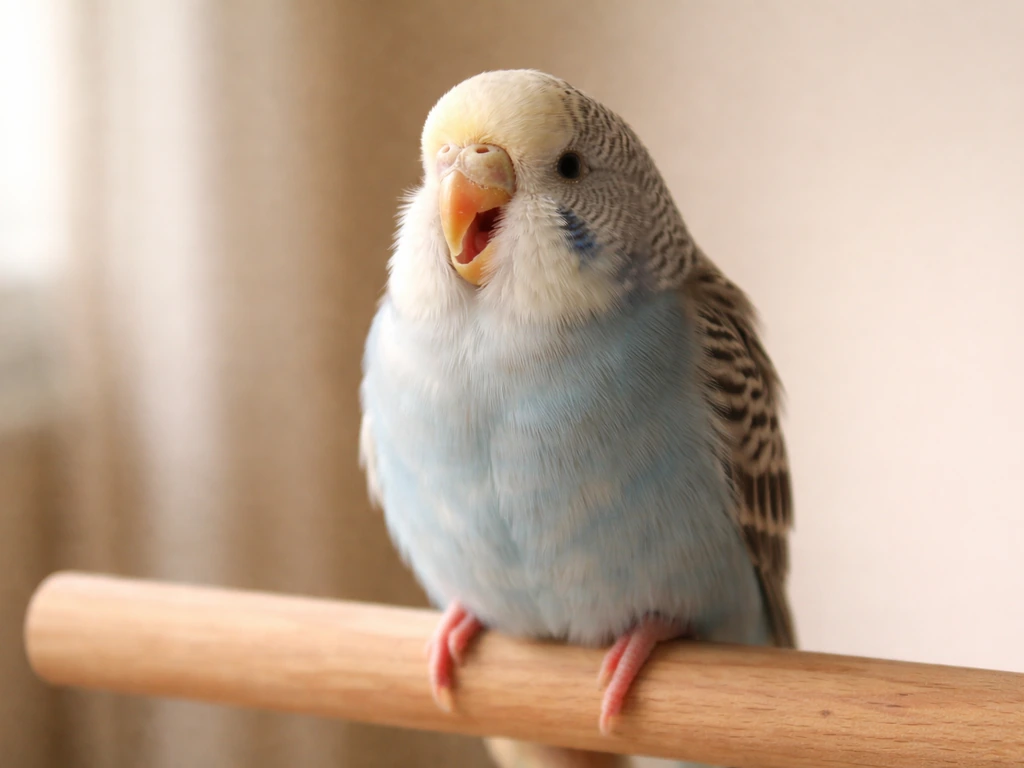
If you have ruled out environmental irritants and your bird is still making cough-like sounds, an infection is the next serious possibility. Respiratory infections in birds can be bacterial, viral, or fungal, and they require professional diagnosis and treatment.
Bacterial infections, including psittacosis
Chlamydia psittaci, the bacteria that causes psittacosis (also called avian chlamydiosis), is one of the more common bacterial respiratory infections in pet birds. Signs include nasal and eye discharge that may be watery or mucus-like, lethargy, loss of appetite, green to yellow-green urates in the droppings, and diarrhea. Psittacosis is also zoonotic, meaning it can spread to people, which makes it important to get a diagnosis quickly. Diagnosis typically involves PCR testing, and treatment is usually a course of doxycycline.
Fungal infections
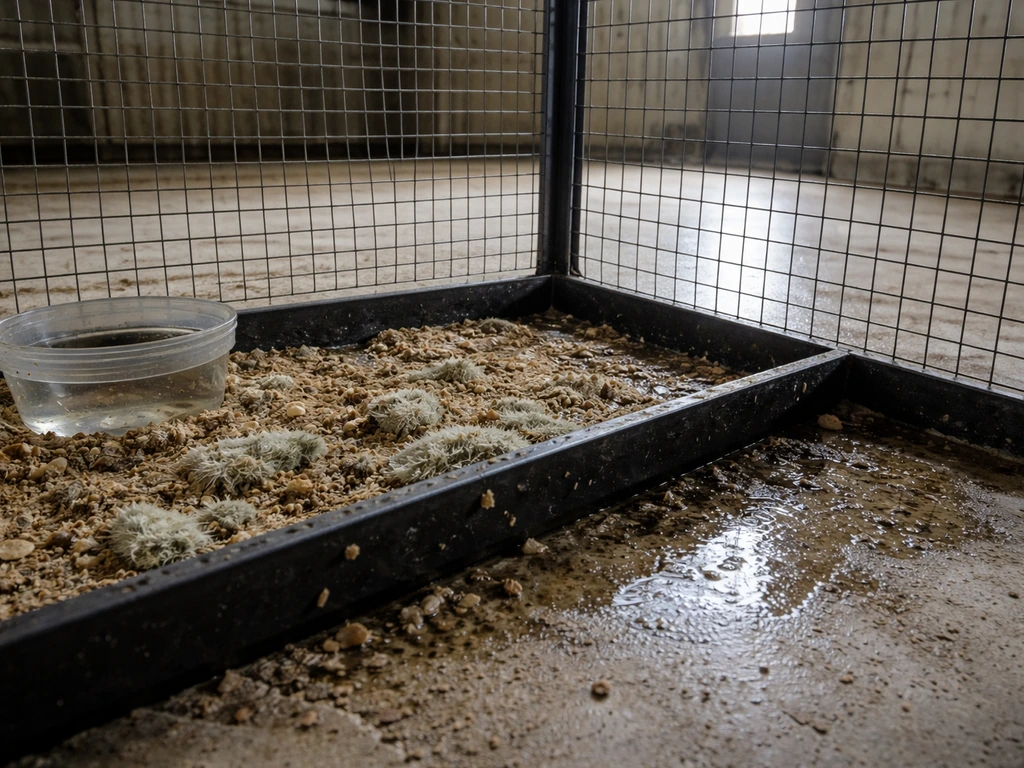
Aspergillosis, caused by the Aspergillus fungus, can affect the lungs, air sacs, trachea, and syrinx. It tends to develop in birds that are immunocompromised or have been exposed to moldy food or damp, poorly ventilated environments. The sounds it produces can be subtle at first, sometimes a voice change or wheezing, before progressing to more obvious respiratory distress.
Viral infections
Avian paramyxoviruses and other viral respiratory pathogens can cause sneezing, nasal discharge, labored breathing, weight loss, and in some cases neurological signs like stumbling or head bobbing. Viral infections generally require supportive care rather than direct antiviral treatment, but a vet needs to rule them out and manage complications.
Across all infectious causes, the warning signs that suggest something more than a mild irritation include discharge from the nares or eyes, tail bobbing with each breath, open-mouth breathing, a change in voice or loss of vocalization, lethargy, fluffed feathers, reduced appetite, unusual droppings, or visible weight loss. Across all infectious causes, open-mouth breathing is a warning sign that suggests your bird may need veterinary attention, as listed on the Association of Avian Veterinarians (AAV) signs sheet for companion birds. If you see any of these alongside the coughing sound, do not wait.
Crop and digestive issues that can sound just like a cough
This is the category that surprises a lot of owners. A bird that appears to be coughing or gagging might actually be regurgitating or showing signs of a crop problem.
Regurgitation in birds can be normal or abnormal depending on context. A bird that bobs its head, stretches its neck, and brings up partially digested food toward a mirror or a favorite person is often doing so voluntarily as a social behavior. This is not the same as vomiting, and it does not usually indicate illness on its own. However, involuntary regurgitation, or regurgitation accompanied by a foul smell, sticky food around the face, or repeated episodes throughout the day, can indicate crop stasis, a yeast infection (candidiasis), a foreign body, or another digestive problem that needs veterinary attention.
A bird with a slow or impacted crop may also make swallowing motions or produce sounds that owners interpret as coughing or gagging. Similarly, if a bird has accidentally aspirated a small amount of liquid or food into the airway, it may cough repeatedly in an attempt to clear it. This is different from choking (which is an acute, urgent emergency) but still warrants a vet call if it persists.
If you are unsure whether what you are seeing is a cough, a gag, or regurgitation, pay attention to the sequence: does the sound come with neck stretching and head bobbing? Does anything come up? Does it happen after eating? These details will be very useful to share with a vet.
Immediate at-home steps to take today
Do these things right now, before you decide whether you need a vet visit.
- Move your bird to a room with fresh, unscented, well-ventilated air. Open a window if weather allows. Remove it from any area where cooking, cleaning, or smoking has recently occurred.
- Check your kitchen immediately. If you have been using non-stick cookware, self-cleaning ovens, or heating elements with polymer coatings, assume PTFE fumes are a possibility and do not return the bird to that room until it has aired out thoroughly.
- Remove all aerosol sprays, air fresheners, scented candles, and incense from the bird's environment. Do not use them in the same room, or the room above or below it.
- Check the humidity in the room. If it is below 40 percent, run a clean cool-mist humidifier nearby. Avoid using essential oil diffusers, as many oils are toxic to birds.
- Check the food and water. Make sure nothing in the cage has mold, and that the water is fresh. Remove any uneaten soft foods that have been sitting out for more than a couple of hours.
- Observe and record what the cough sounds like, when it happens, and how often. Note whether it occurs after eating, at rest, or during activity. This information is genuinely useful for a vet.
- Keep the bird warm. A bird that is unwell benefits from a stable ambient temperature around 80 to 85 degrees Fahrenheit. Avoid drafts.
- Minimize stress. Reduce handling, noise, and activity around the bird while you assess the situation.
What to avoid: do not try to force water or food down the bird's throat. Do not attempt any kind of home procedure to clear the airway. There is no version of a Heimlich maneuver that is safe to perform on a bird at home. Do not use steam treatments without veterinary guidance. Do not delay contacting a vet if the situation is anything more than mild and improving.
When to call an avian vet urgently
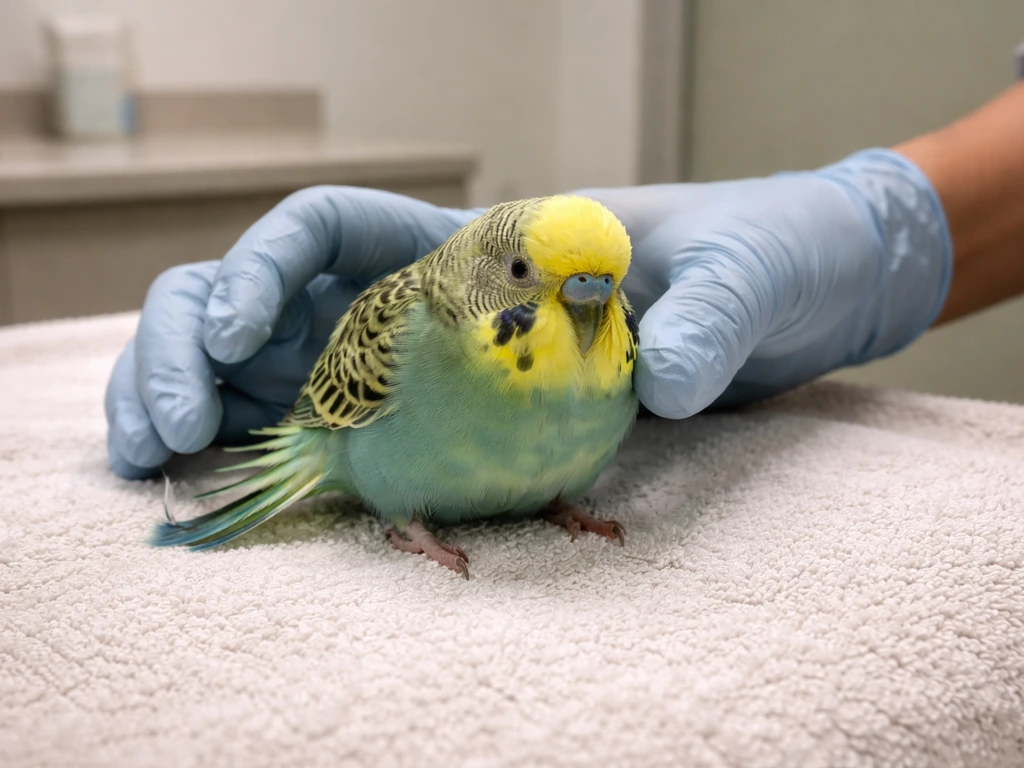
Some situations need a same-day or emergency vet call. If you see any of the following, do not wait to see if things improve on their own.
- Open-mouth breathing or gasping at rest
- Tail bobbing with every breath (the tail visibly pumps up and down as the bird breathes)
- Blue, gray, or pale coloration around the beak, skin, or visible mucous membranes
- The bird is sitting on the cage floor, fluffed, or unable to perch normally
- Severe lethargy, weakness, or collapse
- Any discharge from the nares (nostrils) or eyes, especially if thick or colored
- Voice change, loss of voice, or clicking/rattling sounds with every breath
- The coughing or abnormal sound has persisted for more than 24 hours without improvement
- You have confirmed or suspect exposure to PTFE fumes, smoke, or a toxic chemical
- Droppings have changed significantly in color or consistency alongside the coughing
- The bird has stopped eating or drinking
- Rapid visible weight loss
Even if only one or two of these signs are present, err on the side of calling. Avian vets are accustomed to fielding urgent calls, and a quick phone consultation can help you decide whether to come in immediately or monitor for a defined period. Birds deteriorate quickly once respiratory distress is significant, so acting sooner is almost always the right call.
What an avian vet will do and what treatment may look like
When you bring a bird in for respiratory symptoms, a good avian vet will start with a careful history before they even handle the bird. They will want to know what the cough sounds like, how long it has been happening, what the environment is like, what the bird has been exposed to, and what other signs you have noticed. This is exactly why your observations at home matter.
If the bird is in respiratory distress, the vet may stabilize it first in a warm, oxygenated incubator before doing a full physical exam. Restraint and stress in a bird that is already struggling to breathe can be dangerous, so experienced avian vets sequence their steps carefully.
The physical exam will include listening to the bird's lungs and air sacs with a stethoscope, checking the nares and choanal area, assessing the crop and abdomen, and evaluating the overall condition. From there, diagnostic tests may include whole-body radiographs (x-rays) to look at the lungs, air sacs, and overall organ health, blood work to check for infection or systemic illness, a PCR swab for psittacosis or specific viral pathogens, a crop swab or wash if a crop issue is suspected, and sometimes an endoscopic examination of the airways.
Treatment depends entirely on the diagnosis. Bacterial infections like psittacosis are typically treated with antibiotics, most commonly doxycycline over a course of several weeks. Fungal infections like aspergillosis are treated with antifungal medications, which can require longer-term management. Viral infections are managed with supportive care: warmth, fluids, nutrition support, and rest while the immune system responds.
Toxic fume exposure requires immediate removal from the source, oxygen support, and sometimes additional emergency interventions. A recent avian toxicoses review also notes that PTFE fume intoxications are not uncommon in pet birds and can cause severe respiratory distress or systemic toxicity, even mortality [Toxic fume exposure requires immediate removal from the source](https://pmc. ncbi. nlm.
nih. gov/articles/PMC12375962/). Crop issues may be treated with antifungals, crop motility medications, dietary changes, or in some cases surgical intervention for foreign bodies or severe impaction.
Whatever the underlying cause, supportive care is almost always part of the treatment plan. That means keeping the bird warm, hydrated, and eating, while minimizing stress during recovery. Your vet will guide you on how to provide that at home once the bird is stable enough to be discharged.
One last thing worth noting: some of what bird owners describe as coughing, gagging, or labored breathing overlaps with related concerns like regurgitation, hiccuping, or signs that a bird may be choking or may have aspirated something. Those situations have their own specific features and urgency levels worth understanding separately, especially if what you are seeing does not quite match the respiratory picture described here.
FAQ
How can I tell if my bird’s “cough” is actually respiratory distress?
If the sound is happening together with open-mouth breathing, tail bobbing during each breath, or any nasal or eye discharge, treat it as more serious rather than “watch and wait.” Also note timing, for example if it worsens right after cooking, cleaning, or using aerosols, since that pattern points back to airborne irritants.
What are the most common non-respiratory causes I might miss?
Yes. Birds can make cough-like sounds from the crop or throat, but a key difference is what happens around it, such as head bobbing and neck stretching with regurgitated material, or swallowing motions without true airway signs. If you never see anything come up and the sound keeps recurring, that leans more toward airway irritation or infection.
What should I do at home right away if I suspect fumes or an air irritant?
Start by removing the bird from the suspected source immediately, moving it to clean air, and ventilating the room. Do not try home airway treatments, and do not give medications unless your avian vet tells you what to use. If symptoms began after non-stick cooking fumes, treat it as an emergency even if your bird seems “okay” for a few minutes.
Can dry air alone cause coughing, and how long should I try humidity changes?
Humidity changes can trigger irritation, but they should not be the only explanation if there are other red flags like lethargy, discharge, or weight loss. Measure or at least estimate your indoor humidity, aim for roughly 40 to 60 percent, and improve ventilation rather than creating dusty conditions. If symptoms persist more than a day or worsen, contact an avian vet.
How long is too long to monitor my bird’s coughing?
A single coughing episode can happen from brief irritation, but persistent, repeating, or progressively louder sounds are the concern. If it continues for more than 24 to 48 hours, or you see any discharge, breathing changes, reduced appetite, or fluffed feathers, do not wait longer.
What observations should I collect before calling an avian vet?
It helps to record a short video (10 to 30 seconds) and note whether you hear clicking, wheezing, rattling, or dry hacking. Also write down the start time, whether it happens after eating or at specific times of day, and what changed recently (new cage lining, aerosols, paint, deep cleaning). These details often determine whether a crop issue, inhaled irritant, or infection is more likely.
Are there any home remedies or air treatments that are risky for coughing birds?
Avoid using essential oils or “bird-safe” diffuser products, many of which still release irritant compounds. Also avoid steam from showers or humidifiers if they increase airborne moisture plus irritants like dust or cleaner residues. If you use a humidifier, keep the water source clean and prevent mold growth.
Could my bird’s coughing be contagious to other birds or people?
If your bird has nasal or eye discharge, voice change, open-mouth breathing, tail bobbing with breaths, or is suddenly quieter or less active, assume it may be infectious and plan on contacting an avian vet promptly. Isolate the bird from other birds in the meantime, avoid sharing food bowls, and wash hands and change clothing before interacting with other pets.
What should I not give or do medication-wise for a coughing bird?
Yes, and one common mistake is treating it like a simple “chest cold” and giving human medications, which can be toxic to birds. If you must use anything at home for comfort, stick to environmental management like clean air and warmth, and rely on your vet for any drugs. Never start antibiotics or antifungals without a diagnosis.
What if the coughing started right after my bird ate or drank?
If your bird suddenly starts coughing during or right after eating, or you notice repeated episodes with choking-like behavior, contact an avian vet right away. The article distinguishes choking as an acute emergency, so even when it looks less dramatic, persistent coughing after a meal can still involve aspiration and needs professional assessment.
Next Articles
Why Is My Bird Hiccuping? Causes and What to Do Now
Learn common causes of bird hiccuping and a right-now checklist to tell normal behavior from breathing danger.
How Do I Know If My Bird Aspirated? Signs and Next Steps
Learn aspiration signs in birds and exact home steps, when it’s an emergency, plus vet checks and prevention.
Why Does My Bird Look Like It’s Gagging? Causes and Next Steps
Identify why your bird gags using a step-by-step symptom checklist, sort respiratory vs crop issues, and know urgent red