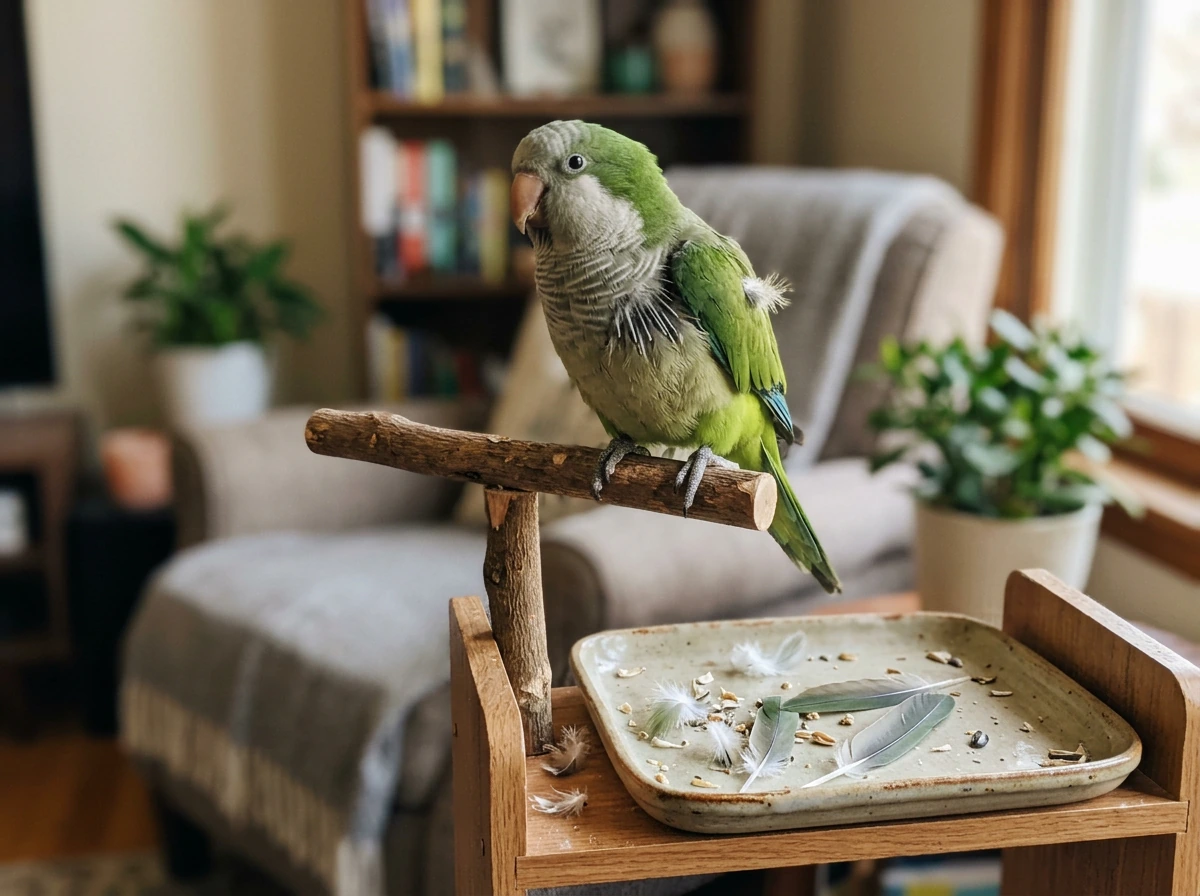
Most of the time, a bird preening a lot is completely normal. If your bird seems to stop preening entirely, that can also be a sign that something is off and may affect feather condition doesn't preen. Birds spend a significant chunk of their day grooming, and that's healthy. But if the preening seems constant, obsessive, or you're starting to notice bald patches, broken feathers, or irritated skin, then something else is going on. The key is knowing what healthy preening looks like, what changes the pattern, and when to stop watching and call a vet.
Why Is My Bird Preening So Much? Causes and What to Do

Marcus Chen
31 May 2026
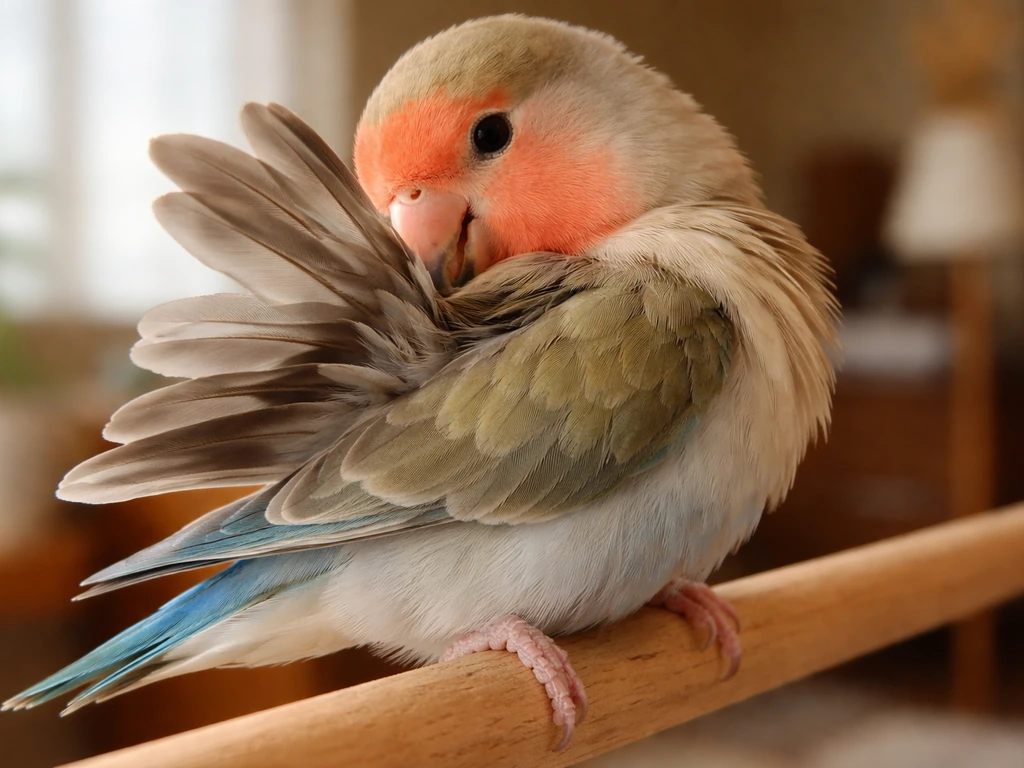
What normal preening looks like vs. over-grooming
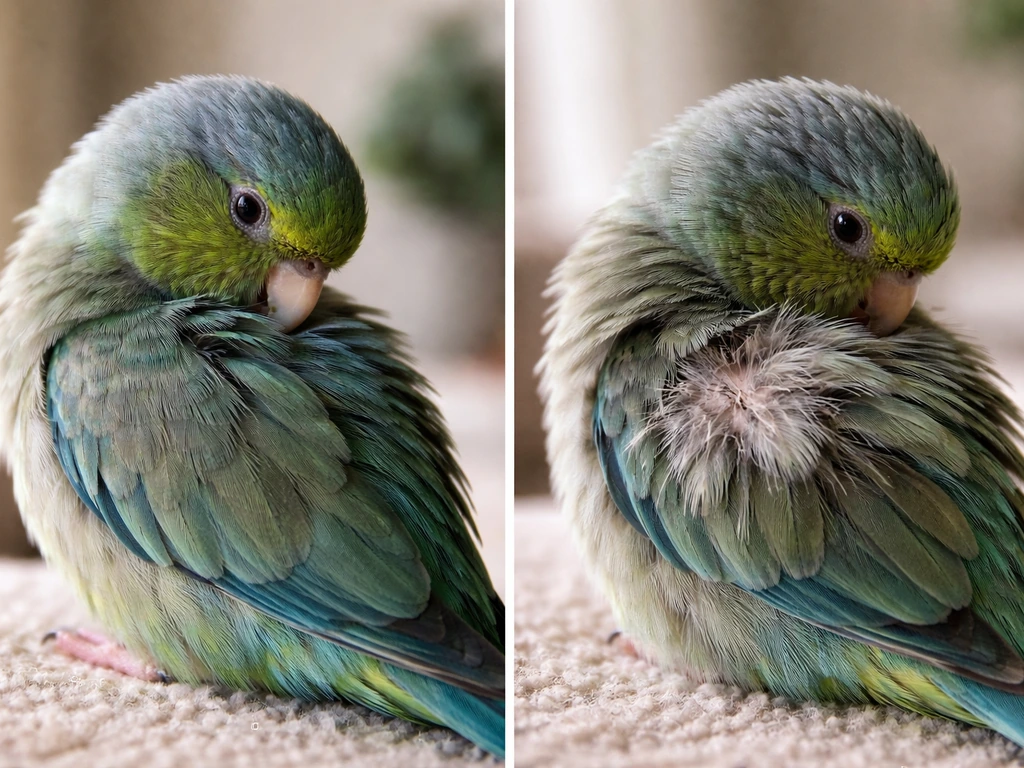
Healthy preening is methodical and calm. Your bird will reach back to the preen gland at the base of its tail, collect a small amount of oil, and work it through each feather from root to tip.
A preen session takes time because each feather needs full treatment, starting with oil taken from the preen gland at the base of the tail and worked down each feather from where it attaches to the skin preen gland at the base of its tail.
Because every feather needs attention, a full grooming session can take a while. That's normal. You might also see your bird nibbling at feather sheaths, fluffing up and resettling feathers, or scratching its head with a foot. All of this is routine maintenance.
If you have two birds, you'll probably notice them grooming each other's heads and chins too. That's called allopreening, and it's a social bonding behavior. A bird can't easily reach its own head, so a cage mate helping out is a sign of a good relationship, not a problem.
Over-grooming looks different. The bird seems unable to stop or move on to other activities. You see the same spot being worked again and again. Feathers start looking frayed, sparse, or missing entirely. Skin may look red, irritated, or scabbed. If a bird is pulling feathers out rather than just smoothing them, that crosses from preening into feather destructive behavior, which is a separate concern worth reading about alongside this one. If you’re trying to understand why a bird plucks its feathers, it usually comes down to an underlying trigger like stress, itchiness, or a health issue that needs attention.
Common reasons birds preen more than usual
Molting and pin-feather itch
The most common reason a bird suddenly seems to be grooming more is molting. Birds replace most of their feathers at least once a year, often with a partial molt about six months later. During a molt, new feathers push through the skin as pin feathers (also called blood feathers). These look like small, waxy tubes and can feel itchy and uncomfortable as they emerge. Your bird will preen more heavily to help crack open those sheaths and encourage the new feather to unfurl. This is completely normal and usually settles down once the molt is complete.
If you're not sure whether increased grooming is molt-related or something else, check whether you can see small pin feathers, especially around the head and neck. A bird going through a heavy molt may also look a bit scruffier than usual. You can read more about what molt actually looks like and how to tell it apart from feather plucking if you want to dig into that distinction. If you are seeing feather plucking, it helps to compare it against normal molt-related preening so you know when to call a vet.
Routine bathing and humidity
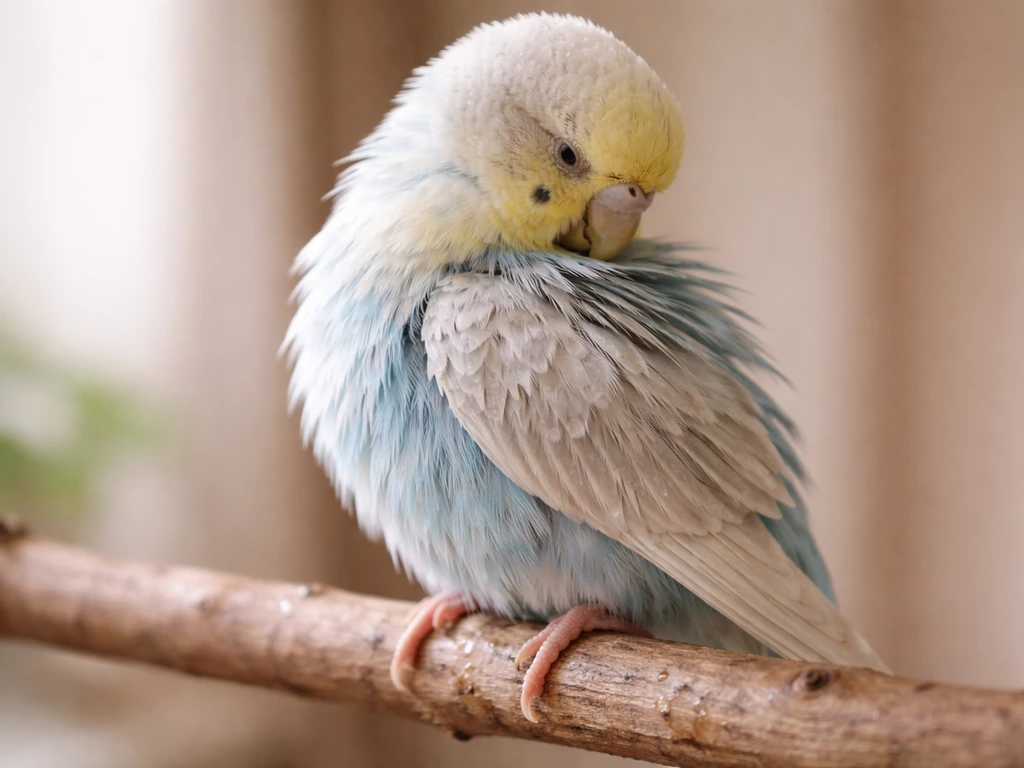
Birds often preen more after bathing because they're resetting their feathers back into position and redistributing preen oil. If you've recently offered a bath, misted your bird, or the humidity in the room has changed, you'll likely see a grooming session follow. This is healthy and expected.
A new environment or routine
Some birds preen more when they're settling into a new cage, after rearranging their space, or when their daily schedule shifts. Light grooming in these situations can actually be a self-soothing behavior. As long as the feathers and skin look fine and the bird is eating and acting normally, increased preening after a change is usually just adjustment.
When preening becomes a stress or boredom behavior
Stress and boredom are among the most common reasons birds develop compulsive or excessive grooming habits. A bird without enough mental stimulation, social interaction, or physical activity will often redirect that energy into repetitive behaviors, and preening is one of the easiest outlets. This is especially common in intelligent species like African greys, cockatoos, and parrots that need a lot of engagement.
The tricky part is that once a grooming habit becomes ingrained, it can persist even after the original trigger is gone. So a bird that started over-preening during a stressful period (a move, a change in household, loss of a companion) may keep doing it long after things settle. That's why it matters to catch these patterns early.
Common stress and boredom triggers to look for:
- Not enough time out of the cage each day
- Lack of foraging toys or enrichment
- Isolation, especially for species that are naturally flock-oriented
- Loud household disruptions (construction, arguments, new pets)
- Irregular sleep schedule or too much or too little light
- Sexual frustration in mature birds during breeding season
Feather and skin culprits: mites, lice, dry skin, and irritation
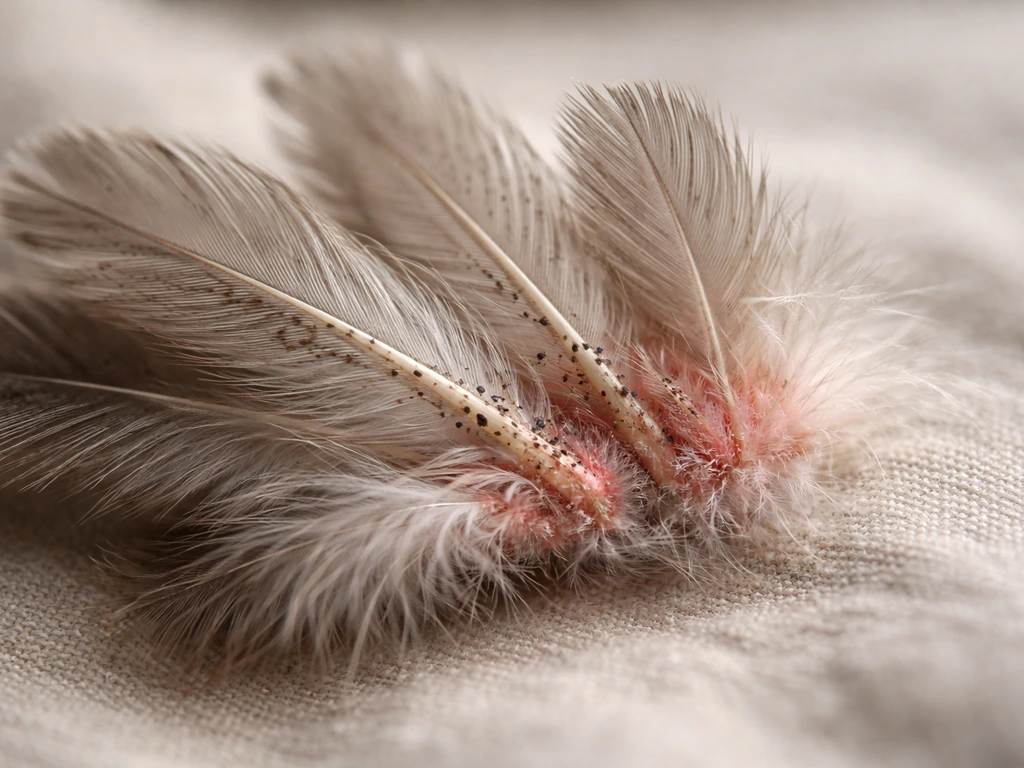
If the preening is focused on one area, frantic, or accompanied by visible skin changes, parasites or skin irritation move to the top of the suspect list. Feather mites and lice are real possibilities, especially in birds that have recently been around other birds or in new environments. A bird infested with external parasites will often target specific spots repeatedly, sometimes making the skin raw.
Dry skin is another overlooked cause. Indoor environments with low humidity, especially in winter with heating running, can dry out a bird's skin and make feathers feel uncomfortable. This is an easy fix: regular misting or a shallow bath dish can help significantly.
Other physical irritants worth checking include:
- Dirty or rough perches irritating feet and encouraging excessive scratching and preening
- Cleaning products or air fresheners with fumes that irritate the skin or respiratory tract
- Cage materials or new toys that the bird may be reacting to
- Allergies or sensitivities to bedding, dust, or certain foods
- Poor diet leading to brittle, uncomfortable feathers that the bird tries to fix by grooming more
Diet plays a bigger role in feather health than most owners realize. A bird on an all-seed diet often lacks the vitamins and fatty acids needed to maintain healthy skin and feather quality. Over time, this creates a cycle where uncomfortable feathers trigger more preening.
Quick checks you can do today
Before jumping to conclusions, go through this simple checklist. Most of these take only a few minutes and can rule out the most common causes.
- Look at the cage: Is it clean? Are perches worn, dirty, or rough in spots that could irritate the bird? When was the cage last properly scrubbed?
- Check your cleaning products: Are you using any sprays, candles, air fresheners, or plug-ins near the cage? Birds have sensitive respiratory systems and skin, and fumes can trigger irritation.
- Assess the diet: Is your bird eating mostly seeds? If yes, consider whether it's getting enough leafy greens, pellets, and variety. A poor diet directly affects feather health.
- Offer a bath: If your bird hasn't had a misting or bath recently, offer one today in a shallow dish or with a light spray. Watch whether the preening settles down afterward.
- Check humidity: If you're in a dry climate or running heat indoors, the air may be too dry. A room humidifier near (but not right next to) the cage can help.
- Watch the timing: Does the preening happen at a specific time of day, after certain interactions, or in response to something in the environment? Patterns give you clues.
- Look at the feathers and skin: Part the feathers in the areas getting the most attention. Is the skin normal, or is it red, flaky, or irritated? Can you see tiny moving specks (possible mites)?
- Consider recent changes: New cage, new food, new household member, changed schedule? Any of these can trigger stress-based grooming.
Red flags that mean something's actually wrong
Normal preening, even heavy preening during molt, doesn't damage the bird. If you see any of the following, it's time to stop monitoring and contact an avian vet.
- Bald patches where feathers are missing entirely, especially in areas the bird can reach easily
- Broken, frayed, or chewed-looking feathers that appear worse over time
- Skin that looks red, raw, scabbed, or has visible sores or lesions
- Bleeding from the skin or from a damaged feather
- The bird seems unable to stop and shows no interest in food, play, or interaction
- Lethargy, puffed-up posture, or appetite changes alongside the increased grooming
- Tiny moving specks in the feathers or on the cage bars (parasites)
- Unusual dust or debris on cage surfaces in species like cockatoos or African greys that normally produce powder down
- Rapid feather loss that goes well beyond what you'd expect in a normal molt
It's worth noting that according to veterinary guidance, medical causes are typically ruled out before behavioral causes are confirmed. So even if stress seems like the obvious explanation, a vet checkup helps make sure there isn't an underlying physical issue driving the behavior.
How to prepare for an avian vet visit
If you do need to see a vet, the more information you bring, the faster and more accurately they can help you. Start tracking now, even before the appointment.
Here's what to document and bring:
| What to Track | Details to Note |
|---|---|
| Timeline | When did the increased preening start? Did anything change around that time? |
| Photos or video | Short video clips of the grooming behavior, and close-up photos of affected feathers and skin |
| Diet | Exactly what your bird eats daily, including treats and supplements |
| Cleaning products | List of any sprays, candles, diffusers, or household cleaners used near the bird |
| Cage setup | Type of perches, bedding, toys, cage material, and how often it's cleaned |
| Environment | Room humidity, temperature range, how much light the bird gets, and whether it's near drafts or vents |
| Behavior changes | Any changes in appetite, droppings, energy level, or social behavior alongside the grooming |
Even a simple written note with dates, what you observed, and what changed in the bird's environment gives the vet a much clearer picture than trying to recall it all in the exam room. If you've already run through the checklist above and made adjustments without improvement, mention that too. It saves time and helps narrow things down.
Increased preening is almost always telling you something, whether it's just that a molt is underway, the air is too dry, or something more serious needs attention. Going through the practical steps above first usually answers the question. If you suspect feather plucking specifically, look for the signs of destructive pulling and persistent damage rather than normal grooming patterns the practical steps above first. And if it doesn't, an avian vet can help you get to the bottom of it before the behavior becomes harder to reverse.
FAQ
How can I tell normal heavy preening from something like obsessive grooming?
Yes. Molting, post-bath grooming, and settling into a new routine can all increase preening. The key difference is whether your bird’s skin looks calm (no redness or scabs) and whether the preening is distributed across many feathers rather than repeatedly attacking one exact spot.
What’s the fastest way to check if the extra preening is related to molt?
If pin feathers are present, preening often spikes for a short period as the new feathers emerge. Pin feathers look like small, soft tubes, usually along the head, neck, or upper body, and the bird may look slightly scruffier for a bit. Persistent scratching of one area, broken feathers, or raw skin is less typical of normal molt.
At what point does preening become feather destructive behavior that needs urgent help?
Aggressive or destructive pulling is a red flag. Watch for repetitive, focused feather removal, bald patches that develop in the same region, and skin changes like bleeding, scabbing, or persistent irritation. If you see those signs, don’t wait for a “behavior phase” to pass, contact an avian vet.
Could mites or lice be causing the constant preening, and how would I suspect it?
Parasites often cause highly targeted grooming, especially around the head, neck, underwings, or the cloacal area. A vet can confirm with a skin or feather evaluation. In the meantime, check whether other birds (or even new toys and perches) have been recently introduced, since infestations can spread.
My bird preens more in winter, could dry air be the cause?
Dry indoor air can make skin feel tight or itchy, leading to more grooming and fluffing. A simple test is to compare behavior during humid days versus heating season. If symptoms line up with dry conditions, try gentle humidity support (for example, a shallow bath option and appropriate room humidity) rather than frequent harsh misting.
How should I evaluate whether diet is contributing to over-preening?
Avoid changing multiple things at once. If you suspect diet is contributing, adjust gradually and ensure the diet is balanced (not just seed-based) for your species. Rapid diet shifts can stress birds, which can worsen grooming. If feather condition doesn’t improve after diet and husbandry changes, get a vet exam.
Is it normal for my bird to preen nonstop after bathing or misting?
Feather oil and grooming behavior can increase right after wetting, even from misting. If your bird is otherwise normal, keep the environment warm and avoid cold drafts while the feathers dry. If preening becomes frantic, skin is irritated, or there’s a foul odor, pause bathing changes and arrange a vet check.
Can allopreening between two birds become a problem?
Yes, if it’s truly social allopreening. However, over-intense grooming between cage mates can happen when one bird is bullied, stressed, or competing for limited space. If one bird is always targeted and shows skin irritation or feather loss, separate temporarily and have the situation assessed.
What symptoms, besides feather changes, mean I should call an avian vet sooner?
Use your bird’s behavior cues: increased preening plus reduced appetite, fluffed posture that lasts, lethargy, or visible breathing difficulty is not a “wait it out” situation. Also treat it as more urgent if you notice bleeding, scabs, or sudden bald patches. Those patterns usually warrant prompt avian care.
What should I track before the appointment so the vet can pinpoint the cause faster?
Start a simple timeline and gather specifics: when it started, which body areas are targeted, whether it’s calm grooming or frantic repeated actions, any baths or humidity changes, and whether pin feathers or broken feathers are visible. Include recent changes like relocation, new toys, cleaning products, or companion changes.
If I try the usual home adjustments and it doesn’t improve, what’s the next step?
If increased preening persists after molt timing ends, after humidity and bathing routines are stable, or after environmental adjustments, assume there may be an underlying medical or chronic behavioral driver. The most useful next step is an avian exam rather than continuing to trial multiple fixes.
Next Article
Is My Bird Molting or Plucking? Quick Signs and Next Steps
Spot molting vs plucking in hours: signs, at-home checks, tracking tips, and when to see an avian vet.