
A bird plucking its own feathers is one of the most alarming things you can watch as an owner, and it is also one of the most misunderstood. The short answer is that feather plucking can come from a behavioral cause (stress, boredom, loneliness, hormones) or a medical one (skin disease, parasites, infection, nutritional deficiency, or pain), and those two categories can look almost identical from the outside. That is why the goal right now is not to guess, but to observe carefully, rule things out systematically, and get to the right solution for your specific bird. That is why the goal right now is not to guess, but to observe carefully, rule things out systematically, and get to the right solution for your specific bird, including figuring out whether it is my bird molting or plucking.
Why Does a Bird Pluck Its Feathers? Causes and Steps
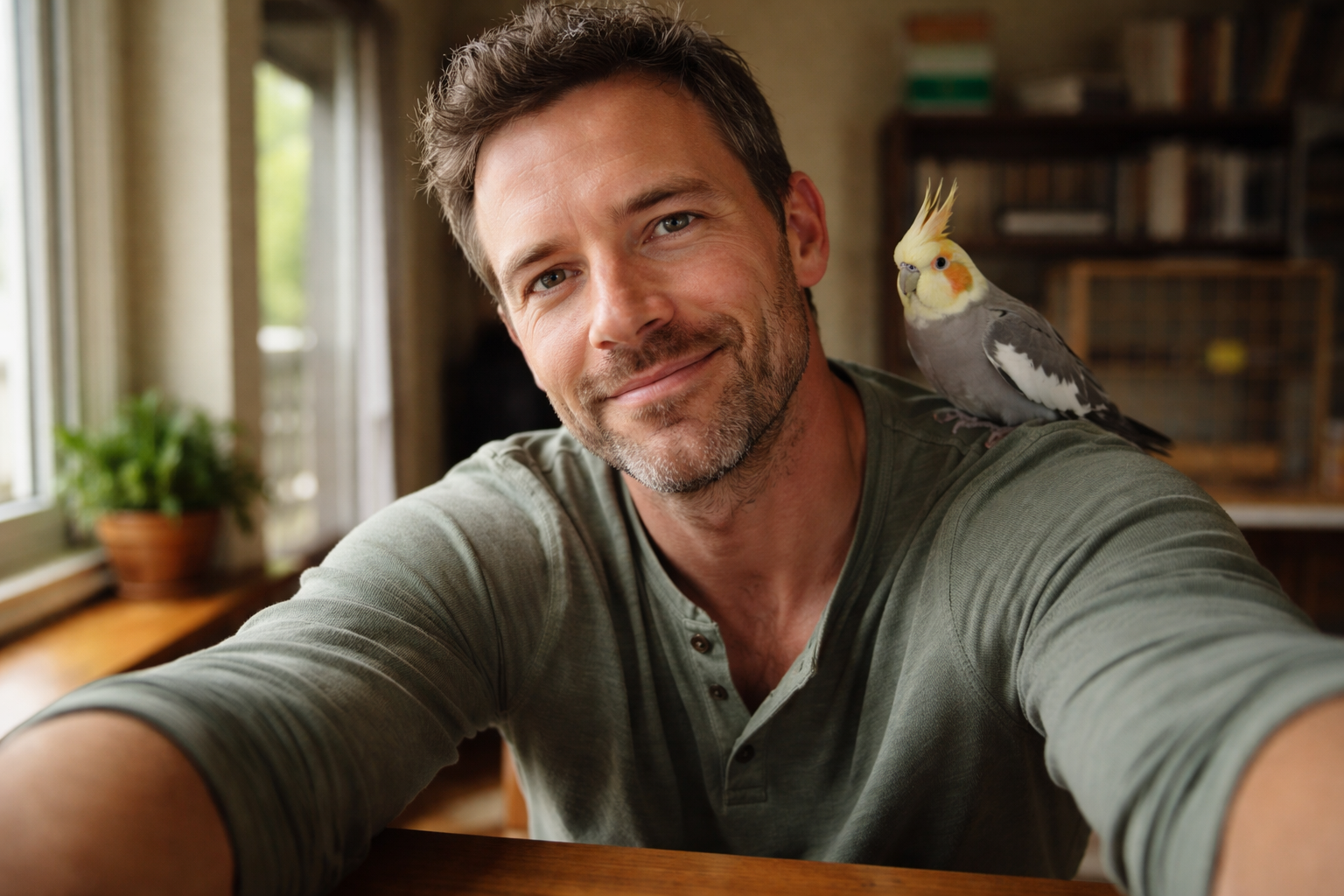
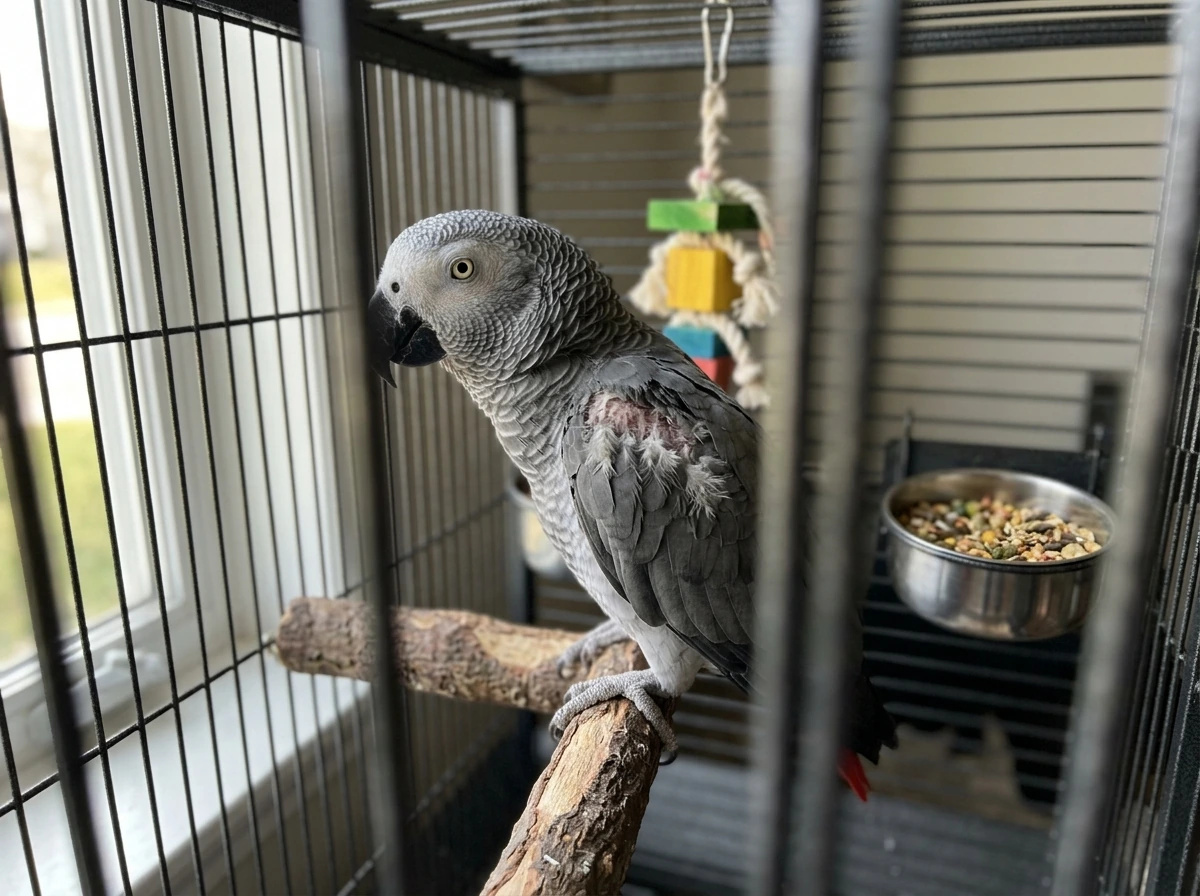
Normal vs. abnormal feather behavior
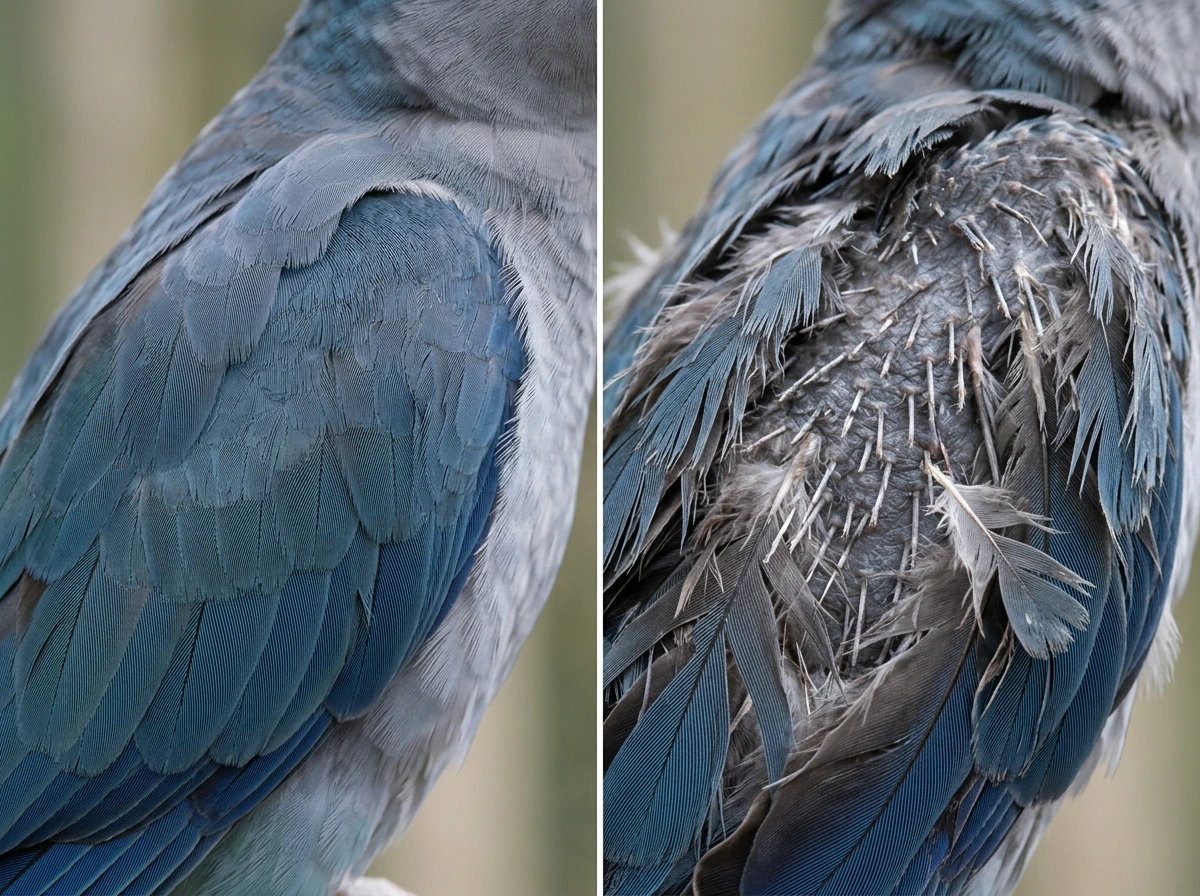
Not every feather-related behavior is a problem. Birds preen constantly, and they do it for good reason: preening maintains feather structure, removes debris, and spreads natural oils across the feathers. A healthy bird might spend several hours a day on this, and it is completely normal. You may also notice feathers on the cage floor during a molt If you are not sure whether what you are seeing is normal molting or something more concerning, that distinction is worth understanding more deeply, and there is a dedicated article on how to tell if your bird is molting that walks through exactly that. is my bird molting or plucking
Feather plucking is different. The warning signs are missing patches of feathers, broken or ragged shafts, bald spots (especially on the chest, thighs, or under the wings), damaged skin beneath the feathers, or a bird that keeps returning to the same area with obvious intensity. If feathers are being removed rather than just maintained, that is feather-destructive behavior, and it needs attention.
The most common behavioral causes
Wild birds spend most of their waking hours foraging, flying, socializing, and navigating a complex environment. A pet bird in a cage does none of those things automatically, and that gap is a major driver of feather plucking. Here are the behavioral causes most often linked to the problem:
- Boredom and lack of stimulation: A bird with nothing mentally engaging to do will redirect that energy inward. Feather plucking can become a self-stimulating habit that replaces foraging, exploring, or problem-solving.
- Stress and anxiety: Loud household noise, unpredictable schedules, nearby predator animals like cats or dogs, changes in the home, or a new person in the household can all trigger anxiety-based plucking.
- Loneliness and social isolation: Parrots in particular are intensely social. A bird that is left alone for long hours without interaction, or that has lost a bonded companion, can develop plucking as a coping behavior.
- Sexual frustration: This is well-documented and often underappreciated. During breeding season, or when a bird is hormonally active, sexual frustration can drive plucking, especially in birds that are bonded to their owner rather than another bird.
- Sleep deprivation: Birds need 10 to 12 hours of uninterrupted darkness each night. A bird that is kept in a busy room with lights or noise late into the evening can become chronically stressed, and that stress often shows up as feather plucking.
- Improper handling or lack of socialization: Birds that were not taught appropriate preening boundaries as juveniles, or that have had inconsistent human interaction, may develop abnormal self-directed behaviors.
- Routine disruptions: A change in work schedule, moving furniture, a new pet, or even a change in the type of food being offered can unsettle a bird enough to trigger plucking.
One thing worth knowing is that captive birds are uniquely vulnerable to these behavioral triggers precisely because they lack the natural outlets wild birds have. This is not a character flaw in your bird, it is a captivity management issue, and that means it is solvable.
Medical causes you need to rule out
The tricky part is that a bird plucking from pain, itching, or systemic illness looks almost exactly like a bird plucking from stress. You cannot reliably tell the difference just by watching. That is why medical causes always need to be on the table, especially when plucking starts suddenly, is focused on one specific area, or does not improve with environmental changes.
Skin inflammation and infection
Inflammatory skin disease is one of the most common findings in birds diagnosed with feather-destructive behavior. Research involving hundreds of feather-picking psittacines has found that inflammatory skin disease and traumatic skin disease account for the majority of histologically confirmed cases. Folliculitis (inflammation of the feather follicles) and dermatitis can cause intense localized itching or discomfort that the bird responds to by pulling at feathers. Bacterial infections, including Staphylococcus, are a recognized cause as well.
Parasites
Mites and lice can cause significant skin irritation. Red mites live on the skin surface, scaly face mites burrow into the skin (especially around the beak and cere), and quill mites live inside the feather shafts themselves, weakening the feathers and causing breakage. One important note: mites can sometimes live deep in the subcutis, and a superficial skin scraping can miss them, which is why a vet may recommend a biopsy in ambiguous cases.
Viral infections
Psittacine Beak and Feather Disease (PBFD) virus and polyoma virus are two serious infections that can cause feather loss and plucking behavior. PBFD in particular affects the feather follicles directly, producing abnormal or absent feathers. These require testing to confirm and are especially relevant in birds with a history of exposure to other birds.
Nutritional deficiencies
Malnutrition is considered a more common contributing factor to feather plucking than many owners realize. A diet based primarily on seeds is low in key nutrients, and deficiencies can cause abnormal skin and feather development that leads to plucking. Vitamin A deficiency, for example, affects skin integrity directly. Merck Veterinary Manual also notes that vitamin A deficiency can contribute to poor feather quality and feather picking and that malnutrition can lead to broader organ problems and reproductive impairment. Poor diet is worth reviewing early in your assessment because it is one of the most actionable things you can change at home.
Hormonal and reproductive causes
Hormonally active birds, especially during breeding season, can pluck feathers around the vent area as part of reproductive behavior. This is sometimes connected to nest-preparation instincts. In some cases, the plucking around the vent is directly tied to reproductive cycle management, and this is a well-recognized pattern in avian medicine.
Systemic illness and pain
Liver disease, kidney disease, internal masses, or other systemic illness can cause discomfort that a bird expresses through feather plucking. Birds are very good at hiding illness, and plucking may be one of the first visible signs that something internal is wrong. Bird molting so much can be a warning sign that the root issue is medical, so ruling out pain and internal illness with a vet is important. Pain from any source, including musculoskeletal issues, can also trigger localized plucking near the affected area.
Allergies and toxin exposure
Environmental allergens, including certain materials used in cage construction, cleaning products, air fresheners, or even cigarette smoke, can irritate a bird's skin and respiratory system. Toxin exposure is a less common but serious cause that can affect both behavior and skin condition.
How to assess your bird right now
Before you do anything else, spend 10 to 15 minutes doing a careful observation and think through the following questions. Write down your answers because you will want to share this information with a vet if you get to that point.
- When did this start? Was the onset sudden (within the last few days) or has it been gradual over weeks or months? Sudden onset with no obvious environmental change points more strongly toward a medical cause.
- Where exactly is the plucking happening? Chest, thighs, and under the wings are common behavioral plucking zones. The head and face cannot be reached by the bird's own beak, so bare patches there suggest a different bird is doing it, or it is a disease process. Tail feathers specifically are worth noting, as some birds target only the tail.
- Is the bird preening or destroying? Smooth, aligned preening is normal. Vigorous pulling, biting, shredding, or chewing of feather shafts is destructive. There is a separate article on how to tell if your bird is over preening that can help clarify this distinction.
- Are there visible skin changes? Look for redness, swelling, open sores, scabs, or flaking skin beneath the feathers. Any of these bumps the urgency toward a vet visit.
- Can you see any parasites? Look closely at the feather shafts and skin surface for tiny moving specks, white or yellowish nits, or debris that moves. Check at night with a flashlight if you suspect red mites.
- Has the bird's appetite, energy level, or droppings changed? A bird that is also eating less, sitting fluffed, or producing abnormal droppings alongside feather plucking is showing signs that need veterinary evaluation quickly.
- What does the diet look like? Is the bird on a pelleted diet or primarily seeds? Are fresh vegetables offered regularly?
- How much sleep is the bird getting? Is the cage covered in a quiet, dark room for 10 to 12 hours each night?
- Are there new stressors in the environment? New pets, people, furniture rearrangement, change in your schedule, or loud seasonal noises (like fireworks or construction)?
- Has anything changed in the last few weeks? Even something that seems minor, like switching cage placement or changing the brand of food, can be relevant.
What to do right now: immediate steps at home
Once you have done your observation, you can take some immediate steps that are appropriate regardless of whether the cause turns out to be behavioral or medical. These are safe starting points that address the most common contributing factors.
Reduce obvious stressors
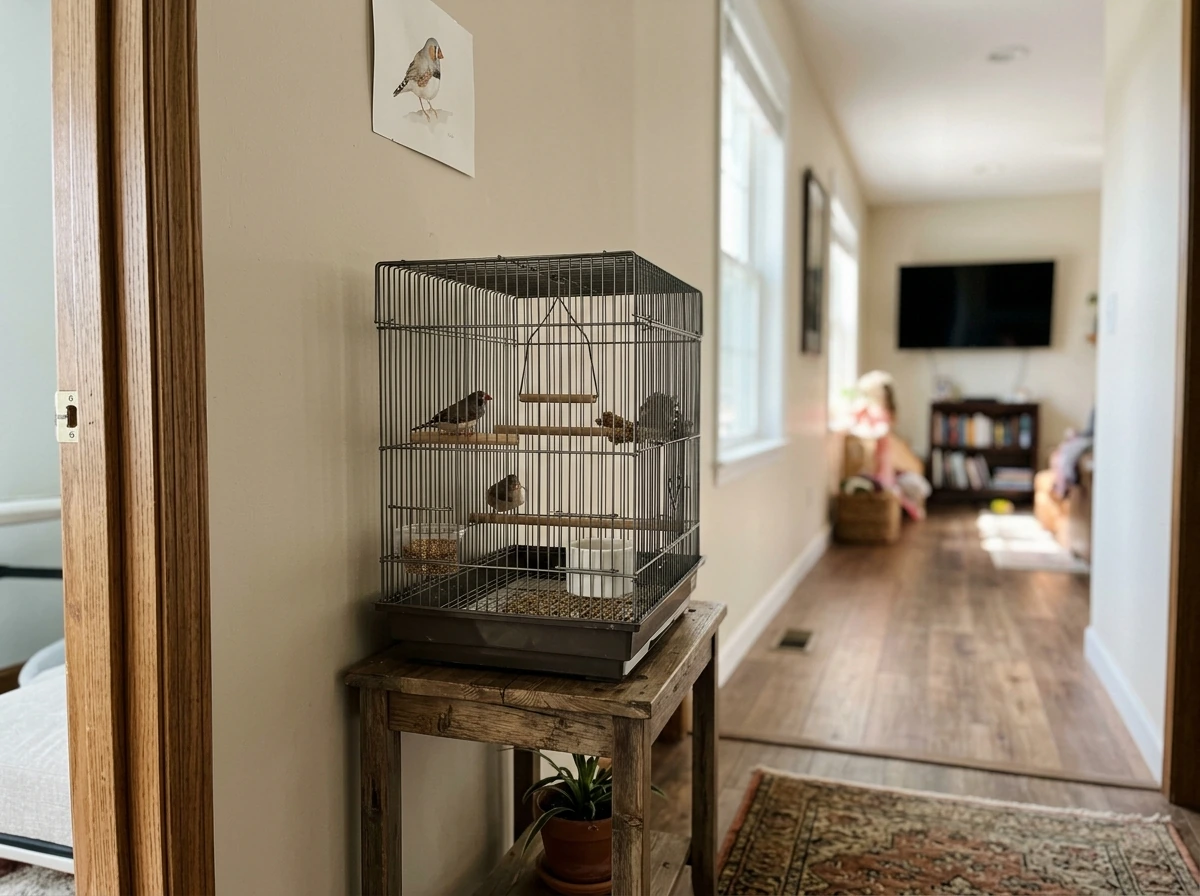
Move the cage away from high-traffic, noisy areas if it is currently in a chaotic spot. Make sure the cage is positioned so the bird has a wall or corner behind it (birds feel more secure this way) and is not in direct line of sight of outdoor predators, cats, or dogs. Remove or relocate other pets that may be causing stress, at least temporarily.
Fix the sleep schedule immediately
If your bird is not getting 10 to 12 hours of darkness and quiet each night, start covering the cage at a consistent time tonight. This is one of the fastest, most impactful changes you can make, and sleep deprivation is a recognized driver of stress-based plucking.
Add enrichment and foraging opportunities
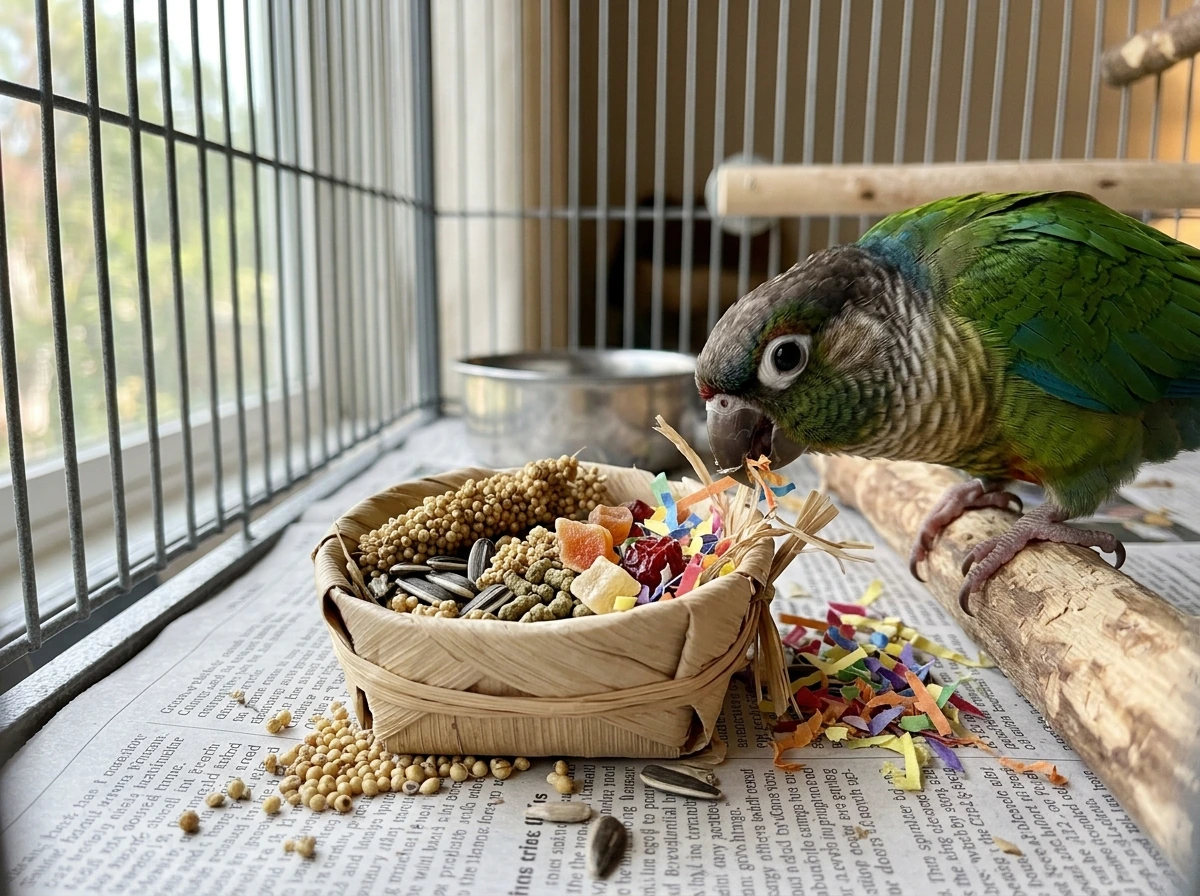
Introduce foraging-based feeding right away. Instead of placing food in a bowl, hide it in paper cups, wrap it in palm leaves, or use a commercial foraging toy. This redirects the bird's attention outward and gives it something productive to do with its beak. Rotate toys every few days to keep things novel.
Review the diet
If your bird is on an all-seed diet, start transitioning toward a high-quality pelleted diet as the base, with fresh vegetables and limited fruit. This is not an overnight change, but start today. Do not add supplements without veterinary guidance because some can cause toxicity at the wrong doses.
Increase social interaction
If your bird is spending long hours alone, increase your time with it, even if that means simply being in the same room and talking to it. For birds bonded closely to one person, too-intense bonding can actually contribute to hormonal behavior, so try to spread interaction across multiple family members if possible.
Track the pattern
Start a simple daily log: which area is being plucked, how often, time of day, and any environmental events. This is valuable information for a vet, and it will also help you notice if changes you make are helping or not.
Do not try to treat parasites blindly
If you suspect parasites, do not apply over-the-counter treatments without knowing what you are dealing with. Some products are inappropriate for certain species or ages of birds and can cause harm. This is a case where a vet visit is the right first step.
Treatment options and when to see an avian vet
Some feather plucking situations are manageable at home with environmental changes. Others genuinely require a vet. Here is how to think about which applies to your bird.
Get to a vet urgently if you see any of these
- Open wounds, bleeding, or self-mutilation (biting through skin, not just removing feathers)
- Visible skin sores, swelling, or severe redness
- Changes in appetite, energy, or droppings alongside the plucking
- Rapid or sudden onset with no clear environmental cause
- A bird that looks generally unwell: fluffed up, lethargic, or sitting on the cage floor
If open wounds are present, a vet may prescribe antibiotics to prevent or treat secondary infection while the underlying cause is investigated. Do not delay on this.
Schedule a vet visit soon if
- Plucking has been ongoing for more than two to three weeks with no improvement
- You have made environmental changes and the behavior has not reduced
- Feathers are not regrowing in areas that have been plucked
- You notice feather abnormalities like pinched shafts, color changes, or twisted growth
What to expect at the vet
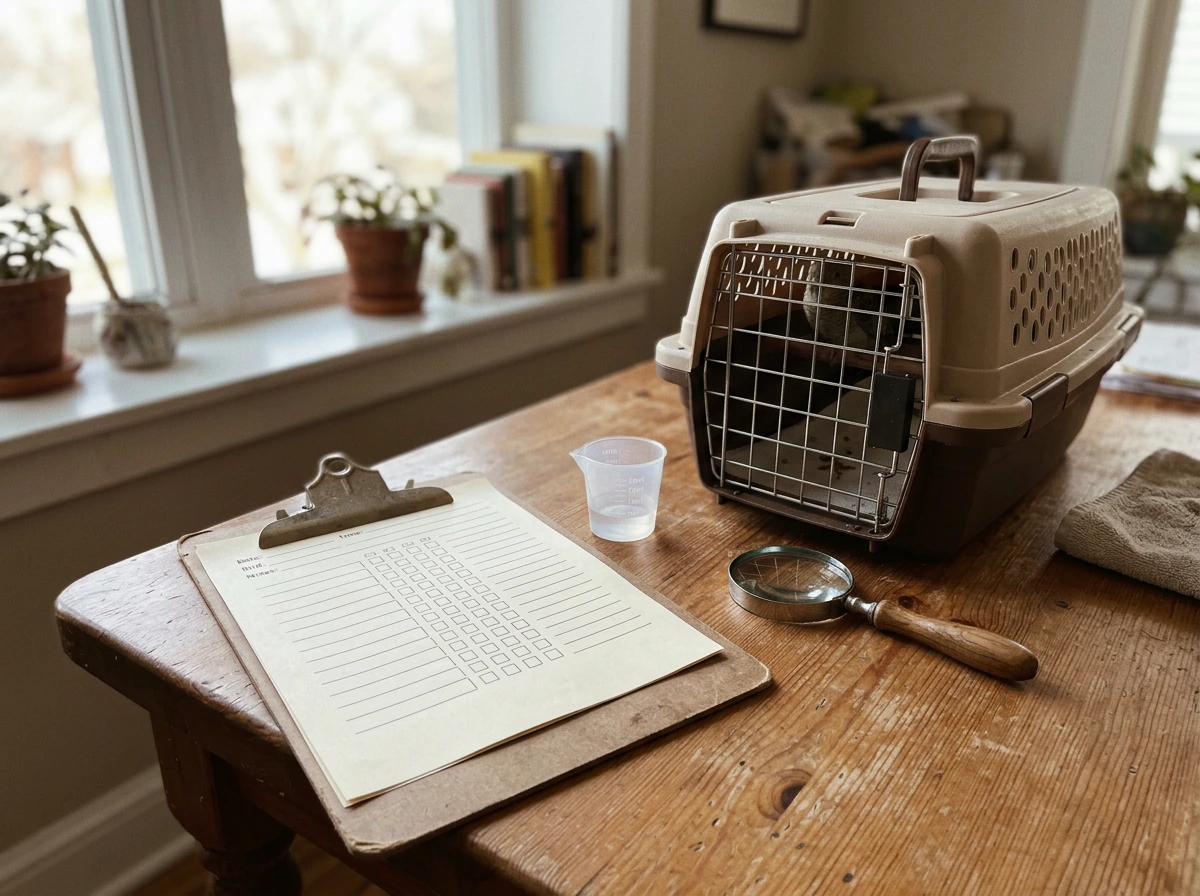
A good avian vet will take a thorough history and do a physical examination first. Depending on what they find, diagnostics may include a complete blood count (CBC), a biochemical profile to assess organ function, viral testing for PBFD or polyoma, skin scrapings to look for mites, feather or skin culture, radiographs (X-rays) to look for internal issues, and in some cases a skin or follicle biopsy. Research has shown that inflammatory skin disease can be missed with a single-site biopsy and that paired biopsy approaches are sometimes used in complex cases.
Bring your observation log and be ready to describe: when plucking started, what areas are affected, what the diet is, how much sleep the bird gets, any recent environmental changes, and what you have already tried. The more specific you can be, the more efficiently the vet can work through the differential.
Treatment depends on the cause
If a medical cause is found, treatment targets that directly. Antibiotics for bacterial infection, antifungal medication, antiparasitic treatment, diet correction for nutritional deficiency, or management of a reproductive/hormonal issue. If behavioral causes are confirmed after medical causes are ruled out, the approach is multimodal: husbandry improvement, enrichment, foraging-based behavior modification, and sometimes psychotropic medication prescribed by the vet in persistent or severe cases. Veterinary Practice also emphasizes that when medical causes are ruled out, environmental enrichment and behavioral husbandry should be part of the multimodal approach alongside any veterinary-directed workup husbandry improvement, enrichment, foraging-based behavior modification, and sometimes psychotropic medication prescribed by the vet in persistent or severe cases.. Treatment is rarely one-size-fits-all, and it sometimes takes time to get right.
Long-term prevention: environment, enrichment, and daily care
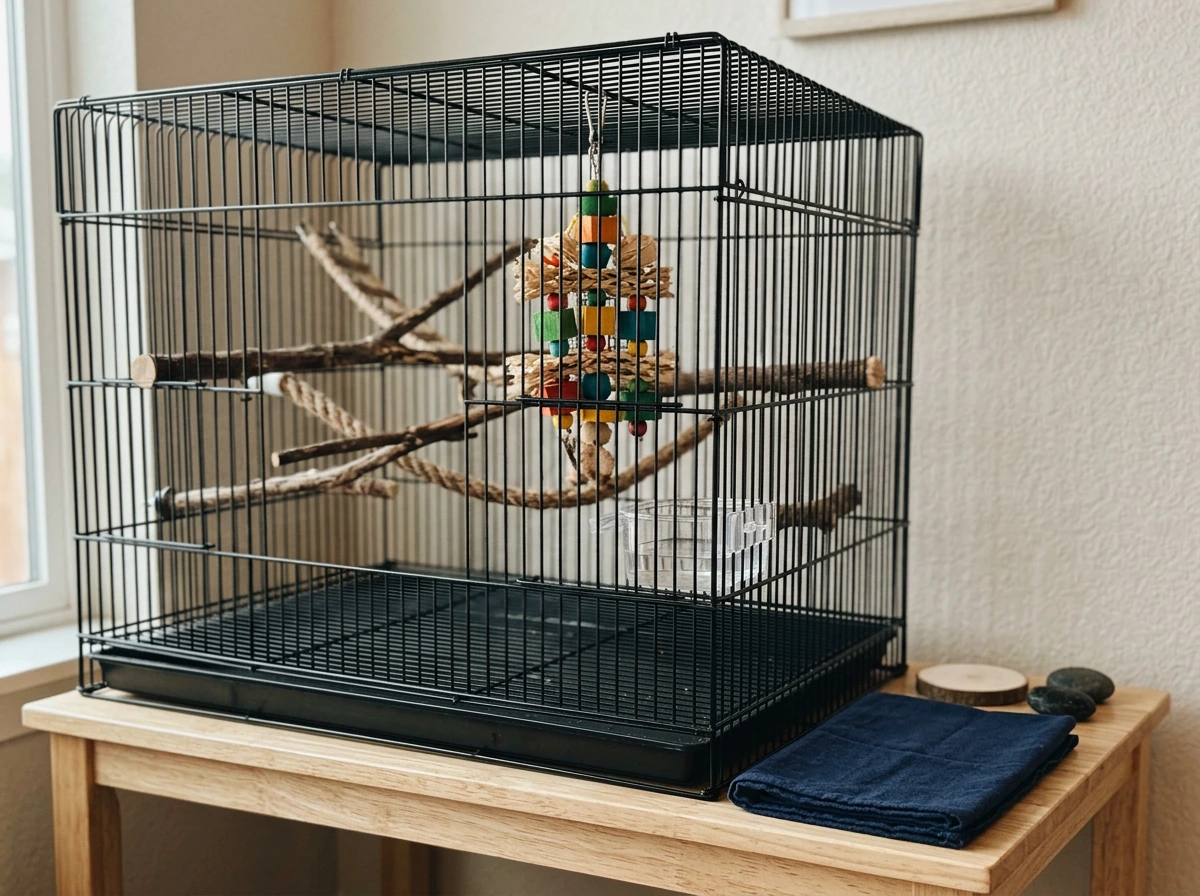
Once the immediate situation is addressed, the goal is to create conditions where plucking is far less likely to happen again. Most of this comes down to consistent, quality husbandry.
| Area | What to focus on | Why it matters |
|---|---|---|
| Diet | High-quality pellets as the base (50-70%), fresh vegetables daily, limited seeds and fruit | Nutritional deficiencies are a common and underappreciated contributor to feather problems |
| Sleep | 10-12 hours of darkness and quiet every night, on a consistent schedule | Sleep deprivation is a recognized behavioral stressor that can drive plucking |
| Cage setup | Appropriate size, wall/corner placement, away from predator animals and direct outdoor sightlines | Environmental security reduces chronic background stress |
| Enrichment | Rotating foraging toys, puzzle feeders, chewing materials, varied textures | Foraging-based enrichment reduces stereotyped behaviors including plucking |
| Social contact | Daily hands-on interaction, exposure to multiple people, consider a compatible companion bird for highly social species | Loneliness and isolation are major behavioral drivers |
| Light and temperature | Natural light cycles where possible, stable temperature without drafts | Erratic light cycles can trigger hormonal activity and stress |
| Routine | Consistent feeding, sleep, and interaction schedule | Unpredictability is a stressor; routine provides security |
| Vet care | Annual avian wellness exams even when the bird seems healthy | Early detection of nutritional or medical issues before they escalate |
One thing that is easy to overlook is [what happens if a bird stops preening altogether](/what-happens-if-a-bird-doesnt-preen), which can be just as concerning as One thing that is easy to overlook is what happens if a bird stops preening altogether, which can be just as concerning as over-preening or plucking. or plucking. Feather health depends on regular, appropriate self-maintenance, and disruption in either direction is worth paying attention to.
Feather plucking is rarely a quick fix, but it is almost always something you can make meaningful progress on when you approach it systematically. Start with your observation, take the immediate steps that are safe to do at home, and do not wait too long before bringing in an avian vet if things are not improving. You know your bird better than anyone, and that knowledge is genuinely useful as part of figuring this out.
FAQ
How can I tell if my bird’s feather picking is still normal grooming or already destructive plucking?
If the bird is actively removing feathers, has bald patches, broken shafts, or inflamed or scabby skin, it is not just “nervous grooming.” Stop trying to manage it as behavior alone and book an avian vet, especially if it started suddenly, is limited to one spot, or is getting worse week to week.
If my bird looks better after changing the cage or adding toys, does that mean it was definitely stress-related?
Yes, temporary improvement can happen even when there is an underlying medical issue, because stress and itching often fluctuate. That is why you should keep track of whether the skin looks calmer, whether new feathers regrow normally, and whether the bird still returns to the same area with intensity after your environmental changes.
Can I treat suspected mites or lice myself with over-the-counter products?
Do not. “Mites and lice” products are not interchangeable, and the wrong active ingredient, dose, or timing can harm a bird or miss the real problem (for example, quill mites or an infection). If you suspect parasites, confirm with an avian vet first, or bring a fresh feather or skin sample so they can guide treatment.
When should feather plucking be considered an emergency instead of a “watch and wait” situation?
If feather plucking includes bleeding, open sores, foul odor, crusting, rapid worsening, or the bird seems less energetic, treat it as urgent. Those signs suggest secondary infection or significant skin disease, and delaying care can make regrowth slower.
What if my bird is plucking mainly around the vent, could it just be hormones?
If the bird plucks primarily around the vent, or there is swollen tissue, abnormal droppings, or straining, you should bring in an avian vet promptly. Vent-focused plucking can be hormone-related, but reproductive disease or egg-related issues also need ruling out.
What should I include in my observation log so the vet can diagnose faster?
You are not looking for “the exact cause,” you are looking for patterns that help the vet narrow the differential. Write down the affected body areas, time of day, how long sessions last, triggers (cleaning days, new toys, guests, loud noises), and whether the bird starts plucking after contact with a particular person or material.
Does covering the cage for better sleep risk overheating or causing problems?
Be careful with sleep changes: aim for a consistent quiet dark period and avoid partial nights of light or disturbances, but do not use blankets that trap heat or reduce airflow. Make sure the covering is breathable and that the bird still gets appropriate temperature, ventilation, and comfort.
How do I transition off an all-seed diet without making things worse?
A diet shift can help, but rapid changes can also stress the bird and reduce acceptance. Use gradual transitions, keep daily portions predictable, and avoid adding vitamins or “immune supplements” unless your vet specifically targets a deficiency, since some nutrients can become toxic at high doses.
If my bird stops plucking for a few days, should I still follow up with the vet?
Sometimes. Some birds stop plucking temporarily when pain or itching is masked by temporary improvements in skin condition, but the underlying cause can still be present. Regrowth takes time, so the key markers are stable skin, reduced intensity and frequency, and new feather formation over weeks.
Why would a skin scraping come back negative if my bird still seems itchy or plucking?
Yes, it can. Quill mites live inside feather shafts and can be missed by a superficial scrape, and some inflammatory skin conditions may not show clearly on a single sample. If results are unclear or symptoms persist, ask whether additional sampling such as deeper testing or a biopsy strategy is needed.
What’s the safest way to trial environmental allergen changes if I suspect my bird is reacting to something?
If you suspect allergies, change one variable at a time (for example, cleaning product, new cage lining, air freshener, or aerosol use) and keep a short log for several days. Also stop exposure to cigarette smoke and strong fragrances immediately, since these can irritate skin and airways.
What should I do during a plucking session, interrupt it or redirect it?
Try to avoid trying to “fix” the bird’s behavior by rewarding plucking or repeatedly interrupting in the moment. Instead, focus on prevention, redirect to foraging, keep routines consistent, and use observation-based changes. If the bird is severe or not improving after medical causes are ruled out, ask the vet whether behavioral medication is appropriate.