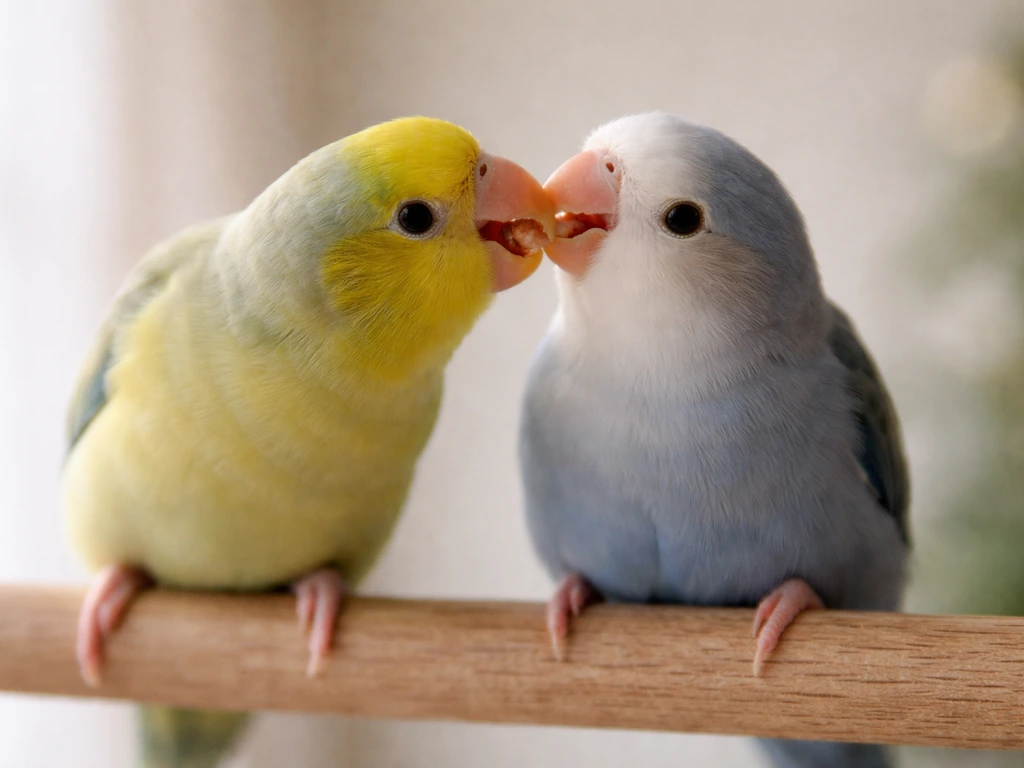
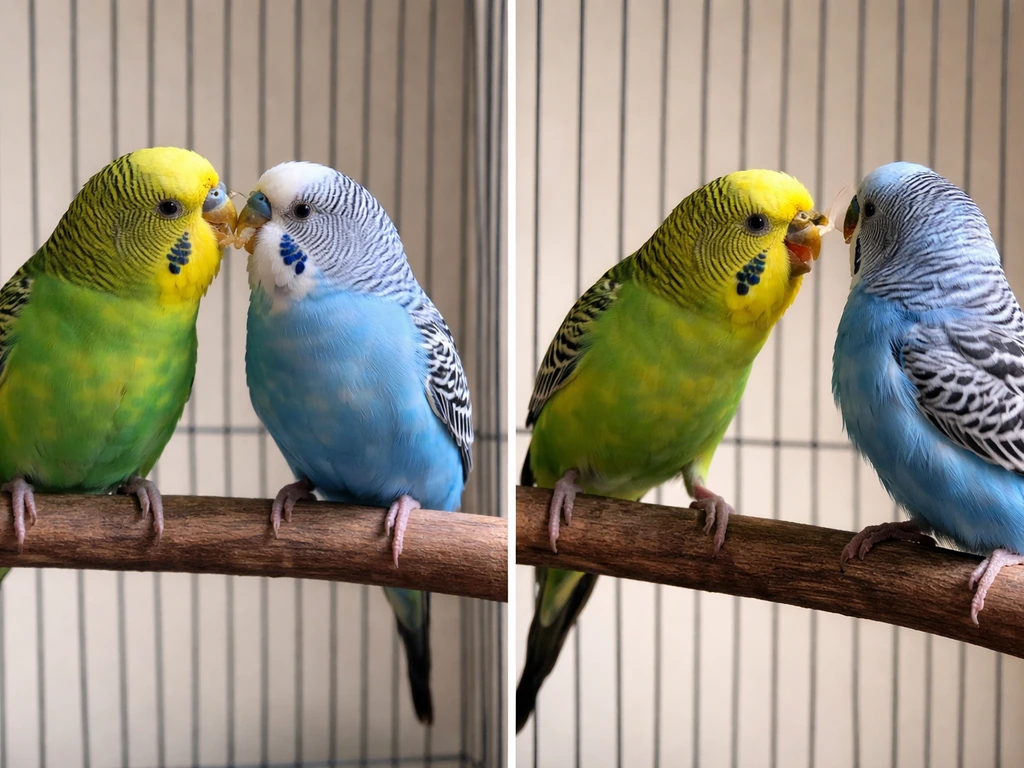
When one bird feeds another, it's almost always a sign of bonding. In most cases, your bird is regurgitating partially digested food from its crop and offering it as a social or courtship gesture. It's a normal, voluntary behavior that says 'I like you a lot.' That said, there are situations where feeding between birds isn't just sweet bonding behavior. It can signal dominance, stress, a learned habit, or in rare cases, a health problem worth looking into. Here's how to figure out which one you're dealing with.
Why Is My Bird Feeding My Other Bird? Causes and Fixes

Marcus Chen
11 Jun 2026
What 'feeding' actually means when birds do it
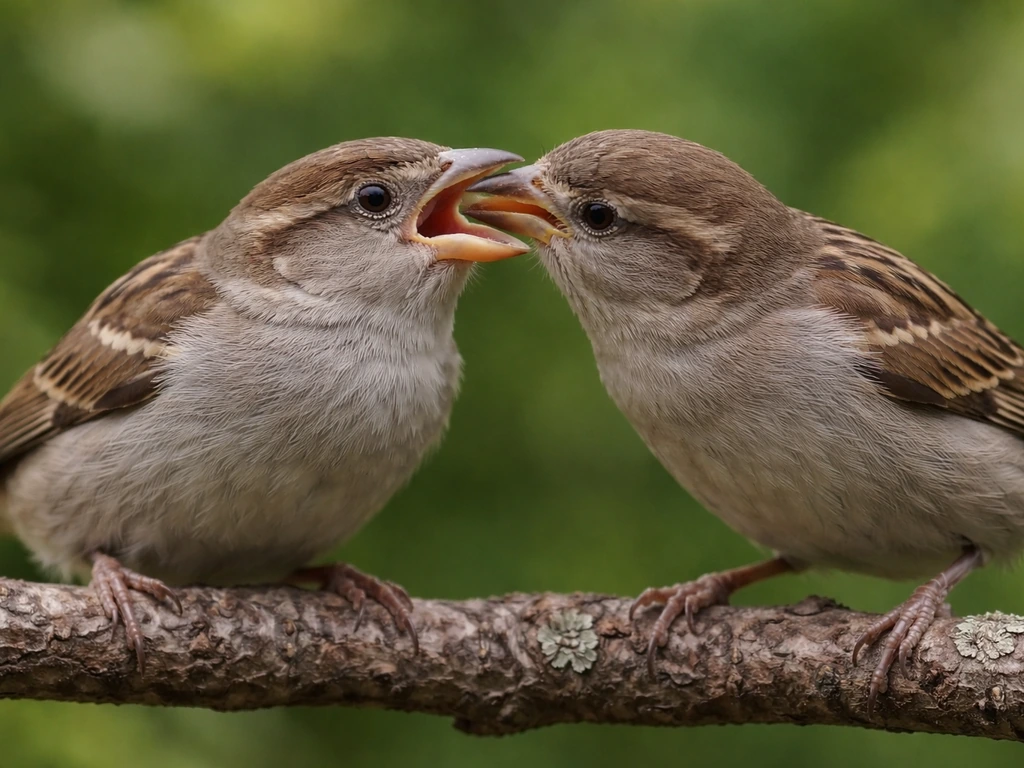
There are a few different things happening when it looks like one bird is 'feeding' another, and they're worth telling apart.
True regurgitation is when a bird voluntarily contracts the muscles around its crop and brings partially digested food back up through the esophagus to offer to another bird (or a person, or even a favorite toy). The bird is usually calm, deliberate, and pumps its head in a characteristic bobbing motion first. This is not the same as vomiting, which is more of an involuntary, forceful expulsion often accompanied by head shaking, wet feathers around the face, and generally looking unwell. Vomiting is a health red flag. Regurgitation is usually a social signal.
Then there's direct food sharing, where one bird physically picks up a piece of food and passes it beak-to-beak to the other bird. This is common with treats and soft foods, and it's a gentler form of the same bonding impulse. Finally, there's something that looks like feeding but is actually one bird forcing itself on another, holding it down or blocking it from eating. That last one is a dominance behavior, not affection, and it needs a different response.
Why birds feed each other: bonding, mating, and begging
The most common driver is a strong social bond. Birds that live in pairs or flocks use regurgitation as one of their core bonding rituals. It communicates trust and affection. If your two birds are close companions and one regularly bobs its head and offers food to the other, that's a healthy sign of a well-bonded pair.
Courtship and mating behavior kick this up a notch. During breeding season, or any time hormone levels rise, regurgitation becomes a prominent part of courtship. Sexual or courtship regurgitation is often described as an offering of food to a potential mate and is linked with hormone fluctuations During breeding season, or any time hormone levels rise, regurgitation becomes a prominent part of courtship.. A bird offering food to another is essentially saying 'I'd like to be your mate.' Hormones can be triggered by seasonal daylight changes, warmer temperatures, a richer diet, or even interactions with a favorite companion. If you've recently extended light hours, changed their food, or introduced the birds, this could explain a sudden uptick in the behavior.
Parent-style feeding is another piece of this. Birds that are strongly bonded sometimes slip into a parenting dynamic, with one bird feeding the other the way a parent would feed a chick. This is especially common in hand-raised birds or in pairs where one bird is younger or more submissive.
Begging is the flip side of this. Some birds learn that crouching, fluttering wings, or making certain sounds will prompt their companion to share food. If the 'recipient' bird is initiating the interaction with these soliciting behaviors, you're looking at a learned begging routine rather than spontaneous generosity.
When feeding isn't about affection: dominance, stress, and learned habits
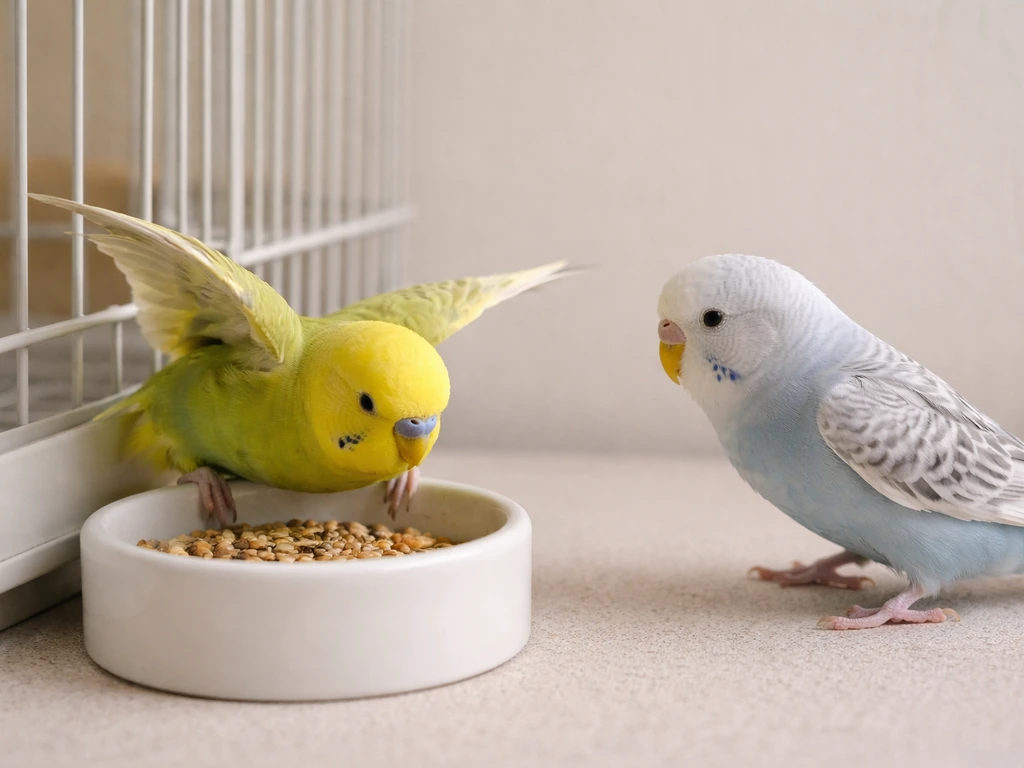
Not every feeding interaction between birds is warm and fuzzy. Pay close attention to how it unfolds. In a genuine bonding scenario, both birds are relaxed, the recipient accepts the food willingly, and there's no tension in the body language of either bird.
If one bird is consistently hovering over or physically blocking the other from the food dish, and then 'offering' food only after the other bird has been kept away, that's a dominance pattern. The feeding is incidental to the control. Look for fluffed posture, eye pinning (pupils rapidly dilating and contracting), tail fanning, or one bird being visibly stressed or trying to move away.
Stress-driven over-regurgitation can also appear when birds are overcrowded, bored, or their routine is disrupted. A bird under chronic stress sometimes fixates on another bird and engages in repetitive behaviors, including excessive or unwanted feeding attempts. If this is new behavior that coincided with a change in your household (a move, a new pet, schedule changes, loud noise), stress is worth considering as a factor.
Learned behavior is another possibility, especially in birds that were hand-raised or that have lived in groups where feeding was reinforced as a way to get attention or calm conflict.
Signs the behavior might actually be a health issue
Most of the time, one bird feeding another is completely normal. If your question is, “why is my bird beaking me,” the answer depends on whether the behavior is gentle bonding or something more concerning. But there are signs that shift the picture toward a health concern, and it's worth knowing them.
First, think about whether this is regurgitation or vomiting. A bird that's vomiting will shake its head, have wet or matted feathers around the beak and face, look lethargic, and generally seem unwell. A bird that's regurgitating for social reasons will look calm and deliberate throughout. If the bird doing the 'feeding' looks sick at all, that's a vet call, not a bonding conversation.
Crop issues are worth knowing about here. If a bird's crop (the pouch at the base of the neck) looks swollen, feels fluid-filled, or doesn't empty between feedings, that can cause regurgitation as a symptom rather than a social choice. Sour crop, a yeast-related condition where crop contents ferment instead of moving through normally, can also trigger regurgitation. A visibly distended or non-emptying crop needs veterinary attention promptly.
Watch for any broader changes too: reduced appetite, weight loss, changes in droppings, increased sleeping, or a bird that seems less alert than usual. These signs alongside feeding behavior shift the situation from 'normal bonding' to 'something's going on.' Avian trichomonosis, for example, is a contagious infection that can be passed between birds through regurgitated food or beak-to-beak contact, and symptoms include drooling, regurgitation, and lethargy. It's worth knowing it exists, especially if you have pigeons or doves.
Is sharing food between birds actually safe?
For a healthy, well-bonded pair that has been together for a while, beak-to-beak food sharing and regurgitation are generally safe. The birds have already been sharing their environment and any pathogens that come with it.
The risks increase in specific situations. If one bird is new to the household and hasn't been quarantined and health-checked, sharing food creates a direct transmission route for infections. Avian chlamydiosis (also called psittacosis) is one that gets mentioned often in this context because it can be passed through bird secretions, can be triggered or worsened by stressors like new housing or crowding, and is also transmissible to humans. A new bird should ideally be kept separate for at least 30 days and cleared by a vet before having close beak-to-beak contact with your existing birds. During quarantine, birds are kept separate and monitored for signs of disease while testing is performed kept separate for at least 30 days.
Even in established pairs, if one bird shows any signs of illness, separating them while you get a vet assessment is the right call. Shared food bowls and close contact are efficient disease transmission pathways, and it's better to be cautious. Aggression during feeding is another safety concern: one bird that consistently dominates food access can leave the other underfed, stressed, or physically injured.
Quick comparison: normal bonding vs. concerning feeding behavior
| What you observe | Likely normal bonding | Worth investigating |
|---|---|---|
| Initiation | Offering bird is calm, deliberate, head-bobbing | One bird appears agitated or is blocking the other |
| Recipient's response | Accepts food willingly, relaxed body | Tries to move away, looks stressed or scared |
| Bird's physical appearance | Alert, bright eyes, normal feathers | Wet face/beak, lethargy, fluffed feathers |
| Crop | Normal size, empties between meals | Distended, fluid-filled, or not emptying |
| Frequency | Occasional, linked to bonding/seasonal context | Constant, compulsive, or recently new |
| Other health signs | None | Weight loss, appetite change, loose droppings |
How to troubleshoot this today, step by step
- Watch a full feeding interaction without intervening. Note who initiates, what the body language looks like on both birds, and whether the recipient accepts or avoids the food. Write it down if you can.
- Check both birds for physical symptoms: look at the crop, check feathers around the face and beak for wetness or soiling, watch for any head-shaking, and assess whether both birds are eating their own food normally.
- Review any recent changes. Did you change their diet, extend light hours, add a new bird, move their cage, or change your schedule? Any of these can trigger hormonal or stress-related feeding behaviors.
- If the behavior looks like dominance (blocking, forcing, or one bird visibly distressed), separate their food dishes so both birds can eat without competition. Using multiple feeding stations in different areas of the cage can help.
- To redirect unwanted regurgitation or obsessive feeding, try breaking up the interaction calmly when it happens. Don't punish, just gently separate the birds or redirect with a toy or activity. Reducing hormonal triggers (shortening light exposure to around 10 to 12 hours daily, avoiding overly rich or fatty foods) can also help dial down the behavior over time.
- If you have a new bird involved, separate it now if you haven't already and schedule a vet checkup before allowing close contact again.
- Keep a short daily log for a few days: who does what, when, how often, and any physical changes you notice. This information is genuinely useful if you end up calling a vet.
When to call an avian vet and what to tell them
Call an avian vet if the bird doing the feeding looks unwell in any way, if you're seeing vomiting rather than calm regurgitation, if either bird's crop seems abnormal, or if either bird has changed its eating, energy level, or droppings. The Association of Avian Veterinarians lists vomiting and excessive regurgitation among the signs that specifically warrant a vet visit, and it's good advice.
Also call if you've recently added a new bird and there's been beak-to-beak contact before quarantine, or if you have any reason to think a bird might be unwell and you're just not sure.
When you call, be ready to describe: which bird is doing the feeding and which is receiving it, how long this has been happening and how often, whether you think it's regurgitation or vomiting (describe what you see), any physical symptoms in either bird, recent changes to diet or environment, and the ages and species of your birds. That context gives the vet a much clearer picture and helps them advise you faster.
If you've also noticed other social quirks like one bird stepping on the other, sleeping pressed together, or doing similar mouth-related behaviors toward you, those behaviors are all connected to the same bonding and hormonal system. Stepping on another bird can also happen for dominance or stress, so watch the body language to understand which behavior pattern you’re seeing why is my bird stepping on my other bird. Context from across those interactions can help you and your vet build a fuller picture of what's driving things.
FAQ
How can I tell if my bird is regurgitating for bonding versus vomiting from illness?
Watch for overall condition and the lead-up. Social regurgitation usually looks calm and deliberate (bird appears relaxed, with a distinct head-bobbing motion before offering food), while vomiting is often forceful and is accompanied by signs like wet or matted feathers around the face, head shaking, and reduced energy afterward. If the bird seems unwell at any point, treat it as a medical concern.
Is it ever dangerous if my birds share food beak-to-beak?
It can be, especially if one bird is new or unquarantined, because regurgitation and close beak contact can transmit infections. In established bonded pairs with healthy birds, it is generally low risk. If you recently introduced a bird, assume higher risk until the new bird has been quarantined and cleared by an avian vet.
My bird feeds another bird, but the receiving bird looks stressed. What should I do?
Stress signs from the receiver (trying to move away, fluffed posture, freeze-like body tension, or visible avoidance) suggest the “feeding” might be tied to dominance or unwanted pressure rather than affection. If you also notice blocking at the food bowl, separate access and arrange observation, then involve an avian vet if illness is suspected or if injuries are possible.
Could this behavior mean my birds are mating, even if I do not see obvious courtship?
Yes. Regurgitation often increases with hormone changes, and it can occur before you notice other obvious breeding cues. Day length, warmer temperatures, diet changes, and interactions with a favored companion can all raise hormone activity. If it suddenly ramps up after environmental changes, that pattern supports a hormone-driven explanation.
What if my bird only feeds the other after I bring out treats or a certain food?
That pattern often points to direct food sharing or learned begging, especially if one bird initiates the interaction through specific calls, crouching, or wing fluttering. It can still be normal bonding, but if the receiving bird is not freely accepting or if the “feeding” looks coercive, reassess the body language and feeding access.
How often is “too much” regurgitation between bonded birds?
Occasional, predictable regurgitation during bonding or courtship routines is typical. Consider it excessive if it is happening all day, repeatedly without a normal bonding context, or it is paired with health changes such as weight loss, lethargy, reduced appetite, or abnormal droppings. Those “alongside” symptoms are what shift it toward a crop or infection concern.
Can crop problems cause feeding behavior to look like bonding?
Yes. A swollen, fluid-filled crop, a crop that does not empty properly between feedings, or regurgitation that looks uncontrolled can indicate a crop disorder such as sour crop or other motility problems. If the crop is visibly distended or the bird seems uncomfortable, this warrants prompt avian veterinary evaluation.
What should I tell the vet if they ask for details about the behavior?
Note which bird is offering and which is receiving, how long the behavior has been occurring, how frequently it happens, and what you observe right before it (bobbing motion, calm posture, solicitation cues, blocking at food). Also report any symptoms in either bird, including changes in droppings, appetite, sleep, or energy, and mention recent changes like a new bird, diet changes, or schedule and light-hour adjustments.
Should I stop the birds from sharing food if it seems like bonding?
If both birds are established, healthy, and the interaction is relaxed and voluntary, you typically do not need to intervene. If you have a new bird, illness concerns, abnormal crop signs, or dominance-like blocking, reduce shared beak-to-beak contact (and provide separate feeding options if needed) while you arrange avian vet guidance.
Could this be contagious even when both birds appear normal?
It is less likely if both birds are clearly healthy, but it is still a consideration if there was recent beak-to-beak contact with a new or unquarantined bird, or if either bird has subtle symptoms you might miss. If there is any uncertainty, quarantine and vet testing are the safest next steps, because several infections can involve regurgitation before more obvious illness develops.
Next Articles
Why Is My Bird Making Whimpering Noises? What to Check
Find reasons for whimpering bird noises, quick home checks, and red flags for urgent vet care plus tracking tips.
Why Does My Bird Make Crunching Noises? Causes and What to Do
Learn why your bird crunches, spot normal beak chewing vs breathing or crop issues, and what to do next.
Why Do Guinea Pigs Make Bird Noises? Listen and Look
Learn why guinea pigs make bird like chirps and whistles, how to spot normal vs stress or illness, and when to see a vet