
If your bird just regurgitated on you, there's a good chance it's actually a compliment. Birds regurgitate on the people (and objects) they're bonded to as a way of showing affection, offering food, or signaling courtship interest. Most of the time, especially if your bird looks healthy and happy right after, it's a normal social behavior. If your question is why your bird is targeting you specifically, the timing, hormones, and whether it seems distressed afterward can point to the most likely cause. But regurgitation can also be a symptom of a crop or digestive problem, so it's worth knowing exactly what you're looking at before you shrug it off.
Why Does My Bird Regurgitate on Me and When to Worry

Marcus Chen
18 Jun 2026
What regurgitation actually means (normal vs. not)
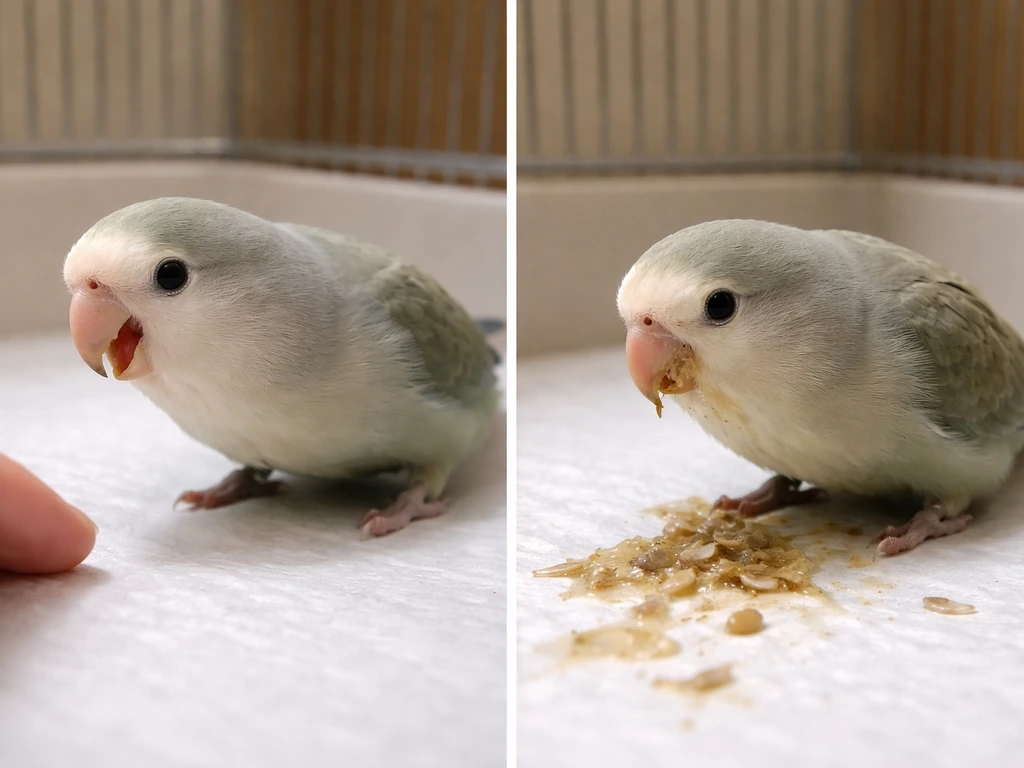
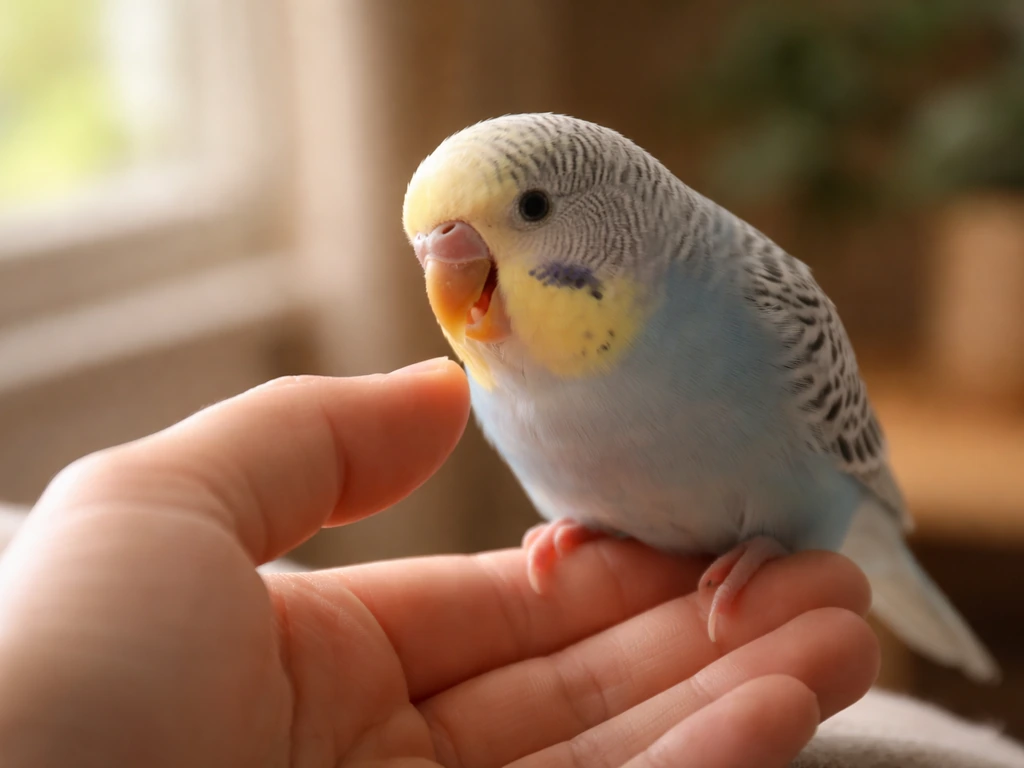
Regurgitation in birds is a voluntary act. The bird brings crop contents back up through the esophagus and delivers them, usually onto you, a toy, a mirror, or a cagemate. It looks deliberate because it is. You'll often see the bird bob its head a few times beforehand, and afterward it typically goes right back to its normal self, alert and interested in its surroundings.
Vomiting is different. Vomiting is involuntary, the bird isn't choosing to do it, and the material often has a sour smell. The bird may look uncomfortable, shake its head to fling the material off its beak, or seem weak and off afterward. That sour odor matters: when food sits in the crop too long and starts to ferment, it produces that smell, and that's a red flag for crop stasis or a crop infection rather than normal bonding behavior.
The short version: calm, deliberate head-bobbing followed by depositing food onto you, and then a bird that acts totally normal, is almost certainly a social behavior. A bird that seems distressed before or after, smells sour, or keeps doing it repeatedly throughout the day needs a closer look. Bird stepping on a cagemate or another bird can happen from social dominance, bonding, or excitement, so if you see any regurgitation alongside unusual aggression or distress, use the same behavioral-versus-health check needs a closer look.
Why your bird is regurgitating on you specifically
There are a few overlapping reasons birds target their favorite person with regurgitated food, and they all come down to how birds communicate love, attraction, and flock membership.
Bonding and flock feeding
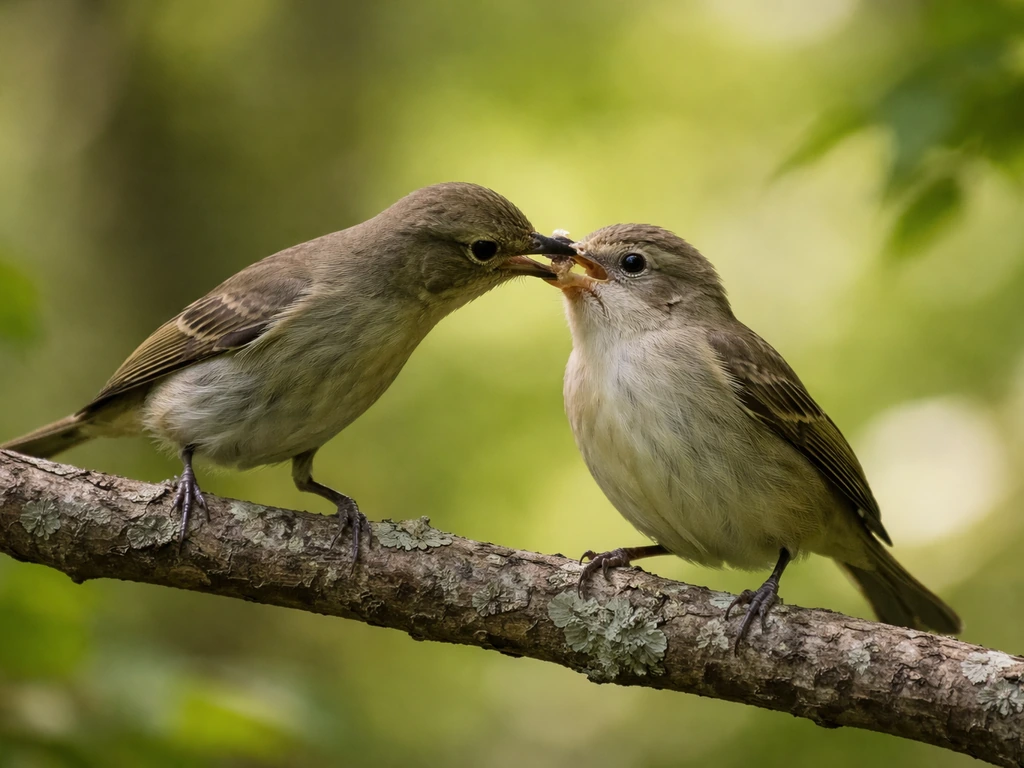
In the wild, birds feed their flock members and partners by regurgitating food directly from their crop. It's one of the most intimate things a bird can do. When your bird does this to you, it's treating you as its closest companion, essentially bringing you a meal. This is especially common in parrots, cockatiels, lovebirds, and budgies. It's also related to why you might notice your bird trying to feed another bird in your home.
Courtship and sexual behavior
During hormonally active periods, usually spring and sometimes fall, birds get a surge of reproductive hormones and start treating their favorite person as a mate. Regurgitation is a core part of courtship displays. You may also notice your bird strutting, fanning its tail or wing feathers, becoming more vocal, or pinning its pupils. The head-bobbing that precedes regurgitation is intensified during these periods and functions as a direct sexual signal. This is normal bird behavior, but it can become a problem if it happens constantly, since chronic sexual stimulation can lead to serious reproductive health complications over time.
Attention-seeking or excitement
Some birds regurgitate when they're simply very excited to see you, especially if you've been away for a while. It's less a courtship display and more an overflow of social enthusiasm. Young birds can also do this as they're learning social cues. The behavior still looks the same, head-bobbing followed by food delivery, but it tends to settle down once the initial excitement fades.
Signs the regurgitation is health-related, not behavioral
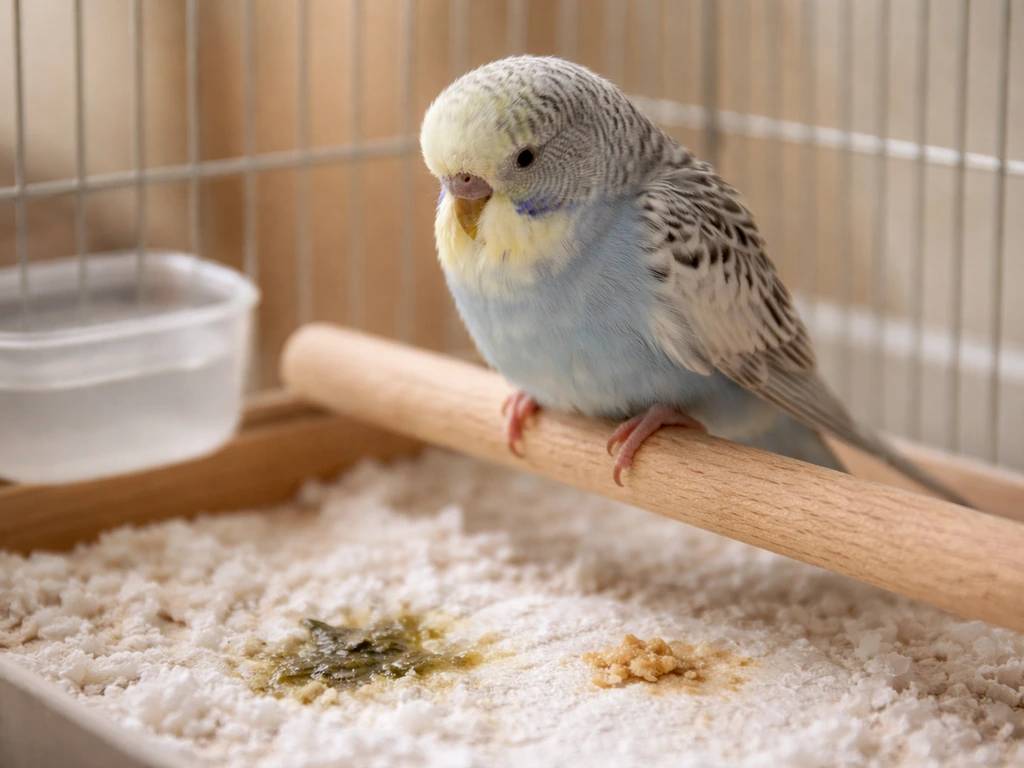
This is the part that matters most. Regurgitation that looks normal one day can shift into a symptom of illness, and birds are experts at hiding that they're sick until things get serious. Here's what to watch for:
- Frequency: A bird that regurgitates once or twice during a bonding session is very different from a bird that keeps doing it throughout the day, every day. Repeated, frequent regurgitation is a flag.
- Posture during and after: A healthy, behavior-driven regurgitation leaves a bird that looks alert and normal. A bird that hunches, fluffs up, or seems weak afterward needs attention.
- Sour smell: If the regurgitated material smells fermented or off, that suggests the crop contents have been sitting too long, which points to crop stasis or crop infection rather than voluntary food-sharing.
- Appetite changes: Is your bird still eating normally? A bird refusing food while also regurgitating is a much bigger concern than one that eats well.
- Droppings: Look at the poop. Undigested whole seeds in the droppings can be a sign of proventricular dilatation disease (PDD), a serious neurological and GI condition. Bloody or abnormal droppings alongside regurgitation are urgent.
- Breathing: Open-mouth breathing, tail bobbing with each breath, or any audible respiratory effort are serious warning signs that need immediate veterinary attention.
- Energy and weight: A bird that seems lethargic, is losing weight, or feels lighter than usual when you hold it is telling you something is wrong. Weight loss is one of the earliest signs of chronic illness in birds.
Conditions that can cause regurgitation include crop infections (often with a sour odor and thickened crop contents), yeast infections like candidiasis (which can also cause open-mouth breathing and lethargy), PDD caused by avian bornavirus (which impairs the GI tract's ability to empty and digest food, leading to chronic regurgitation and weight loss), and physical obstructions. These aren't things you can diagnose at home, but you can recognize the signs that tell you something more than bonding behavior is happening.
What to do when your bird regurgitates on you
How you respond in the moment actually matters, especially if you want to avoid accidentally reinforcing problematic sexual behavior.
- Don't make a big deal out of it either way. Reacting with loud excitement or a lot of physical fuss can reinforce the behavior, and a dramatic negative reaction can stress your bird. Stay calm.
- Avoid reinforcing the feeding loop. If your bird is in a strong courtship phase, letting it repeatedly regurgitate on you without any redirection can deepen the hormonal cycle. Gently put the bird down or redirect its attention to a toy or activity.
- Don't pet your bird's body during these moments. Petting a bird anywhere beyond the head and neck area sends mating signals and can intensify hormonal behavior. Stick to head scratches if you're handling your bird during an active courtship period.
- Clean up promptly and calmly. Regurgitated crop material can be a breeding ground for bacteria if left on surfaces, including your clothes.
- Watch the bird for a few minutes after. Note whether it goes back to normal quickly, eats, and acts like itself. That observation tells you a lot about whether this was behavioral or something more.
How to investigate and reduce the triggers at home
If regurgitation on you is happening regularly, it's worth doing a bit of detective work before assuming it's either purely affection or purely illness.
Track the pattern
Keep a simple log for a week. Write down when it happens, what you were doing right before (petting, feeding, returning home, handling), and how the bird acted after. Patterns often become obvious quickly. If it only happens when you return home after work, that's excitement-driven. If it happens multiple times a day regardless of context, that's something else.
Adjust the environment during hormonal seasons
Longer daylight hours trigger hormonal cycles. You can reduce the intensity by giving your bird 10 to 12 hours of darkness per night consistently, which helps regulate reproductive hormones. Remove nest-like objects, dark hiding spots, and anything the bird is trying to mate with, including mirrors if your bird is obsessively regurgitating onto its reflection.
Look at diet and feeding routine
Warm, soft foods can act as a trigger for feeding behavior and hormonal responses. If you regularly offer warm oatmeal, warm cooked grains, or similar foods and the regurgitation spikes afterward, try serving those foods at room temperature instead. Make sure your bird's overall diet is balanced and appropriate for its species, since nutritional deficiencies can contribute to both behavioral and health-related regurgitation.
Reduce chronic stress
Stress can both increase hormonal behaviors and suppress immune function, making birds more vulnerable to crop infections. Evaluate your bird's routine for irregular sleep schedules, loud disruptions, lack of enrichment, or social isolation. A stable, predictable environment with consistent lighting, interaction, and mental stimulation goes a long way.
When to call an avian vet (and how urgently)
Not all regurgitation needs a vet visit, but some situations absolutely do. SpectrumCare advises blank" rel="noopener noreferrer">prompt vet evaluation if the crop is still full when it should be empty, and immediate vet care if the crop is very distended, the bird is weak, or breathing seems harder. Here's how to sort it out: Follow a “hospital cage” approach while arranging veterinary care, including setting an appropriate heat target and making it easier for the bird to access food and water.
| What you're seeing | What it likely means | Action needed |
|---|---|---|
| Single episode, bird acts normal after, no smell | Normal bonding or courtship behavior | Monitor at home, adjust handling if needed |
| Happens several times per week during spring, bird is otherwise healthy | Seasonal hormonal behavior | Adjust environment and handling; schedule a routine checkup if ongoing |
| Frequent throughout the day, bird seems fine otherwise | Possible excessive bonding/sexual behavior | Routine vet checkup to rule out underlying causes |
| Sour-smelling regurgitate, swollen or full-feeling crop | Crop stasis or crop infection | Call avian vet within the day |
| Regurgitation plus lethargy, fluffed feathers, weight loss | Illness: infection, yeast, PDD, or other GI disease | Call avian vet same day, do not wait |
| Open-mouth breathing, tail bobbing, or any respiratory distress alongside regurgitation | Possible respiratory compromise or severe illness | Treat as urgent, contact avian vet or emergency exotic animal clinic immediately |
| Bloody droppings, straining, weakness alongside regurgitation | Possible reproductive emergency (egg binding) or serious illness | Emergency vet care, do not wait |
| Chronic weight loss, undigested whole seeds in droppings, ongoing regurgitation | Possible PDD (avian bornavirus) | Prompt avian vet evaluation needed |
One thing worth keeping in mind: birds hide illness well, and by the time symptoms are obvious, they've often been sick for a while. If you're genuinely unsure whether what you're seeing is behavioral or health-related, calling your avian vet to describe the symptoms is always the right move. A quick phone consultation can save you a lot of worry and potentially catch something early.
If you don't already have an avian-experienced vet, now is a good time to find one. General practice vets often have limited bird experience, and avian vets are specifically trained to catch the subtle signs that matter most in birds. The Association of Avian Veterinarians maintains a directory that can help you locate one in your area.
The bigger picture on bird regurgitation
Your bird regurgitating on you is, at its core, an act of trust and affection. It means you matter to this animal in a real, biological way. Most of the time, a calm and healthy bird that does this occasionally is simply doing what birds do with their bonded companions. But the same behavior can also be your bird's way of telling you something is physically wrong, and knowing the difference comes down to observation: how often, how the bird looks and acts before and after, what the material smells like, and whether everything else, appetite, droppings, energy, breathing, looks normal.
If you've noticed your bird doing other affectionate or social behaviors alongside this, like sleeping on you, beaking you gently, or trying to feed your other birds, those are all part of the same language. Regurgitation just happens to be the most dramatic version of it. Knowing your bird's normal baseline is the best tool you have for catching the moments when something shifts from sweet to concerning.
FAQ
How can I tell if my bird is regurgitating food or just “spitting” something it already had in its mouth?
Regurgitation usually follows clear head-bobbing and then the bird deposits crop contents in a mostly repeatable, deliberate pattern. If material comes out without head-bobbing, looks like recent pellets or is accompanied by visible discomfort, shaking, and a sour smell, that leans more toward involuntary vomiting or crop stasis.
Should I clean myself up and stop interaction the moment it happens?
You can clean up, but avoid abruptly pulling away every time, because consistent reinforcement can train the bird to perform more often. Instead, calmly pause for a few minutes, then return to normal interaction, while you also note whether the behavior is increasing in frequency or intensity.
Is it okay to let my bird regurgitate onto me if I’m sick or immunocompromised?
It can pose a risk because crop contents can contain microorganisms. If you are immunocompromised, pregnant, or have an active illness, it’s safer to redirect the bird to a neutral surface (like a designated perch) and wash hands and any exposed skin thoroughly.
My bird regurgitates onto me during cuddling, then seems hungry again. Is that normal?
Yes, sometimes the bird is simply repeating a bonding routine, especially if it acts normal and quickly returns to eating later. However, if it regurgitates repeatedly and then does not eat, loses weight, or shows changes in droppings or energy, treat it as a possible health issue and call an avian vet.
What if my bird regurgitates onto my partner instead of me?
Birds often choose a specific “mate” or primary flock companion, and the target can shift based on who provides daily attention, hand-feeding history, and schedule. If the bird is otherwise healthy, occasional switching is usually behavioral, but sudden new targeting plus distress or illness signs is more concerning.
Can regurgitation happen in one bird but not another in the same home?
Yes. Differences in temperament, hormone sensitivity, and which individual provides the most interaction can lead one bird to bond through regurgitation while another does not. If regurgitation is frequent or paired with aggression or sour odor, focus on the individual bird’s health and triggers rather than the household dynamic.
Does mirror regurgitation mean my bird is sexually stimulated, and how do I reduce it safely?
Mirrors can intensify mating-like displays because the bird perceives a rival or mate. If your bird targets the mirror with repeated head-bobbing and regurgitation, cover the mirror during hormonal peaks, limit access to reflective surfaces, and remove nest-like items or dark hiding spots.
How often is “too often” for regurgitation?
There is no single safe number, but a key red flag is escalation. If it starts happening many times per day across unrelated contexts, continues even when cues like lighting and warm foods are adjusted, or you see weight loss or abnormal droppings, it warrants an avian vet evaluation.
What dietary changes can I make before the vet visit?
First, avoid warm, soft foods as triggers by offering them at room temperature and keeping the diet balanced for your species. Do not abruptly change seed-to-pellet ratios or introduce supplements without guidance, because diet changes can also upset the crop. If regurgitation persists, focus on vet care rather than repeated trial-and-error.
What should I watch for in the hours after regurgitation that suggests illness?
After a normal bonding regurgitation, the bird usually returns to alert behavior. Watch for lethargy, tail bobbing, open-mouth breathing, reduced appetite, abnormal droppings, and a crop that seems consistently swollen or takes long to empty.
Can regurgitation be contagious or related to exposure to other birds?
If a second bird is sick, shared cages, shared feeding utensils, or contamination can increase exposure to infectious crop or GI issues. Bonding regurgitation itself is not contagious, but if regurgitation is chronic or accompanied by sour odor, coordinate with your avian vet and separate birds if advised.
If I suspect crop stasis, what is the safest immediate next step?
Do not try to force feeding or give home remedies, since underlying infections or obstructions require targeted care. Instead, call an avian vet promptly, describe the timing, smell, frequency, and any changes in breathing, droppings, appetite, and weight, and follow their instructions for transport and monitoring.
Is it helpful to record video for the vet?
Yes. A short video capturing the head-bobbing, timing, what comes out, and the bird’s posture right afterward can help distinguish deliberate bonding from distress or vomiting. Even 30 to 60 seconds is often enough for a triage discussion.