
Your bird sleeping on you is almost always a sign of trust and comfort. Birds choose to rest on the people they feel safest with, and for a well-bonded pet bird, your body is the warmest, most familiar perch in the room. That said, a bird that suddenly starts sleeping on you more than usual, or looks different while doing it (fluffed up, breathing heavily, sitting still when they'd normally be active), deserves a closer look.
Why Does My Bird Sleep on Me? Comfort, Bonding, and Health Checks

Marcus Chen
16 Jun 2026
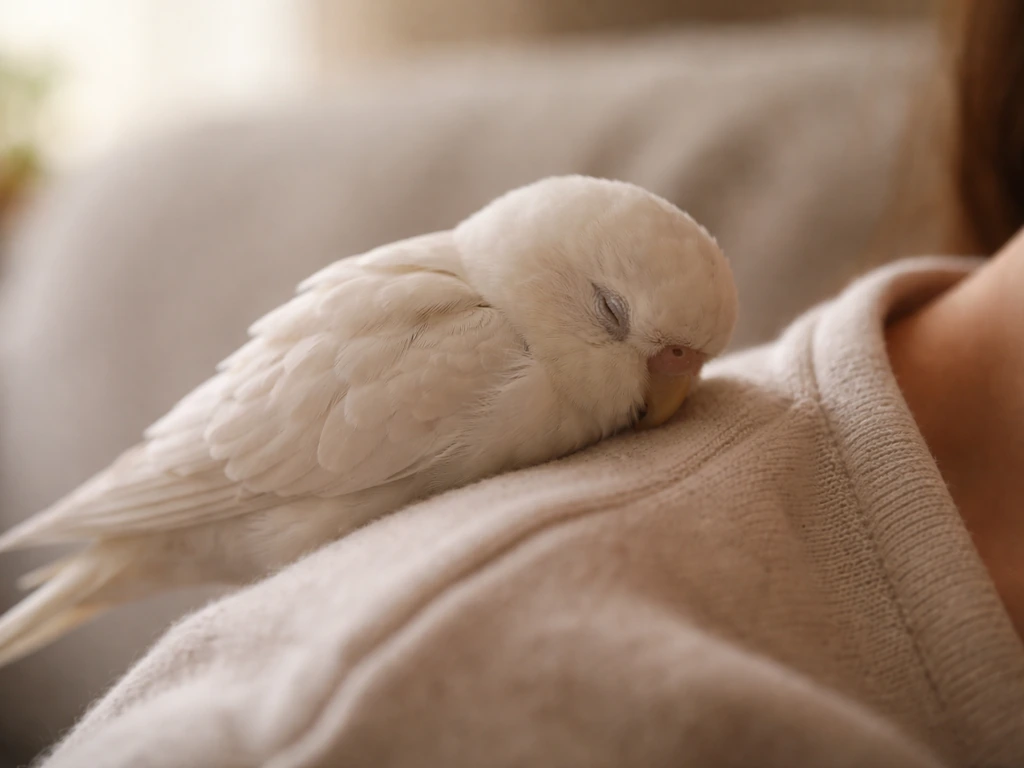
Most of the time this behavior is sweet and normal. A small percentage of the time it's your bird's way of telling you something is off. If your bird is stepping on another bird, that can also be linked to stress, dominance, or breeding behavior, so it's worth looking at the context a small percentage of the time. Here's how to tell the difference today.
Why birds sleep on their owners (the normal, bonding reasons)
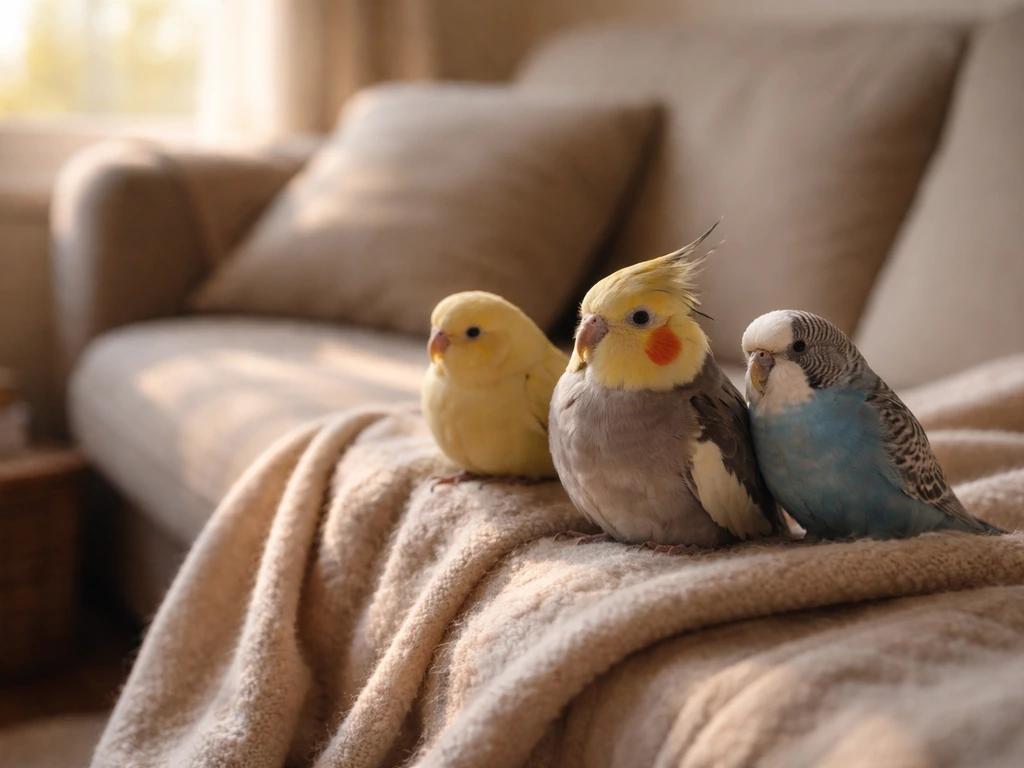
In the wild, birds roost together for safety. Your bird has transferred that instinct onto you. You are their flock, and sleeping near you (or directly on you) is the bird equivalent of saying "I feel completely safe here." This is especially common in highly social species like cockatiels, conures, and budgies. Cockatiels in particular are known for wanting to go wherever you go and for choosing to perch on a person rather than sit alone in the cage.
Trust is a big part of this. Sleep is a vulnerable state for any bird. In nature, a sleeping bird is an easy target for predators. When your bird chooses to close its eyes and nap on your hand, shoulder, or chest, it is genuinely trusting you with its safety. Owners who share this experience often describe it correctly: the bird trusts you enough to be vulnerable around you. That's a meaningful thing in bird terms.
Larger parrots tend to form particularly strong individual bonds with their owners, but this behavior shows up across species. If your bird has been handled regularly, spent time with you daily, and is generally relaxed around you, sleeping on you fits perfectly with a normal, healthy bond.
The comfort factors: warmth, scent, safety, and routine
Your body offers something a cage perch cannot: warmth. Birds have a much higher normal body temperature than we do (roughly 104 to 112°F), and they lose heat easily. Your skin and clothing provide gentle, consistent warmth that feels genuinely comfortable to a small bird, especially in a cooler room. This is not just emotional comfort. It is physical warmth that your bird's body benefits from.
Scent also plays a role. Research suggests birds can recognize familiar individuals through multiple senses, including smell, vision, and vocal cues. Your bird has spent time learning what you sound like, look like, and smell like. Resting on you puts them right in the middle of all those familiar signals at once, which is genuinely calming for a social species.
Routine matters too. If your bird has learned that a particular time of day means sitting with you, they will seek that out consistently. Birds are highly schedule-driven creatures, and if "evening on the couch with you" has become part of their daily routine, they will expect and look for it. That predictability is comforting in itself.
Is it stress or fear? Reading the body language beyond just sleeping
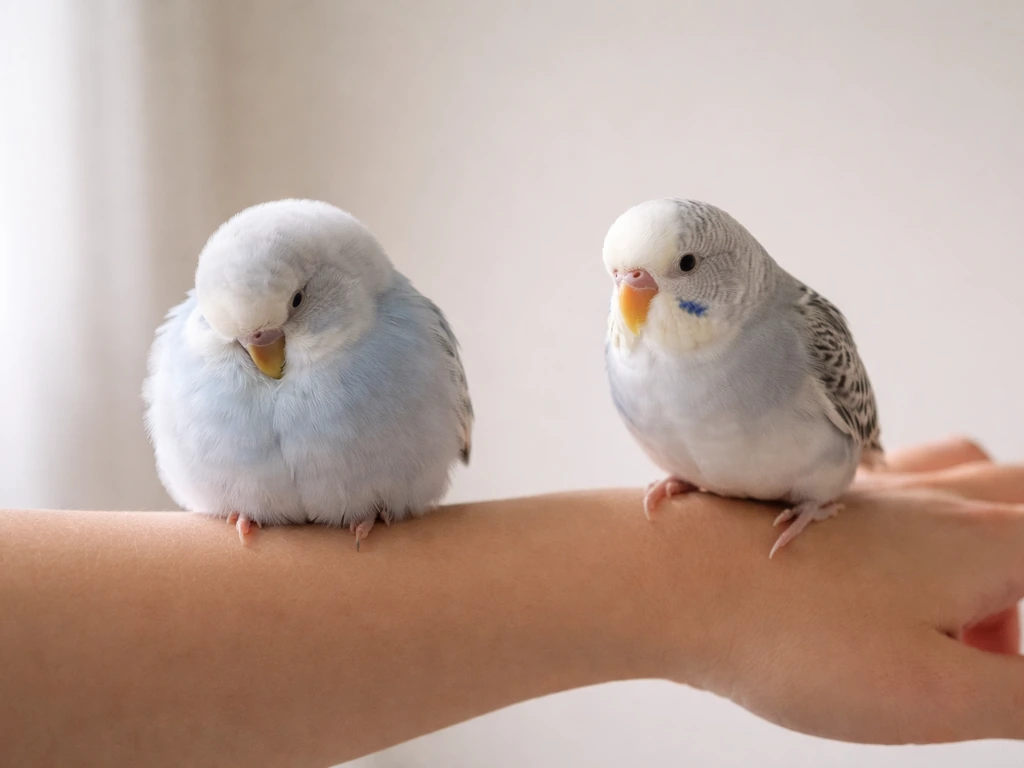
Not every bird that sleeps on you is doing it from pure contentment. Some birds sleep on their owners because they are stressed, under-stimulated, or feeling insecure in their environment. The behavior looks similar on the surface, but the bird's overall body language tells you which situation you're dealing with.
A relaxed, trusting bird sleeping on you looks like this: feathers slightly fluffed in a soft, natural way (not puffed out dramatically), one foot tucked up, eyes slowly closing, breathing quiet and even. They may grind their beak gently, which is a known sign of contentment in parrots. They are easy to move if needed and respond normally when they wake up.
A stressed or fearful bird looks different even when resting. Watch for feathers held tight to the body, wide alert eyes even when tired, tense posture, rapid breathing, or a bird that startles easily and can't seem to settle. If your bird is seeking you out specifically because something in their environment is frightening them (a new pet, a loud noise nearby, a change in the household), they may cling to you as a refuge rather than genuinely relaxing.
If your bird is sleeping on you more than usual after a recent change in the home (a new animal, moved cage, schedule disruption, louder environment), stress is worth considering as a factor. In those cases, the fix is addressing the stressor, not just enjoying the extra snuggle time.
How to tell normal sleep from illness
This is the most important thing to get right. Birds are hardwired to hide signs of illness because appearing weak in the wild makes them a target. By the time a bird looks obviously sick, they have often been unwell for a while. That means you need to catch the subtle signs early.
The key illness signals to look for when your bird is resting on you (or anywhere) are not just about sleep itself. It's about clusters of signs appearing together. One sign alone might mean nothing. Two or three together is reason to act.
| Sign | Normal resting | Possible illness |
|---|---|---|
| Feather position | Slightly soft, relaxed fluff; one foot tucked | Dramatically puffed out for extended periods; feathers held strangely |
| Breathing | Quiet, invisible, no visible effort | Open-mouthed at rest, tail bobbing with each breath, wheezing or clicking |
| Eyes | Slowly closing, normal pupil response | Dull, partially closed when alert, sunken appearance |
| Posture | Upright or slightly leaned, one foot up | Hunched, both feet on surface, unable to grip properly |
| Appetite | Normal food and water intake | Barely eating, ignoring favorite foods, losing weight |
| Droppings | Normal color and consistency for species | Change in color, watery, very dark, or absent |
Open-mouthed breathing when the bird is at rest is a serious warning sign. Open-mouthed breathing can also be seen when birds are trying to cool down during heat stress, including panting and increased water intake. This is not normal sleep behavior under any circumstances. If your bird is breathing with its mouth open while sitting quietly on you, that is an urgent signal to contact an avian vet the same day. Similarly, a bird that is sleeping at the bottom of the cage rather than on a perch, or that cannot grip a perch properly, needs immediate attention.
Fluffed feathers on their own can be normal during sleep, but dramatic puffing that persists when the bird is awake and alert often signals chills or fever. Combined with changes in droppings or appetite, that combination warrants a vet call. Sneezing occasionally is not necessarily alarming, but sneezing frequently, especially with discharge, alongside lethargy or reduced appetite, is a cluster worth reporting.
Quick checks you can do right now
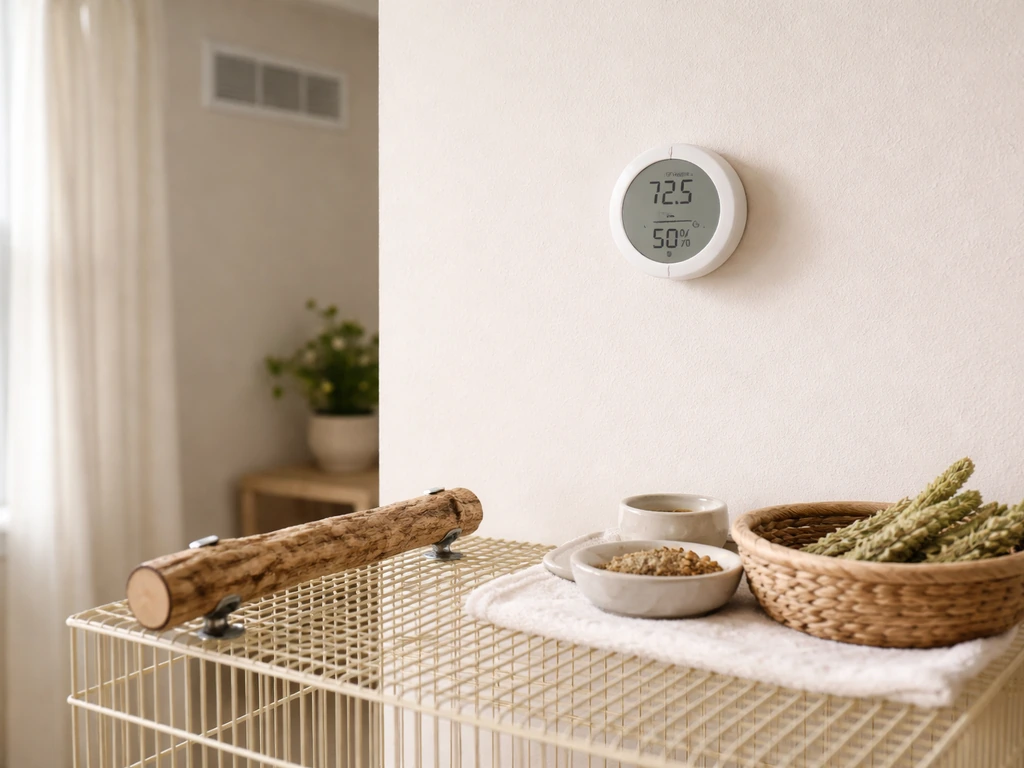
Before assuming anything is wrong (or assuming everything is fine), spend a few minutes going through these practical checks today.
- Check the room temperature. Conures and similar species are comfortable between 65°F and 80°F. If the room is drafty, near an air vent, or has been unusually cool or hot lately, your bird may be seeking your body heat out of necessity rather than pure affection. Aim for a stable, draft-free temperature in the cage area.
- Look at the cage setup. Is the perch comfortable and the right diameter for the bird's feet? An uncomfortable or unstable perch can push a bird to prefer sitting on you instead. Check that perches are clean and not forcing an unnatural foot position.
- Review the sleep schedule. Pet birds need 10 to 12 hours of uninterrupted darkness and quiet to sleep properly. If your bird is getting less than that (TV on late, household noise, lights disrupting sleep), they may be overtired and seeking rest whenever they can, including on you during the day.
- Look at the droppings from the last 24 hours. Color change, unusual wateriness, or very dark or absent urates are worth noting. Photograph them if you can before the cage is cleaned.
- Check food and water intake. Has your bird been eating their usual amount? Any change in appetite is worth tracking even if the bird seems otherwise fine.
- Think about recent changes. New pet, moved furniture, change in your schedule, new food, new cage location, or recent illness in the household. Any of these can trigger stress-related behavior changes.
What to try next: adjustments that actually help
If your checks come back normal and your bird seems healthy, happy, and relaxed while sleeping on you, you do not need to change anything. Enjoy the bond. But if you want to make sure the behavior stays in the healthy zone rather than becoming a dependence issue, or if you suspect mild stress is involved, here are practical next steps.
Enrich the environment
A bird that has plenty to do during the day (foraging toys, puzzles, rotation of new objects, appropriate chewing material) sleeps better at night and is less likely to be clingy during the day out of boredom. Boredom and under-stimulation are real factors in birds becoming overly dependent on human contact for all their mental engagement. Adding one or two new enrichment items this week is a low-effort, high-impact change.
Adjust handling to build independence gently
If your bird only settles when physically on you and becomes distressed when you try to put them back in the cage or on a stand, gradually building their comfort with other perching spots helps. Practice short sessions where you return the bird to a perch or play stand, offer a treat, and step away briefly before returning. This builds confidence without breaking the bond.
Use warmth and comfort tools if illness recovery is involved
If your vet has confirmed your bird is under the weather, providing supplemental warmth through a safe heat lamp or heating pad placed under one side of a hospital cage (never covering the full cage, always giving the bird an escape option) helps ill birds maintain body temperature while they recover. Do not attempt this as a substitute for veterinary care. It is a supportive measure, not a treatment.
One note on overnight sleeping
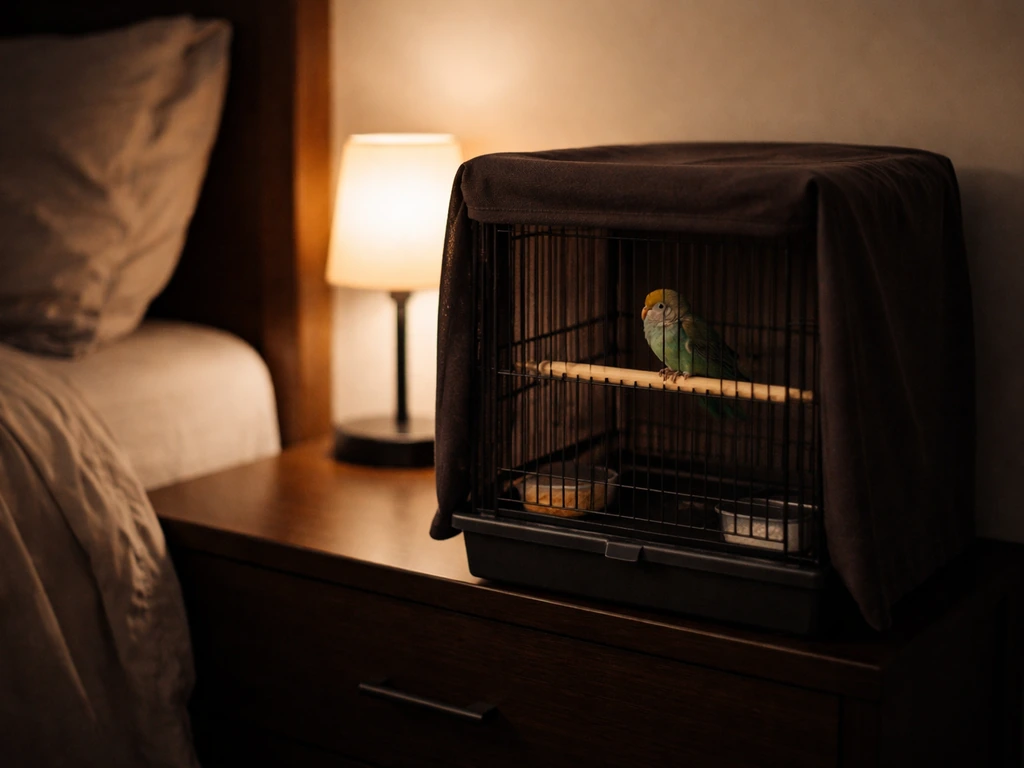
Letting a bird sleep on you or in your bed overnight carries real safety risks. Small birds can be accidentally rolled onto or crushed during sleep, and they need their own quiet, dark, consistent sleep space to get proper rest. Daytime napping on you is generally fine and sweet. Overnight sleeping on a person is a different situation and worth avoiding for the bird's safety.
When to call an avian vet (and what to tell them)
Birds can deteriorate quickly once symptoms become visible, because they have been hiding those symptoms for a while before you notice them. If you see any of the following, blank" rel="noopener noreferrer">contact an avian vet today rather than waiting to see if it improves.
- Open-mouthed breathing at rest (this is urgent, not a wait-and-see situation)
- Tail bobbing with each breath or audible wheezing, clicking, or gurgling
- Dramatic feather puffing when awake and alert, especially with shivering
- Sitting on the cage floor or unable to grip a perch
- Significant drop in appetite or complete refusal to eat for more than 24 hours
- Noticeable change in droppings (color, consistency, volume)
- Sudden increased sleepiness combined with any other symptom above
- Sneezing frequently with nasal discharge
- Unusual stillness in a bird that is normally active and vocal
When you call, the vet will need specific information to triage the situation properly.
Write down or photograph the following before you call so you can report it accurately: how long the unusual behavior has been happening, exactly what the bird's posture and feather position look like, whether breathing looks or sounds abnormal, what the droppings have looked like for the past 24 to 48 hours, whether appetite has changed and by how much, the bird's energy level compared to normal, any other symptoms you have noticed (sneezing, discharge, changes in vocalizations), and any recent changes to diet, environment, or schedule.
A Bird Health Checklist also recommends monitoring breathing and nose signs such as coughing, sneezing, or gurgling breathing looks or sounds abnormal.
The more specific you can be, the faster an avian vet can help you decide whether this is an urgent same-day visit or a scheduled appointment. Do not wait days to see if a sick-looking bird improves on its own. Birds that mask illness well can go downhill fast once symptoms are visible. Acting early gives you the best outcome.
If your bird is also showing behaviors like regurgitating on you, beaking you more than usual, or interacting differently with other birds in the household, those are worth mentioning to the vet as well since behavioral changes often appear together and paint a fuller picture of what is going on. If your bird is feeding or regurgitating for the other bird, it can be normal social behavior, but it can also be a sign of stress or illness depending on the context and other symptoms feeding or regurgitating on you and other birds.
FAQ
How can I tell if it’s normal comfort versus a health problem when my bird sleeps on me?
If your bird only naps on you but otherwise has normal breathing (no mouth-breathing), normal droppings, and normal grip strength, it is usually comfort and bonding. However, if the sleeping is new and you also notice a change in posture (more time sitting low, tucked tightly, or unable to settle off you), treat it as “monitor closely” rather than automatically sweet behavior.
Should I ever move my bird off me if they fall asleep on my shoulder?
Yes, some birds will prefer your shoulder or chest because it stays warm and feels secure, even when they are not sick. Still, if you want to confirm it is not comfort turning into avoidance, gently offer a nearby alternative perch during the same time of day and watch whether they relax on the new spot within a few minutes.
Is it okay to let my bird sleep on me, or will I risk startling them?
If they fall asleep while you are holding them and their breathing is quiet and even, it is generally fine to let them rest. Avoid grabbing or repositioning abruptly, because a startled bird may resume rapid breathing or become harder to handle. If you must move them, do it slowly and offer a nearby perch right away.
What if my bird starts sleeping on me more after a change at home?
If your bird sleeps on you right after a routine change (new cage location, quieter or louder household, schedule shift, new person in the home), it can be a coping strategy rather than pure bonding. The best immediate step is to remove the likely stressor when possible and add predictable calming structure, like the same pre-bed routine and a consistent daily out-of-cage schedule.
Could my bird sleeping on me mean they are cold?
A bird that is chilled or mildly uncomfortable can seek warmth from your body, so pay attention to room temperature and drafty areas as well as their behavior. Fluffed feathers alone can happen, but if puffing persists while awake, or you see appetite or droppings changes, switch from “warmth comfort” thinking to a same-day avian vet check.
Can hormones or breeding behavior make my bird sleep on me more?
Occasionally, sex- or hormone-driven behaviors can make some birds more clingy and more willing to sleep near a favorite person. If it comes with other nesting cues (repeated regurgitation to you, aggressive guarding, frequent shredding or “nesting” behaviors), reduce romantic signals (hands-off courting, no extra “nest” comfort) and discuss hormone management with an avian vet if it escalates.
My bird seems unable to relax unless they are physically on me. What can I do?
Yes. If your bird consistently can only settle when touching you, it can be a dependence pattern. A practical approach is “short successful steps,” place a perch next to you, reward calm behavior, and increase distance a little at a time, keeping sessions brief so they do not build panic.
How do I know if my bird’s clinginess is boredom and not a health issue?
Under-stimulation can show up as more contact-seeking, even if the bird is otherwise healthy. Look for opportunities to add 1 to 2 new enrichment items that match their chewing and foraging needs, and rotate them every few days so the novelty does not wear off.
What breathing or sound changes should make me call an avian vet immediately?
Sneezing, watery eyes, or mouth breathing are different from a contentment “beak grind” during resting. If you hear wheezing, see discharge, or notice repeated mouth breathing at rest, assume respiratory involvement and contact an avian vet the same day.
What if my bird panics when I try to move them from me to a stand?
If your bird will not step onto a perch or play stand and becomes distressed during transfers, avoid forcing the issue. Use treats and short sessions, and keep the alternative perch at a comfortable height near you at first, then gradually shift it away as confidence improves.
Why is letting my bird sleep on me overnight considered risky?
If the bird is on you at night, the issue is safety, not bonding. Small birds can be accidentally rolled on, and their sleep should be in a consistent, dark, quiet cage or sleep area. Daytime napping is usually fine, but for overnight, use the bird’s own setup with proper coverage and a safe perch.
If my bird regurgitates on me and then sleeps, what should I pay attention to?
If your bird is regurgitating or feeding behaviorally, context matters. Mention it to your vet along with any changes in droppings, energy, appetite, and breathing, because regurgitation to you can be normal in some bonded situations but can also indicate illness or stress when paired with other symptoms.
Next Articles
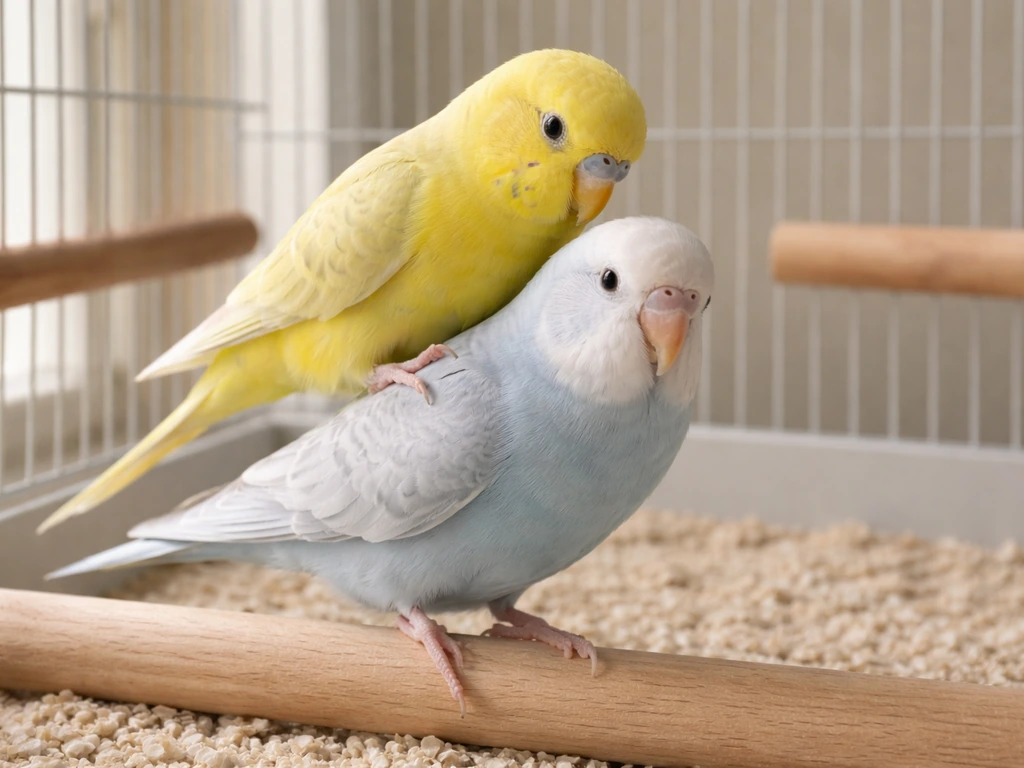
Why Is My Bird Stepping on My Other Bird? Causes and Fixes
Learn why one bird mounts another, how to spot stress vs mating, and what to do to prevent injury.
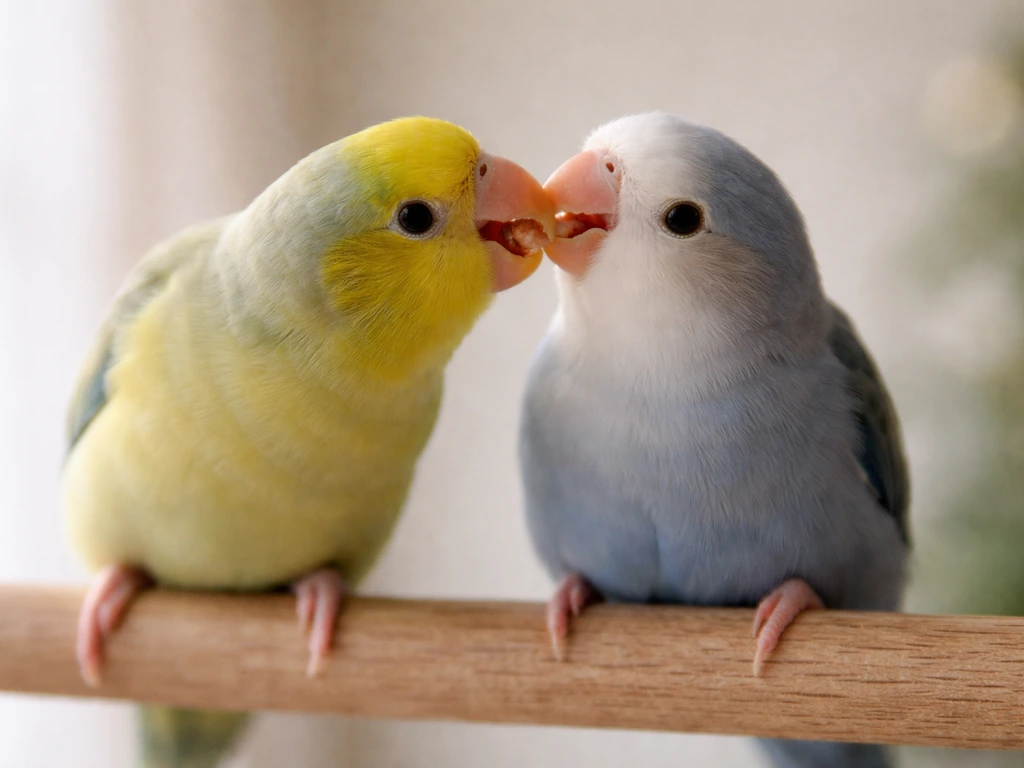
Why Is My Bird Feeding My Other Bird? Causes and Fixes
Learn why your bird feeds another, how to spot bonding vs dominance or illness, and what to do next safely.
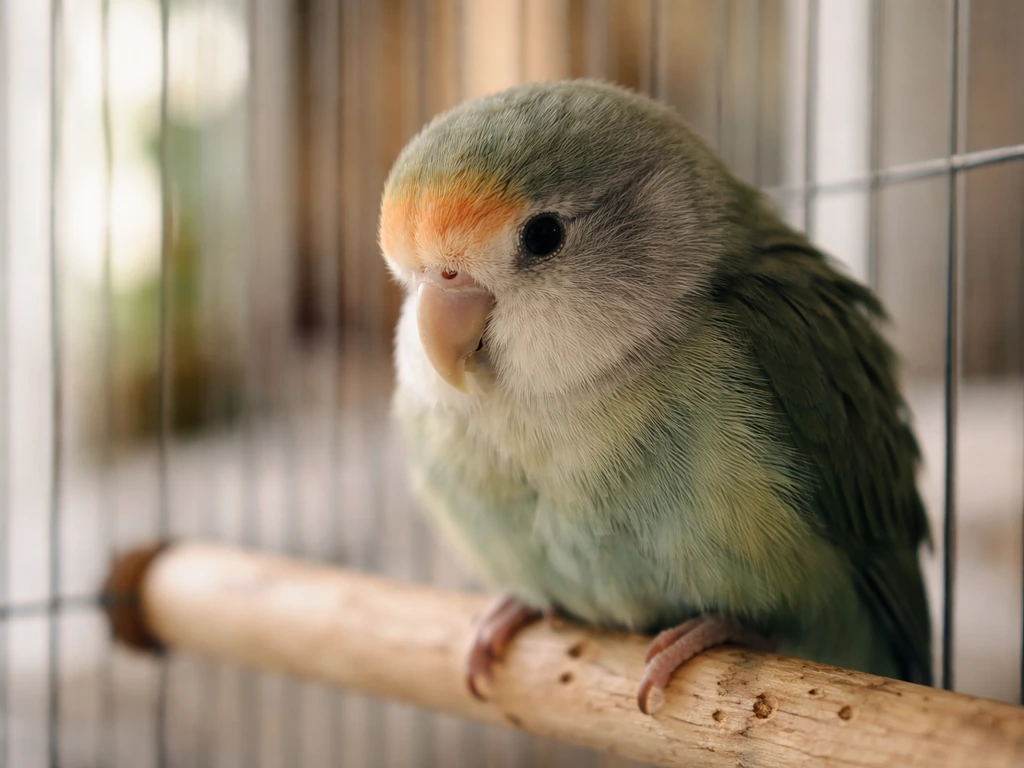
Why Is My Bird Making Whimpering Noises? What to Check
Find reasons for whimpering bird noises, quick home checks, and red flags for urgent vet care plus tracking tips.