
Birds genuinely do smell good, and most of the time that pleasant scent is completely normal. The sweet, warm, slightly nutty or caramel-like odor you're noticing from your budgie, cockatiel, or parrot usually comes from healthy preen oil, clean feathers, and a well-maintained environment. It's one of the nicest surprises of owning a bird. That said, there are a few situations where an unusual "good" smell, especially if it changes suddenly or comes with other symptoms, deserves a closer look. To learn what could make your bird smell like maple syrup, check the section on when a sweet odor signals a health problem.
Why Does My Bird Smell So Good? Causes and Next Steps

Marcus Chen
20 Jun 2026
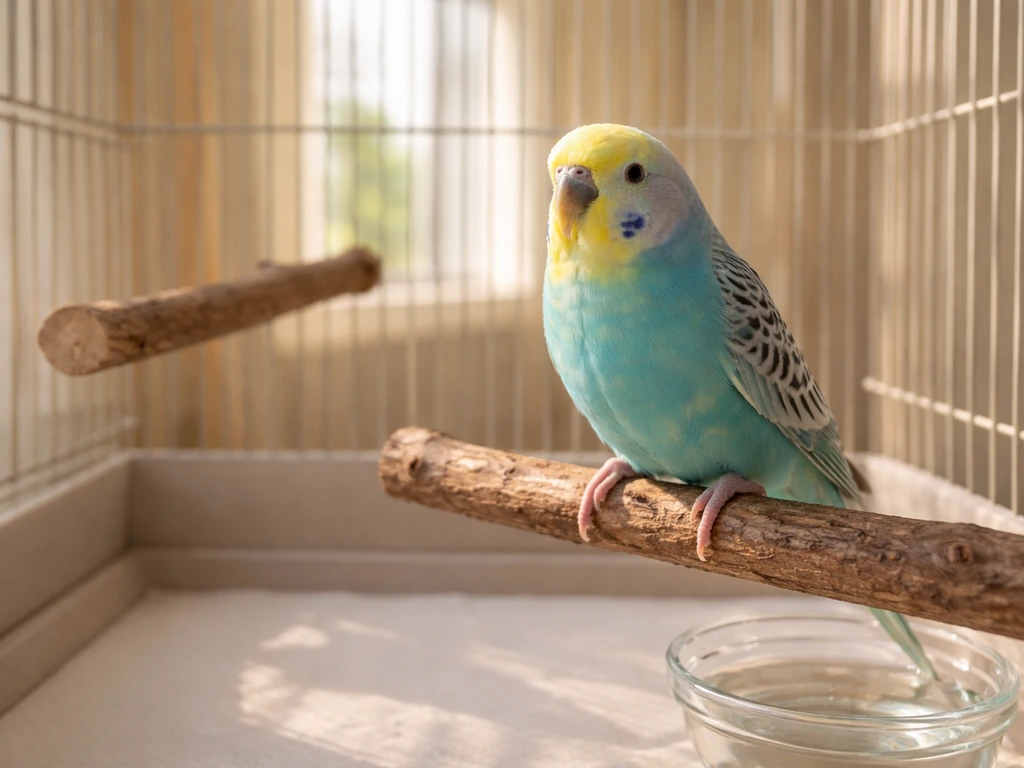
Normal vs. unusual "smells good" in pet birds
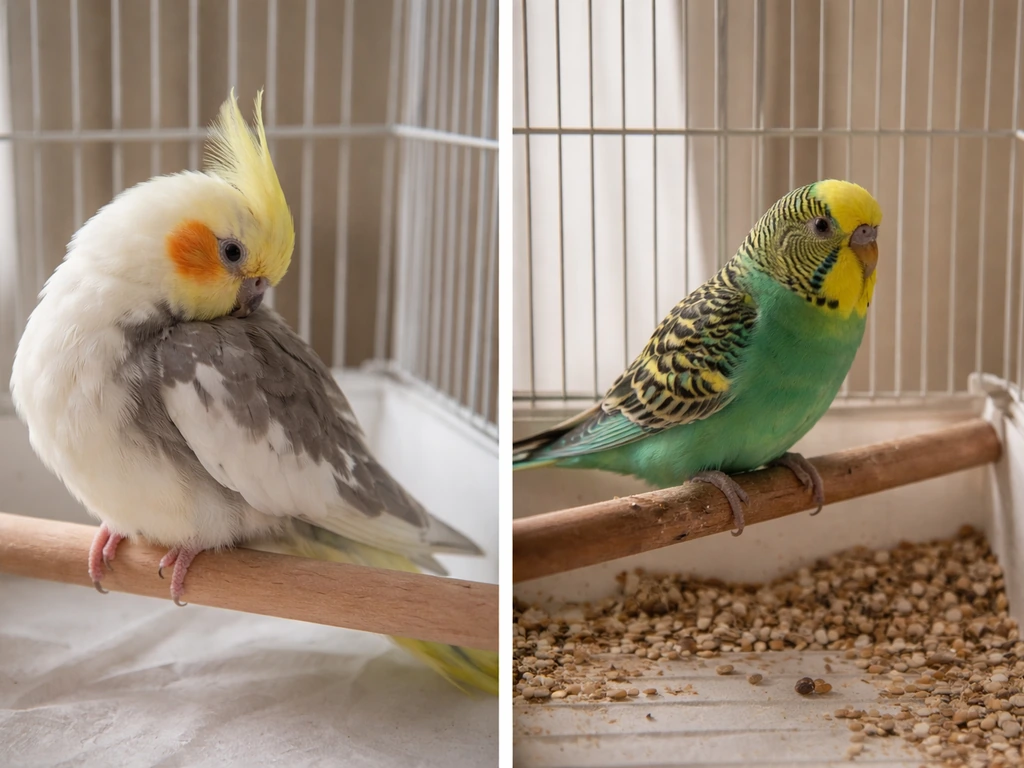
A healthy bird carries a subtle, species-specific scent that most owners describe as pleasant. Cockatiels are famous for a warm caramel or brown-sugar smell. Budgies often get described as buttery popcorn or oatmeal. Larger parrots tend to have a cleaner, more neutral scent, sometimes with a faint corn or baby-powder quality. These are all normal, and they stem from the bird's natural oils and healthy feather condition.
An unusual pleasant smell is one that has changed noticeably and recently. If your bird suddenly smells sweeter or differently fragrant than usual and you haven't changed their diet or cage setup, that shift is worth paying attention to. A sweetish or yeasty odor coming specifically from the beak or crop area, rather than the feathers overall, is a different story from the general "my bird smells amazing" experience, and it can point toward a health issue covered later in this article.
Why birds naturally smell sweet or pleasant
The main driver of your bird's scent is the uropygial gland, also called the preen gland. It sits at the base of the tail and produces a waxy, oily secretion. During preening, your bird rubs its beak or head against that gland and then spreads the oil over its feathers and skin. This oil keeps the plumage conditioned, waterproof, and healthy, and it's the primary source of that characteristic bird smell.
The exact scent blend varies from bird to bird, between sexes, and even between individuals of the same species. Research on preen gland secretions confirms that the volatile compounds in that oil are unique enough to vary by individual, which is why one cockatiel smells slightly different from another. When a bird is healthy, well-fed, and regularly preening, those volatile compounds produce that warm, pleasant scent owners love.
Active preening is a good sign. A bird that grooms itself consistently is usually comfortable, unstressed, and physically well. When birds bathe and then preen afterward, they're essentially refreshing that scent layer. So if your bird just had a bath and smells particularly wonderful, that's exactly what's supposed to happen. If the smell seems bad or strong right after bathing, it can be a sign of trapped moisture, dirty water, or an underlying issue worth checking why does my bird smell bad after a bath.
Diet, treats, and grooming that affect how your bird smells
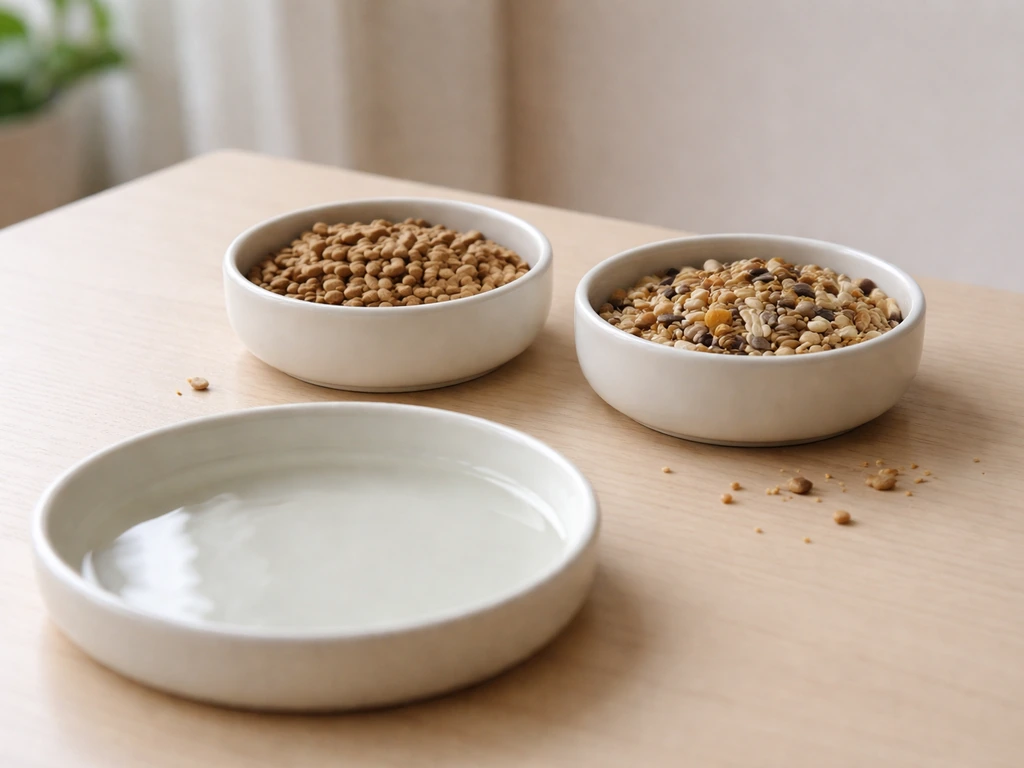
What your bird eats has a real effect on how they smell. Birds on a pellet-based diet tend to have a milder, cleaner scent compared to birds on an all-seed diet. Seeds are higher in fat, which can make preen oil thicker and more noticeable. Fresh foods like sweet corn, carrots, or mild fruits can produce a subtly sweeter smell for a few hours after a meal. If you recently introduced a new treat or switched food brands and your bird smells different, that's likely why.
Bathing frequency also plays into it. A simple rule of thumb is to bathe your bird often enough to keep feathers clean and comfortable, typically several times per week. VCA recommends encouraging pet birds to bathe at least three to four times a week, and the RSPCA suggests offering plain room-temperature misting every few days in the morning. A bird that bathes regularly and preens afterward will generally smell better and cleaner than one who hasn't bathed in a while. If your bird smells unusually good today, check whether they just finished a good bath and preening session.
Supplements mixed into food, particularly vitamin powders or probiotic additives, can also slightly alter body scent. Most of these changes are subtle and temporary. If you're curious whether a specific treat or supplement is responsible for the smell, try removing it for a few days and see if the scent shifts.
Environmental causes: cage setup, bedding, and humidity
The cage environment contributes heavily to how your bird smells, both in good and bad ways. A clean cage with fresh bedding and good airflow helps the bird's natural scent come through clearly without being masked or amplified by other odors. VCA recommends cleaning bird cages at least once or twice a month with a non-toxic disinfectant soap and hot water, keeping perches, food dishes, and the cage bottom all addressed consistently.
Humidity matters more than most people expect. Birds in a well-humidified room tend to have healthier skin and feathers, which supports better preening and a more pleasant natural scent. Dry air can make feathers dull and reduce effective preening. If your home is particularly dry, especially in winter, that can subtly affect your bird's scent and feather condition over time.
One important note: be careful what you use to clean around your bird, and what you diffuse in the air. VCA is clear that if you can smell something, it may harm a bird's respiratory tract. Essential oil diffusers, scented candles, and aerosolized cleaners are genuinely dangerous to birds. Their respiratory systems are highly sensitive to inhaled particles and fragrances. A pleasant smell in your home that comes from an air freshener or diffuser, not from your bird, can cause real harm. Keep those products out of the bird's environment entirely.
When a pleasant smell could actually be a health warning
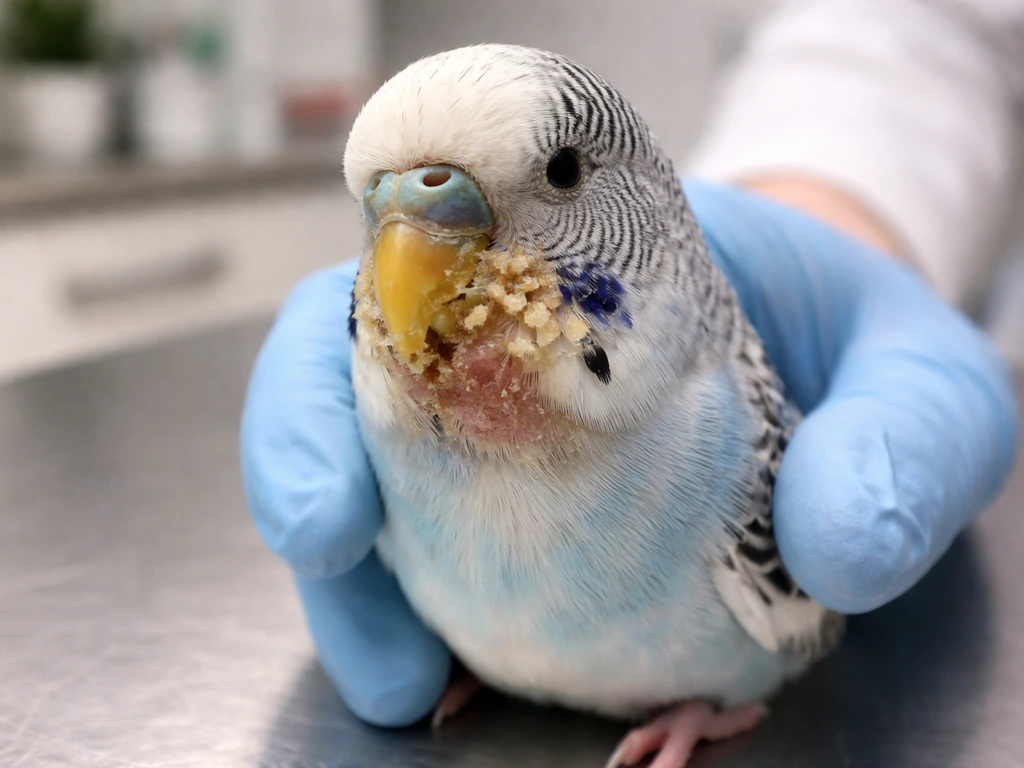
This is the section to read carefully. In most cases, a good-smelling bird is a healthy bird. But there are specific circumstances where a sweet or unusual smell warrants prompt attention.
A sour, yeasty, or fermented sweet smell coming from the beak or crop area specifically is a red flag. This can be a sign of sour crop, a condition where the crop (the pouch where food is stored before digestion) isn't emptying properly and yeast or bacteria are fermenting the contents. Signs that accompany sour crop include a visibly swollen crop, regurgitation, reduced appetite, weight loss, and fluffed feathers. This needs a vet, not a wait-and-see approach.
Some infectious conditions in birds can also produce a sweetish odor alongside clinical signs. If the pleasant smell is new and comes with any of the following, treat it as a potential health issue, not just a nice quirk.
- Fluffed or ruffled feathers, especially if the bird looks puffed up and huddled for extended periods
- Open-mouth breathing or labored breathing at rest
- Discharge or crusting around the beak, eyes, or nostrils
- Wet feathers around the face or head without a recent bath
- Droppings that are abnormal in color, consistency, or volume for more than 24 hours
- Lethargy or reduced movement, sitting at the bottom of the cage
- Reduced appetite or refusal to eat
- Regurgitation (distinct from normal social regurgitation toward a bonded owner or mirror)
A sweet smell paired with any of those signs is not a good combination. It shifts the picture from "healthy bird" to "bird that needs evaluation." The smell alone isn't the problem, but it becomes meaningful context when other symptoms are present.
What to do today: a quick troubleshooting checklist
If your bird smells good and seems perfectly healthy, you don't need to do anything except enjoy it. If you are wondering when to stop hand feeding, it helps to first confirm whether your bird is healthy and the smell is normal rather than a warning sign. But if you're unsure whether the smell is normal or something changed recently, work through these steps right now.
- Look at your bird for two to three minutes. Is posture normal (upright, alert, curious)? Are feathers lying flat and smooth, not fluffed? Are eyes clear and open? Is breathing quiet and through the nostrils, not the open beak? If all of that checks out, you're in good shape.
- Locate the smell. Does it come from the feathers overall, or specifically from the beak and crop area? Run a clean finger gently along the feathers near the chest and smell your finger. Then gently bring your bird close and smell near the beak. If the smell is from the feathers, that's preen oil and normal. If it's concentrated at the beak and smells sour or fermented rather than warm and sweet, note that for a vet call.
- Check what's changed in the last week. New food, new treats, new pellets, a recent bath, a cage cleaning with a new product, or a new air freshener in the home can all shift how your bird smells. Eliminate any new scented product from the environment immediately, just to be safe.
- Check the cage. Is the bedding fresh? Are droppings normal in color (green and white, roughly)? Is there any visible mold, wet spots, or uneaten food sitting in the dish? Clean out anything questionable now.
- Offer a bath if it's been more than two or three days. Use plain room-temperature water, either a shallow dish your bird can step into or a light misting. Let your bird air-dry in a warm room, not in a draft. Watch how they preen afterward, as that's a health indicator in itself.
- Check ventilation. Is the bird's room getting fresh air without cold drafts? Stale, humid air can encourage bacterial or fungal growth in bedding and food, which can contribute to unusual smells.
- Remove any suspected odor sources. If you've been using scented cage liners, scented cleaning sprays, or air fresheners nearby, remove them now and replace with unscented alternatives.
When to call an avian vet, and what to tell them
If your bird smells good, is active, eating normally, has normal droppings, and is showing no other symptoms, a vet call is not urgent. Monitor for any changes over the next few days and keep notes.
Call an avian vet within 24 hours if the pleasant or unusual smell is accompanied by any combination of fluffed feathers, reduced appetite, abnormal droppings lasting more than 24 hours, regurgitation, or visible swelling around the crop or beak area. When evaluating avian illness, blank" rel="noopener noreferrer">fluffed feathers can be a sign of chills or fever, and respiratory signs can include open-mouthed breathing or flicking. For more serious signs like open-mouth breathing, the bird sitting huddled at the bottom of the cage, or discharge around the face, aim for a same-day or within-eight-hour contact with a bird-savvy veterinarian. A signs sheet for bird illness notes that discharge or crusts around the mouth and a fluffed or huddled posture are concerning and should prompt veterinary contact based on timing and severity blank" rel="noopener noreferrer">discharge around the face.
When you call, the vet will get much more from you if you come prepared with specifics. Here's what to have ready.
- When you first noticed the smell, and whether it came on suddenly or gradually
- A description of the smell as precisely as you can: sweet, caramel, yeasty, sour, fermented, or something else
- Where on the bird the smell seems strongest (feathers overall, beak area, vent area)
- Any dietary changes in the past one to two weeks, including new treats, pellets, or supplements
- Any changes to cage cleaning products, bedding, or room environment
- Whether any other symptoms are present, even mild ones like slightly loose droppings or a bit less chatter than usual
- The bird's normal weight if you have a kitchen scale (even approximate), since weight loss is an early illness indicator in birds
A vet evaluating an odor concern may want to check crop contents under a microscope for abnormal yeast or bacteria, run basic bloodwork, or take imaging if respiratory signs are present. Giving them a clear picture of timing, diet changes, and associated symptoms makes that evaluation much more efficient.
Most of the time, a good-smelling bird is simply a healthy, well-preened bird doing exactly what birds do. The preen gland, a clean diet, regular bathing, and a tidy cage are all working together the way they should. If your bird smells like warm caramel and is acting completely normal, take that as a good sign. Just keep an eye on the whole picture, not just the scent, and you'll catch anything unusual well before it becomes a serious problem. If you are also wondering why wild birds stop visiting feeders, the reasons are usually environmental and behavioral, like food availability, safety, or recent weather changes why birds stop coming to the bird feeder.
FAQ
Is it normal if my bird smells strongly good right after I pet or handle them?
Often yes, brief handling can warm the bird's oils and spread a bit of preen scent from feathers onto your hands. If the smell comes with oily buildup on feathers around the vent, persistent head rubbing, or irritation, it can indicate poor hygiene or an underlying skin issue rather than “extra nice” preening.
How can I tell the difference between my bird’s natural scent and a smell from the cage air or bedding?
Use a quick isolation check: move the bird to a fresh, odor-free paper liner area for an hour or two and smell again. If the scent follows the bird but not the environment, it points to preen oil or diet. If it disappears when you change bedding, the odor source is likely bedding, food storage, or cleaning residue.
Can a “sweet” smell be caused by a cleaner or disinfectant I used, not by my bird?
Yes. Strong detergents, scented soaps, or insufficient rinsing can leave residues that linger on surfaces. If you recently cleaned, switch to a non-scented, hot-water rinse and ensure everything is fully dry and aired out before the bird returns.
My bird smells good, but their droppings changed too. Should I focus on the smell or the droppings?
Prioritize the droppings and any change in appetite, posture, or energy. A pleasantly scented bird can still have GI or metabolic problems, and droppings lasting more than 24 hours is a key trigger to call an avian vet, even if the odor seems “nice.”
Are pellet diets always better for odor, or can pellets also make my bird smell different?
Pellets typically reduce strong seed-related odors, but brand differences can still affect scent (ingredient ratios, added flavors, and fat content). If you switched pellet brands and the smell changed, keep the change noted and monitor droppings and appetite to ensure it is a diet effect, not a health shift.
Does bathing frequency ever make a bird smell worse instead of better?
Yes, if moisture gets trapped in feathers or the bird cannot fully dry (drafty rooms, under-heated areas, or grooming before the feathers are dry). In that case, the odor can turn sharper or musty. Ensure the bird has a safe, warm, draft-free environment after bathing and that they preen thoroughly afterward.
Can essential oils or scented products make my bird smell “sweet,” even if it seems good?
They can, but the bigger risk is respiratory irritation that may not show immediately. If you have any diffusion, candles, scented sprays, or aerosol cleaners anywhere near the bird’s room, discontinue use and ventilate. If you notice sneezing, open-mouth breathing, or fluffed, inactive behavior, seek avian care promptly.
What supplement changes are most likely to alter scent, and how quickly would I notice it?
Vitamin powders, probiotic additives, and flavor-enhanced supplements can shift the scent subtly through changes in oil composition and digestion. Many owners notice changes within a few days of starting a new additive, and the scent often returns closer to baseline after stopping for several days, assuming the bird is healthy.
If my bird smells good today, how long should I monitor before assuming everything is fine?
A short check window of a few days is usually reasonable if the bird is active, eating normally, has normal droppings, and shows no crop or respiratory signs. If the odor change persists more than several days, worsens, or you see any associated symptoms, switch from monitoring to a vet call rather than waiting for it to “resolve.”},{
Next Articles
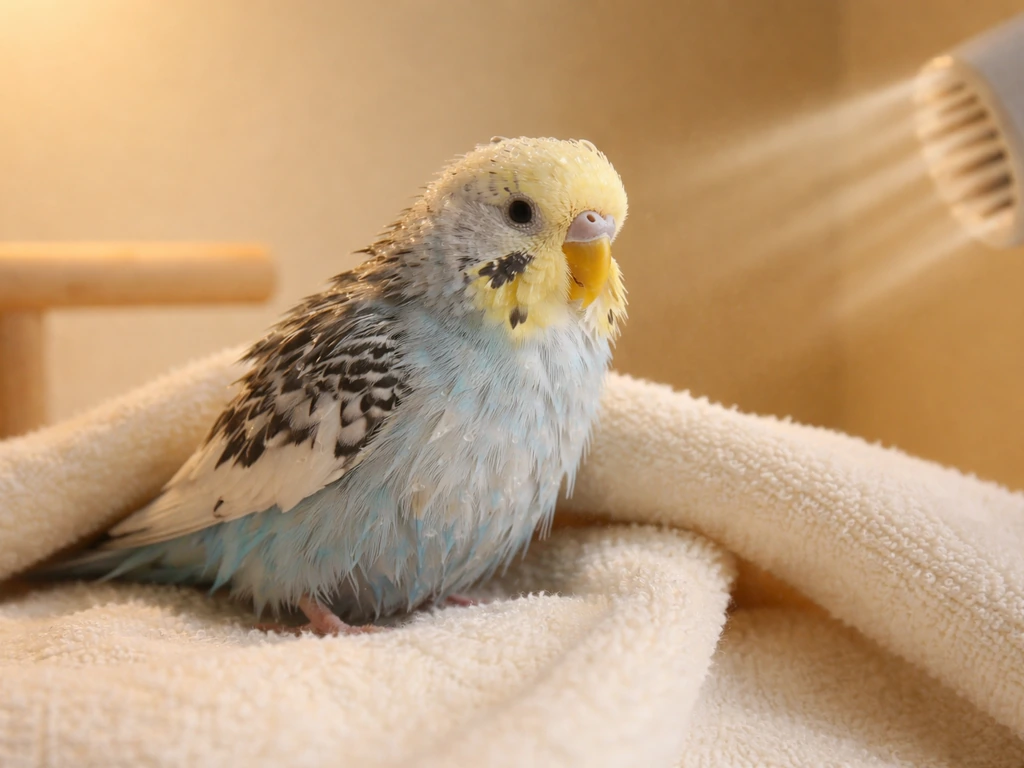
Why Does My Bird Smell Bad After a Bath? Causes & Fixes
Find causes of bad bird odor after bathing, how to dry safely, clean bathing area, and when to call an avian vet.
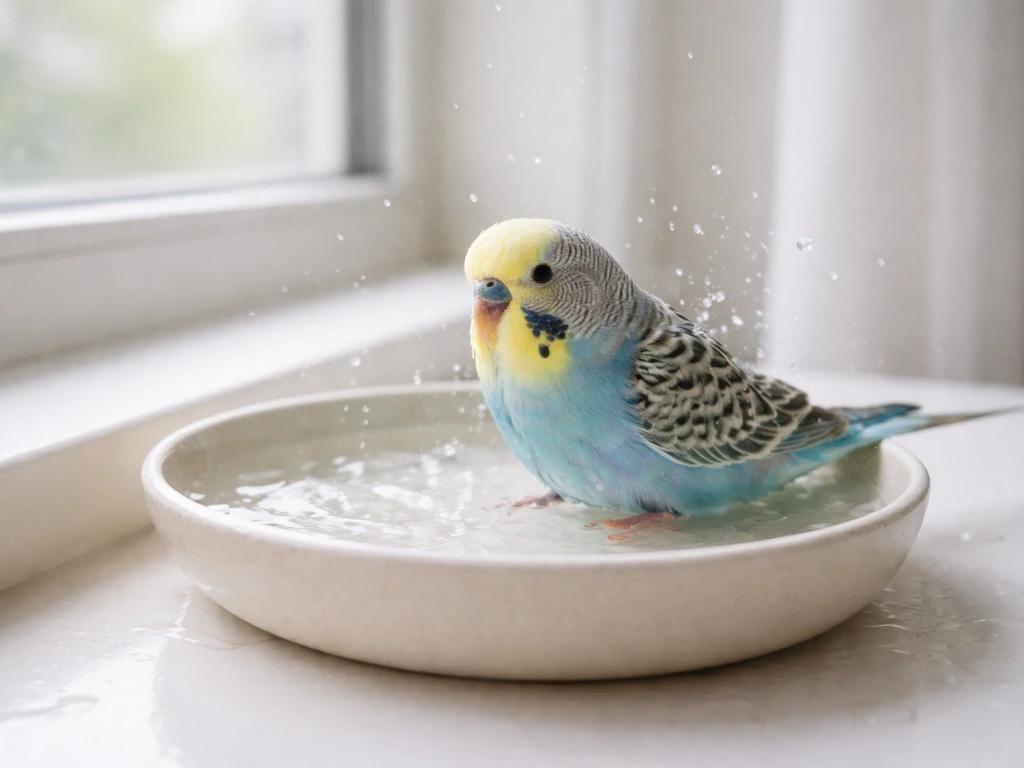
How Often Should I Bathe My Bird? Safe Bathing Schedule
Practical bird bathing schedule by species, season, and feather condition, plus safe steps and when to see an avian vet.
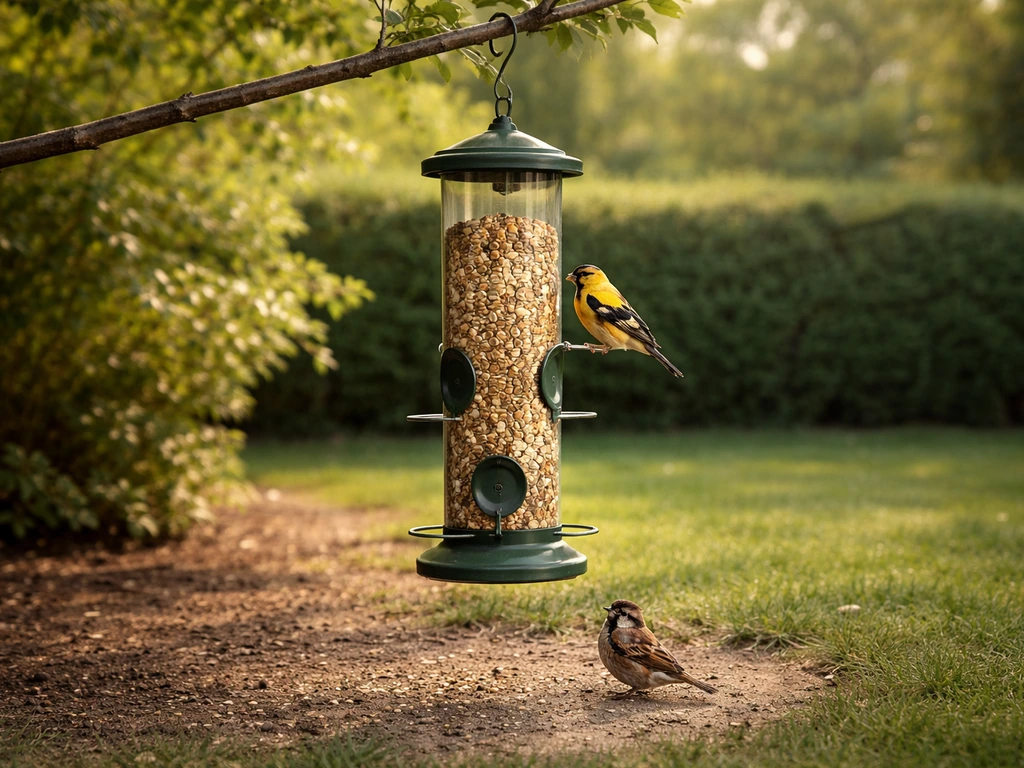
Why Do Birds Stop Coming to the Bird Feeder? Fix It Fast
Troubleshoot why birds stop visiting your feeder and fix it fast with food, cleaning, placement, and safety checks.