Birds stop coming to feeders for a surprisingly short list of reasons: the food went bad, the feeder got dirty, something scared them away, or the season shifted and they simply don't need your feeder right now. The good news is that most of these problems are fixable in an afternoon. This guide walks you through each cause in order of how common it is, so you can find your answer fast and get birds visiting again.
Why Do Birds Stop Coming to the Bird Feeder? Fix It Fast

Marcus Chen
20 Apr 2026
Most common reasons birds stop visiting feeders
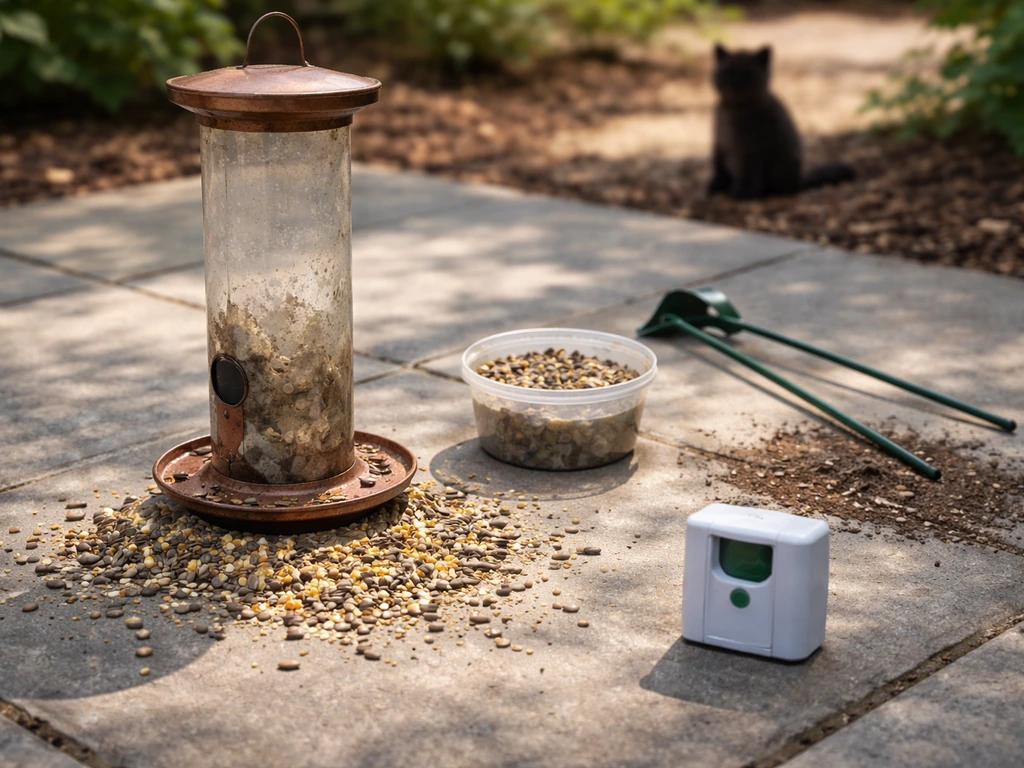
Before you change anything, ask yourself one question: did something change, or did the drop happen gradually with no obvious trigger? That distinction usually points you straight to the cause.
If something changed recently (you moved the feeder, the neighbor got a cat, a storm blew through, you topped up with a different seed mix), start there. If nothing changed and visits just slowly faded, the most likely culprits are spoiled food, a dirty feeder, or a seasonal shift in what birds need.
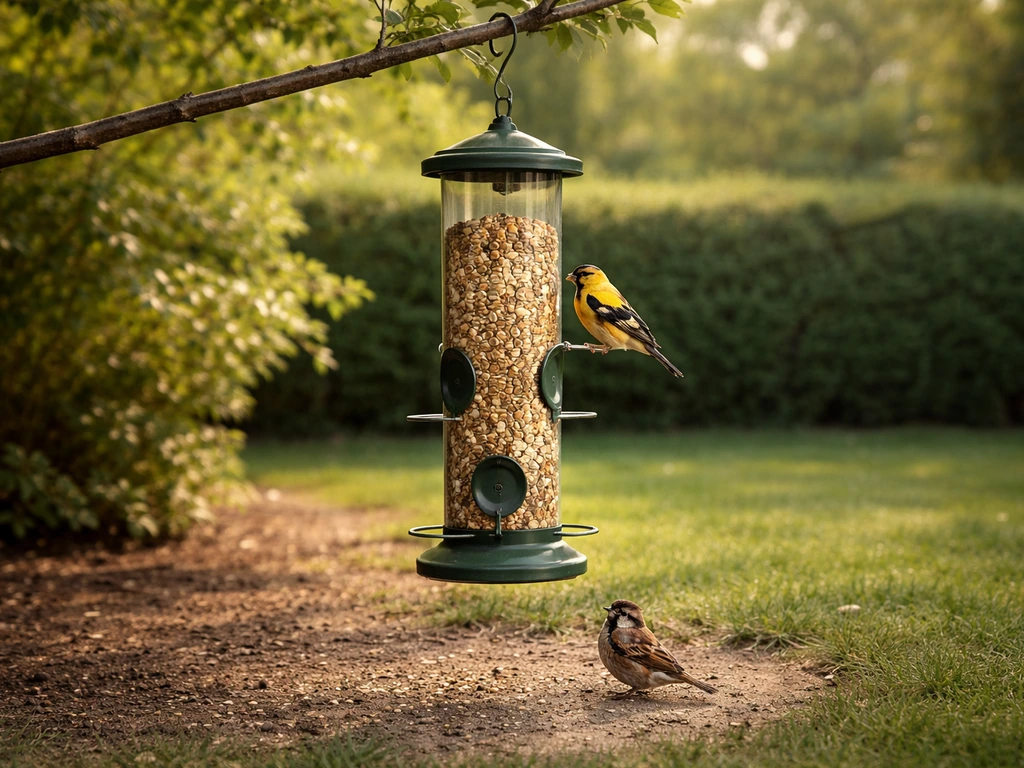
- Empty or nearly empty feeder (birds learn quickly when refills are unreliable)
- Stale, wet, or moldy seed that birds can smell and will refuse
- Dirty feeder with old hulls, droppings, or residue blocking ports
- A predator (hawk, cat, squirrel) has been spotted near the feeder
- Natural food is suddenly abundant, so the feeder feels less necessary
- A dominant bird or aggressive species has taken over and driven others off
- You changed seed type, feeder style, or feeder location
- Seasonal migration means the birds you were feeding have simply left
Most disappearances come down to one or two items on that list. Work through the sections below to narrow it down.
Food issues: seed quality, mold, spoilage, and freshness
Birds have a sharper sense of smell than most people expect, and they will refuse seed that has gone off. Stale seed loses its oils, smells rancid, and offers almost no nutritional value. Wet seed is worse: it can develop mold within 24 to 48 hours in warm or humid weather. If you open your feeder and the seed clumps, smells musty, or feels damp, throw it out.
Mold is not just an appeal problem. Aspergillus fungus, which thrives in damp birdseed, produces spores that are a documented health risk for birds and can cause a respiratory illness called aspergillosis. The CDC notes that aspergillosis is caused by breathing in spores of Aspergillus, a common mold. Moldy seed at a feeder is one plausible way birds get exposed. So when you see any blackening, fuzz, or off smell, discard everything and scrub the feeder before refilling.
To keep seed fresh, store it in a sealed, dry container away from humidity. Only fill the feeder with as much seed as birds will eat in two to three days. In summer or rainy stretches, daily checks make sense. If you are adding a nectar or water element to your setup, cloudy water or black mold in the reservoir is a signal to dump and clean immediately, not just top up.
What seed type matters too
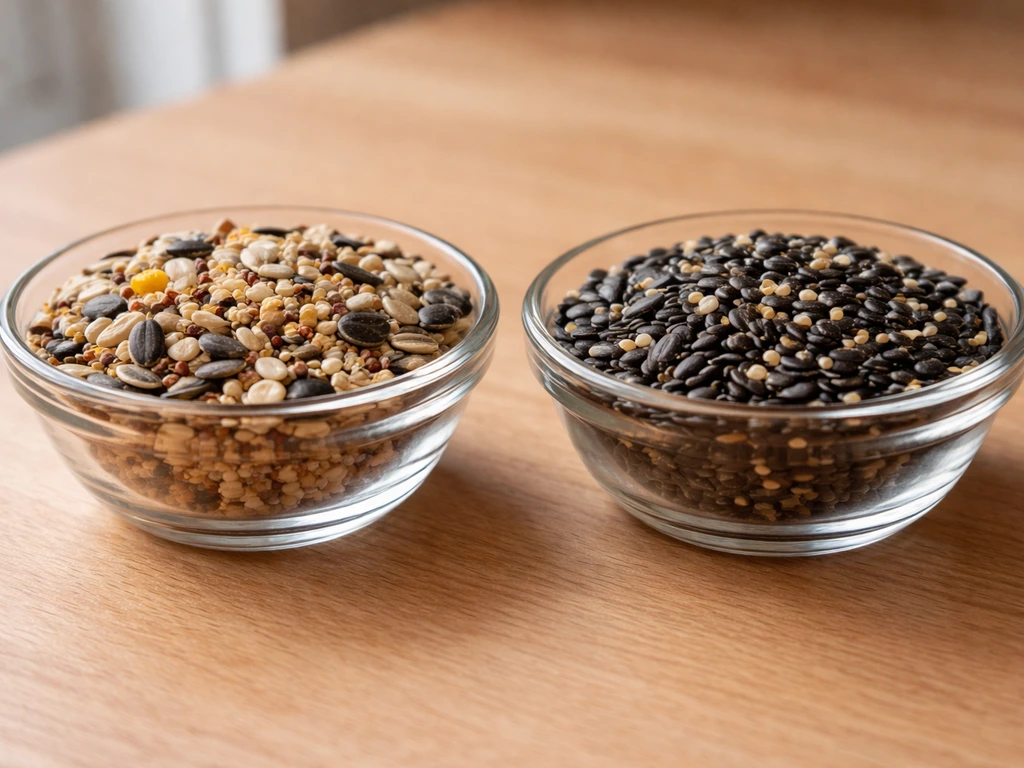
Mixed seed blends often contain filler seeds like milo or wheat that many backyard birds ignore. Those unwanted seeds pile up, get wet, and start rotting underneath the seeds birds do want. Switching to straight black-oil sunflower seed, nyjer (thistle), or safflower eliminates most of this problem because birds eat nearly all of it. Less leftover seed means less moisture buildup and a cleaner feeder between cleanings.
Feeder and environment changes: placement, cleanliness, weather, predators
Cleanliness is the single most controllable factor in keeping birds coming back. Project FeederWatch recommends cleaning seed feeders roughly every two weeks under normal conditions, and more often during heavy use or warm, damp weather. A quick clean means emptying the feeder, scrubbing it with a 9:1 water-to-bleach solution, rinsing thoroughly, and letting it dry completely before refilling. Wet seed in a damp feeder is how problems start.
Placement is the next big factor. Birds will not feel comfortable at a feeder that is exposed with no quick escape route. A common guideline from bird-feeding educators is to position feeders within about 10 to 15 feet of cover, such as shrubs or trees, so birds can perch safely and dart to shelter if a hawk appears. If your feeder is in the middle of an open yard with no nearby cover, that alone can explain why visits are thin.
Window collisions are another reason birds may stop returning. If a bird has hit your window after leaving the feeder, others may learn to avoid that space. One widely used placement standard: keep feeders either within about 3 feet of a window (so birds can't build enough speed to injure themselves) or more than 30 feet away (far enough that they fly away from the window, not toward it). The U.
S. Fish & Wildlife Service also advises keeping feeders, bird baths, and bird houses no more than 3 feet from windows to reduce bird-window collision risk [One widely used placement standard: keep feeders either within about 3 feet of a window (so birds can't build enough speed to injure themselves) or more than 30 feet away (far enough that they fly away from the window, not toward it). ](https://www. fws.
gov/sites/default/files/documents/2025-01/01. 29. 2025-learn-more-about-bird-window-collisions-vyfwc. pdf).
Predators, both aerial and ground-based, can shut down feeder activity fast. A single hawk visit can keep smaller birds away for hours. A cat that regularly sits beneath the feeder will suppress visits long-term. Squirrels can monopolize a feeder so completely that other birds give up. Adding a squirrel baffle on the pole and clearing brush where cats can hide goes a long way. If hawk visits are frequent, adding more dense shrub cover nearby gives smaller birds a place to hide and feel safe enough to return.
Bird deterrents: dominant birds, competition, and territorial behavior
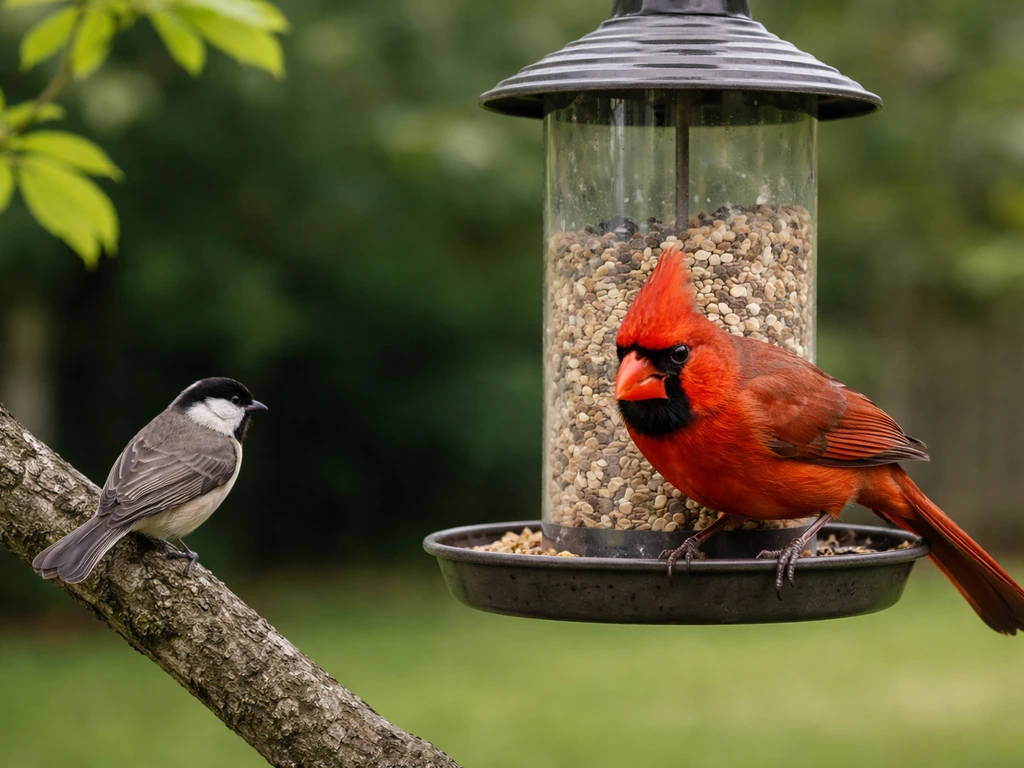
Sometimes the problem is not that all birds stopped coming but that you are only seeing one or two species, or just one aggressive individual. Certain birds, including European starlings, house sparrows, blue jays, and red-winged blackbirds, will dominate a feeding station and physically chase off other species. You may not notice this unless you watch the feeder for 15 or 20 minutes at a stretch.
Spreading feeding across multiple feeders is one of the most effective solutions. A dominant bird can only be in one place at a time. Put a second feeder on the opposite side of the yard, ideally with a different seed type that appeals to the birds being shut out. This reduces competition, lowers the chance that one sick bird contaminates an entire feeding population, and tends to increase the diversity of species you see overall.
Feeder style matters here too. Tube feeders with small ports exclude larger birds naturally. Platform feeders invite everyone. If you want to attract finches and chickadees and are currently running a large open platform, switching to a tube feeder with appropriate port size can discourage bullies without chasing off the birds you actually want.
Seasonal and migratory shifts: why it may not be your feeder at all
If your feeder visits drop every spring and pick back up in fall, that is almost certainly migration and seasonal food availability doing their job, not a feeder problem. In late spring and through summer, many birds shift almost entirely to insects and wild berries. Insect protein is critical during breeding season and for raising chicks. Your feeder simply becomes less appealing when natural food is everywhere.
Project FeederWatch, which tracks backyard feeder birds systematically, is structured around winter monitoring precisely because feeder activity peaks in cold months when natural food is scarce. If your visit counts drop in May and June and rebound in October, that is a textbook seasonal pattern, not a sign that anything is wrong.
Migration itself moves birds through your yard in waves that can feel random. Species that were regular visitors may disappear when they head to breeding grounds, replaced by different species passing through. BirdCast and similar tools can show you what is actively moving through your region if you want to understand what you're seeing. The key takeaway: if the drop happens around the same time each year, the feeder is almost certainly not the issue.
Attract more birds again: practical troubleshooting and upgrades
Here is a straightforward sequence to follow when birds have stopped coming and you are not sure why. Work through these steps in order, give each change a few days before judging results, and track what you observe.
- Empty the feeder completely and inspect the seed. If it clumps, smells off, or shows any discoloration, discard it.
- Scrub the feeder with a diluted bleach solution (about 1 part bleach to 9 parts water), rinse thoroughly, and let it dry fully before refilling.
- Refill with fresh, high-quality seed. Black-oil sunflower seed attracts the widest range of feeder birds. Nyjer works well for finches. Avoid cheap mixed blends with filler seeds.
- Check the feeder's location. Is it within 10 to 15 feet of shrubs or trees? Is it in the window-collision danger zone (more than 3 feet but less than 30 feet from a window)? Adjust if needed.
- Look for signs of predator activity: feathers on the ground, a cat in the area, a hawk perched nearby. Add a squirrel baffle if squirrels are an issue.
- Watch the feeder for 15 to 20 minutes at a time to see if one dominant bird is chasing others off. If so, add a second feeder at least 10 to 15 feet away.
- Consider whether it is a seasonal lull. If it is late spring or summer, expect fewer visits and don't panic.
- Wait at least three to five days after making changes before judging whether they worked. Birds take time to return once they've been deterred.
A few upgrades worth considering: a water source (bird bath or dripper) dramatically increases feeder traffic year-round because birds need water even when they are ignoring seed. Native plantings near the feeder give birds both food and shelter. And if you have not tried suet, it is one of the most reliable ways to attract woodpeckers, nuthatches, and other species that may not be coming to seed feeders at all.
| Problem | Most likely cause | Fix | How long to wait |
|---|---|---|---|
| Birds vanished suddenly | Predator sighting or feeder change | Check for predators, restore original setup | 3 to 5 days |
| Visits faded gradually | Spoiled seed or dirty feeder | Clean feeder, replace all seed | 2 to 4 days |
| Only one or two birds at a time | Dominant bird blocking others | Add a second feeder with different seed | 3 to 7 days |
| Drop happens every spring | Seasonal shift to insects or migration | No action needed, visits return in fall | Seasonal |
| Birds approach but don't land | Feeder feels unsafe (no cover, predators) | Move feeder closer to shrubs or trees | 3 to 7 days |
When to worry about bird health: signs of illness or parasites
In most cases, birds stopping at a feeder is a feeder or environment issue, not a health one. But occasionally, illness or disease can be the reason activity drops, either because birds are too sick to travel or because a local outbreak has reduced the population visiting your area.
If you notice dead or visibly sick birds near your feeder, that changes the picture. Signs of illness in wild birds include lethargy, fluffed-up feathers, difficulty swallowing, and labored breathing. Avian trichomonosis, for example, is a disease that can be transmitted at contaminated feeders and birdbaths and produces these kinds of symptoms. If you see multiple birds showing these signs, stop feeding immediately. If you keep hand feeding because birds seem interested, you can still use these health steps to decide when to stop hand feeding and resume feeding safely.
Connecticut DEEP and similar state wildlife agencies advise stopping all feeder activity for several weeks when a disease outbreak is suspected in your area. This reduces congregation and slows transmission. It feels counterintuitive, but taking the feeder down temporarily is sometimes the most helpful thing you can do for local birds.
What to do if you suspect illness: remove and thoroughly disinfect all feeders and birdbaths, dispose of any seed on the ground, and contact your local wildlife agency or a wildlife rehabilitator. They can confirm whether there is a known outbreak in your region and advise on next steps. Do not try to handle sick wild birds yourself.
If you keep pet birds in addition to managing a backyard feeder, the same hygiene principles apply, though the context is different. If your pet bird smells like maple syrup, it can be a sign you should check for underlying health issues and review its diet and hygiene.
If you are noticing a pleasant smell from your pet bird, the same hygiene and diet checks can help you figure out what is behind it why does my bird smell so good. Hand-washing after handling feeders, seed, or anything near wild birds is basic but important if you also handle a pet bird at home.
The overlap between wild and pet bird health is worth keeping in mind, just as topics like appetite changes or behavioral shifts in pet birds can sometimes have environmental explanations worth investigating. For pet birds, the right bathing schedule depends on species, weather, and how easily they air-dry, so it is best to follow bird-specific guidance on how often to bathe your bird how often should i bathe my bird. For a pet bird, the right bathing schedule can vary by species and weather, so it helps to follow bird-specific guidance on how often should i bathe my bird.
If your pet bird smells bad after a bath, it can be a sign that it is not drying properly or that the bathing area is not being kept clean why does my bird smell bad after a bath. If you are dealing with this after a bath, make sure you also check for dampness or contamination in the bathing area and anything the bird contacts while wet why does my bird smell bad after a bath.
The bottom line: a quiet feeder for a few days is almost never a health emergency. Work through the practical checklist first. But if you are seeing sick or dead birds, act quickly and reach out to your local wildlife authority rather than waiting it out.
FAQ
I just refilled the feeder, so why would birds stop coming right away?
Yes. If the feeder goes quiet right after you refill, the most common culprits are damp seed, moldy seed, or a new seed mix that contains more filler seeds than your usual blend. Empty the feeder, discard any seed that smells off or feels clumpy, then refill only with fresh seed that has been stored dry and sealed.
How long should I wait after cleaning or changing seed before assuming it will not work?
Give changes enough time to work, usually 3 to 7 days. Some birds scout from nearby cover and may take a few days to return after a predator shift, cleaning, or placement tweak, especially if the weather is unstable. If you see zero activity after a week, move to the next likely cause.
What should I check if the seed still looks fine but birds stop visiting?
Start by removing any remaining seed and checking the container and surrounding ground. Stale seed oils can turn rancid, and mold can grow quickly when seed gets damp. Also inspect the feeder ports and seams for old residue, then scrub and dry completely before refilling.
Can a feeder be “visibly clean” but still be the reason birds stay away?
Yes. A feeder can look clean to you but still be unsafe if residue cakes inside ports or the tray, because that residue holds moisture and spores. Use a brush to reach corners and crevices, then rinse thoroughly and let it dry fully before adding seed again.
Why do I only get one species at my feeder now, and not the usual ones?
For many species, the most likely reason is competition from dominant birds or feeder design. Tube feeders with small ports and fresh, clean seed reduce the chance that large bullies monopolize the station. If only one aggressive species is present, try placing a second feeder at the opposite side of your yard.
Could predators cause birds to stop coming even if I never see them at the feeder?
It can happen if your setup is too open or too predictable for predators. Birds may stop using a feeder when hawks or cats begin hunting at consistent times, even if you do not see them every day. Add nearby cover, secure the area against cats, and consider shifting the feeder to within a short walk of shrubs or trees.
Why would changing seed brands or blends suddenly reduce bird visits?
Your seed type likely changed what birds consider worthwhile. For example, mixing in more filler seeds can increase leftover, wet seed that discourages birds, and some birds will ignore certain blends. If you want reliable uptake, switch to straight black-oil sunflower, and adjust based on which species you are targeting.
Can weather alone make birds stop coming without any changes on my end?
Yes, especially with warm weather. Many people under-clean during high humidity, and wet seed in a damp feeder can trigger mold within a day or two. Increase cleaning frequency during rainy stretches and limit how much you put out so seed does not sit.
My birds seem to avoid the feeder after window collisions. What should I do?
If birds are hitting the feeder area or window, they can learn to avoid that spot after an accident. Confirm placement first, then adjust using the common guidance of either keeping feeders very close (around 3 feet) or farther away (more than about 30 feet). Also remove shiny reflections near the window if you see repeated impacts.
Birds are ignoring the seed but I still see them nearby. Could water help?
Add water, because many birds will visit for drinking even when they ignore seed. A clean bird bath or dripper also gives you a second “signal” that birds are still in the area, not gone entirely. If both seed and water go quiet, look harder at predators, illness, or seasonal movement.
At what point should I stop feeding because of possible bird disease?
Do not default to feeding through illness signs. If you notice lethargy, fluffed feathers, labored breathing, or dead birds, stop feeding immediately, remove/disinfect feeders and birdbaths, and contact your local wildlife agency for outbreak guidance. Continuing to feed can increase congregation and transmission risk.
Why do bird visits drop every spring and then return in fall?
If a drop happens during the same months each year, it is usually migration or shifting diet, not feeder quality. In late spring and summer, many birds rely heavily on insects and wild berries, so feeder traffic often dips. If the visits rebound in fall, that pattern strongly supports a seasonal explanation.
Should I worry about leftover seed on the ground?
Yes. Seed on the ground can become a problem, either by growing mold when it gets wet or by attracting rodents and deterring birds. Rake up leftovers, wash any contaminated surfaces, and reduce the amount you put out so there is less waste to sit overnight.
Next Articles
Why Is My Bird Making Whimpering Noises? What to Check
Find reasons for whimpering bird noises, quick home checks, and red flags for urgent vet care plus tracking tips.
Why Does My Bird Make Crunching Noises? Causes and What to Do
Learn why your bird crunches, spot normal beak chewing vs breathing or crop issues, and what to do next.
Why Do Guinea Pigs Make Bird Noises? Listen and Look
Learn why guinea pigs make bird like chirps and whistles, how to spot normal vs stress or illness, and when to see a vet