Most pet birds do well with baths 2 to 4 times a week, but the honest answer is that it depends on your bird's species, your home's humidity, and what your bird actually tolerates. Cockatiels and budgies tend to thrive with 3 to 5 sessions a week. Finches and canaries are happy with access to a shallow dish at least twice a week. If your bird flat-out refuses, a gentle misting 1 to 2 times a week is a reasonable fallback. Daily bathing is fine for birds that love water and seek it out on their own.
How Often Should I Bathe My Bird? Safe Bathing Schedule

Marcus Chen
29 Apr 2026
Typical bathing frequency by bird type
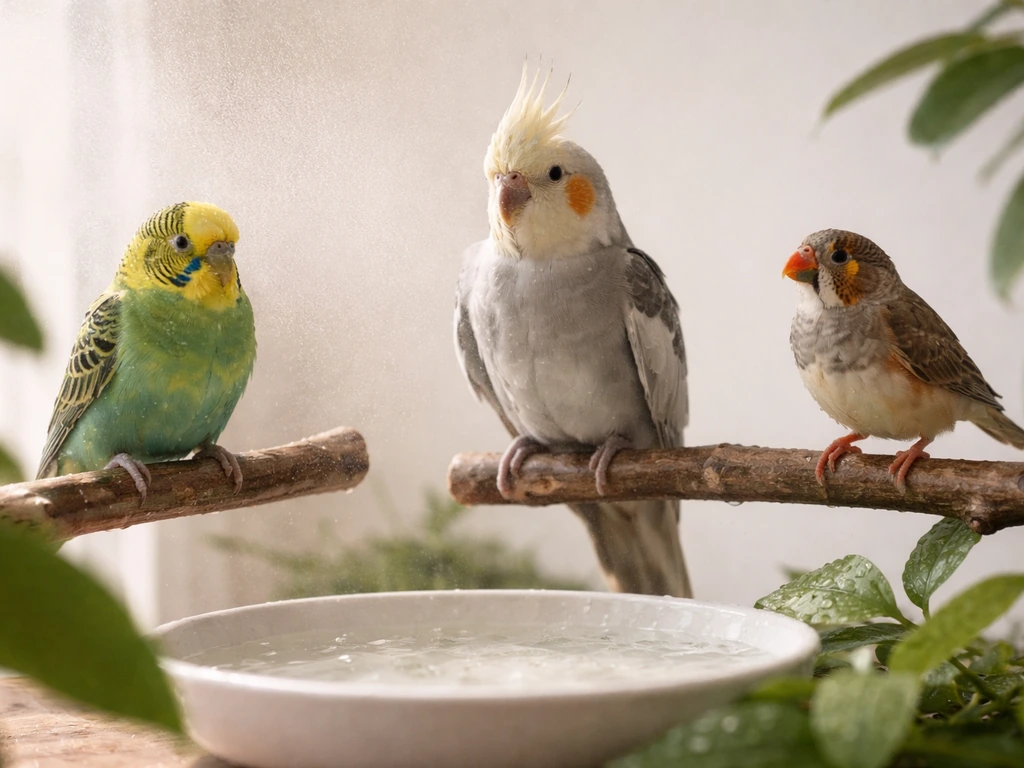
Here is a quick reference for the most common pet bird types. These ranges come from avian care guidelines and represent what works for healthy birds in typical indoor environments.
| Bird Type | Recommended Frequency | Notes |
|---|---|---|
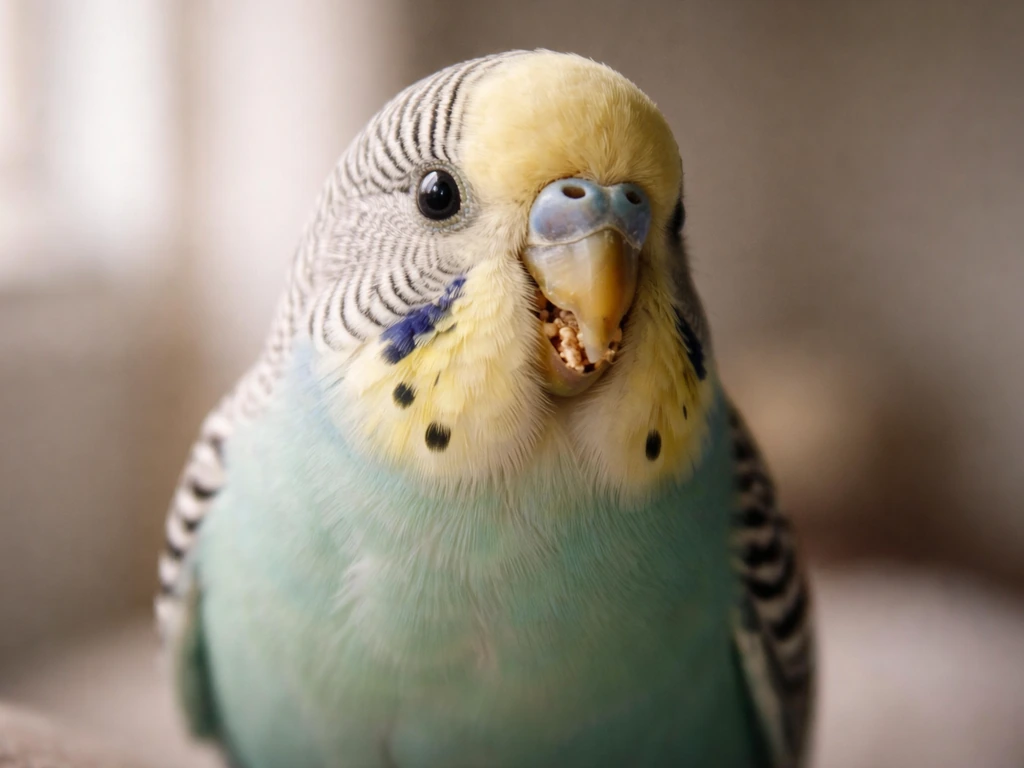
| Budgies (Parakeets) | 3–5 times per week | Can bathe daily if they enjoy it |
| Cockatiels | 3–4 times per week (up to daily) | Especially important in dry indoor air |
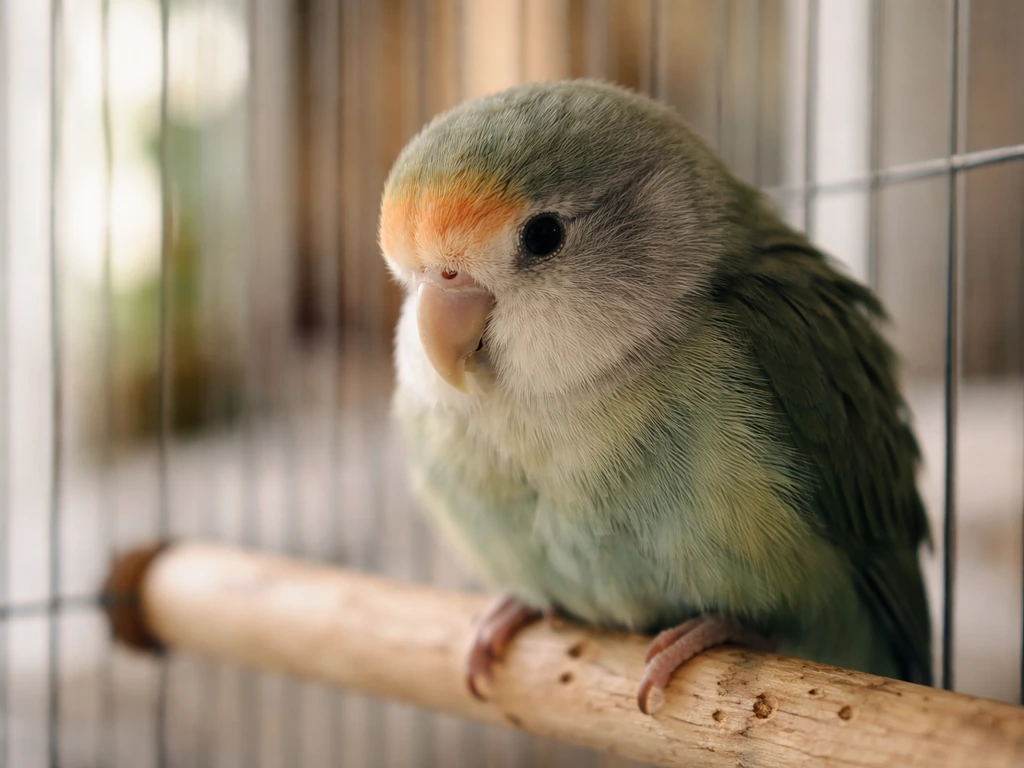
| Lovebirds | A few times per week | Misting works well for reluctant bathers |
| Canaries & Finches | At least twice per week | Provide a shallow dish and let them choose |
| General minimum (all birds) | 1–2 times per week (spritz) | Only if the bird refuses all other methods |
These are starting points, not rigid rules. Watch your bird's behavior and feather condition, and adjust from there.
What actually determines how often your bird needs a bath
Species and natural habitat
A bird's origins matter. Species from drier climates tend to benefit from more regular bathing because their skin and feathers are used to occasional rainfall followed by dry periods. Rain forest birds, by contrast, may actually need less aggressive wetting during full-bath sessions, though they still need bathing opportunities. Most parrots, budgies, and cockatiels kept indoors fall into the "more bathing is better" category because your home is far drier than any natural environment they evolved in.
Indoor air and seasonal dryness
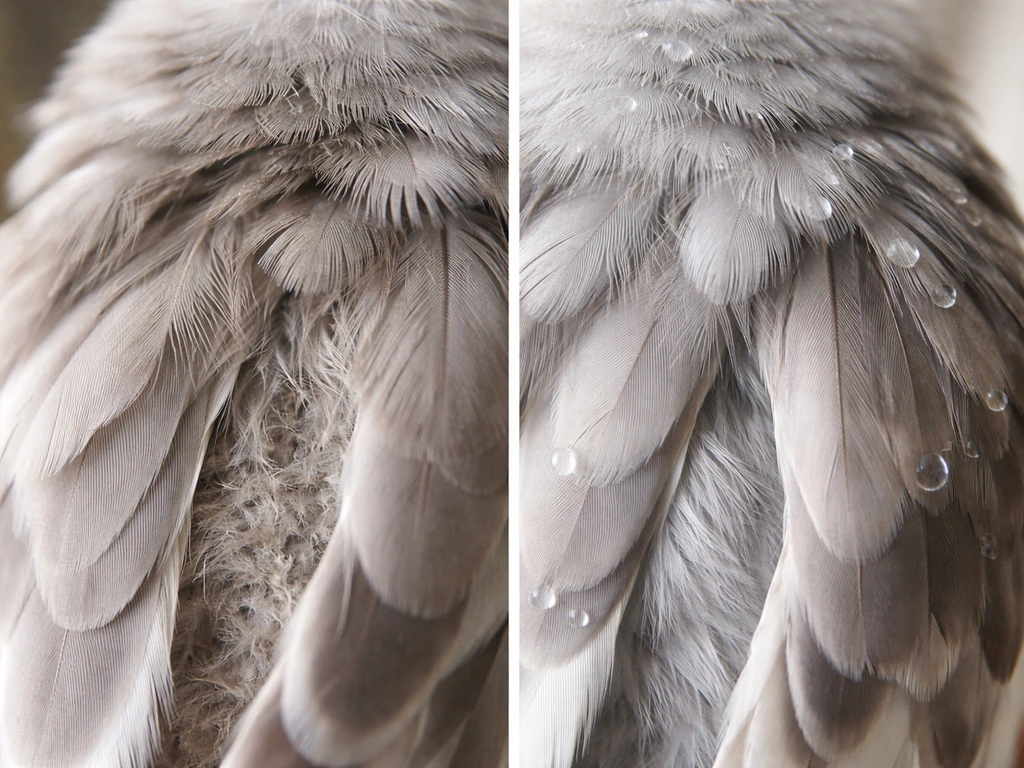
This is the big one that most owners overlook. If your bird seems to smell especially good after bath time, that is usually just cleaner feathers and more efficient preening after the skin and oils are refreshed why does my bird smell so good. Heating in winter and air conditioning in summer both strip humidity from your home, and that dry air is hard on your bird's skin and feathers. When your home is running heat or AC heavily, blank" rel="noopener noreferrer">bumping up bath frequency to 3 to 4 times a week (or more, if your bird is willing) actively compensates for that moisture loss. During naturally humid stretches, you can ease off a little.
Your bird's current feather condition
Bathing helps soften dirt and debris, which reduces the time and abrasion your bird puts into preening. After a bath, your bird will preen more efficiently and distribute preen gland oil more evenly across its feathers. If you notice feathers looking dull, dusty, or clumped, that is a signal to increase bathing frequency. If feathers look clean, sleek, and your bird is preening normally, your current schedule is probably working.
Signs your bird needs a bath vs signs something else is going on
Not every change in your bird's appearance or behavior is a bathing problem. Knowing the difference saves you a lot of guesswork.
Signs a bath will help
- Feathers look dull, dusty, or feel rough to the touch
- The bird is scratching more than usual but seems otherwise alert and active
- You notice debris or dried food stuck in the feathers
- The bird is showing interest in water (dunking food, splashing the water dish)
- Preening seems labored or takes longer than usual
Signs to watch that go beyond bathing
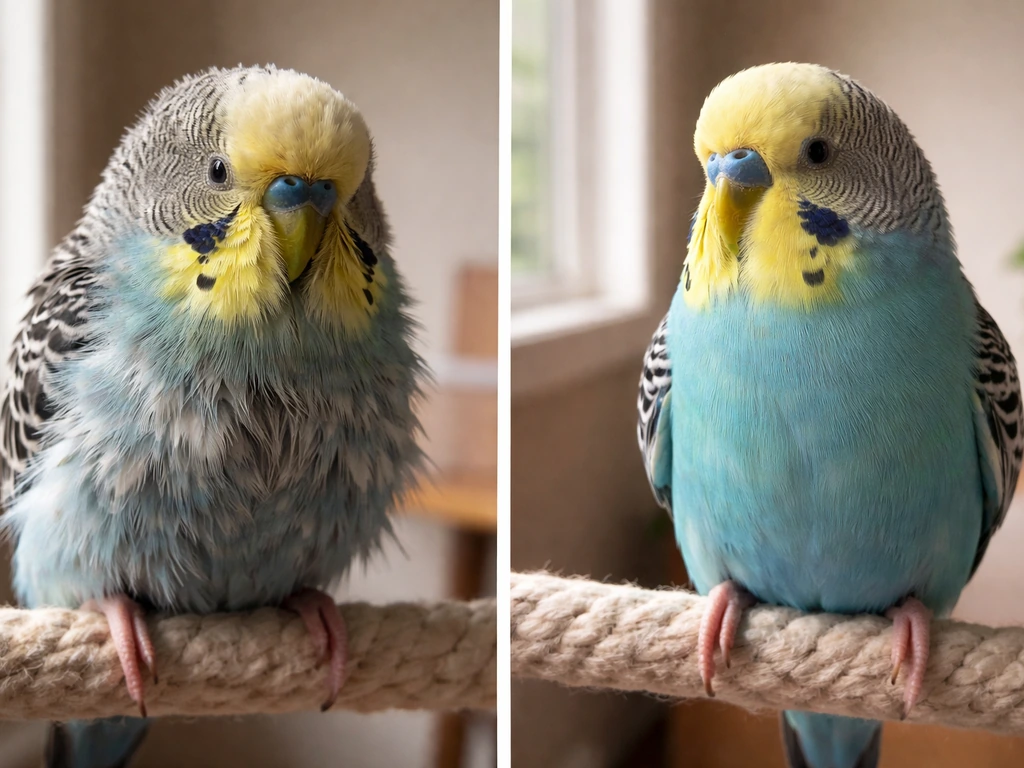
- The bird has stopped grooming itself altogether and looks unkempt despite opportunities to bathe
- Feathers are persistently fluffed up and the bird seems lethargic, not just sleepy
- You notice an unusual smell that persists even after bathing (worth noting if you have ever wondered why a bird smells bad after a bath or has an odd odor in general)
- Sneezing, nasal discharge, or labored breathing around bath time
- Skin looks irritated, scaled, or the bird is over-preening one area compulsively
These second-category signs are not something more baths will fix. They point to a possible health issue that needs a closer look.
How to give your bird a safe bath
There are three main approaches, and most birds will gravitate toward one they prefer. Try each and let your bird's reaction guide you.
Misting with a spray bottle
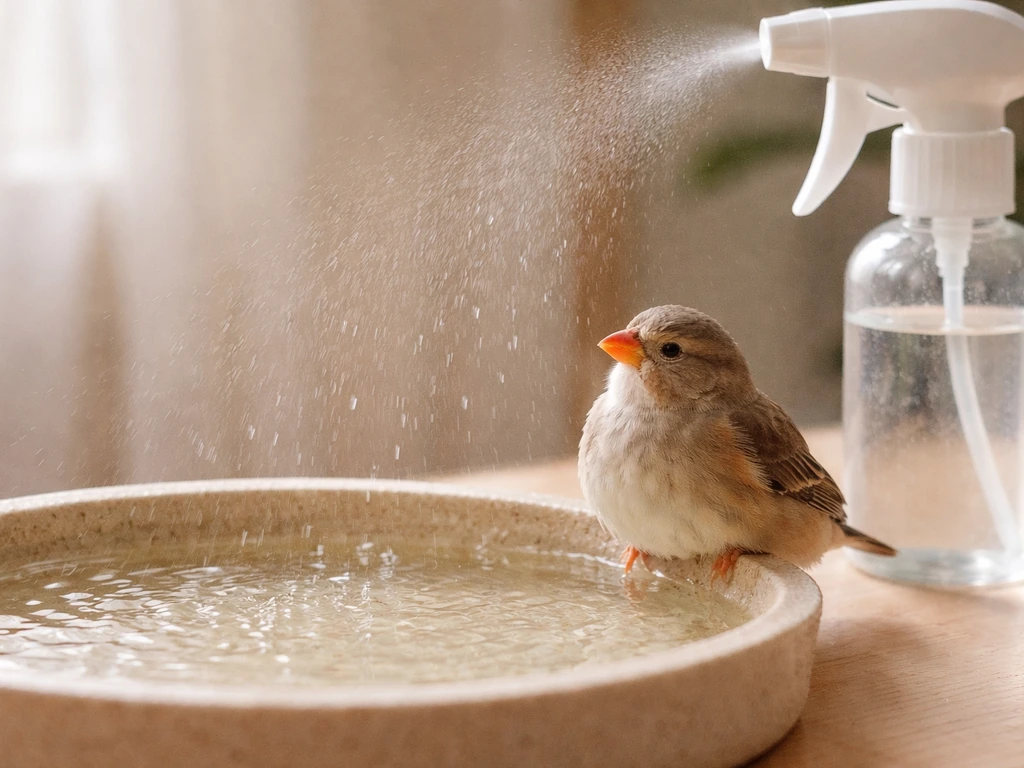
Use a clean spray bottle filled with plain lukewarm water. Set it to a fine mist, not a strong stream, and spray gently above the bird so the water falls like light rain rather than blasting directly at it. This works especially well for birds that are wary of standing water. Aim for the feathers, not the face or eyes. Do this mid-morning or early afternoon so your bird has time to dry fully before the temperature drops in the evening.
A shallow dish or bird bath
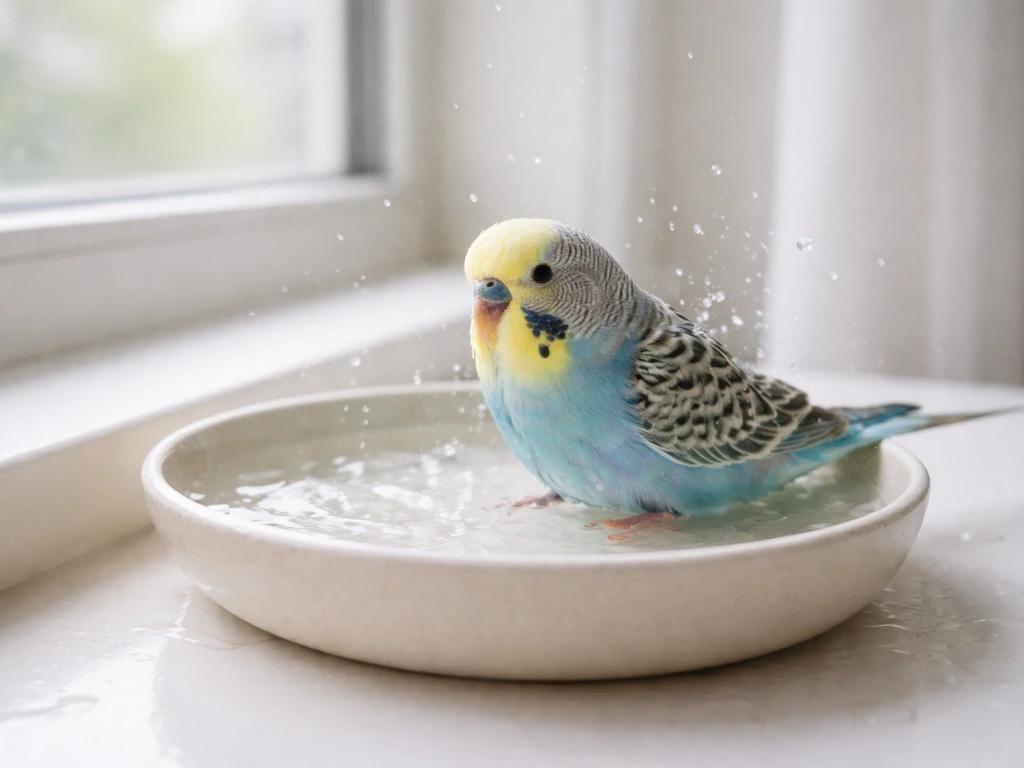
Many finches, canaries, and even some budgies prefer to splash around in a shallow dish on their own terms. Use a dish with just enough lukewarm water for your bird to stand in comfortably, roughly half an inch to an inch deep. Place it in the cage or on a stable surface nearby and let the bird decide when to hop in. This is the lowest-stress method because the bird controls everything.
Shower perch
Some larger parrots love a shower perch placed in the bathroom. The key is placement: position the perch so the bird gets indirect spray and steam rather than taking the direct force of the showerhead. Keep the water temperature warm but not hot. Avoid taking smaller birds like budgies or parakeets into a full human shower because the water vapor from a hot shower can irritate their respiratory system and the temperature is difficult to control safely.
After-bath care: drying, temperature, and what to skip
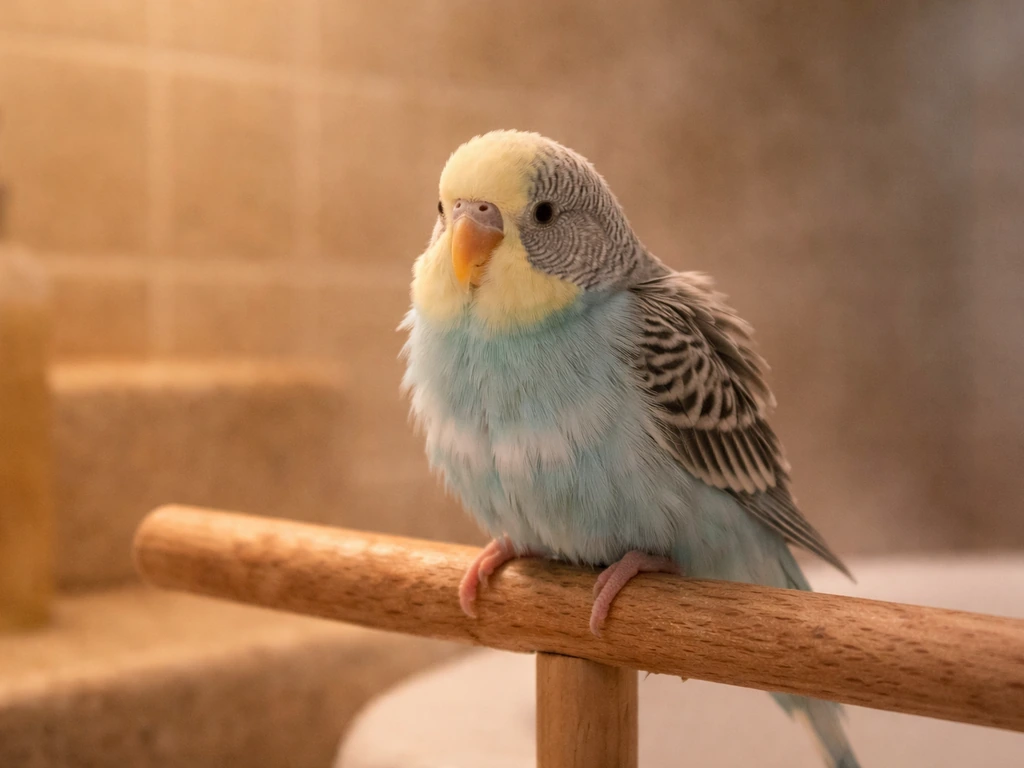
What you do after the bath matters as much as the bath itself. If your bird smells especially strong right after bathing, it can point to lingering moisture, skin irritation, or an underlying issue that is worth checking. The biggest mistakes happen in this part of the routine.
- Let the bird air-dry naturally. Do not use a towel to dry your bird. Towel-drying can damage feathers and stress the bird significantly.
- Keep the bird in a warm room away from drafts. Cold air on wet feathers is dangerous. Move the cage away from open windows, vents, and exterior doors until the bird is fully dry.
- Offer a warm perch or a spot in indirect sunlight if available. A consistent warmth source helps the bird dry comfortably without overheating.
- Time baths for mid-morning or early afternoon. This gives your bird several hours of warmth to dry before the cooler evening temperatures set in.
- Never use any soaps, shampoos, or chemical products in the bath water. Plain lukewarm water is all a healthy bird needs.
What to do if your bird refuses baths or goes overboard
If your bird won't bathe
Do not force it. If your bird actively tries to escape misting or avoids the dish, pushing harder will only make it more anxious about water. Instead, try a lighter mist from further away, or experiment with different setups: a dish in the cage, a dish outside the cage, or misting during a time of day when the bird is already active and relaxed. Some birds respond to seeing their owner run a finger through the water first, or to being misted near a mirror. If the bird accepts light misting but nothing more, 1 to 2 gentle sessions a week is enough to support normal preening.
If your bird bathes obsessively
Some birds love water and will bathe multiple times a day given the chance. As long as the bird is drying properly between sessions, staying warm, and not showing signs of skin irritation, frequent self-directed bathing is generally not a problem. The concern is when a bird is repeatedly wetting itself in conditions where it cannot dry properly, like a cold room in winter, or when excessive bathing is paired with other behavioral changes like plucking or persistent scratching.
When to call an avian vet instead of adjusting the bath schedule
Bathing is a wellness tool, not a treatment. If any of the following are present, a visit to an avian veterinarian is the right next step, not more (or fewer) baths. If you are seeing unusual smells, like a sweet maple-syrup odor, treat it as a possible health clue rather than something bathing alone will solve.
- Your bird has completely stopped grooming or preening and looks unkempt for more than a day or two
- Feathers are persistently fluffed even when the bird is not sleeping or resting, which can signal illness
- You notice sneezing, nasal discharge, wheezing, or any breathing irregularity, especially around or after bath time
- The bird's skin looks red, crusty, scaly, or you can see bare patches that are not related to a normal molt
- You suspect mites or another parasite because itching, feather damage, or skin changes are not improving
- The bird's behavior has changed significantly alongside changes in feather or skin condition: reduced appetite, unusual lethargy, or loss of interest in normal activities
- Any unusual persistent odor that is not explained by diet or cage cleanliness
These symptoms can overlap with bathing-related observations, which is why it is easy to assume the fix is more water. But an avian vet can rule out underlying conditions like bacterial skin infections, feather destructive disorder, mites, or respiratory illness that look similar to simple dryness or hygiene issues at first glance. Getting a professional opinion early is always better than guessing.
The practical takeaway: start with 3 times a week for most pet birds, adjust up if your home is dry or your bird loves water, and adjust down to a gentle 1 to 2 times a week misting if your bird is resistant. The Merck Veterinary Manual advises routine grooming and routine care for pet birds within these types of bathing and safety considerations 3 times a week for most pet birds.
If you are wondering when to stop hand feeding your bird, look for the signs it is ready to wean and follow a steady feeding plan with guidance from your avian vet start with 3 times a week for most pet birds.
If your goal is to figure out why birds stop coming to the feeder, the same environmental and comfort factors can be at play, so look for what changed in food, safety, and local conditions why birds stop coming to the bird feeder. Watch feather condition and behavior as your guide, and call your avian vet any time something feels off beyond what a bath can fix.
FAQ
How can I tell if my bird is bathing too often or not often enough?
Watch feather behavior and skin condition. If feathers stay dull, dusty, or clumped after your current routine, increase slightly. If your bird looks ruffled for hours, keeps shaking long after bath time, or develops redness, irritation, or persistent scratching, reduce frequency and consider checking with an avian veterinarian.
Is it safe to bathe my bird during winter or if my home is cold?
It can be risky if your bird cannot dry fully. Plan baths earlier in the day, keep the room comfortably warm, and stop any bathing if you notice lingering dampness or chilling. If you run the heater and your bird still struggles to dry, switch to milder misting or a simpler splash dish method.
What water temperature should I use for misting or a bath dish?
Use lukewarm water (comfortable to the back of your hand). Avoid hot water and strong cold drafts, because temperature swings can worsen stress and breathing sensitivity. If your bird is sensitive, start with misting and only move to a dish if it accepts it.
Can I use bird-safe soap or shampoo in the bath?
Usually no. Most routine bathing should be plain water only. Soaps and shampoos can leave residues that irritate skin or disrupt normal preening oil distribution, leading to itchiness or dull feathers.
How long should I wait after bathing before turning off a heater or closing windows?
Aim for full drying before temperatures drop. A practical rule is to bathe mid-morning or early afternoon (as in the article), then ensure the bird is dry and calm before evening. If your bird’s feathers are still damp after a couple of hours, extend the drying time and reduce future bath frequency.
My bird shakes and makes noise after bathing, is that normal?
A quick shake is normal drying behavior. If the bird is panting, holding its wings away, wheezing, or seems unable to settle, stop bathing and consider an avian vet, because those signs can point to respiratory irritation rather than simple cleanliness.
What should I do if my bird smells stronger right after bathing?
First, check for lingering moisture or irritation, since wetness can change skin odor temporarily. If the smell persists beyond the drying window, or if it is unusual, treat it as a health clue and schedule an avian exam rather than increasing bath frequency.
Is daily bathing okay if my bird seems to enjoy it?
Daily bathing can be fine for self-directed bathing birds, as long as they dry properly and stay warm. The caution is when frequent wetting happens in conditions that prevent full drying, or when bathing is paired with behavioral issues like plucking or persistent scratching.
How do I introduce bathing to a bird that refuses standing water?
Start with a lighter mist from farther away and aim above the bird so it feels like light rain. Offer the option of a dish near the cage (so the bird controls whether to approach), and choose a time when the bird is already relaxed and active. Avoid forcing it, since stress usually makes refusal worse.
Should I bathe my bird if its feathers look dusty but it is acting sick?
Do not assume the solution is more water. If you also see unusual smells, appetite or energy changes, breathing signs, or skin changes that do not clear with normal preening, contact an avian veterinarian. Baths can help hygiene, but they are not a treatment for infections, mites, or respiratory illness.
What cage setup helps prevent wet floors and keeps drying safer?
Place a bath dish on a stable, non-slip surface and use a location that does not blow cold air toward the bird. If misting, mist away from corners where water pools on bedding. Provide a warm, draft-free area afterward so feathers can dry efficiently.