
A bad smell right after a bath is usually just wet feathers drying out, and it goes away on its own within an hour or two once your bird is fully dry. That said, if the smell is strong, sour, fishy, or yeasty, or if it lingers well past drying time, something else is going on. If your bird’s odor specifically has a maple syrup quality, it helps to consider diet and medical causes that can create a sweet or unusual smell why does my bird smell like maple syrup. It could be soap residue on the feathers, a dirty cage environment, or in some cases, a skin, feather, or respiratory infection that needs attention.
Why Does My Bird Smell Bad After a Bath? Causes & Fixes

Marcus Chen
1 May 2026
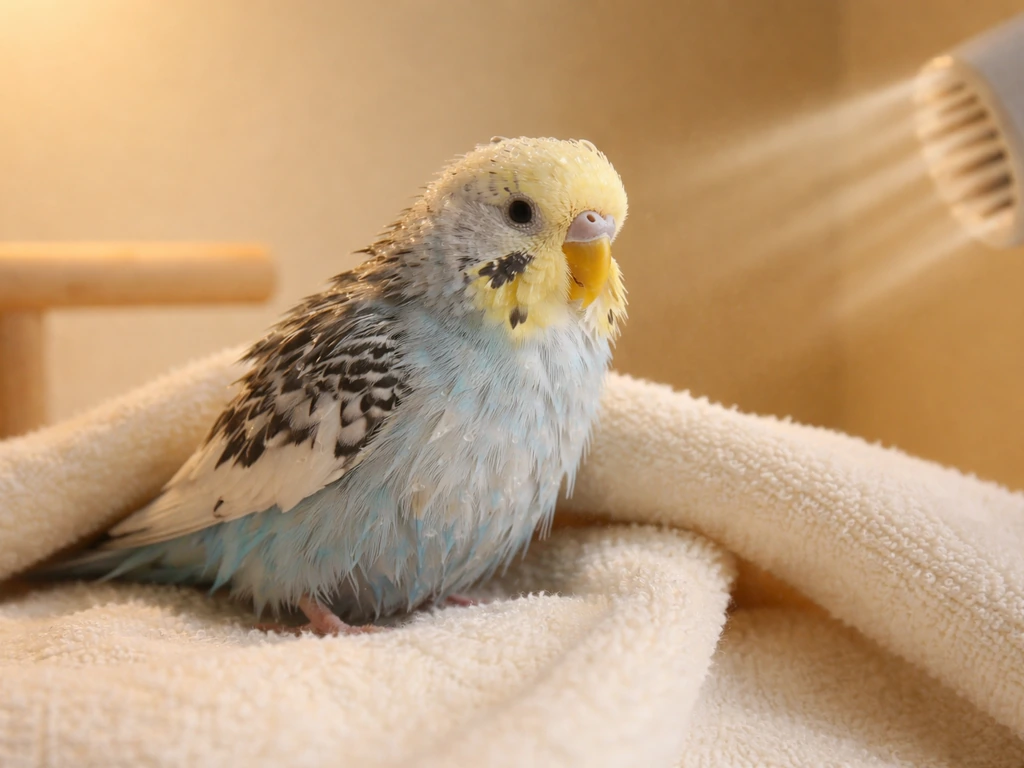
Normal post-bath smell vs. a red flag smell
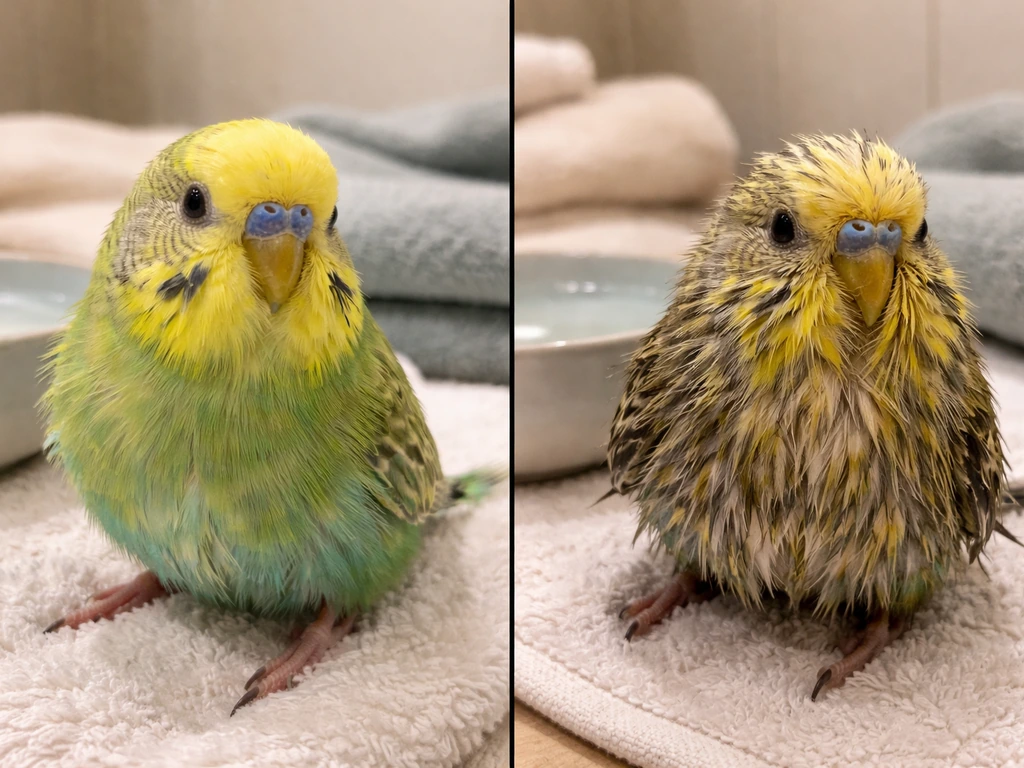
Right after a bath, most birds have a mild, slightly musty or earthy odor. Think of it like a wet dog smell but much more subtle. That is just the natural oils and dander on the feathers releasing scent when wet. It is completely normal and should fade as the feathers dry. If you are curious about what a healthy bird naturally smells like when things are going well, that is its own interesting topic worth exploring.
What you do not want to smell is something noticeably unpleasant that sticks around after your bird is fully dry. Here is a quick reference for what falls into each category:
| Smell Type | Likely Cause | Normal or Concerning? |
|---|---|---|
| Mild musty or earthy while wet | Natural wet feather odor | Normal — fades when dry |
| Soapy or chemical after bathing | Soap or product residue on feathers | Concerning — needs rinsing |
| Sour or yeasty | Bacterial or yeast overgrowth on skin | Concerning — monitor or see vet |
| Fishy or ammonia-like | Infection, digestive issue, or heavily soiled cage | Concerning — vet recommended |
| Faint sweet or warm scent | Normal healthy bird smell | Normal |
| Persistent bad smell days after bath | Ongoing infection, parasite, or environment issue | Concerning — see vet |
Why your bird might smell after bathing
The feathers are just still damp
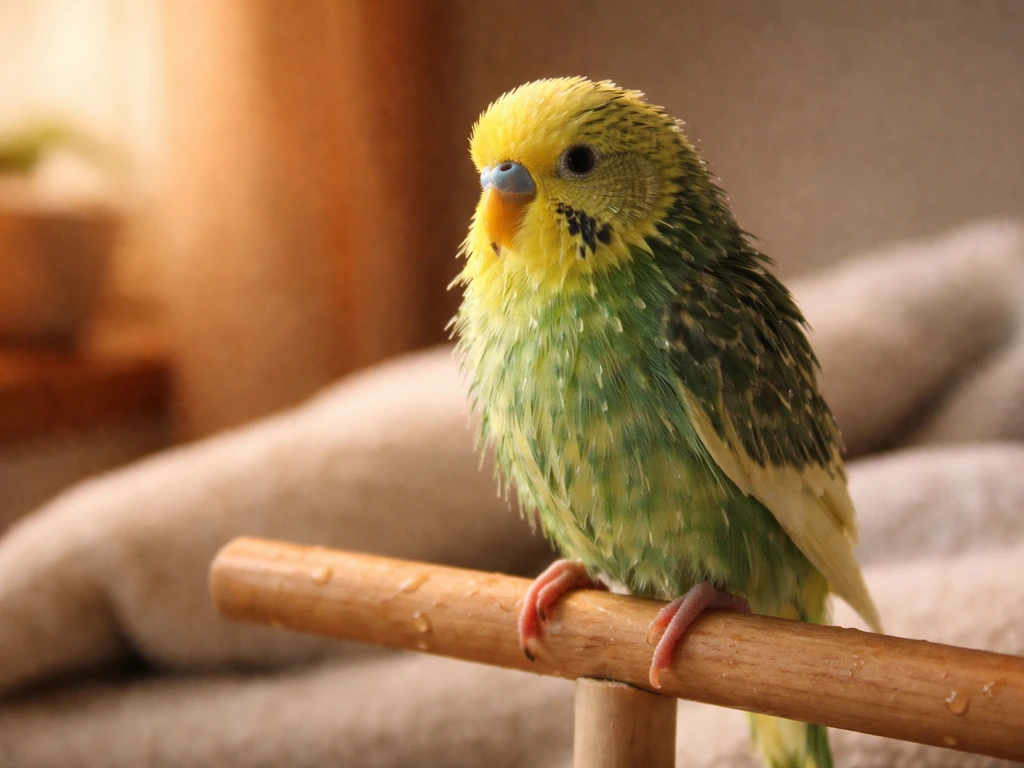
This is the most common reason, and it is nothing to worry about. Wet feathers have a noticeably different smell than dry ones. As long as you move your bird to a warm, draft-free area after the bath and let it dry fully, the smell should be gone within an hour or two. The key word there is fully dry. If your bird stays damp, especially in a cooler room, the odor can linger much longer and create conditions where bacteria and yeast can start to grow on the skin.
Soap or product residue on the feathers
Soap is one of the biggest culprits behind a lasting bad smell after a bath. Birds generally do not need soap at all. Soap strips the natural oils from feathers and can cause dry, flaky skin, and if it is not rinsed out completely, it leaves a residue that smells as it sits on the feathers. According to guidance from Petco, soap should only be used when absolutely necessary.
If you have been using any kind of soap, shampoo, or cleaning product in your bird's bath water, that is very likely the source of the smell. In serious cases, feather condition can take months to fully recover after a detergent has been used.
Chewy also notes that if a bird’s feathers contact a toxic substance, an avian veterinarian may use a degreasing soap, and that otherwise detergent bathing should be a last resort because it can take months for plumage to return to normal feather condition can take months to fully recover after a detergent has been used.
A dirty or contaminated bath setup
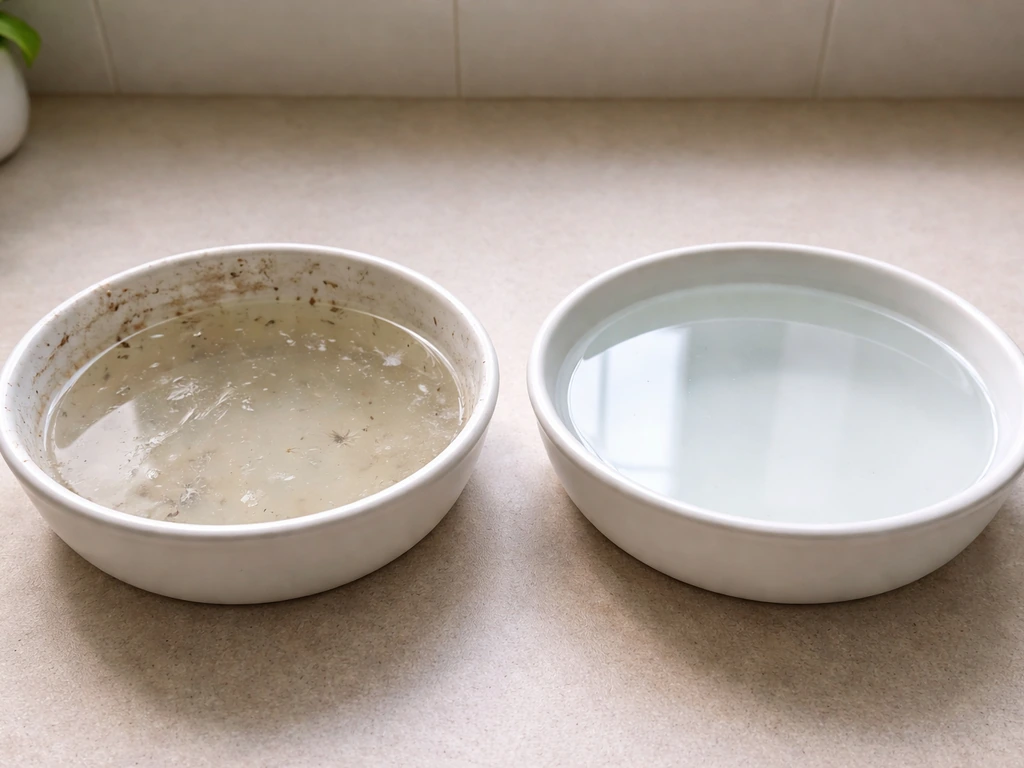
If the bath dish or spray bottle you use has not been cleaned recently, your bird is essentially bathing in old, possibly bacteria-laden water. Feather dander, food bits, and droppings can all contaminate a bath setup over time, and that contamination transfers right back onto your bird's feathers during the bath.
Stress affecting natural oil distribution
Stress can affect how a bird preens and distributes oils from its preen gland. If your bird is anxious during or after a bath, it may not be preening properly, which means the natural oils that keep feathers healthy and odor-neutral are not being spread correctly. This is less of an immediate cause and more of an ongoing factor if your bird seems stressed during bath time regularly.
How to bathe and dry your bird safely
Getting the bathing and drying routine right solves most post-bath smell issues on its own. Here is what to do and what to avoid. Birds may bathe using moisture such as showering during a rainstorm or bathing in puddles formed by falling rain, which Purdue’s caged-bird husbandry notes highlight.
Do these things
- Use plain, lukewarm water only. No soap, no bird shampoos, no additives unless your avian vet has specifically told you to use something.
- After the bath, move your bird to a warm, draft-free room immediately. Chilling after a bath is a real risk and slows drying.
- Let your bird air-dry naturally whenever possible. A warm, sunny spot near a window works well.
- If you use a hair dryer, keep it at least 10 inches away from your bird and use the lowest heat setting. Never point it directly at the bird for more than a few seconds at a time.
- Make sure your bird is fully dry before returning it to its cage or a cooler area.
- Clean the bath dish or spray bottle before each use with hot water. No detergent residue left in the container.
Avoid these things
- Do not use soap, shampoo, or any cleaning product in the bath water unless your vet has directed it.
- Do not let your bird stay in a cold or drafty room while still wet.
- Do not use a hair dryer on high heat or hold it too close. The feathers can dry too fast and the skin can burn.
- Do not reuse bath water from a previous session. Always start with fresh, clean water.
- Do not bathe your bird too frequently. Over-bathing can strip natural oils and dry out skin, creating more odor problems over time.
If you want to dial in the right bathing schedule for your specific bird species, that is worth looking into separately since bathing frequency varies quite a bit between species and individual birds. Many people also wonder when they should stop hand feeding and switch to a more appropriate diet plan for their bird bathing frequency varies quite a bit between species and individual birds. For a more direct answer, you can also review how often you should bathe your specific bird species bathing schedule.
Quick home troubleshooting: clean the setup and cut odor sources
If your bird smells bad after a bath and you want to fix it today, start with the environment before assuming it is a health issue. Here is a practical checklist you can run through right now.
- Rinse your bird with plain lukewarm water if soap or any product was used in the last bath. Get it off the feathers as thoroughly as possible, then dry your bird properly.
- Clean the bath dish or spray bottle. Scrub it with hot water, rinse thoroughly, and let it dry before next use. No soap residue should remain in the container.
- Check and spot-clean the cage immediately. Fecal matter, old food, and wet dander are major odor contributors. Remove soiled cage liner, scrub perches, and wash food and water bowls.
- Do a full cage cleaning if it has been more than a week since the last one. Wash down the cage with hot water and a non-toxic disinfectant, then rinse everything thoroughly so no cleaning product residue remains. VCA recommends a full spray-down and scrub at least once or twice a month.
- Replace cage liner with fresh paper.
- Move your bird to a clean, dry, warm area and let it finish drying fully if it is still damp.
- Smell the bird again once it is completely dry. If the bad smell is gone, the issue was environmental or bathing-related. If it persists, keep reading.
When the smell points to a health issue
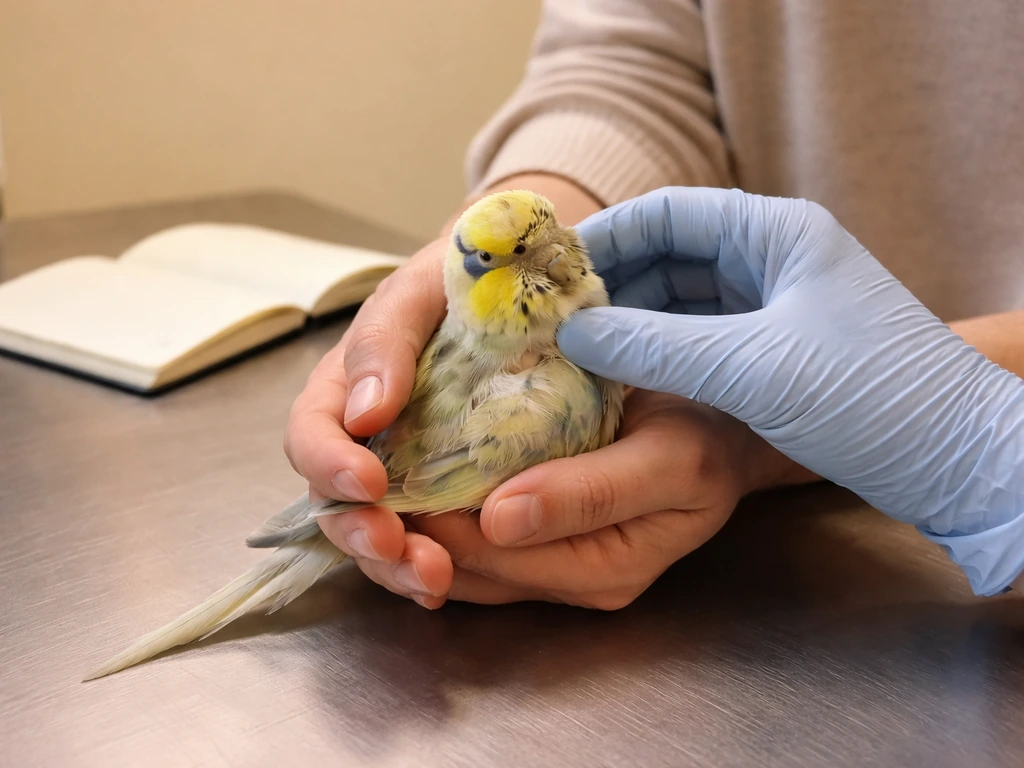
If you have ruled out wet feathers, soap residue, and a dirty cage, and your bird still smells bad after drying, that is when health becomes the more likely explanation. Birds may avoid the feeder for many reasons, but the most common causes are often food quality and shelter or safety concerns around the feeder health issue. There are a few specific things to consider.
Bacterial or yeast infections on the skin
A persistently sour, yeasty, or musty smell that does not go away after drying is one of the more common signs of a bacterial or yeast overgrowth on the skin or feather follicles. This can happen when feathers stay damp regularly, when the skin is compromised from over-bathing or soap stripping, or when a bird has an underlying immune issue. The smell is often noticeably different from normal wet feather odor, and it tends to come back consistently.
Mites or parasites
Feather mites and other external parasites can cause skin irritation and abnormal feather condition, which can contribute to an unusual odor. WSU’s Pestsense provides information on bird mites, including survivorship off-host, which helps explain how infestations can persist after cleaning. You might also notice your bird scratching more than usual, or see small specks on the feathers or in the cage at night. A bad smell combined with visible feather damage or restlessness, especially at night, warrants a vet check.
Respiratory or sinus issues
Sometimes what owners notice as a smell coming from the bird is actually related to discharge from the nares (nostrils) or a respiratory infection. A fishy, ammonia-like, or unusually sharp smell combined with any nasal discharge, sneezing, or labored breathing should be taken seriously. Bathing can sometimes irritate the respiratory tract if the bird gets chilled, which can make a pre-existing issue more apparent.
Digestive issues showing up as odor
A strong ammonia-like or foul smell can sometimes be linked to digestive problems rather than the feathers themselves. If the droppings look abnormal at the same time, such as being very watery, unusually dark, or discolored, that connection becomes more significant.
Signs that mean you should call an avian vet
A temporary wet-feather smell is nothing to stress over. But if you are seeing any of the following alongside the bad smell, or if the smell simply will not go away after your bird is fully dry and the cage is clean, do not wait it out. Contact an avian vet.
- The bad smell persists for more than a day after a bath, even once the bird is fully dry
- The smell is noticeably sour, fishy, yeasty, or ammonia-like
- Your bird is fluffed up, sitting low on the perch, or seems lethargic
- Reduced appetite or refusal to eat
- Changes in droppings: very watery, discolored, or unusual-smelling
- Nasal discharge, sneezing, or labored breathing
- Visible feather damage, bald patches, or excessive scratching
- Crusty or inflamed skin around the face, vent, or feather shafts
- The smell appears consistently after every bath and has never fully cleared
What to tell your vet when you call
The more specific you can be, the faster your vet can help. Before you call, jot down the following information so you have it ready:
- How long the smell has been present and whether it is only after baths or constant
- A description of the smell (sour, fishy, yeasty, ammonia-like, or something else)
- What products you used in or around the bath (plain water, any soaps, sprays, or cage cleaners)
- How often you bathe your bird and the last time you gave a bath
- Any behavioral changes you have noticed (lethargy, fluffing, reduced eating, less talking or activity)
- Changes in droppings
- Any recent changes to diet, environment, or cage setup
- Whether you have other birds and whether they are also showing symptoms
Most of the time, a bad smell after a bath really does just come down to incomplete drying or something that was used in the water. Fix the drying routine, ditch the soap, clean the cage, and you will usually solve it the same day. But if something still feels off after you have done all that, trust your instincts. You know your bird better than anyone, and a quick call to an avian vet is always worth it when you are not sure.
FAQ
How long should my bird smell bad after a bath before I worry?
If the smell is truly from damp feathers, it should fade once the plumage is completely dry. Use a simple check, part the feathers along the chest or under the wings and look for lingering dampness, plus listen for any sneezing or wheezing. If you still detect a sour, yeasty, fishy, or sharp odor more than 2 hours after drying, or your bird’s skin looks greasy, irritated, or fluffed, treat it as more than a wet-feather smell.
What should I use in the bath if my bird smells bad after a bath?
Skip soaps and human shampoos for routine bathing. They often leave residues and strip oils, which can create odor even after rinsing, especially if the bath water is not fully changed. If you must use something, only use a bird-safe, approved product and rinse very thoroughly, then dry fully in a warm, draft-free area.
What drying mistakes cause the smell to come back or linger?
Do not bathe a bird that is chilled, fluffed up, or acting sleepy right after the bath, and avoid drafts during drying. A common mistake is placing the bird near air flow (fan, open window) or in a cool room, which keeps feathers damp and encourages yeast or bacterial overgrowth. Use a warm, stable drying spot and keep the bird there until feathers are dry throughout.
Could my bath dish or spray bottle be causing the bad odor?
A dirty bath setup can keep transferring residue even if you dry the bird well. Wash the bath dish or clean the mister bottle each time, and make sure you discard old bath water rather than reusing it. If you use a spray bottle, also clean the nozzle area, residue there can smell and irritate skin.
How can cleaning products in the cage or bath area lead to ongoing odor?
Feathers need the bath to be fully rinsed away and then fully dried. If you used any detergent, soap, or household cleaner accidentally on the bowl or sprayer, the scent can transfer and stick to feathers. Also remember that cage cleaning can contribute, if strong cleaners were not fully rinsed or if they leave fumes that your bird later preens onto feathers.
When does a bad smell suggest mites or other parasites?
If you see mites or skin irritation, odor may worsen because irritated skin changes how oils and dander smell and because birds may groom less effectively. Look for increased scratching, small dark specks, or restless sleep, then get a vet-guided plan, since over-the-counter mite products can be risky depending on the species and bird’s condition.
How can I tell if the smell is respiratory rather than from wet feathers?
If the odor is noticeably sharp or ammonia-like, or it comes with nasal discharge, sneezing, or labored breathing, the source may be the nares or respiratory tract rather than the feathers. Bath time can make a pre-existing irritation more obvious if the bird gets chilled. In those cases, seek avian vet care instead of trying repeated baths to “fix” the smell.
Can digestive problems cause a foul smell that seems like it’s from the bird’s feathers?
Yes. If droppings look abnormal at the same time as the odor, it may relate to digestion rather than feather issues. Very watery droppings, unusual discoloration, or persistent changes paired with a strong foul smell are reasons to contact an avian vet, especially if the appetite or energy level changes too.
My bird smells bad after every bath. What should I do next?
If your bird repeatedly smells bad after baths even when the cage is clean and you are not using soap, it could point to an underlying skin, feather, or respiratory issue. Avoid repeated bathing attempts as a workaround, because frequent washing can worsen skin disruption. Instead, schedule an avian vet exam and bring details about bath products, drying conditions, and how long the odor lasts.
What details should I gather for the vet when my bird smells bad after bathing?
Before calling the vet, write down when the smell starts, what it resembles (musty, yeasty, fishy, ammonia-like, sour), and exactly how long it lasts after full drying. Also note drying conditions (room temperature, drafts, time under warmth) and whether you used soap or cleaned the bath dish or sprayer recently. Add any other signs you’ve observed, like scratching, fluffed posture, nasal discharge, or changes in droppings.