
Stop hand-feeding your bird when it is consistently eating solid foods on its own, maintaining a stable weight, and starting to refuse formula or accept noticeably smaller amounts at each session. For most baby cockatiels that point comes around 8 to 10 weeks; budgies are often ready closer to 6 to 8 weeks. But age alone is not the deciding factor. What your bird is actually doing every day matters far more than the calendar.
When Should I Stop Hand Feeding My Bird? Weaning Guide

Marcus Chen
23 Jun 2026
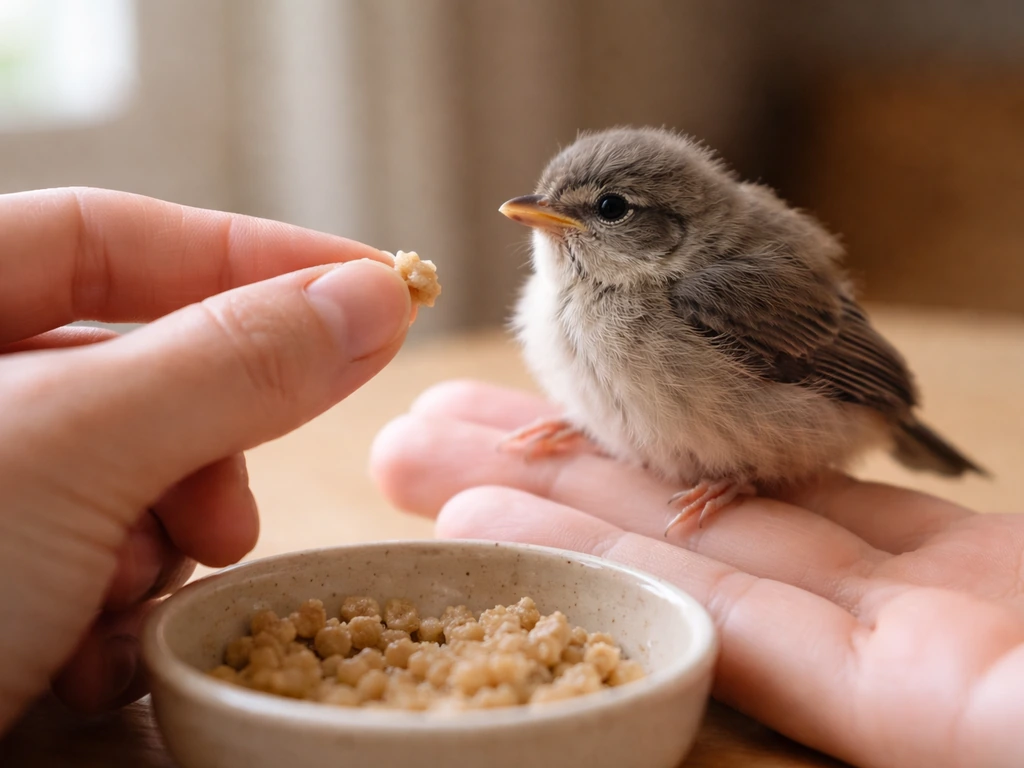
Why you're hand-feeding in the first place
The reason you're hand-feeding shapes how and when you should stop, so it's worth being clear about which situation you're in. There are three common scenarios, and they're quite different from each other.
You have a baby bird on formula
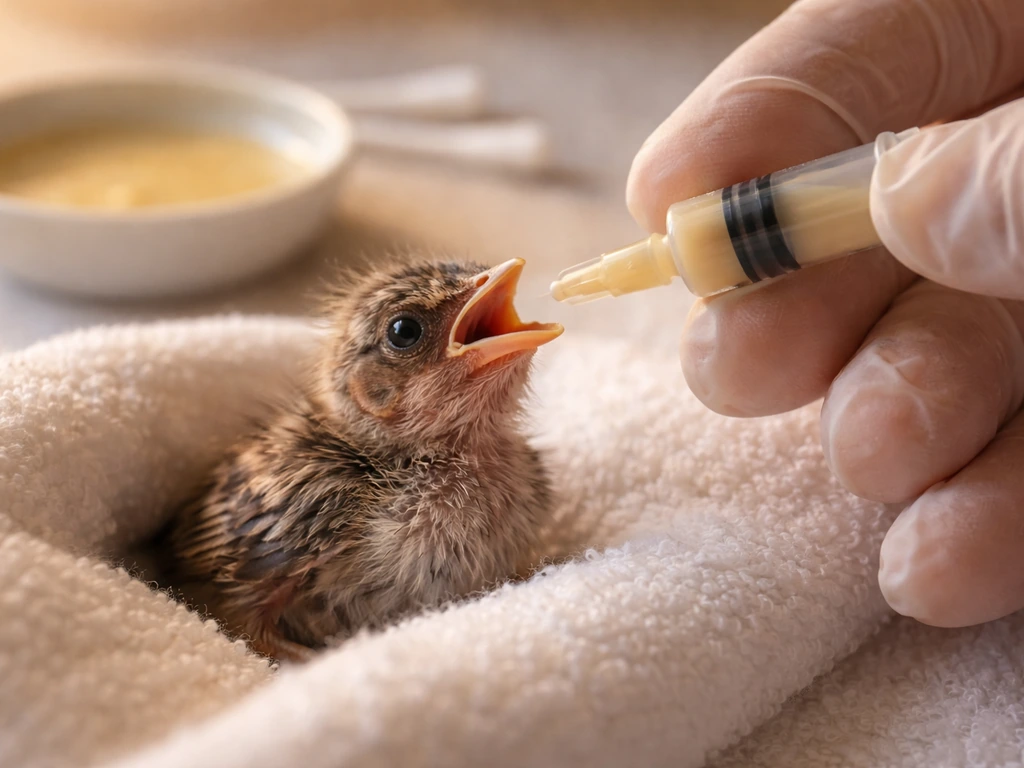
This is the most medically significant scenario. A very young, unfeathered or newly feathered chick depends entirely on formula for nutrition and hydration. The crop needs to fill, empty, and fill again on a schedule. Weaning here is a gradual, weeks-long process of introducing solid foods while slowly reducing formula feeds. Stopping too fast can cause serious problems, including malnutrition, dehydration, and a condition called crop stasis where the crop stops emptying properly.
You're taming an older bird using hand-feeding as bonding
Some owners offer soft foods or treats by hand to build trust with a previously wild-caught or skittish bird. This is not formula weaning and doesn't carry the same health urgency, but it can still create emotional dependency if the bird starts expecting hand delivery for every meal. The transition here is more about reinforcing independent foraging than about swapping formula for solids.
Your bird has developed an overdependence on being hand-fed
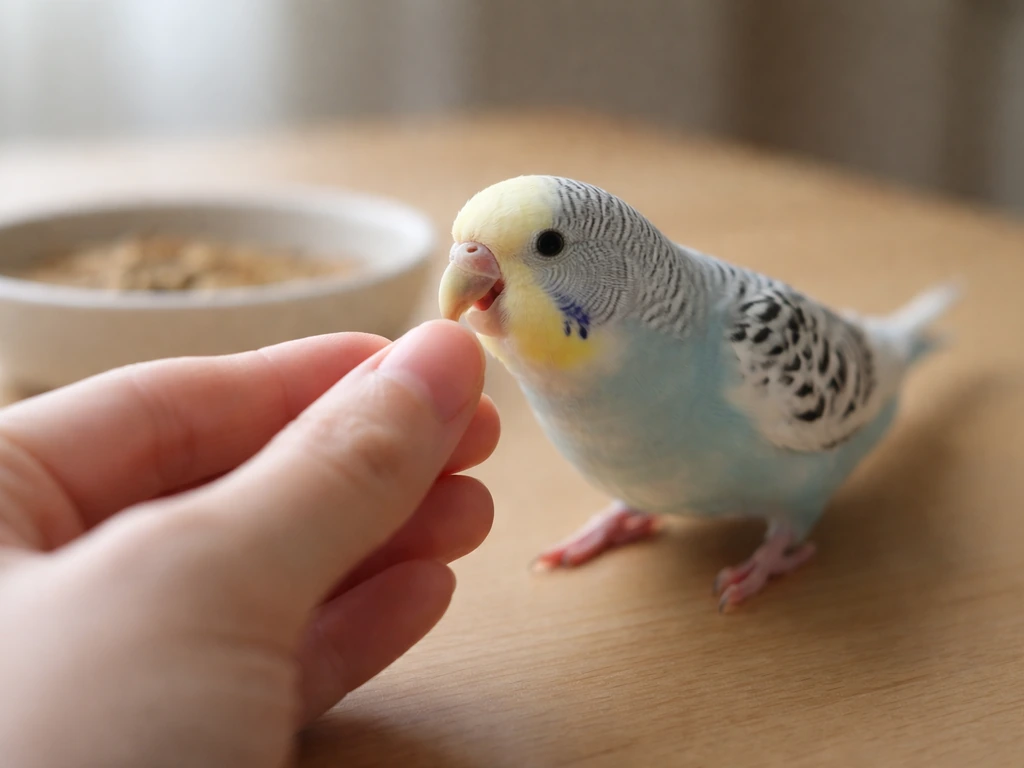
This happens more often than people realize. A weaned bird that was hand-fed past the point of independence sometimes learns that begging (head-bobbing, vocalizing, or even nipping) gets food delivered. The bird is physically capable of eating on its own but has learned not to bother. Here the challenge is behavioral rather than nutritional, and the fix requires patience and some gentle redirection rather than a strict feeding schedule.
Signs your bird is ready to stop hand-feeding
These are the behavioral and physical cues that actually tell you a bird is moving toward independence, rather than just getting older.
- The bird is actively pecking at, cracking, or chewing solid foods on its own without prompting.
- Formula intake per session has dropped noticeably, and the bird turns away or loses interest before the syringe or spoon is empty.
- The bird's crop empties fully within about 4 to 6 hours after a feed, which shows digestion is working well.
- You can see the bird foraging around the cage floor or at a dish, not just waiting at the cage door for you.
- Droppings look normal: green or brownish solid portion, white urate cap, and a small amount of clear liquid. No slime, unusual color, or undigested food.
- Energy levels are good. The bird is alert, curious, and active rather than fluffed up and sleepy.
- The bird is mostly or fully feathered for its species and developmental stage.
One thing to watch for specifically is what's sometimes called 'false weaning.' A chick may act uninterested in formula for a day or two, then regress and start begging again. This doesn't mean the bird is fully ready. It just means the process is in progress. Keep offering both formula and solids until the bird consistently refuses formula over several days in a row, not just occasionally.
Readiness checklist before you reduce formula
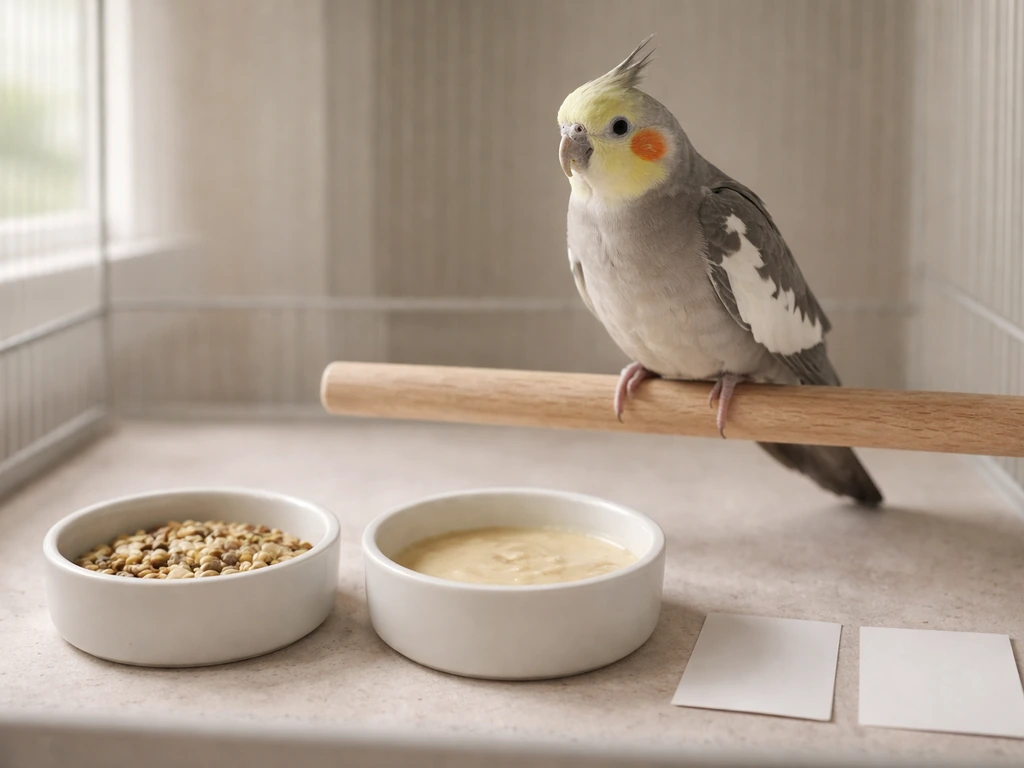
Run through this before cutting back any formula feeds. If you can check every box, you're on safe ground to start reducing. If you can't, wait and reassess in a few days.
- Bird is mostly feathered and physically developed for its species and approximate age.
- Bird is independently pecking at, cracking, or swallowing solid foods (seeds, soft pellets, cooked grains, or greens depending on species).
- Crop empties fully between feedings and doesn't feel squishy, hard, or distended.
- Weight is stable or within a normal range for the species. A gradual 5 to 10 percent drop during weaning can be normal as baby fat converts to lean muscle, but any sharp or ongoing decline is a red flag.
- Droppings are consistent and look healthy, not runny, discolored, or containing obvious undigested food.
- Bird is alert and active, not lethargic or fluffed up for long periods.
- Bird has shown reduced interest in at least one formula feeding over several recent sessions.
How to wean safely: gradual schedules and food transitions
The safest approach is to reduce formula feedings one at a time over several days or weeks, not all at once. A good framework recommended by avian care specialists is to drop one daily feeding session, observe for two to three days, and only proceed if the bird is eating solids and maintaining its condition. The mid-day feeding is typically the first to go because most birds are naturally hungriest in the morning and evening.
At the same time you're reducing formula, you should be actively introducing a wide variety of solid foods. Offering foods before the bird is hungry tends to work better than offering them after. Try soaked or sprouted seeds, soft pellets, finely chopped cooked vegetables, greens, and soft breads or cooked egg in small amounts. The goal is variety, not volume, so the bird gets comfortable exploring different textures and tastes.
Some breeders and avian specialists use what's called an 'abundance weaning' method: keep formula available while offering a wide variety of solid foods, and let the bird naturally decline formula on its own timeline. This tends to reduce stress compared to an abrupt or forced cutoff, and it respects the fact that some birds take longer to wean than others. There's no prize for weaning fast.
The transition from syringe to solid food can also be made in small steps. Some people move from a syringe to a spoon, then to offering foods directly from a dish placed near the bird. Placing separate dishes for pellets and seeds is helpful because it prevents the bird from picking out only the preferred items and ignoring everything else.
| Stage | Formula Feeds Per Day | Solid Food Availability | What to Watch |
|---|---|---|---|
| Early weaning | 3 to 5 (species dependent) | Soft foods introduced alongside formula | Crop emptying properly, bird showing curiosity about solids |
| Mid weaning | 1 to 2 (drop mid-day first) | Variety of soft and dry foods available all day | Weight stability, droppings normal, solids being eaten |
| Late weaning | 0 to 1 (morning or evening only) | Full solid diet available; formula offered if bird seeks it | Bird consistently refusing formula, eating solids independently |
| Fully weaned | 0 | Balanced diet of pellets, seeds, vegetables, and species-appropriate extras | Ongoing weight checks, energy levels, and droppings quality |
Temperature matters during any syringe or crop feeding. Formula should never exceed about 105 degrees Fahrenheit (40.5 degrees Celsius). Above that temperature, you risk crop burns, which are painful, serious injuries. Never heat formula in a microwave because it creates hot spots even when the mixture feels warm on the outside.
What to do if your bird refuses food or gets stressed
Some degree of protest is normal. A bird used to being hand-fed will often beg loudly, head-bob, or act clingy when you reduce feedings. This is expected weaning behavior, not a sign that something is medically wrong. The best response is to stay calm, offer solid foods, and not immediately go back to full syringe feeds just because the bird is being vocal. That said, you do need to keep a close eye on actual food intake and weight.
If your bird is refusing solids entirely rather than just begging for formula, try warming soft foods slightly, since room-temperature or chilled food is less appealing to a bird that's used to warm formula. Try different textures: mushy cooked sweet potato, softened pellets, or a small amount of hard-boiled egg. If your bird’s droppings or breath smell sweet, like maple syrup, it can be a sign of an underlying health issue, so contact an avian vet promptly maple syrup smell. Offering food when the bird is most alert, usually in the morning, can also make a difference.
For older birds that have developed an overdependence on hand-feeding, the strategy shifts slightly. Reduce hand-delivery gradually while making the same foods available in a dish nearby. Use positive reinforcement: praise and attention when the bird eats independently. Avoid accidentally rewarding begging behavior by immediately offering hand-fed food whenever the bird head-bobs or vocalizes. The bird isn't in danger; it's just learned a habit that you're now changing.
If your bird flatly refuses food for more than 24 hours, or if weight is dropping sharply, go back to offering formula temporarily while you figure out what's happening. Returning to formula briefly is not failure. It's just responsible care. Weaning should never put the bird at risk of starvation or serious weight loss.
Health and safety red flags: when to call an avian vet
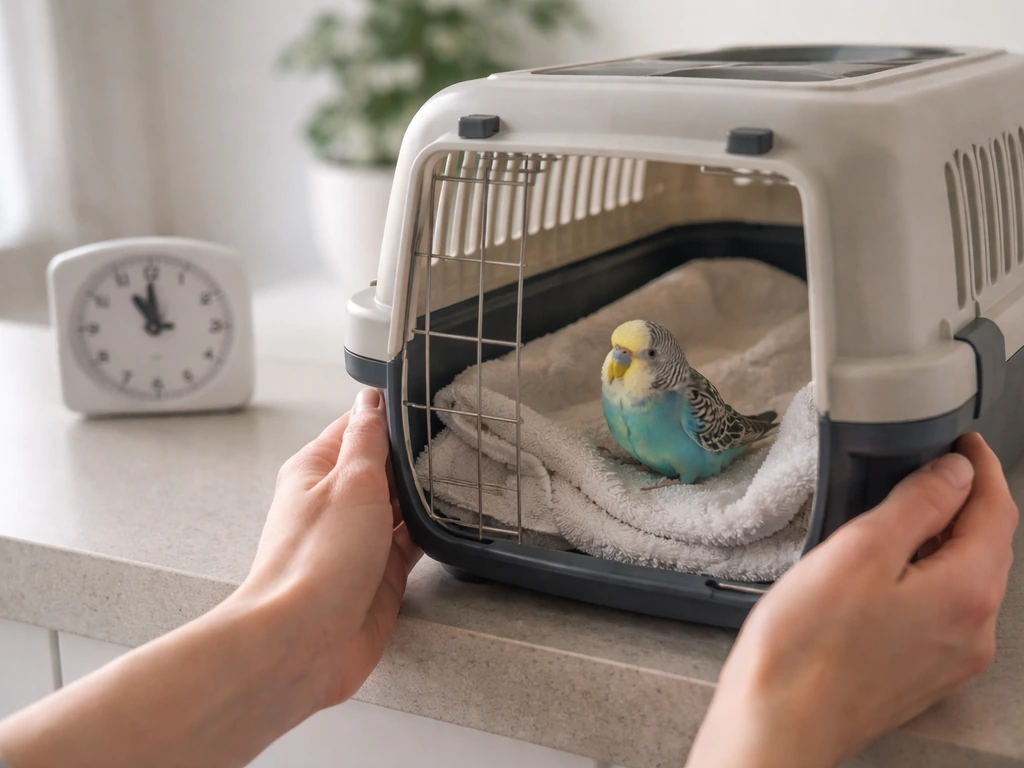
Some signs during weaning are not 'just part of the process.' These need prompt veterinary attention, not a wait-and-see approach.
- The crop has not emptied within 6 hours of a feeding. This is a concrete sign of crop stasis and should not be ignored.
- The crop feels squishy, fluid-filled, or unusually hard rather than firm and gradually shrinking.
- The bird is vomiting or regurgitating repeatedly (not the normal social regurgitation some birds do toward people or mirrors).
- You notice open-mouth breathing, labored breathing, or wheezing, which can suggest aspiration of formula into the airway.
- The bird is losing weight continuously across multiple days despite still receiving formula.
- Droppings are consistently abnormal: very watery, discolored (red, black, or bright yellow), or completely absent.
- The bird is lethargic, unable to perch, or stays fluffed up for extended periods.
- The bird is not eating anything at all, and this has gone on for more than a day.
Aspiration is a particularly serious risk during syringe feeding. The blank" rel="noopener noreferrer">Merck Veterinary Manual notes that aspiration pneumonia can develop very quickly when aspirated material enters the airway during feeding, which is why owners should avoid practices that increase aspiration risk. If formula enters the airway instead of the crop, it can cause aspiration pneumonia very quickly in a small bird. Signs include sudden gasping, clicking sounds when breathing, or a wet sound in the chest. If your bird smells unusually sweet or strong, treat it as a health signal during weaning and have an avian vet check the crop and breathing right away why does my bird smell so good. This is an emergency. Get to an avian vet immediately.
Never stop hand-feeding abruptly if a bird is unwell, underweight, or showing any of the symptoms above. A sick bird may need formula as medical support even past the typical weaning age. Your avian vet can help you decide when it's safe to reduce feeds in a compromised bird.
Common mistakes and how to avoid them
Weaning is genuinely one of the higher-risk phases of raising a hand-fed bird, and most problems come from a handful of predictable mistakes. Knowing them in advance makes them easy to avoid. If your goal is to keep birds visiting a feeder, this same independence and food-access idea is also why birds stop coming to a bird feeder.
| Mistake | Why It's a Problem | What to Do Instead |
|---|---|---|
| Stopping formula cold turkey | The bird may not yet eat enough solids to compensate, risking malnutrition and stress | Drop one feeding at a time over several days, monitoring intake and weight at each step |
| Forcing weaning by withholding formula from a begging bird | Can cause serious hunger, stress, and in young chicks, dangerous weight loss | Use abundance weaning: offer solids freely while letting the bird decline formula naturally |
| Overheating formula (above 105°F / 40.5°C) | Causes crop burns, which are painful and can be life-threatening | Always test temperature on your wrist and never use a microwave |
| Offering only seeds during transition | Bird may eat seeds and ignore pellets, locking in a nutritionally incomplete diet | Introduce pellets early, keep them in a separate dish, and offer a variety of soft foods |
| Ignoring weight during weaning | Weight loss can sneak up quickly in small birds | Weigh the bird daily on a gram scale throughout the weaning process |
| Rewarding begging with immediate hand-feeding | Reinforces the behavior and makes independent eating take longer | Offer food in a dish nearby instead of hand-delivering at the first sound of begging |
| Assuming head-bobbing always means the bird is hungry | In a bird past the baby stage, head-bobbing can be social behavior, not always a feeding request | Check weight and solid food intake before assuming the bird needs more formula |
One more thing worth mentioning: equipment hygiene. Dirty syringes, spoons, or formula that's been sitting out too long can introduce bacteria that cause digestive problems that look a lot like weaning complications. If your bird smells bad after a bath, the odor is often linked to how the feathers and skin dry, residue from shampoo, or lingering moisture that can irritate the skin. Clean and sterilize all feeding equipment after every use, and never save leftover formula for the next feed.
If you're ever genuinely unsure whether your bird is ready or whether something is wrong, an avian vet visit for a weaning check is always a reasonable call. A brief exam and a weight check can give you a lot of confidence that you're on the right track, and it's far better than guessing when a small bird's health is on the line. Bathing needs can vary by species, age, and your bird's environment, so check a bird-specific guide for the right schedule how often should i bathe my bird.
FAQ
Can I stop hand-feeding completely if my bird eats some solids but still begs for formula?
Do not cut formula just because begging continues. The decision point is consistent independent eating plus stable weight, and typically a clear, repeated refusal or much smaller intake across multiple sessions. If weight is steady, you can reduce one feeding session at a time, then reassess in 2 to 3 days rather than stopping abruptly.
What if my bird refuses formula but also won’t touch solids yet (a weaning stalemate)?
This is a warning sign, not “false weaning.” Go back to offering formula while you troubleshoot solids (warm them slightly, change textures, and offer variety before the bird is hungry). If the bird is not eating enough for 12 to 24 hours, or you see weight dropping, contact an avian vet rather than continuing to wait it out.
How much weight loss is “too much” during weaning?
Track grams daily or at least every other day, then use a trend rather than a single measurement. A sharp drop over a short window, even if the bird seems alert, is a reason to pause reductions and reintroduce formula temporarily while you confirm intake and call a vet if the trend continues.
My bird seems to be eating solids but still has a full crop later. Does that mean I should keep feeding formula longer?
Not necessarily. Crop fullness timing and emptying schedule are important, but “full later” can also indicate poor digestion or a crop problem. If you notice repeatedly delayed emptying, bloating, or discomfort, stop making changes on your own and have an avian vet examine the crop.
How do I tell hunger begging from actual illness during weaning?
Hunger cues usually improve after you offer solids and the bird remains bright and responsive. Illness often shows as lethargy, abnormal breathing sounds, sudden odor changes, persistent refusal to eat, or a rapid weight decline. Any breathing trouble or wet chest sounds should be treated as urgent regardless of feeding stage.
Is it safe to switch formulas or brands during weaning?
Try not to change formula while you are actively reducing feeds unless your avian vet recommends it. Sudden changes can cause softer stools or appetite dips, which makes it harder to judge readiness. If you must switch, do it gradually and keep solids consistent so you can identify what caused any change.
What should I do if I accidentally stop too fast and my bird regresses?
Regression can happen, especially with “false weaning.” Reintroduce the last formula session you removed, then extend the reduction schedule by another several days. Keep offering solids, but avoid going back to full feeding as a long-term solution unless weight intake requires it.
Can I use a “schedule” only, without watching weight and intake?
No. A calendar is less reliable than what the bird is actually doing each day. Weight checks and observing refusal versus reduced intake are the safety net. If your bird is stalling, continue offering solids and adjust formula step-down based on intake and condition rather than time alone.
Should I stop formula if the bird eats pellets but ignores vegetables and seeds?
Pellets alone can be helpful, but independence means the bird can eat the types of foods you are offering consistently. If the bird is only taking one item, keep building variety in small amounts (greens, cooked veg, softened seeds, or egg) while monitoring weight. If the overall intake is still low, don’t reduce formula further.
How long after stopping hand-feeding should I expect begging to continue?
Some protest is normal for days to a short period as the bird unlearns the habit. If begging escalates with reduced eating, or solids intake does not improve, adjust your plan (smaller step reductions, warmer foods, different textures) and consider a vet check if there is any weight decline.
Are there any “do not” mistakes when ending hand feeding?
Yes: do not stop abruptly when the bird is unwell, underweight, or showing crop or breathing concerns. Do not microwave formula (hot spots can burn), do not reuse leftover formula, and do not ignore equipment hygiene, because contamination can mimic weaning problems. Also, avoid rewarding head-bobbing by immediately delivering formula, since it reinforces the behavior you are trying to change.
Next Articles
Why Does My Bird Smell So Good? Causes and Next Steps
Find why your bird smells good, what’s normal vs red flags, and quick cleaning and vet check steps to take.
Why Does My Bird Smell Bad After a Bath? Causes & Fixes
Find causes of bad bird odor after bathing, how to dry safely, clean bathing area, and when to call an avian vet.
How Often Should I Bathe My Bird? Safe Bathing Schedule
Practical bird bathing schedule by species, season, and feather condition, plus safe steps and when to see an avian vet.