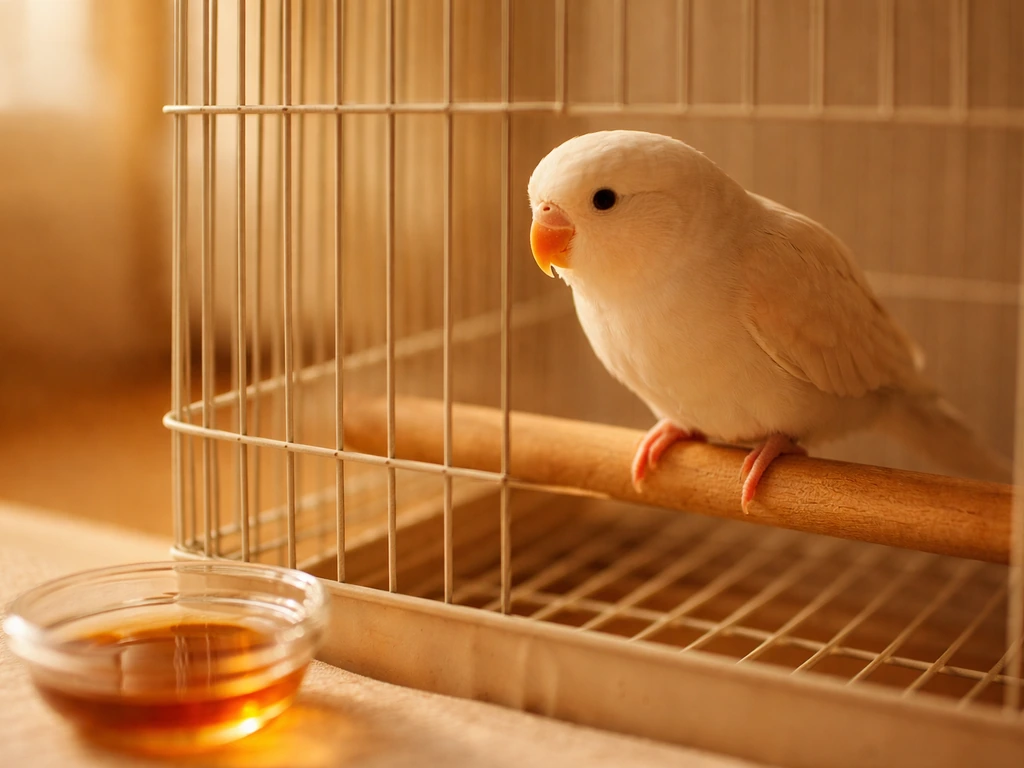
If your bird smells like maple syrup, it could be something as simple as fermented food stuck in the cage or wet feathers, but it can also be a sign of a serious metabolic condition or a crop infection that needs a vet today. The sweet, syrupy smell is worth taking seriously, especially if it's coming from your bird's breath or body rather than the cage environment. Here's how to figure out which one you're dealing with right now.
Why Does My Bird Smell Like Maple Syrup? Causes and Next Steps

Marcus Chen
4 Jul 2026
What a maple syrup smell can actually mean in birds
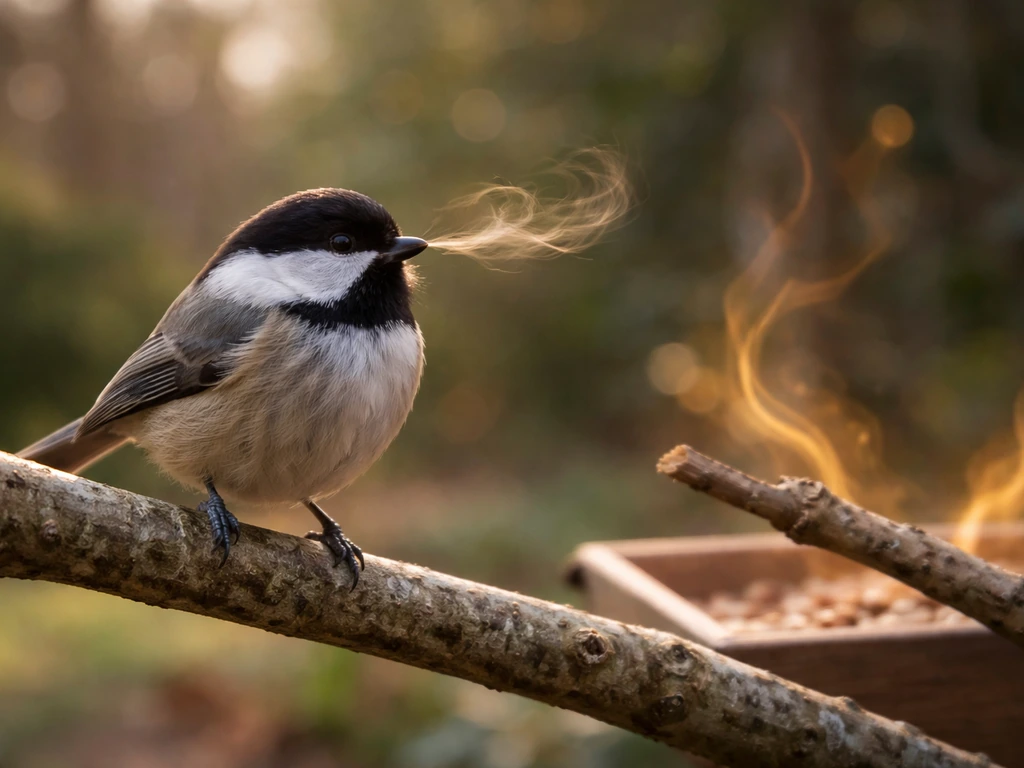
Birds don't naturally produce strong sweet odors, so when you notice one, something has changed. The smell can come from a few different sources, and they range from completely harmless to genuinely urgent.
On the more serious end, a sweet or fruity smell can point to a metabolic issue. In people, a sweet or maple-syrup-like odor on the breath is sometimes linked to blood sugar problems, and something similar can happen in birds. Pet birds, including budgies, cockatiels, and parrots, can develop diabetes mellitus, which causes high glucose levels in the blood and urine. Polyuria in birds, meaning increased urine in the droppings, is commonly seen with diabetes, especially when affected birds drink very large amounts and soak the cage bottom with urine. Excess sugar being processed and expelled can produce a distinctly sweet odor, particularly noticeable around the vent area and in the droppings.
A sweet or sour smell from the beak is a major red flag for crop problems. The crop is the pouch at the base of the throat where food sits before digestion. When it gets infected or stops emptying properly (called crop stasis), food ferments inside and produces a sour, yeasty, or sweet odor that you'll smell most clearly when the bird opens its beak or regurgitates.
On the less urgent end, the smell might be coming from the environment: fermenting fruit or soft food left in the cage, damp bedding, or wet feathers that haven't dried properly. These are worth ruling out first because they're easy to check.
Quick at-home checks: where is the smell actually coming from?
Before you worry, spend five minutes doing a systematic check. This tells you a lot and gives your vet useful information if you do need to call.
- Get close to your bird's beak when it's open or breathing. A sweet, sour, or fermented smell directly from the mouth points to a crop issue or respiratory problem, not just environment.
- Smell the vent area (under the tail). A sweet or unusually strong odor here, especially combined with wet or stained feathers around the vent, can indicate high sugar in the urine or a digestive issue.
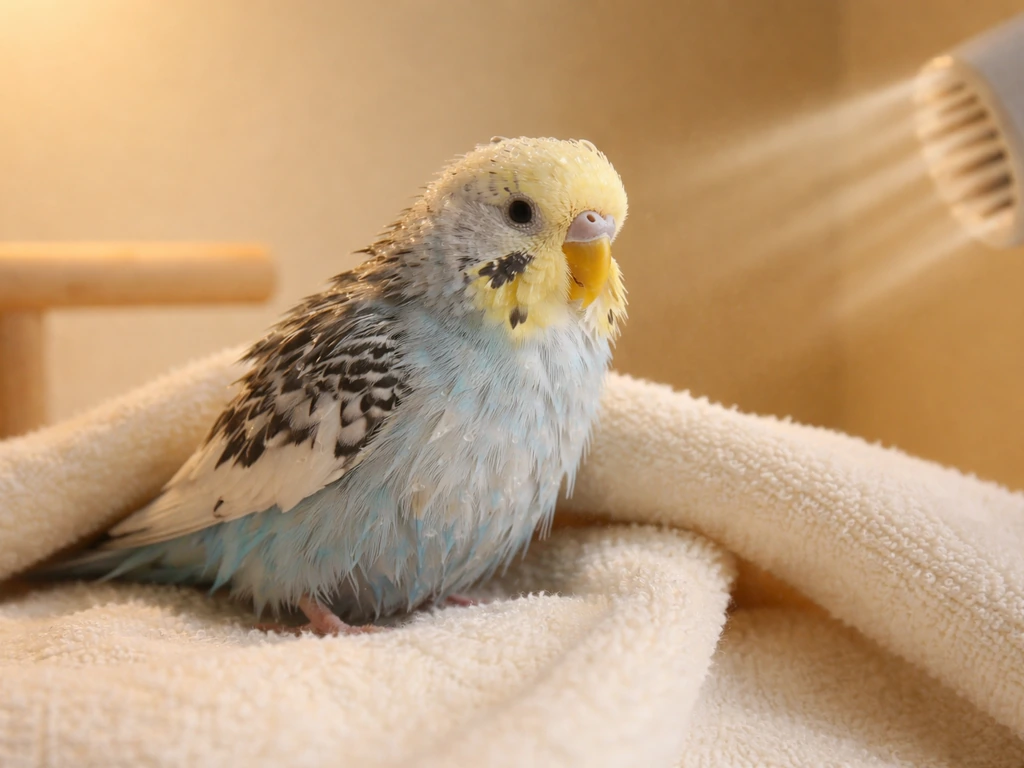
- Check the feathers. Wet or matted feathers can hold odor, especially after bathing. If the smell is mostly on the feathers and fades once they dry, that's a much lower-risk situation.
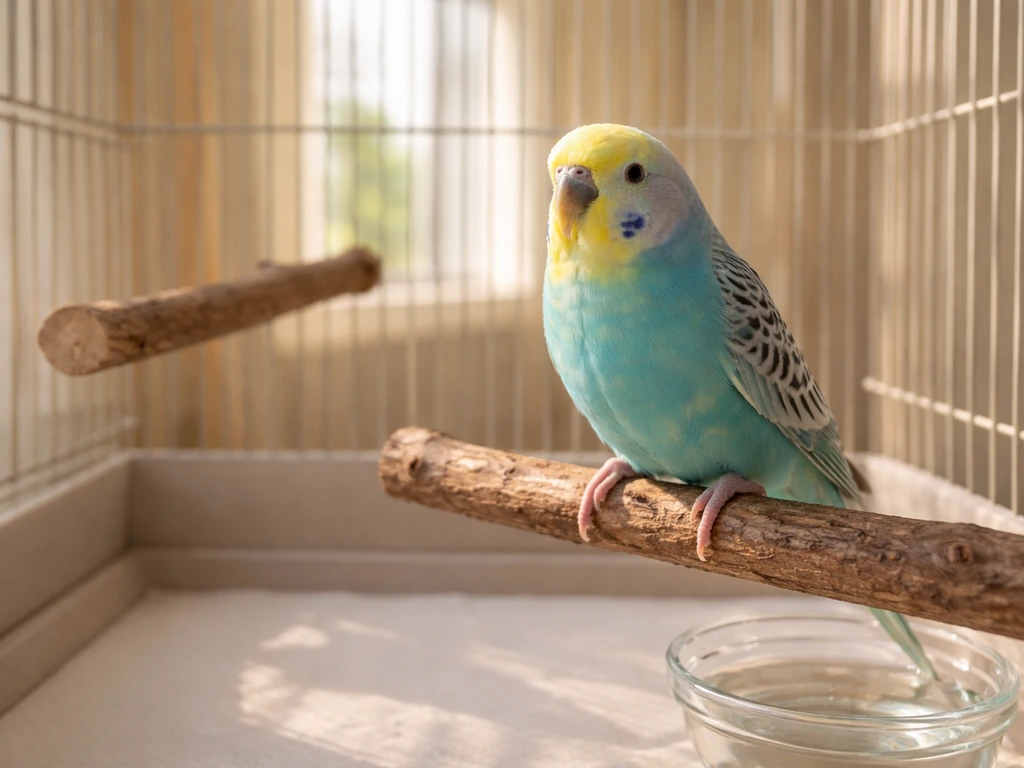
- Inspect the cage bottom. Look for fermenting fruit, soft food that's been sitting more than a few hours, wet substrate, or urine-soaked paper. Swap it out and see if the smell clears.
- Check your food storage. Seeds, pellets, and soft foods can go rancid or moldy quickly, especially in warm weather. If the food smells sweet or fermented before it even reaches the bird, that's your answer.
- Watch the droppings. Note whether the urine portion looks larger than usual (wet, spreading droppings on cage paper) or if the droppings look abnormal in color or consistency.
Metabolic causes vs. fermentation and habitat issues
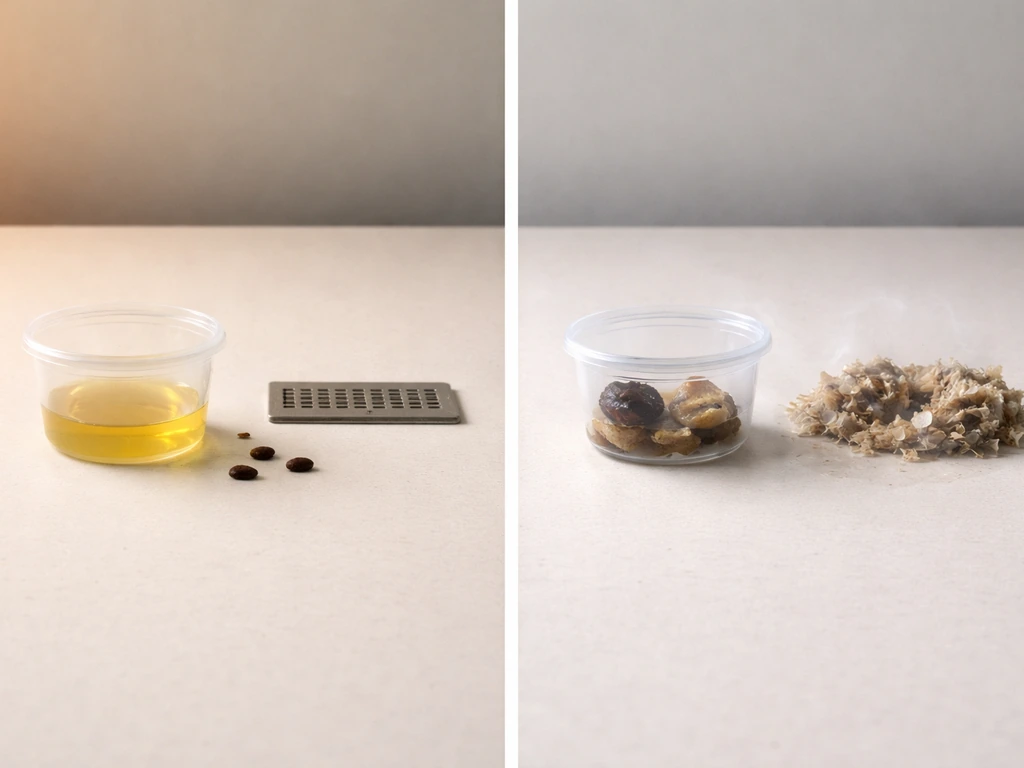
These two categories feel very different once you know what to look for. Here's a side-by-side comparison to help you sort them out.
| Cause | Where smell comes from | Key accompanying signs | Urgency level |
|---|---|---|---|
| Diabetes mellitus | Vent area, droppings, urine | Excessive thirst, very high urine output soaking cage paper, weight loss, lethargy | High — call vet |
| Crop infection / sour crop | Beak and breath, regurgitated material | Swollen crop that stays full, regurgitation, reduced appetite, fluffed feathers, lethargy | High — call vet promptly |
| Crop stasis | Beak and breath | Visibly enlarged crop not emptying, weak or lethargic bird, labored breathing in severe cases | High — urgent vet care |
| Respiratory infection | Breath, nostrils | Clicking, wheezing, tail-bobbing, nasal discharge | High — call vet |
| Fermented food in cage | Cage environment, food dish | Bird acting normally, no changes in droppings or behavior | Low — clean cage first |
| Wet/damp feathers or bedding | Feathers, cage substrate | Smell fades once bird and cage dry out | Low — hygiene fix |
| Rancid or old food | Food dish, storage container | Smell on food itself before bird touches it | Low — replace food |
The core rule: if the smell is coming from the bird itself, especially from the breath or vent, and your bird is acting differently, treat it as a health issue until proven otherwise. If you are wondering why your bird smells so good, this is the first clue to sort out before you assume it is just food residue or a clean-cage issue smell is coming from the bird itself. If the bird is acting completely normally and the smell clears once you clean the cage, you can relax, monitor, and focus on hygiene.
Signs that mean act now
Some signs alongside the sweet smell bump this from 'worth monitoring' to 'call an avian vet today.' Take these seriously.
- Lethargy, sitting fluffed at the bottom of the cage, or not moving around normally
- Reduced appetite or refusing food entirely
- Visible regurgitation (not just normal social regurgitation behavior, but repeated, uncontrolled vomiting)
- A crop that looks swollen or feels full hours after the last meal
- Sweet or sour smell directly from the beak when breathing or opening the mouth
- Droppings that are unusually wet, watery, or large in the urine portion — especially if the cage paper is being soaked
- Excessive drinking and dramatically increased urine output
- Noticeable weight loss (you can feel the keel bone becoming more prominent)
- Breathing difficulty, tail bobbing, or clicking sounds when breathing
- Weakness or poor grip on the perch
On the droppings specifically: healthy bird droppings have three parts, a firm dark fecal portion, a white urate portion, and a small clear liquid portion. If the liquid portion has become enormous (droppings spreading in a large wet ring on cage paper), and this is paired with the sweet smell, diabetes is a real possibility worth testing for.
What to do today: immediate steps you can take right now
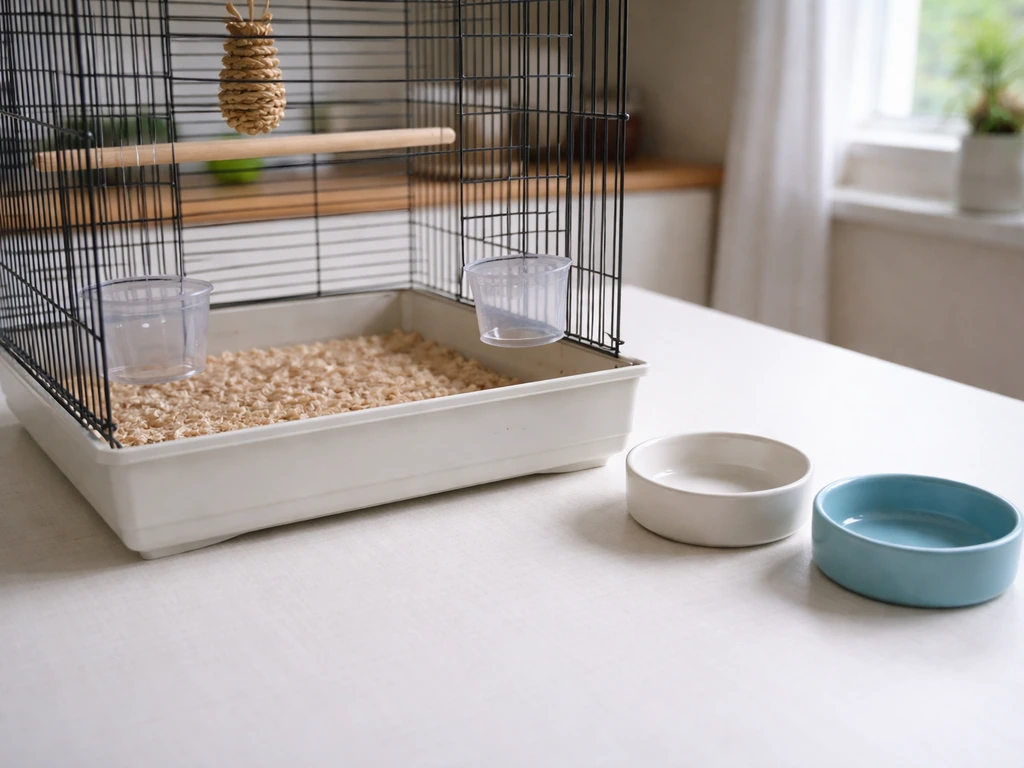
Here's what to do while you figure out whether a vet visit is needed.
- Do the smell check described above. Identify whether the smell is environmental or coming from the bird's body, breath, or vent.
- Clean the cage completely. Remove all old food, replace substrate, wipe down perches and food dishes. Use a bird-safe cleaner. This eliminates environmental odor as a variable.
- Check and replace all food. Throw out any soft food older than a few hours, check seeds and pellets for staleness or a rancid smell, and inspect fruit for fermentation.
- Keep your bird warm and calm. If your bird is showing any illness signs, move it to a warm spot (around 85°F or 29°C) away from drafts and stress. A sick bird loses heat fast.
- Make sure fresh water is available at all times. Do not restrict water, especially if you suspect increased thirst.
- Do not try home remedies like apple cider vinegar in the water, herbal supplements, or manually massaging a full crop. These can make a sick bird worse.
- Write down what you've observed: when you first noticed the smell, where it seems to come from, any behavioral changes, and what the droppings look like. This is genuinely useful information for the vet.
If after cleaning the cage the smell disappears completely and your bird is acting normally, you're likely dealing with an environmental cause. If your bird smells bad after a bath, the same approach applies: look at whether the odor is coming from the bird itself or from damp feathers and the environment. Keep monitoring for the next 24 to 48 hours. If the smell returns or you notice any behavioral changes, book a vet appointment.
When to call an avian vet (and what to expect)
Call an avian vet today if the smell is coming from your bird's body (breath, vent, or feathers not explained by recent bathing), or if any of the urgency signs listed above are present. If you also wonder why birds stop coming to the feeder, a change in appetite or behavior can be one of the first clues that something is wrong why do birds stop coming to the bird feeder. Don't wait for a few days to see if it improves. Birds hide illness well, and by the time they look obviously sick, the condition has often been progressing for a while.
When you get to the vet, they'll start with a thorough history, so bring your notes. They'll do a physical exam that includes checking the crop (feeling it manually for size and consistency), inspecting the vent and feathers, listening to the breathing, and assessing body condition including weight.
Depending on what they find, testing may include a fresh dropping sample to check for glucose in the urine (a fast, inexpensive screen for diabetes), bloodwork to check blood glucose levels and organ function, a crop swab or fluid sample sent for culture if a crop infection is suspected, and possibly imaging if the crop or abdomen looks abnormal. For suspected crop infections, the culture result takes a few days, but treatment can sometimes begin before it comes back.
Don't let the idea of tests stress you out. Avian vets are used to working with small patients and making practical decisions. Your job is to show up with a good history and let them guide you from there.
Prevention: the habits that catch problems early
Most owners don't notice subtle changes in smell until it becomes obvious. Building a few simple habits means you catch things earlier and have better information when something does go wrong.
Diet and food hygiene
- Remove soft foods, fruit, and cooked foods from the cage within two to four hours, especially in warm weather. They ferment fast.
- Store seeds and pellets in a cool, dry place and do a quick smell check before filling the dish. Rancid food smells distinctly off.
- Avoid feeding very high-sugar fruits in large quantities. A small amount of apple or berry as an occasional treat is fine, but sugar-heavy diets can stress the metabolic system.
- Fresh water daily, in a clean dish. Biofilm builds up quickly in water dishes and creates its own odors.
Cage and habitat cleanliness
- Change cage paper or substrate daily. This is the single easiest way to keep odors in check and monitor droppings.
- Wash food and water dishes daily in hot water.
- Do a deeper clean of perches, bars, and toys at least once a week.
- Make sure the cage is well-ventilated but not drafty. Damp, poorly ventilated cages encourage bacterial and yeast growth.
Building an early-warning habit
Get in the habit of doing a quick daily check when you uncover the cage in the morning. Glance at the droppings from the night before, watch your bird's posture and movement for a minute, and take a brief sniff near the cage. You'll get a baseline sense of what's normal for your bird, which makes anything unusual stand out immediately.
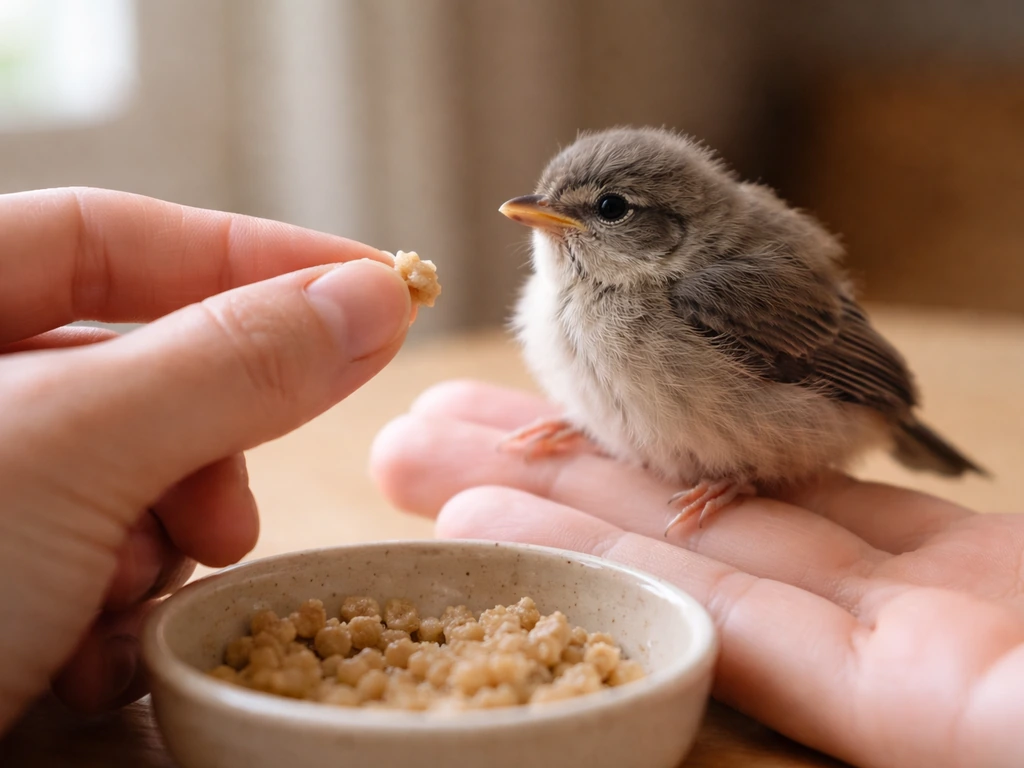
Keep a simple log on your phone. A quick note when something seems off (unusual smell, wetter droppings, less active than usual) gives you a timeline to share with the vet if things escalate. Vets find this kind of owner observation genuinely helpful. It's also worth keeping up with annual wellness checks, since conditions like diabetes are much easier to manage when caught before the bird is showing obvious symptoms. If you are currently hand-feeding your bird, it helps to know the safe time to stop so you do not interfere with healthy weaning and digestion when should i stop hand feeding my bird.
If you've noticed your bird tends to smell different after bathing, that's worth exploring separately since damp feathers have their own distinct odor that can read as unusual until you're used to it. Similarly, some birds naturally have a pleasant, subtle scent that's part of their normal biology. A sudden change from that baseline, in either direction, is always the thing to pay attention to.
FAQ
How can I tell if the maple-syrup smell is coming from my bird versus the cage?
If the sweet maple-like odor is strongest from your bird’s breath, vent area, or when the bird opens its beak or regurgitates, treat it as a bird-related health issue. If the smell is mainly in the cage (coming off bedding, damp spots, or left food) and disappears after a thorough clean and drying, it is more likely environmental.
Is it normal for the smell to come and go?
Do not rely on a single sniff. Sweet odors can come and go with recent feeding, humidity, or wet feathers. Compare to your bird’s normal baseline by checking droppings, breathing, posture, and activity, and re-check over the next 24 to 48 hours after you fix hygiene issues.
What signs make crop infection more likely, not just something fermenting in the cage?
Crop stasis or infection often comes with specific behavior changes, including reduced appetite, slower swallowing, puffed posture, or regurgitation. If you also notice a sour, yeasty, or sweet smell from the beak area, do not wait, because crop problems can worsen quickly even when the droppings look only mildly different at first.
Could the smell be diabetes, and what droppings changes matter most?
If droppings look watery with an enlarged clear liquid portion (a large wet ring) and you also smell something sweet, ask your avian vet about a urine glucose screen promptly. Hydration issues can also change droppings, so glucose testing helps you avoid guessing.
My bird smells sweet near the vent, but I’m not sure if it’s skin contamination or something internal. What should I do?
A smell from “near the vent” can be linked to diabetes-related glucose in urine, but it can also overlap with mild feather or skin contamination. If cleaning the vent area gently and thoroughly does not improve the odor, or if droppings stay watery, plan an avian vet visit.
Why does my bird smell like maple syrup after bathing, and when is it not normal?
Yes. Damp feathers after bathing can smell tangy or yeasty, and if a bird stays wet or preens damp plumage, the odor may last longer than expected. The key is whether the smell persists after the feathers are fully dry (typically within a few hours) and whether your bird acts normal.
What should I avoid doing at home if I suspect a crop problem?
Do not try to “fix” suspected crop problems at home by forcing food or using home remedies. If crop odor is strong and accompanied by regurgitation, slow emptying, or appetite changes, contact an avian vet for guidance and potential treatment.
What information should I collect before contacting an avian vet?
When you call the vet, mention exactly where the odor is coming from (breath, beak, vent, or cage), when it started, whether you changed diet or introduced fruit or soft foods, and what droppings look like over the last 1 to 2 days. If possible, provide the bird’s current weight and any recent activity or appetite changes.
Does hand-feeding affect the maple-syrup smell, and should I stop immediately?
If your bird is hand-fed, do not abruptly change feeding routines without asking your vet, especially if you suspect diabetes or crop stasis. Tell the vet when you last hand-fed and the approximate feeding schedule, because timing can affect glucose-related odor and crop function.
What cage changes are safe to try first, and when should I stop trying to manage it with cleaning?
You can help reduce false alarms by removing any fermentable items (soft fruit, wet mash), replacing damp bedding, and ensuring proper ventilation and drying after baths. However, if the odor persists from the bird itself or your bird’s behavior changes, hygiene alone is not a substitute for evaluation.
When should I treat this as an emergency versus monitoring?
Schedule a vet appointment urgently if the smell is coming from the bird (breath, beak, vent) and you notice any behavior or droppings changes, especially watery droppings with a large clear liquid portion. Waiting a few days can be risky because birds often hide illness early.
What outcomes can different causes lead to, and how does that affect the urgency of testing?
If testing confirms diabetes, your vet may recommend diet and glucose-management steps rather than just treating symptoms. If crop infection is suspected, treatment may start before culture results return, so early evaluation can shorten the time your bird spends with food fermenting in the crop.