
Your bird is hissing at you because it feels threatened, overstimulated, defensive, or is in some kind of discomfort. Yawning can also be a sign of stress or discomfort, so it helps to look at the timing and other body language alongside the hissing why does my bird keep yawning. It is almost always a warning signal, not a sign that your bird hates you. Understanding what triggered it, and what the rest of the body is doing at the same time, is usually enough to figure out exactly what is going on and fix it today.
Why Is My Bird Hissing at Me? Causes and What to Do

Marcus Chen
1 May 2026
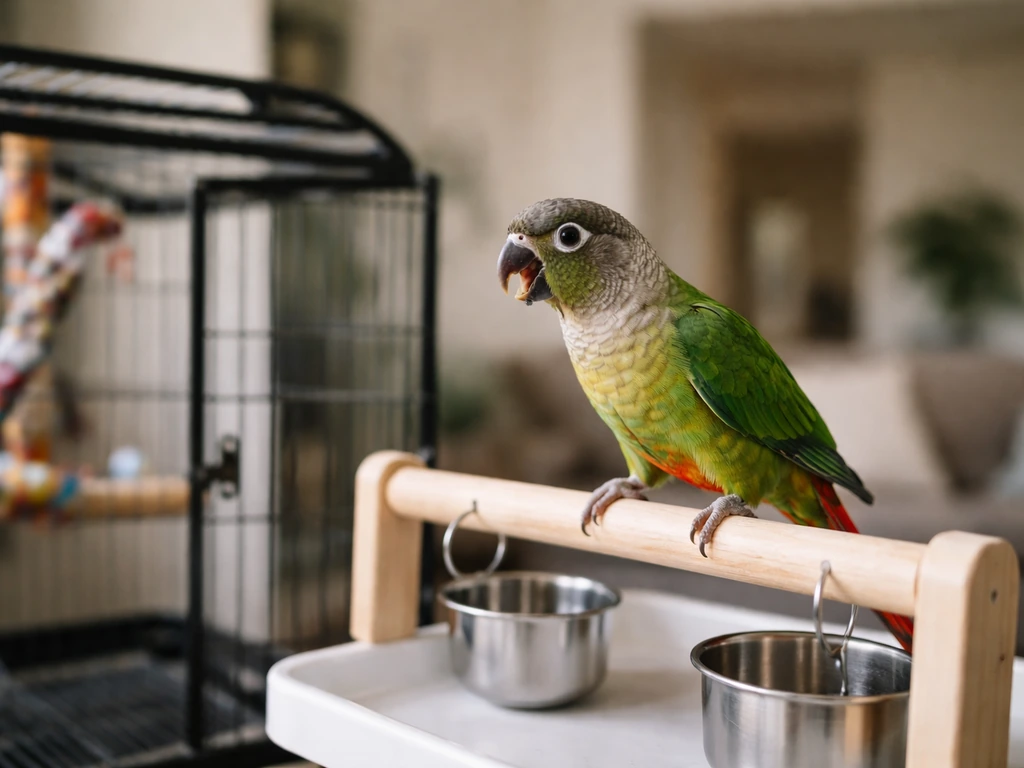
Common reasons a bird hisses at you
Hissing is one of the clearest "back off" signals a bird has. It almost always means the bird is trying to tell you something before it escalates to biting or lunging. Here are the reasons it happens most often:
- Fear: Something startled the bird, a new person entered the room, or it was cornered and feels it cannot escape.
- Overstimulation: Too much petting, too long a handling session, or too much activity in the environment pushed the bird past its comfort threshold.
- Territorial behavior: The bird is guarding its cage, a favorite perch, a toy, or even a particular person in the household.
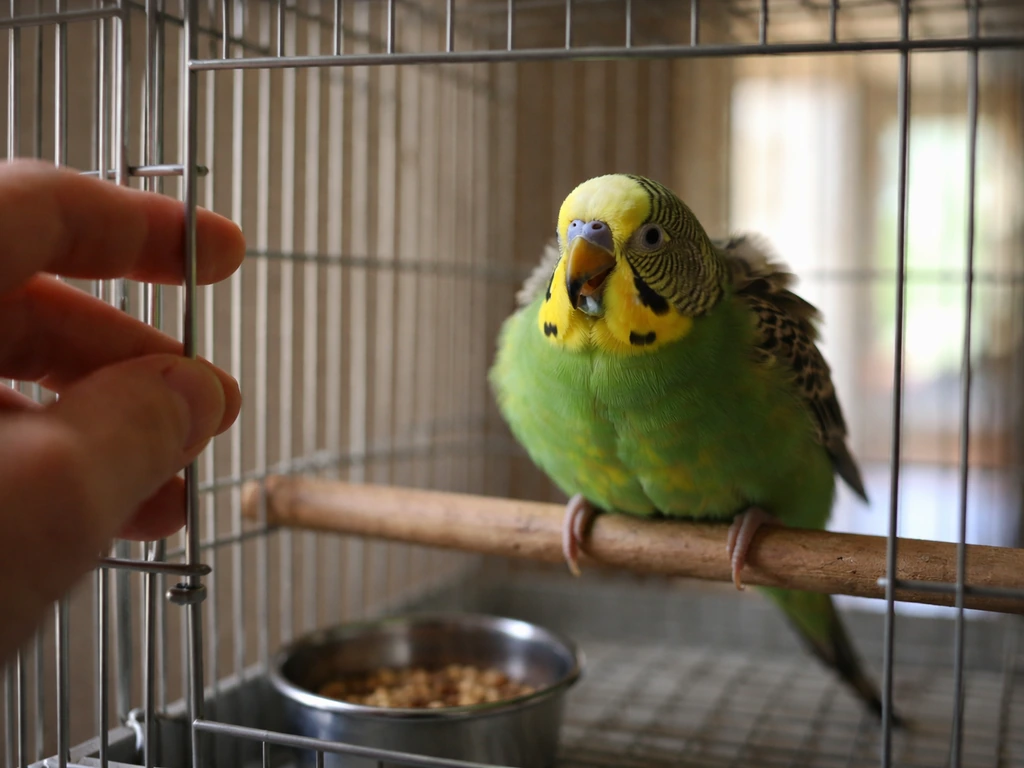
- Lack of trust or unfamiliarity: A new bird, or one that has not been handled much, will hiss at hands approaching the cage.
- Recent environmental changes: Moving the cage, a new pet in the home, rearranged furniture, or a change in routine can spike anxiety and trigger hissing.
- Hormonal or breeding-season behavior: During breeding season, parrots respond strongly to day length as a hormonal cue. A bird in breeding mode can become suddenly protective, nippy, and defensive, even toward people it normally tolerates.
- Pain or illness: A bird that is hurt, sick, or uncomfortable may hiss when you approach because any contact feels threatening. This one matters and is covered in detail below.
The most common causes are behavioral, not medical. But it is worth ruling out illness early, especially if the hissing came on suddenly with no obvious environmental trigger.
What hissing looks like alongside other body language
Hissing rarely shows up alone. The body language around it tells you a lot about what the bird is actually feeling. A frightened bird and a territorially aggressive bird can both hiss, but they look quite different.
| Body Language Cluster | What It Usually Means |
|---|---|
| Hissing + flat crest + crouching posture | Defensive aggression, ready to bite if pushed further |
| Hissing + puffed feathers + slight rocking | Fear response, bird feels cornered or threatened |
| Hissing + wings held slightly away from body + fanned tail | High stress, possibly overheated or overwhelmed |
| Hissing + pinning eyes (pupils rapidly dilating/contracting) + upright stance | Alert aggression, territorial or excited |
| Hissing + turned back + tight feathers | Wants to be left alone, likely overstimulated |
| Hissing + open beak + lunging | Escalation warning, bite is coming if you do not back off |
Pay attention to whether the bird relaxes or escalates after you change your behavior. If you step back and the hissing stops within a minute or two, the trigger was almost certainly your approach or presence at that moment. If the bird stays tense or keeps hissing with no clear provocation, look more carefully at health and environment.
Also note the context. Is the hissing happening every time you reach into the cage? Only in the morning? Only when a specific person walks in? Patterns like these narrow things down quickly.
Immediate things to do right now
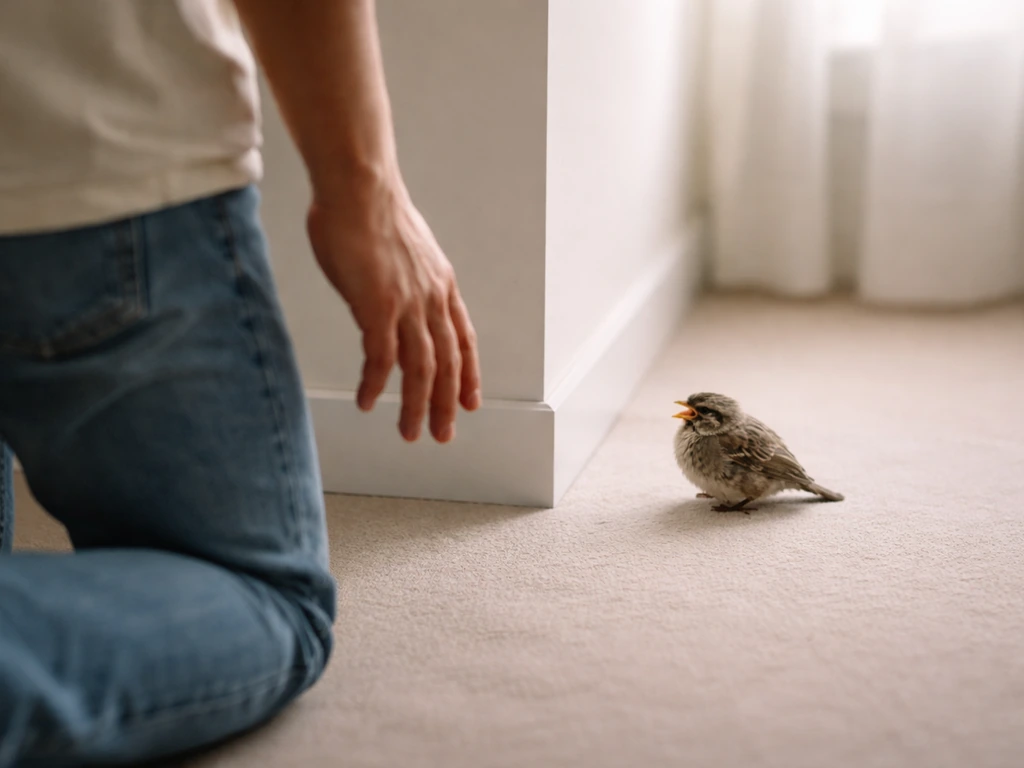
If your bird is hissing at you today, here is how to respond in the moment and reset the situation without making things worse.
- Stop and back off immediately. Do not push through the hissing. If you keep approaching, the bird's next move is a bite or a lunge. Hissing is its last verbal warning before physical escalation.
- Lower the stimulation in the room. Turn down loud music, mute the TV, ask other people to leave the room or move away from the cage. A quieter, calmer environment gives the bird a chance to settle.
- Check the lighting. Unusually bright light or artificial light left on too many hours per day can trigger hormonal behavior. Aim for roughly 10 to 12 hours of light and consistent dark periods each day.
- Look for obvious triggers and remove them. A mirror placed too close, a new toy that looks threatening, another pet staring at the cage, or even a piece of clothing you are wearing can set a bird off.
- Give the bird at least 10 to 15 minutes of undisturbed quiet before attempting any interaction.
- When you do approach again, move slowly and let the bird see your hands clearly. Come from the front, not from above. Approaching from above mimics a predator.
- Use positive reinforcement, not pressure. Offer a favorite treat near the cage without asking for anything. Let the bird choose to approach you. Short, predictable sessions work far better than long forced ones. Only progress to step-up practice when the bird is visibly relaxed and offering calm body language, not when it is still tense.
- Do not punish hissing. It is communication. Punishing it will either suppress the warning (which leads to sudden biting with no signal) or increase fear.
How to rule out stress, fear, territory, and mate or breeding behavior
Before assuming something is seriously wrong, work through the most common behavioral causes methodically.
Stress and fear
Think back over the past week or two. Did anything change? A new person, pet, or object in the home? A moved cage? A change in your schedule? Stress-related hissing usually tracks closely with a specific change. If you can identify and reverse it, or gradually introduce the bird to it, the hissing typically fades. If the bird has always been shy around hands, this is a trust and handling history issue that takes patient, consistent positive reinforcement to work through.
Territorial behavior
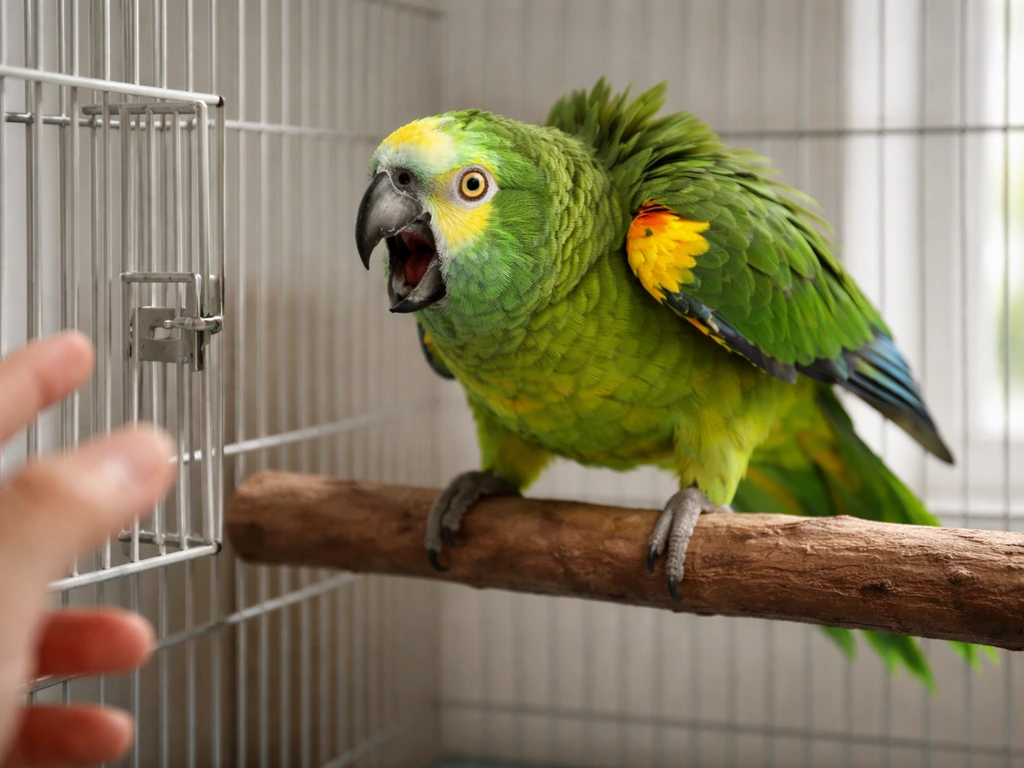
A territorial bird often hisses specifically when you approach the cage, a particular perch, or a bonded person. If your bird is fine outside the cage but goes on the attack the moment you reach inside, territory is the most likely cause. Try interacting with the bird outside the cage on neutral ground and see if the behavior drops off. If it does, work on cage-approach desensitization using treats.
Hormonal and breeding behavior
blank" rel="noopener noreferrer">Parrots rely on day length to regulate their breeding hormones. If your bird is getting more than 12 hours of light per day (natural plus artificial), hormones can stay elevated longer than they should, leading to persistent defensive or mate-guarding behavior. Signs that hormones are the driver include your bird becoming suddenly more aggressive in spring, regurgitating food at you, seeking out dark enclosed spaces, or showing physical signs like a swollen vent. You might also notice behavior that looks like the bird is treating you as a mate, which is a related pattern worth understanding on its own. Sometimes “mate-guarding” behavior can show up as actions like trying to mate with you, so it helps to look for hormonal and breeding cues as well. Adjusting the light schedule to 10 to 12 hours of light and 12 to 14 hours of uninterrupted darkness can meaningfully reduce hormonal intensity within a few weeks.
Health red flags that can cause aggression or hissing
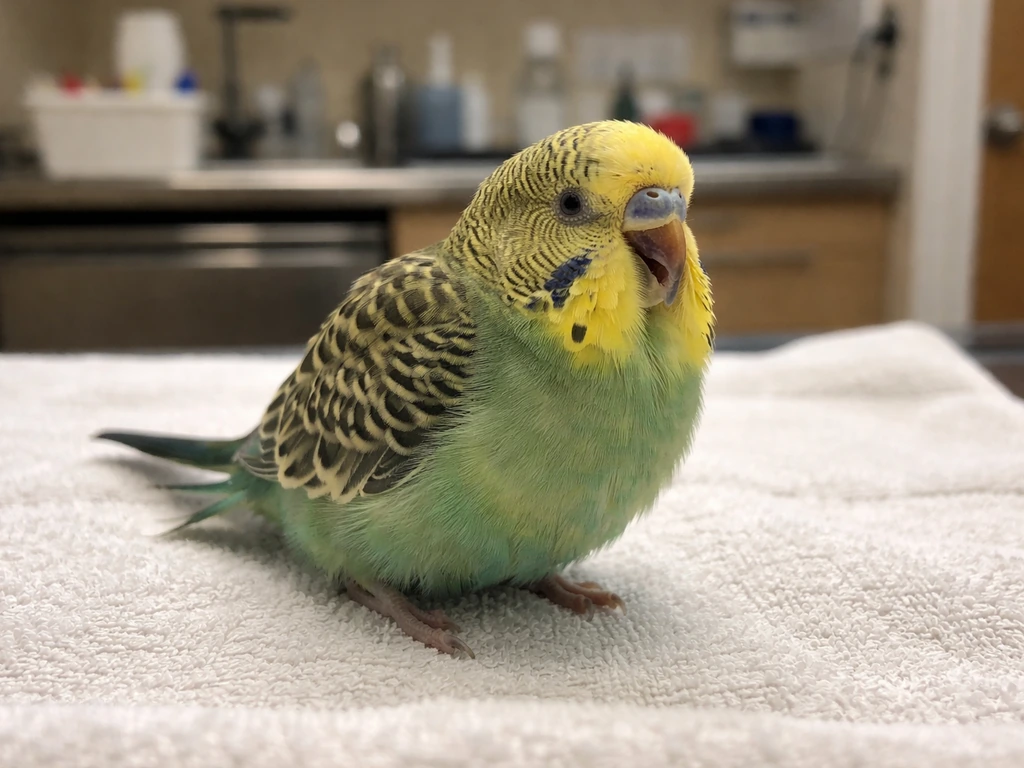
Birds are wired to hide illness. By the time they show obvious symptoms, they are often already quite sick. If your bird is hissing and any of the following signs are also present, shift from behavioral troubleshooting to a vet call.
- Open-mouth breathing or tail bobbing with each breath: These are urgent warning signs of respiratory distress. A bird that is hissing or making wheezing sounds while breathing open-mouthed needs same-day veterinary attention.
- Lethargy or sitting fluffed at the bottom of the cage: A healthy bird stays on its perch and is relatively alert. Sitting on the cage floor, barely moving, is a red flag.
- Loss of appetite or not drinking: Any significant drop in food or water intake warrants a vet call.
- Changes in droppings: Unusually watery, discolored (red, black, or bright yellow/green urates), or absent droppings all signal something may be wrong internally.
- Limping, drooping wing, or difficulty gripping the perch: These suggest injury or neurological issues. Birds hide pain well, but if they cannot use a limb properly, they may hiss defensively when touched near the affected area.
- Discharge from the eyes, nostrils, or beak: Any unusual discharge is a veterinary concern.
- Unexplained feather loss or skin irritation alongside behavioral changes: Could point to hormonal imbalance or other medical issues.
- Sudden aggression in a previously gentle bird with no environmental change: When the behavior seems to come from nowhere and nothing in the environment explains it, illness or pain is often the reason.
If you are seeing any of these signs, do not try to manage the hissing with training. Keep the bird warm and calm in a low-stimulation area, and contact an avian vet. Do not give human medications or over-the-counter remedies.
When to contact an avian vet and what to track
Call an avian vet the same day if you see blank" rel="noopener noreferrer">open-mouth breathing, wheezing, lethargy, no droppings for more than 24 hours, or any sign of physical injury. Merck Veterinary Manual notes that respiratory trouble in pet birds can include blank" rel="noopener noreferrer">wheezing and tail bobbing while breathing. These are not wait-and-see situations with birds.
For behavioral hissing without health red flags, give your adjustments three to seven days. If the hissing is not improving or is getting worse despite reducing triggers and adjusting your approach, a vet consultation is still a smart move, especially to rule out subtle pain or hormonal issues that are hard to see from the outside. A vet may also discuss options like light-schedule management or, in cases of severe and persistent hormonal dysfunction, hormonal therapies used in avian practice.
When you do contact a vet, having specific observations ready will get you faster and more useful help. Track the following and write it down:
- When the hissing started and whether it came on suddenly or gradually
- What specific triggers seem to set it off (approaching the cage, a particular person, certain times of day)
- The exact body language you see alongside the hissing
- Whether the bird's appetite and water intake are normal
- What the droppings look like (color, consistency, frequency)
- Any sounds during breathing (wheezing, clicking, raspy quality)
- Recent changes in the home, diet, lighting, or routine
- Any possible exposure to toxins, fumes, or other pets
- How long a typical hissing episode lasts and whether the bird settles on its own
That list gives an avian vet a much clearer picture and can be the difference between a quick answer and a prolonged back-and-forth. The more specific you are, the faster you get to a solution.
Most of the time, a hissing bird is a bird that is trying to communicate something it has no other way to express. Respect the warning, back off, reduce the trigger, and approach with patience. That combination resolves the majority of hissing issues without any vet visit at all. If you are wondering whether your bird loves you, focus on signs of trust and comfort rather than hissing or fear signals. If your question is specifically about why a bird refused to meet Louie, the answer usually comes down to fear, overstimulation, or a trigger tied to that person’s presence. But when the warning signs point to something physical, act quickly, because birds do not have the luxury of time the way larger animals do.
FAQ
What should I do in the moment if my bird hisses at me right now?
Step back and lower your presence, then avoid reaching toward the bird for a short window (for example, 1 to 2 minutes). If you want to interact later, re-enter more slowly and offer a treat from a distance, so the bird learns that backing away leads to calmer conditions rather than prolonged handling attempts.
How can I tell whether the hissing is triggered by my actions versus hormones or the environment?
Yes. If the bird hisses only during specific times or events, treat that as a clue: morning hissing can be tied to hormones or light changes, while hissing on hand-in-cage moments often points to territory or guarding of a favorite perch. Recording time-of-day and what you were doing right before the hiss usually reveals the pattern faster than guessing.
My bird seems fine outside the cage but hisses when I reach in. What does that usually mean?
If your bird hisses every time you approach the cage but seems calm in the rest of the room, the “cage context” is doing the work. Many birds defend the cage entrance, a particular perch, or even the corner they spend the most time in, so desensitize to your approach outside the cage first and only later pair cage entry with treats.
Is it okay if the hissing stops quickly, or does that not matter?
Don’t rely on hissing duration alone. A bird can hiss briefly and still be very stressed, but long, continuous hissing along with fluffed posture, tail pumping, or sustained avoidance is more concerning. If the bird is still tense for several minutes after you stop the trigger, escalate your search for health issues and persistent stressors.
What are some common household overstimulation triggers that make birds hiss?
Overstimulation triggers matter. Loud talking, quick movements, multiple people approaching at once, or offering toys right in front of the bird can cause defensive hissing even in otherwise healthy birds. Try one change at a time (for example, quieter room, slower movements, fewer people) so you can identify which factor you need to reduce.
Can body language tell the difference between fear and aggression when my bird hisses?
If your bird hisses while backing away, turning its head away, or leaning to the side, it is giving “space” signals. If it hisses while stepping forward toward you, crouching, or focusing hard on your hand, that can be “advance” behavior. Matching your response to the direction of the bird’s body language helps prevent escalation to biting.
When should I stop troubleshooting behavior and assume it could be illness?
If hissing is new or suddenly worse, prioritize a health check. Birds can hide illness, but sudden onset with no clear behavior change, especially paired with reduced appetite, unusual droppings, or breathing noises, warrants an avian vet visit rather than only training adjustments.
What exact observations should I write down before contacting an avian vet?
Track and share specifics like: when it happens (time-of-day), what you do (reach in, talk, clean, approach a perch), how the bird’s body looks (fluffed, leaning, tail position), and whether droppings and appetite change. Even one or two “before and after” details, like “hisses begins 10 seconds after I open the cage,” can help a vet narrow the cause quickly.
If hormones might be the cause, do I need to worry about anything besides total hours of light?
For hormonal drivers, the light schedule matters, but also ensure darkness is truly uninterrupted. Nighttime disruptions (bright lights, leaving a TV on late) can keep hormones elevated even if you think you are within a normal “hours of light” window.
My bird hisses at me but not at others. How can I figure out why, and what should I change first?
Yes. If the bird targets you when you approach a specific person or you smell like something new (food, fragrance, cleaning product), the trigger can be scent or social association rather than you personally. Try consistent, scent-neutral routine for a few days and work with treats from a distance to rebuild predictability.