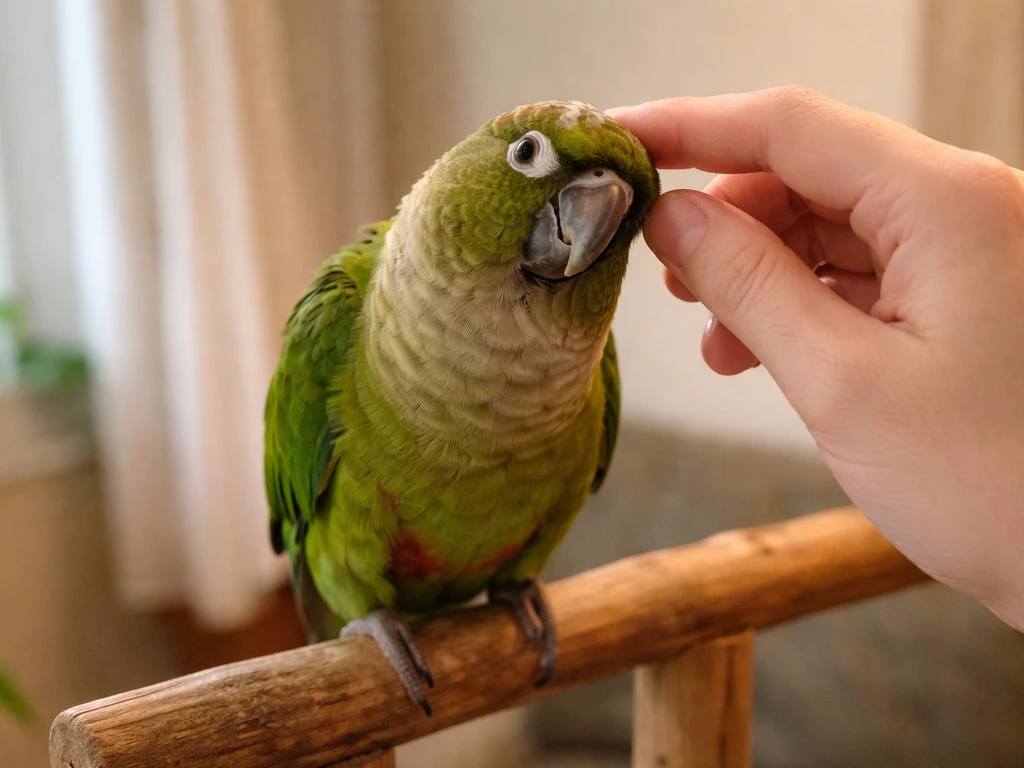
A bird yawning once or twice, especially after waking up or before settling in for the night, is completely normal. It's a stereotyped gaping behavior, jaw wide open with a deep breath, and most of the time it just means your bird is relaxed, tired, or adjusting its crop or throat. The concern starts when yawning becomes frequent, repetitive, or comes bundled with other symptoms like tail bobbing, fluffed feathers, or labored breathing. That combination can point to something worth taking seriously.
Why Does My Bird Keep Yawning? Causes and What to Do

Marcus Chen
23 Apr 2026
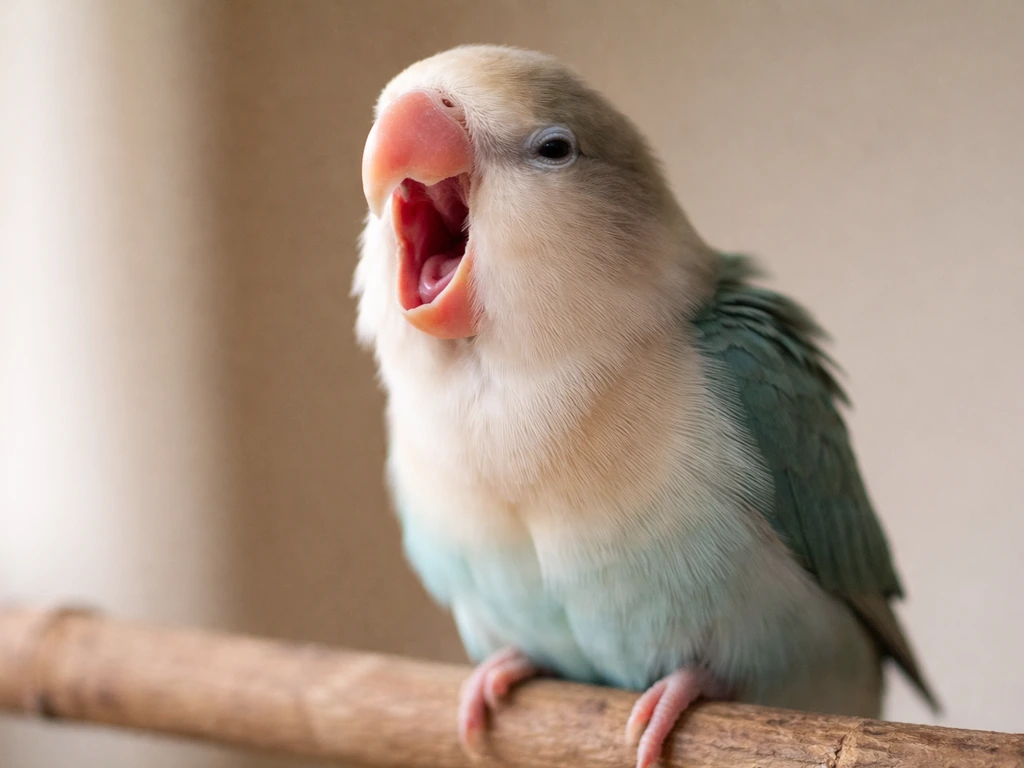
What yawning actually means in pet birds (normal vs. not)
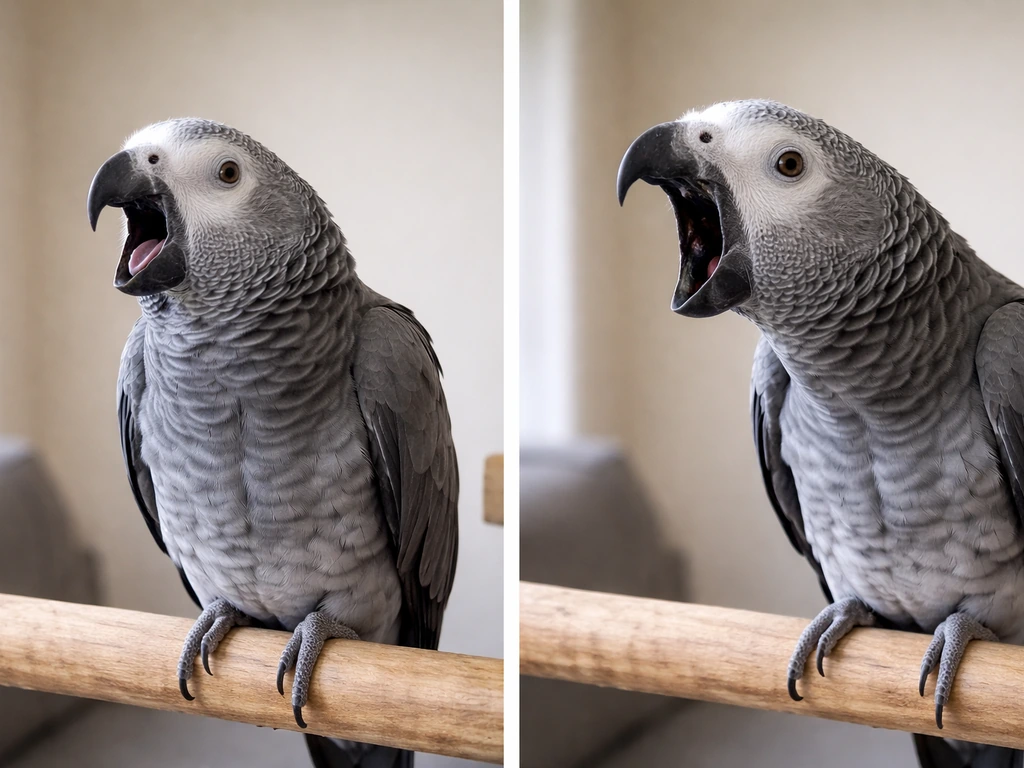
Bird yawning looks a lot like human yawning: the beak opens wide, the neck stretches, and there's a visible deep inhale. Avian vets describe this as a normal behavior that birds commonly do just before roosting, after waking up, or during a relaxed, quiet moment. It's essentially a comfort behavior.
Where it crosses into territory worth watching is when the beak stays open, when the bird seems to be working to breathe, or when the yawning is happening repeatedly throughout the day with no obvious relaxation context. True breathing-through-the-mouth behavior is different from a yawn, and distinguishing between the two is the first thing you want to figure out.
| What it looks like | Likely normal | Potentially a concern |
|---|---|---|
| Frequency | Once or twice, especially at rest or bedtime | Repeated throughout the day |
| Duration | Brief, beak closes quickly | Beak stays open or bird keeps gaping |
| Timing | After waking, before roosting | Random, constant, or during activity |
| Other signs | None, bird acts normal | Tail bobbing, fluffed feathers, lethargy |
| Sound | Silent | Wheezing, clicking, or audible effort |
| Posture | Relaxed, normal | Stretched neck at rest, hunched, or fluffed |
Common non-medical reasons your bird keeps yawning
Before jumping to health concerns, run through the most common benign causes. Most frequent yawning in otherwise healthy, active birds traces back to one of these.
- Tiredness or post-nap stretching: Birds yawn when they wake up, just like we do. If your bird just had a nap or is winding down toward bedtime, a few yawns are expected.
- Crop adjustment: Parrots and other birds will gape and stretch their necks to adjust food moving through the crop. This is especially common after eating and looks very much like yawning.
- Relaxation and comfort: A bird that feels safe and settled in its environment will sometimes yawn as a sign of contentment, similar to how a relaxed cat stretches and yawns.
- Boredom or low stimulation: Birds with not enough to do can develop repetitive behaviors. If your bird's environment lacks toys, foraging opportunities, or social interaction, unusual repetitive behaviors including excessive gaping can develop.
- Social mirroring: Birds pick up on cues from their owners and flock mates. If you yawn near your bird, don't be surprised if it yawns back. This kind of social contagion has been documented across animal species.
- Temperature or lighting changes: A room that's too warm, or a lighting schedule that doesn't match a natural day-night cycle, can make a bird feel off and lead to more frequent yawning or drowsiness.
Health and discomfort causes that can look like yawning
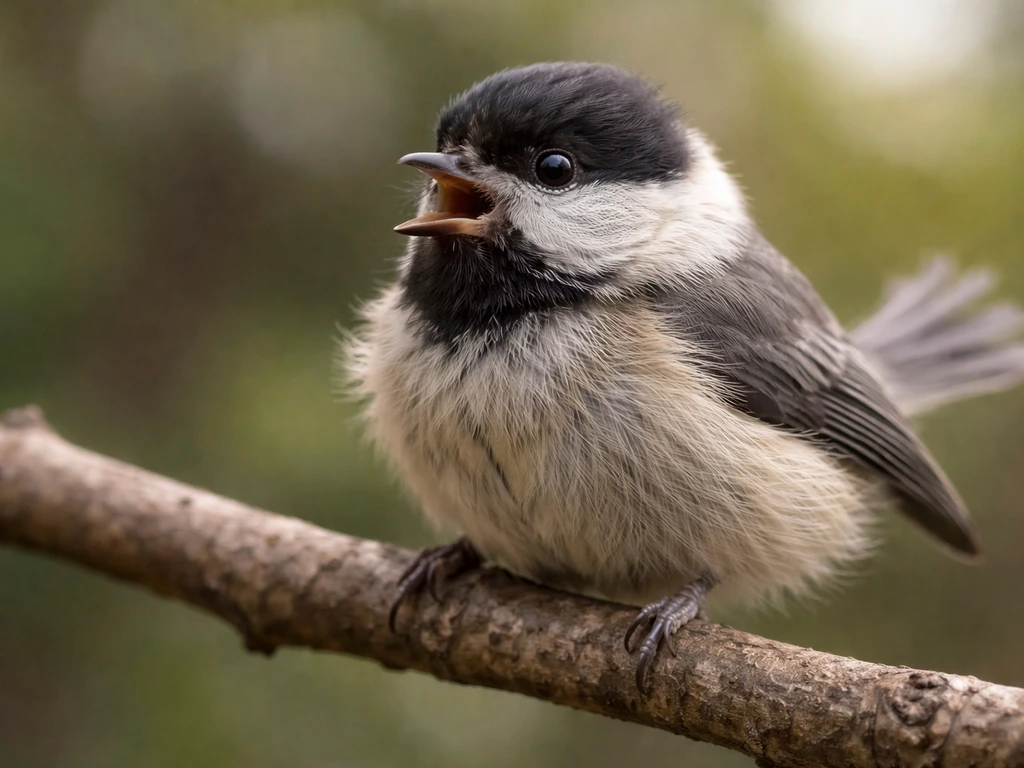
This is where you need to pay close attention. Some conditions cause birds to repeatedly open their beaks in a way that looks like yawning but is actually the bird struggling to breathe or clear an obstruction. Birds are also very good at hiding illness, so by the time a symptom is obvious, it may have been building for a while.
Respiratory discomfort
If a bird has blocked or irritated airways, a plugged nare, or early-stage respiratory infection, it may open its beak repeatedly to get more air. This is different from a relaxed yawn because the bird keeps doing it, may stretch its neck forward to open the airway, and often shows other signs at the same time like tail bobbing (the tail moving up and down with each breath), increased sternal motion, or audible sounds like wheezing or clicking. These are the signs avian vets flag as serious and they mean the bird is working harder than normal just to breathe.
Airborne irritants and fume exposure
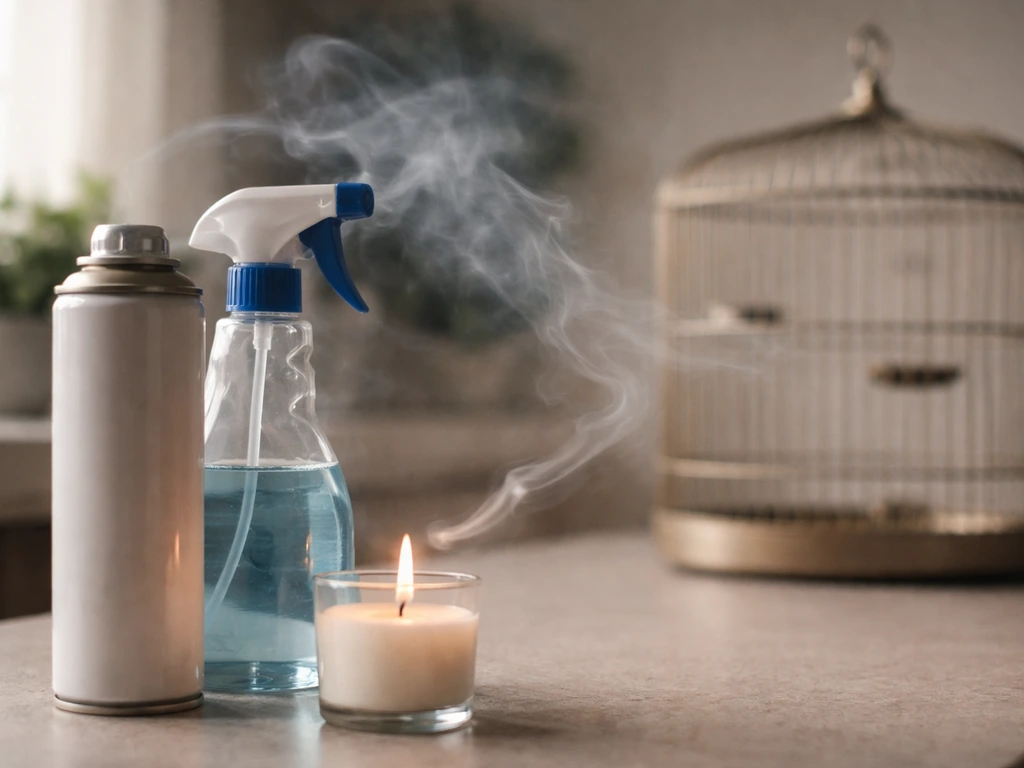
Birds have an incredibly sensitive respiratory system. Fumes from overheated non-stick cookware (Teflon and similar PTFE coatings), aerosol sprays, candles, cleaning products, or even strong perfumes can cause immediate respiratory distress. PTFE fumes in particular can be fatal to a small bird within minutes when the coating is overheated. If your bird started yawning or gaping suddenly after any household product was used nearby, treat this as an emergency and move the bird to fresh air immediately.
Oral or throat discomfort
A foreign body, infection, or irritation in the mouth or throat can cause repeated gaping as the bird tries to clear the discomfort. You might notice the bird pawing at its beak, head shaking, or showing changes around the mouth area like mucus or swelling.
General illness and fatigue
A bird that's not feeling well will often be more lethargic and may yawn or gape more than usual. This tends to come with a cluster of other changes: fluffed-up feathers, reduced appetite, changes in droppings, and less interest in interacting. If you're seeing yawning alongside any of those, the picture shifts from "normal tiredness" to "this bird needs a vet check."
How to check your bird's other symptoms right now
Watching your bird carefully for a few minutes with fresh eyes will tell you a lot. Go through this checklist and note what you're actually seeing, not what you expect to see.
- Watch the tail: Is it moving up and down with each breath? Even subtle tail bobbing at rest is a red flag for labored breathing.
- Listen for sounds: Any wheezing, clicking, or wet-sounding breathing? A healthy bird breathes silently.
- Check the posture: Is the bird fluffed up, hunched, or sitting on the cage floor? These are illness postures.
- Look at the beak and nares: Are the nostrils (nares) clear, or is there discharge, crustiness, or blockage? Is there anything visible around or inside the mouth?
- Observe the breathing rate: Does the chest or body look like it's working harder than normal? Increased sternal motion is a sign of respiratory effort.
- Check droppings: Changes in color, consistency, or volume (especially very watery or absent droppings) are a common early illness sign.
- Note appetite and activity: Has your bird eaten today? Is it interested in its usual activities, toys, and interactions? Reduced appetite or withdrawal is significant.
- Think about timing: Did the yawning start suddenly, or has it been gradual? Did anything change in the environment recently: new products, cooking, cleaning, temperature shifts?
Quick fixes you can try today
If your bird is otherwise acting normal, eating well, and showing no respiratory symptoms, these environmental and routine checks are worth doing right now.
Check the environment
- Ventilate the room: Open a window or door and make sure there's fresh air moving through the space. If you've used any sprays, candles, or cooked with non-stick pans recently, move the bird to a well-ventilated area immediately.
- Check the temperature: Birds are comfortable between roughly 65 and 85 degrees Fahrenheit. If the room is too warm, the bird may be panting or gaping to cool down.
- Review the lighting schedule: Birds need a consistent day-night cycle, ideally 10 to 12 hours of darkness for sleep. If the room is too bright at night or the schedule is irregular, it disrupts sleep quality and can cause fatigue-related yawning.
- Remove potential irritants: No aerosol sprays, scented candles, air fresheners, or non-stick cookware near the bird.
Look at the routine
- Make sure food and water are fresh: Check that the water bowl isn't contaminated, food isn't spoiled, and your bird is actually eating.
- Add enrichment if the cage is bare: Toys, foraging activities, and social interaction prevent boredom-driven repetitive behaviors. Rotate toys regularly to keep things interesting.
- Reduce stress triggers: If there have been recent changes (new people, new pets, rearranged furniture, a new cage location), give your bird time to adjust and try to restore familiarity where possible.
- Give your bird some attention: Sometimes yawning or unusual behavior is simply a response to low social stimulation. Spend some calm, quiet time near the cage.
It's worth noting that behavior changes, including increased yawning, sometimes connect to social stress or relationship dynamics. Some social behaviors, including mating or mounting-like attempts, can also show up alongside changes in yawning and gaping, so consider the context with your bird’s partner or cage mate is my bird trying to mate with me. If Louie and your bird seem to have a tension problem, that can explain why the bird would refuse to meet him even when the environment looks fine social stress or relationship dynamics. If your bird is responding to tension in its environment, whether from other birds or changes in its bond with you, that emotional context matters too. If you’re wondering whether your bird loves you back, looking for regular, friendly body language and relaxed bonding can help you read the relationship context does my bird love me.
When to contact an avian vet (and what to prepare)
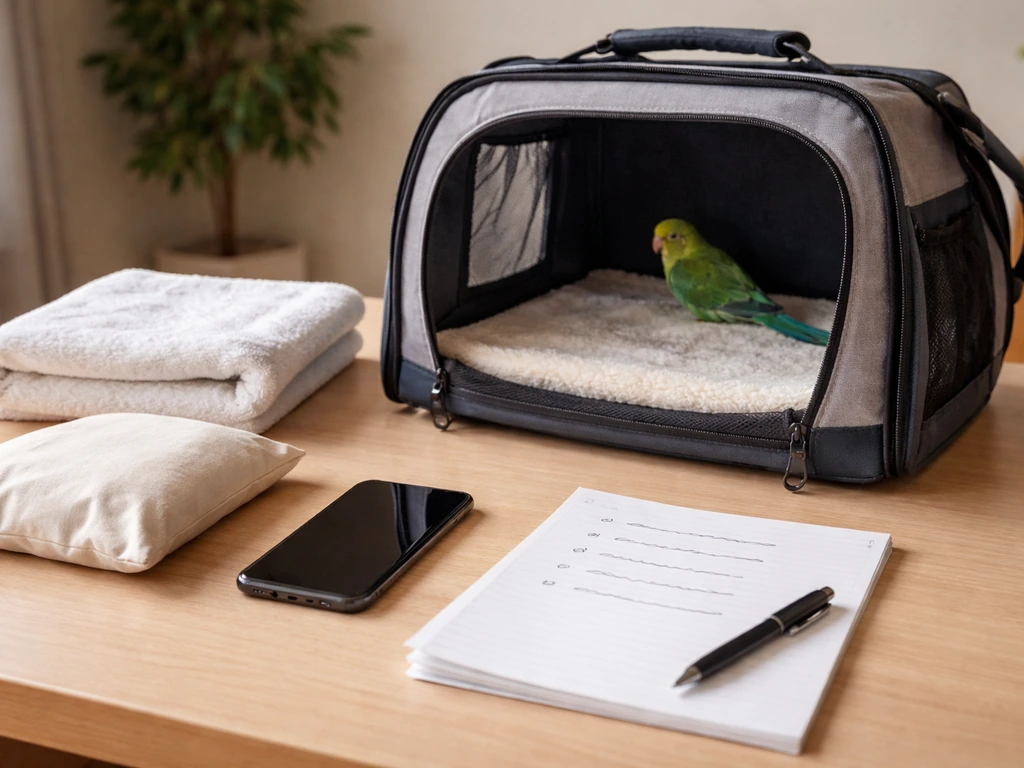
Call an avian vet if you see any of the following. Don't wait to see if it improves on its own. Birds deteriorate quickly once symptoms become visible.
- Tail bobbing at rest (tail moving up and down with each breath)
- Open-mouth breathing that isn't brief or situational
- Any audible breathing sounds: wheezing, clicking, or wet sounds
- Neck outstretched at rest as if the bird is straining to breathe
- Sudden onset of gaping after potential fume or chemical exposure (treat as emergency)
- Fluffed feathers combined with reduced appetite or lethargy
- Changes in droppings alongside any of the above
- The bird sitting on the cage floor or unable to perch normally
When you call, be ready to describe exactly what you're seeing and when it started. The vet will want to know: how often the yawning or gaping happens, whether the tail is bobbing, whether there are any sounds with breathing, what the droppings look like, whether the bird has eaten today, and whether anything changed in the environment recently (new products, cooking, cleaning, temperature, new animals or people).
If possible, take a short video of your bird before the appointment. Avian vets specifically note that once a bird settles in an exam room, it may suppress visible symptoms due to stress, so footage from home is genuinely useful. A vet visit for respiratory concerns typically involves a physical exam, and may include imaging like digital X-rays or other diagnostics depending on what the initial exam shows.
The most important thing to take away: one or two yawns in a relaxed, active bird that's eating normally is almost certainly nothing to worry about. If your bird is hissing at you, pair that behavior with what it is doing when it breathes and how it reacts to you, since it can also point to stress or discomfort why is my bird hissing at me. Repeated gaping, especially with any of the respiratory warning signs above, is not something to sit on. Avian medicine works best when problems are caught early, and an annual well-bird checkup with an avian-savvy vet is the best way to catch issues before they become urgent.
FAQ
If my bird only yawns at certain times, like right after I enter the room, is that still normal?
It can be. Birds often gape or yawn as they adjust after waking, shifting perches, or settling into a new routine. If it happens mainly around movement or loud activity, watch for additional cues like fluffed feathers, tail bobbing, or rapid breathing, those suggest stress or airway irritation rather than simple relaxation.
How can I tell a yawn from breathing trouble when the beak opens?
A relaxed yawn is usually brief, the bird looks calm, and breathing sounds are normal afterward. Breathing trouble tends to be repetitive and effortful, with increased sternal movement, neck stretching forward, open-mouth gaping that does not stop after the bird settles, or audible wheezing or clicking. If you are unsure, treat it as possible respiratory distress and contact an avian vet.
Is mouth gaping without other symptoms ever serious?
Yes. Some respiratory or throat issues start subtly, and birds often hide illness until it progresses. If gaping becomes frequent, lasts longer than a typical yawn, or the beak stays open between breaths, do not assume it is harmless, especially if appetite or droppings change at the same time.
What immediate steps should I take if I suspect fumes or overheating?
Move your bird to fresh air right away, away from the source, and do not use fans to blow fumes toward the cage. If non-stick fumes were involved, keep the environment quiet and warm but not hot, and call an avian vet urgently even if your bird seems alert, because PTFE exposure can worsen quickly.
Can cage cleaners or room scents cause gaping that looks like yawning?
Yes. Aerosol sprays, strong perfumes, fragranced plug-ins, and many cleaning products can irritate a bird’s airway and trigger repeated open-beak gaping. Ventilate the area, remove the bird from the room during use, and switch to bird-safe, non-aerosol cleaning methods when possible.
If my bird has mucus, swelling, or pawing at the beak, should I treat it like a foreign-body issue?
Those signs can indicate irritation or a problem in the mouth or throat. Do not try to remove anything you can see with tools, as this can injure tissue or worsen bleeding. Instead, schedule an avian exam promptly, especially if gaping repeats or the bird has trouble swallowing.
Could yawning increase if my bird is mating or stressed by a cage mate?
Yes. Hormonal behaviors or social tension can change how often a bird gapes or stretches, particularly around a partner. However, social context does not rule out health problems, so still check for respiratory indicators like tail bobbing, audible breathing, or effortful open-mouth breathing.
What should I record before calling the vet?
Note the start time, how many episodes occur in a day, how long each episode lasts, whether the tail bobs or the neck stretches forward, and whether there are sounds like wheeze or click. Also record appetite and droppings, plus any recent changes in cooking, cleaning, scents, temperature, or new people or animals.
Is it helpful to video my bird, and what should the video include?
Yes. Record 30 to 60 seconds showing the bird at home with breathing visible. Try to capture at least one episode of open-mouth gaping, include a view of the tail and chest movement, and note any triggers like after waking or after you enter the room.
When is it urgent, and I should not wait to see if it improves?
Treat it as urgent if gaping is frequent and effortful, if you see tail bobbing or increased chest motion, if breathing sounds are abnormal, if the beak stays open, or if the bird’s appetite or energy drops. Birds can deteriorate quickly once respiratory signs appear, so call an avian vet right away when any of those warning signs are present.
Do annual wellness checks prevent breathing problems from becoming emergencies?
They can. A regular avian-savvy checkup helps catch early issues, like subtle respiratory inflammation or weight changes, before symptoms like repeated gaping become obvious. If your bird is prone to respiratory irritation, ask the vet what environmental adjustments and screening schedule make sense for your specific species.
Next Article
Is My Bird Trying to Mate With Me? Signs and Fixes
Learn why your bird mounts, rubs, regurgitates, or woos, how to reduce hormonal cues, and when to see an avian vet.