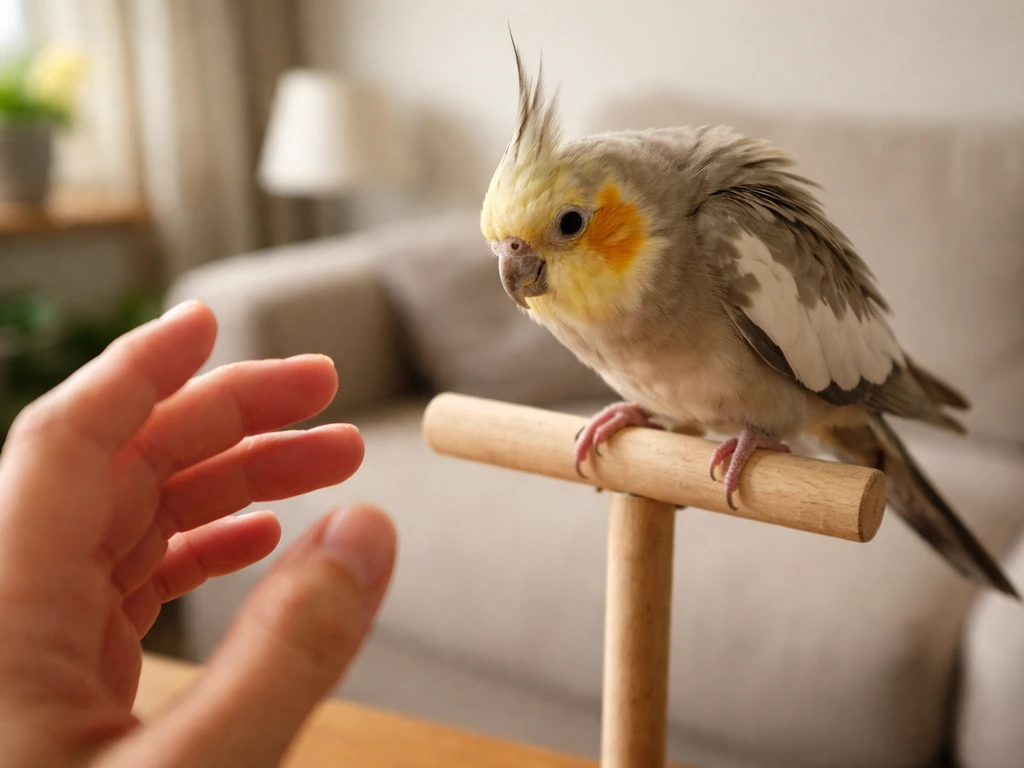
Your bird almost certainly does not hate you. What looks like hatred is almost always fear, stress, hormonal behavior, or a trust problem that hasn't been addressed yet. The good news: all of those things are fixable, and you can start making real progress today.
My Bird Hates Me What Can I Do Today to Build Trust

Marcus Chen
26 Jun 2026
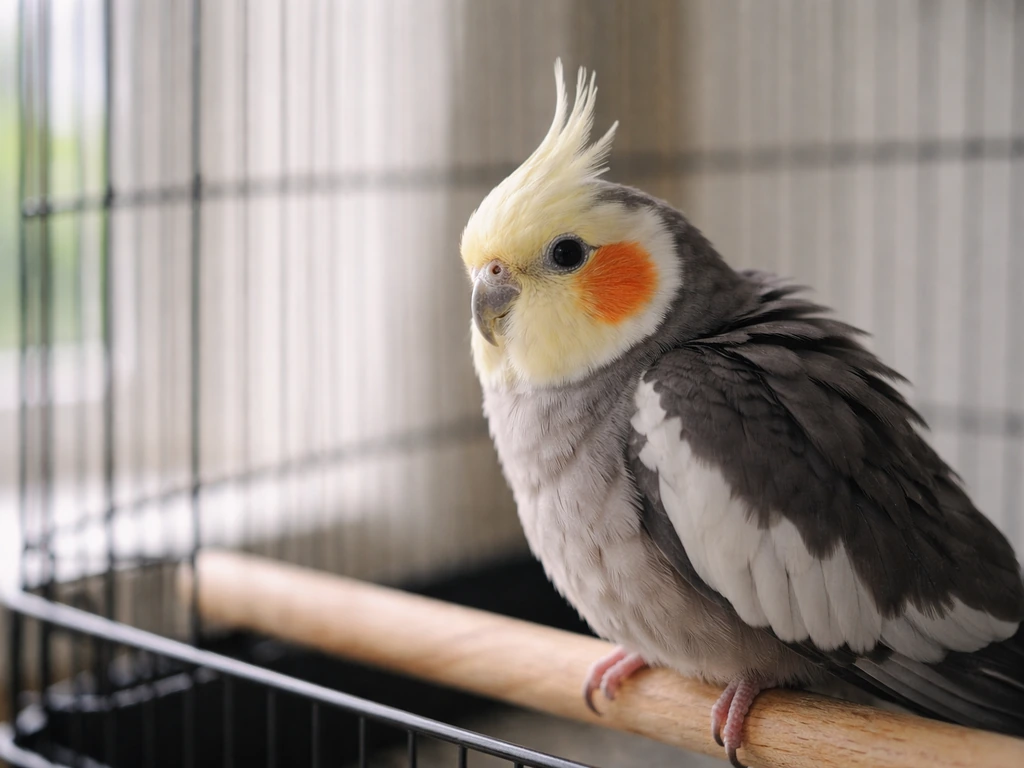
What "bird hates me" usually means
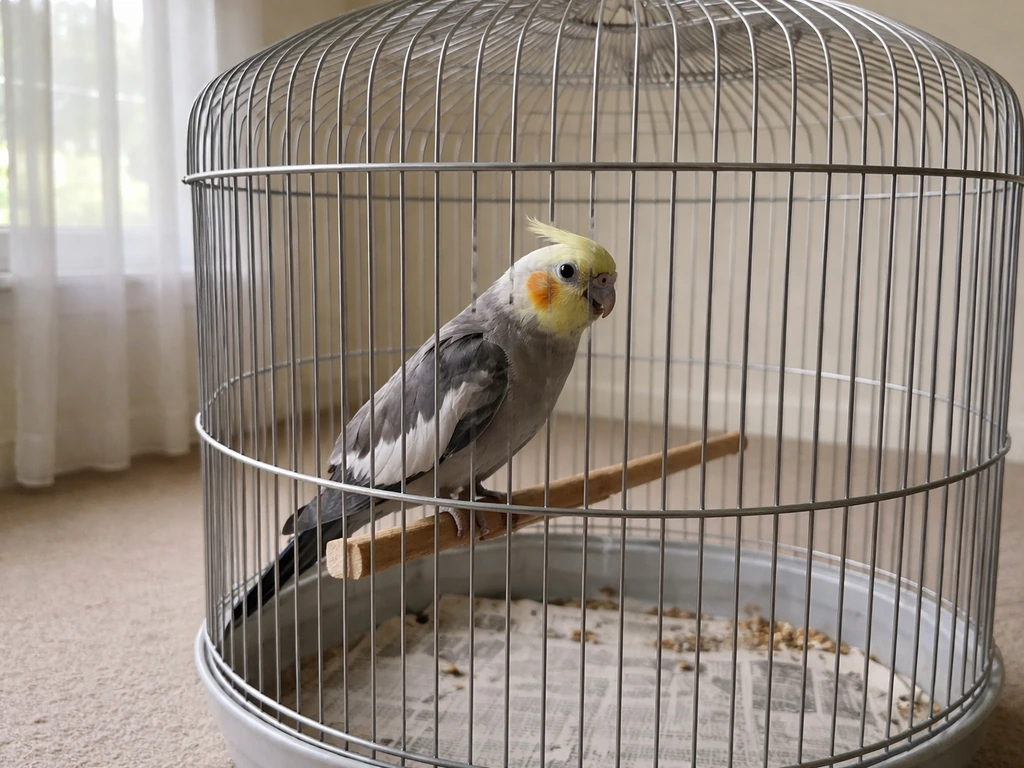
Birds do not experience hatred the way humans do. When your bird bites, lunges, screams, or flies away from you, it is communicating something specific. The most common causes are fear, stress, territorial behavior, overstimulation, hormonal shifts, and simply not having built enough trust with you yet. SpectrumCare also warns that fear, cage territoriality, nesting behavior, overstimulation, frustration, jealousy or favored-person targeting, and redirected aggression can all be mistaken for “hostility,” and pushing through warning signs is unsafe fear, cage territoriality, nesting behavior, overstimulation, and redirected aggression. Misreading these signals as personal rejection is one of the biggest reasons the problem gets worse instead of better.
Learning to read your bird's body language is the first practical step. A bird that is about to bite is usually giving you clear warnings first. Watch for:
- Feathers puffed up to look larger than normal
- Tail fanning or rapid tail flicking
- Eyes pinning (pupils rapidly dilating and contracting)
- Leaning or shifting their body away from you
- Lunging forward with the beak before contact
- Hissing, growling, or a low warning vocalization
These are not random. They are a sequence. Most birds will lean away, then pin their eyes, then lunge before they actually bite. If you learn to stop at the lean, you avoid the bite entirely and the bird learns it does not need to escalate.
Common root causes worth knowing: fear of hands (especially if the bird was not well-socialized early), cage territoriality (many birds are protective of their cage and will be completely fine once outside it), nesting or hormonal behavior (common in spring and in birds that are being petted in ways that trigger sexual behavior), overstimulation from too much petting or noise, and frustration from a poor environment. If the hostility is targeted at one specific person in the household, favored-person dynamics are often in play. Why your bird behaves this way is covered in more depth in a related guide on why birds hate certain people, but the practical steps below apply across all of these causes.
What to do (and not do) when your bird bites or attacks
The reaction you have in the moment of a bite matters enormously. Most people instinctively pull their hand back fast, yell, or put the bird back in its cage as punishment. Each of those responses teaches the bird that biting works, that fast movement is scary, or that interaction leads to something bad. You end up reinforcing the exact behavior you want to stop.
Here is what to do instead when a bite happens or feels imminent:
| Do this | Avoid this |
|---|---|
| Stay calm and still immediately after a bite | Yelling, pulling away sharply, or overreacting |
| Gently but steadily lower or move away from the bird | Putting the bird back in the cage as punishment |
| End the session quietly without drama | Forcing more interaction after the bird has signaled stress |
| Wear a light long-sleeved shirt during training if needed for your own comfort | Wearing gloves routinely (birds often dislike the texture and it reduces your tactile feedback) |
| Back up before the bite happens by reading warning signs | Pushing through warning signs thinking the bird will "get used to it" |
The goal immediately after a bite is neutrality. No punishment, no drama, no reward. Just a calm end to the interaction. Birds are smart enough to learn that biting does not produce a reaction, and over time that knowledge reduces its usefulness to them.
Check the environment and daily routine first
Before you work on the relationship itself, rule out environmental problems. A bird living in a stressful setup will be harder to bond with no matter how patient you are.
Cage placement and setup
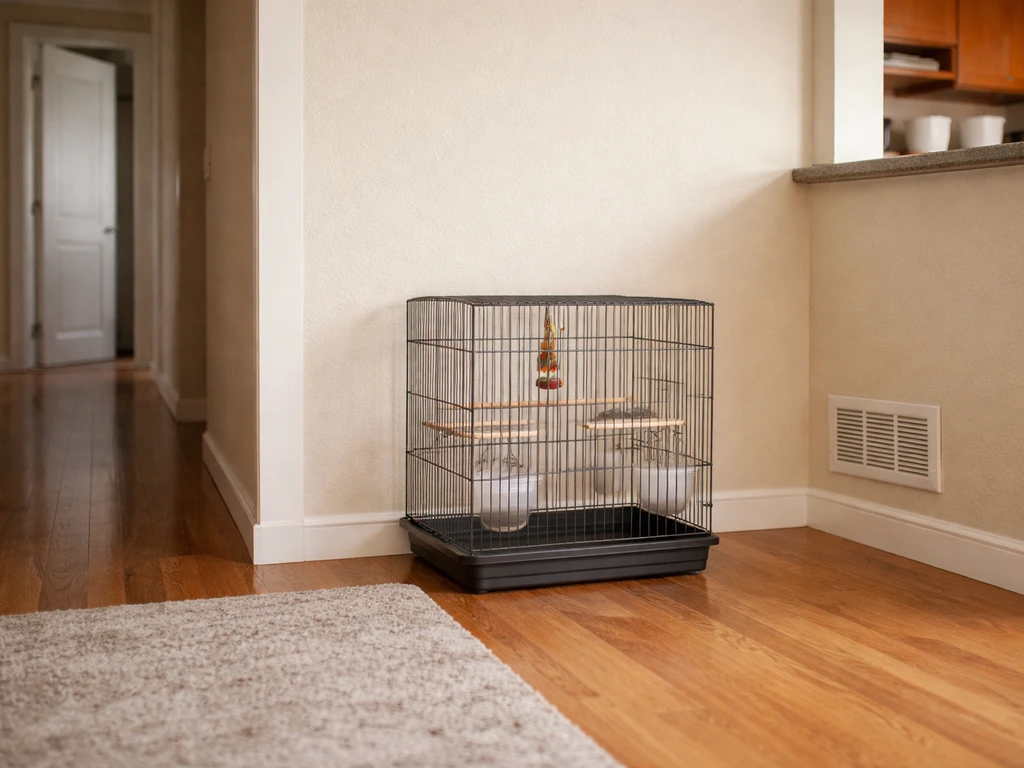
The cage should be at roughly eye level, placed against a wall so the bird has a sense of security behind it, away from drafts, kitchen fumes, and high-traffic areas that cause constant startling. If the cage is in a corner where the bird cannot see you approaching, unexpected appearances will trigger defensive responses every single time.
Stimulation and boredom
An under-stimulated bird is an irritable bird. Foraging toys, rotation of perch types, out-of-cage time, and regular interaction all reduce frustration-based aggression. A bird that spends ten hours a day in a bare cage has nowhere to put its energy except into reactive behavior.
Routine and predictability
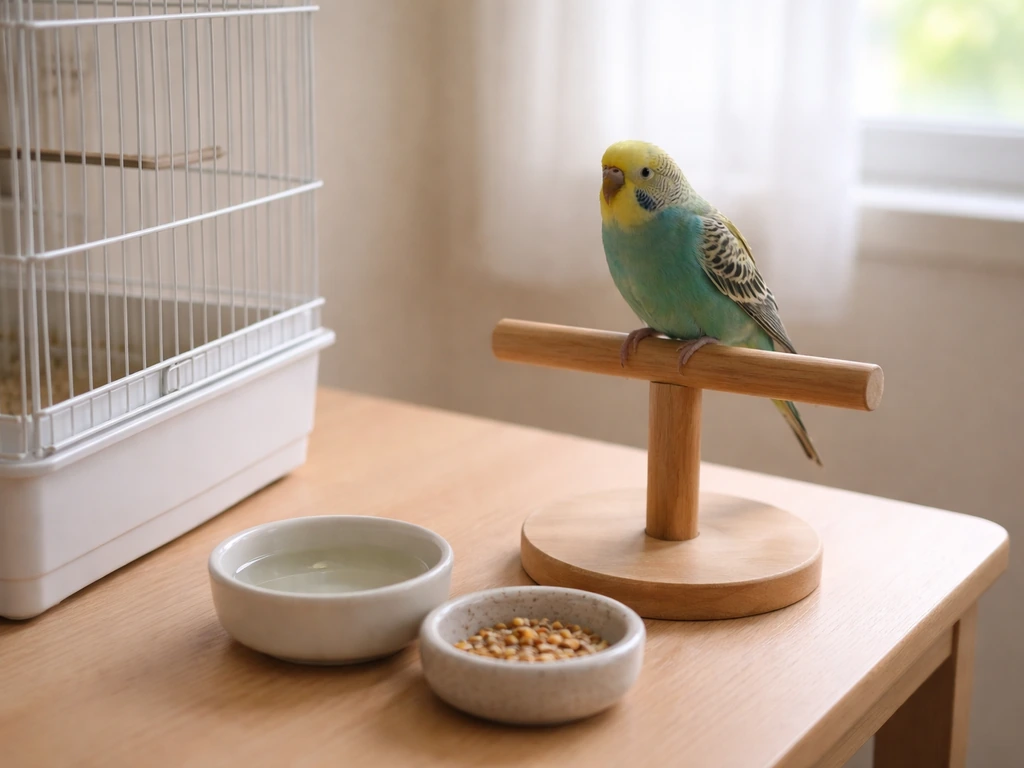
Birds are creatures of habit. Inconsistent schedules, sudden changes to the cage location, new furniture, new people, or even a change in your clothing or hair can trigger anxiety. If something changed at home around the time the hostility started, that change is likely the trigger. Give the bird time to adjust, and try to keep feeding, out-of-cage time, and sleep schedules as consistent as possible.
Common stress triggers to check off
- New pet in the household (especially another bird or a predator animal like a cat)
- Move to a new home or room
- Change in who is at home most often
- Loss of a companion bird or person
- Seasonal light changes (affects hormones significantly)
- Nutritional deficiencies from a seed-only diet
- Too little or too much sleep (birds need 10 to 12 hours of darkness)
A trust-building plan you can actually follow
Trust is built slowly through predictable, low-pressure interactions. The biggest mistake owners make is trying to accelerate the process by forcing contact before the bird is ready. Going too fast resets trust back to zero.
Start with presence, not touch
Spend time near the cage doing non-threatening things: reading, talking softly, eating a snack nearby. Let the bird get used to your presence without any expectation of interaction. This stage can take days or weeks with a fearful bird, and that is completely normal.
Use food as a neutral bridge
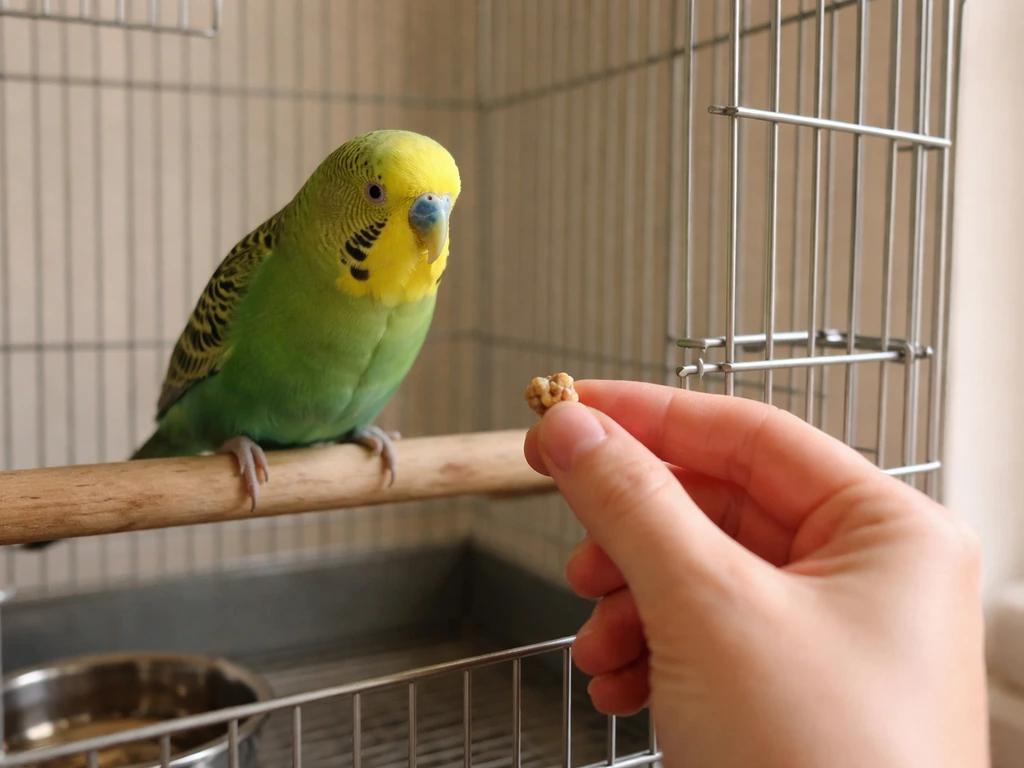
Offering a preferred treat through the cage bars, then from your hand near the open cage door, then from your hand at increasing distances outside the cage is a reliable way to build a positive association with you specifically. The bird is making a choice to approach, which is fundamentally different from being forced into contact.
Positive reinforcement basics
The rule is simple: reward any behavior you want to see more of, immediately after it happens. Calm behavior near your hand gets a small treat. Stepping up without biting gets verbal praise and a reward. The bird learns what earns good things, and starts repeating those behaviors. Punishment does not teach the bird what to do instead, it just teaches it to associate you with something unpleasant.
Step-up training
Present your forearm or finger below the bird's chest, say "step up" in a calm, consistent tone, and wait. If the bird steps up, reward immediately. If it bites or refuses, end the session without drama and try again later. Short sessions of two to five minutes, multiple times a day, work far better than long sessions the bird starts to dread.
Desensitization training for fear and aggression
Desensitization means gradually exposing the bird to the thing it fears or reacts to, at an intensity low enough that it does not trigger a stress response, then building from there. This is the most effective method for birds that bite hands, react to specific people, or are afraid of certain objects or sounds.
- Identify the specific trigger. Is it your hand moving toward the cage? A certain person? A specific gesture or speed of approach? Be precise.
- Find the bird's "threshold" distance or intensity: the point where it notices the trigger but does not yet react. Start all training below this threshold.
- Introduce the trigger at low intensity while the bird is calm. Offer a small treat at the same moment. Repeat many times over several sessions.
- Very gradually increase the intensity or proximity of the trigger across sessions, only moving forward when the bird stays relaxed at the current level.
- If the bird shows any stress signals (puffing, leaning away, eye pinning), you have moved too fast. Drop back to the previous level and stay there longer.
- Be consistent. Daily short sessions beat infrequent long ones. One person should run the initial sessions if multiple people are in the household, to keep things predictable.
- Once the bird is comfortable with one person, slowly introduce others using the same low-intensity, treat-paired approach.
This process can take several weeks, especially with birds that have had negative experiences with hands. Patience here is not optional, it is the method.
When the behavior is actually a health problem
A sudden change in temperament is one of the most overlooked signs of illness in pet birds. If your bird has always been friendly and suddenly becomes aggressive, withdrawn, or reactive without any obvious environmental trigger, that shift in behavior is a red flag worth taking seriously.
Birds are prey animals and instinctively hide illness for as long as possible. By the time you notice obvious physical symptoms, many conditions are already advanced. Behavioral changes are often the first signal.
Health red flags to watch for alongside behavior changes
- Changes in droppings (color, consistency, volume, or frequency)
- Reduced or absent appetite or water intake
- Sitting fluffed up for long periods, especially on the bottom of the cage
- Lethargy or sleeping much more than usual
- Tail bobbing while breathing (can indicate respiratory distress)
- Discharge from the nostrils or eyes
- Sudden feather condition changes, excessive molting, or feather plucking starting out of nowhere
- Loss of balance or uncoordinated movement
- Voice changes or reduced vocalization in a usually vocal bird
If you are seeing two or more of these alongside the behavioral changes, do not wait. Contact an avian veterinarian as soon as possible. A bird that is in pain or feels unwell will often become defensive or aggressive as a protective response, and no amount of training will fix a health problem.
It is worth noting that even feather plucking, which many owners treat purely as a behavioral problem, can have physical causes including skin infections, nutritional deficiencies, or internal illness. If training and environmental changes are not making a dent in the behavior after several weeks, a vet check is the logical next step.
Troubleshooting specific situations
You just got this bird
A new bird acting aggressive or avoidant is not a sign of a bad bird or a bad match. Rehomed birds, birds from pet stores, and even hand-raised birds all need a settling-in period that can range from two weeks to several months. Give the bird time to observe the household without pressure. Keep interaction low-key and let the bird set the pace. Starting desensitization and trust-building training early and gently is fine; forcing handling before the bird is ready is counterproductive.
Longtime companion that has suddenly changed
Rule out health issues first (see above). If the bird gets a clean bill of health, look at what changed: new schedule, new person in the home, new pet, a move, or seasonal hormonal shifts. Many birds become significantly more territorial and reactive during breeding season in spring, and the behavior usually normalizes on its own once the season passes. Avoid petting the bird on the back or under the wings during these periods, as this can trigger sexual frustration that often presents as aggression. Yawning during petting can sometimes be a sign of stress, overstimulation, or that your bird is not comfortable with how you are touching them petting the bird.
Bird bonds with one person and attacks everyone else
This is an extremely common dynamic. The bird sees its favorite person as a mate and sees everyone else as competition or a threat. The person the bird is bonded to needs to be less responsive to the bird's demands (less one-on-one time, less physical affection especially in ways that mimic mating behavior) while other family members run all the positive reinforcement sessions. It is a slow process but it works. The bonded person inadvertently feeding the dynamic is the main reason it stays stuck.
Changes at home triggering aggression
A move, a new cage, rearranged furniture, a new baby, or even a new piece of clothing can all destabilize a bird's sense of security. Go back to basics: predictable routine, low-pressure presence, high-value treats, and short positive sessions. Do not try to push interaction during the adjustment period. Most birds re-stabilize within a few weeks if the environment is otherwise good.
Territorial behavior specifically around the cage
If your bird is fine once it is out of the cage but aggressive inside it or when you reach in, cage territoriality is the issue rather than a general trust problem. Train step-up from outside the cage first. Open the door and let the bird choose to come out. Do not reach into the cage to retrieve a bird that is in defensive mode, because this almost always ends in a bite and a setback in trust.
The bird attacking specifically during interaction is a different situation covered in more detail in a guide on why pet birds attack their owners, and birds that refuse to be touched at all have their own set of causes worth reading through separately. If you want a deeper breakdown of that specific cage-interaction pattern, read the full guide on why pet birds attack their owners. Both of those angles connect to what is discussed here, so if the above steps are not enough, those are useful next reads.
What to track and when to get professional help
Keep a simple log for two to three weeks. Note the time of day, what triggered the reaction, what you did in response, and how the bird behaved for the rest of the session. Patterns become obvious quickly. You will likely find certain times of day, certain approaches, or certain people consistently trigger the reaction, and that information tells you exactly what to work on.
Seek an avian vet if: the behavior came on suddenly with no clear trigger, you are seeing any physical health signs alongside the behavior change, the bird is injuring itself (feather destruction, self-mutilation), the aggression is escalating rather than plateauing, or you have been consistently applying the above steps for four to six weeks with no improvement at all. A vet can rule out physical causes and may refer you to an avian behavior specialist if needed.
Most birds that seem to hate their owners come around with the right approach. The key is understanding that you are dealing with a fear or communication problem, not a personality flaw in your bird, and responding in a way that builds safety rather than confirming the bird's fears. Start with the environment check today, adjust your reaction to bites this week, and begin the desensitization steps once the setup is right. Progress will be slow at first, then faster once trust starts to build.
FAQ
What should I do in the moment if my bird bites and I am scared of getting hurt again?
Freeze your movement for a few seconds and lower your hand slowly out of reach, then end the interaction neutrally. Avoid yanking away, yelling, or trying again immediately, because fast movement teaches the bird that biting makes you react. Resume only later with a shorter, lower-pressure session.
Is it ever okay to put my bird back in the cage as punishment after it bites?
Generally no. Using the cage as a penalty teaches that biting triggers a dramatic outcome. Instead, remove yourself calmly and let the bird have space, then re-try later with a different, safer target (for example, stepping up from outside the cage) and a predictable reward.
My bird is fine until I reach from above. Is that normal?
Yes. Many birds interpret reaching over the head as a threat, even if they like you otherwise. Try approaching from the side, keep your body lower, and offer treats near the cage first before any handling work.
How long should it take before I see improvement?
Expect a noticeable change in triggers and body-language within 1 to 2 weeks, even if full trust takes longer. If there is zero shift after 4 to 6 weeks of consistent, low-pressure desensitization, or the behavior escalates, switch to an avian vet assessment and consider a behavior specialist referral.
My bird only hates one person at home. What is the best next step?
Track whether that person is doing more of the triggering interactions, especially one-on-one time and petting that could be perceived as mating or control. Reduce that person’s responsiveness temporarily and have other family members run the calm training and treat routines, keeping sessions short and consistent.
Can hormone or breeding season behavior look like my bird hates me?
Yes. When hormones rise, birds can become territorial and reactive, especially to unwanted attention under the wings or on the back. During these periods, focus on non-triggering interactions (treats and near-cage calm behavior) and keep any petting minimal until the season passes.
How do I train step-up if my bird refuses or starts lunging?
Lower your forearm or finger below the chest and wait without advancing. If the bird leans away, pins eyes, or escalates, stop the session early, step back, and try again later when the bird is calmer. Aim for very short sessions (2 to 5 minutes) and only progress when the bird can repeat the behavior without escalating.
What if my bird is aggressive only inside the cage?
Treat it as likely cage territoriality rather than general hostility. Start from outside the cage by letting the bird choose to come out (open the door and wait). Avoid reaching into the cage when the bird is defensive, because retrieval attempts almost always reset trust.
How can I tell if this is illness rather than a trust problem?
A sudden change in temperament is a major clue, especially if the behavior comes with quietness, fluffed posture, reduced appetite, droppings changes, or unusual sleep. If the shift is new and you cannot identify a trigger like a move or new person, contact an avian vet promptly.
Should I increase petting or interaction to “prove” I am not a threat?
Usually that backfires. For fearful or bite-prone birds, more interaction too soon confirms the bird’s anxiety. Use predictable, low-pressure proximity, reward calm, and progress only at an intensity that avoids stress signals (leaning away, eye pinning, lunging).
What is a good way to log behavior so I can identify patterns?
Write down time of day, what was happening right before (approach speed, who entered the room, noise, whether the cage location changed), the exact signals your bird gave, what you did next, and the outcome for the next 5 to 10 minutes. Look for repeated triggers like certain people, certain clothing colors, or reaching from specific angles.
My bird plucks feathers or damages skin. Is training enough?
Often not. Feather plucking can have medical causes like skin infections or nutritional deficiencies, and internal illness can also contribute. If environmental and training changes do not help after several weeks, schedule a veterinary exam to rule out physical causes.
Next Article
Why Is My Pet Bird Attacking Me? Causes and What to Do
Learn why your pet bird attacks, spot fear, pain, hormones and guarding, then use safe steps to reduce biting today.