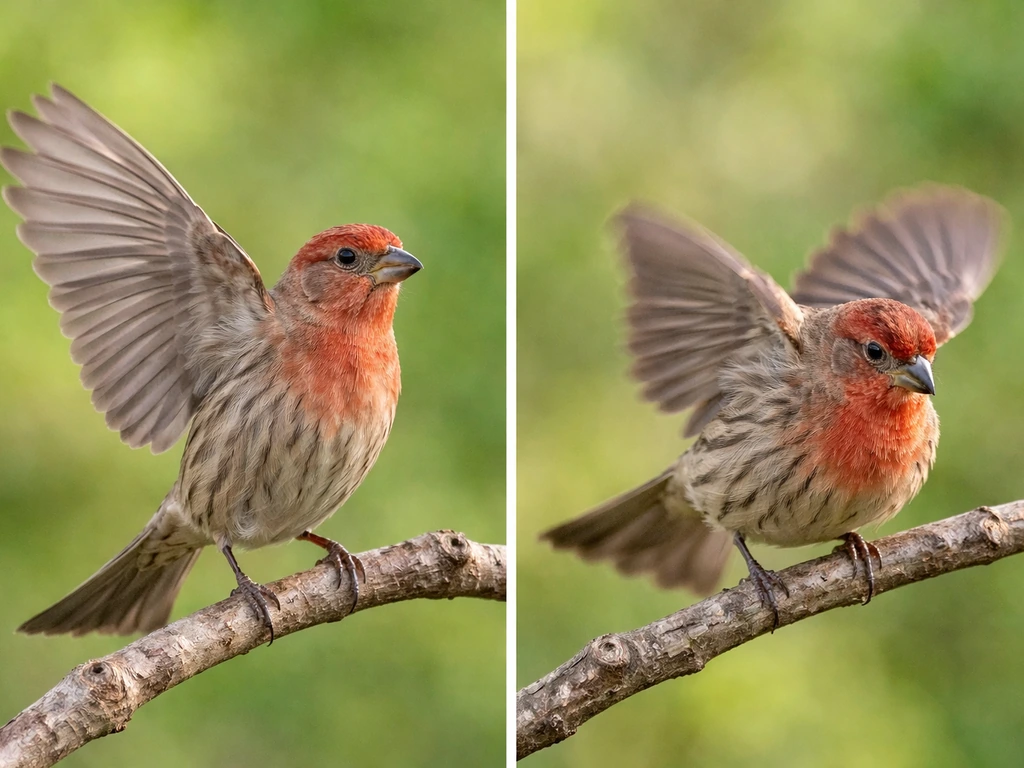
Most of the time, a bird spreading its wings is completely normal. It's how they stretch, cool down, dry off after a bath, and communicate mood. But when wing spreading shows up alongside other symptoms like labored breathing, tail bobbing, fluffed feathers, or a sudden change in energy, it can be an early warning sign of overheating or illness. The key is always looking at the full picture, not just the wings.
Why Does My Bird Spread Its Wings? Normal vs Concerning Signs

Marcus Chen
26 Jun 2026
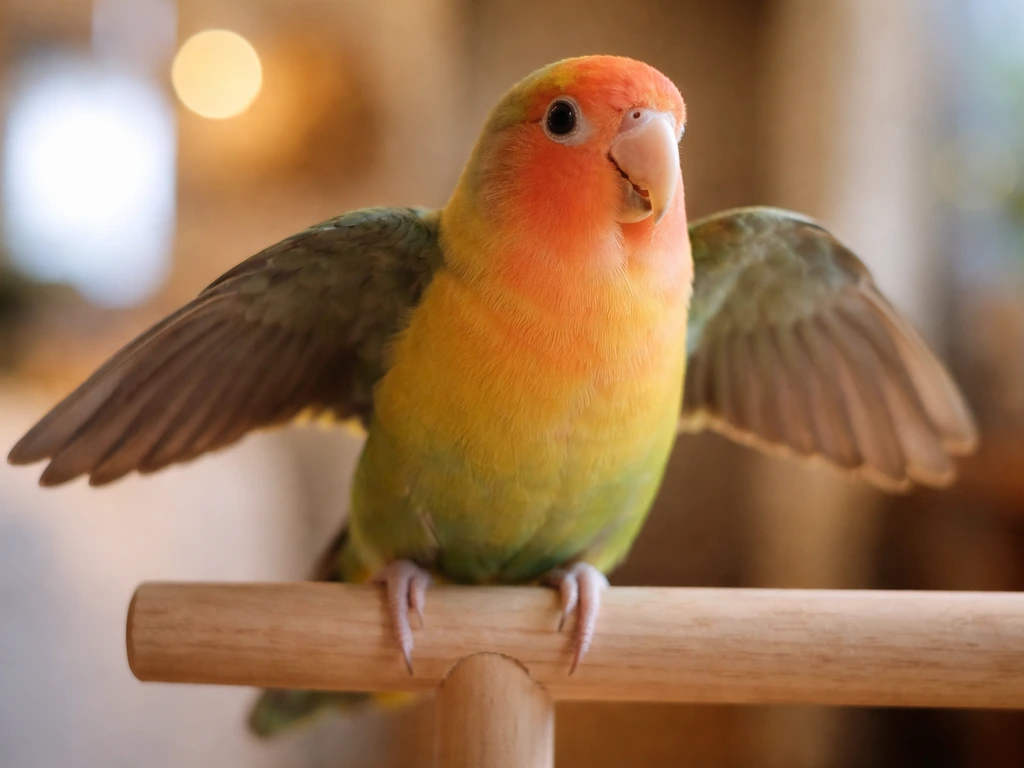
Normal vs. concerning wing spreading
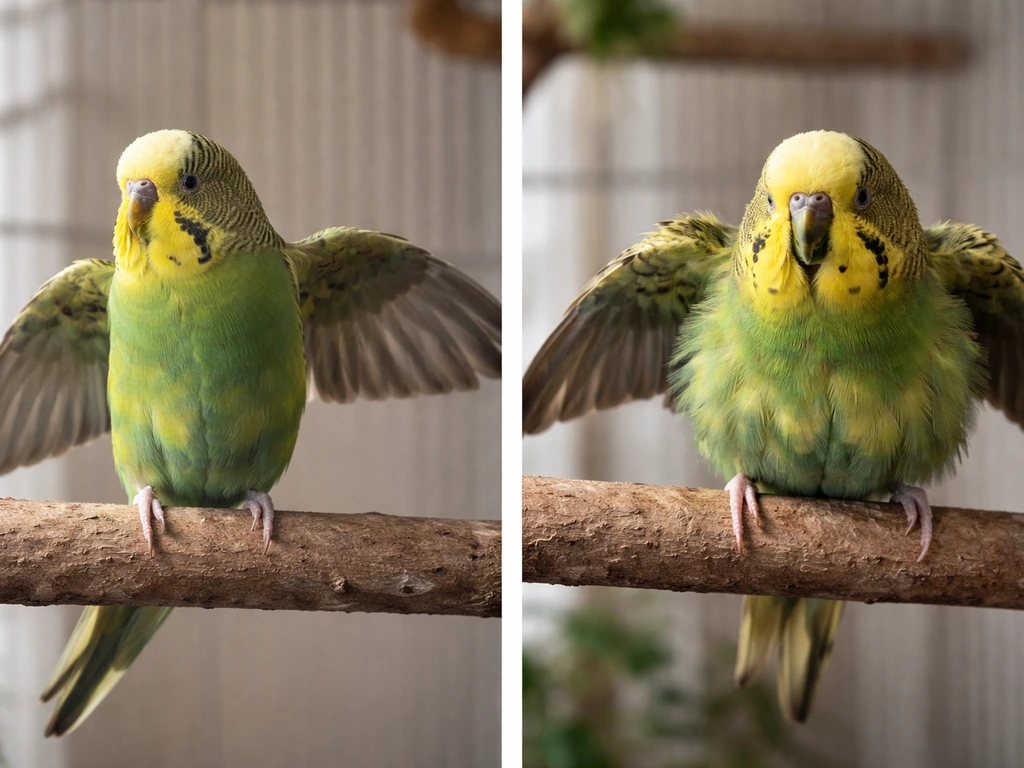
Wing spreading on its own, with a bird that otherwise looks alert, is eating normally, and has good posture, is almost always benign. Birds do it several times a day for completely ordinary reasons. What makes it worth a closer look is when it comes paired with other signs that something is off.
| Likely normal | Worth watching closely | Call a vet today |
|---|---|---|
| Quick stretch after waking up | Wings held out for an extended period | Open-mouth breathing at rest |
| Spreading wings after a bath | Panting alongside wing spreading | Tail bobbing with every breath |
| Greeting you at the cage door | Fluffed feathers and low energy | Fluffed posture plus not eating |
| Brief display during play | Hiding or sitting on cage floor | Skin color changes or weakness |
| Holding wings out slightly in warm room | Recent changes to environment | Unresponsive or collapsed |
The general rule: a bird that spreads its wings and then goes right back to normal behavior is almost certainly fine. A bird that holds its wings out, looks uncomfortable, and has other symptoms needs your attention now.
The everyday reasons birds spread their wings
Stretching and waking up
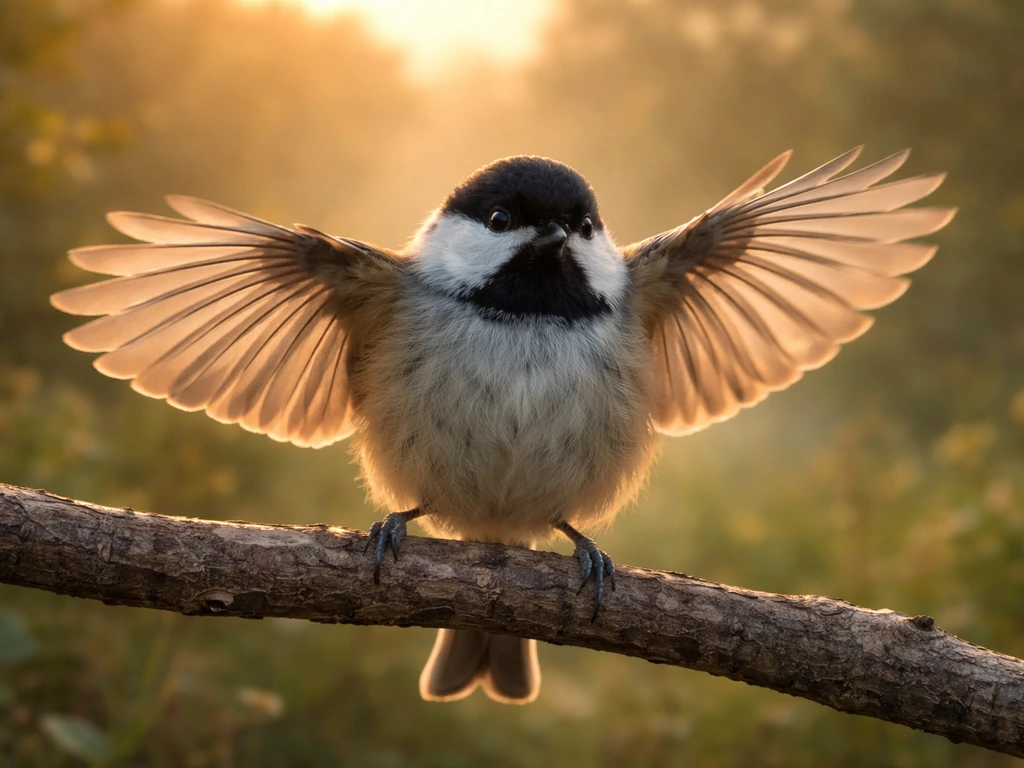
The most common reason is simple stretching. Birds, like most animals, stretch their muscles after rest. You'll often see a big wing spread first thing in the morning or after a long nap, sometimes paired with a yawn and a tail fan. It lasts a second or two, then they're back to normal. Nothing to worry about.
Cooling down and thermoregulation
Birds spread their wings to let air flow over their bodies and release heat. If your bird is holding its wings slightly away from its body and the room is on the warmer side, it may just be trying to cool off. Panting (gular flutter) often goes with this. According to the Merck Veterinary Manual, a panting bird may be too hot and the situation warrants a check. If your bird is doing this, check the temperature near the cage. Ideally, most pet parrots are comfortable between 65 and 85 degrees Fahrenheit. Anything above that range and wing spreading becomes the first tool they use to cope.
Drying off after a bath
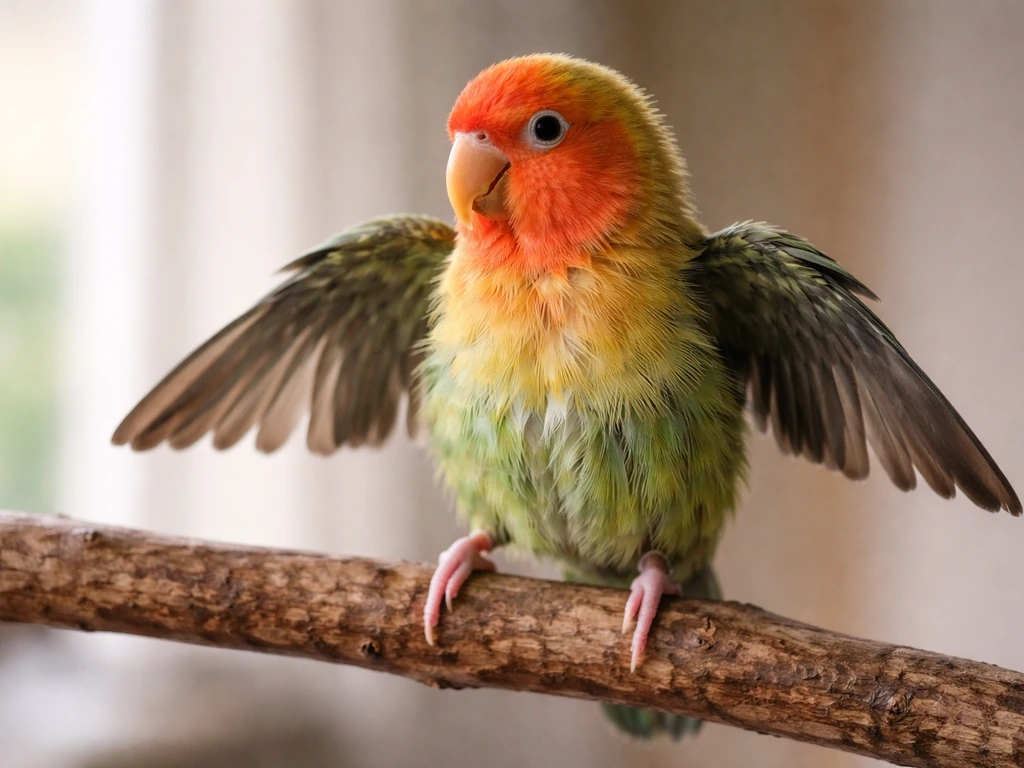
After a mist or bath, birds will spread and hold out their wings to let them air dry. This is completely normal and usually looks relaxed. The bird will be alert, moving around, and preening. If your bird was recently misted or has access to a water dish for bathing, this is almost certainly what you're seeing.
Greeting, attention-seeking, and excitement
Many birds, especially parrots, spread their wings as a greeting or to get your attention. Some do a full dramatic wing spread when you walk in the room. Others do a quick flutter at the cage bars. This is social behavior and often means your bird is happy to see you, wants out, or is feeling playful. The body language here is open and forward-facing, not hunched or tense.
Hormonal and mating displays
During breeding season or hormonal periods, some birds display with wings spread and tail raised. This can happen during interaction with a favorite person or toy. It's a normal behavioral phase, though if it becomes frequent or obsessive, reducing hormonal triggers (like extended light hours or nesting opportunities) is worth doing.
Stress, fear, and social signals
A bird that feels threatened may spread its wings to look larger and more intimidating. This is a defensive posture. You'll typically see it paired with an open beak, pinned eyes, or leaning forward aggressively. The body looks tense, not relaxed. If you've recently brought in a new pet, rearranged the cage, or there have been loud noises in the home, stress is a reasonable explanation.
Some birds also spread wings when they're frustrated or feeling understimulated. A bird that doesn't get enough out-of-cage time or mental engagement may use wing spreading as part of a repetitive behavior pattern. If you're also seeing screaming alongside the wing movements, that topic overlaps with what's covered separately for birds flapping and vocalizing at the same time. Because wing flapping and screaming can happen together with breathing problems, it helps to look at respiratory red flags as well.
When wing spreading is an illness sign
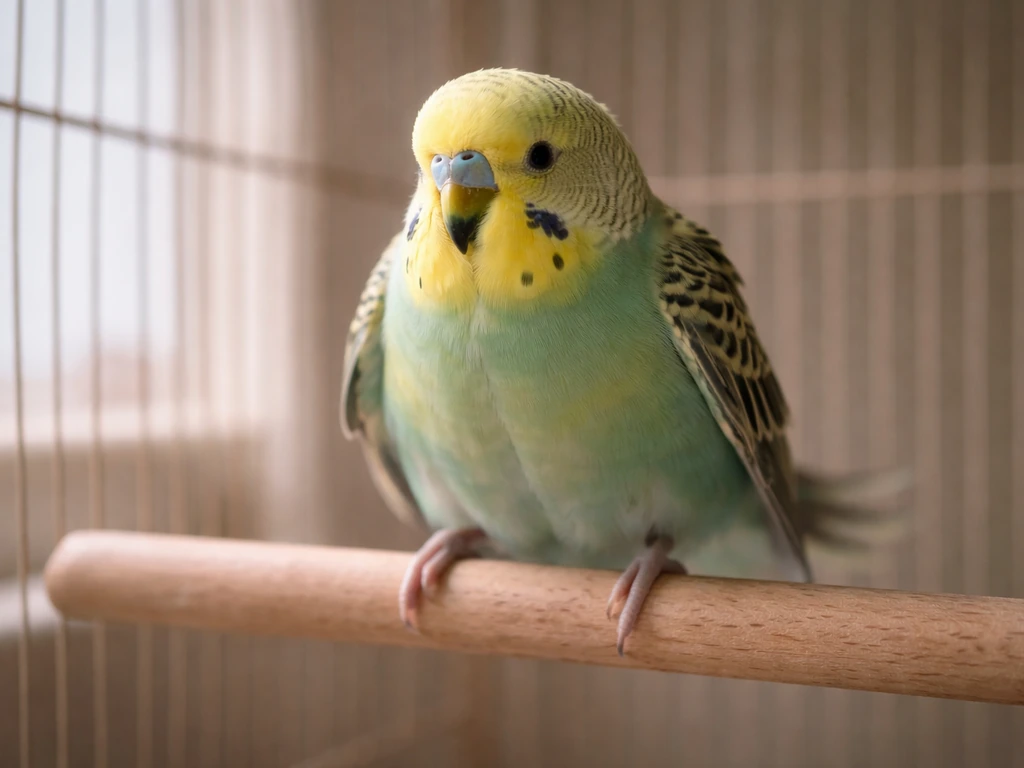
This is the part that matters most. Wing spreading becomes a red flag when it's part of a cluster of symptoms, not a standalone behavior. The specific combination to watch for involves the wings plus breathing.
Birds with respiratory disease often hold their wings slightly away from their body because breathing is labored and the extra space eases the effort. If you are also noticing repeated wing flapping in the cage, compare it with the breathing clues above to decide whether it sounds like a respiratory issue. According to VCA Animal Hospitals, labored breathing and open-mouth breathing are illness warning signs, and tail bobbing (a rhythmic up-and-down movement of the tail with each breath) is a key indicator of increased respiratory effort. blank" rel="noopener noreferrer">LafeberVet lists open-mouth breathing at rest as 'very serious' and tail bobbing at rest as a sign worth urgent attention.
Overheating is another serious cause. A bird in heat stroke may hold its wings out away from its body while panting with darkened skin visible. This is a medical emergency, not a casual cooling-off moment. The difference is the intensity: a hot bird that just needs a cooler room will improve quickly once the temperature drops. A bird in heat stroke will look distressed, weak, and won't recover on its own.
It's also worth knowing that birds are wired to hide illness. By the time wing spreading is obvious enough to catch your attention and is paired with other symptoms, the bird may have been unwell for longer than it looks. This is exactly why early action matters.
Signs that can show up alongside wing spreading in a sick bird
- Open-mouth breathing at rest
- Tail bobbing with each breath
- Fluffed-up feathers, especially for extended periods
- Sitting low on the perch or on the cage floor
- Reduced appetite or not eating at all
- Nasal discharge, sneezing, or wheezing
- Changes in droppings (color, consistency, or volume) over 12 to 24 hours
- Vomiting or regurgitation with material stuck around the face
- Low energy or unusual quietness
- Weakness in the legs or gripping the perch loosely
A quick home check you can do right now
Before you call a vet, run through this quick assessment. It takes about five minutes and will help you figure out what you're actually dealing with and give the vet useful information if you do call.
- Check the room temperature near the cage. Is it above 85°F? If yes, cool it down immediately and see if the wing spreading stops. Most parrots are comfortable in the 65 to 85°F range.
- Watch the breathing for 60 seconds. Count breaths if you can. Small birds (under 300g) breathe 30 to 60 times per minute at rest; larger birds (400 to 1,000g) breathe 15 to 30 times per minute. Fast, labored, or open-mouth breathing at rest is a red flag.
- Look at the tail. Is it bobbing rhythmically with each breath? This is one of the clearest signs of respiratory effort and should not be ignored.
- Assess posture. Is the bird sitting upright and alert, or hunched, fluffed, and low on the perch? Fluffed feathers in a sleepy-looking bird that isn't at its normal sleep time indicates illness.
- Check the feathers and skin. Are feathers in good condition and lying flat (when not displaying), or does the bird look unkempt? Any visible skin discoloration or swelling?
- Observe appetite and droppings. Has the bird eaten today? Have the droppings changed in color, consistency, or amount in the last 12 to 24 hours?
- Note recent changes. New foods, cleaning products, candles, air fresheners, changes to cage position, new pets, or temperature shifts can all be triggers worth mentioning to a vet.
- Watch airflow and humidity. Is the cage near a vent, draft, or air conditioner? Sudden temperature changes and dry air can both cause problems.
- Notice whether the wing spreading is brief and situational (after a nap, after misting, while greeting you) or persistent and uncomfortable-looking.
When to call an avian vet and what to say
Call an avian vet the same day if you see any of the following, especially in combination with wing spreading:
- Open-mouth breathing at rest
- Tail bobbing with each breath
- Bird is fluffed up and not moving around normally
- Wings held out and not responding to a cooler environment
- Bird is on the cage floor and unresponsive or very weak
- No food or water consumed in 24 hours
- Visible nasal discharge or audible wheezing
- Signs of heat stroke: panting, wings held out, darkened skin
When you call, be ready to describe: how long the wing spreading has been happening, blank" rel="noopener noreferrer">whether breathing looks normal or labored, whether the tail is bobbing, what the bird's posture looks like, the room temperature near the cage, what it last ate and when, and any recent changes to its environment. If your bird flaps her wings in place, temperature and comfort level are a big clue to whether it is normal thermoregulation or a problem room temperature near the cage. The more specific you can be, the faster the vet can help you triage over the phone.
One important note: birds in respiratory distress can decline very quickly. LafeberVet specifically notes that dyspneic birds can deteriorate rapidly, even with handling. If your bird looks truly distressed and is struggling to breathe, get to an avian vet or emergency exotic animal clinic immediately rather than waiting to see if it improves.
Prevention and daily wellness habits
Most of the everyday triggers for wing spreading are easy to manage once you know what to look for. Here's what actually makes a difference:
- Keep cage temperatures stable and comfortable. Avoid placing cages near windows with direct afternoon sun, vents, or air conditioning drafts. A thermometer near the cage is genuinely useful.
- Offer regular baths or misting. Birds that can manage their own body temperature through bathing are less likely to overheat. Most birds enjoy a light mist two to three times a week.
- Maintain consistent light cycles. Twelve hours of light and twelve hours of darkness helps regulate hormonal behavior and reduces stress-driven wing displays.
- Provide enough enrichment and out-of-cage time. A bored bird is more likely to develop repetitive behaviors. Foraging toys, perch variety, and daily interaction go a long way.
- Avoid airborne irritants. Cooking fumes (especially non-stick cookware), scented candles, aerosol sprays, and cigarette smoke can all trigger respiratory responses. Birds' respiratory systems are extremely sensitive.
- Watch for early signs and act on them. Because birds hide illness, small behavioral changes like unusual quietness, subtle posture changes, or slightly decreased appetite are worth noting. Waiting to see if things improve on their own is often the wrong call.
- Schedule routine avian vet checkups. An annual wellness exam with an avian-experienced vet catches problems early and gives you a baseline for what normal looks like for your specific bird.
Wing spreading is one of the most common things bird owners wonder about, and it connects closely to other behaviors like in-place flapping, cage flapping, and wing movements paired with vocalizations. If your bird is doing something more specific, like flapping without leaving the perch or flapping while screaming, those situations have their own nuances worth looking into separately.
If your bird is flapping its wings but not taking off, it could be a comfort or stress signal, but breathing issues and injury are also possibilities flapping without flying. But for most birds, most of the time, a wing spread is just a stretch, a greeting, or a temperature check.
Merck Veterinary Manual notes that skin and feather problems in pet birds can be triggered by medical causes, including respiratory infections and other illnesses that can cause pain or stress and lead to secondary feather-destructive behavior skin and feather problems can be triggered by medical causes, including respiratory infections and other illnesses that can cause pain or stress. Your job is knowing the difference.
FAQ
Is it normal if my bird spreads its wings but also opens its beak?
It can still be normal if the bird is relaxed, alert, and not struggling to breathe (no tail bobbing, no hunched posture). If the beak is open while the bird appears to pant or you notice fast breathing, treat it as a respiratory or overheating warning and check temperature and breathing right away.
How long is too long for wing spreading?
A brief stretch usually lasts seconds and then the bird returns to normal posture and activity. If wings stay held out or the bird keeps repeating the behavior for several minutes, especially with fluffed feathers or changes in breathing, it is no longer just a comfort behavior and should be assessed.
My bird holds one wing out more than the other, should I worry?
Yes, asymmetry can point to an injury or pain (for example a wing/shoulder issue) rather than heat or stretching. Look for reluctance to perch, guarding, limping, or a change in preening and appetite, and contact an avian vet promptly if it persists.
What temperature is “safe,” and when should I take action for overheating?
If your home is above the comfortable range mentioned in the article, wing spreading with panting is your cue to cool things down. Immediate steps include moving the cage to a cooler, shaded area, ensuring fresh water, and avoiding cold-water baths when the bird looks distressed.
Can wing spreading happen after I change the cage setup or move the toys?
Yes, birds may use it as a stress or defensive display when the environment changes. If wing spreading is paired with pinned eyes, leaning forward, aggressive behavior, or open-mouth breathing, prioritize medical or overheating checks rather than assuming it is only behavioral stress.
Should I offer a bath or mist if my bird is spreading its wings to cool off?
Not always. If the bird looks overheated and is panting, providing water can help but only if the bird is stable and not in obvious respiratory distress. If breathing looks labored (especially tail bobbing or open-mouth breathing), focus on immediate cooling and get veterinary guidance rather than forcing a bath.
What should I observe if I suspect breathing trouble during wing spreading?
Watch the tail movement (tail bobbing is a key sign), whether the bird uses its open mouth at rest, and if the bird is holding wings away to create more space to breathe. Also note breathing rate changes and whether the bird can comfortably perch and respond normally.
My bird spreads wings when I approach. How can I tell greeting behavior from fear?
Greeting or excitement usually comes with an open, forward-facing body, normal eyes, and relaxed posture. Fear or threat looks tense and defensive, often with pinned or wide eyes, forward leaning, open-mouth threat, and reduced normal engagement.
Does wing spreading mean my bird is moulting or preparing to molt?
Sometimes, birds may do more stretching and show puffed or slightly elevated wing posture during molting phases. However, moulting alone should not cause labored breathing, tail bobbing, or sudden energy changes. If those appear, treat it as a possible illness and not only a molt.
What details should I write down before calling the vet?
Track timing (when wing spreading started and whether it comes in episodes), breathing signs (open-mouth breathing, tail bobbing, panting), posture (hunched or upright, wings held away or relaxed), diet and water intake, and room temperature near the cage. Including whether there were recent changes (bath, misting, new foods, new bird, loud events) helps the vet triage faster.
When is it an emergency and I should not wait for improvement?
Go immediately to an avian or emergency exotic clinic if your bird appears to struggle to breathe, has open-mouth breathing at rest, shows strong tail bobbing, looks weak or distressed, or is worsening quickly. In these cases, delaying for observation can risk rapid deterioration.
Next Article
Why Does a Bird Flap Its Wings? Normal vs Red Flags
Understand normal wing flaps vs red flags. Includes a checklist and when to seek urgent avian vet help.