
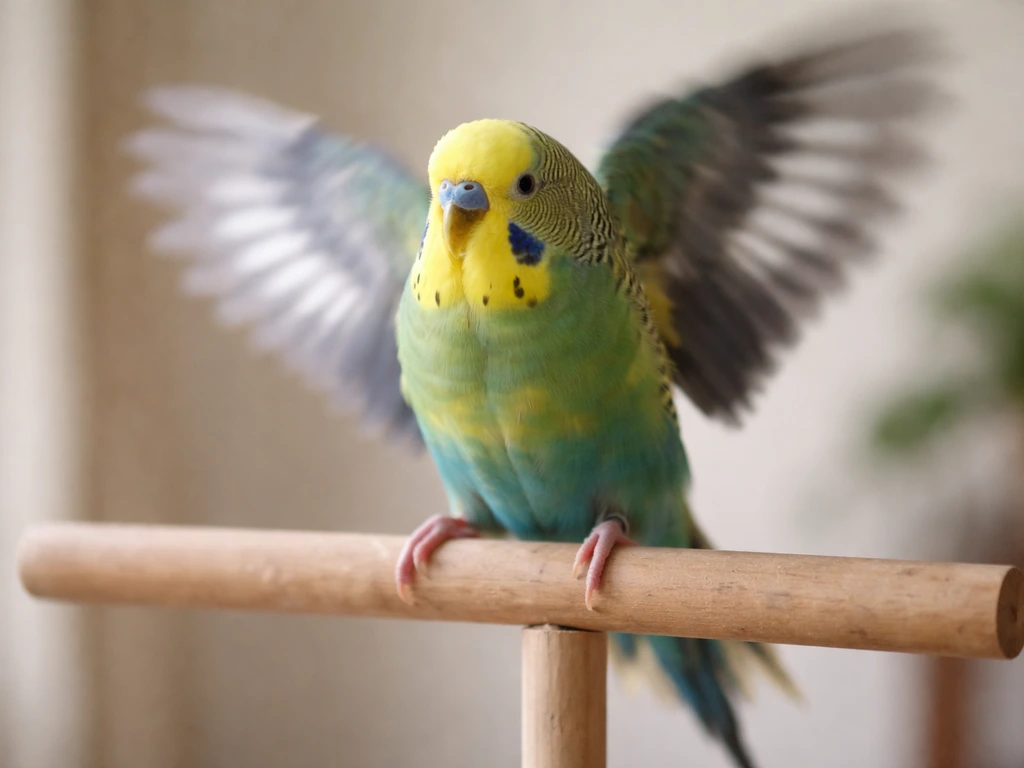
Most of the time, a bird flapping her wings in place is doing something completely normal: stretching, burning off energy, asking for your attention, or regulating her body temperature. If you are wondering why your bird is flapping its wings in the cage, start by comparing the flapping to her breathing and posture flapping her wings in place.
Why Does My Bird Flap Her Wings in Place? Causes and What to Do

Marcus Chen
31 May 2026
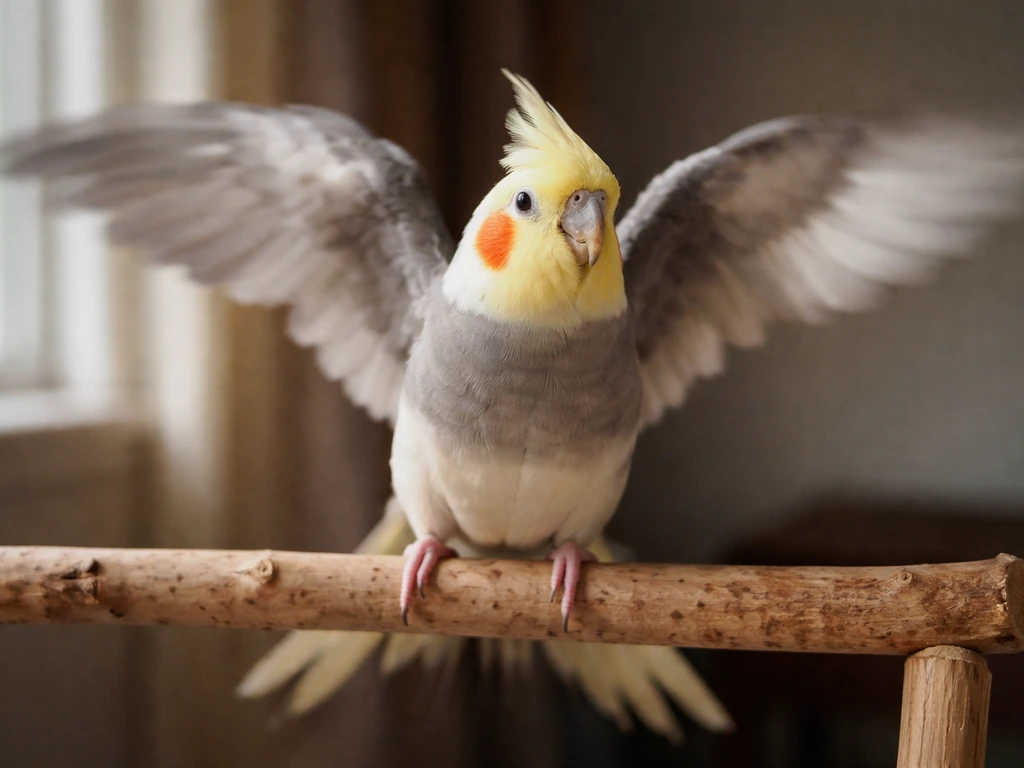
This is also why you might wonder why does a bird flap its wings, especially when it is happening in place. It becomes a concern when the flapping comes with other signs like labored breathing, tail bobbing, puffed feathers, lethargy, or loss of appetite. Learning to read those extra signals is how you tell the difference between a happy wing stretch and a bird who needs help.
Normal reasons birds flap their wings in place
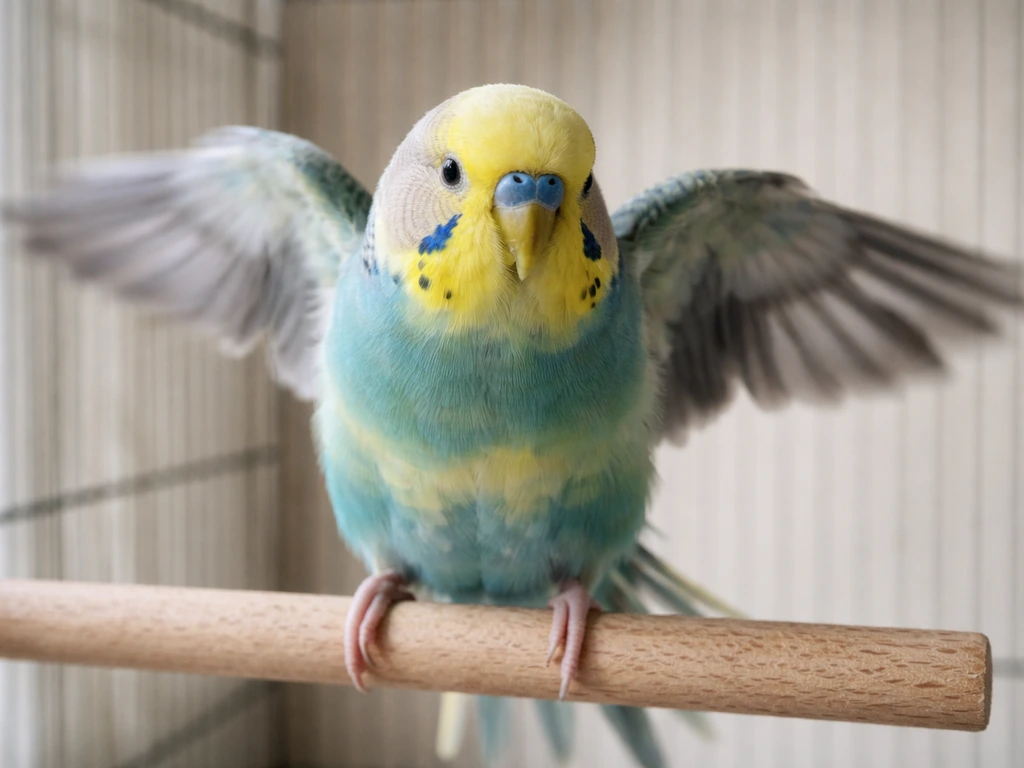
Wing flapping without going anywhere is one of the most common things pet birds do, and in most cases it is completely benign. Here are the main reasons a healthy bird does it.
Stretching and muscle maintenance
Just like you might roll your shoulders or stretch your arms after sitting still, birds flap their wings to work out stiffness. You will often see a quick, vigorous one- or two-second flap right after waking up or after a long perch session. The body posture looks relaxed, the feathers lie flat, and the bird goes right back to whatever she was doing. This is pure physical maintenance.
Attention-seeking and excitement
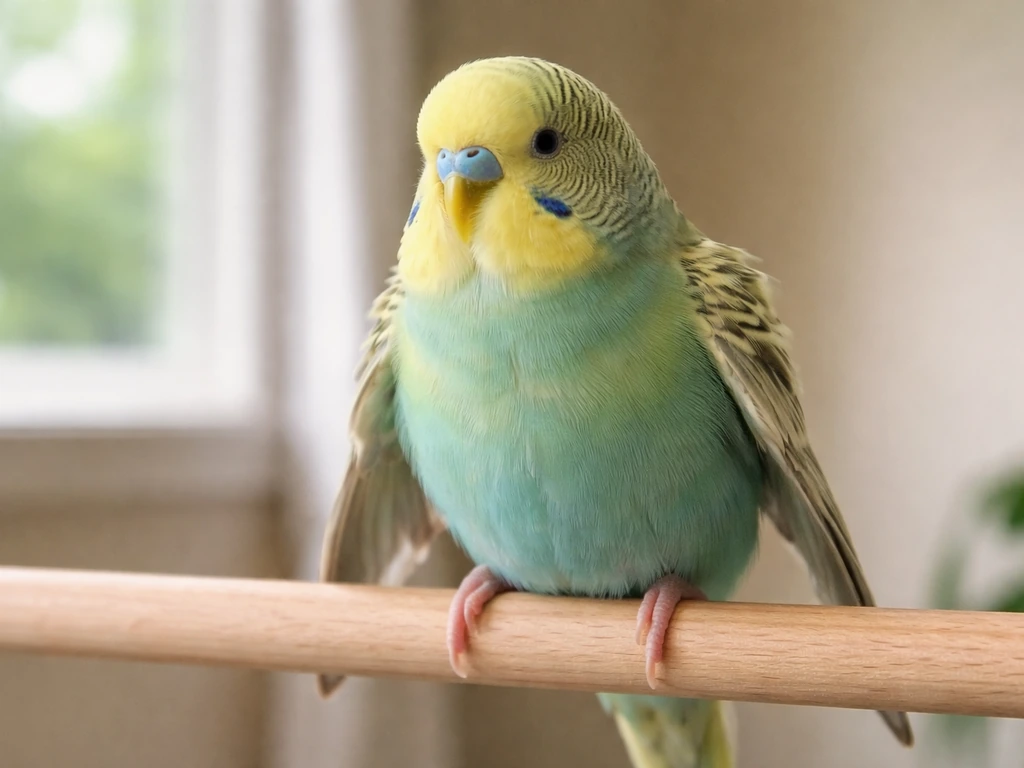
Parrots, cockatiels, and budgies are social creatures who have learned that flapping gets a reaction. If your bird fans her wings when you walk into the room, when you pick up her food dish, or when you start talking to her, she is almost certainly communicating excitement or asking you to engage. Think of it as the bird version of a dog wagging its tail.
Comfort and contentment
Some birds do a slow, relaxed wing droop or a brief flutter when they are settling in and feeling comfortable. This is especially common after a bath or a misting session. The wings spread slightly to help the feathers dry and realign. It looks very different from distressed flapping: the bird is calm, vocalizing softly if at all, and not showing any tension in the body.
Territorial display or communication
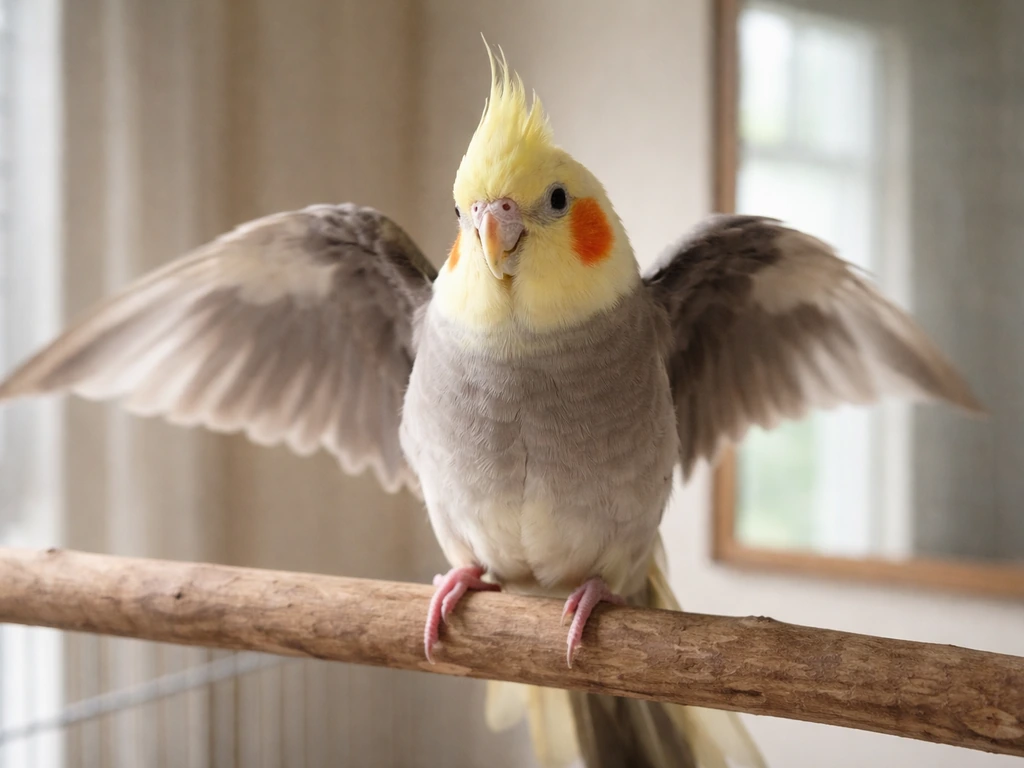
Birds also flap in place as a social signal. A cockatiel might do it to claim her perch, impress a mirror, or respond to sounds from outside. This kind of flapping often has a bit of drama to it: the wings go wide, the crest may raise, and there might be some vocalizing. It is posturing, not a health issue.
What triggers wing flapping in pet birds
Even when the flapping is normal, there is usually something in the environment setting it off. Knowing the common triggers helps you spot patterns and rule out problems early.
- Temperature changes: Birds will flap and spread their wings to manage body heat. If your bird is too warm (above roughly 80 to 85°F for most species), she may spread her wings and open her beak slightly to release heat. If she is chilly, flapping can help generate warmth.
- Excitement: New sounds, a familiar person arriving home, or playtime cues can all set off enthusiastic wing-flapping within seconds.
- Boredom or pent-up energy: A bird kept in a small cage with little stimulation may flap repeatedly just to burn energy. This is behavioral, not a health crisis, but it is worth addressing.
- Territorial or mating behavior: Hormonal periods (usually spring) often bring more dramatic wing displays, especially in cockatiels and parrots.
- Response to music, TV, or outside birds: Many birds flap energetically in response to audio stimulation. It is often a joy response.
Normal wing flapping vs. warning signs
The single most important skill you can develop as a bird owner is reading what accompanies the flapping. If you are dealing with flapping plus screaming, it is especially important to look at the breathing and posture clues and consider urgent causes why is my bird flapping its wings and screaming. Isolated wing flapping in an otherwise alert, active, well-eating bird is almost never a red flag. The warning signs are in the details around the flapping.
| What you observe | Likely normal | Possible concern |
|---|---|---|
| Flapping duration | Brief bursts, 1 to 5 seconds | Prolonged or repetitive without stopping |
| Body posture | Upright, alert, feathers flat | Hunched, puffed up, leaning forward |
| Breathing | Quiet, no visible effort | Open-mouth breathing, tail bobbing with each breath, audible wheezing |
| Appetite | Eating normally before and after | Reduced interest in food or water |
| Activity level | Active, interactive, vocal as usual | Lethargic, sitting at the bottom of the cage, unresponsive |
| Feathers | Smooth and well-maintained | Ruffled at rest, fluffed for long periods |
| Droppings | Normal color and consistency | Watery, discolored, or absent |
Birds instinctively hide illness, which means by the time you notice something is off, it has often been going on for a while. Any combination of the "possible concern" signals above deserves close attention, not a wait-and-see attitude.
Health causes worth ruling out
If the flapping seems unusual in frequency, intensity, or timing, a handful of health issues are worth considering.
Pain or injury
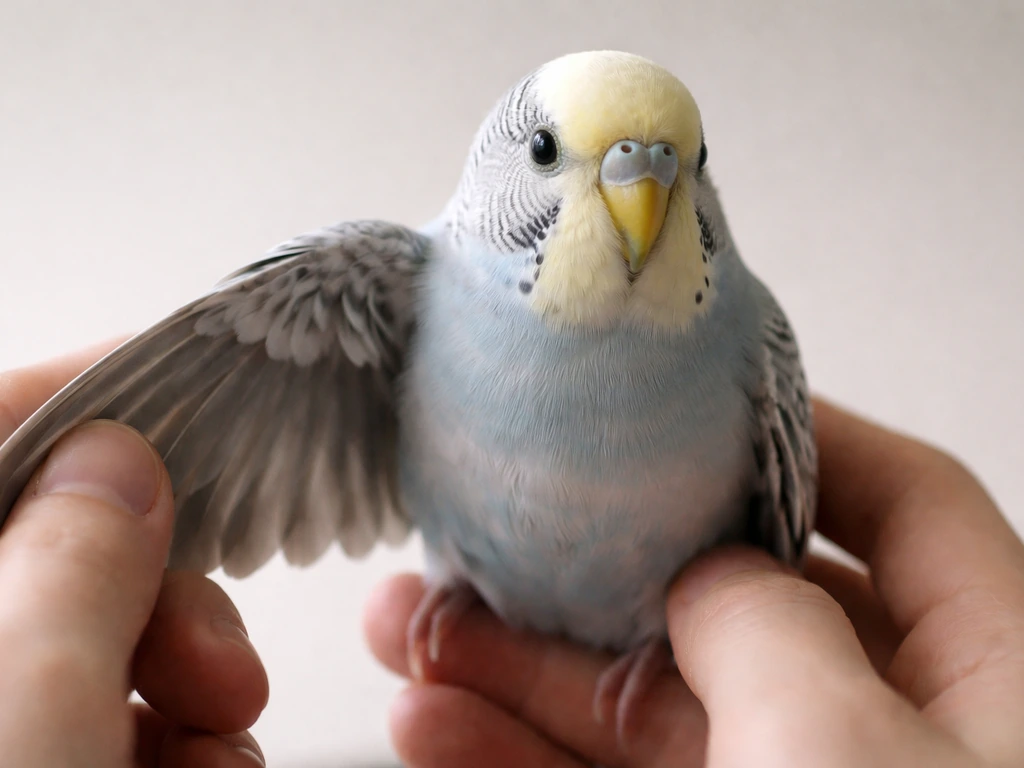
A bird with a wing injury may flap abnormally, hold one wing lower than the other, or flinch when the wing is extended. If the flapping looks asymmetrical or your bird reacts when a wing is touched, treat it as a possible injury and get a vet involved.
Respiratory irritation or infection
Respiratory problems are one of the more serious causes of abnormal wing behavior. A bird struggling to breathe may spread or flap her wings to try to open up her airways. Key signs of respiratory distress include open-mouth breathing at rest, tail bobbing with each breath, wheezing or clicking sounds, and increased visible effort around the chest and sternal area. Air sac mites, bacterial infections, and fungal issues can all cause these symptoms. Household fumes from cooking, cleaning products, air fresheners, and even heated non-stick cookware are common environmental triggers that can cause sudden respiratory distress in birds.
Feather discomfort or skin irritation
Feather problems, including pin feathers that are irritated, mite infestations, or dry skin from low humidity, can cause a bird to flap and preen excessively. Look for bald patches, broken feathers, redness at the skin, or obsessive preening focused on one area.
Overheating or heat stress
Most pet birds are comfortable in the 65 to 80°F range. Budgies and cockatiels can start showing heat stress above about 85°F. Signs include holding the wings away from the body, open-beak breathing or panting, weakness, and repeated wing spreading without the usual perkiness. If you notice wing spreading along with open-beak breathing or weakness, it can be a sign of heat stress and needs quick attention. If your bird's environment is above 80°F and she is showing any of these signs, that is a same-day situation worth acting on quickly.
What to do right now
Before you call anyone, run through a quick home check. You can do most of this in under five minutes.
Quick observation checklist
- Check the room temperature with a thermometer. Target 70 to 80°F for cockatiels and most parrots; budgies tolerate down to around 60°F but struggle above 85°F.
- Watch her breathing for 60 seconds. Is her tail moving up and down with each breath? Is her beak open while she is sitting still? Can you hear any wheezing or clicking?
- Look at her posture. Is she upright and alert, or hunched and puffed up?
- Check the food dish. Has she been eating today? Is the water clean and being used?
- Look at the cage bottom. Fresh droppings should be present. Unusual color (red, black, very watery, or completely absent) is a flag.
- Note how long the flapping has been happening and whether it is getting worse, staying the same, or only happening at certain times.
- Sniff the air. Have you used any sprays, cooking products, or cleaning agents nearby in the last few hours?
Environment tweaks to try immediately
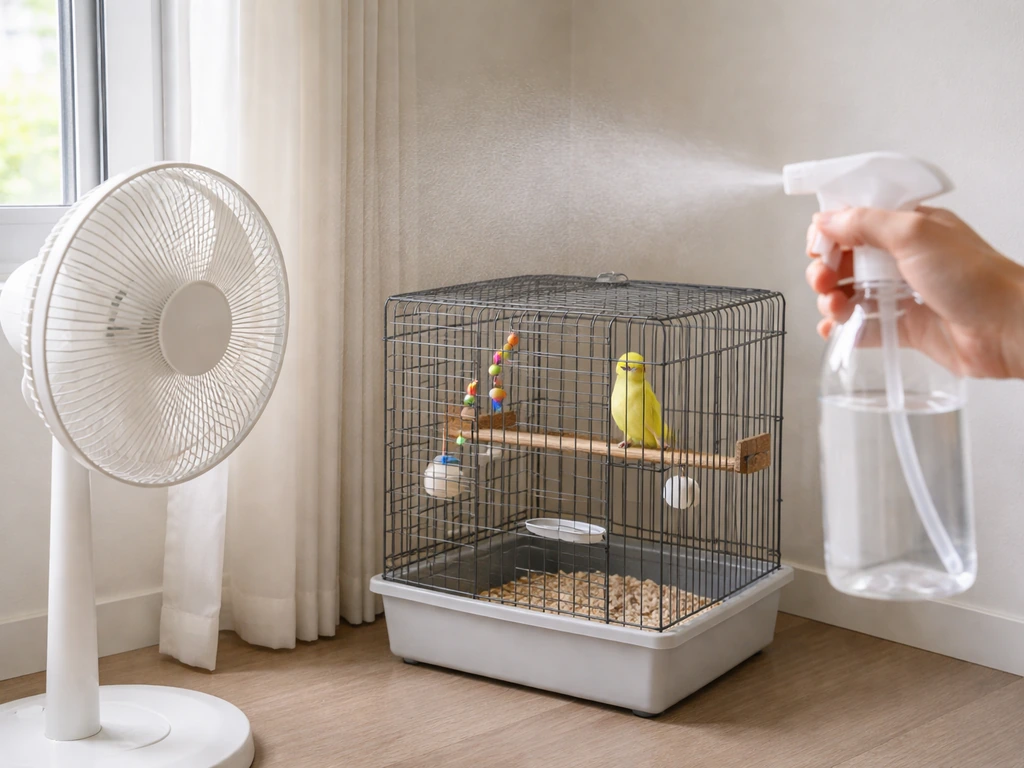
- If the room is above 80°F, move the cage to a cooler spot, turn on a fan pointed away from the cage (not directly at her), and offer a light misting with room-temperature water.
- If the room is below 65°F, move the cage away from drafts, windows, and air conditioning vents.
- Remove any aerosol sprays, candles, or air fresheners from the room and ventilate with fresh air.
- Offer a shallow dish of water at room temperature for bathing if she seems restless or hot.
- Reduce loud stimuli like TV noise or other pets if the flapping seems stress-related.
When to contact an avian vet
Some situations need professional input today, and some can wait for a scheduled appointment. Here is how to think about it.
Call or go in urgently if you see any of these
- Open-mouth breathing at rest (this is serious and should not be dismissed)
- Tail bobbing with every breath
- Audible wheezing, clicking, or gurgling sounds
- Visible bluish or gray discoloration around the beak, feet, or skin (a sign of low oxygen)
- Complete loss of appetite or inability to stand
- Suspected wing or bone injury
- Sudden onset after exposure to fumes or sprays
Schedule a same-day or next-day appointment if
- The wing flapping is new, repetitive, and lasts more than a day with no clear trigger
- She is eating and breathing normally but seems lethargic or less interactive than usual
- You notice repeated wing-spreading in a warm room even after you cool things down
- Feather condition has noticeably changed alongside the flapping
What to tell the vet
When you call, be ready to describe: how long the flapping has been happening, how often and for how long each episode lasts, whether there are any breathing sounds or tail bobbing, your bird's current appetite and droppings, room temperature and recent environmental changes, any exposure to sprays, fumes, or new foods, and whether the behavior is getting worse. The more specific you are, the faster the vet can triage whether this is urgent. A board-certified avian vet (or an exotics practitioner) is the right choice here, not a general small-animal clinic, since birds need species-specific assessment.
Wing flapping in place covers a wide range of behavior, from the perfectly happy stretch your bird does every morning to a genuine sign that something needs attention. Most of the time it is the former. But because birds hide illness so well, the other signals around the flapping matter just as much as the flapping itself. blank" rel="noopener noreferrer">Cyanosis and open-mouth breathing may appear later as respiratory distress progresses, so the timing can signal increasing urgency. Trust what you observe, run through the checklist above, and do not hesitate to call a vet if anything feels off.
FAQ
How can I tell if my bird’s wing flapping is normal stretching or a breathing problem?
Not necessarily. Many birds flap briefly after waking, but you should still check for red flags like tail bobbing with each breath, open-mouth breathing at rest, puffed feathers, or changes in appetite or droppings. If flapping is frequent and lasts more than a minute, or happens at rest repeatedly, that is a reason to contact an avian vet.
What signs should I look for besides wing flapping to decide how urgent it is?
Watch the pattern, not the single moment. Normal flaps are quick (often a second or two), the bird stays alert, feathers look smooth afterward, and breathing returns to steady. Distressed flapping tends to come with visible effort in the chest/sternum, tail bobbing, wheeze/clicking, or open-mouth breathing.
My bird flaps but seems to favor one side, is that still normal?
If one wing is used differently, the behavior is more likely to be injury or pain than stretching. Look for asymmetry (one wing held lower), flinching when you gently extend or touch near the wing joints, reluctance to perch in certain positions, or sudden change after an accident or fall.
Can wing flapping be related to mites or skin irritation even if she is still eating?
High humidity, cold drafts, and very low humidity can all change feather comfort, but the key is your bird’s overall state. Dry-air issues often come with heavy preening, rough or flaking skin, and broken or damaged feathers. If flapping is paired with obsessive preening, redness, bald patches, or skin irritation, treat it as a feather or skin problem and consider a vet to rule out mites.
What household things commonly cause birds to flap their wings suddenly in place?
Yes. Cleaners, aerosol sprays, air fresheners, cooking fumes, and even overheating non-stick cookware can trigger sudden respiratory distress. If flapping started soon after you used a product or cooking event, remove the bird to fresh air immediately, ventilate the room, and call an avian vet for guidance.
My room is warm, could wing flapping mean heat stress, and what should I do first?
Cooling is not a substitute for treating heat stress. If your bird is panting (open-beak breathing), holds wings away from the body, looks weak, or keeps wing spreading without relaxing, lower the room temperature quickly (aim for the bird’s normal comfortable range) and contact an avian vet the same day.
My cockatiel flaps at the mirror, is that a problem?
A mirror can increase wing spreading and posturing, especially in cockatiels and other social species. The behavior is usually rhythmic, the bird remains otherwise active, and you do not see breathing distress signs. If flapping is intense and prolonged, or the bird seems overly focused and agitated, limit mirror time and consult a vet if other symptoms appear.
Could my bird be flapping because of stress or routine changes?
Yes, stress can trigger wing flapping as a response to routine changes or overstimulation. Common triggers include loud noise, frequent handling, new cage mates, or a shift in feeding or sleep schedule. If flapping increases after a specific change, try stabilizing the environment (quiet, predictable routines) and monitor for appetite, droppings, and breathing changes.
When should I treat wing flapping as an emergency and go the same day?
If you see open-mouth breathing at rest, tail bobbing with each breath, wheezing or clicking, repeated wing spreading with weakness, or rapid worsening, do not wait for an appointment. Birds can deteriorate quickly, and these signs often need same-day evaluation by an avian-exotics clinician.
How do I monitor wing flapping at home without missing early illness?
Even if the behavior looks mild, track it because birds hide illness. Use short notes like time of day, duration, whether the bird is alert, and whether droppings and appetite changed. If the frequency or intensity is trending upward over several days, call an avian vet so they can triage sooner rather than later.
Next Articles
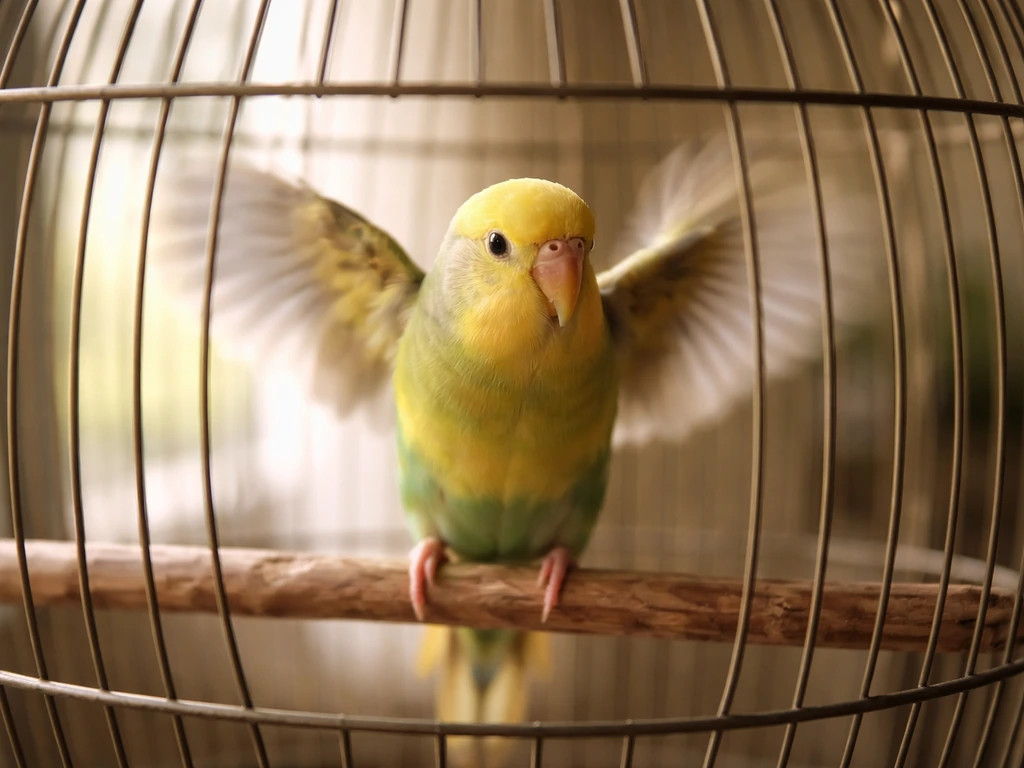
Why Is My Bird Flapping Wings in the Cage? Fixes Now
Understand why your bird flaps in its cage, spot normal vs stress or illness, and follow safe fixes and vet warning sign
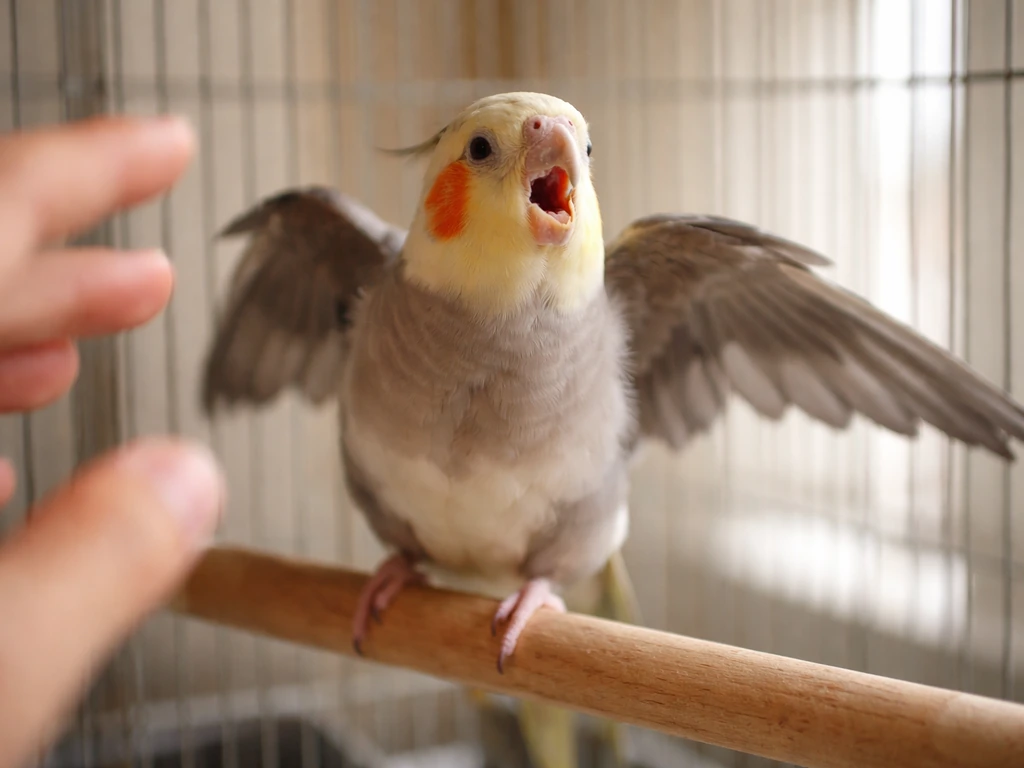
Why Is My Bird Flapping Wings and Screaming? Quick Checks
Quick checks for why your bird flaps and screams, separating normal excitement from stress and health emergencies plus v
Why Is My Bird Flapping Its Wings but Not Flying?
Learn why your bird wings flap but won’t fly, spot breathing pain stress overheating signs, and know what to do next